




by Redazione 09/04/2026



Categories: Exhibitions / Disclaimer
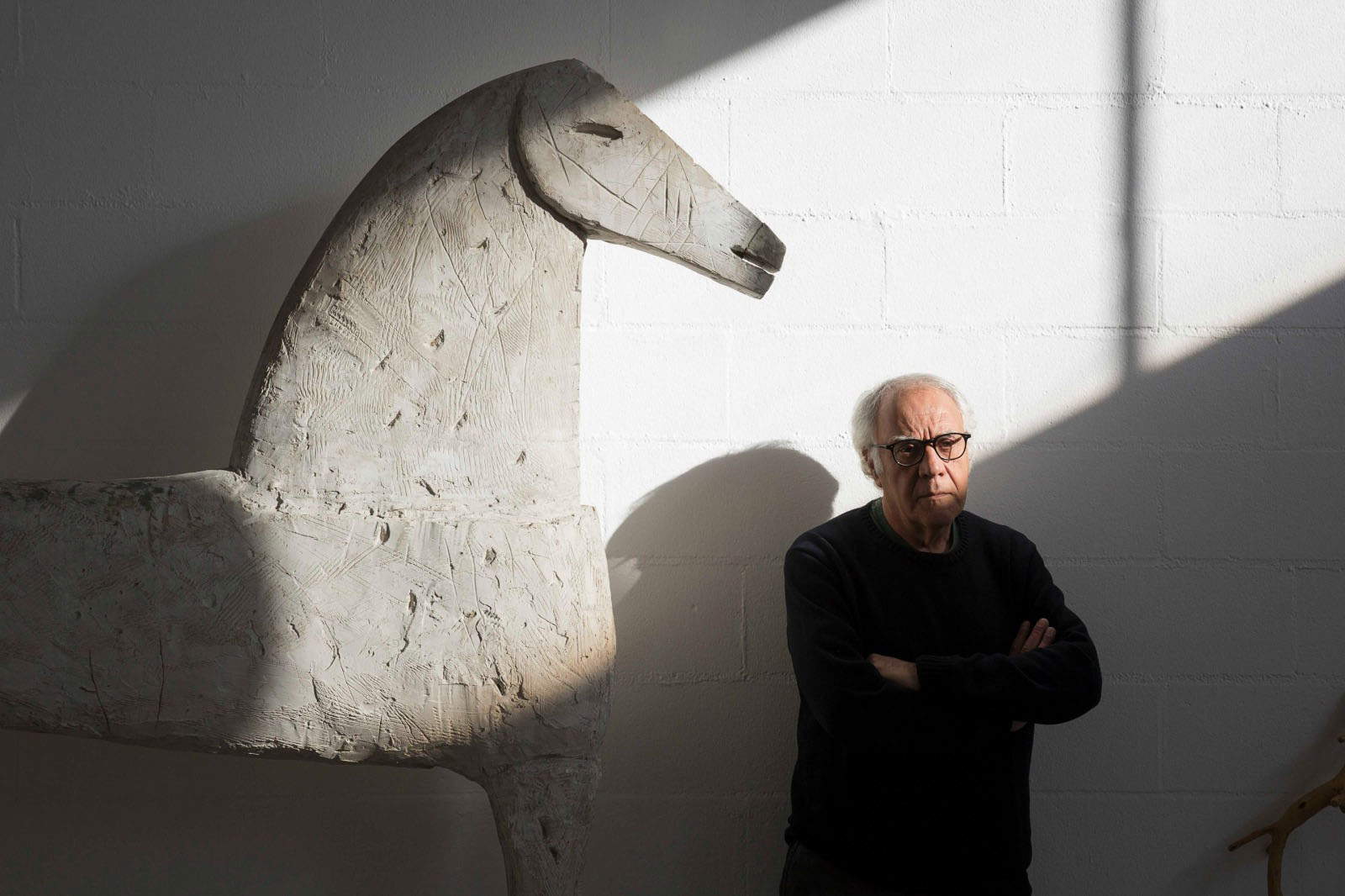
From May 16 to July 26, 2026, the Stirling Room at Palazzo Citterio in Milan is hosting an exhibition of Mimmo Paladino's work curated by Lorenzo Madaro. On display is the entire Dormienti series, thirty-two terracotta sculptures rearranged for the underground space, along with a nucleus of drawings from 1973.

From May 16 to July 26, 2026, Palazzo Citterio in Milan is hosting the Paladino exhibition, dedicated to Mimmo Paladino (Paduli, 1948), among the leading figures of the Italian and international art scene. The exhibition marks the artist’s return to a public space in Milan after the solo show organized in 2011 at Palazzo Reale. The project, curated by Lorenzo Madaro, takes place in the Stirling Room of Palazzo Citterio and is organized by La Grande Brera in collaboration with thePaladino Archive.
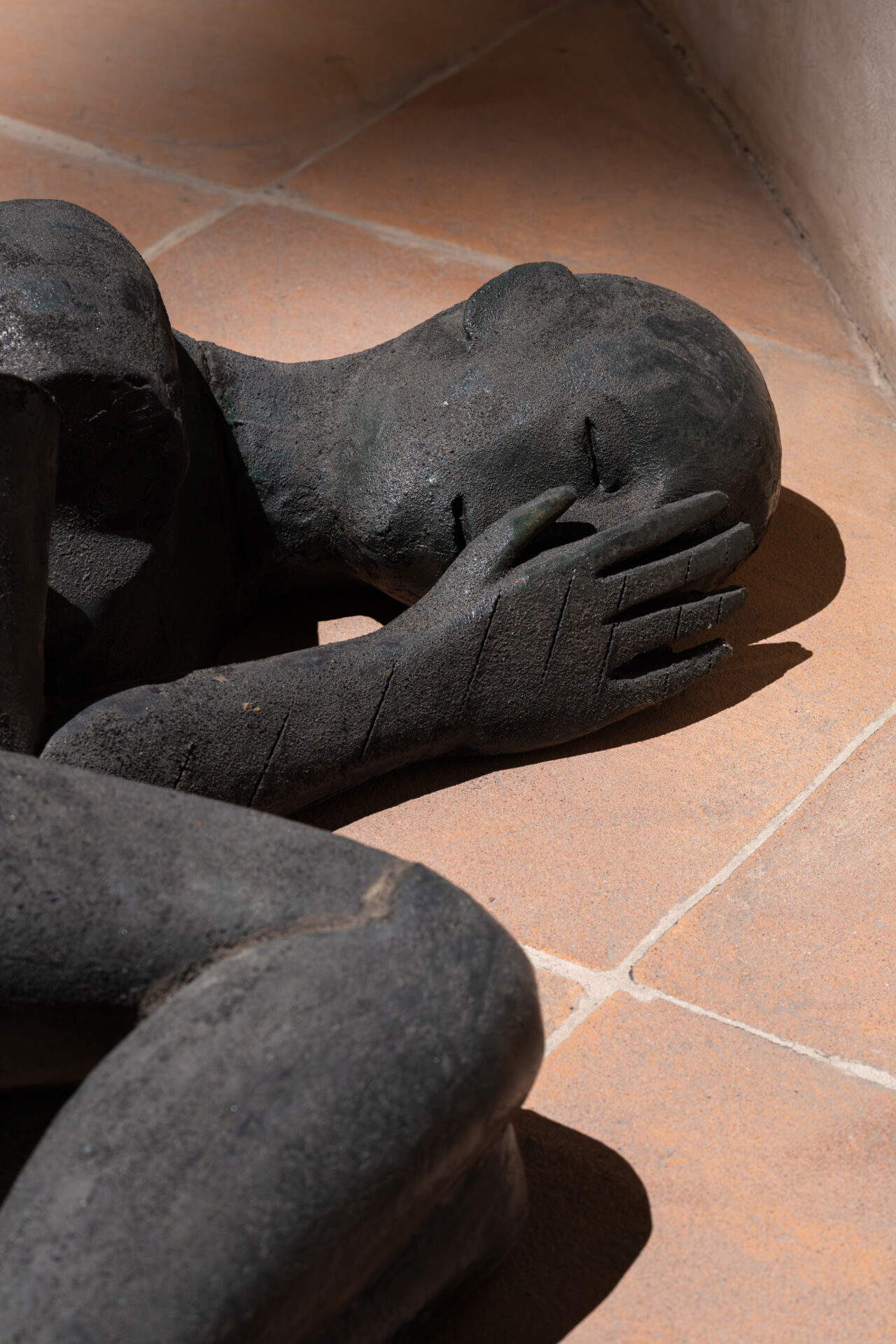
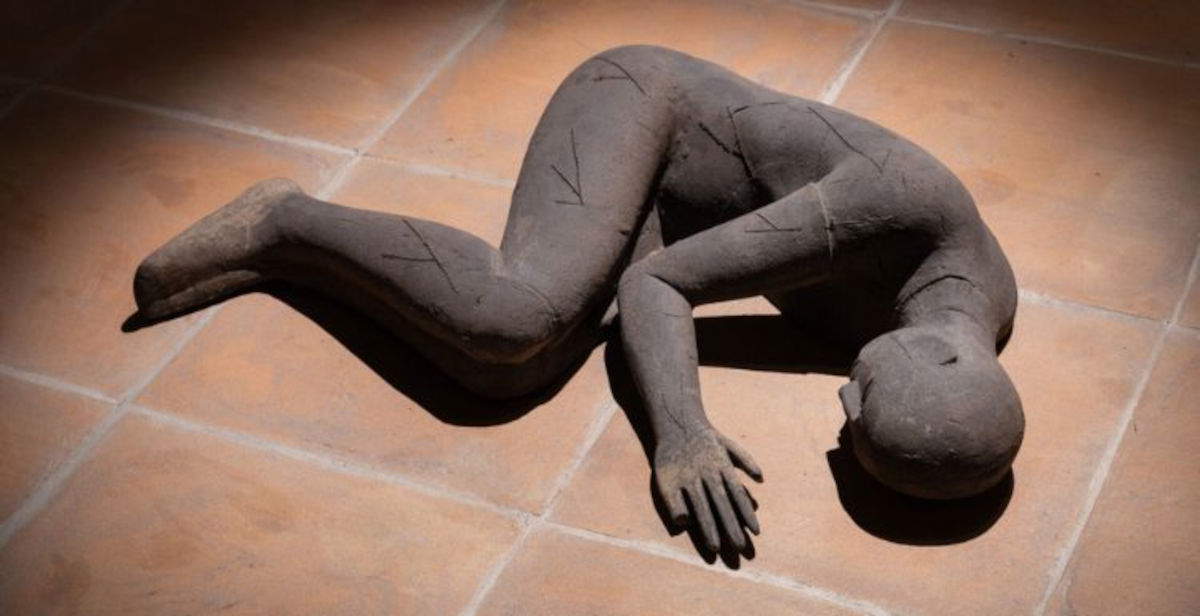
The exhibition presents a project conceived specifically for the rooms of Palazzo Citterio and focused on The Sleepers, one of the artist’s best-known works. The installation brings together the entire series consisting of thirty-two terracotta sculptures, all made from the same matrix but combined differently each time depending on the space that hosts them. For the Milan appointment, the sculptures are rearranged in direct dialogue with the underground architecture of the Stirling Room, an environment that becomes an integral part of the exhibition experience.


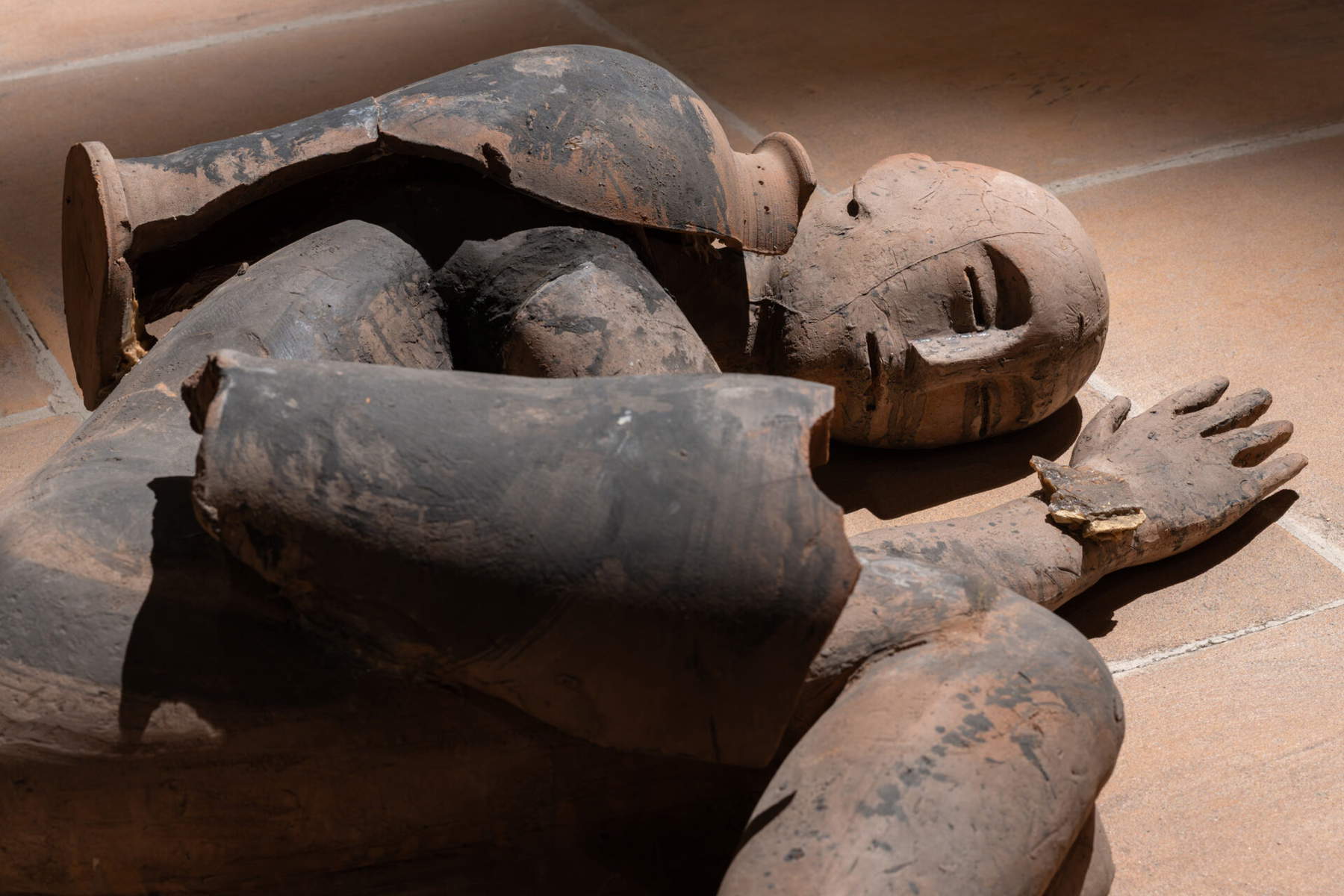
The arrangement of the works is conceived as a kind of theatrical staging. The reclining figures, lying in a fetal position, occupy the space as silent presences. The bodies seem suspended between sleep and wakefulness, between dreamlike dimension and reality, in a situation of stillness that defines the visual rhythm of the environment. The audience is invited to move freely through the room, traversing an installation that does not take on the character of a traditional contemplative space but that of an active context, capable of generating unexpected relationships between works, architecture and viewers. The result is a landscape of pauses and reflections, in which silence and the sound dimension dialogue with the structural energy of the space.
The Sleepers series was born in the late 1990s. The work was presented for the first time in 1998 in Poggibonsi, and the following year it was exhibited at the Roundhouse in London as part of a project made together with musician and producer Brian Eno. On that occasion Eno composed a sound track designed to accompany the public’s visit. The same composition will also be reproposed for the Milan exhibition, emphasizing the interdisciplinary dimension that characterizes part of Paladino’s research.
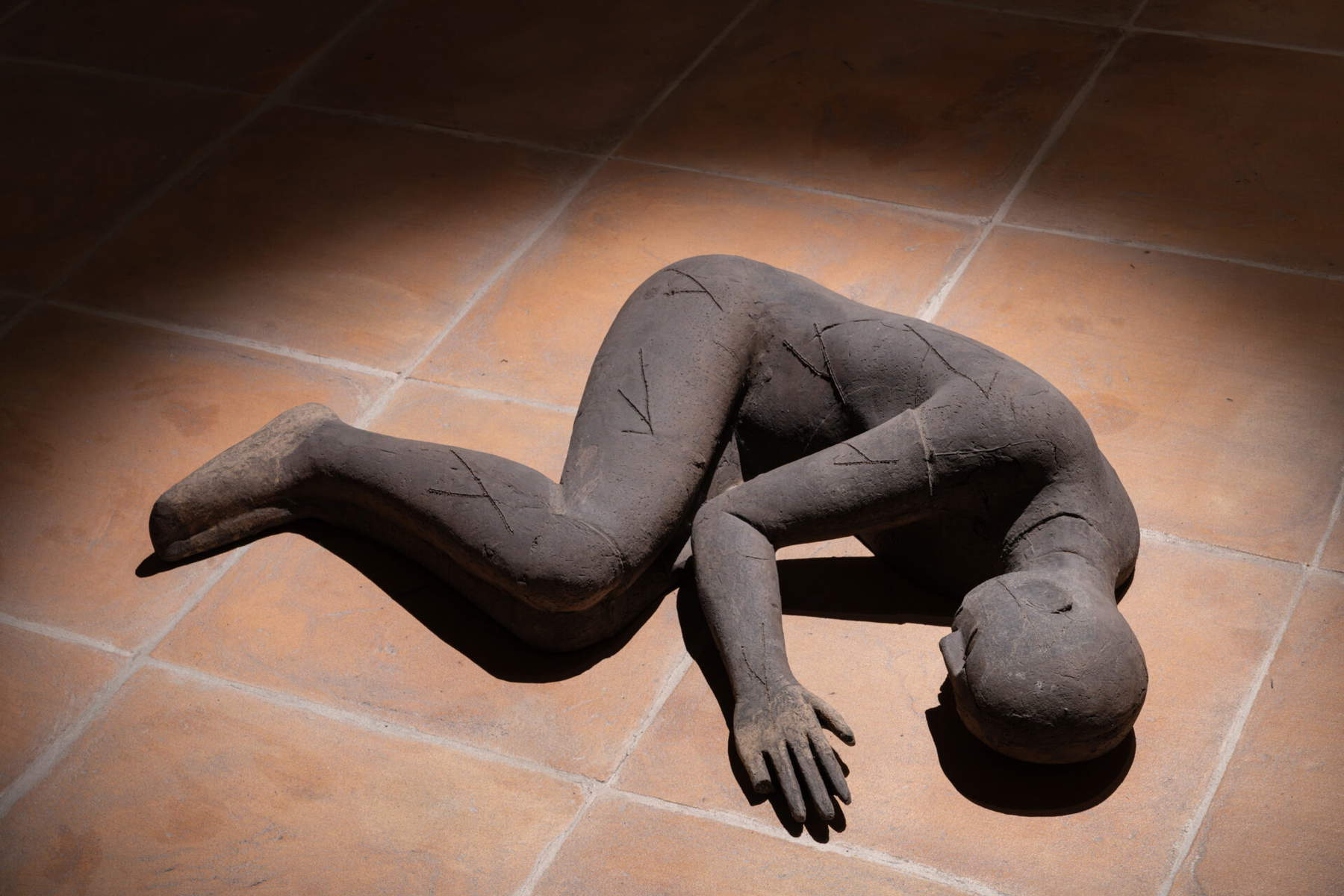
The figures of the Dormienti evoke in some respects the bodies found in the excavations of Pompeii and Herculaneum, which remained immobile after the eruption of Vesuvius in 79 AD. However, the main inspiration comes from drawings made by British sculptor Henry Moore during World War II. Moore portrayed people huddled in British bomb shelters, figures who in his sketches do not appear dominated by terror, but rather immersed in a condition of sleep and suspension.
The exhibition ideally begins in a more intimate setting, a hidden room adjacent to the Stirling Room. Here it finds a place for a series of fifteen large unpublished drawings made in 1973 and preserved until today in the artist’s studio in Paduli (Benevento). The nucleus of works on paper represents an early phase of Paladino’s research and allows us to highlight the central role of drawing in his practice. Then 25 years old, the artist began a series of experiments that looked to color and sign as alternative expressive possibilities to the then predominant languages, including Minimalism, Conceptualism and Arte Povera.
The presence of the 1973 drawings within the exhibition thus establishes a symbolic starting point for Paladino’s entire artistic journey. The work on paper also introduces a dimension linked to myth, considered by the artist as a constant territory of reference and a source from which he draws images and symbols throughout his production.
A monographic volume dedicated to the artist, published by Metilene Edizioni, will also be published on the occasion of the exhibition. The book, edited by Lorenzo Madaro and consisting of about 180 pages, analyzes the relationship between work and architectural space in Paladino’s production from 1970 to the present. The publishing project takes its starting point precisely from the installation of the Sleepers in the Stirling Room, an environment characterized by a strong architectural identity.
The publication includes contributions by Angelo Crespi, director general of the Pinacoteca di Brera, and writer Mauro Covacich. The volume also includes an essay by the curator, accompanied by an iconographic apparatus and biographical, bibliographical and exhibition sections edited by Simone Salvatore Melis.
 |
| Mimmo Paladino returns to Milan: Palazzo Citterio presents the installation of the Sleepers |
Warning: the translation into English of the original Italian article was created using automatic tools. We undertake to review all articles, but we do not guarantee the total absence of inaccuracies in the translation due to the program. You can find the original by clicking on the ITA button. If you find any mistake,please contact us.