





MUSE - Museo delle Scienze di Trento is participating in the 61st International Art Exhibition in Venice as the co-organizing institution of Ronald Ventura: Luna, an official collateral event of the Biennale that interweaves contemporary art, scientific research and environmental reflection. The project stems from a collaboration with Castel Belasi, Center for Contemporary Art for Ecological Thinking.
Curated by Ruel Caasi and open to the public from May 9 to Nov. 22, 2026, the exhibition features Ronald Ventura, among the most relevant figures in the Southeast Asian art scene. Through his works, the artist addresses the theme of the vulnerability of aquatic ecosystems, building a symbolic dialogue between the Venetian lagoon and Malabon, a fishing village in the Philippines deeply marked by its relationship with water. For MUSE, the project represents a natural extension of its commitment to scientific dissemination and awareness of environmental issues. Indeed, the initiative is part of We Are the Flood, a platform conceived by the museum and Belasi Castle to develop reflections on climate crisis, ecological thinking and human impact on ecosystems.
The exhibition is hosted at Docks Cucchini, a historic Venetian space linked to the shipbuilding tradition. Here Ventura presents more than twelve new works including painting, video installations and sculptures also made with resin and Murano glass. The conceptual centerpiece of the project is the Moon, an element capable of governing the tides, which connects Venice with Malabon. Conceived as a site-specific intervention, Luna reflects on processes of cultural contamination and their historical, social and ecological implications. Ventura thus continues his investigation into the contemporary reality of the Philippines, relating it to Venetian identity and the common bond of the two territories with water. The water element takes on a double meaning in the exhibition: life force but also destructive threat. The movement of the tides, guided by the moon, becomes a metaphor for the connections between local dynamics and global issues, while the satellite emerges as a spiritual and narrative presence around which the entire art project is developed.
The spaces of the former shipyard are thus transformed into a place for reflection on the delicate ecological balances that characterize cities built on water. Through images, materials and symbols, Ventura builds a narrative that interweaves collective memory and contemporary urgencies, addressing one of the central themes of the present: the progressive loss of harmony between modern society and natural rhythms.
“With the participation in the 61st. Venice Art Biennale, MUSE reaffirms its nature as a dynamic institution, capable of transcending the boundaries of traditional scientific popularization to embrace the languages of contemporary art,” said MUSE President Stefano Bruno Galli. “Supporting the work of Ronald Ventura means for us to give voice to an urgent reflection on the Anthropocene: water, which connects the Philippines to the Venetian Lagoon as well as to our mountains, is the element that best tells the fragility of the present. Through this collateral event, MUSE stands as a bridge between territories and cultures, convinced that only a multidisciplinary approach can help us understand and face the challenges of the global climate crisis.”
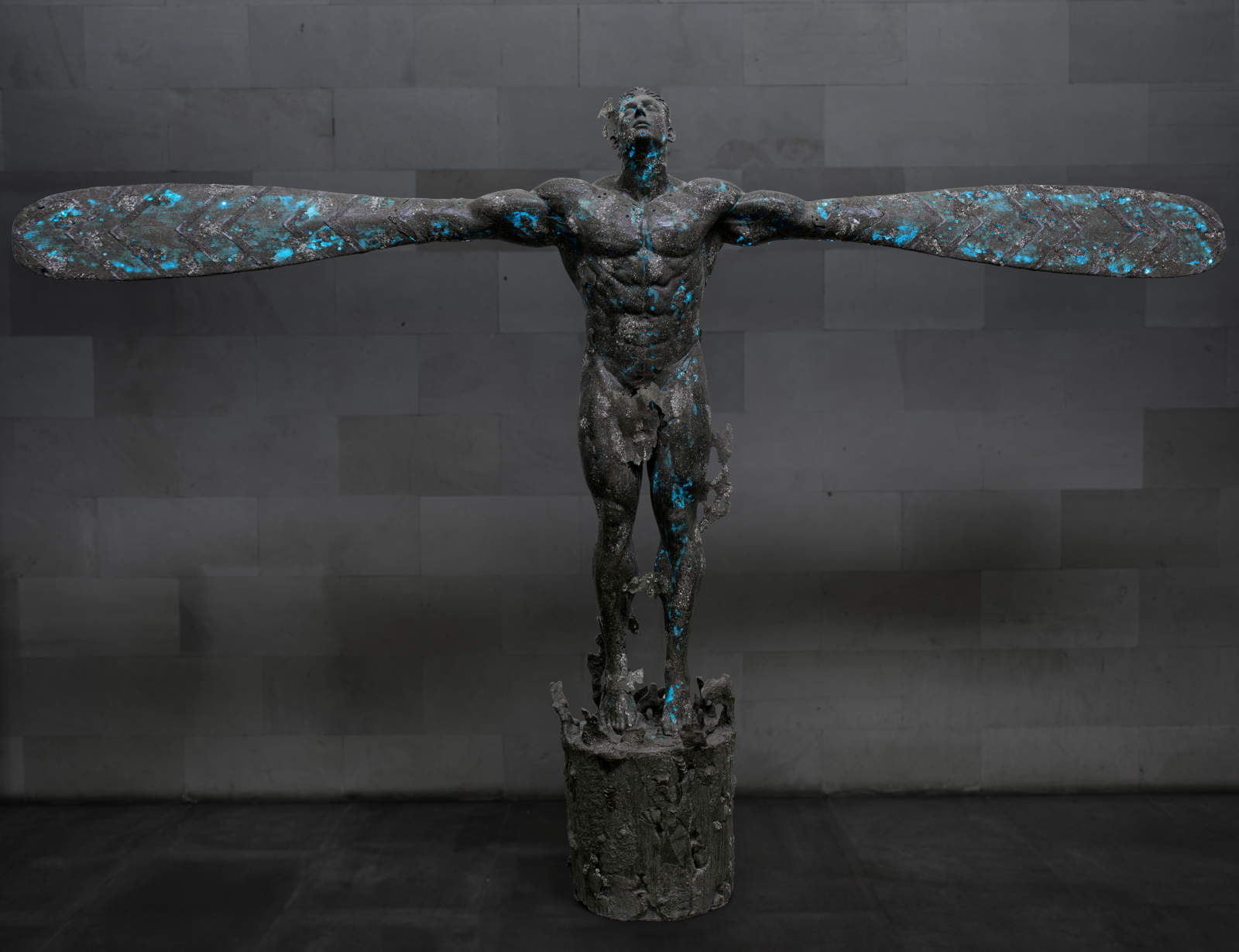
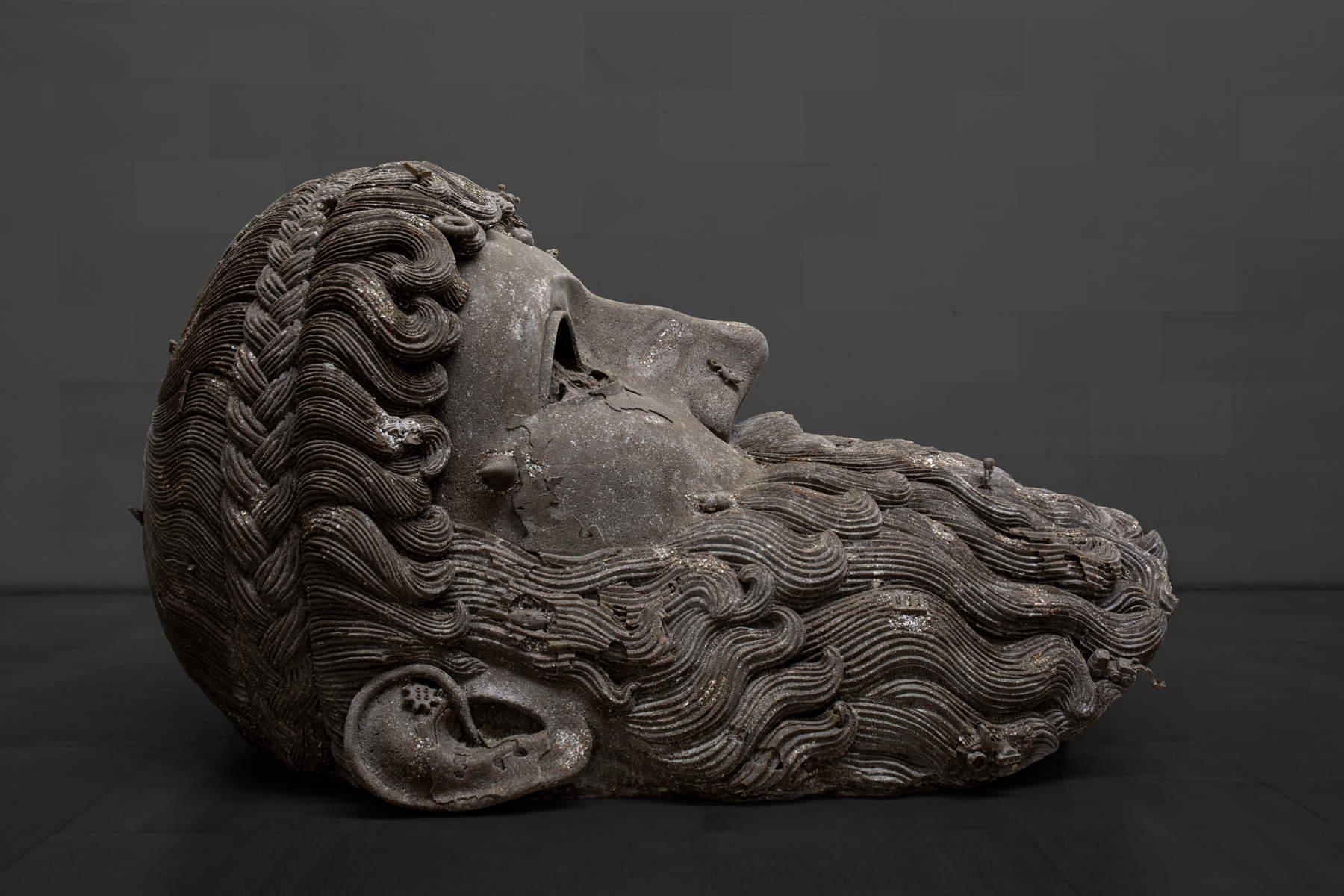
In line with MUSE’s philosophy, the initiative goes beyond the dimension of a simple exhibition. During the period of the Biennale, Ventura will in fact be involved in an artistic residency between the Trentino museum and Castel Belasi, as well as leading the fifth masterclass of the We Are the Flood platform, dedicated to artists and creatives under 35. The program will bring together artists and scientists in a discussion on the themes of ecological transition and environmental culture.
The collaboration between MUSE and Belasi Castle is confirmed as an innovative model in which scientific research and artistic experimentation dialogue directly. On the one hand, the museum pursues the analysis of climate change and transformations related to the Anthropocene; on the other, Castel Belasi, an ancient medieval manor converted into a contemporary art center, offers a space for research and creative isolation. Together, the two institutions build a path that ideally connects Alpine glaciers, Venetian lagoons and oceans, involving new generations in the search for new languages capable of narrating the climate emergency.
“Ronald Ventura’s research is grafted into the heart of Castel Belasi’s practice, aimed at making art a tool to imagine shared and desirable futures,” said Stefano Cagol, artistic director of the Center for Contemporary Art for Ecological Thinking. “Through the involvement of international artists, we promote a necessary confrontation between different visions, capable of generating new awareness. In this sense, Ventura’s project at the Biennale and his presence at Castel Belasi for a residency and masterclass consolidate the strategic alliance with MUSE to look at current environmental challenges with a critical and interdisciplinary approach.”
|
| MUSE of Trento participates in the Venice Biennale with Ronald Ventura's collateral dedicated to the Moon |

Warning: the translation into English of the original Italian article was created using automatic tools. We undertake to review all articles, but we do not guarantee the total absence of inaccuracies in the translation due to the program. You can find the original by clicking on the ITA button. If you find any mistake,please contact us.



















 IT
IT FR
FR DE
DE ES
ES CN
CN


