




The figure of Tadeusz Kantor (Wielopole Skrzyńskie, 1915 - Krakow, 1990), one of the protagonists of20th-century European art, is at the center of a major international exhibition accompanying the 61st International Art Exhibition of the Venice Biennale. Indeed, from May 9 to November 22, 2026, the Procuratie Vecchie in St. Mark’s Square will host Tadeusz Kantor (1915-1990). Emballage, Cricotage and Madame Jarema, an official collateral event of the Venetian event sponsored by the Starak Family Foundation and curated by Ania Muszyńska. The exhibition represents the fifth project dedicated toPolish art that the foundation has brought to Venice in recent years, consolidating a now significant presence on the international cultural scene. Following exhibitions dedicated to Ryszard Winiarski in 2017, Ewa Kuryluk in 2022 and Andrzej Wróblewski in 2024, the new appointment focuses attention on one of the most influential personalities of the European post-World War II avant-garde.
The Starak Family Foundation, founded in 2008 by Anna and Jerzy Starak, is today one of the most active entities in the enhancement of Polish artistic heritage. The foundation promotes educational and cultural projects in Poland and abroad and holds one of the most important collections of post-World War II Polish art. A collection considered of museum value for its breadth, coherence and historical relevance, capable of documenting some of the most significant phenomena of contemporary Polish art and offering a privileged key to understanding its evolution. The Venetian exhibition aims to explore not only the artistic career of Tadeusz Kantor, but also the creative and intellectual relationship that linked him to Maria Jarema, a central figure in the Polish avant-garde of the 20th century. Indeed, the exhibition places the works of the two artists in dialogue, reconstructing a relationship that played a decisive role in the development of some of the most important artistic experiences of the postwar period.
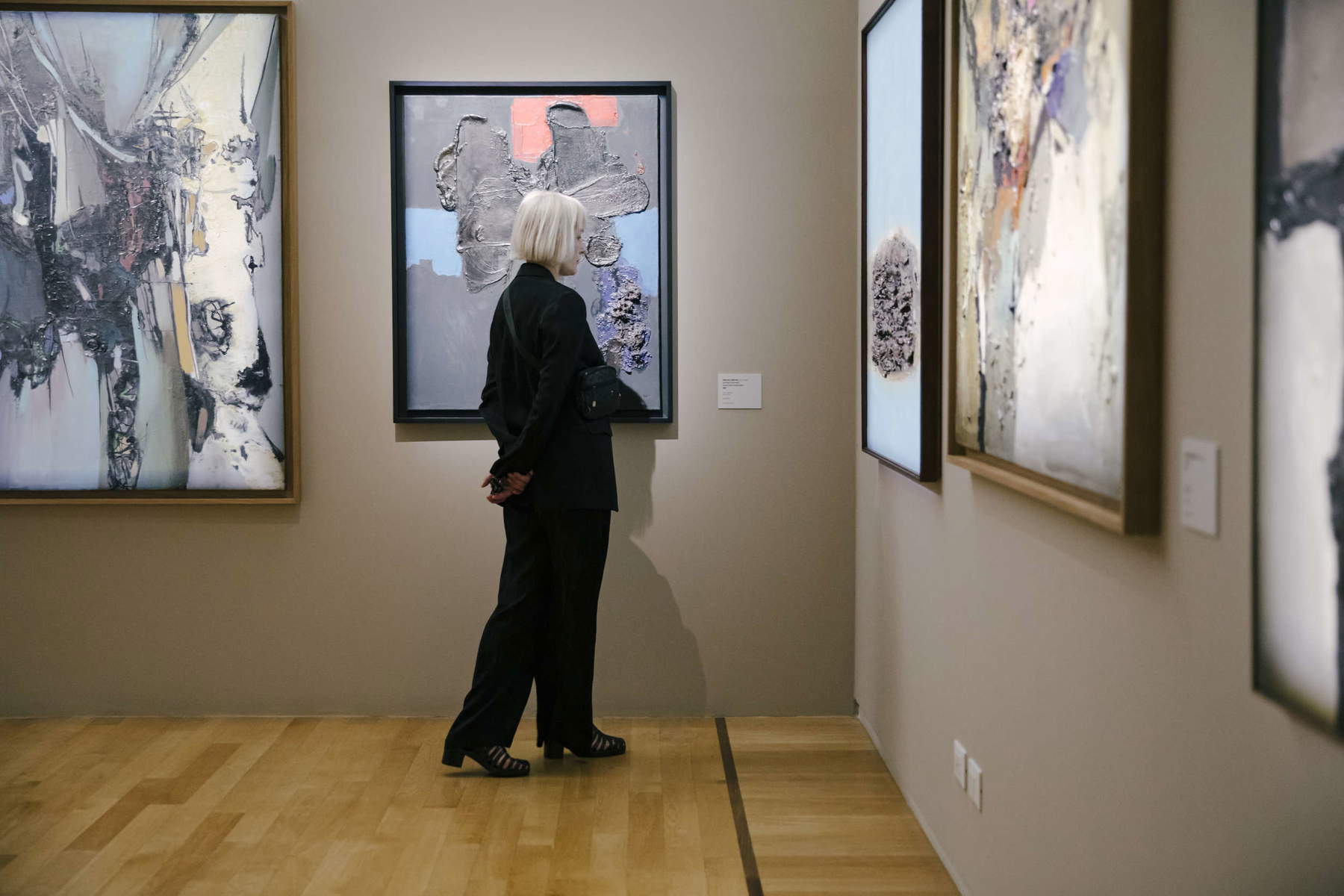
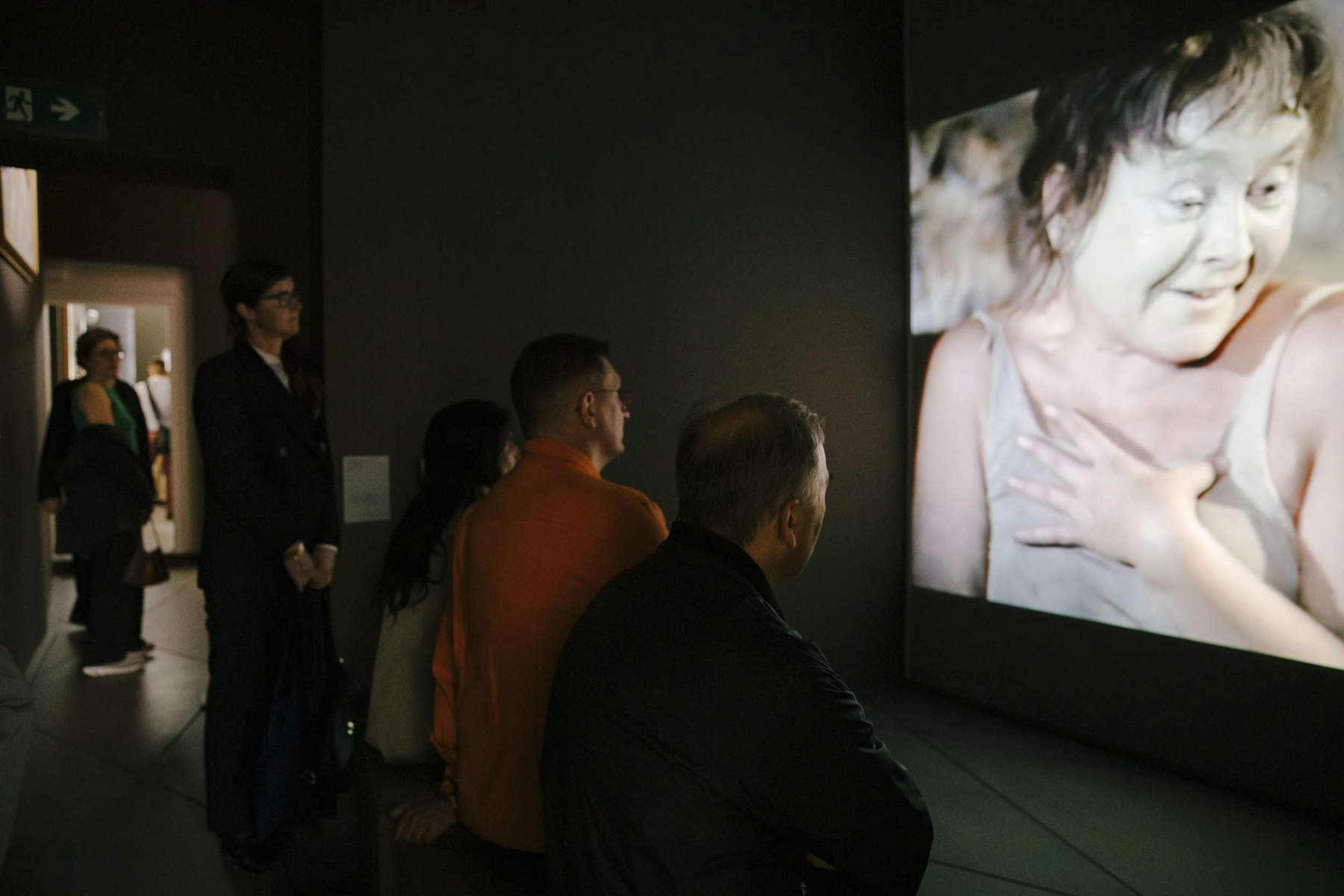
Tadeusz Kantor is considered one of the most innovative and influential personalities in European culture of the last century. Painter, set designer, author of theoretical manifestos, theater director and performer, he developed throughout his career a concept of total art in which painting and theater mutually influenced each other until they merged into a single expressive language. Born on April 6, 1915, in Wielopole Skrzyńskie, Poland, Kantor studied at the Academy of Fine Arts in Krakow between 1934 and 1939, training in the classes of Władysław Jarocki, Ignacy Pieńkowski and Karol Frycz. From his formative years he showed a strong interest in experimentation, even founding an ephemeral puppet theater. During World War II he developed one of the most significant experiences of his career, starting the Independent Theater. In a context marked by Nazi occupation, he staged clandestine performances inside private apartments in Krakow, including Juliusz Słowacki’s Balladyna in 1943 and Stanisław Wyspiański’s The Return of Ulysses in 1944. It was during this period that his idea of avant-garde theater as a space for artistic freedom even under the most difficult conditions took shape.
After the war Kantor came into contact with the major international modern art movements. In 1946 he participated, together with Maria Jarema, in the International Exhibition of Modern Art organized by UNESCO at the Musée d’Art Moderne in Paris. The experience had a decisive impact on the definition of his language, fueled by suggestions from Surrealism, Informalism and Dadaism. In the following years he participated in numerous international exhibitions devoted to contemporary Polish painting. In 1948 he took part in the Polish Art Today exhibition in the United States and the Young Polish Painters exhibition in Czechoslovakia. He was also among the main promoters of the First Modern Art Exhibition in Krakow, considered the first major manifesto of the Polish postwar avant-garde. Parallel to his painting activity he developed a long experience in the field of theatrical set design, working for various theaters until the 1960s and producing his last professional set design in 1974. In 1957 he became the first president of the revived Krakow Group, one of the most important avant-garde art formations in Poland.
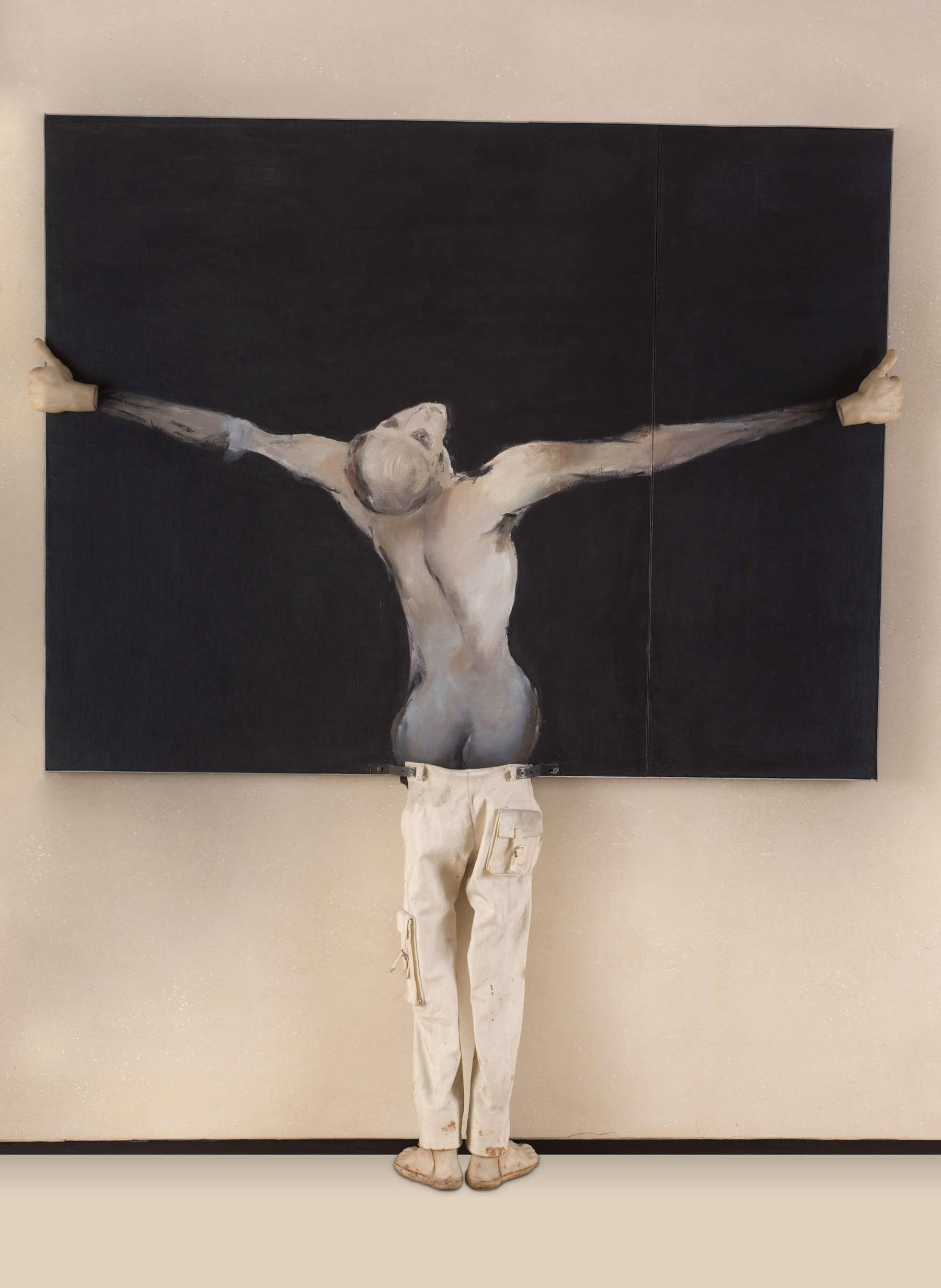
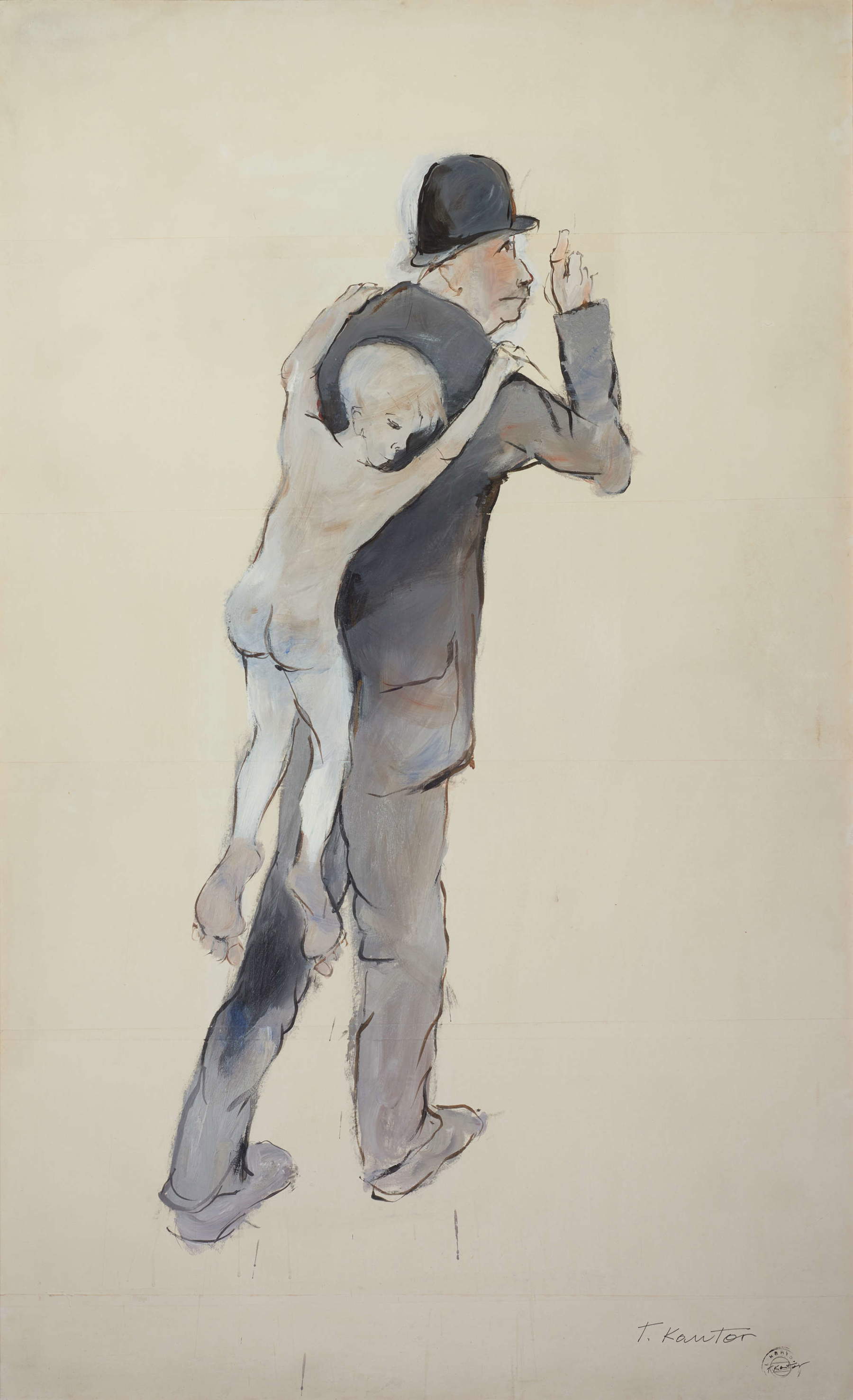
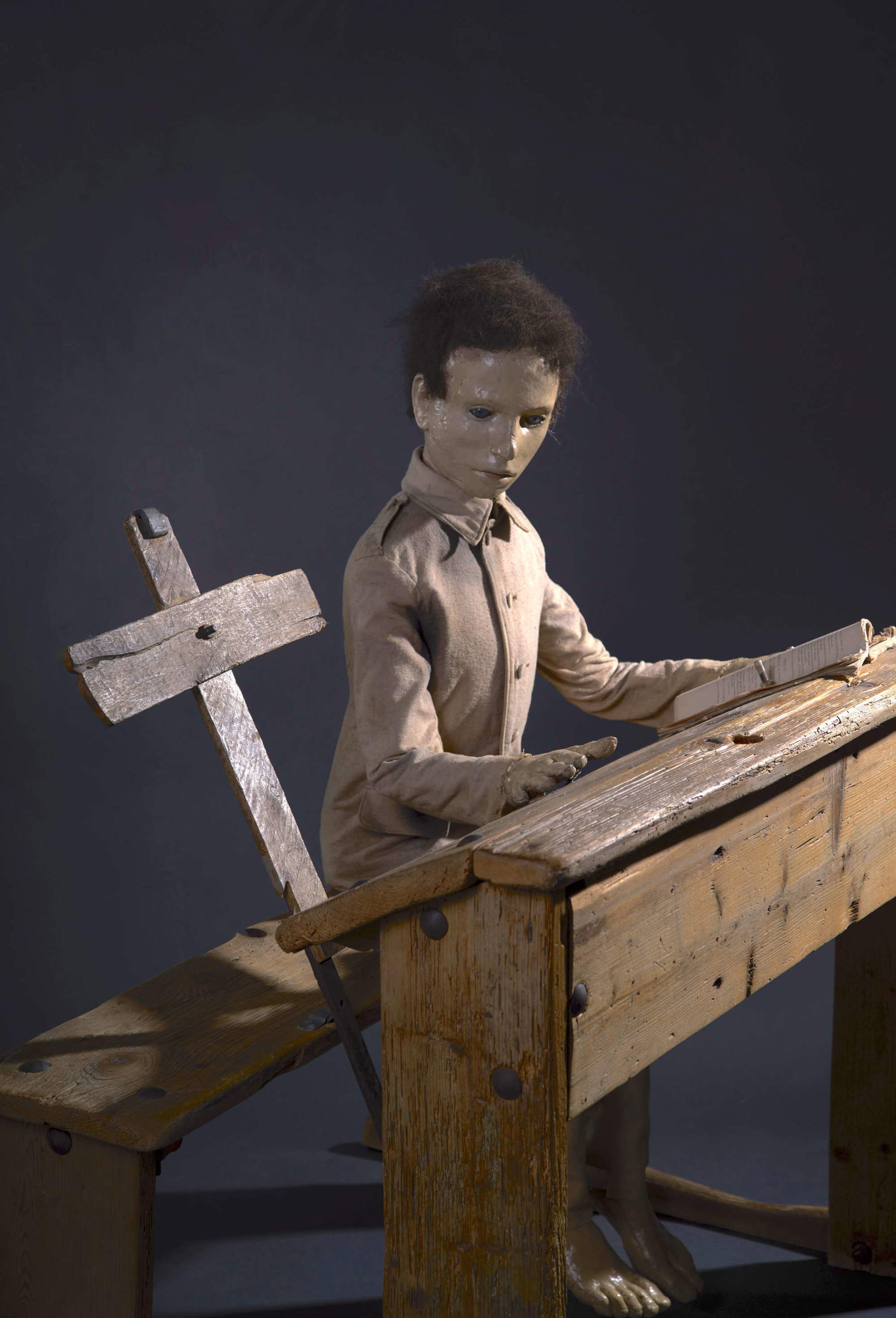
A key part of the Venetian exhibition is devoted to the birth andevolution of the Cricot 2 theater, founded in 1955 by Kantor together with Maria Jarema and Kazimierz Mikulski. This experimental workshop developed as a space of creative freedom in which actors, visual artists and musicians could work across traditional disciplinary divides.
Until 1973, Cricot 2’s productions were based primarily on the works of Stanisław Ignacy Witkiewicz, better known as Witkacy, a legendary figure of thePolish avant-garde. Each performance was connected to a specific phase of Kantor’s artistic research. From 1956’s Mątwa to the Autonomous Theater, via Informal Theater, Zero Theater, Happening Theater and Impossible Theater, Cricot 2’s journey represented a continuous laboratory of experimentation. This evolution found its most famous landing place in the so-called Theatre of Death, the culminating phase of Kantorian theatrical production. The symbolic moment of this research was represented by The Dead Class, premiered in 1975 and destined to become one of the most influential plays of the twentieth century.
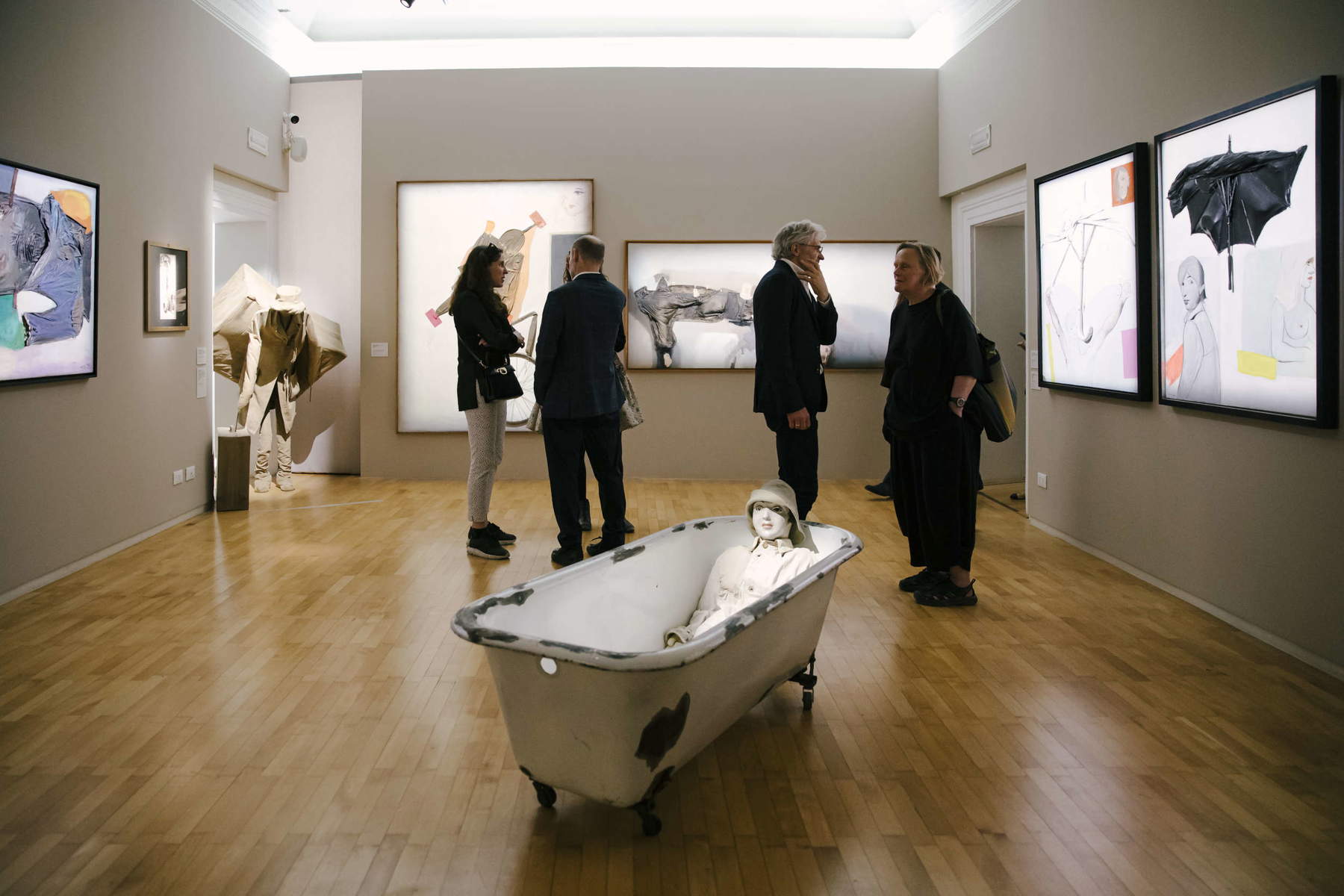
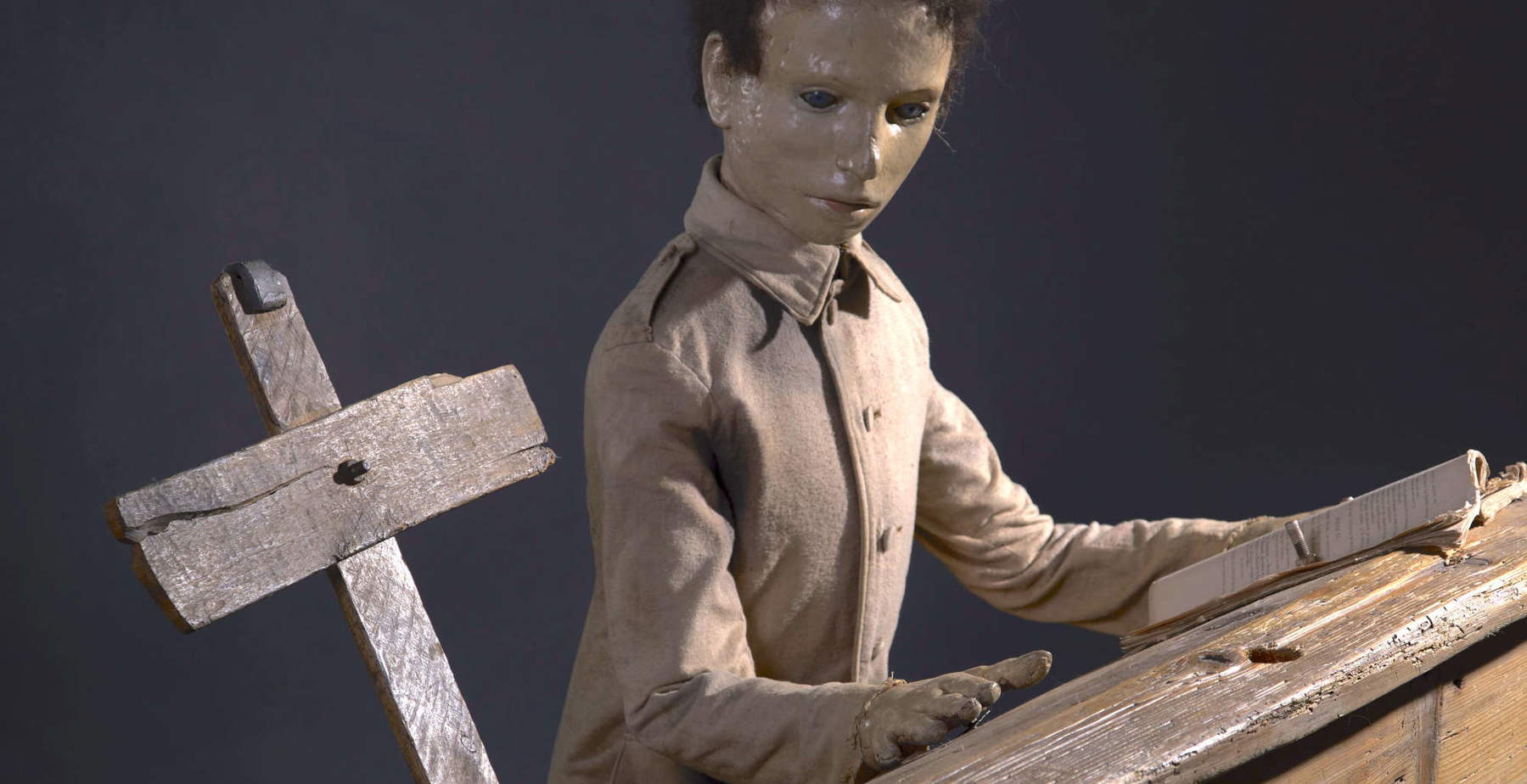
The exhibition guides the audience to a large concluding installation dedicated to this very masterpiece. Visitors will be able to watch a screening of the recording of the original play and take a closer look at some of the authentic stage objects used in the production. Prominent among them are the famous mannequins of students and schoolchildren eternally confined to their desks, from the Cricoteka and Starak Collections.
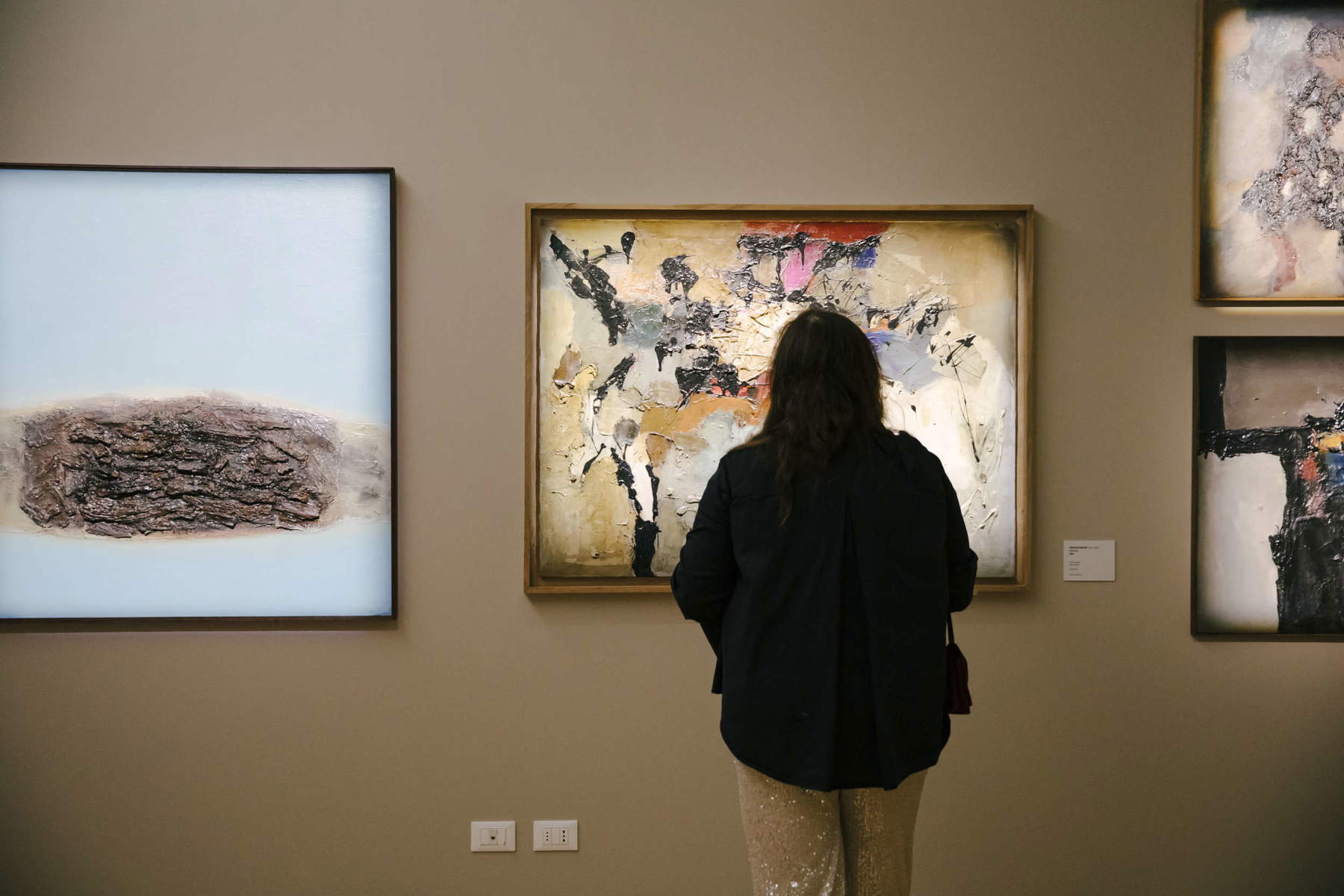
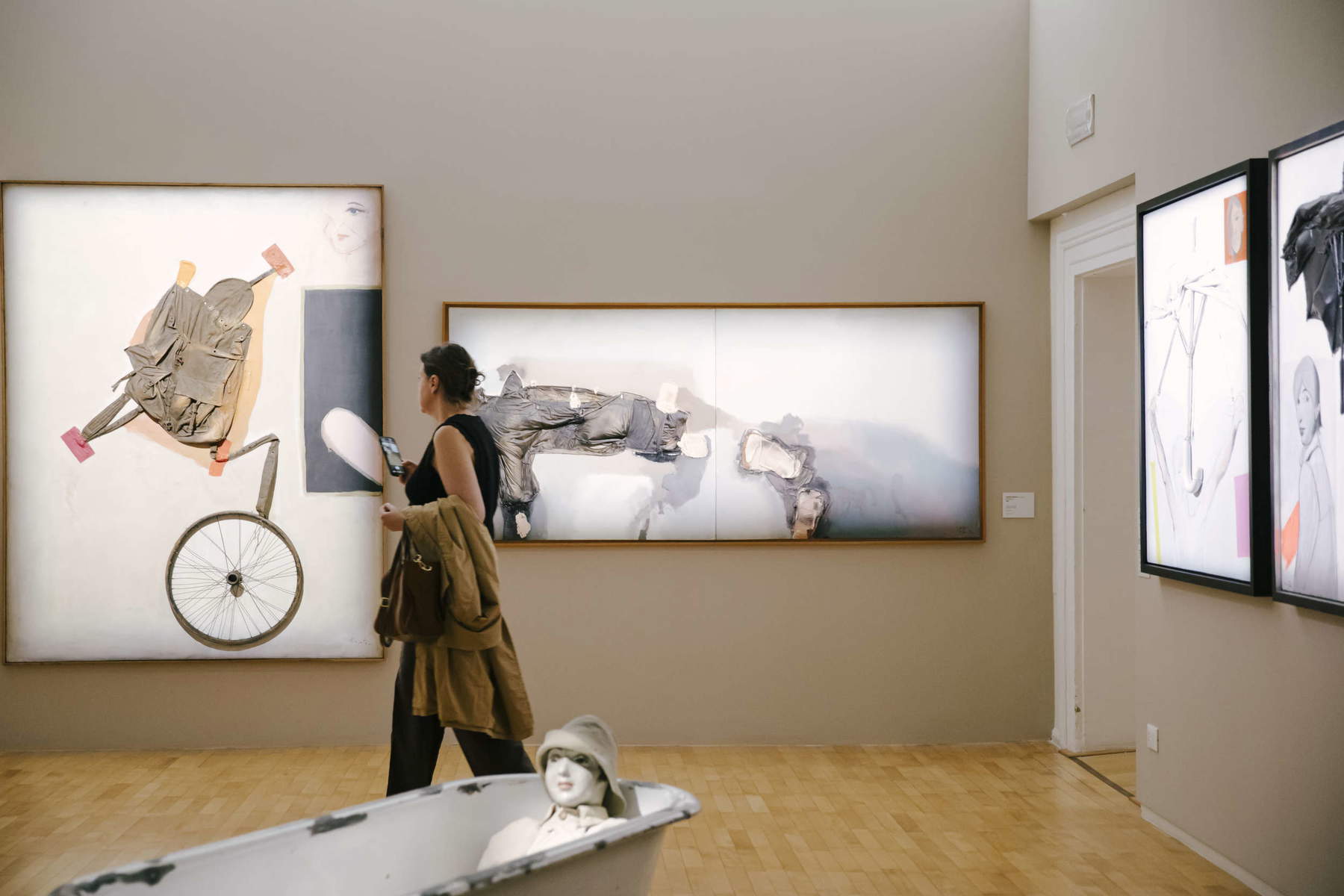
Alongside theater, the exhibition also delves into Kantor’s role in the visual arts. Indeed, the artist was the first in Poland to develop an abstract painting close to the Informal and among the first to experiment with assemblage, happenings, performance, and emballage. Particular attention is devoted precisely to emballages, one of the artist’s most original insights. Beginning in the mid-1960s, Kantor began to transform ordinary objects through the act ofwrapping andconcealing. Letters, parcels, stamps, suitcases, umbrellas and boxes were removed from their everyday function to take on new symbolic meanings. According to the artist, these objects suspended between use and uselessness acquired a new existence, ideally placing themselves “between eternity and the dump.” It was a reflection that anticipated many themes in contemporary art and helped solidify his role as an innovator.
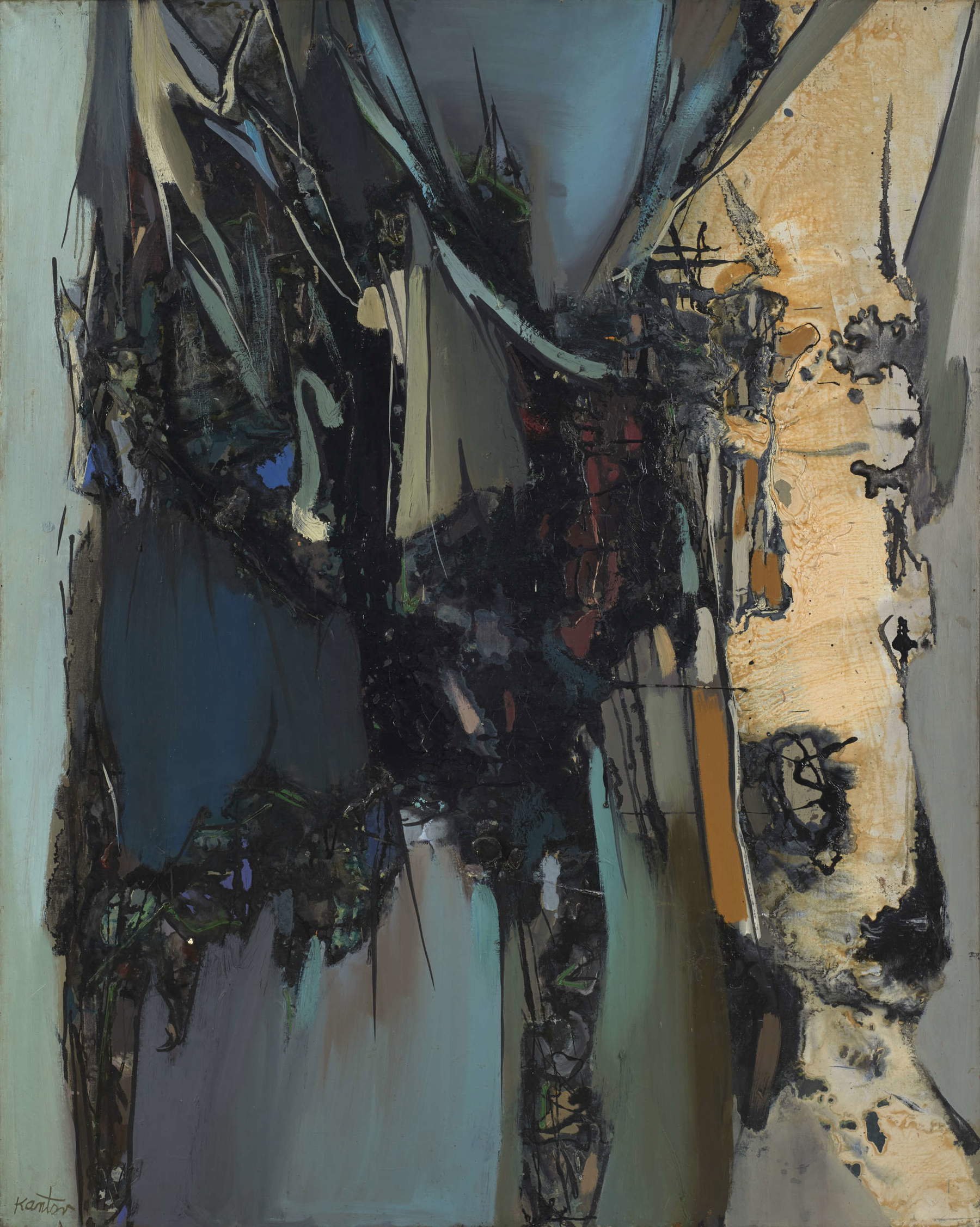
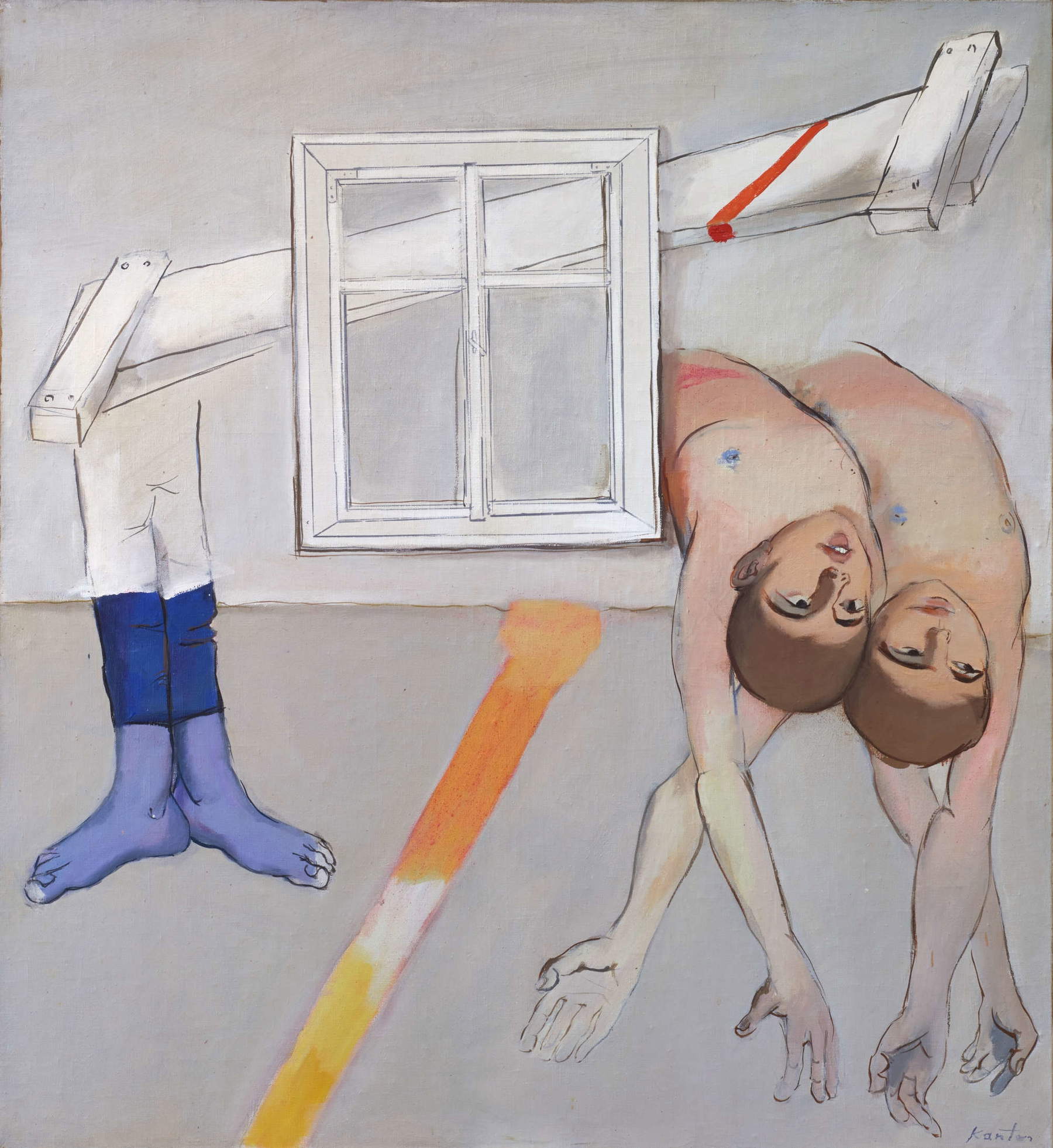
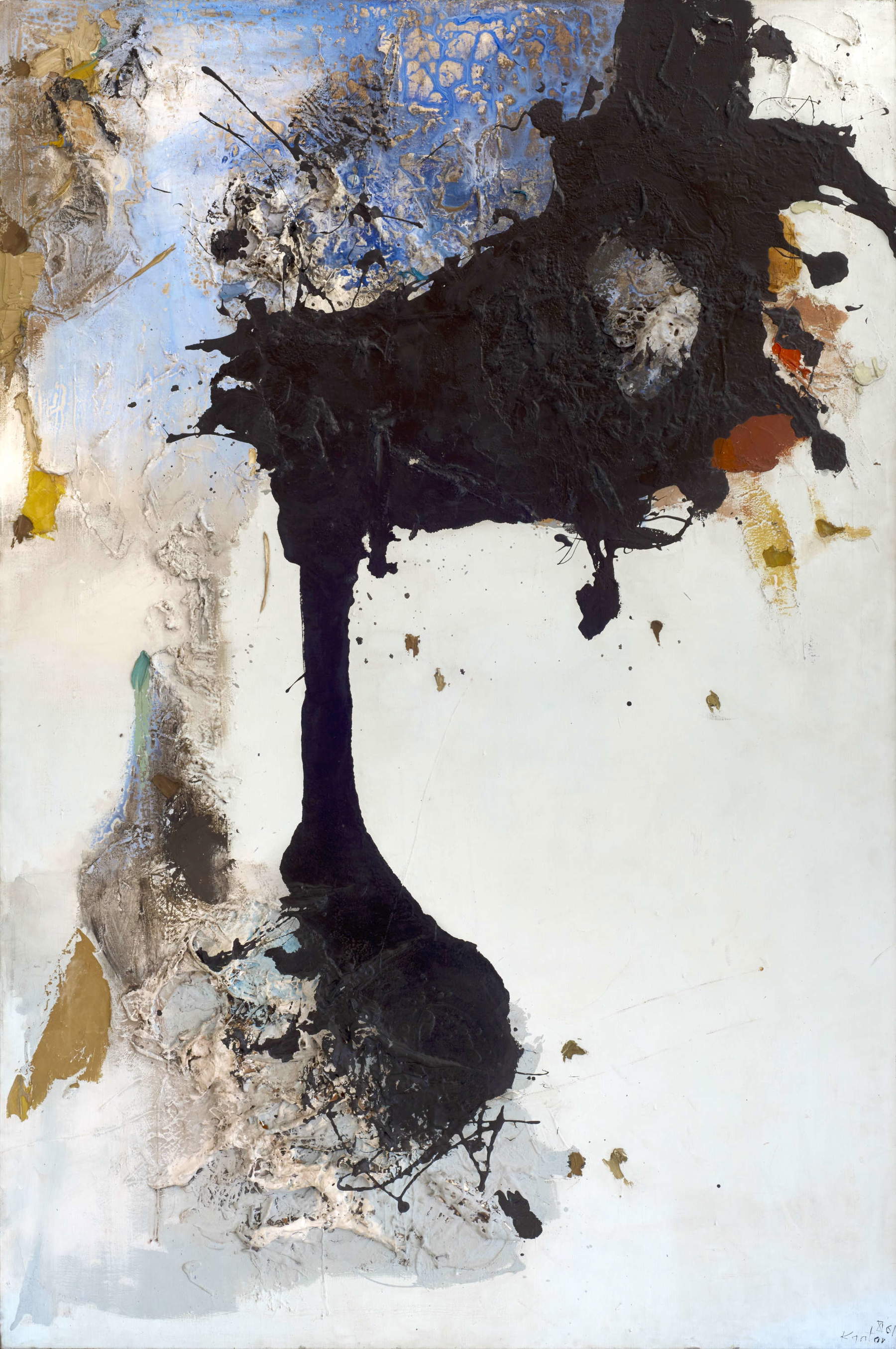
The exhibition presents a selection of the most important phases of Kantor’s pictorial production . On display are informal compositions from the late 1950s and early 1960s, numerous emballages made between 1964 and 1978, and the artist’s last major pictorial series, Dalej już nic (Further on, Nothing) and Cholernie spadam (I’m Damned Falling), made between 1987 and 1990. Also an important record of the creative process of that period is the film Uwaga, malarstwo (“Attention, Painting”), made by Antoni Nurzyński and Mieczysław Waśkowski based on an idea by Kantor himself. The film documents the birth of his informal works and represents a milestone in the history of cinema devoted to art. Presented at the 29th Venice Biennale in 1958, it won a special mention in the first International Art Film Competition as the only non-didactic work in competition.
The exhibition also devotes a central space, as anticipated, to Maria Jarema, a figure often less known to the general public but fundamental to understanding Kantor’s journey. A prominent painter and sculptor, co-founder of the Cricot theater before the war and later of Cricot 2, Jarema exerted a profound influence on her colleague.
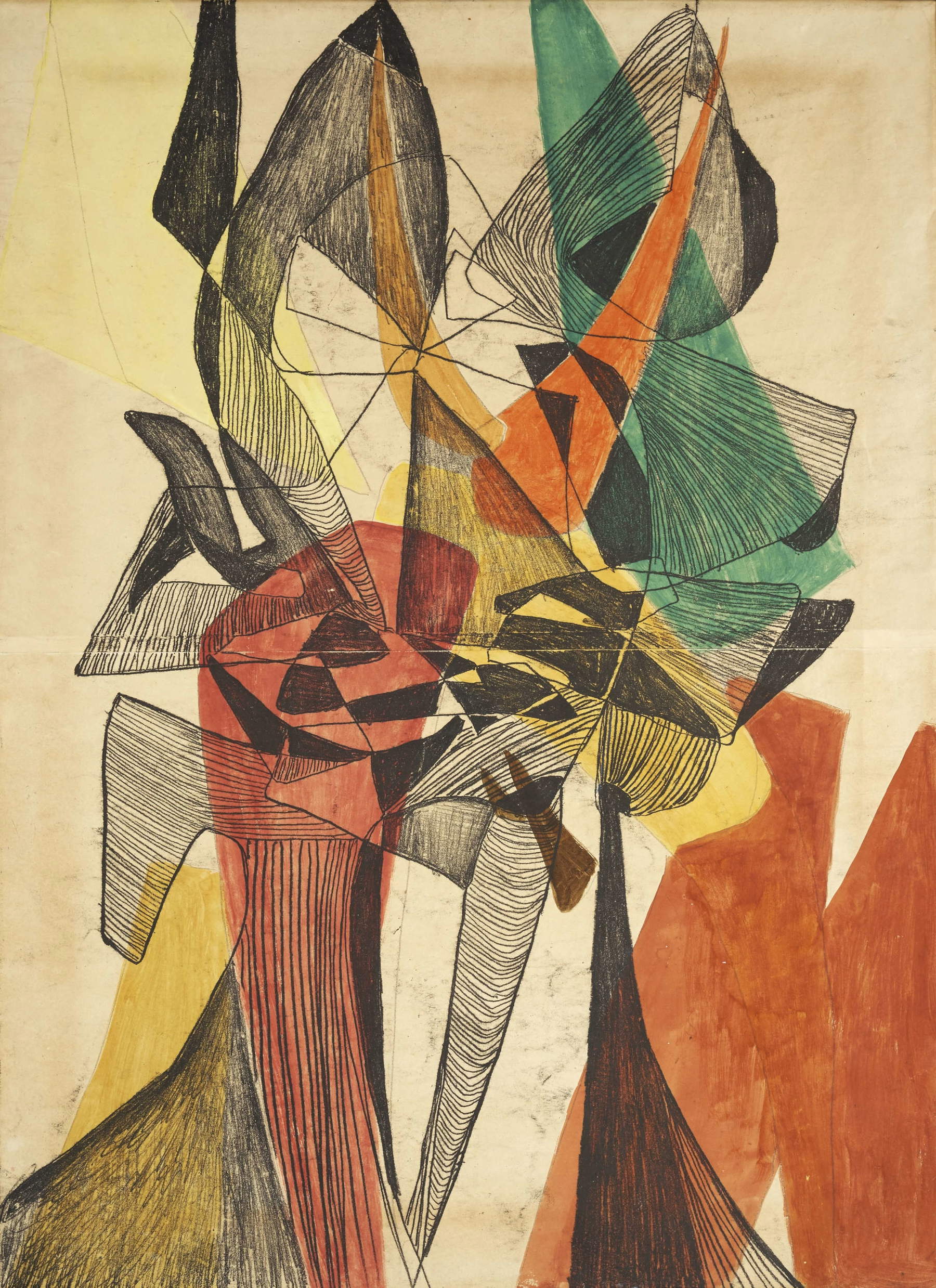
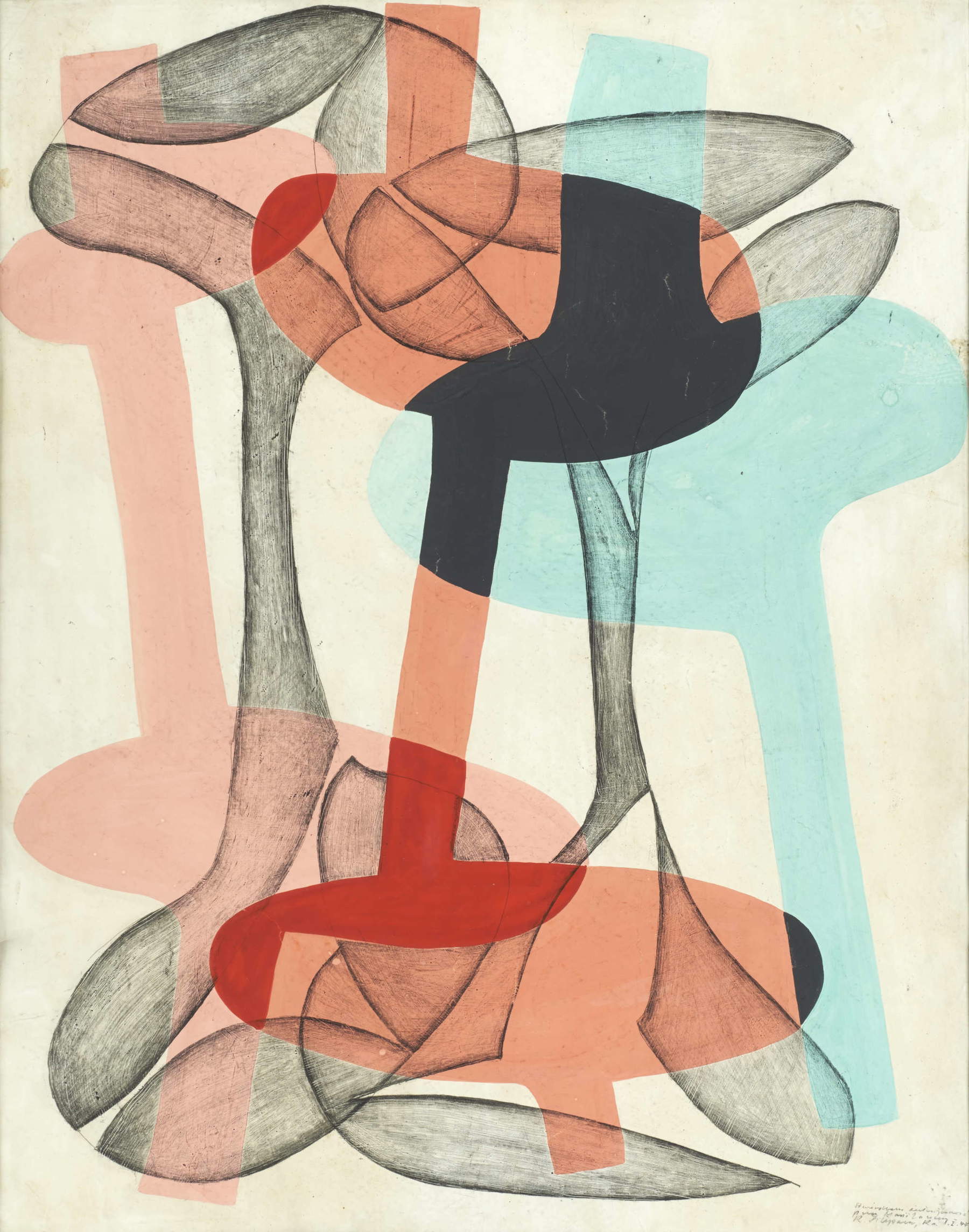
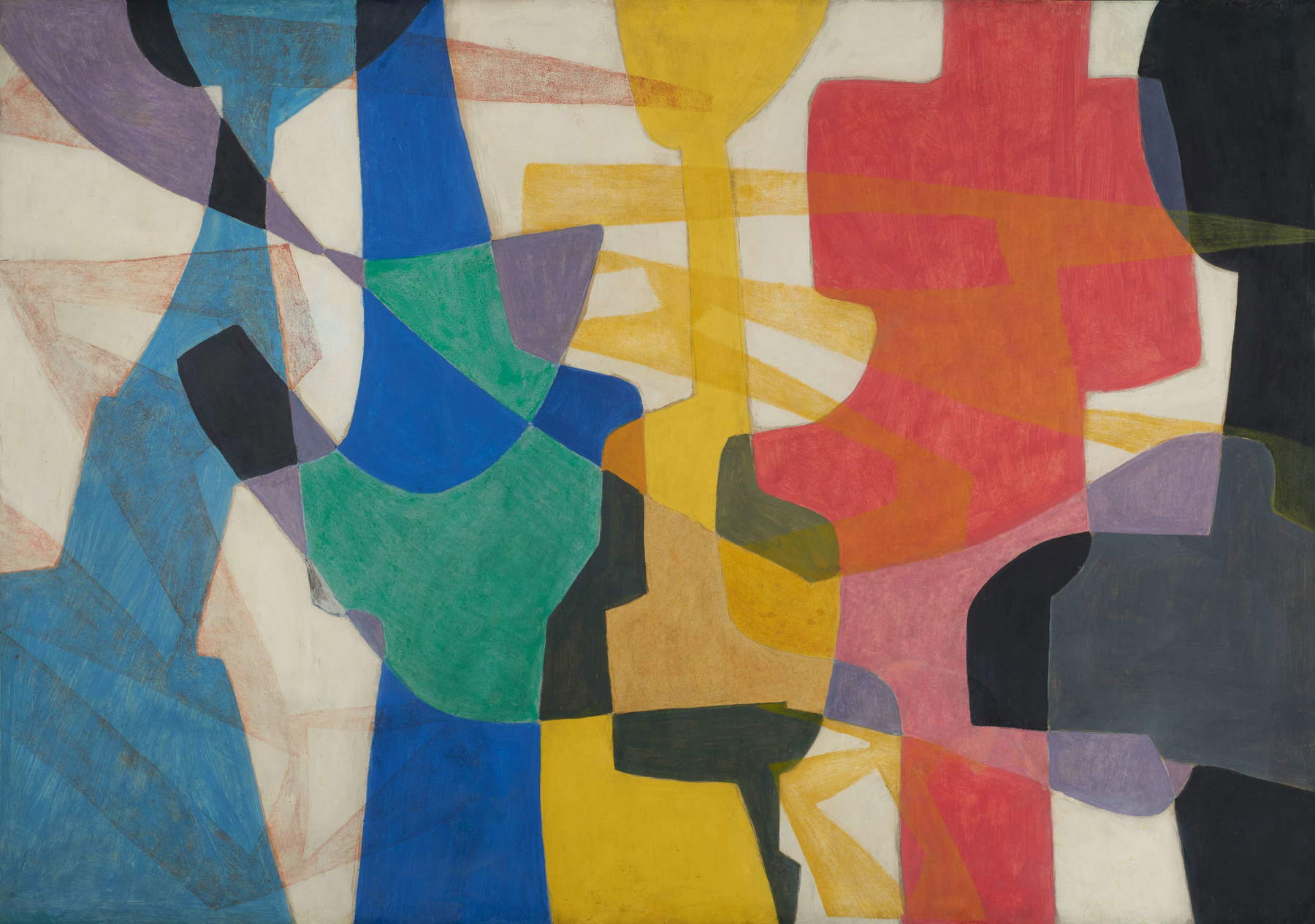
An awardee at the 1958 Venice Biennale, Maria Jarema was one of the few people Kantor trusted completely artistically. Their relationship, based on mutual esteem, intellectual confrontation and creative collaboration, contributed decisively to the birth of Cricot 2. Monotypes from the Starak Collection and some of the costumes she designed for Kantor’s early theater productions, including 1956’s Mątwa and 1957’s Cyrk, are presented in Venice. Works that will provide a better understanding of the role the artist played in the development of the Polish avant-garde scene.
Crucial to the realization of the exhibition is the contribution of Cricoteka, the Tadeusz Kantor Art Documentation Center based in Krakow. Founded in 1980 at the initiative of the artist himself, the Cricoteka was born as a living archive dedicated to preserving the memory of the Cricot 2 theater. Today it simultaneously represents a museum, archive, research center and exhibition space, preserving sets, documents, films and works that testify to Kantor’s entire career. The works on display come from the Starak Collection, the Muzeum Sztuki in Łódź, and the Cricoteka collections, while Maria Jarema’s works come mainly from the Starak family collection.
 |
| Tadeusz Kantor, an exhibition in Venice recounts the master of the Polish avant-garde |

Warning: the translation into English of the original Italian article was created using automatic tools. We undertake to review all articles, but we do not guarantee the total absence of inaccuracies in the translation due to the program. You can find the original by clicking on the ITA button. If you find any mistake,please contact us.





















 IT
IT FR
FR DE
DE ES
ES CN
CN


