





Turin once again examines its own history through the transformations of the body and the city. This is the starting point for *Il corpo della città*. Fashion and the Arts Between Art Nouveau and Modernity, 1884–1961, the exhibition that Palazzo Madama is dedicating to Turin’s history from October 15, 2026, to February 22, 2027. Curated by Giovanni Carlo Federico Villa, Maria Paola Ruffino, and Gregorio Thaon di Revel Mazzonis, with scientific coordination by Clelia Arnaldi di Balme, the exhibition examines nearly eighty years of social, economic, and cultural changes through the body—represented, clothed, disciplined, liberated, and transformed by modernity.
The project builds upon the legacy of *MonumenTo. The Form of Memory*, while shifting the focus from monuments to people and to the relationship that links the city’s forms to those of its inhabitants—their clothing and their gestures. The body is thus considered a space in which the transformations of society become legible. Fashion, art, and urban development thus converge in a narrative that views the city as a constantly evolving organism.
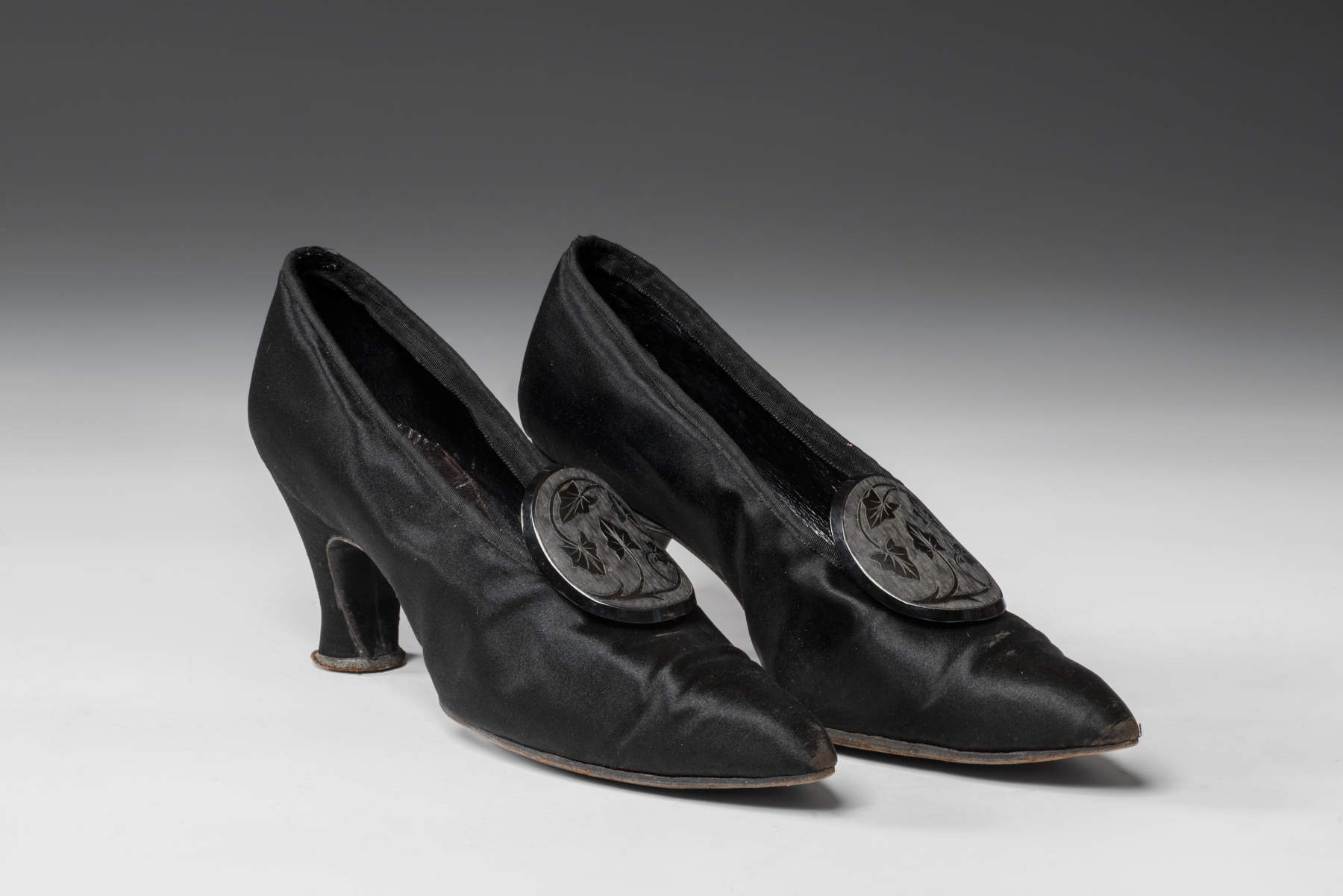
The exhibition brings together paintings, sculptures, garments, photographs, posters, and documents, and follows a chronological framework built around the major exhibitions that have marked Turin’s modern history, from the 1884 Italian General Exposition to the grand event of Italia 61. In this context, fashion takes on a central role, understood as a language and a system of signs capable of recording societal changes. The exhibition features over forty garments from Turin tailors, bearing witness to a predominantly female-led sector—that of clothing and millinery—which, at the beginning of the 20th century, accounted for about one-fifth of the city’s workforce.
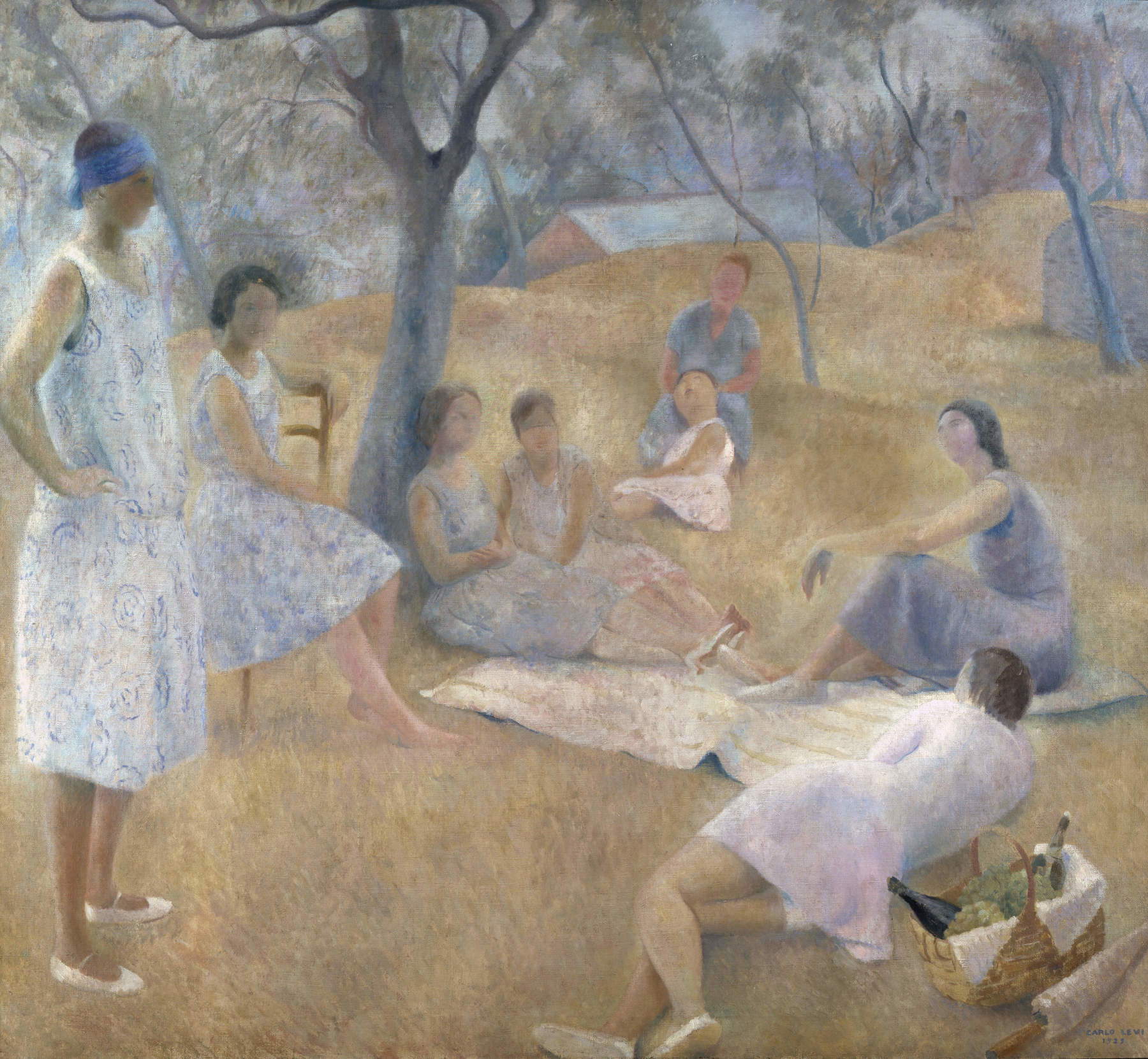
The first of the four sections focuses on bourgeois Turin in the late 19th century, when the city’s loss of its status as the capital of the Kingdom of Italy in 1865 prompted it to forge a new industrial and manufacturing identity. Exhibitions became one of the means through which Turin presented and promoted this transformation. In 1884, within the temporary pavilions erected at the Valentino for the Italian General Exposition, scientific advances and their applications to industry, agriculture, and commerce were celebrated, with particular emphasis on the city’s own products. The paintings by Enrico Junck and Enrico Reycend convey the image of a dynamic city focused on development, still governed by precise social codes but already on the verge of significant changes.
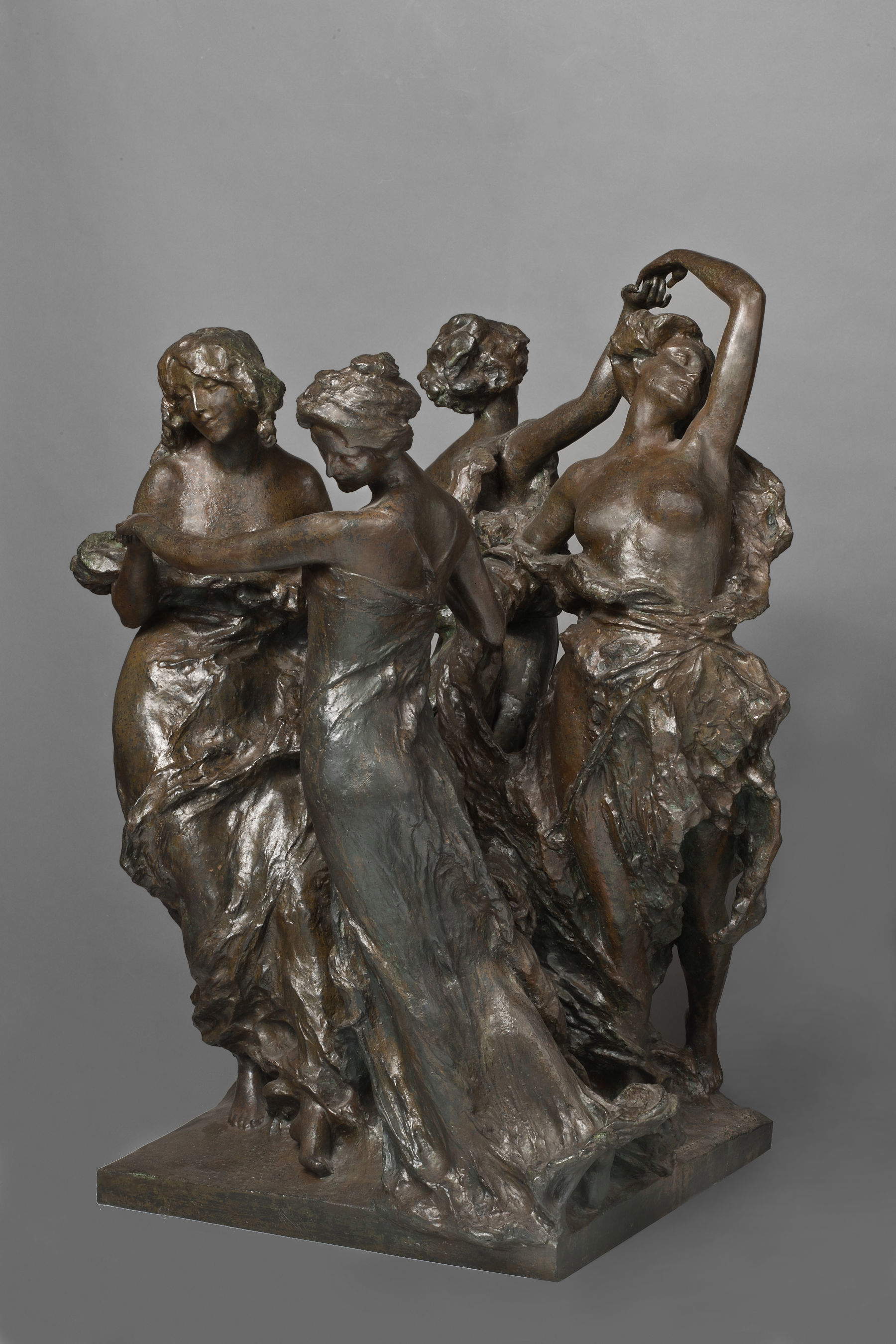
A further shift occurred in 1902 with the International Exhibition of Modern Decorative Art, which brought to Turin the European influences of Art Nouveau, the Vienna Secession, and the German schools. The dancers sculpted by Edoardo Rubino for the exhibition’s rotunda became an expression of a new energy, linked to the search for space, freedom, and opportunities for growth. In 1911, however, the International Exposition of Industry and Labor dedicated a separate pavilion to fashion, by then recognized as one of the economy’s leading sectors.
The second section focuses on the 1920s, from the post-World War I recovery to the industrial modernization of the 1930s. The body becomes progressively more dynamic, and fashion engages with new ideas of emancipation and freedom, particularly for women. In art, an urban dimension linked to work and modernity emerged, while clothing adopted simpler lines and followed the movement of the body, freed from the structures that had previously constrained its silhouette. In Turin, reshaped by Rationalism, the artistic explorations of Felice Casorati and the Sei di Torino took shape; they opposed the regime’s official art, asserting expressive autonomy and seeking a new dialogue with the European avant-garde.
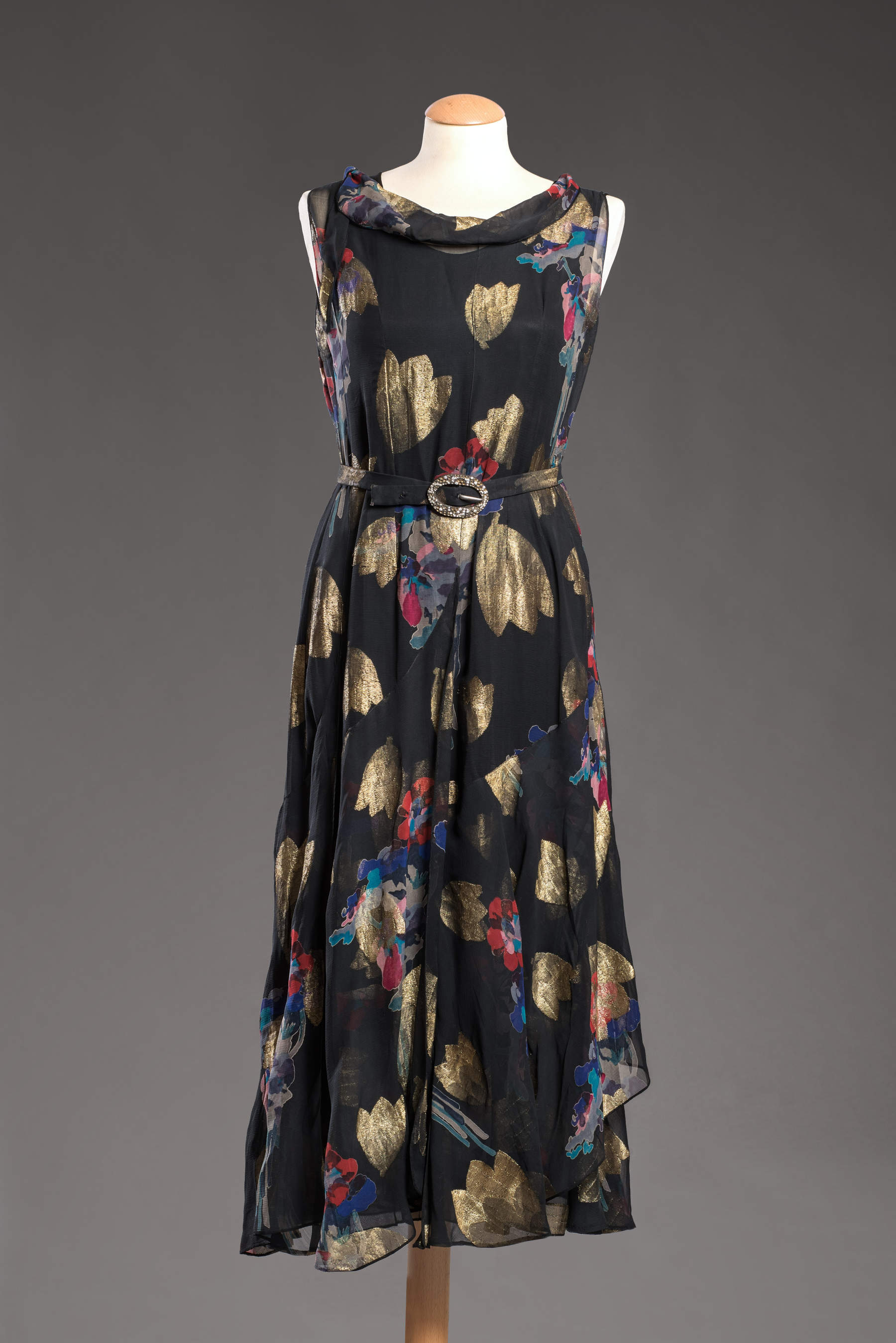
In the 1930s, Turin also assumed a central role in Italian fashion. The National Fashion Board supported its development and promoted the creation of a national fashion that aspired to break free from the Parisian couture model. The more vibrant and imaginative styles—characterized by bold colors and form-fitting garments designed for women engaged in sports and outdoor activities—were gradually replaced by a more controlled and rigorous aesthetic. The urban layout also changed: Via Roma was widened and redesigned as a connecting axis between Piazza Castello and Porta Nuova, gradually becoming the street of fashion. These were also the years of Futurist photographic experimentation by Italo Bertoglio and Ottorino Gramaglia, the latter being closely associated with Futurism alongside Fillia and Diulgheroff.
The war marked a new turning point. Scarce resources and the need to adapt to wartime conditions altered the way people thought, dressed, and lived. Production shifted to meet wartime needs, and imagination gave way to necessity, austerity, and reuse. In this context, forms of creativity linked to the ability to adapt emerged, while Turin was once again forced to redefine its identity.
The fourth section then explores the post-World War II recovery, when the city once again became one of the main centers of Italian industrial development and the emerging consumer society. At the same time, Turin opened itself more decisively to the international art scene. In 1951, the “France-Italy” exhibition series began, continuing through 1961. In 1956, Michel Tapié de Céleyran arrived and the International Center of Aesthetic Research was opened; Japanese and American artists also arrived, including Arai, Imai, and Norman Bluhm. The growth of galleries dedicated to modern and contemporary art was followed, in 1959, by the opening of the Civic Gallery of Modern and Contemporary Art. Turin thus became a hub for Italian artistic research, also providing a platform for local artists, including Saroni, Ruggeri, Rama, Carena, and Galvano.
During the same period, the center of Italian fashion gradually shifted toward Florence, Rome, and Milan. Turin’s haute couture tailors continued to dress the city’s elite, while the city turned its attention to production aimed at a broader audience. In 1955, the first International Apparel Trade Fair, SAMIA, was inaugurated, marking the growing interest in ready-to-wear fashion.
The journey culminates with Italia 61, the major exhibition organized to celebrate the centennial of the Unification of Italy. The event involved some of the leading architects of the period, including Levi Montalcini, Sottsass, Gabetti and Isola, Nervi, and Rigotti, and attracted nearly five million visitors. The exhibition thus became one of the symbols of Turin during the economic boom and of its new image as a city moving toward modernity.
To accompany the exhibition, a book will be published dedicated to the themes explored in the exhibition, featuring essays and supplementary materials designed to delve deeper into the relationship between fashion, art, and urban transformations in modern Turin. The press preview is scheduled for Wednesday, October 14, at 11:30 a.m. in the Sala Feste of Palazzo Madama, in Piazza Castello in Turin.
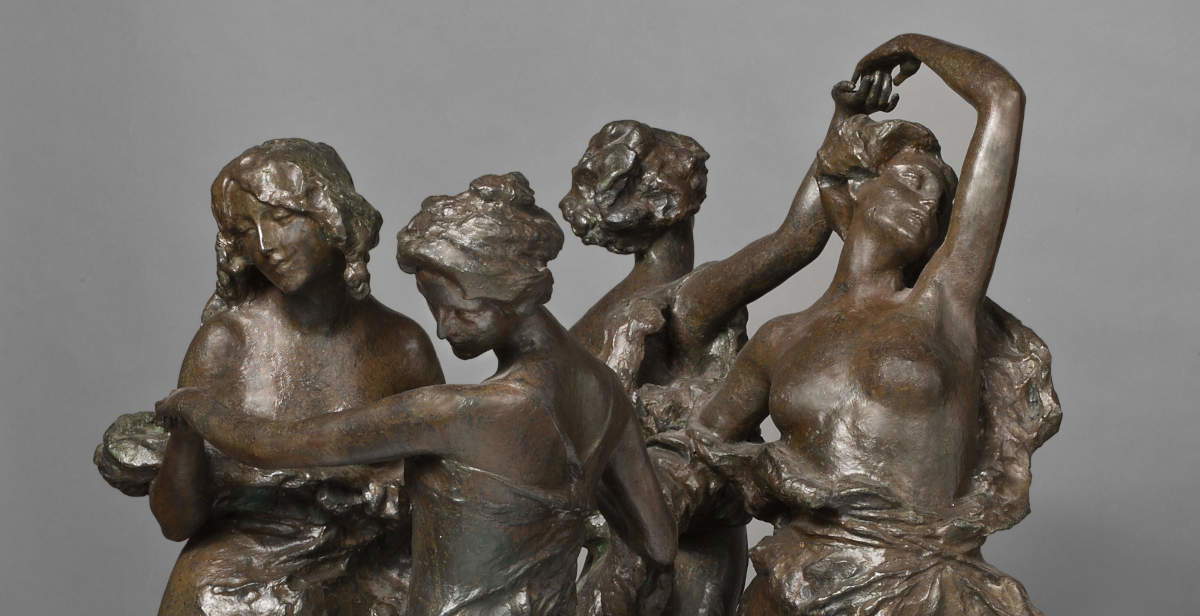 |
| The Body of the City: A Century of Turin Told Through Fashion and the Arts at Palazzo Madama |

Warning: the translation into English of the original Italian article was created using automatic tools. We undertake to review all articles, but we do not guarantee the total absence of inaccuracies in the translation due to the program. You can find the original by clicking on the ITA button. If you find any mistake,please contact us.




















 IT
IT FR
FR DE
DE ES
ES CN
CN


