





Five years after its establishment, the Alinari Foundation for Photography in Florence takes stock of its activities and outlines future prospects related to the enhancement of one of the world’s most relevant photographic heritages. Established in 2020 by the Region of Tuscany with the aim of preserving, studying and promoting theAlinari Archives, the Foundation launched its activities in 2021, building in just a few years a program articulated between protection, research, digitization and cultural production. In fact, the Alinari Archives represents one of the most important photographic complexes at the international level, and its management required from the beginning an integrated approach that included the description and digitization of the materials, the creation of exhibitions and scientific projects, and the construction of a network of collaborations with Italian and foreign institutions. A path that continues today under the sign of continuity, also thanks to the reappointment at the helm of the Foundation of President Giorgio van Straten and Director Claudia Baroncini.
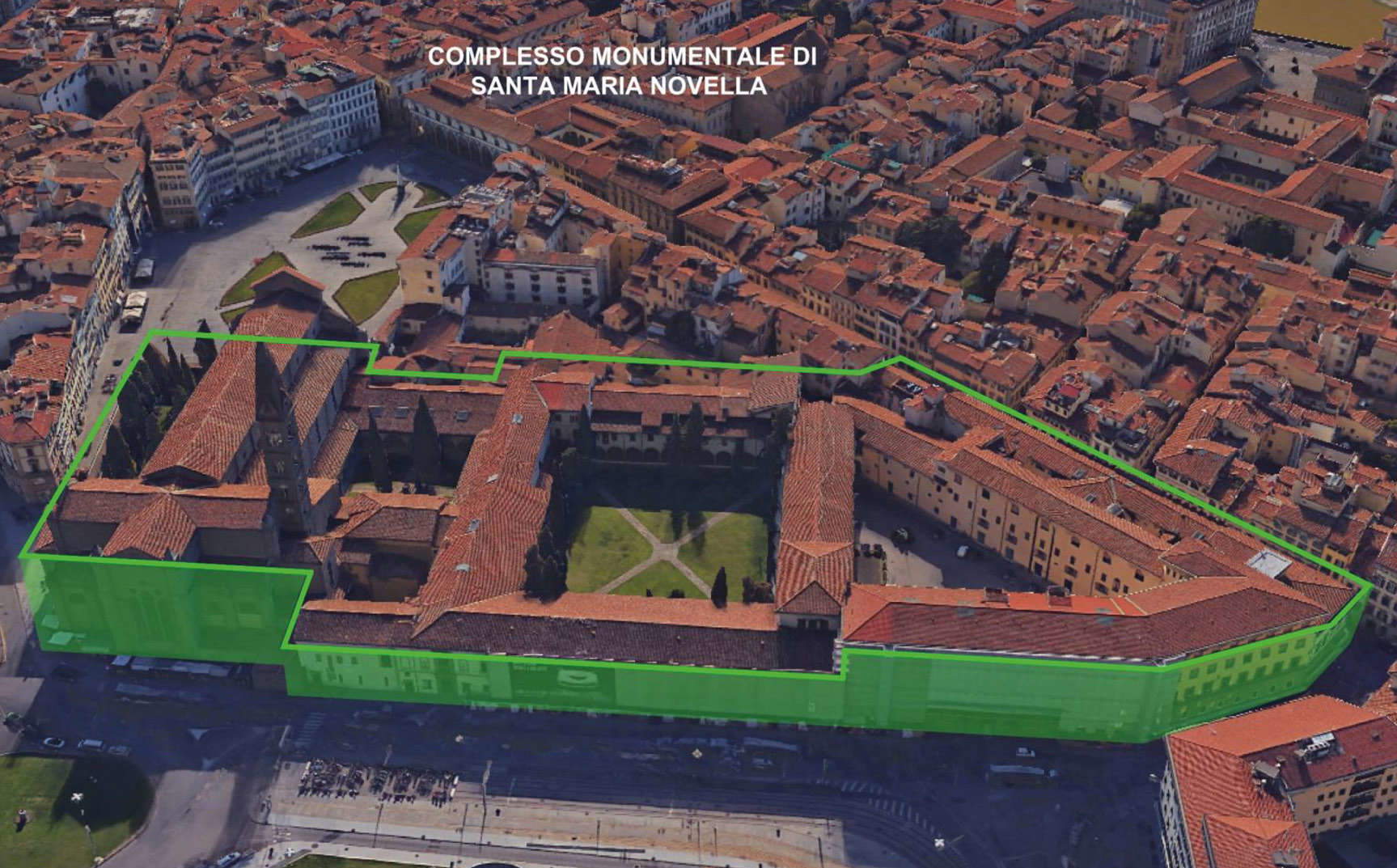
The phase that opens in the next few years is considered decisive and concerns the definition of the future museum and archival arrangement of the Alinari heritage. The project foresees the creation of two main locations, between Florence and Montecatini, destined to house and enhance the different components of the archives in a complementary way. The future Alinari Museum will rise in Florence, inside the monumental complex of Santa Maria Novella, in the spaces of theformer Scuola Marescialli. The intervention is part of a larger urban redevelopment project that aims to transform the area into one of the city’s main cultural hubs, dedicated to research and heritage enhancement.
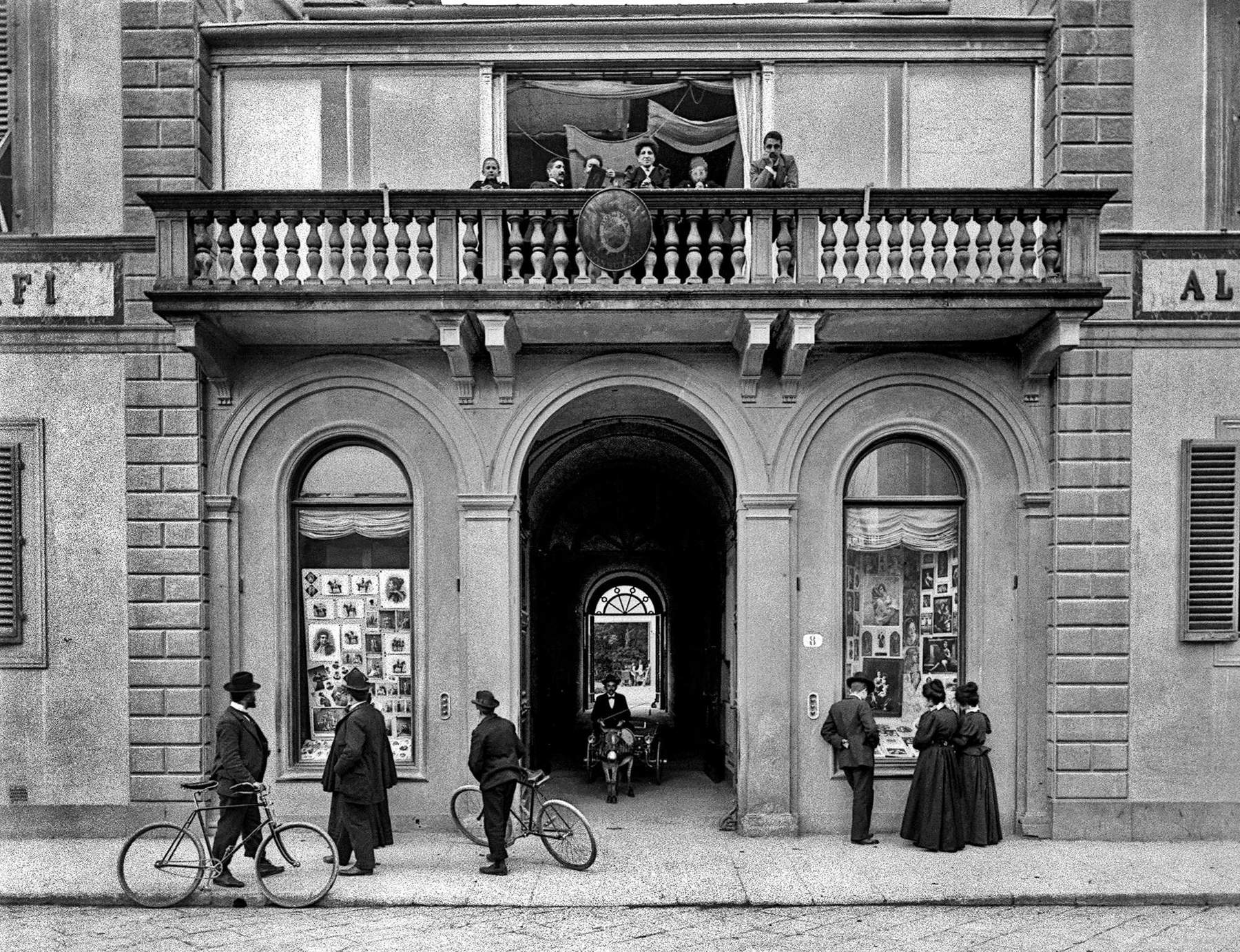
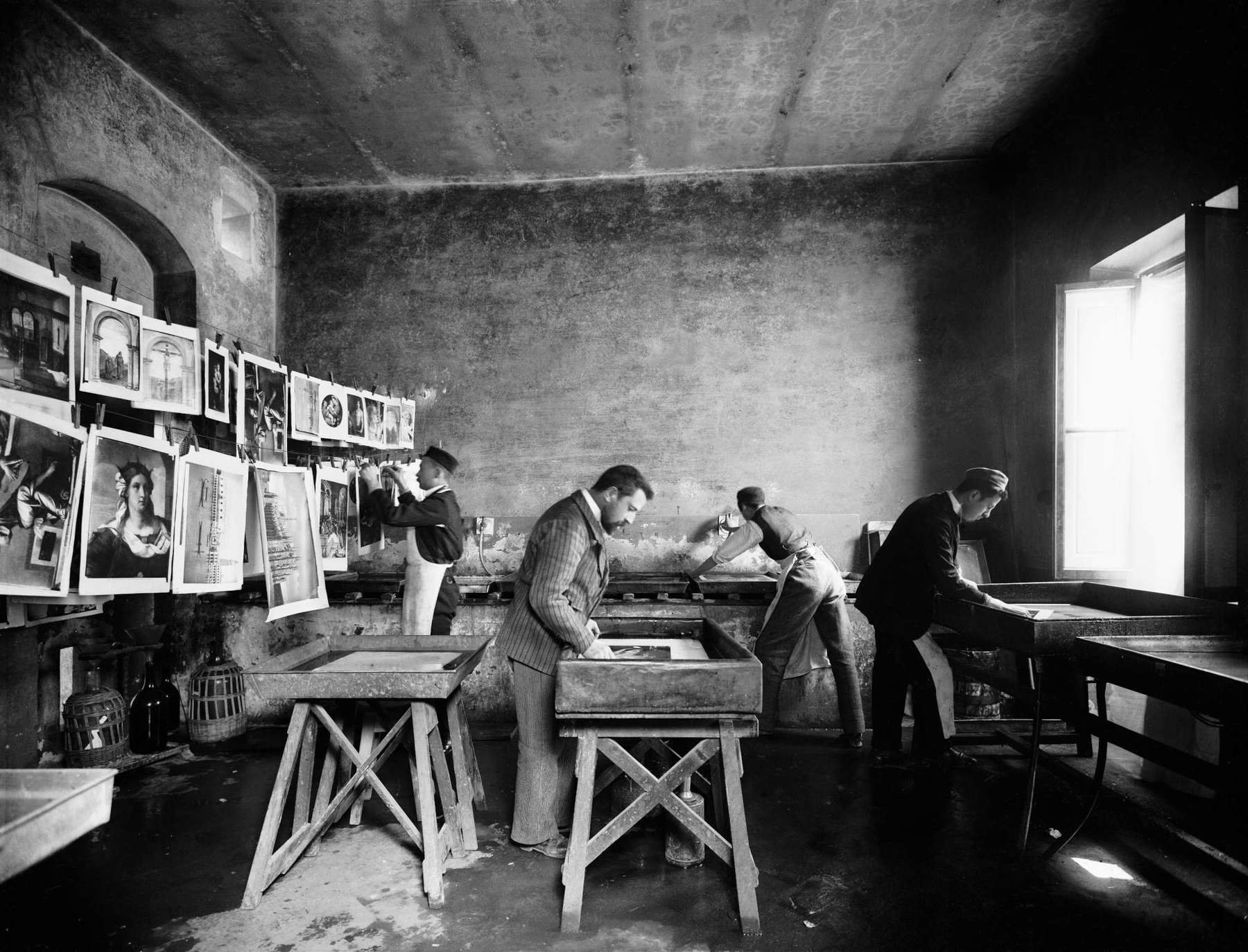
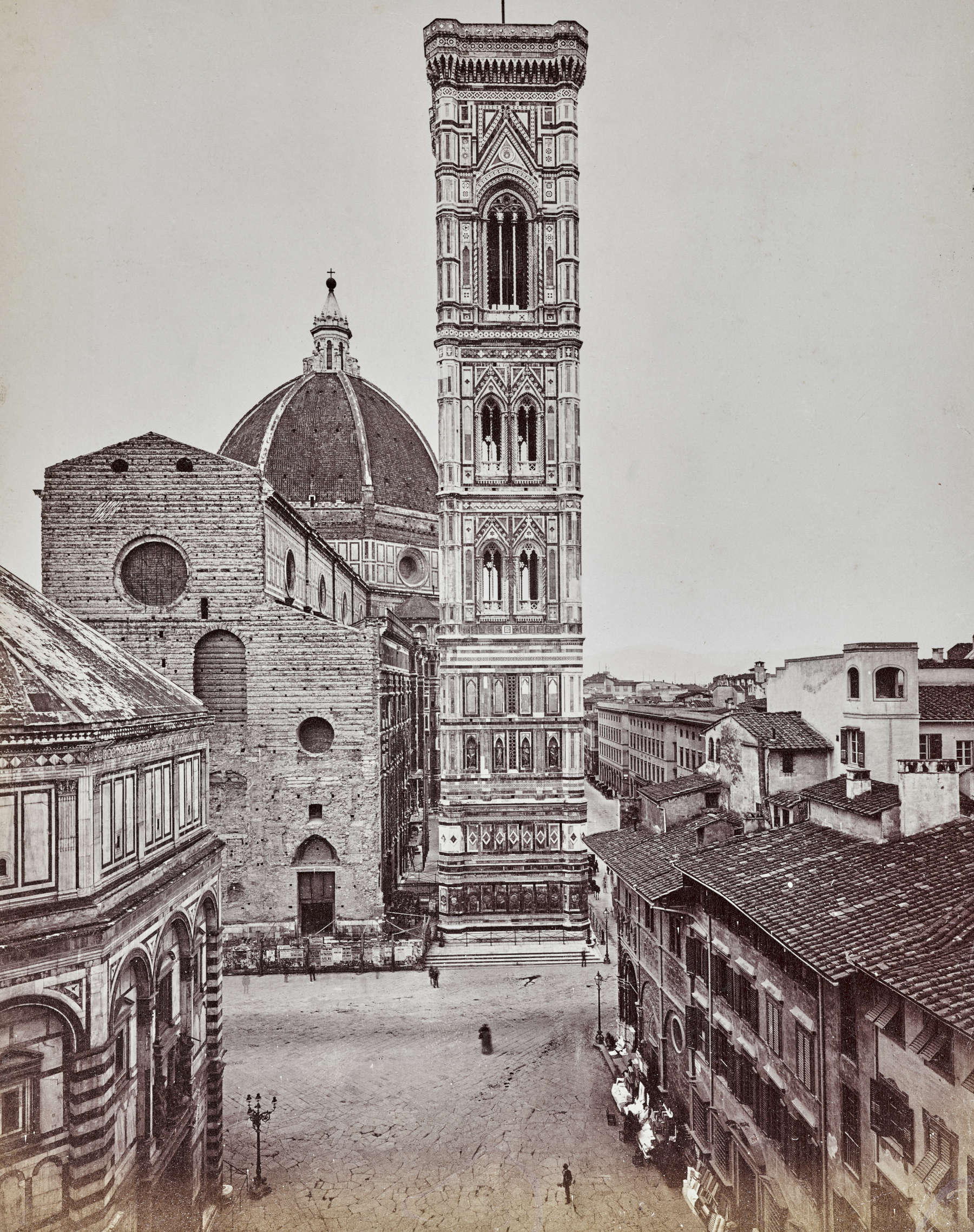
The approximately 1,800 square meters allocated to the Foundation will house the museum and a significant part of the Photographic Archive, along with the Library, which will also include the Albums of the Photo Library. The project also includes rooms for consultation and research, spaces for educational activities, services to the public, a bookshop, a multifunctional hall and the institution’s offices. The architectural project is scheduled for completion by 2026, with a revision of the initial economic estimates, which indicated about 5 million euros for the works and 1.5 million for the fittings. Funding will be provided by the Region of Tuscany, with support from the Fondazione CR Firenze in cataloging the library and developing the museological project.
Construction is scheduled to begin in the next few years, with the goal of completing the work by 2028 and opening the Alinari Museum to the public in 2029. The project is coordinated through a technical table involving the City of Florence, the Region of Tuscany and the Foundation, fitting into a broader strategy of urban regeneration.
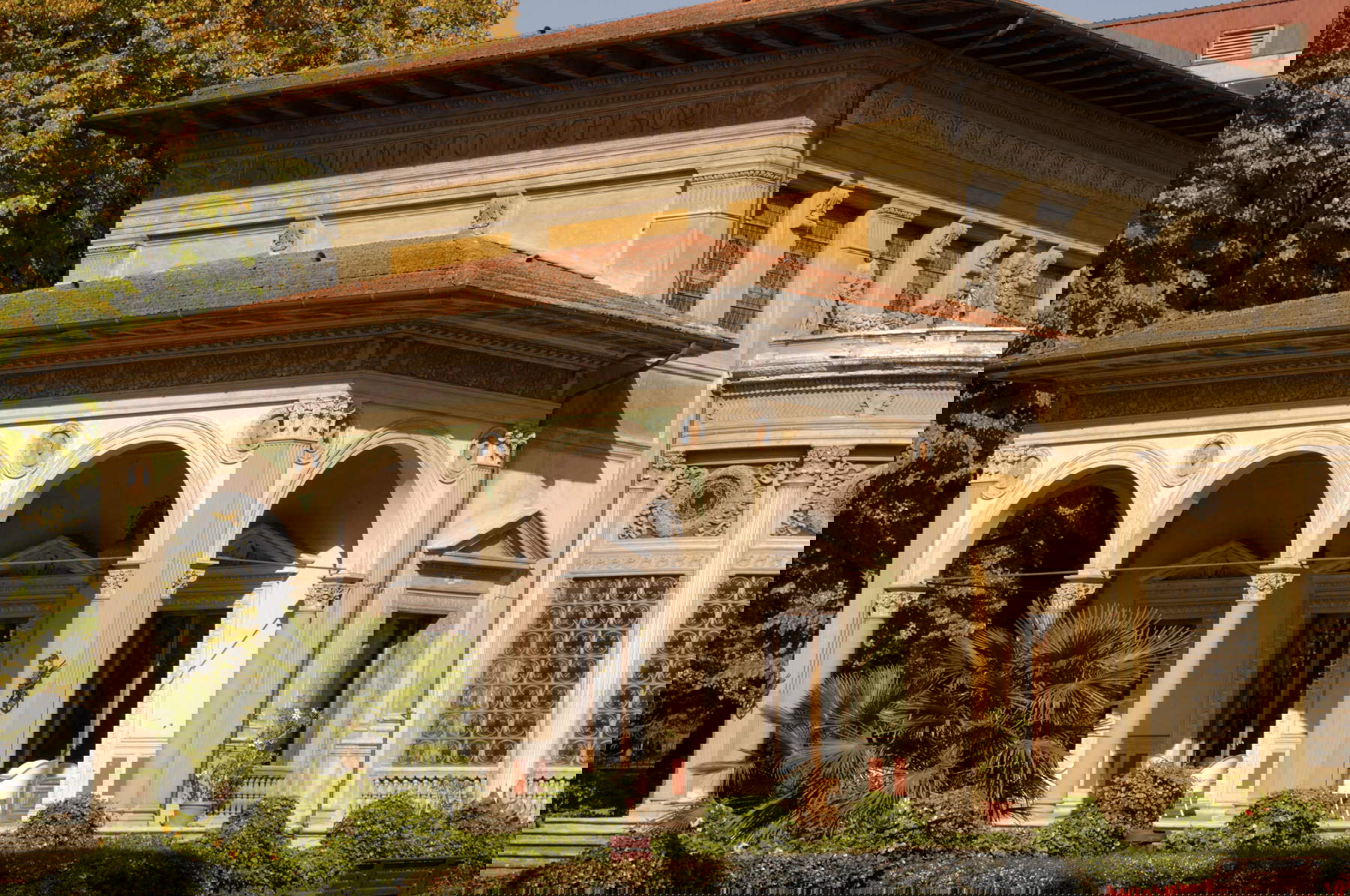
Alongside the Florentine headquarters, the plan calls for the creation of a second hub in Montecatini Terme, intended for the preservation of about two-thirds of the archives. The so-called House of Photography will rise inside the Excelsior Spa and will be dedicated in particular to the custody of the most delicate materials, such as negatives, which require controlled microclimatic conditions. This space will house equipped storage facilities, laboratories for restoration and digitization, as well as higher education programs in the field of conservation and cataloging of photographic heritage. The facility will also be designed to house other important Tuscan photographic collections, thus completing the infrastructure needed to manage the Alinari heritage.
During its first five years of activity, the Foundation has developed an intense exhibition activity, consolidating internal skills and strengthening its organization. In the absence of a permanent home in Florence, it has initiated numerous collaborations with national and international institutions, bringing the Alinari collections into prominent exhibition contexts.
Significant exhibitions include Fotografe!, held in 2022 between Villa Bardini and Forte di Belvedere, L’Italia è un desiderio at the Scuderie del Quirinale in 2023, and Fotografia Wulz. An Atelier, a Family, a City at the Magazzino delle Idee in 2024. These were joined by additional projects carried out in several Tuscan cities, including Arezzo, Livorno and Carrara.
A central role was also played by conservation and research activities, including the largest digitization project of the historical lastroteca ever carried out in Italy, promoted by the Region of Tuscany with PNRR funds. The intervention led to the digitization of some 80,000 photographic plates, including the so-called “Glass Giants,” large plates reaching 114 by 85 centimeters, as well as historical records and other archival materials, which were acquired in high-definition and gradually made accessible for study.
In parallel, the Foundation has strengthened its role at the territorial level, coordinating the Census of Photographic Heritage in Tuscany and promoting the birth of the Tuscan Network of Photography. The project aims to create a community composed of institutions, archives, scholars and citizens, with the goal of sharing tools and skills for the protection and enhancement of photographic heritage.
Future programming includes an exhibition calendar articulated between Tuscany, Italy and the international context. A new version of the exhibition dedicated to Michelangelo Buonarroti, already presented in Carrara, is planned for 2026, which will be enriched with an in-depth study of the relationship between Michelangelo and symbolism at the Casa Museo Ivan Bruschi, with the support of the Fondazione CR Firenze. Interlocutions are also underway with the Municipality of San Gimignano for a project dedicated to the fund of the photographer Logi.
Also in 2026, major international initiatives are planned, including a photography exhibition set up outside the Mairie de Paris on the occasion of the 70th anniversary of the twinning between Rome and Paris, promoted by the Italian Cultural Institute. A spin-off exhibition Fotografia Wulz, dedicated to sisters Wanda and Marion Wulz, will also be presented in London at the Estorick Collection, in collaboration with Calliope Arts Foundation. An exhibition dedicated to Fosco Maraini, sponsored by the Italian Cultural Institute, is also planned in the same city.
“We are facing a turning point: from conservation we are moving to a more active phase, that of making this extraordinary heritage a cultural flywheel capable of speaking to the world,” says Eugenio Giani, president of the Region of Tuscany. “With an investment of more than 12 million euros, the Region has avoided the fragmentation of the Alinari Archives. Now we are entering a new phase: not only conservation, but cultural production, research and international valorization. Florence will be the exhibition and identity heart, linked to the history of Alinari photography. Montecatini, on the other hand, will become the home of photography in Tuscany, with deposits, permanent exhibitions and activities of national and international scope.”
“These first years,” stresses Cristina Manetti, councillor for culture of the Region of Tuscany, “show that Tuscany knows how to combine protection, research and innovation. Photography, a universal language, returns to the center of our cultural vision: Florence and Montecatini are not two separate venues but parts of a single system. If the museum dimension is developed in Florence, Montecatini will be able to build a new identity precisely around photography, becoming a hub of research, training and innovation, including on the digital front. The Alinari Foundation will be the engine of a true regional system of photography, capable of coordinating archives, promoting projects and activating new cultural initiatives.”
“The birth of the new Alinari Museum in the Santa Maria Novella complex,” says Giovanni Bettarini, councilor for culture for the City of Florence, “marks an important milestone for Florence and for international photography. Returning a permanent home to this immense heritage is part of the broader vision of urban regeneration that sees us, as a city administration, committed to transforming the former Scuola Marescialli into a cultural hub of excellence,” said Culture Councillor Giovanni Bettarini. “We are proud that the ’tale of the world’ guarded by the Alinari finally finds its space in one of the most evocative places in the city, which will be a place of preservation, but also of education and comparison, capable of dialoguing with the city and visitors from all over the world. Thanks to the synergy between the City, the Region and the Foundation, Florence is confirmed as the capital of visual memory and cultural innovation.”
“Being next to this project, for Fondazione CR Firenze, is a natural choice,” explains Maria Oliva Scaramuzzi, vice president of Fondazione CR Firenze. "In fact, this museum project recalls values that have always guided our work: accessibility, inclusion, and openness to the community. Our link with the Alinari Archives goes back a long way: we have been supporting them since 2003 through restorations, enhancement projects, and exhibitions, such as the great exhibition Fotografe! at Villa Bardini. Today we are contributing to the planning of the new library of the future Alinari Museum. We are pleased to be able to do this because the name of Alinari is deeply linked to Florence, its identity and its ability to tell its story to the world. Photography has for years been one of the cultural languages in which the Foundation invests with conviction. The Archives is therefore not only a great heritage to be preserved, but an idea of shared culture capable of speaking to the future."
|
| Florence, the Alinari Museum will open in 2029: here's the timetable |

Warning: the translation into English of the original Italian article was created using automatic tools. We undertake to review all articles, but we do not guarantee the total absence of inaccuracies in the translation due to the program. You can find the original by clicking on the ITA button. If you find any mistake,please contact us.






























 IT
IT FR
FR DE
DE ES
ES CN
CN