





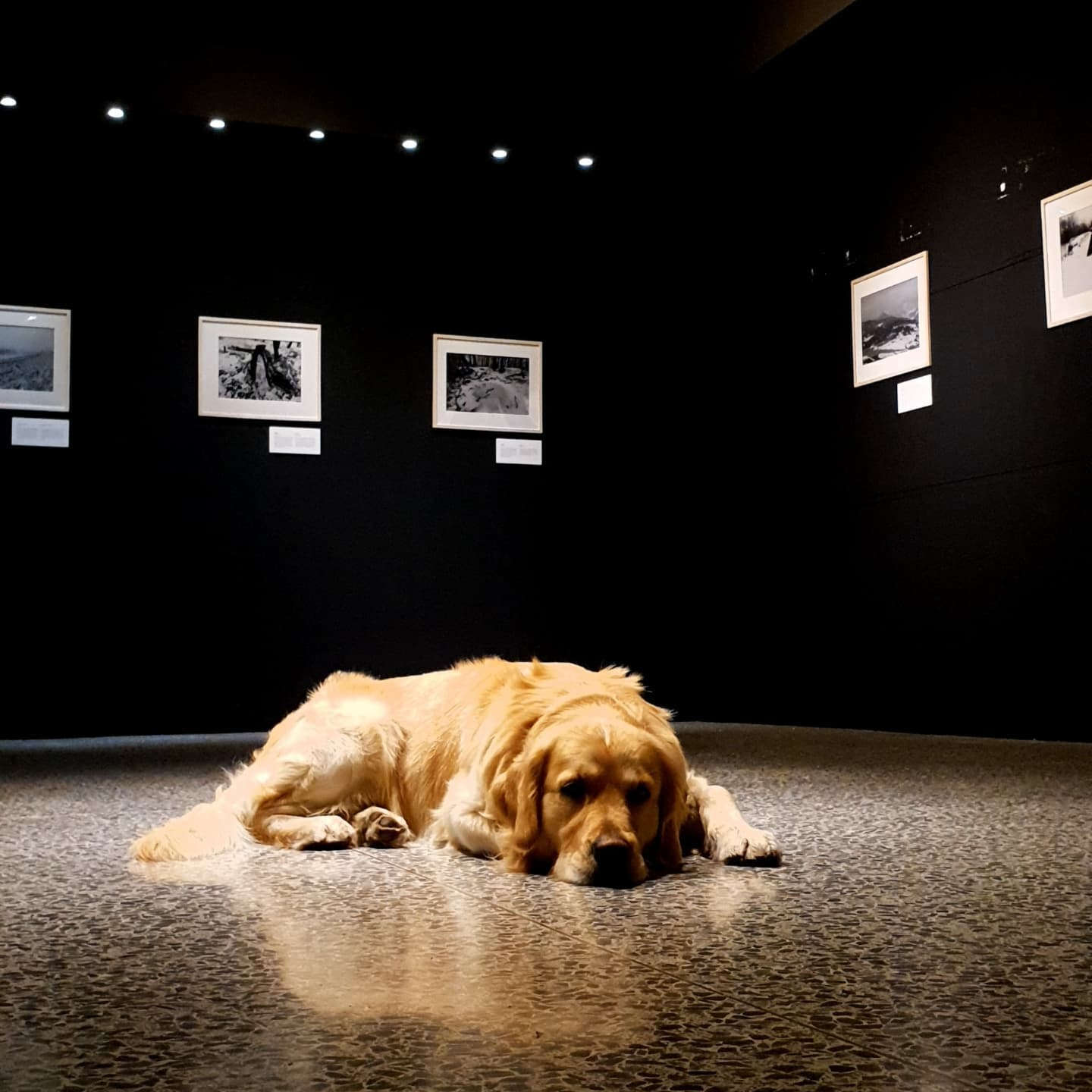
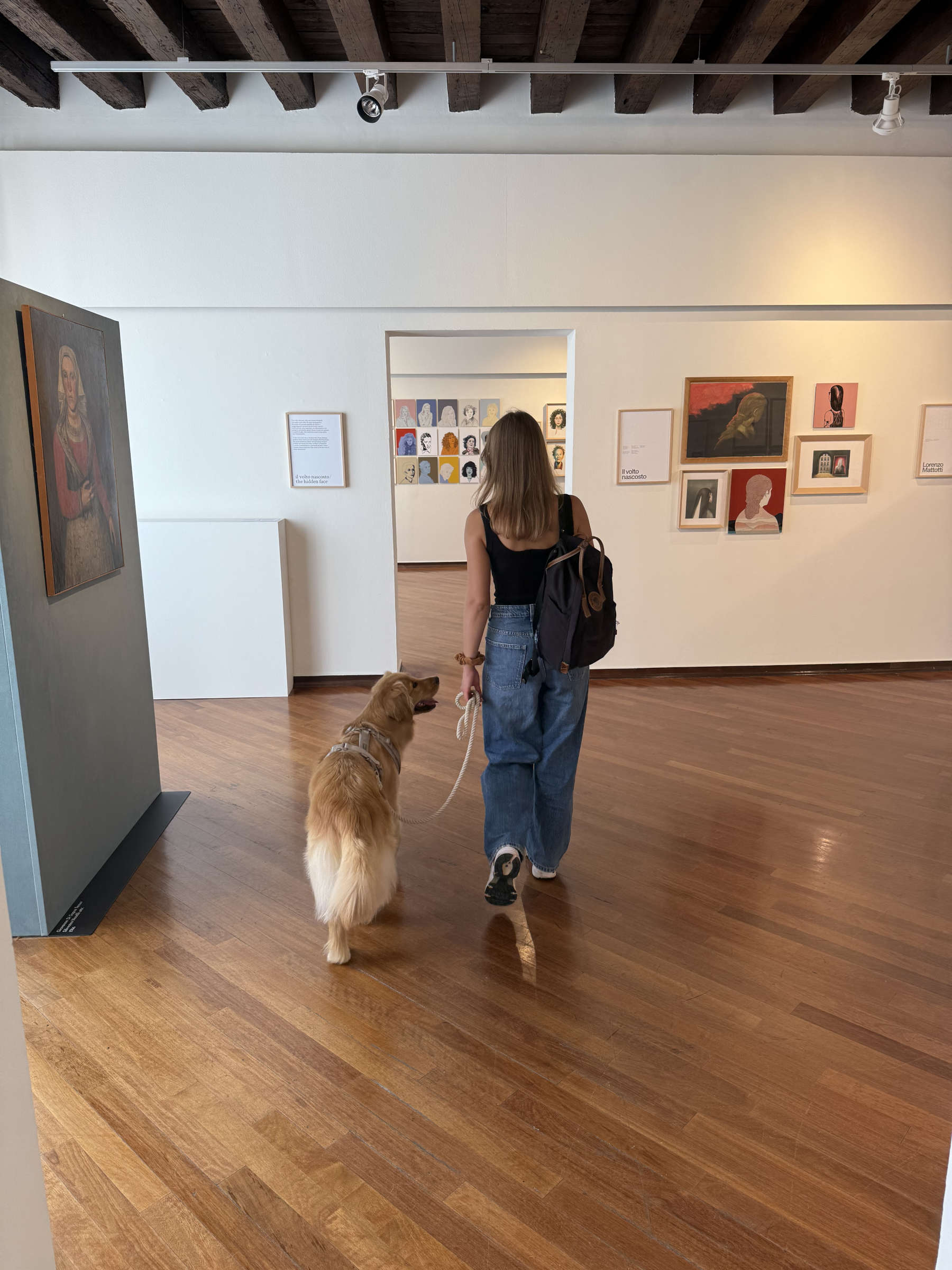
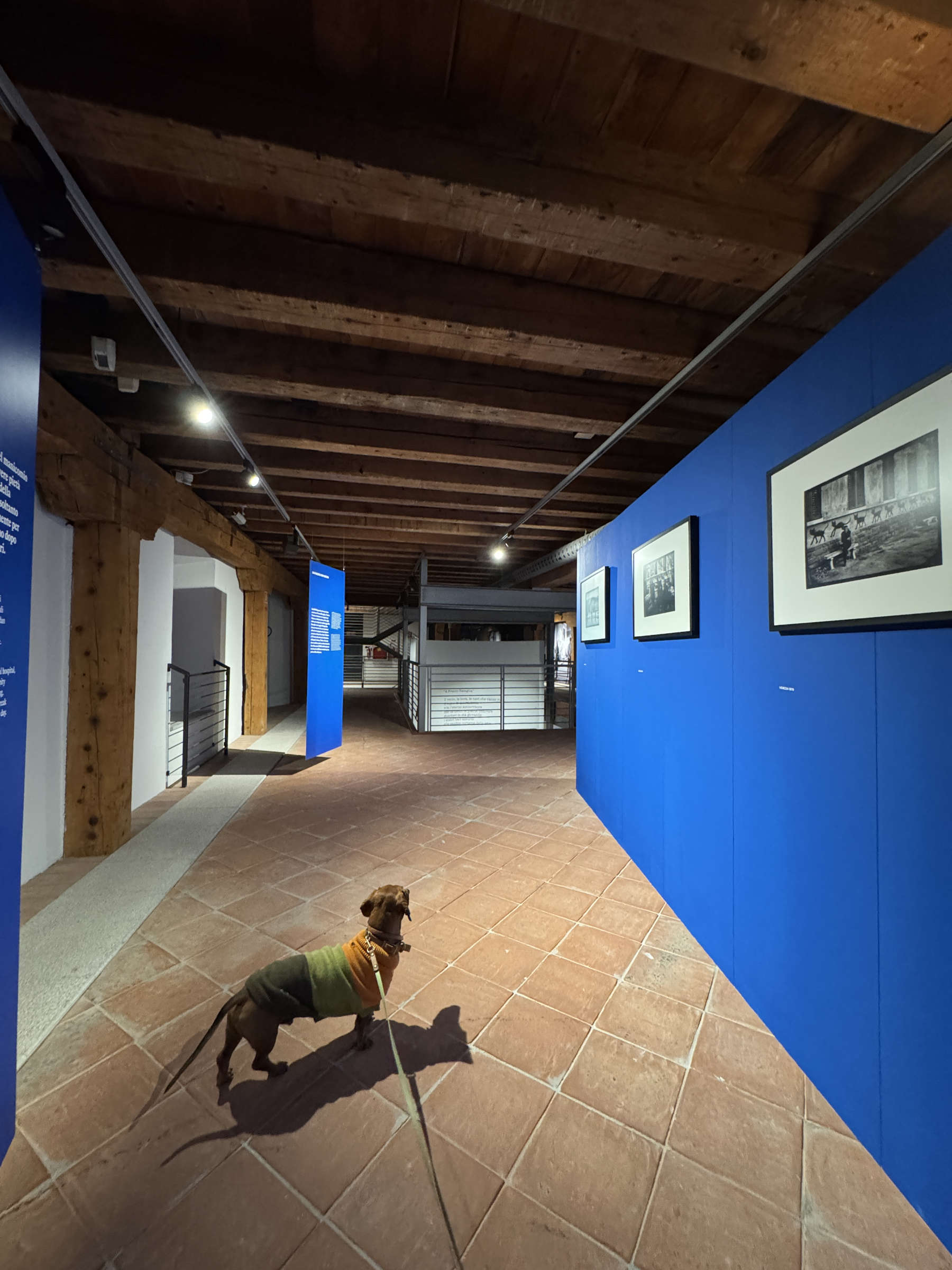
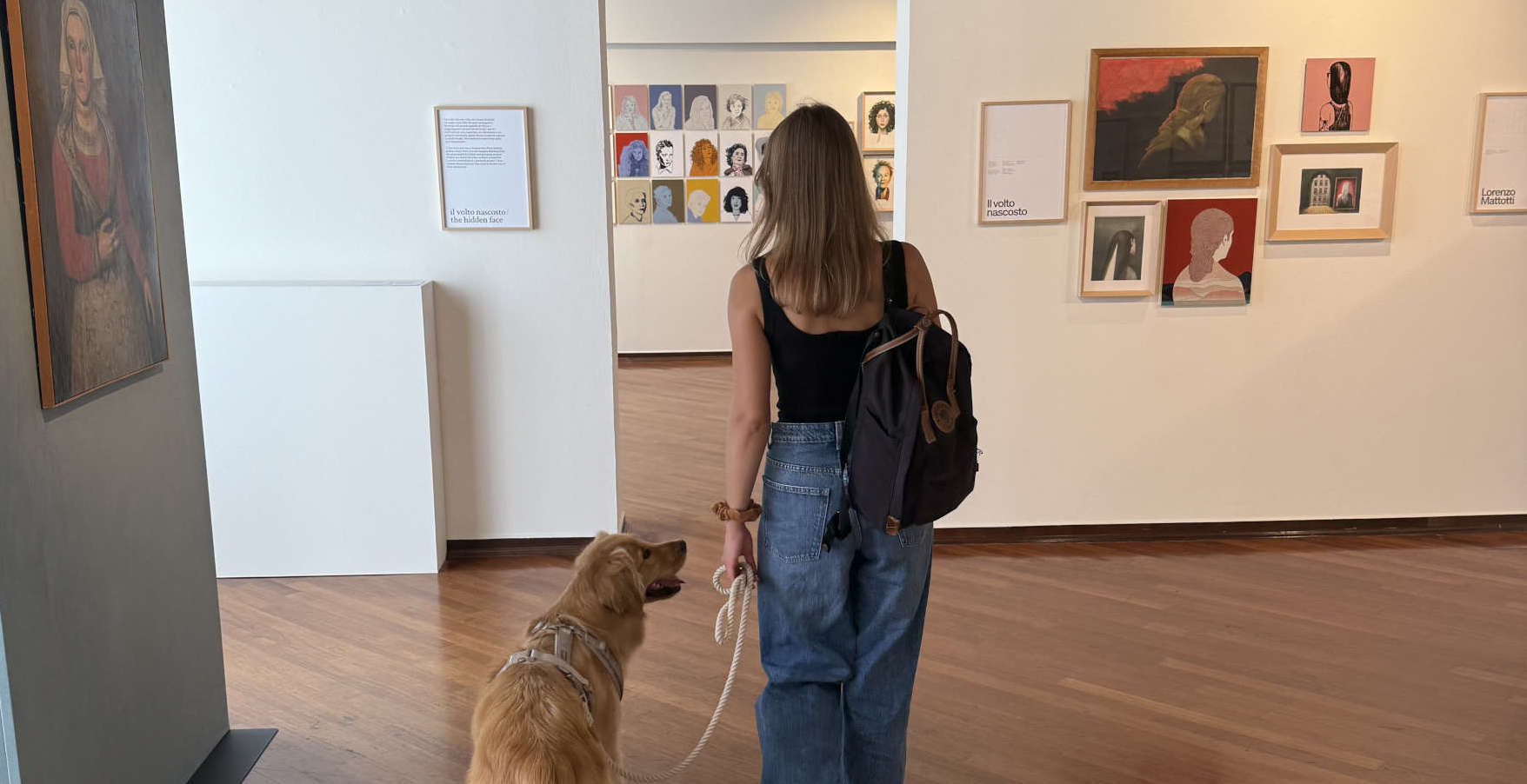
Visiting a museum without being separated from your pet is now an increasingly real possibility in Friuli Venezia Giulia. In fact, the region confirms its pet-friendly vocation through a network of museums and cultural sites that welcome visitors accompanied by their four-legged friends, offering the opportunity to enjoy cultural and tourist experiences without giving up their company: here you can browse the complete list.
The initiative is part of the broader regional tourism proposal dedicated to those traveling with pets, which includes accommodations, itineraries, services, outdoor activities and cultural attractions. In this context, museums represent an increasingly important component of the regional tourism offer, allowing residents and visitors to explore the historical, artistic and scientific heritage of Friuli Venezia Giulia together with their pets.
The proposal involves dozens of entities distributed in the different provinces of the region and includes archaeological museums, picture galleries, castles, ethnographic museums, science centers and places dedicated to historical memory. The goal is to make the cultural heritage accessible to an increasingly wide audience, encouraging a mode of visitation that takes into account the needs of those who consider their animal a travel companion in its own right.
Places included in the circuit include important archaeological institutions such as the National Archaeological Museum in Aquileia, one of the main points of reference for knowledge of Roman history in the Upper Adriatic; the National Archaeological Museum in Cividale del Friuli, custodian of precious evidence of the Longobard civilization; and the Civic Archaeological Museum Iulium Carnicum in Zuglio, which tells the story of the ancient Roman settlement of Carnia. These are joined by open-air archaeological sites such as the archaeological area of Zuglio and the Domus of Titus Macro in Aquileia, among the largest Roman dwellings so far unearthed in northern Italy.
Pet-friendly cultural offerings also extend to modern and contemporary art. In Udine, Casa Cavazzini offers an itinerary dedicated to 20th-century and contemporary art, while in Pordenone the Harry Bertoia Gallery and the city’s Art Museum are important reference points for visual arts enthusiasts. In the regional territory there is also room for such entities as the Luigi Spazzapan Regional Gallery of Contemporary Art in Gradisca d’Isonzo and the Enrico De Cillia Gallery of Modern Art in Treppo Ligosullo.
There is also a particularly rich presence of museums dedicated to folk traditions and material culture. The Museo Etnografico del Friuli in Udine, the Museo della Civiltà Contadina del Friuli Imperiale in Aiello del Friuli, the Museo della Vita Contadina in San Vito al Tagliamento and the Museo della Storia Contadina in Pagnacco allow visitors to trace the history of rural communities and the activities that have characterized the territory for centuries. These are complemented by the Ethnographic Museum in Malborghetto and the S’Haus van der Zahre Ethnographic Center in Sauris, testimonies to the cultural richness of regional Alpine communities.
There is no lack of a significant presence of science and nature museums. These include the Immaginario Scientifico - Museum of Science in Trieste, dedicated to the popularization of science through interactive experiences, the Museum of Natural History in Trieste and that of Pordenone. In Bordano, on the other hand, it is possible to visit the famous House of Butterflies, one of the region’s best-known nature attractions.
The variety of proposals also involves historical and military heritage. In Trieste the Diego De Henriquez Museum for Peace documents the history of conflicts and technological transformations of the 20th century, while in Gorizia the Museum of the Great War preserves evidence related to the First World War. In Monfalcone, the MuCa, Shipbuilding Museum, on the other hand, tells the story of the shipbuilding industry that characterized the city’s economic development.
Other attractive destinations include museums housed inside historic buildings and castles. The San Giusto Castle in Trieste, the Castle Museums in Udine, and the Fortress Museum in Monfalcone make it possible to combine a visit to the permanent collections with the discovery of important historical architecture. The Historic Park of the Bastions in Palmanova, a UNESCO World Heritage city-fortress, is also among the recommended destinations for those who wish to enjoy a cultural experience together with their pet.
The possibility of accessing museums together with one’s dog or other pets responds to a growing demand from visitors, who are increasingly oriented toward forms of tourism that allow them to share their free time with their pets. In this way, the cultural visit is transformed into a more flexible and participatory experience, helping to expand museum audiences and strengthen the link between cultural heritage and the local area.
 |
| Friuli Venezia Giulia, the pet-friendly museums where culture and animals travel together |

Warning: the translation into English of the original Italian article was created using automatic tools. We undertake to review all articles, but we do not guarantee the total absence of inaccuracies in the translation due to the program. You can find the original by clicking on the ITA button. If you find any mistake,please contact us.





















 IT
IT FR
FR DE
DE ES
ES CN
CN


