





A new phase opens in the history of Piacenza’s Ricci Oddi Gallery of Modern Art. In fact, the Emilian museum will present itself starting tomorrow, Tuesday, April 28, with the result of a complex project of redevelopment and refurbishment of its exhibition spaces. The intervention comes 20 years after the last significant maintenance and restores full legibility to a building that represents one of the most emblematic cases of the Italian museum scene of the early 20th century. The project focused on the recovery of the original architectural and structural features conceived to dialogue with the collection of Giuseppe Ricci Oddi (Piacenza, 1868 - 1937), who in 1931 transformed his private collection into a museum open to the public. The building, designed by architect Giulio Ulisse Arata (Piacenza, 1881 - 1962) also on the basis of the founder’s indications, is in fact one of the rare examples in Italy of a structure built from scratch with a precise museum function intended for modern art, where content and container are closely interconnected from the beginning.
The Gallery’s new course has been entrusted to Piero Lissoni’s project, developed together with Antonella De Martino and Gianni Fiore of Lissoni & Partners. Launched in the spring of 2025, the intervention involved more than 1,000 square meters of floor space and all 22 exhibition rooms, which still remained accessible to the public on a rotating basis during the work, depending on the progress of the construction site. To celebrate the reopening, the Gallery will be open to visitors free of charge until Sunday, May 3, 2026, including May 1, according to the usual hours that include weekday morning openings and weekend extensions.
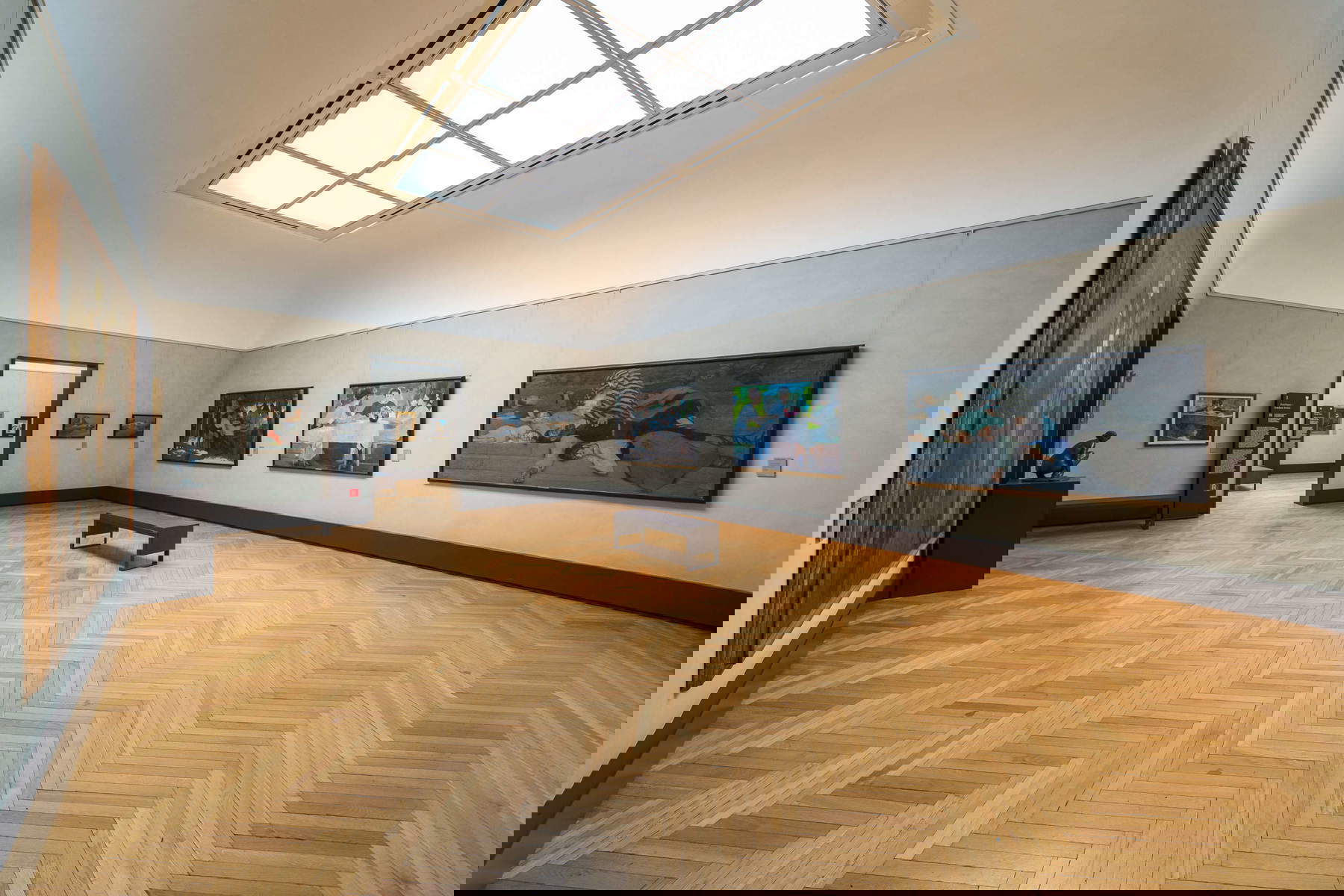
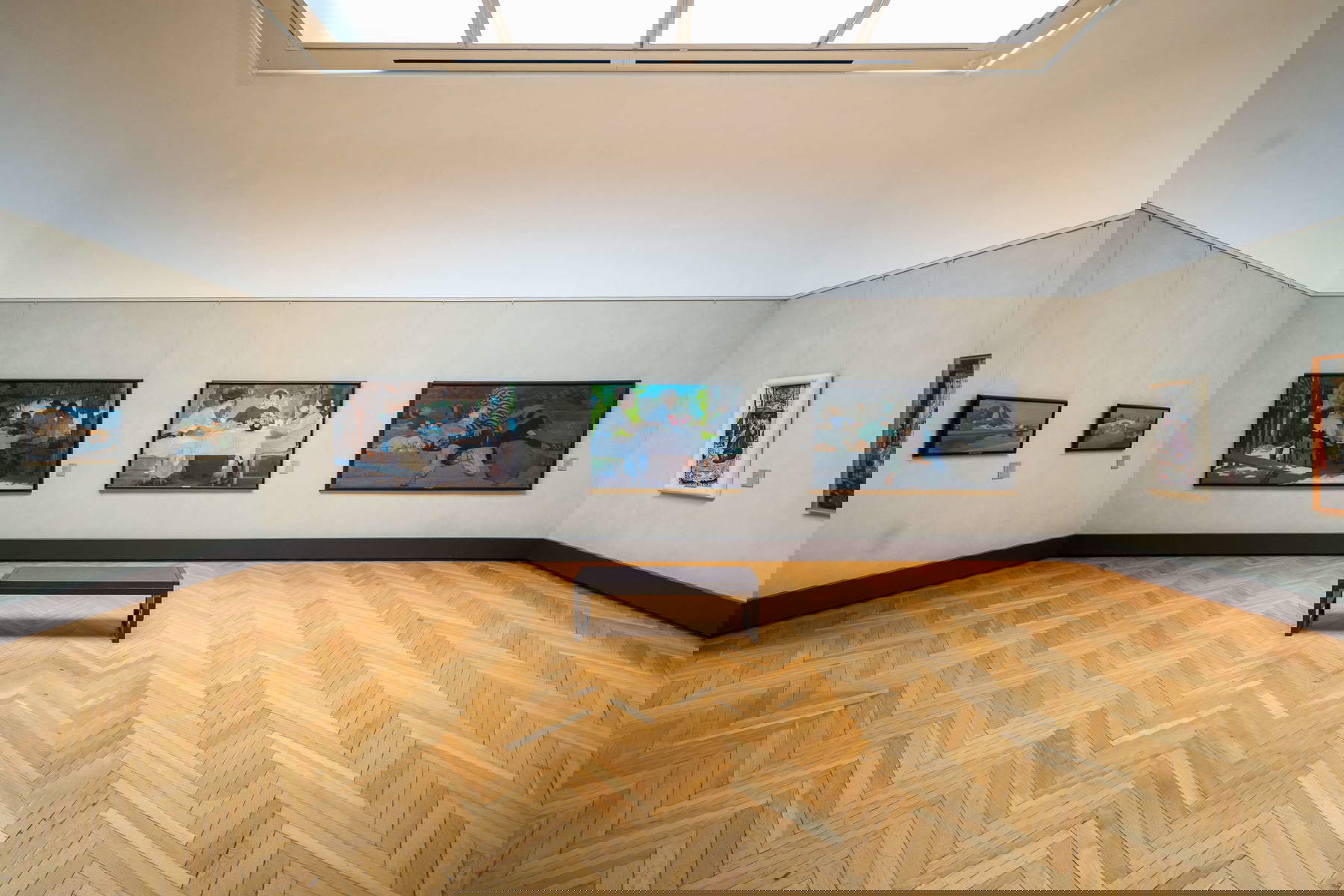
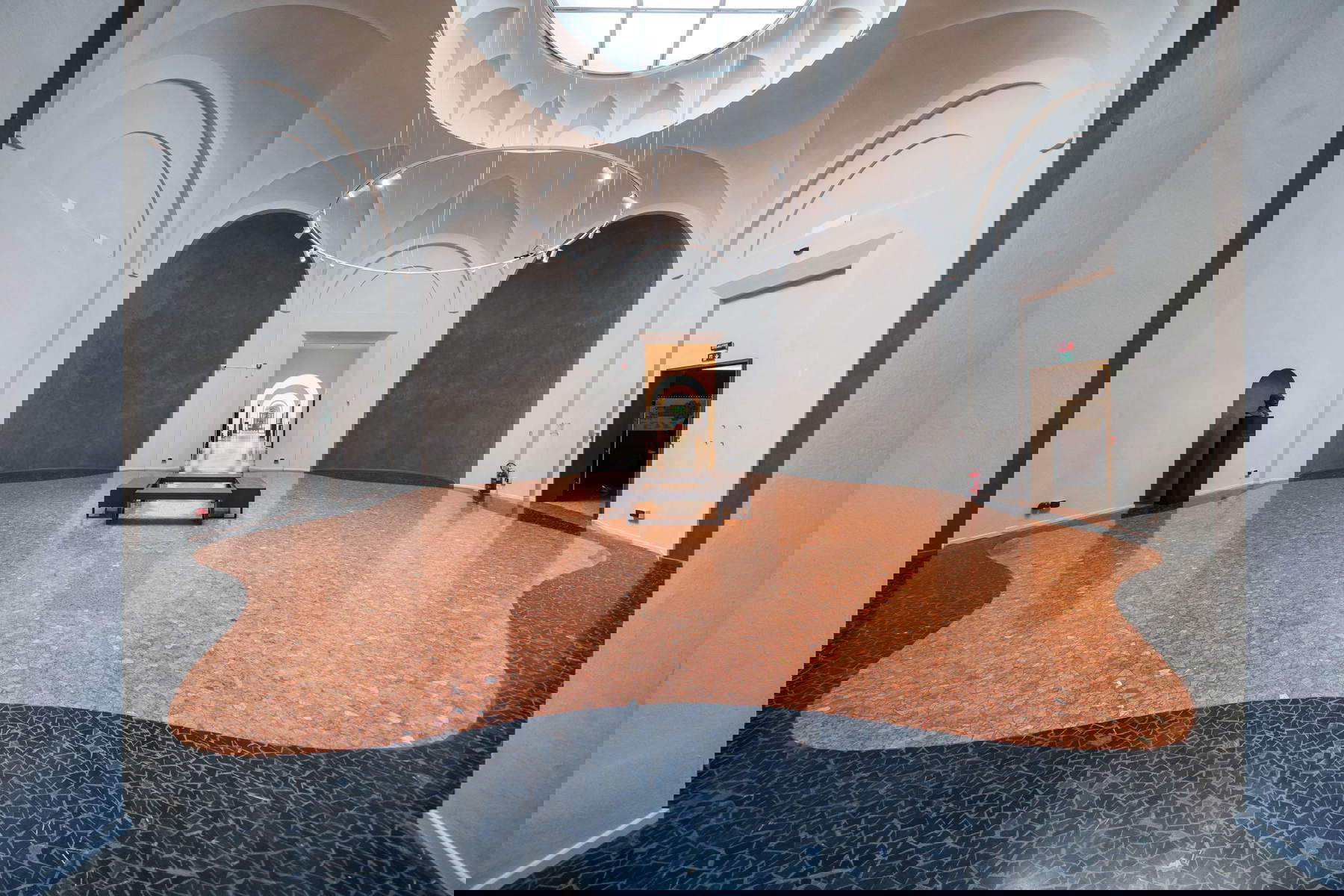
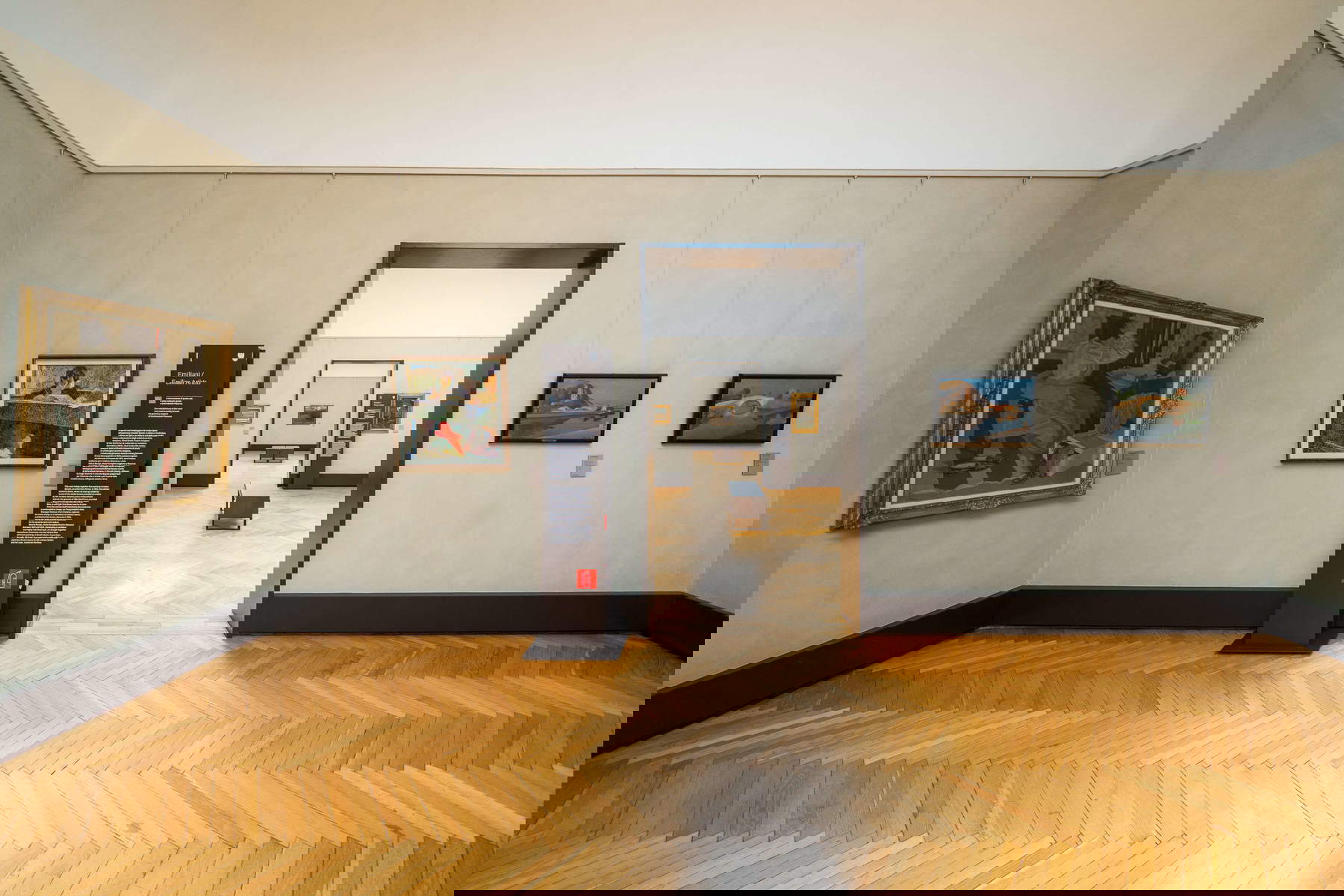
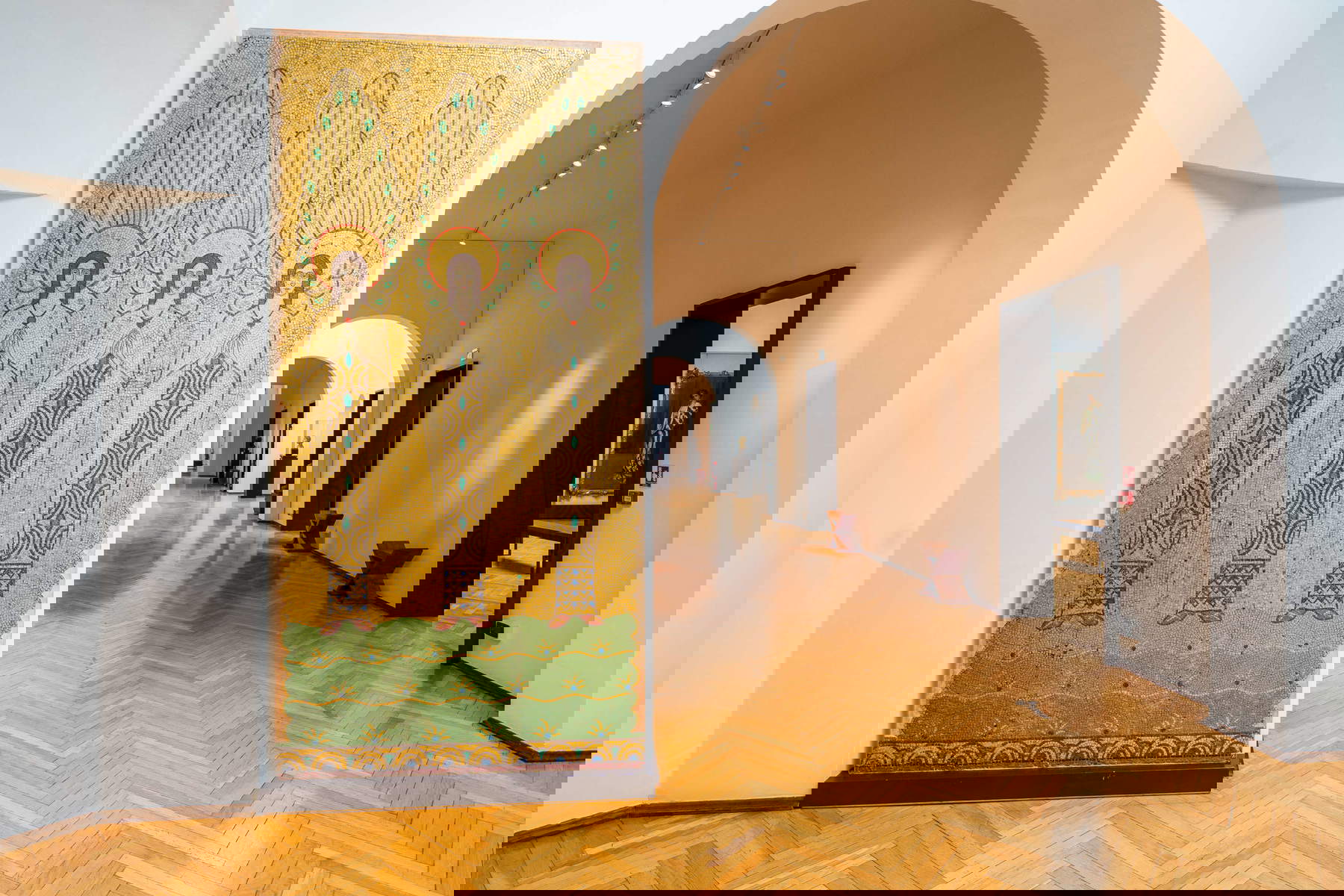
The value of the intervention was highlighted by the mayor of Piacenza, Katia Tarasconi: “Restoring full coherence to the spaces designed by Giulio Ulisse Arata, respecting the vision of Giuseppe Ricci Oddi, means enhancing even more a heritage that belongs to the community,” she commented. "This redevelopment project is not only an architectural intervention, but a concrete signal of attention to culture as an engine of growth and identity. The Gallery is thus confirmed as a place that is alive, accessible and able to dialogue with the present, strengthening Piacenza’s role in the national cultural landscape
The president of the Ricci Oddi Modern Art Gallery Foundation, Massimo Toscani, also emphasized the decisive contribution of the patrons who supported the project. “I like to emphasize,” he said, “how the support of the patrons who made the renovation of the Ricci Oddi possible is a living and tangible sign of an enlightened Piacenza community that identifies with and reappropriates the Gallery. To them goes my most sincere thanks. The renovated Gallery now offers itself as an inclusive and dynamic place, truly at the service of citizens and visitors: a new look in tune with a purposeful, open and dynamic identity.”
On the museum level, director Lucia Pini has identified two fundamental guidelines that have guided the intervention: on the one hand, the enhancement of the collection through a layout capable of restoring breath to the works, and on the other, the recovery of the architectural harmony of Arata’s building, so as to bring out the close dialogue between space and collection. “Now the Gallery,” he explains, “finally welcomes the public in environments that live up to the founder’s intentions and offers tools for understanding the collection that can enrich the visitor experience. I cannot hide my satisfaction with these results, which mark an important stage in a growth process that must continue in the years to come.” Lissoni himself emphasized the desire to intervene in a measured manner, limiting himself to bringing to light the original idea of the museum, particularly the concept of the panopticon, a distinctive element of the structure, without introducing invasive alterations.
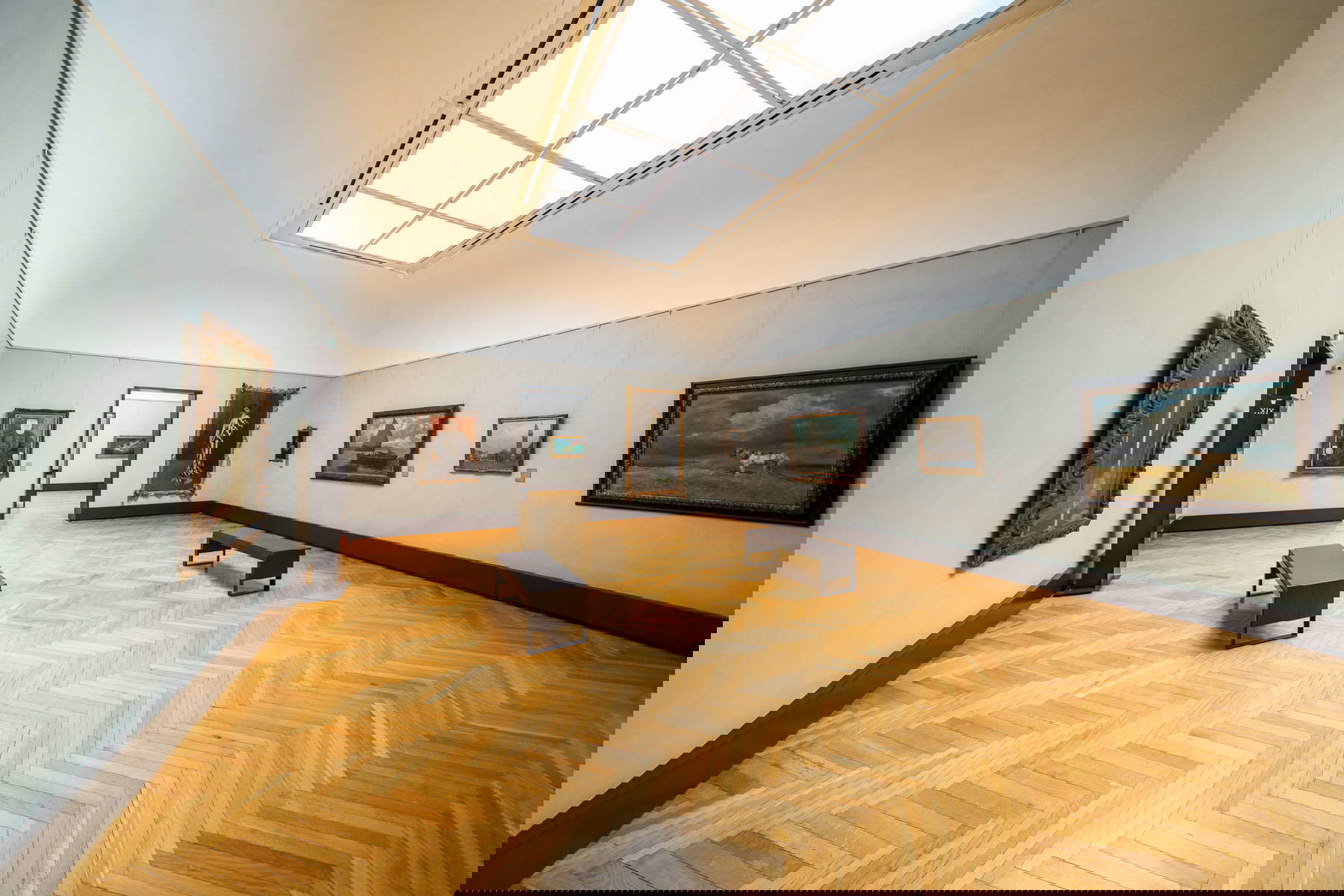
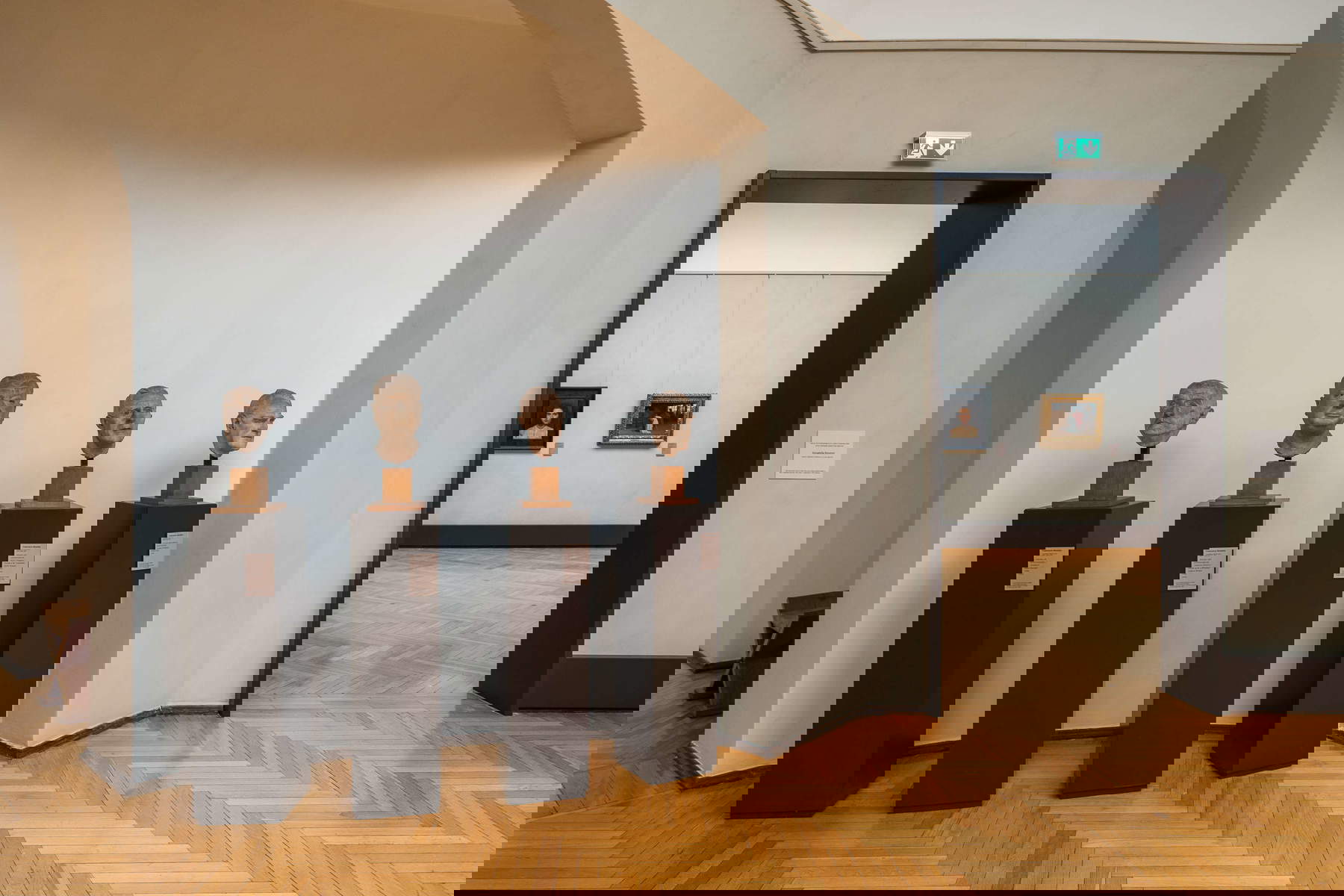
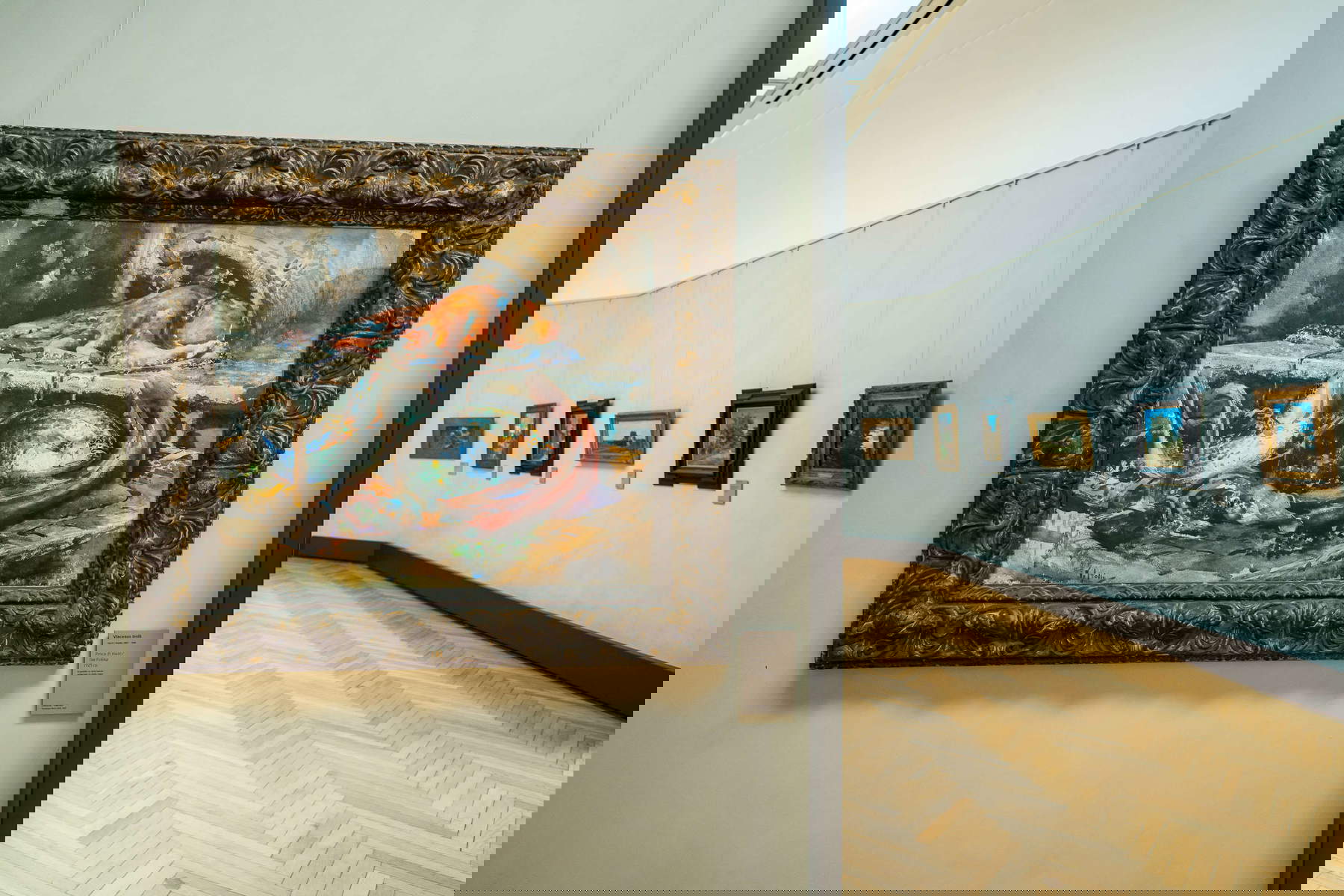
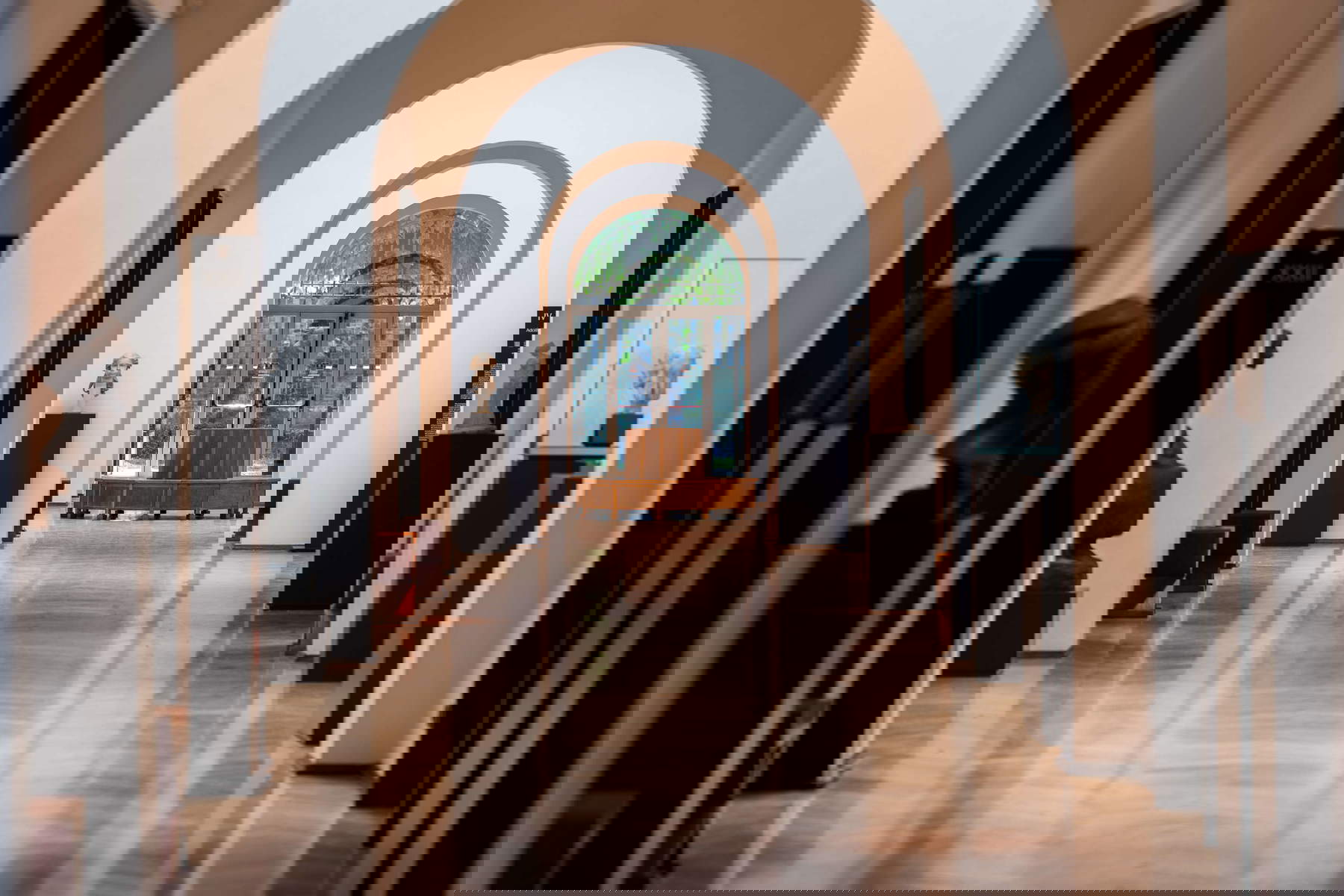
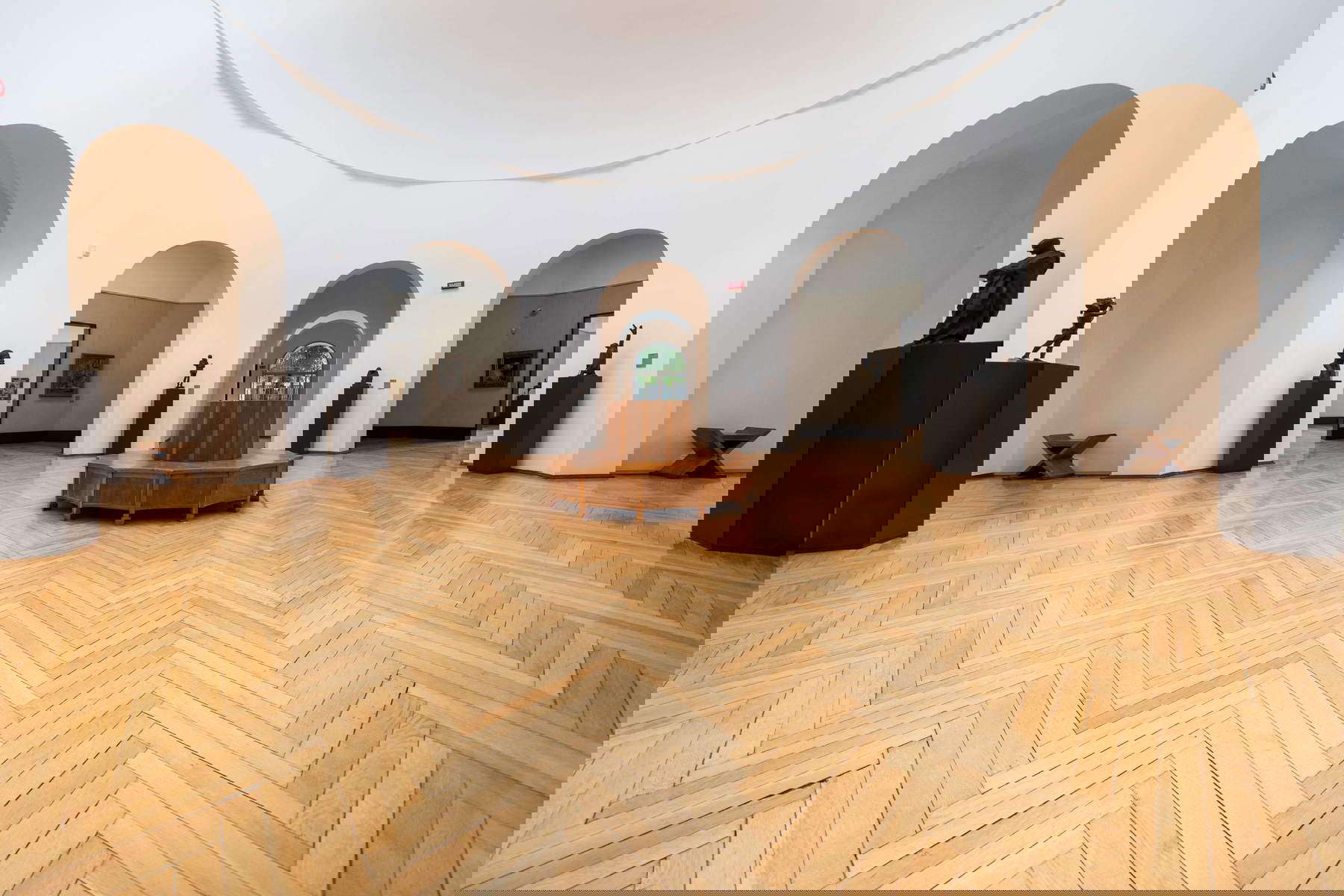
The work was carried out under the supervision of the Soprintendenza Archeologia Belle Arti e Paesaggio for the provinces of Parma and Piacenza. Construction management and executive design were entrusted to Studio Milani Carini of Piacenza, with the contribution of architect Ravazzani, while director Lucia Pini coordinated the different phases on the museum front and the new exhibition route. Coordinated graphics were handled by Ma:design.
From a technical and architectural point of view, the intervention started from an in-depth historical analysis of the building, with the aim of freeing the spaces from the incongruous stratifications accumulated over time and restoring a coherent, essential and contemporary language. The main operations included the removal of deteriorated wallpaper and the restoration of the wall surfaces, which now feature lime finishes and a neutral color palette designed to enhance the works.
New interior fixtures and an updated hanging system for the paintings were introduced, flanked by bilingual magnetic captions in Italian and English that allow flexibility without compromising the walls. A distinctive feature of the new layout is the dark brown metal portals that mark the transition between rooms, creating a visual thread along with the continuous floor design.
Special attention has also been paid to the historic furnishings, with the recovery of the large central bench and original stools, probably made to a design by Arata himself. The interior doors were restored to their original heights, re-establishing consistent architectural proportions. Furniture, technical devices, information totems and sound systems have been harmoniously integrated, maintaining a balance between functionality and aesthetics. Completing the project is a new graphic communication system and an audioguide service in Italian and English created by Orpheo Audioguide, with texts by Stefano Bosi and the director.
The following have made the renovation of the Ricci Oddi Gallery of Modern Art possible: ANCE Piacenza; Francesca Arcelli Fontana; Banca di Piacenza; Giancarla and Marco Belloni; BFT Burzoni S. r. l.; Pietro Casella; Class VA of Liceo Respighi, high school graduation 1970; Confindustria Piacenza; Conti Wej S. r. l.; Emilcotoni S.p. A.; Fontanella family; Fossati family; Fugazza family; Fondazione di Piacenza e Vigevano; Gas Sales; Bruno Giglio; IME Industria Maglieria Europea S. p. A.; Guido Musetti; Donatella Ronconi; Rotary Club Piacenza; Società Cementirossi; Team Memores Computer; Giuliano Maria Tavazzani; Telema S. p. A.
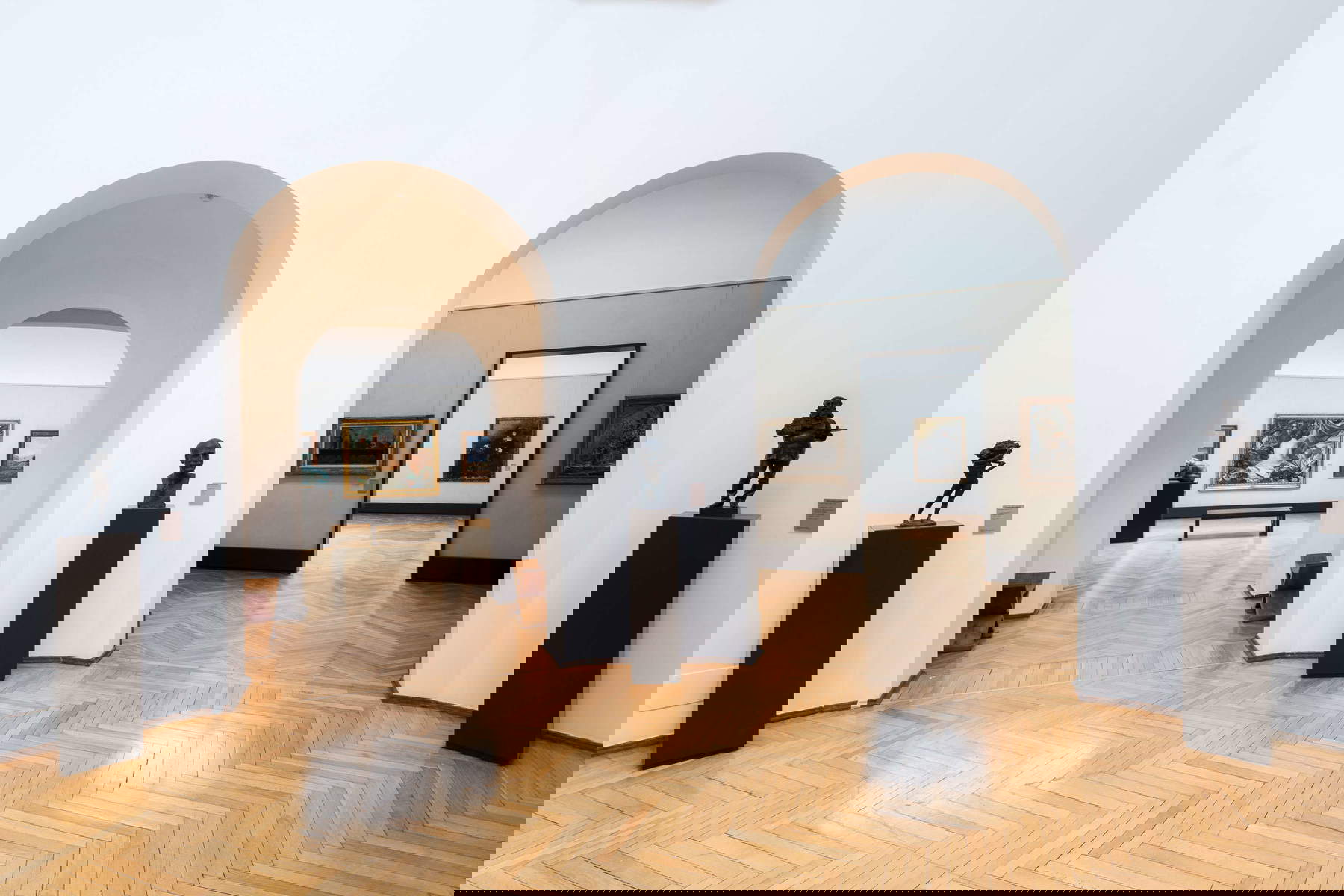
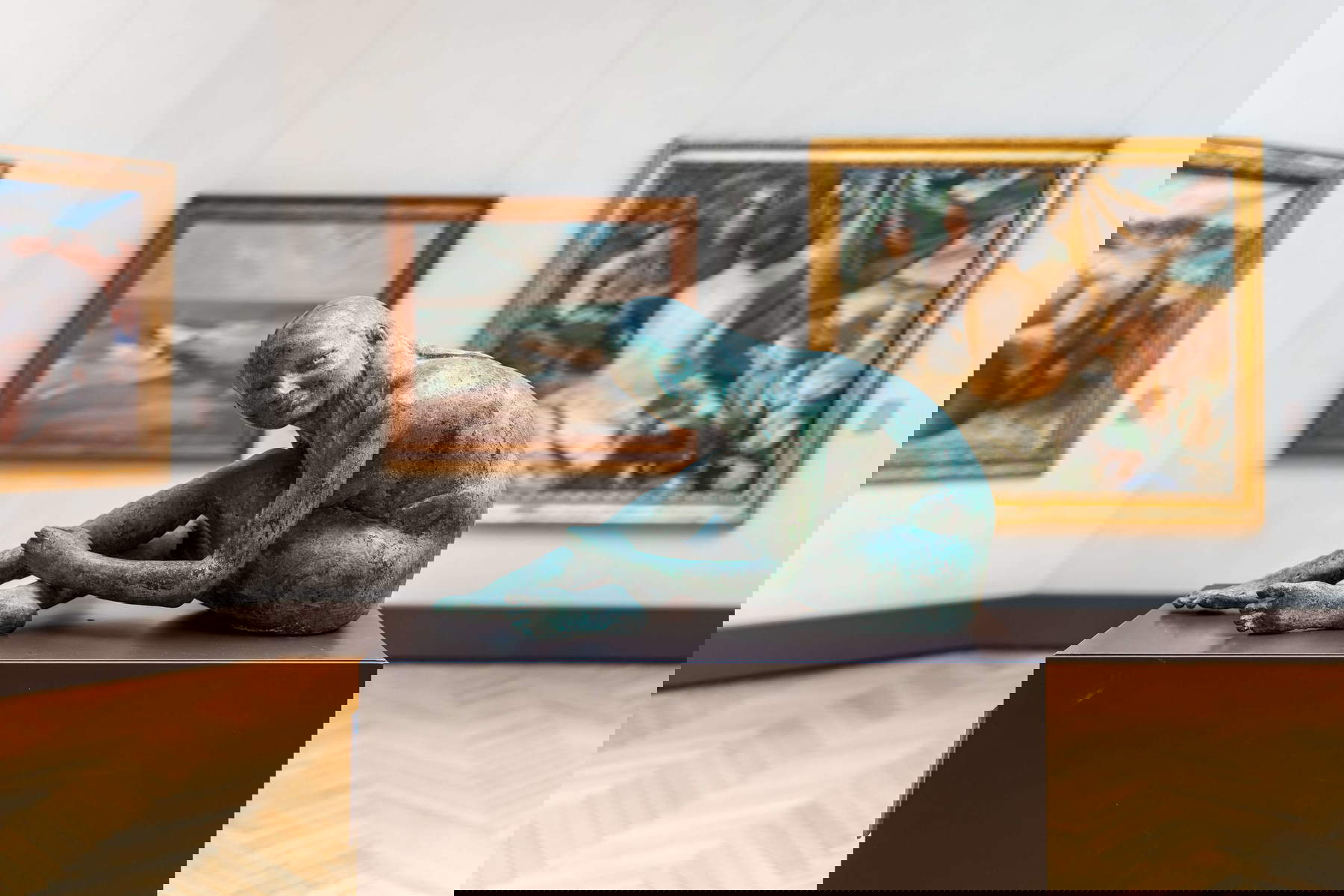
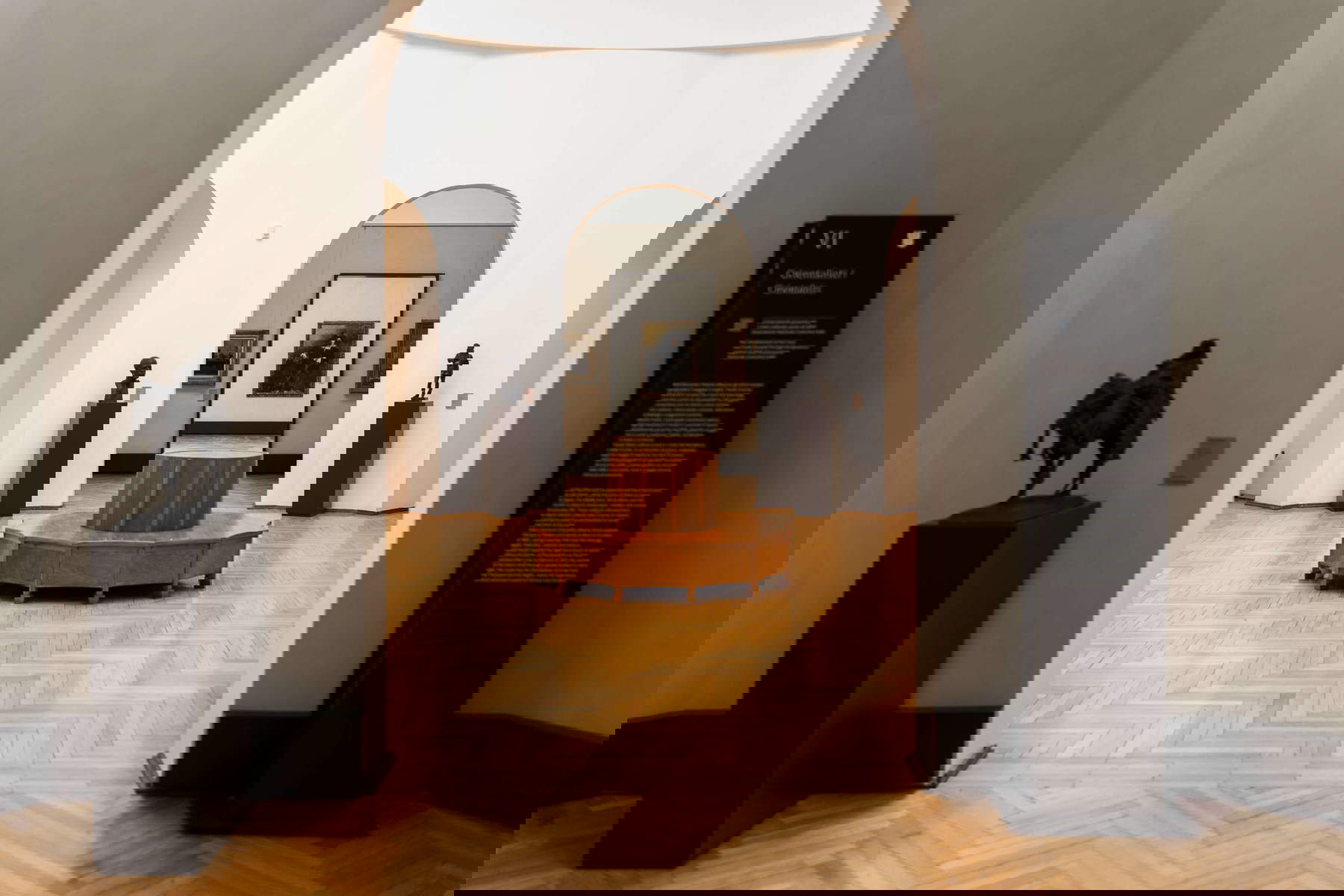
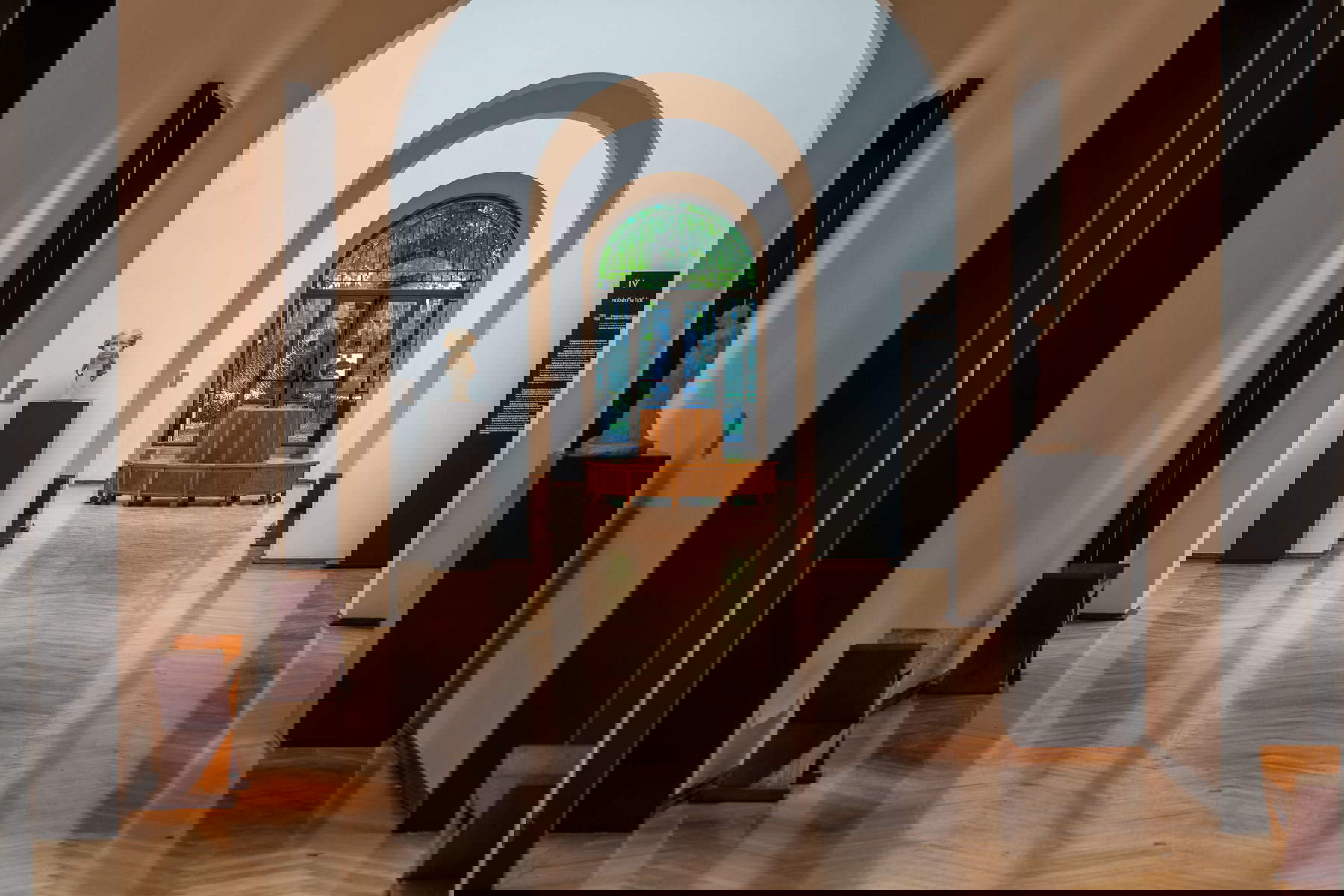
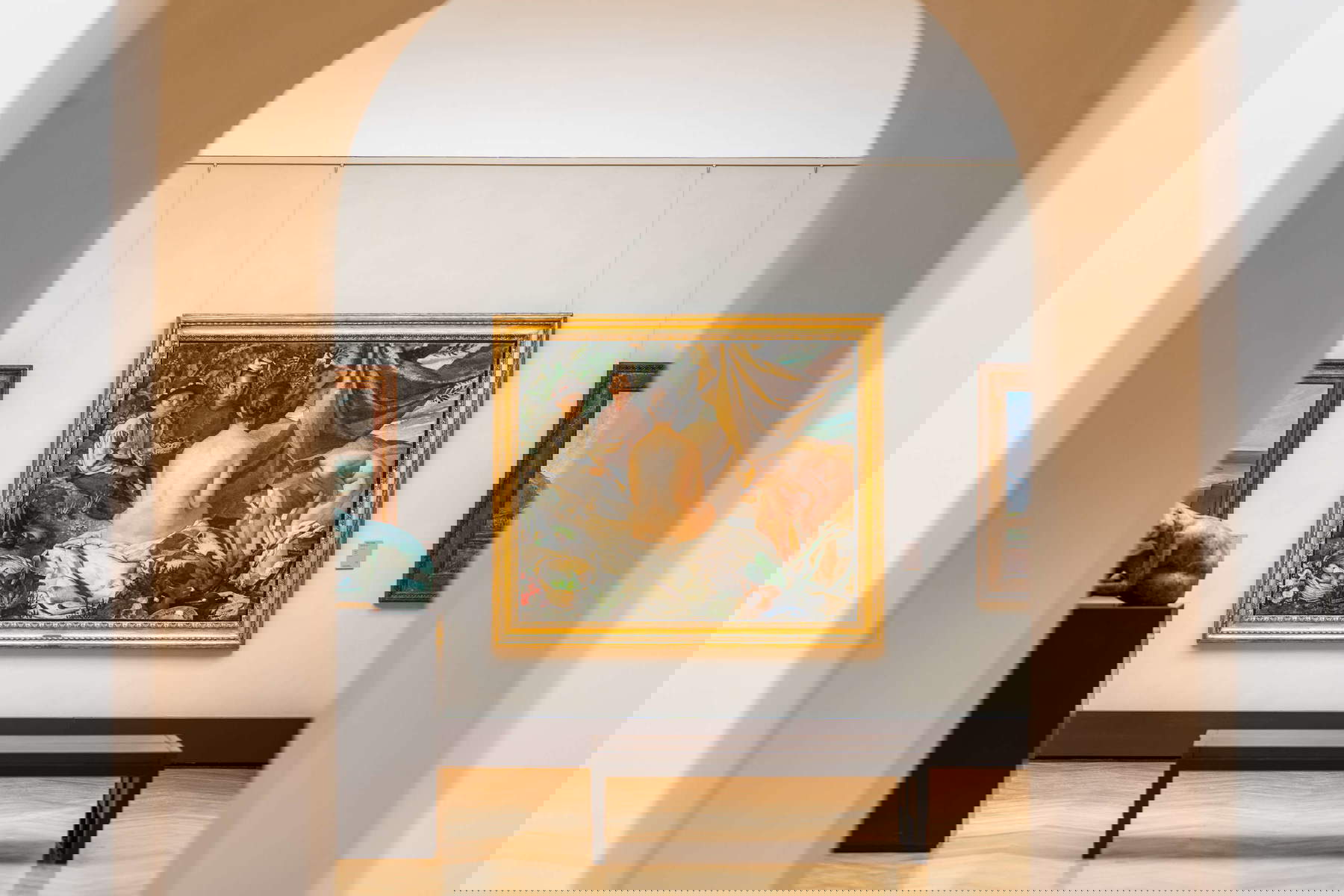
The Ricci Oddi Gallery of Modern Art has its roots in the collection built up by Giuseppe Ricci Oddi between the late 19th century and the early decades of the 20th century. After the first purchases between 1898 and 1899, including works by Francesco Filippini and Gaetano Previati, the collection gradually expanded to reach 1184 works today, compared to 546 at the founder’s death. Of these, about 250 are on display in the permanent itinerary, while more than 800 are kept in storage.
The exhibition itinerary maintains the figurative matrix dear to the founder, with a selection that covers a chronological span from the 1830s to the 1930s, privileging landscape and figure painting in particular. Among the most famous works is Gustav Klimt’s Portrait of a Lady, dated between 1916 and 1917, at the center of an affair that has profoundly marked the museum’s history, between the discovery of an underlying painting, theft in 1997, and discovery in 2019.
Alongside Klimt, the collection includes significant works by artists such as Giuseppe Pellizza da Volpedo, Medardo Rosso, Amedeo Bocchi, Felice Casorati, Felice Carena, and Federico Zandomeneghi, delineating a rich and articulate panorama of art between the 19th and 20th centuries.
|
| Piacenza's Ricci Oddi Gallery is reborn: museum gets renovated again |

Warning: the translation into English of the original Italian article was created using automatic tools. We undertake to review all articles, but we do not guarantee the total absence of inaccuracies in the translation due to the program. You can find the original by clicking on the ITA button. If you find any mistake,please contact us.
























 IT
IT FR
FR DE
DE ES
ES CN
CN


