





The Torcello Museum joins the network of the Fondazione Musei Civici di Venezia, strengthening the museum system of the lagoon and expanding the narrative of its history, from the oldest evidence of human presence to the development of medieval civilization and modern art. This step, which involves a museum complex owned by the Metropolitan City, assumes significant importance not only from a management point of view, with its inclusion in the Islands’ Museums itinerary together with Murano and Burano, but also from a cultural point of view, thanks to its integration in MUVE’s educational activities and future interventions to enhance its heritage. The museum thus becomes a key piece in understanding the origins of Venetian civilization, offering a hitherto only partially explored perspective.
Torcello, among the oldest settlements in the lagoon and a vital center as early as late antiquity and the early Middle Ages, was an important commercial hub since the Roman age and still represents a point of reference for understanding the birth of Venice.
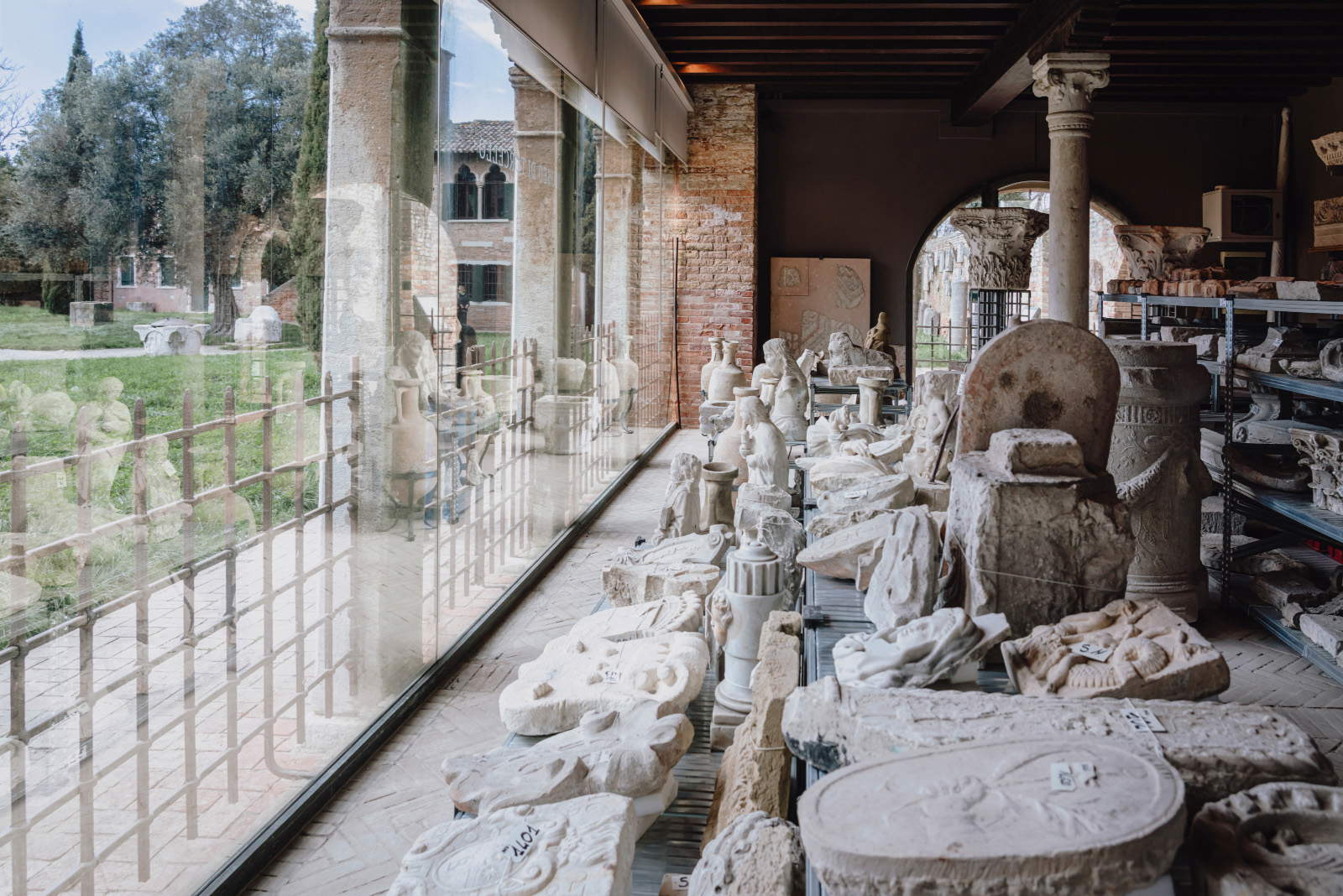
As part of the initial enhancement works, MUVE carried out maintenance work, updated the educational apparatus to make the itinerary more accessible and reopened to the public the deposit in the loggia of the Palazzo dell’Archivio, now visible, which highlights the significant stone heritage preserved here. The museum complex, which includes the Palazzo del Consiglio and the Palazzo dell’Archivio with their respective collections, was granted to the City of Venice in free use for nine years and is now managed by the Foundation through a multi-year concession, with the aim of giving continuity to the study and enhancement work already begun, dedicated to the knowledge of “Venice before Venice.” In this context, an ancient fluvial and maritime emporium and economic and religious center of the upper Adriatic in the centuries before the city was established, MUVE expands its narrative by connecting the civic museums to the deeper roots of the lagoon and the civilizations that inhabited and passed through it.
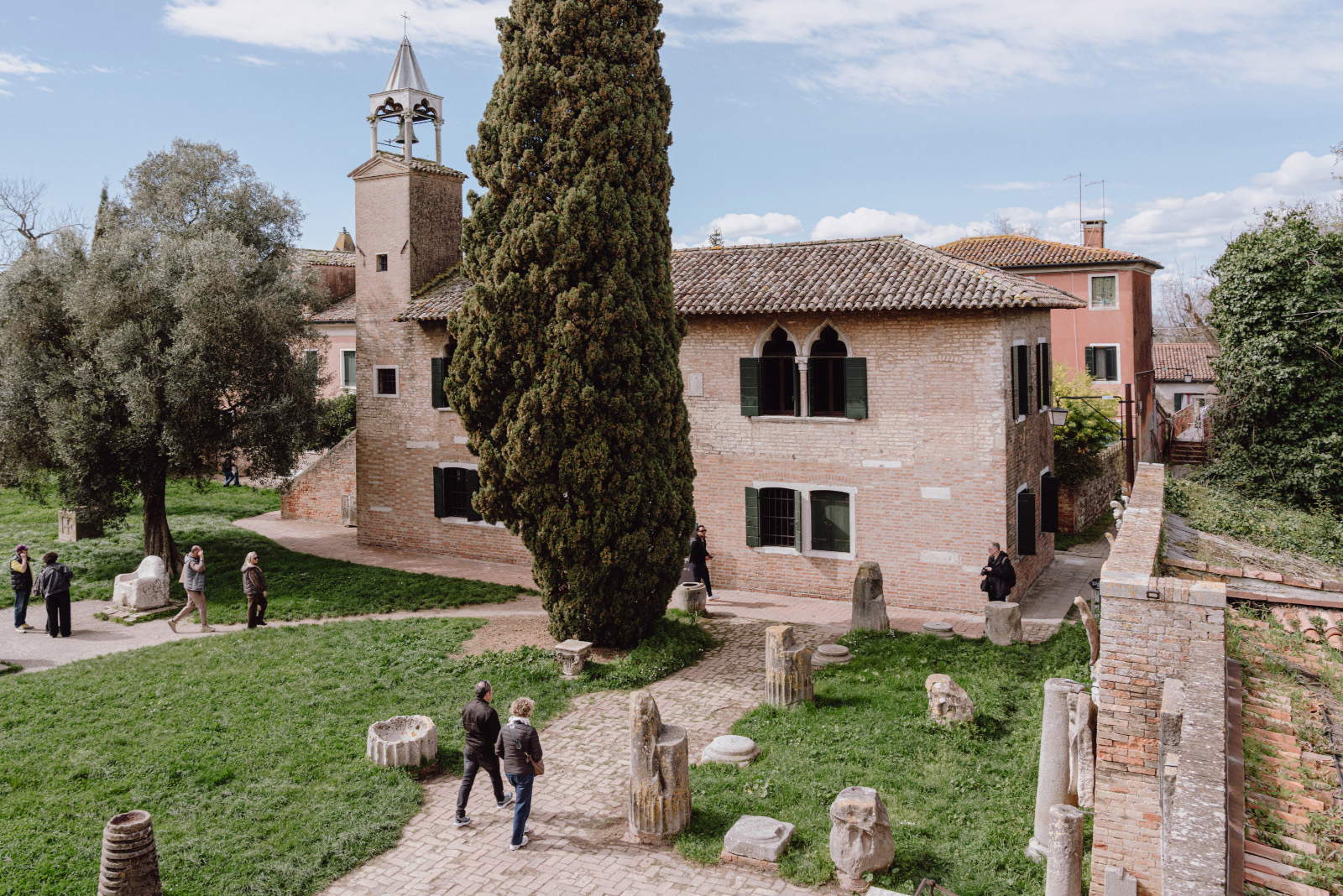
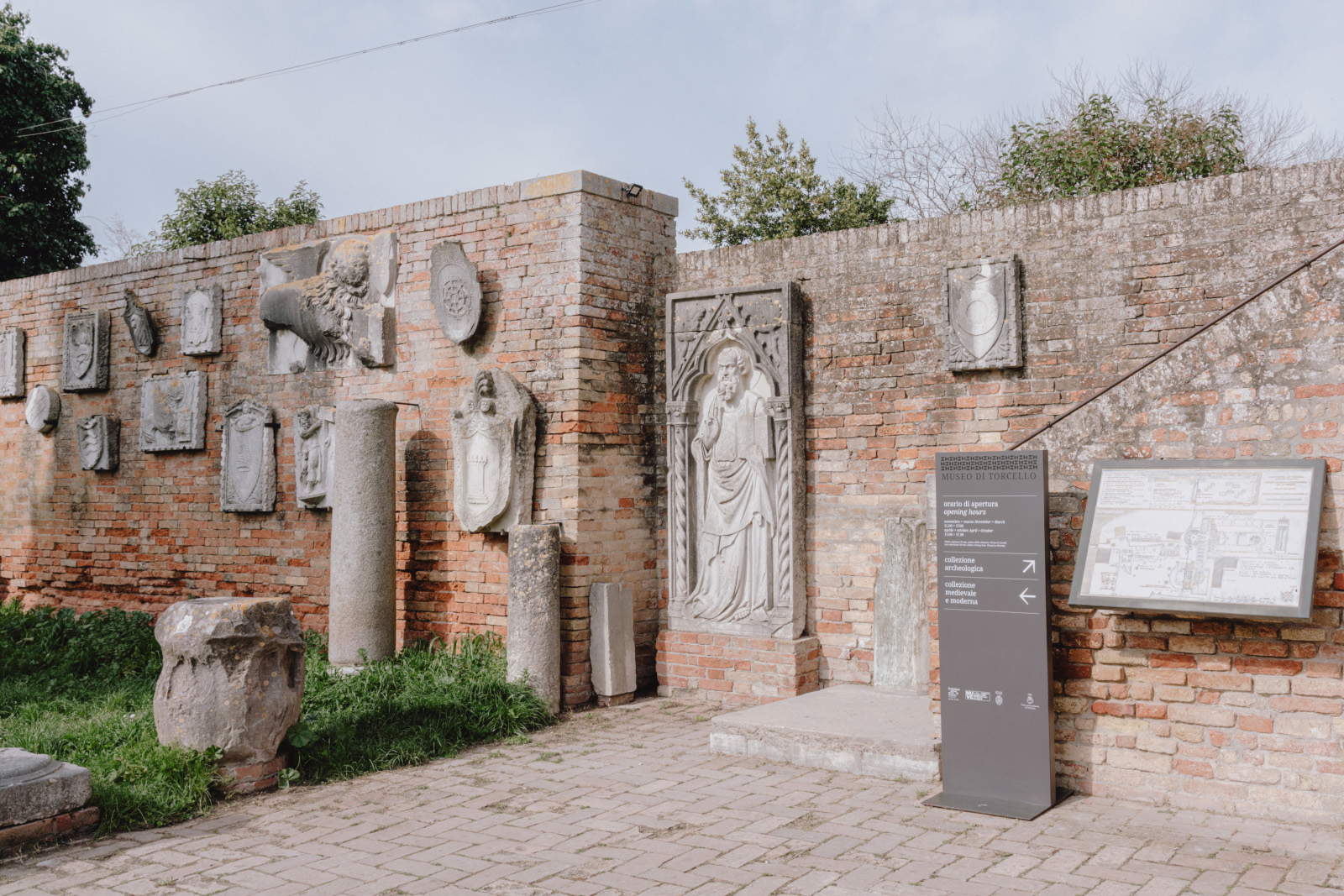
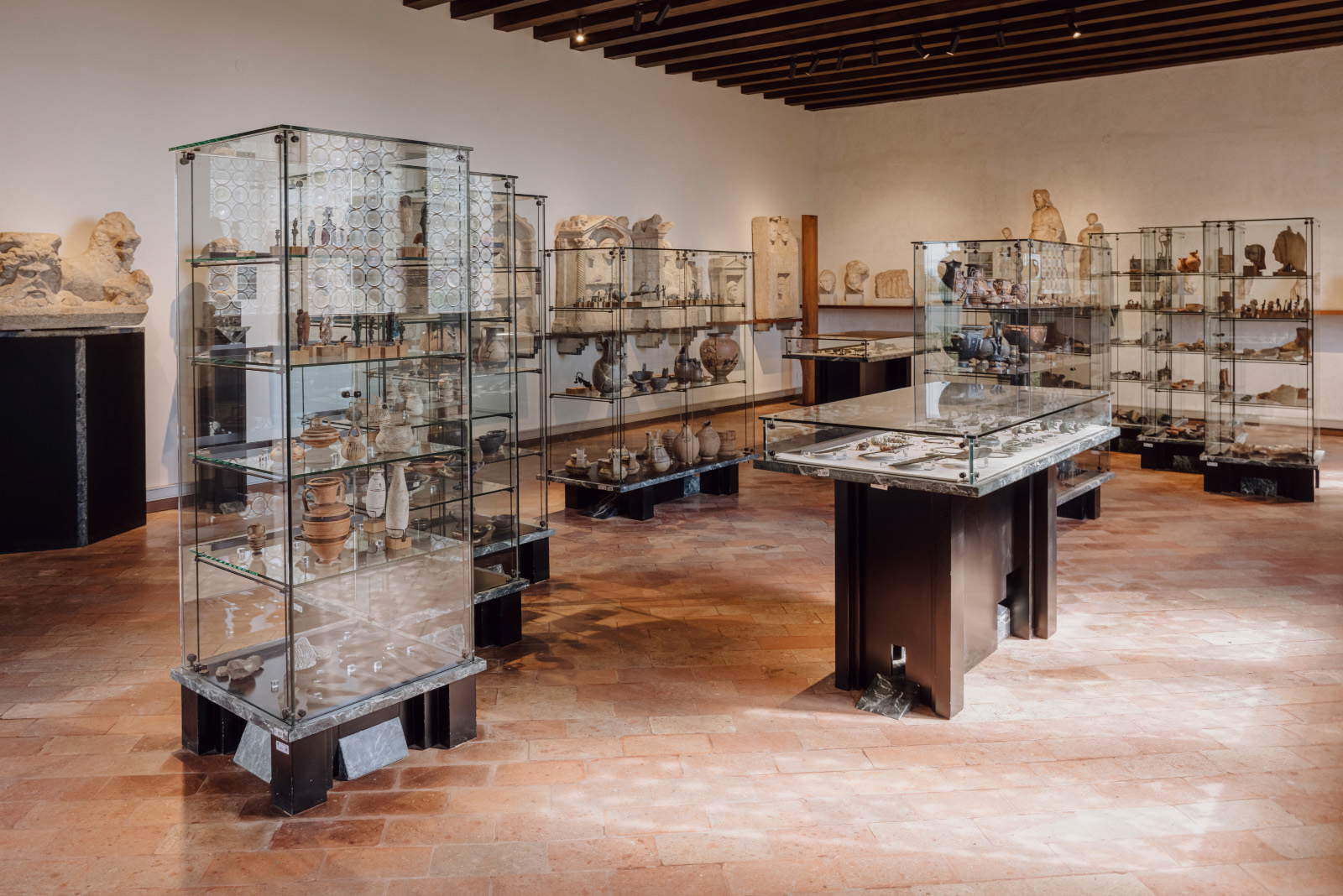
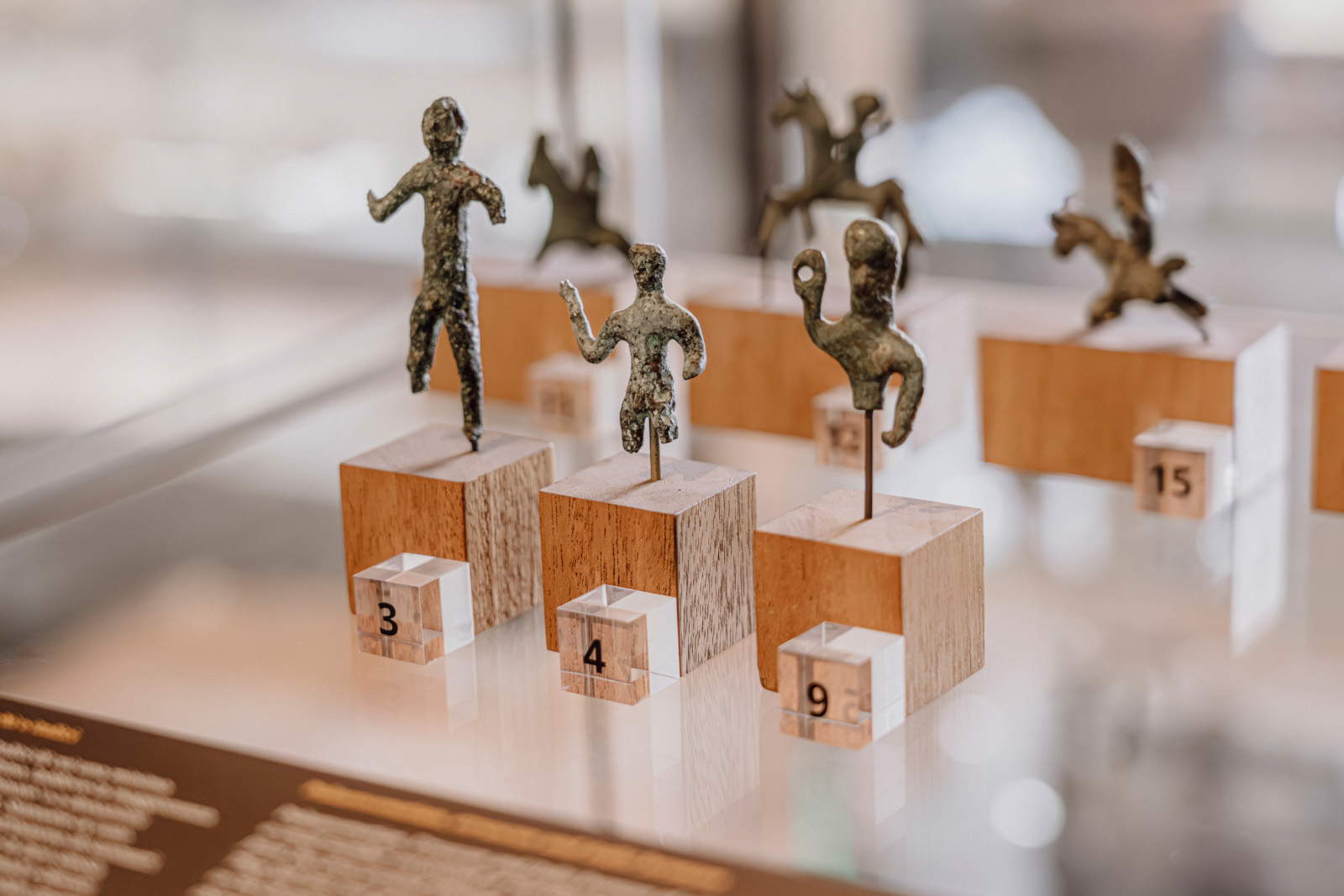
The museum’s collections, which came into being in the late 19th century thanks to the initiative of Venetian collectors, are divided into two sections (the Archaeological and the Medieval and Modern) and illustrate the thousand-year history of the island and its relations with the hinterland and Venice. The Archaeological Section preserves artifacts that testify to ancient trade and exchange, such as Mycenaean and Cypriot vases, prehistoric materials and a significant glyptic collection, as well as valuable works such as a carnelian engraved with the walls of Troy, an Islamic agate seal and the Roman cup signed “Clemens,” found in Torcello itself; other notable pieces include the Hermma of Hermes Propylaios, a Roman copy from Alcamene, and the veiled head of the god Kronos.
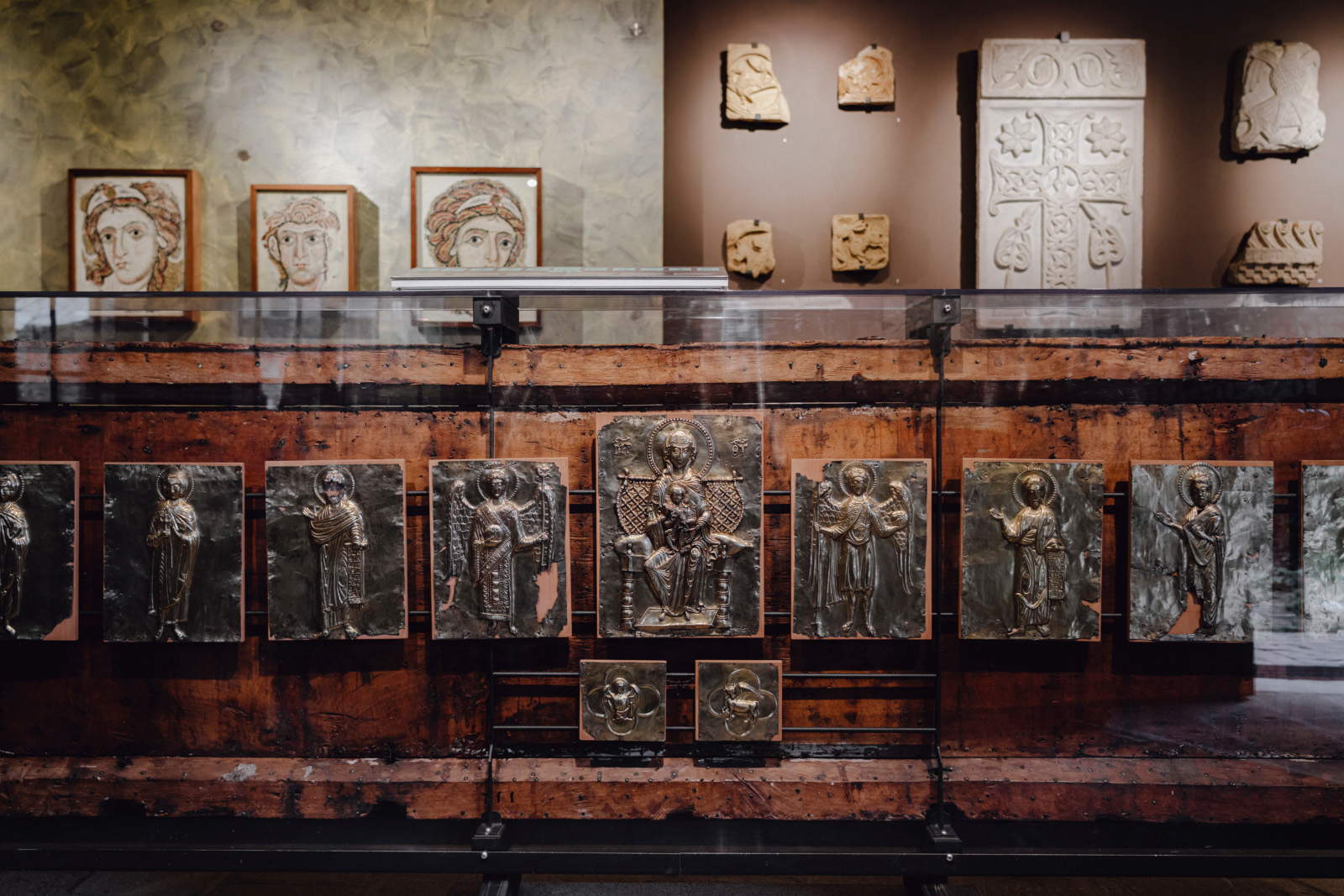
The Medieval and Modern Section, housed in the Palazzo del Consiglio, displays works dating from the 6th century to the 19th century, documenting the period when Torcello was a major urban center. Among the most significant materials are 12th-century mosaic fragments depicting Christ and angels, akin to the mosaics of St. Mark’s Basilica, as well as fragments depicting the group of the Righteous and an Angel that were part of the Last Judgment placed on the counter-façade of the Basilica of Torcello, detached during a restoration in the 19th century. Also of special interest are the mosaic heads of the archangels Michael and Gabriel, from the Ravenna church of San Michele in Africisco, and an architectural fragment with the inscription “...MPORI...,” possibly related to the definition of Torcello as an emporion mega reported by Emperor Constantine Porphyrogenitus.
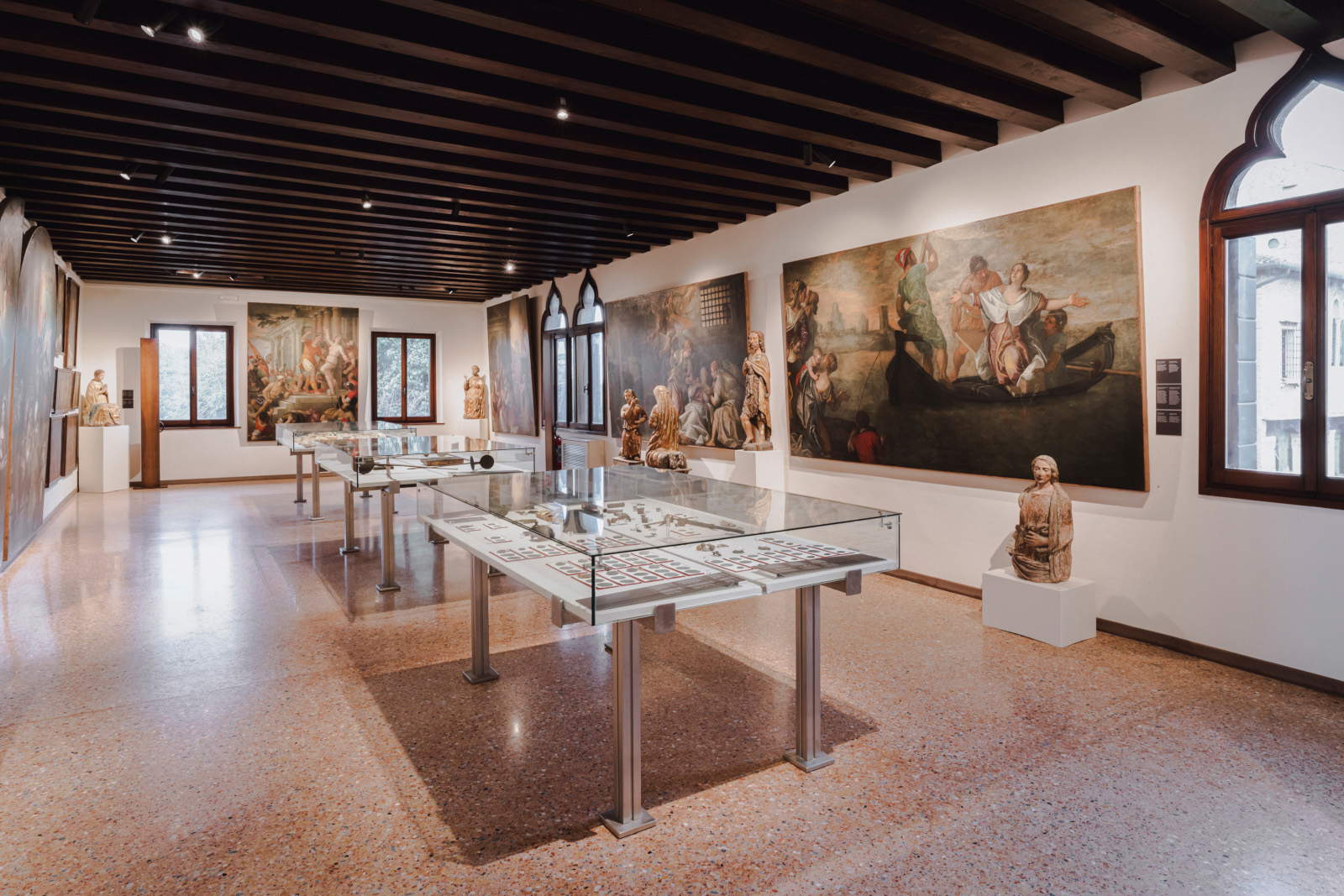
The itinerary is completed with works such as the wooden sculpture of Santa Fosca and a cycle of canvases and organ doors attributed to Paolo Veronese (or his brother Benedetto) and his workshop, as well as symbols of the Serenissima such as the marble lion and the “lion’s mouths” for secret denunciations, evidence of the island’s civil and institutional role over the centuries.
With this integration, the Foundation strengthens its museum system and restores centrality to one of the oldest and most significant places in the lagoon, offering the public a broader and more articulate reading of Venetian history.
Hours: April to October from 11 a.m. to 5:30 p.m.; November to March from 11 a.m. to 5 p.m. Closed Mondays.
|
| Torcello Museum joins the network of the Fondazione Musei Civici di Venezia |

Warning: the translation into English of the original Italian article was created using automatic tools. We undertake to review all articles, but we do not guarantee the total absence of inaccuracies in the translation due to the program. You can find the original by clicking on the ITA button. If you find any mistake,please contact us.





















 IT
IT FR
FR DE
DE ES
ES CN
CN