





Italian museums are undergoing a phase of profound mutation, marked by a crucial transition that sees cultural venues evolve from mere containers of exhibits to “experiential devices.” This is how they are defined in the 59th Censis Report, titled Glass Museums and just published. According to the report that the socio-economic research institute decides, for this fifty-ninth edition, precisely to the places of culture, the historical mission of preservation and transmission of memory remains a fundamental pillar, but it is now flanked by new social functions related to well-being, participation and deep relationship with territories.
This transformation reflects a radical change in the perception of Italians, who are beginning to consider museum visits no longer as passive consumption, but as a conscious cultural engagement and an investment in their own individual growth. The data show that the main mission is still identified as conservation by 43.1 percent of respondents, while the educational role is recognized by 34.9 percent of the population. However, a new relational dimension emerges strongly: 15.3 percent of citizens see the museum as a space to spend leisure time pleasantly, and a small but significant share of 5.2 percent stress its value for inclusion and sociality. This semantic shift is also supported by new international definitions that emphasize sustainability andaccessibility, transforming the relationship with the “user,” as the report calls it, from a dynamic for the public to a participation with the public. In this scenario, the visiting experience becomes less occasional and more profound, shaping itself as a cultural commitment that redefines the priorities of individuals within a society in constant negotiation of its time. Culture, therefore, stops being an accessory luxury and becomes a constitutive element of social identity and collective well-being.
Coming to the numbers of the report, we start with the consistency of the network of cultural places in our country, which boasts a capillary extension, able to reach a total of 4,416 museums, archaeological sites, monumental complexes, distributed with a relative homogeneity among different geographical areas. Central Italy hosts the largest share with 28.2 percent of the facilities, followed by the South and the islands with 25.1 percent, while the Northeast and the Northwest hold 24.7 percent and 22.0 percent of the national heritage, respectively. Regionally, Tuscany stands out with 530 institutions, accounting for 12.0% of the total supply, followed by Emilia-Romagna with 10.3% and Lombardy with 9.1%. The management of this immense wealth is 65.0% public in nature, with municipalities directly administering 1,973 museums, confirming the indissoluble link between local identity and heritage. The private sector contributes 35.0% with 1,546 facilities, among which ecclesiastical institutions stand out with a presence of 10.3% of the national total.
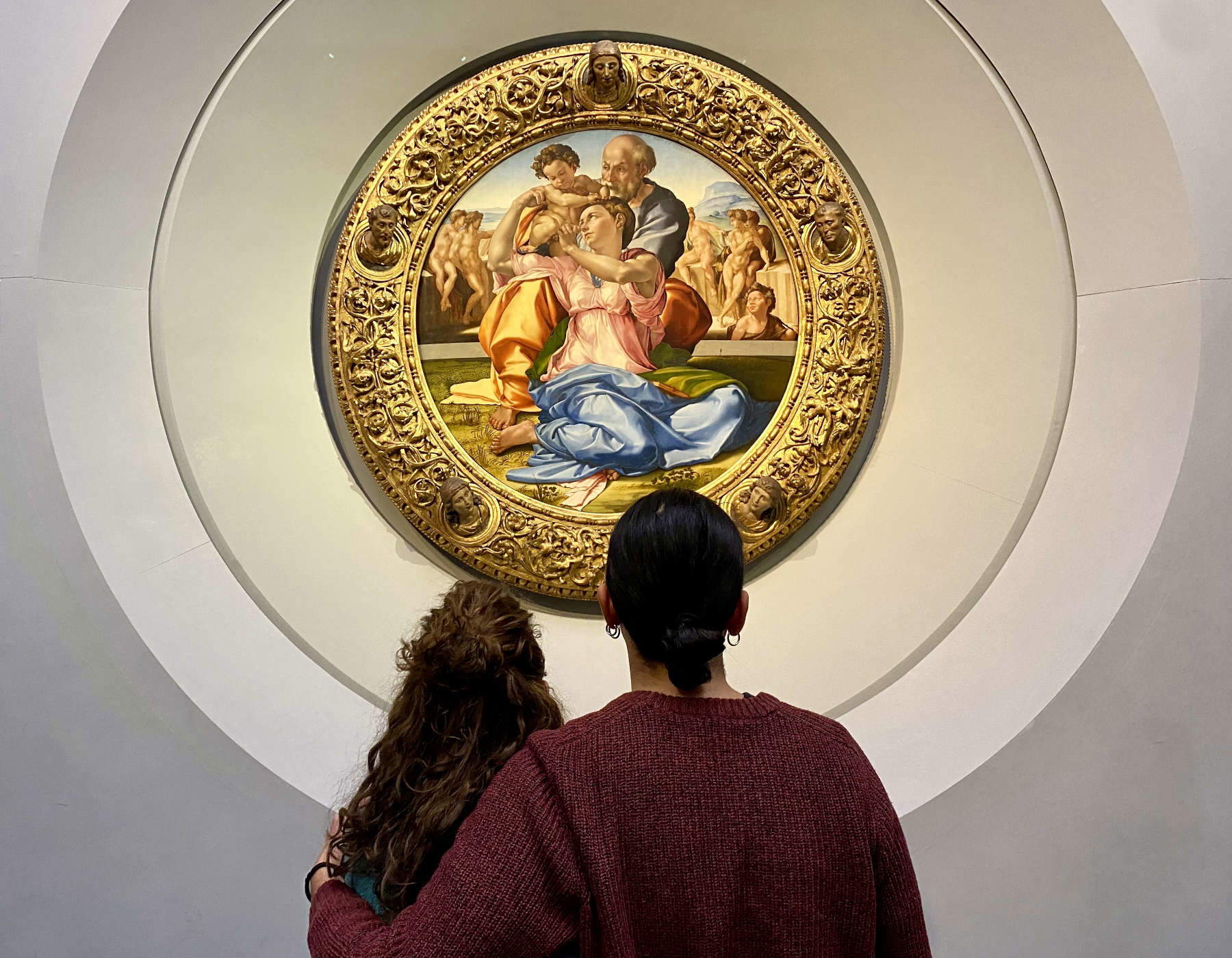
The flow of visitors that animated this system over the past year reached the impressive quota of 107.9 million admissions. A figure of extreme interest concerns the international component, as 42.2 percent of visitors come from abroad, with peaks touching 49 percent in Central Italy and exceeding 52 percent in archaeological areas. Metropolitan cities remain the main attractors with 54.2 million admissions, but towns with fewer than 5,000 inhabitants also show significant vitality by welcoming nearly 10 million visitors. Average attendance per institution stands at 24,782 admissions, showing a public preference for monuments and monumental complexes, which record the highest averages.
Despite the strong interest, barriers remain that limit even wider participation, starting with the incidence of access fees, indicated as the main obstacle by 47.0 percent of Italians. Lack of free time affects 28.6 percent of citizens, while disinterest affects about a quarter of the population, with peaks of 35.2 percent among younger people. The perceived lack of understanding of the content displayed also acts as a brake for 17.8 percent of respondents, signaling the need for more accessible language. Among the most cost-disadvantaged groups are adults and residents of more educated areas, where the economic access threshold is perceived as a limitation to attendance.
Analyzing attendance in the past year, 34.2 percent of the adult population says they have visited a museum or exhibition at least once, while 31.3 percent have devoted their time to archaeological sites and monuments. The figure for children between the ages of 6 and 24 is even more encouraging, with more than half of the target group having participated in museum activities in 2025. In particular, the 11 to 14 age group is confirmed as the most active with a participation rate of 56.4 percent for exhibitions and 45.6 percent for archaeological parks. Students represent the occupational category with the highest propensity, exceeding 56 percent of total admissions for their segment.
Visitors’ preferences for activities at cultural sites show a desire for greater autonomy and traditional mediation. In fact, 44.3 percent of Italians indicate free entry as the ideal condition for enhancing the experience, while 37.9 percent continue to favor guided tours over other tools. Digital and immersive tools, such as augmented reality or gaming, meet the favor of a minority of 10.6 percent for now, although interest rises to nearly 20 percent among the younger generation. Interactive activities based on physical media or apps are appreciated by just over 7 percent of the public.
The communication of cultural content through digital platforms reveals deep motivations often related to aesthetic sense. 52.1% of respondents say they share images and posts from museums to spread beauty and quality content within their social networks. More than a third do so to engage friends and family in their experience, while only a marginal share of 8.8% admit purposes related to personal image building. Among young people, the habit of sharing is very deep-rooted, with 61.4 percent of young people using social networks to recount their cultural experiences.
The drives for cultural participation are closely related to improving one’s personal and professional status. For 92.1 percent of Italians, visiting a museum enhances mental and physical well-being, while 88.9 percent believe that spending on culture is more rewarding than buying luxury goods. 86.7 percent of citizens see the enrichment of their knowledge as a tool to increase job opportunities, and 83.5 percent consider it a determining factor in defining their status and social identity. Culture is thus perceived as a new form of accessible capital that replaces the old income parameters.
To make the visit even more attractive, more than half of Italians suggest integrating the museum experience with the discovery of the surrounding areas, walking in adjacent neighborhoods and historic centers. The possibility of eating out before or after the cultural activity attracts 11.0 percent of the public, with a greater propensity among young people. Visiting in organized groups, on the other hand, is the top preference for those over 64, indicated by 53.4% of this age group, compared to a national average of 27.8%. In contrast, thematic shopping or site-related sports activities remain secondary options for the vast majority of users.
The relationship between visit frequency andsocial network use shows a real impact on consumption behavior. 52.1 percent of those using digital channels say they have visited a cultural site once or twice just after viewing it online. This activating effect is particularly strong among middle-aged adults, reaching 56.5 percent in the 35-64 age group. Official museum pages remain the main source that prompts a visit for 59.1 percent of users, followed by digital recommendations from relatives and acquaintances.
Finally, the issue of accessibility remains the most complex challenge in modernizing the system. Currently, 62.2 percent of museums have ramps or elevators and 68.2 percent provide compliant toilets, but cognitive and sensory barriers are still widespread. Only 8.5% of facilities offer tactile maps and just 5.9% provide videos in Italian Sign Language. To close this gap, Italy has planned an investment of 300 million euros from PNRR funds with the goal of making 617 cultural venues accessible by June 2026, allocating 37.0% of the resources to southern regions. Added to this is the establishment of the Therapeutic Culture Fund, with an allocation of €1 million annually from 2026 to support the arts as a tool for social relief.
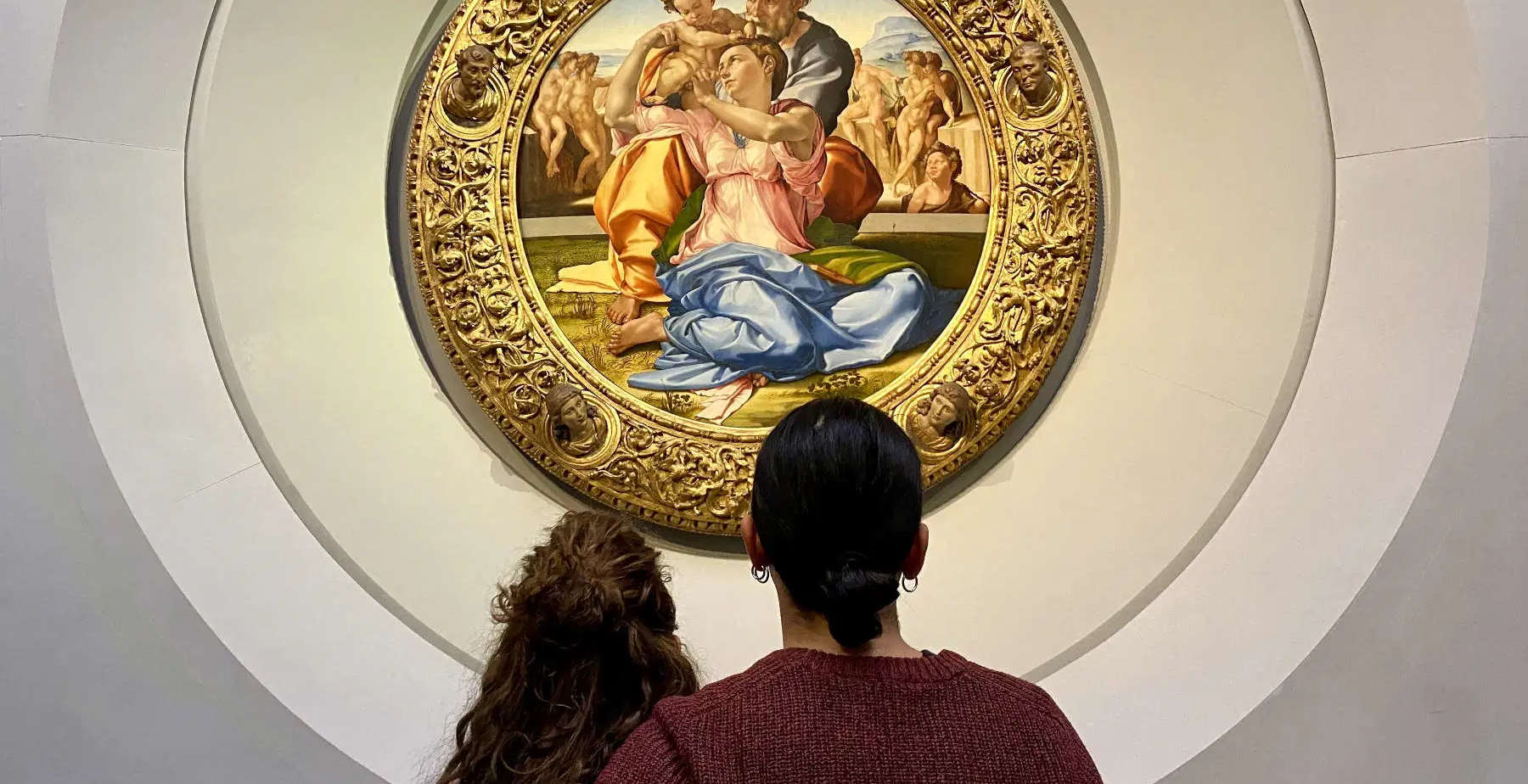 |
| What do Italians want from museums? The Censis Report reveals. |

Warning: the translation into English of the original Italian article was created using automatic tools. We undertake to review all articles, but we do not guarantee the total absence of inaccuracies in the translation due to the program. You can find the original by clicking on the ITA button. If you find any mistake,please contact us.

























 IT
IT FR
FR DE
DE ES
ES CN
CN


