





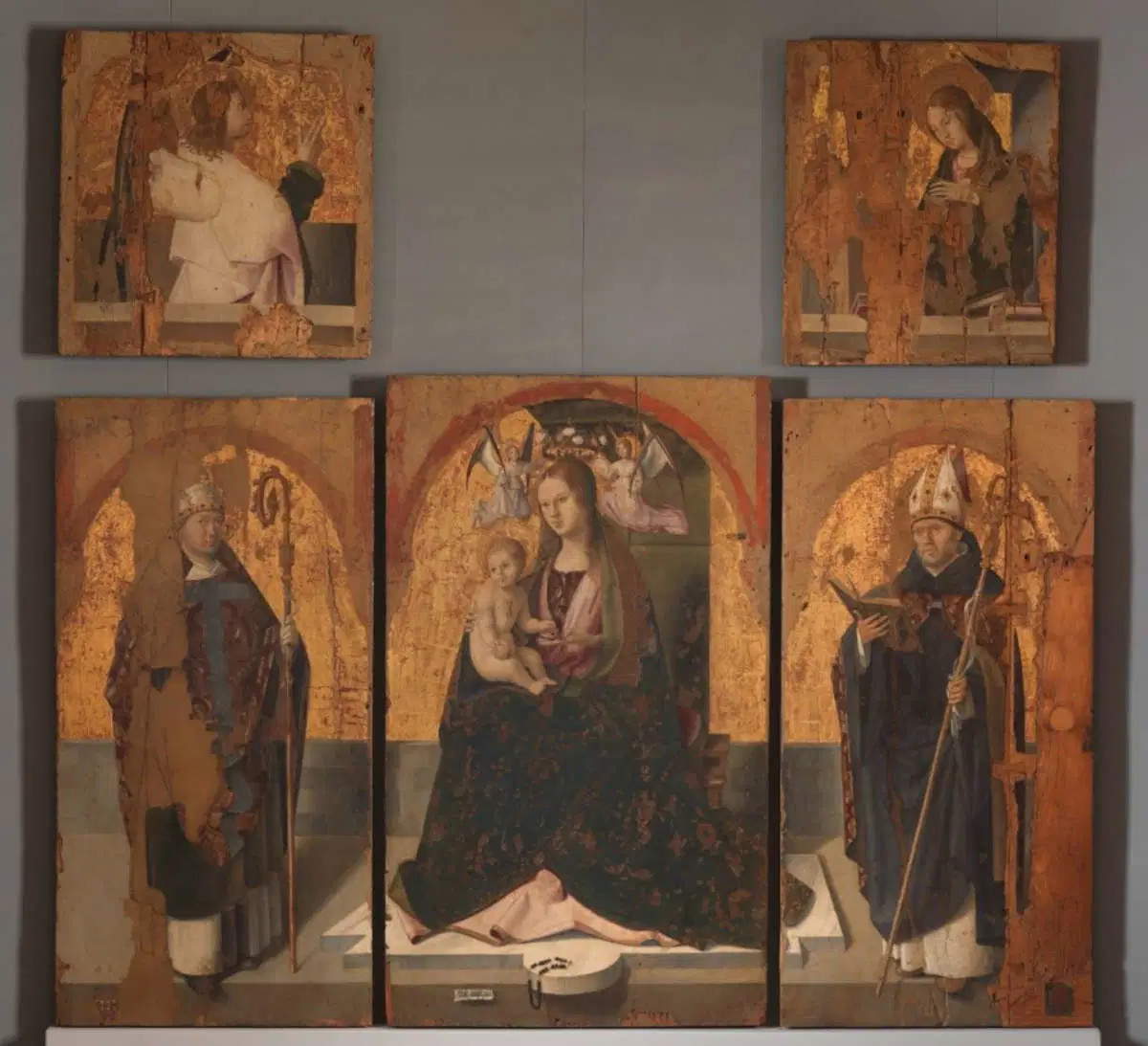
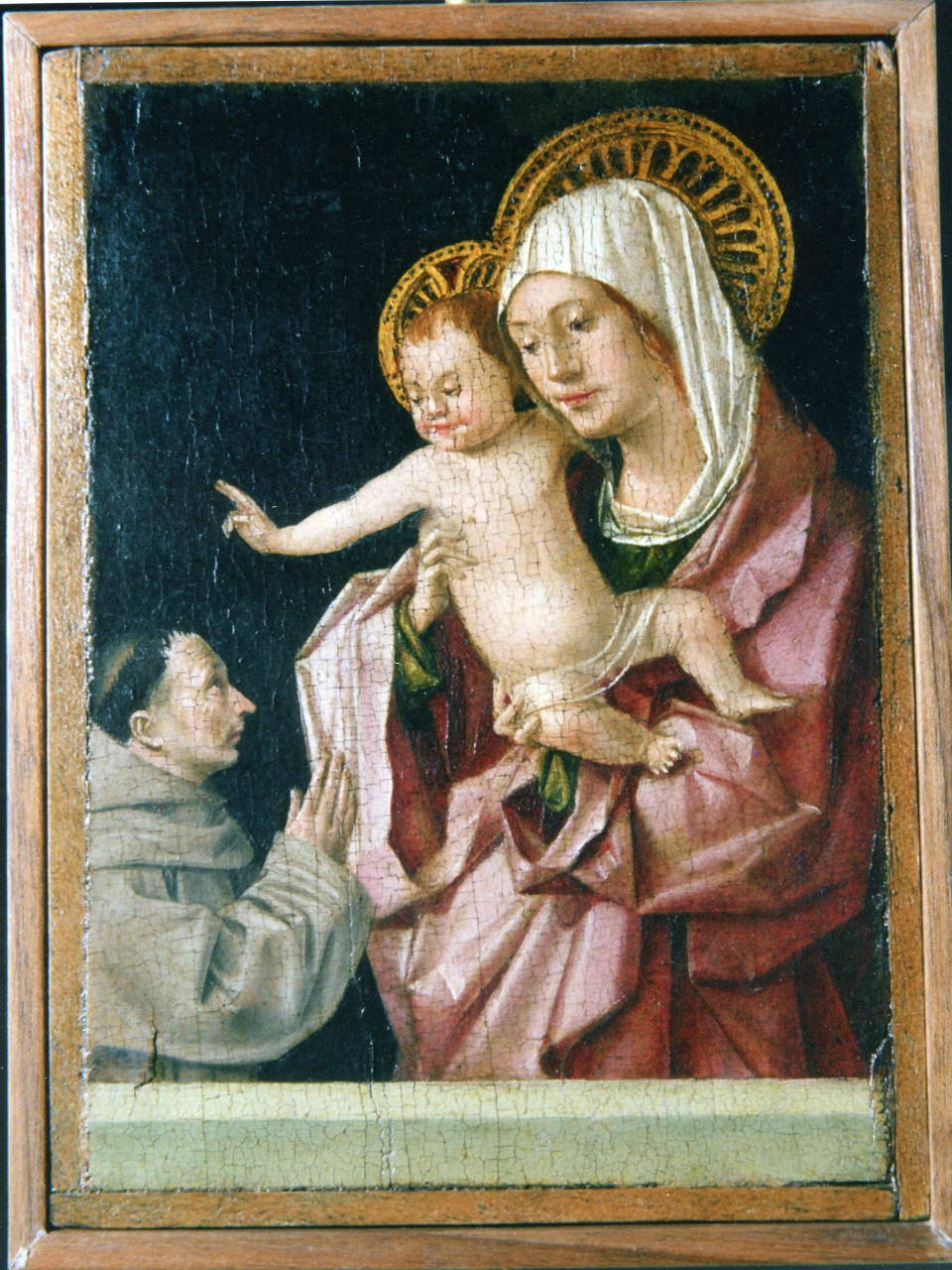
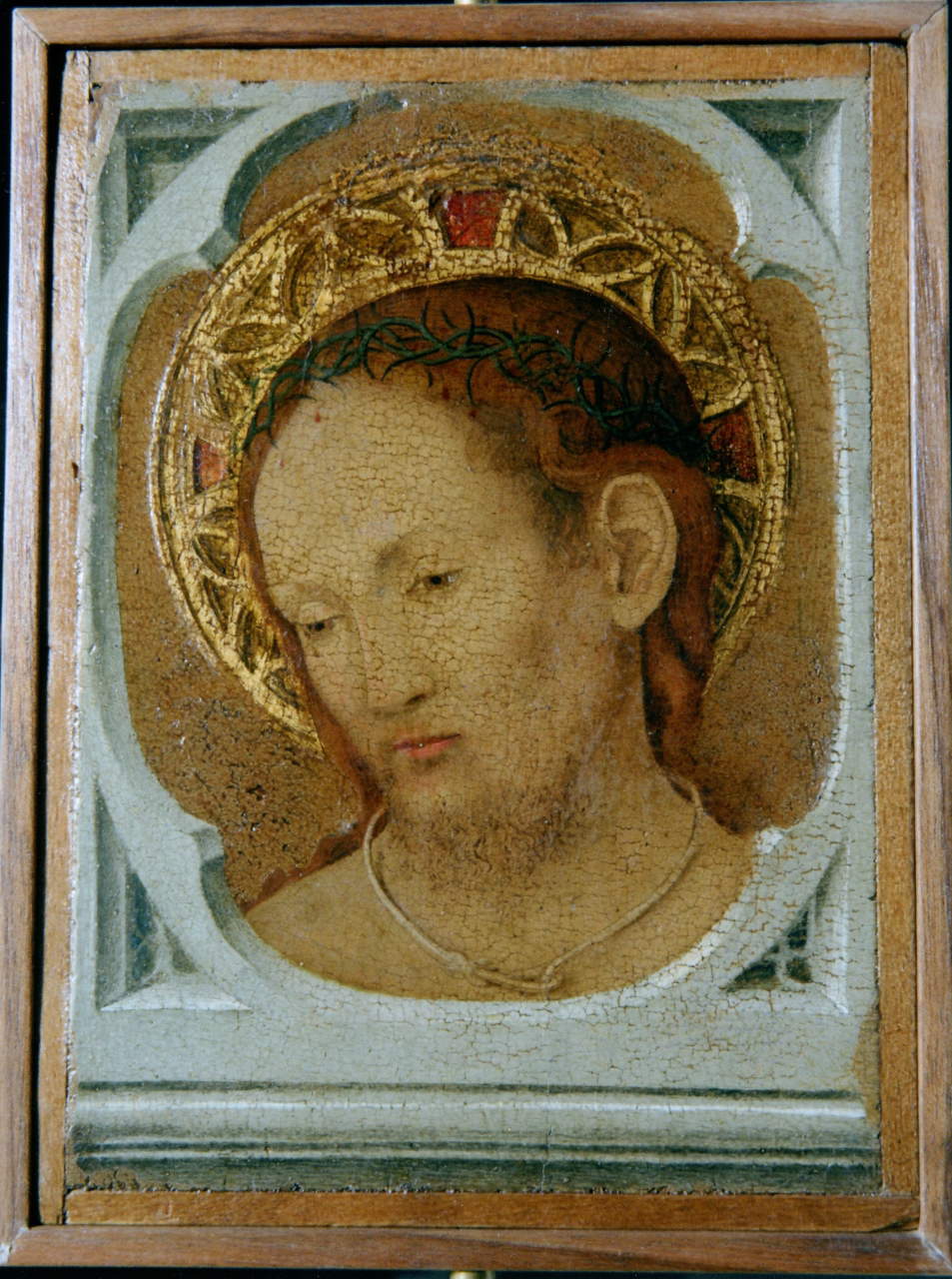
The case of the two panels by Antonello da Messina stolen on August 15 from the “Maria Accascina” Regional Museum in Messina draws attention back to a long history of thefts in Sicily with deep-rooted origins. The Madonna and Child Enthroned—the central panel of the San Gregorio Polyptych—and a double-sided panel depicting the Madonna and Child Blessing with a Franciscan on the front and a Pietà of Christ on the back have disappeared from the museum; these paintings are essential for understanding the art of Antonello da Messina: for this reason as well, the theft is of the utmost gravity. During their escape, the perpetrators also abandoned the two side panels of the polyptych, depicting Saint Gregory and Saint Benedict, which were subsequently recovered.
The Messina case has a particularly significant precedent in the very same city and museum, as recently highlighted by the Messina-based newspaper Lettera Emme: it concerns the 1939 theft that took place at the then-location of the Regional Museum, the former Barbera-Mellighoff spinning mill, which was designated as the museum’s home following the devastating 1908 earthquake and remained so until 2017, when the museum moved to its current complex—a move that made it one of Italy’s largest museums, with an exhibition area of 17,000 square meters. The museum was subjected to systematic looting that led to the disappearance of works of art, gold, and textiles, but the war years, subsequent relocations, and an administrative management that was not always orderly left the case unresolved, exposing the collections to further dispersal. It was not until 1951, when three of the leading scholars of the time—Federico Zeri, Ferdinando Bologna, and Raffaello Causa—were working on the preparation of an exhibition dedicated to Antonello, that they realized the central panel of a Flemish triptych from the early sixteenth century was a copy; and so a subsequent ministerial inspection, entrusted to Emilio Lavagnino—who had distinguished himself for his work in safeguarding artistic heritage during World War II—confirmed that the museum had been the target of systematic looting and that numerous originals had been replaced with forgeries. The turning point came only in 1957, when Zeri happened to recognize the original panel in the collection of the Milanese industrialist Aldo De Angelis, who declared himself willing to return the painting. However, a new survey—in which Rodolfo Siviero, the best-known of Italy’s World War II “Monuments Men,” was also involved—estimated that approximately 600 pieces were missing, including at least 260 valuable paintings.
The investigation, which began precisely with De Angelis’s account—in which he explained that he had purchased the painting from a theater impresario in Messina—focused on the former custodian Domenico Omero, a painter and copyist. The antiquarian Gennaro Rubinacci reported having purchased three paintings and several majolica pieces from him that had come from museum collections. Omero acknowledged some of the sales, though he claimed to have received the works from other people. The case even reached Parliament in November 1959, and finally, in July 1960, De Angelis returned additional artifacts and was subsequently charged with receiving stolen goods, while Omero was charged with the misappropriation of numerous objects, along with other individuals who remained unidentified. The number of recovered items, however, remained very limited: only about fifty pieces — including paintings, majolica, crosses, textiles, and other artifacts—were returned to the museum (among the recovered items is also the Madonna and Child by Antonello de Saliba, a pupil of Antonello da Messina: it is one of the museum’s most valuable pieces). Some copies made to replace the originals are still in the museum’s storage facilities today. Even the then-director Maria Accascina, after whom the museum is now named, denounced the “extremely serious administrative situation, which was made even worse by the fact that the only existing inventory—which had already been tampered with by the thieving custodian—was being requested by the Court of Auditors.”
The case in Messina, however, is part of a broader series of thefts that occurred in Sicily. The first such incident documented in a Sicilian public museum after the unification of Italy dates back to 1861, at the Salnitriano Museum in Palermo—whose collection would later be incorporated into the “Antonio Salinas” Regional Archaeological Museum—where numerous artifacts were looted (including all the gold and silver coins it held and several pieces from the Islamic coin collection). In December 1871, a theft occurred at the Royal National Museum of Palermo—now the “Antonio Salinas” Regional Archaeological Museum—resulting in the disappearance of the most valuable pieces from its medal collection, including a ring from the Arab period, gemstones, gold items, and coins. Only a small portion of the stolen items was ever recovered, with the result that the museum’s coin collection was almost completely wiped out: the theft may have been carried out with the complicity of an employee and caused a major scandal at the time. Fast-forwarding a few decades brings us to 1943, when, during the American occupation of Palermo, several Byzantine mosaics were stolen from the Palatine Chapel: the technical report on the restoration that followed the bombing of the Chapel on June 30, 1943, noted that several particularly valuable mosaics had been stolen from the building: “the haloed heads of the two angels facing the nave of the triumphal arch and those of Saints Nicetas and Orestes in the first and third medallions of the southern semi-intrados of the arch itself.” In that case, the war situation prevented a thorough investigation of the theft.
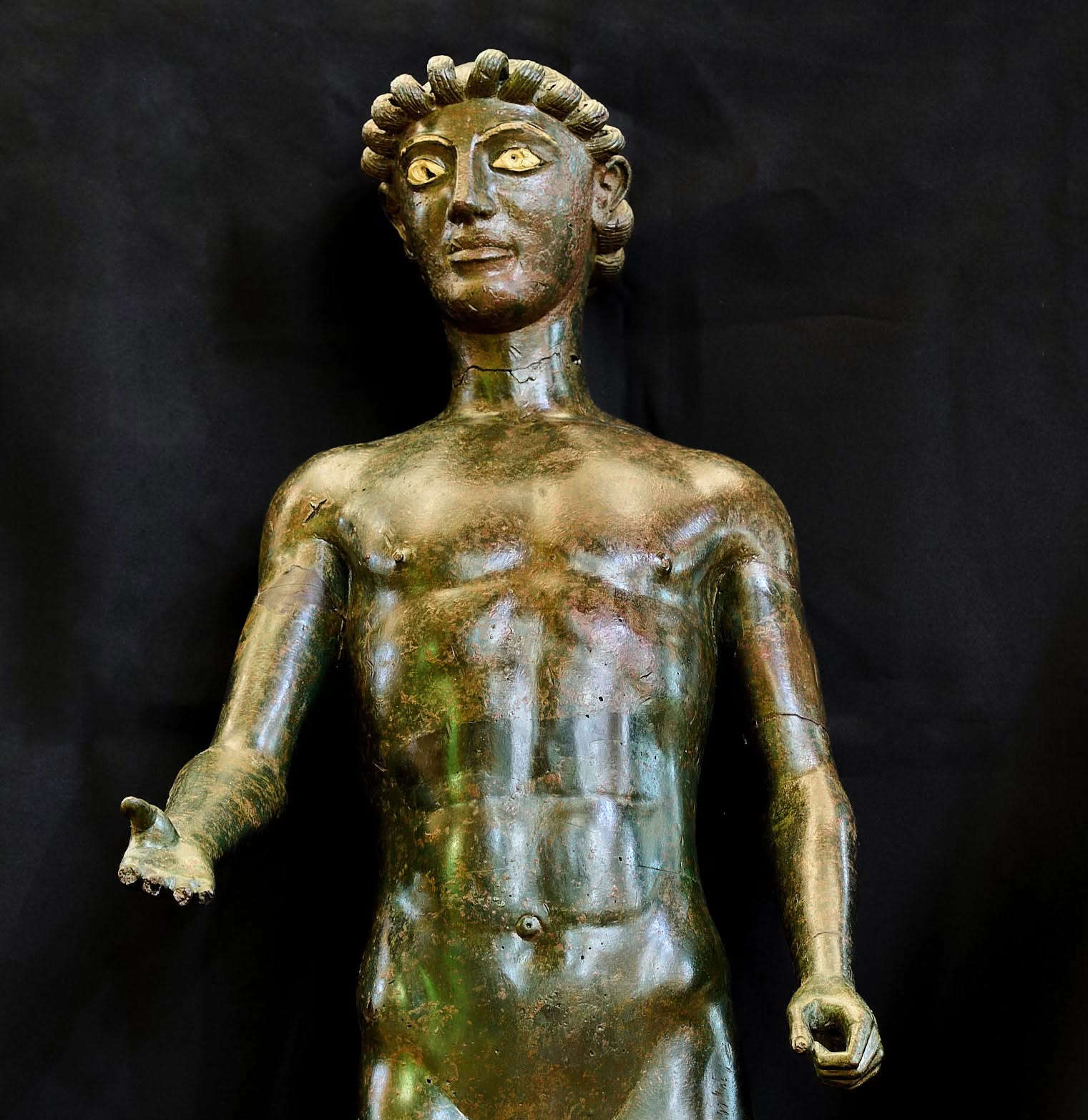
In 1962, however, a very serious incident struck the city of Castelvetrano whenthe “Ephebus of Selinunte”—a bronze statue destined to become one of the symbols of stolen Sicilian artworks—was stolen from the city hall in the province of Trapani. Those responsible attempted to sell it on the international market and went so far as to demand a ransom of thirty million lire. After six years of investigations, led by the chief of police of Agrigento, Ugo Macera, the artwork was found in Foligno and recovered during an operation that culminated in a shootout ending with the arrest of four people (once again, Rodolfo Siviero, who pretended to be a buyer interested in the bronze). The Municipality of Castelvetrano later awarded seven gold medals to those involved in the operation. After its recovery, the Ephebe was assigned to the Salinas Museum in Palermo before returning to Castelvetrano in 1997, when it was placed in the new Selinunte Civic Museum.
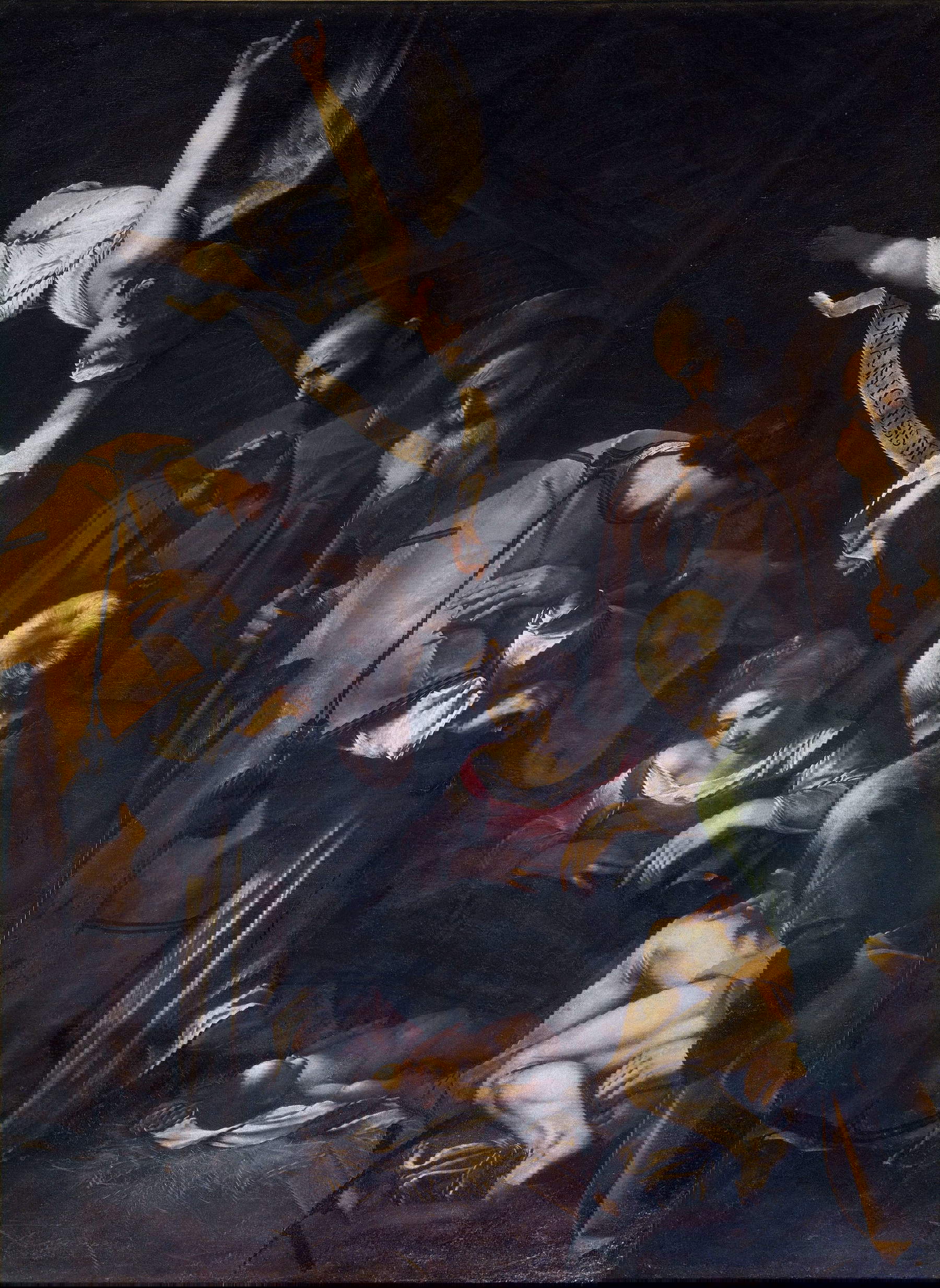
In October 1969, perhaps the most famous theft in the history of Italy’s artistic heritage took place: Caravaggio’s *The Nativity with Saints Lawrence and Francis* was stolen from the Oratory of San Lorenzo in Palermo. The painting has never been found, and its fate remains uncertain (read more here). A few months earlier, an important altarpiece by Pietro Novelli, known as “il Monrealese”— *Saint Michael Fighting Satan*—had been stolen in Palermo and has never been recovered.
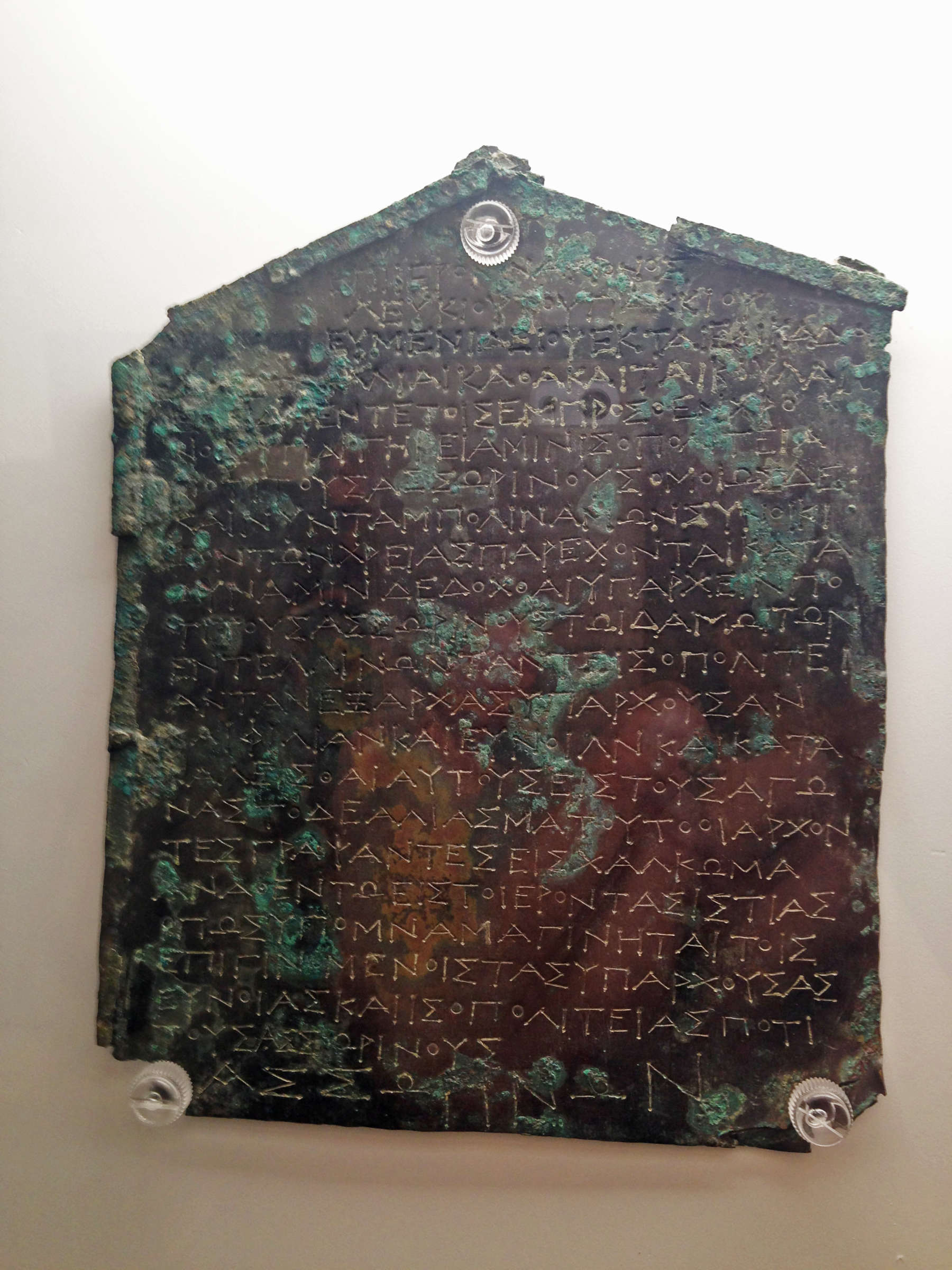
The 1970s marked a new phase in the plundering of archaeological heritage. On January 17, 1973, coins were stolen from the coin collection at the National Archaeological Museum of Gela, and subsequent investigations estimated the haul at approximately 600 pieces. On August 7 of the same year, a lebes—a vessel for storing water or for cooking—and three lekythoi—vessels for holding and pouring oil—disappeared from the Baldassare Romano Civic Museum in Termini Imerese. During the same decade, the bronze decrees of Entella and Nakone were stolen from the Rocca di Entella between 1977 and 1980 and later placed on the market (they were scattered across Switzerland, England, and the United States). To date, of the nine stolen tablets (eight originals and one contemporary forgery), four have been recovered, while only photographic evidence remains of the others. In the late 1970s, the Centuripe Pyside was also reportedly stolen from a necropolis in Centuripe; it arrived in Amsterdam at an unspecified date and was then sold to the Allard Pierson Museum, the Dutch capital’s archaeological museum, which subsequently returned it to its rightful owners, allowing the work to return to Sicily in 2021 and be exhibited at the Antiquarium in Centuripe.
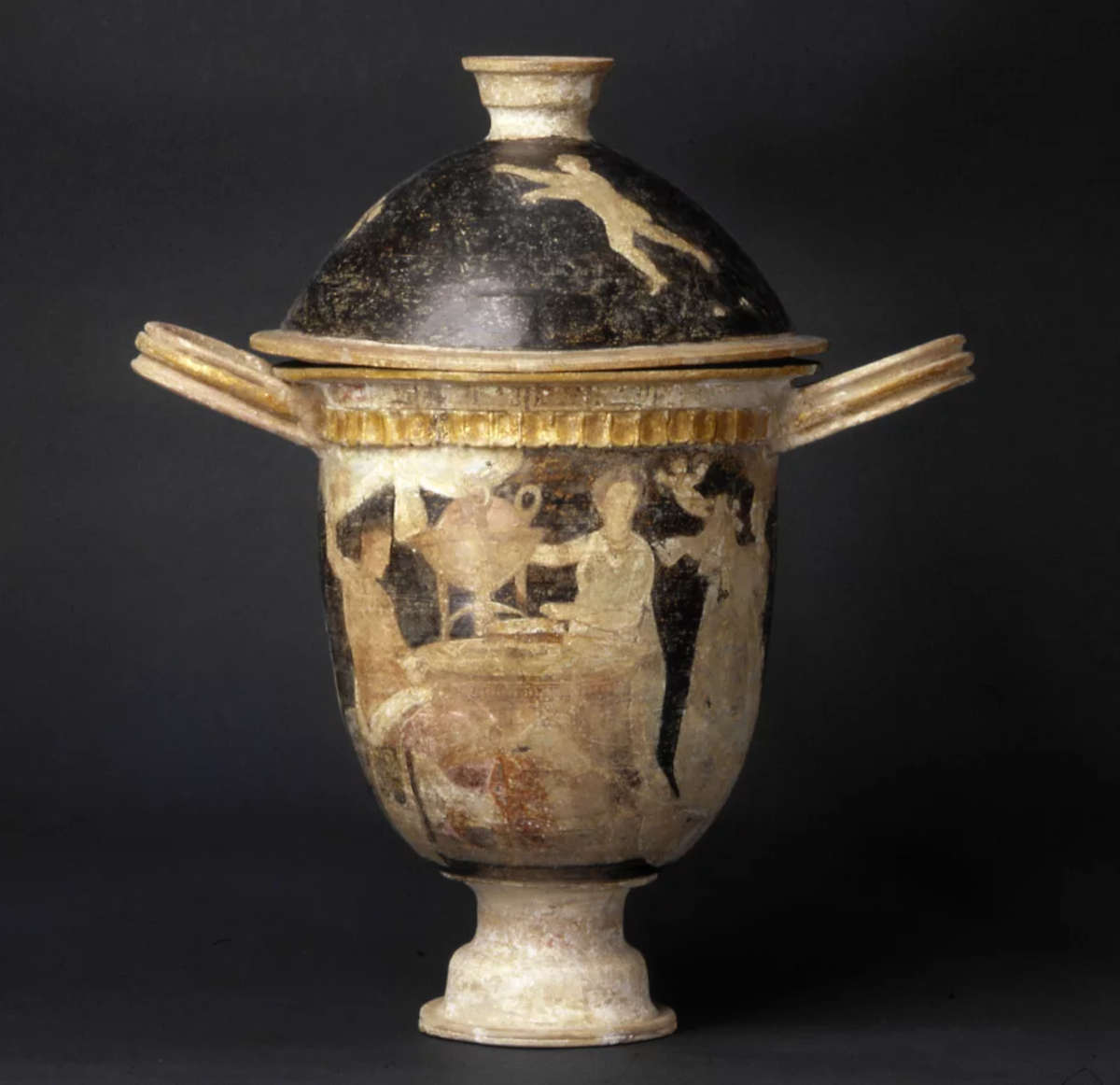
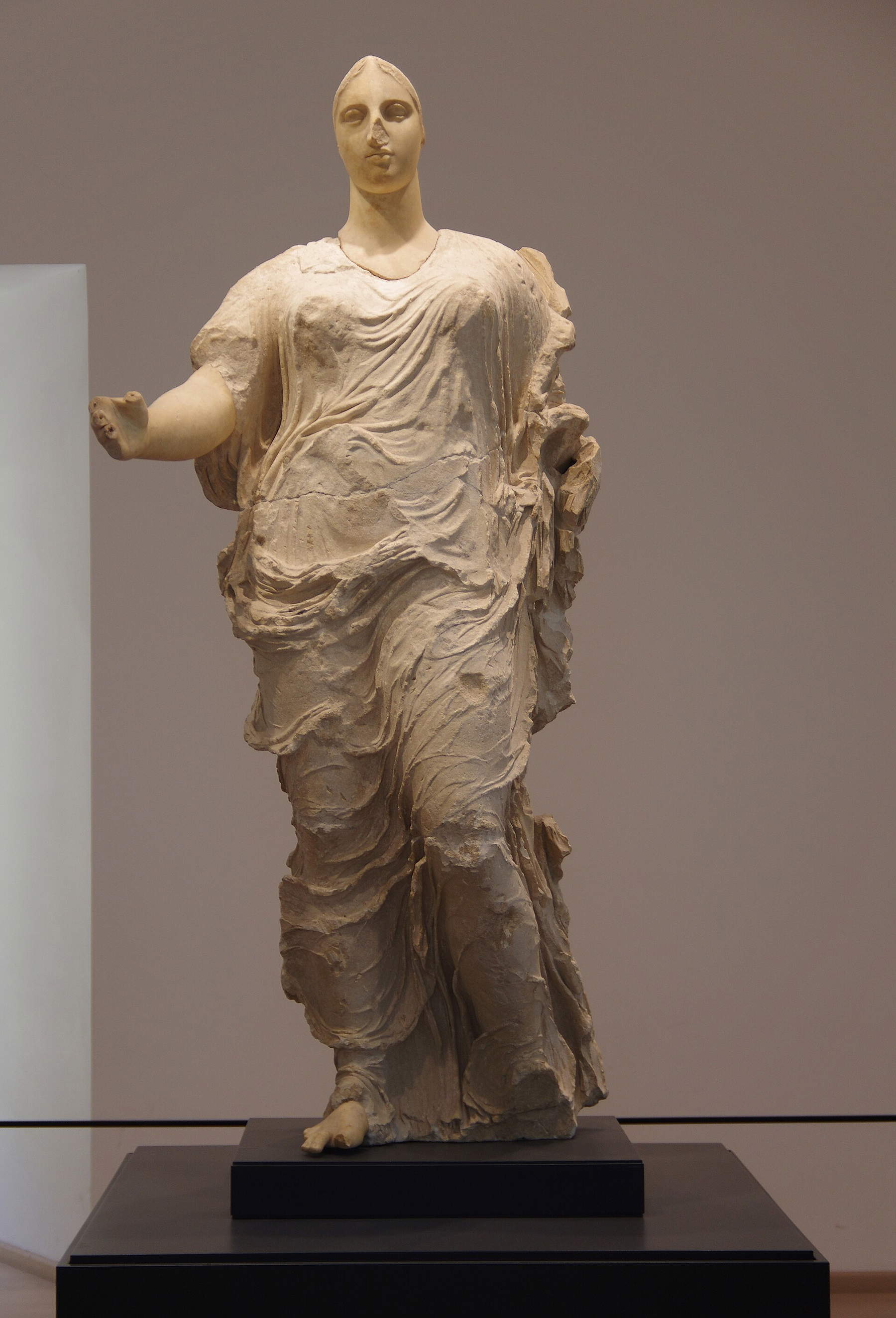
Also from Centuripe, on May 29, 1978, two ancient vases—a lebes-gamikos and a lebes—were stolen from the municipal Antiquarium. During the same period, amid the long season of illegal excavations at Morgantina, what would become known as the Goddess of Morgantina—stolen in 1979 and smuggled to the United States through the illegal market—made its way onto the international market, becoming the subject of a long-running dispute between Italy and the U.S., and finally returned in 2007 by the Getty Museum in Los Angeles, where it had been taken in the meantime (since 2011, it has been housed at the Archaeological Museum of Aidone).
Furthermore, in September 1982, a painting on glass depicting the Flight into Egypt was stolen from the Pitrè Museum in Palermo. Also in the 1980s, the altarpiece depicting the Madonna and Child, Saint Joseph, Saint Michael, and Saint Anthony of Padua disappeared from the Church of San Domenico in Rometta (Messina), in 1988, and the following year, in 1989, the 16th-century marble baptismal font from the Church of Santa Maria La Nova in Palermo was stolen: this piece was recovered in 2014 (it was found in Versilia, in the villa of a Milanese businessman who was, incidentally, well-known in legal circles and involved in the “Mani Pulite” investigation). In 1991, the important Caltavuturo phiale —a significant Greek cup from the Hellenistic period—was stolen; it was recovered in 2004 and is now on display at the Antiquiarium of Himera. In 1992, a “Madonna del Riposo” was stolen from the archbishop’s curia in Santa Lucia del Mela (Messina), while two years later another work by Pietro Novelli, a “Christ Giving the Sign of Blessing,” was stolen from a private collection.
This brings us to the new millennium, when, in 2003, a panel depicting Saint Rosalia, from the 18th-century Sicilian school, was stolen from the church of Santa Maria delle Grazie in Torretta (Palermo); it was recovered four years later. In early 2004, a large mosaic, likely dating from the Roman era, was presumably stolen in the Ragusa area and later recovered in Germany. That same year, the Carabinieri Command for the Protection of Cultural Heritage also reported the recovery of 110 artifacts previously stolen by illegal underwater archaeologists from Sicilian marine sites. Another theft led to the disappearance of a portrait head of a woman from the Flavian era originating from the Villa Romana del Casale: in 2006, a graduate student requested to examine the artifact, which was stored in a warehouse belonging to the Superintendency of Enna, and it was discovered that it had disappeared, along with a second male portrait, which was also missing. The female head was later recovered by the Carabinieri on October 2, 2007.
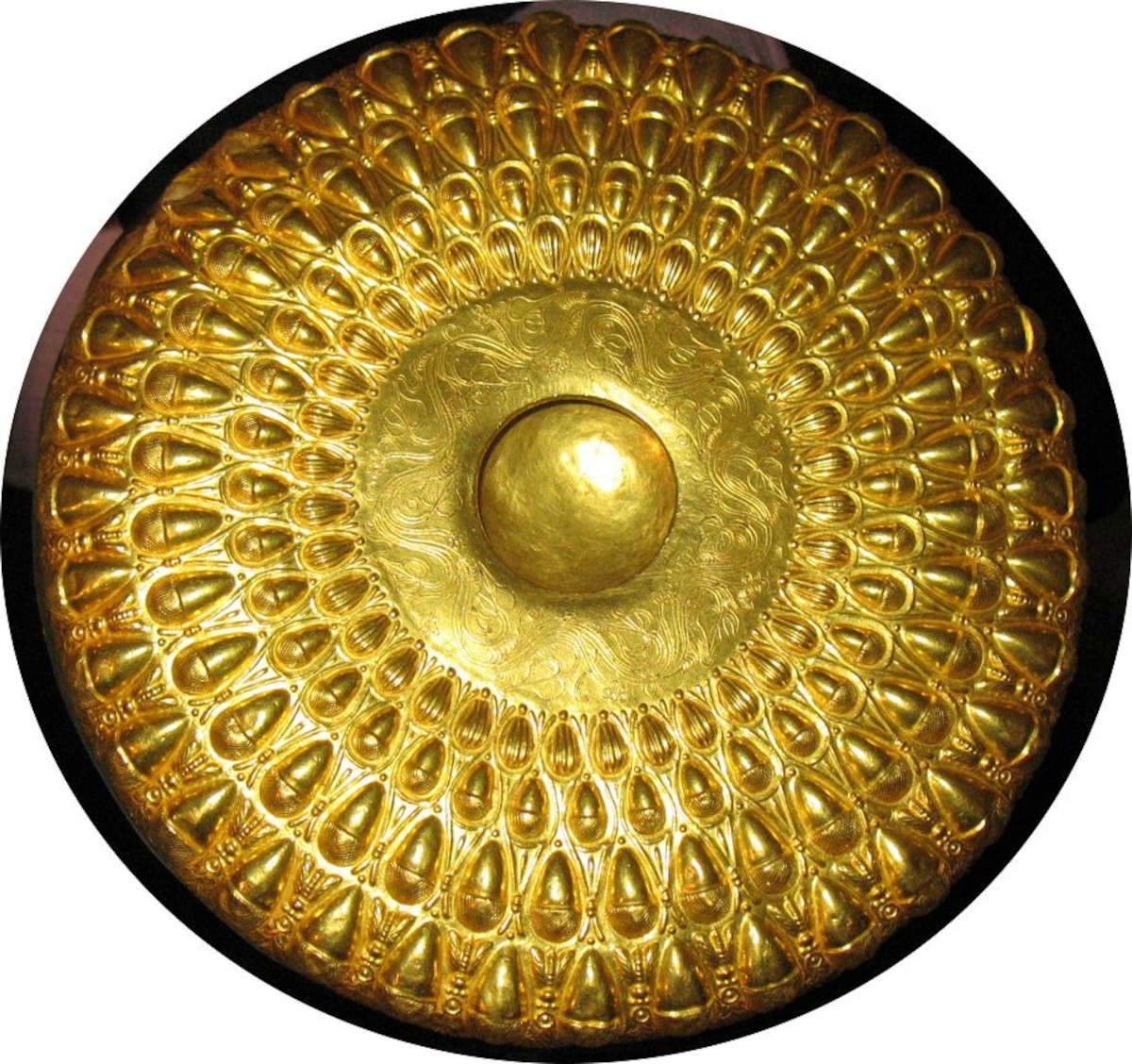
On January 31, 2007, after three years of investigations,Operation Ghelas led to the recovery of approximately 1,600 artifacts looted from numerous Sicilian sites, including Kamarina, Himera, Morgantina, Centuripe, Montagna di Marzo, Montagna dei Cavalli, Gela, and Monte Bubbonia. 2007 was also the year in which nine ancient volumes were stolen from the Mandralisca Museum in Cefalù; they were later recovered (some had even been put up for auction on eBay).
On April 3, 2013, three paintings were stolen from the “Sebastiano Guzzone” Civic Museum in Militello Val di Catania (one in the French style inspired by François Boucher, one by Giuseppe Sciuti, a well-known Sicilian painter active in the late 19th century, and one attributed to Sebastiano Guzzone, another artist active in Sicily in the second half of the 19th century): ten years later, in 2023, the Carabinieri for the Protection of Cultural Heritage recovered them during a search of a garage in Aci Castello (the garage owner claimed to have purchased them from a street vendor, but was unable to prove it) and returned them to the Municipality of Militello. Also in 2013, 38 archaeological artifacts looted from the Secca di Capistello shipwreck in Lipari—an underwater site dating to the 3rd century B.C.—were returned to Sicily. The artifacts had ended up at the Allard Pierson Museum in Amsterdam and had been identified by the late Sebastiano Tusa during the preparation of the “Mirabilia Maris” exhibition. In 2017, the Falcone Museum, housed in the Palermo Palace of Justice, was the target of a theft: a document compiled by Judge Rocco Chinnici and several floppy disks belonging to Giovanni Falcone were stolen.
In September 2018, another institution, the Savasta Museum in Paternò, was hit by the theft of four prehistoric vases and other archaeological artifacts. Finally, in late January 2024, a Jewish marble epigraph—inscribed in Greek and dating from the 4th to 5th centuries AD—was stolen from the Civic Museum of Castello Ursino in Catania.
The theft of Antonello da Messina’s panels thus brings to the forefront an issue that goes beyond mere current events. In Sicily, heritage preservation must contend with a history of thefts from museums, storage facilities, churches, archaeological sites, and even the seabed. Some of the works have been returned to their places of origin; others remain missing. And in some cases—as the history of the Messina museum itself demonstrates—the vanished originals continue to leave behind copies, incomplete inventories, and questions that have persisted for generations.

Warning: the translation into English of the original Italian article was created using automatic tools. We undertake to review all articles, but we do not guarantee the total absence of inaccuracies in the translation due to the program. You can find the original by clicking on the ITA button. If you find any mistake,please contact us.


























 IT
IT FR
FR DE
DE ES
ES CN
CN


