





SGPI01:2024, the first standard dedicated to the protection, enhancement and accessibility of cultural heritage, promoted by the Stati Generali del Patrimonio Italiano together with Certiquality, was presented in Florence. The initiative aims to introduce an innovative model for the management of cultural and landscape heritage, capable of combining conservation, economic development and public enjoyment in an integrated perspective.
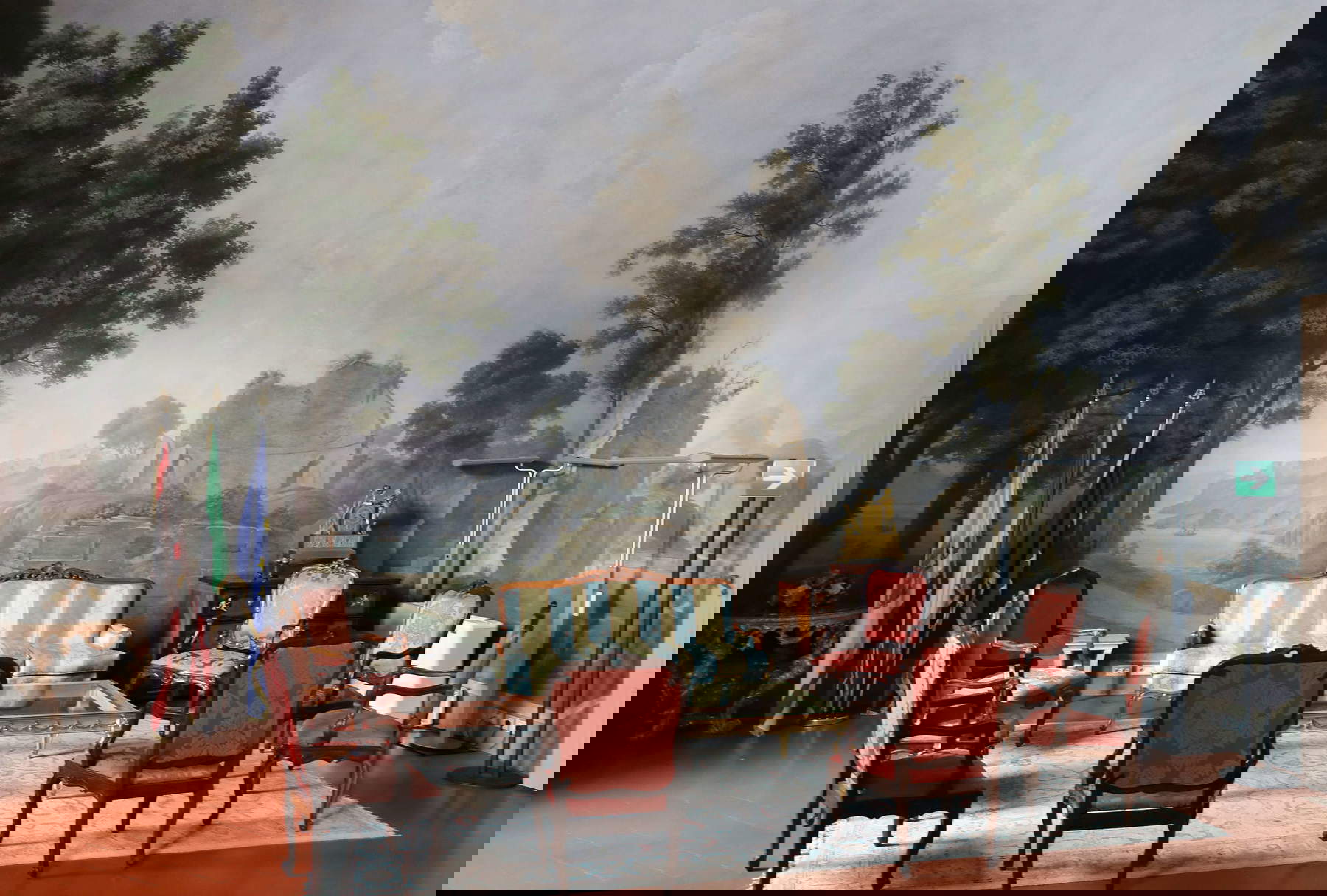
The official presentation was held last Wednesday at Palazzo Guadagni Strozzi Sacrati, headquarters of the Region of Tuscany, which sponsored the event. The meeting represented a moment of confrontation between institutions, professionals and stakeholders involved in heritage management, highlighting the need for structured and shared tools to address contemporary challenges related to the enhancement of cultural heritage.
The SGPI01:2024 standard is proposed as a 360-degree management system, going beyond the traditional concept of simple regulatory compliance. At its core is an evolved vision of cultural heritage, understood not only as an element to be preserved, but as a dynamic resource to be enhanced over time and made accessible in a safe, inclusive and sustainable way.
The certification is aimed at a wide and transversal audience, including public administrations, institutions, foundations, associations, businesses and private operators, regardless of legal form. The goal is to provide an operational tool that can improve the quality of management processes, while fostering greater responsibility in the protection and enjoyment of heritage.
Ensuring the effective application of the standard is CQY, a certification body identified by the States General of Italian Heritage, which operates through independent third-party audits. The audits are entrusted to auditors specialized in the sector, with the task of assessing the adequacy of the management systems adopted by entities seeking certification.
Among the benefits identified for certified entities are the possibility of generating new economic development opportunities, attracting funding and donations, and strengthening the image of the area in which the asset is located. The proposed model also aims to encourage more structured and conscious management, contributing to heritage conservation and the preservation of cultural identity.
A distinctive feature of the SGPI01:2024 standard is the fact that certification is not about the individual asset as a product, but about the overall management system and the processes put in place to govern it. This approach allows for more effective intervention in organizational and management dynamics, promoting a long-term view.
With the introduction of this standard, the Stati Generali del Patrimonio Italiano provides operators with a concrete tool to qualify and improve management practices, strengthening the social, cultural and economic value of heritage. The goal is to contribute to a sustainable growth of the sector, in which protection and enhancement can proceed in an integrated way, meeting the needs of the community and future generations.
Cristina Manetti, Councillor for Culture of the Region of Tuscany, comments on the birth of the new standard as follows: “Economic Sustainability, Usability and Preservation are the three pillars on which this new certification is based; these combined with third-party and independent controls really make a difference in the excellent management of an asset. So we welcome an initiative like this that highlights deserving operators.”
|
| The first standard for cultural heritage management is born |

Warning: the translation into English of the original Italian article was created using automatic tools. We undertake to review all articles, but we do not guarantee the total absence of inaccuracies in the translation due to the program. You can find the original by clicking on the ITA button. If you find any mistake,please contact us.

























 IT
IT FR
FR DE
DE ES
ES CN
CN


