




by
Federico Giannini  @federicogiannini1
12/07/2026
@federicogiannini1
12/07/2026



Categories: Opinions / Disclaimer
The Giovanni Fattori Museum in Livorno has unveiled its new exhibition layout. The museum has been completely reimagined by director Vincenzo Farinella: works have been rearranged, new sections have been added, and a narrative has been developed that broadens the collection’s scope beyond the city, making the museum an essential stop for anyone seeking to understand 19th-century Italian art. An article by Federico Giannini.

The old layout of the Fattori Museum in Livorno is gone, finished, no longer exists, and we will never see it again: dismantled before last year’s exhibition on Giovanni Fattori, it has now been completely renovated, transformed, and replaced. All that remains of the old one are memories and documents, already hazy recollections, and dust; at most, one can consult photographs. Those who knew it before will now encounter an unrecognizable museum. Or rather: they will encounter another museum, a new museum, a museum that did not exist before. Those, on the other hand, who have never set foot in Villa Mimbelli and now find themselves looking at images of that defunct exhibition layout may perhaps gain a unique impression— an impression similar to that of someone who, leafing through a newspaper, some magazine from the 1950s or 1960s, stumbles upon photographs of the museums of that era: it will not seem like a different museum, but a different kind of museum, as if a rupture had occurred within these halls—one that is ontological even before it is chronological.
It took Director Vincenzo Farinella more than six months of work to give Livorno a new museum, after the Fattori exhibition had occupied all its galleries, consigning to the archives the memory of that exhibition layout—which had just turned thirty and had remained in place since its inauguration— in 1994, at the Villa Mimbelli location, where the city’s art collection—spanning, roughly speaking, from the Risorgimento era to shortly after World War I—had been transferred. Over thirty years, one might think, the field of museology has changed profoundly; the public’s needs have changed; the city has changed; the connections between the city and its history have changed; and even the artists who died a hundred years ago have changed. Thus, the Fattori Museum—however much it had been rearranged, revised, and adapted over the years—still remained a stratification of habits, the stubborn remnant of a past that had taken the form of a collection designed to tell the story of the city even before it was a fragment of art history. And now, that relationship has been reversed. You realize it immediately as you walk through the first galleries, greeted by a bare atrium—stripped of the ticket office and the book and souvenir shop (all moved next door, into the old granaries of Villa Mimbelli, where a well-stocked café has finally opened as well), that a more orderly, more dutiful, more meticulous spirit has taken hold of the museum. It is a bit colder and more minimalist than its predecessor; it speaks a more restrained Italian but still retains evident, clearly audible local inflections, and displays a certain penchant for cleanliness, for subtraction, for cataloging.


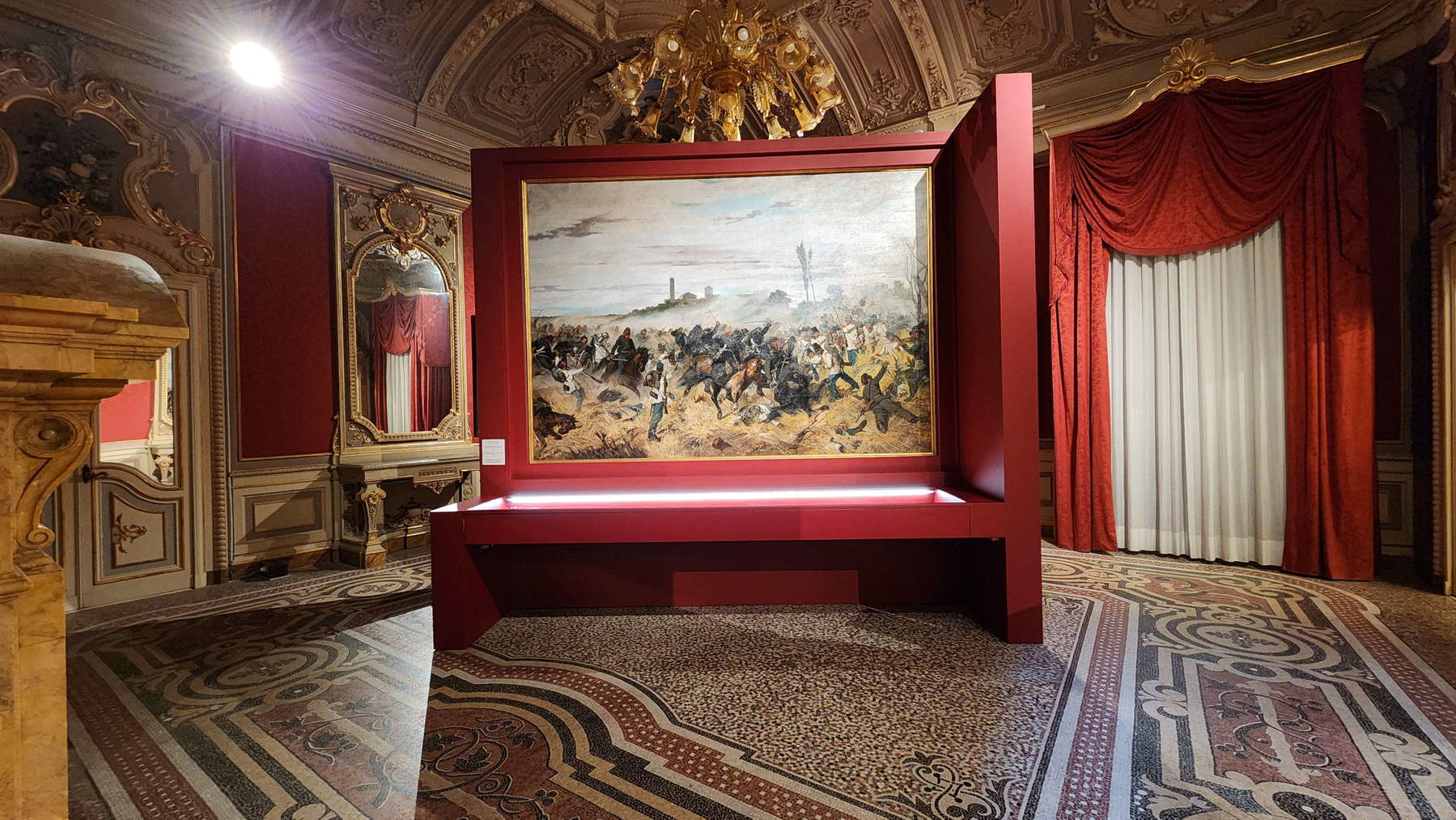
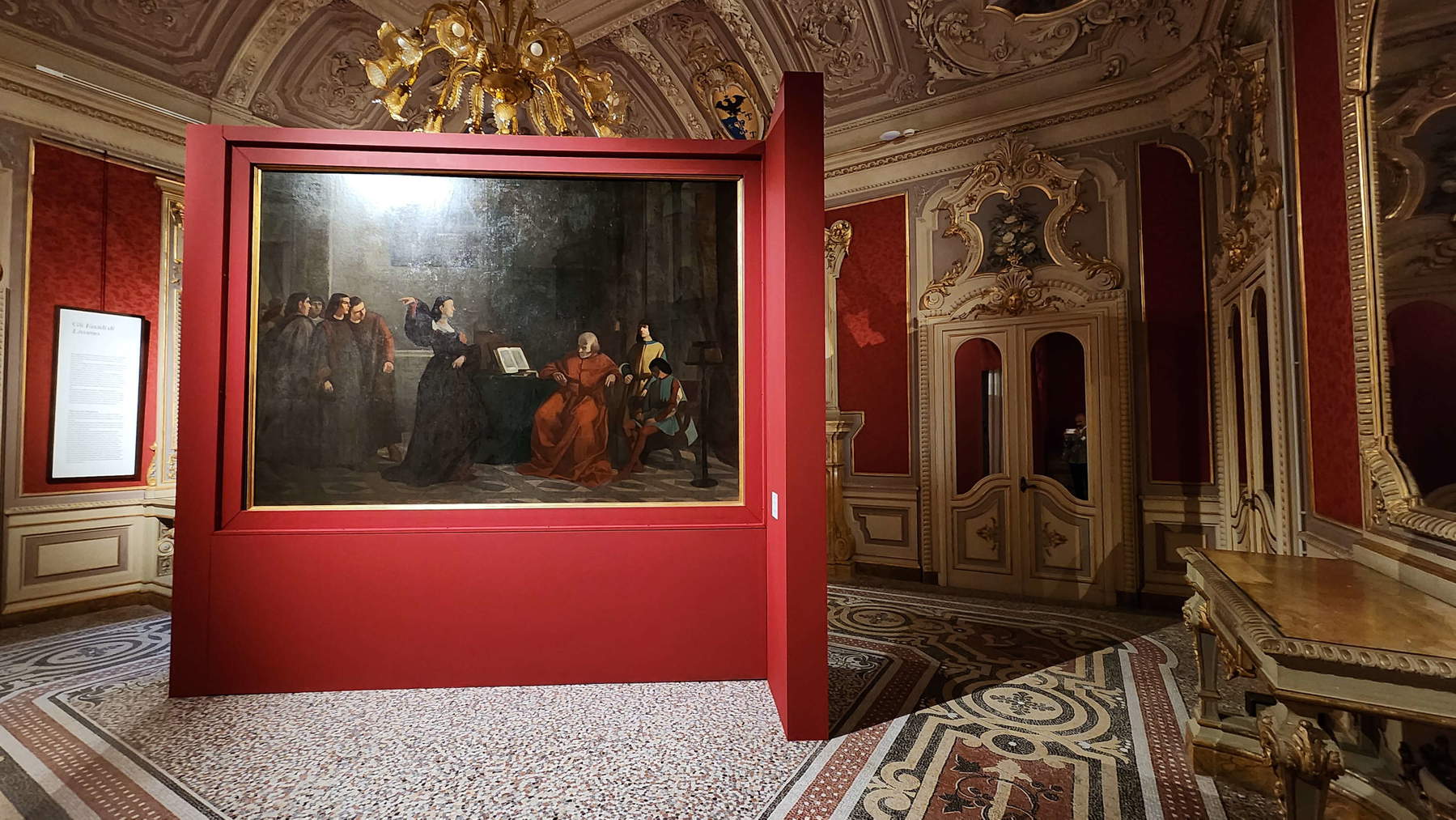
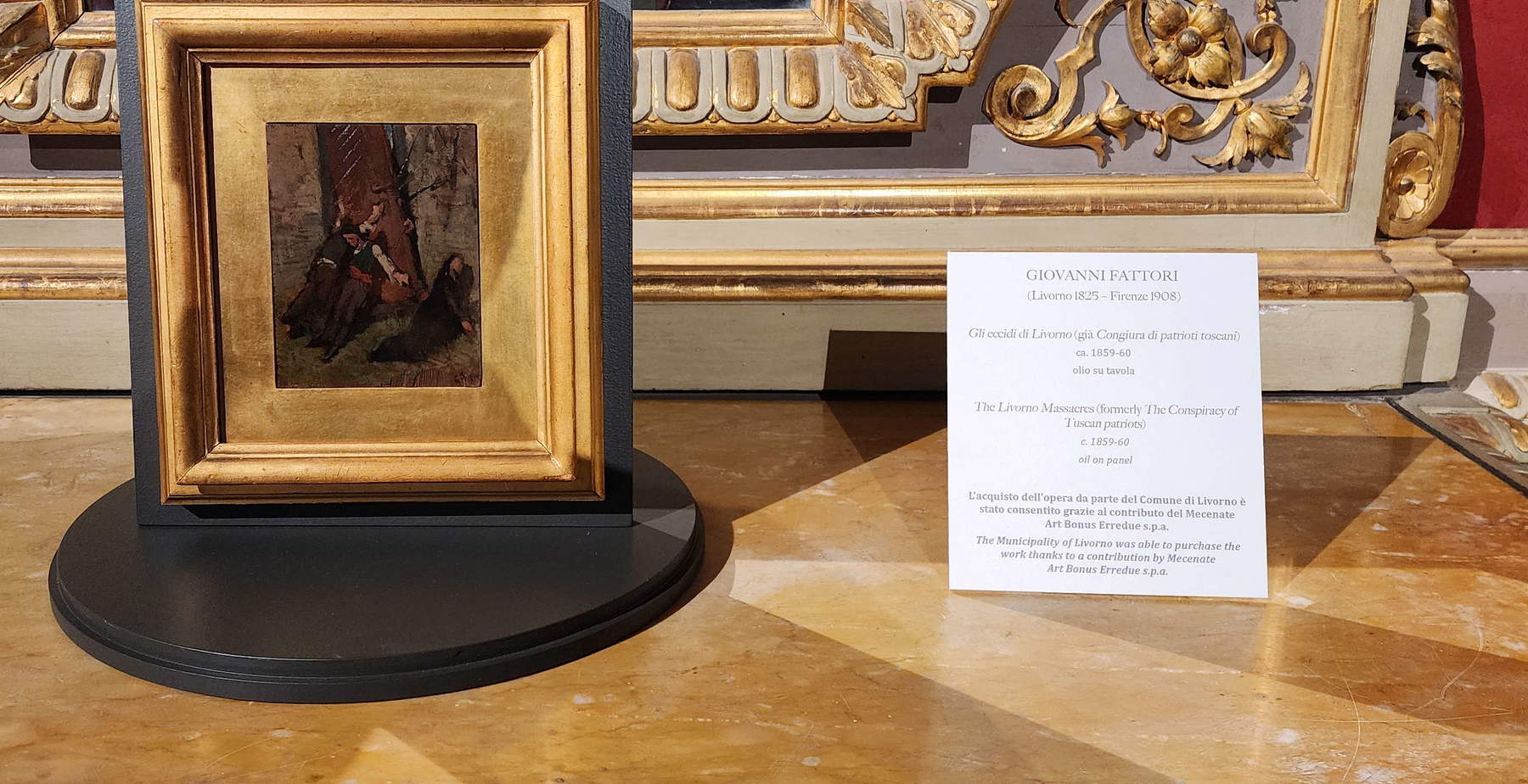
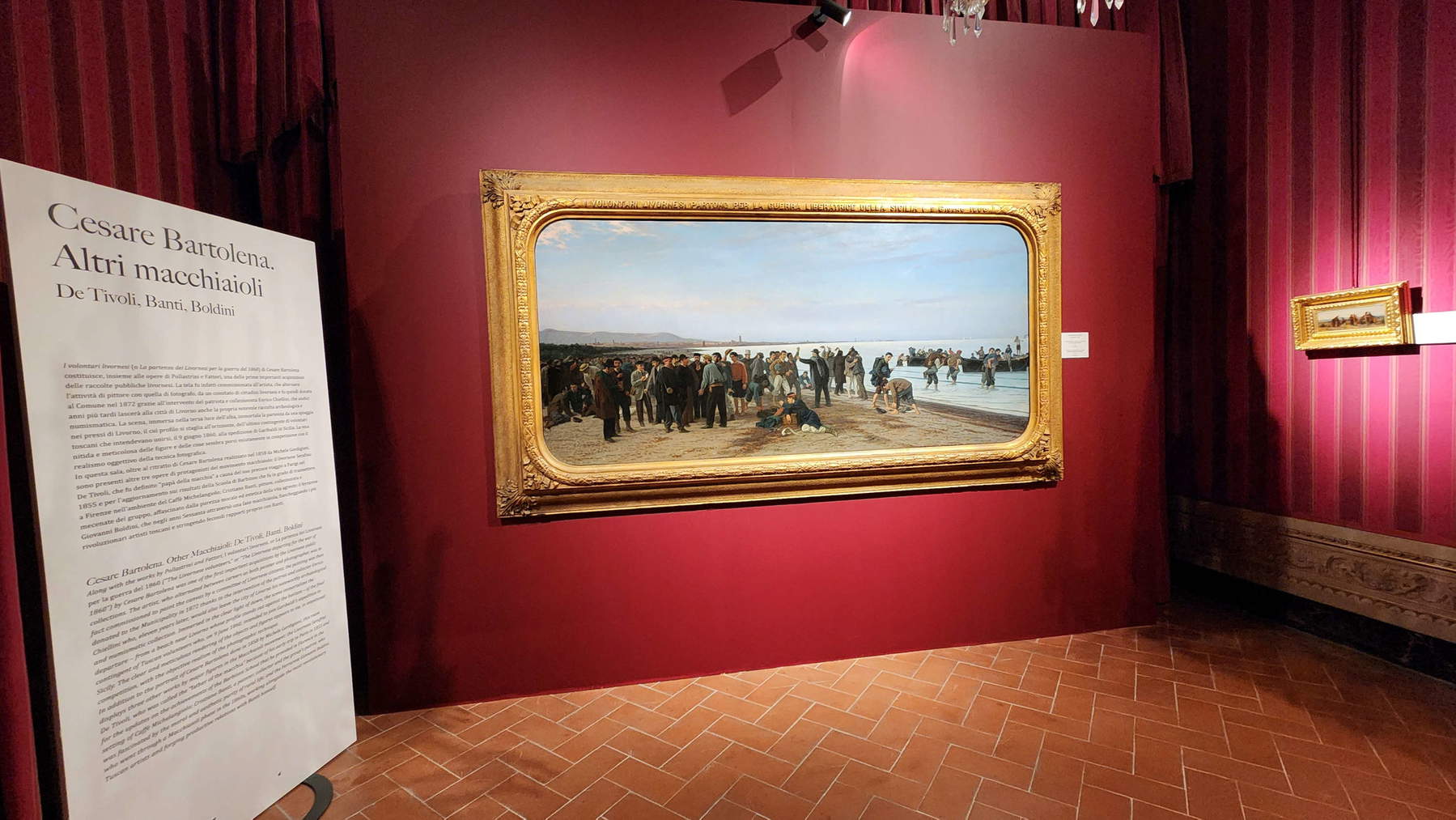
It is worth noting, meanwhile, that the painter after whom the museum is named is no longer considered a mere footnote but has become a pillar: whereas before all his works were gathered in a sort of inner sanctum comprising three rooms on the second floor, now the story of Giovanni Fattori runs parallel to that of all the others. Indeed, one could say that Fattori has become the majority partner in the museum’s spirit, an achievement confirmed by his ubiquity, since there is now not a single floor of the villa that does not display his works. One begins to encounter Fattori as early as the ground floor, after the Pollastrini Room—which was moved back one room to make room forthe *Episode from the Battle of Montebello*, the painting Fattori executed on the reverse side of one of his large canvases depicting a historical subject (Clarice Strozzi Urging Ippolito and Alessandro de’ Medici to Leave Florence), which still bore the influence of Enrico Pollastrini’s teachings. The room remains identical to how it was set up for last year’s exhibition, with the exception of one important addition: the panel depicting the Massacres of Livorno—of which Fattori was an eyewitness—which was recently acquired by the City for the museum. He is then featured on the first floor, where the Post-Macchiaioli room, the room dedicated to Guglielmo Micheli’s students, the room dedicated to Ulvi Liegi, and the one featuring early 20th-century Livorno—evoked primarily through the eyes of Renato Natali—have been dismantled, and in their place, a straightforward chronological account of the Macchiaioli movement’s beginnings has been curated. One room, therefore, is dedicated to the earliest Macchiaioli: there is a beautiful landscape by Serafino De Tivoli, an all-too-neglected figure who regains a new central role in this exhibition (he was previously on the third floor, along with all the other Macchiaioli, in the rooms following those dedicated to Fattori), there is a curious and rather uncommon landscape by Boldini from the 1860s—he, too, was a Macchiaiolo before getting a taste of Paris (it should be noted that Boldini’s presence in the exhibition has been appropriately and commendably pared down: the works of lesser quality have been returned to storage), there are Cristiano Banti’s *Beggars* placed alongside Cesare Bartolena’s large canvas depicting the *Livornese Volunteers* ; the latter has been removed from its previous juxtaposition with Fattori’s battle scenes and is thus presented to the public as a work of art even before it is a historical narrative. Vincenzo Cabianca has been given a room dedicated to him in this new layout, just as Telemaco Signorini and Silvestro Lega have been, for the same reasons; they guide the visitor toward the Fattori galleries, now divided by period: there are the early, decisive experiments of the 1860s and 1870s, followed by a section on the portraits and landscapes of his mature period, leading up to Fattori’s work from the final years of the 19th century, which focused more on social issues, and to the artist of *Ultime pennellate* ( his final painting has been removed from the easel that belonged to the master and hung on the wall—another decision that perhaps more than any other reflects the museum’s new direction). The exhibition is further enriched by a wealth of drawings and engravings that will be displayed on a rotating basis; the exhibition spaces, however, are permanent, and the artists’ creative process will therefore be represented in this new Fattori Museum by a stable anthology that is constantly and diligently renewed.
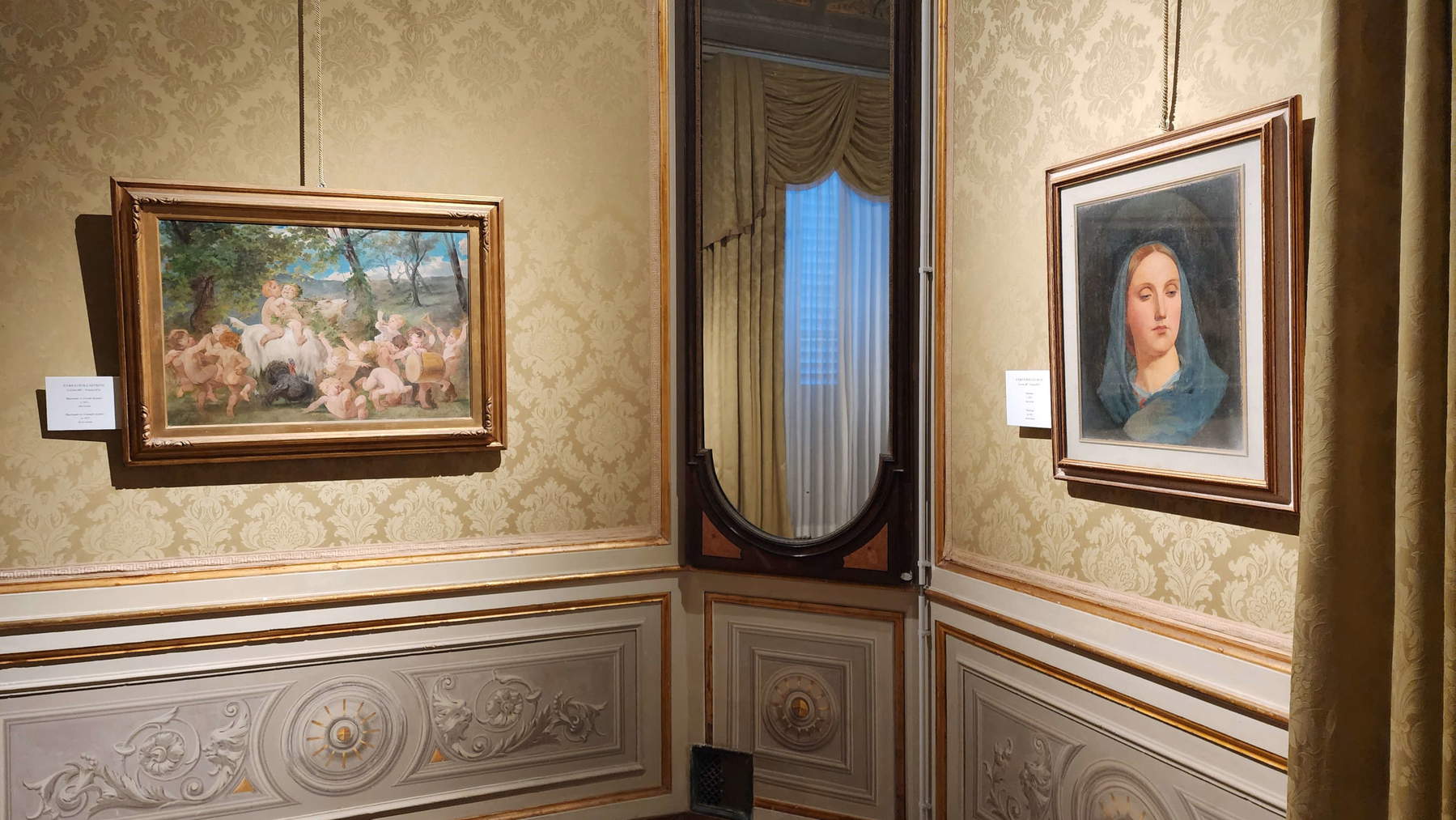
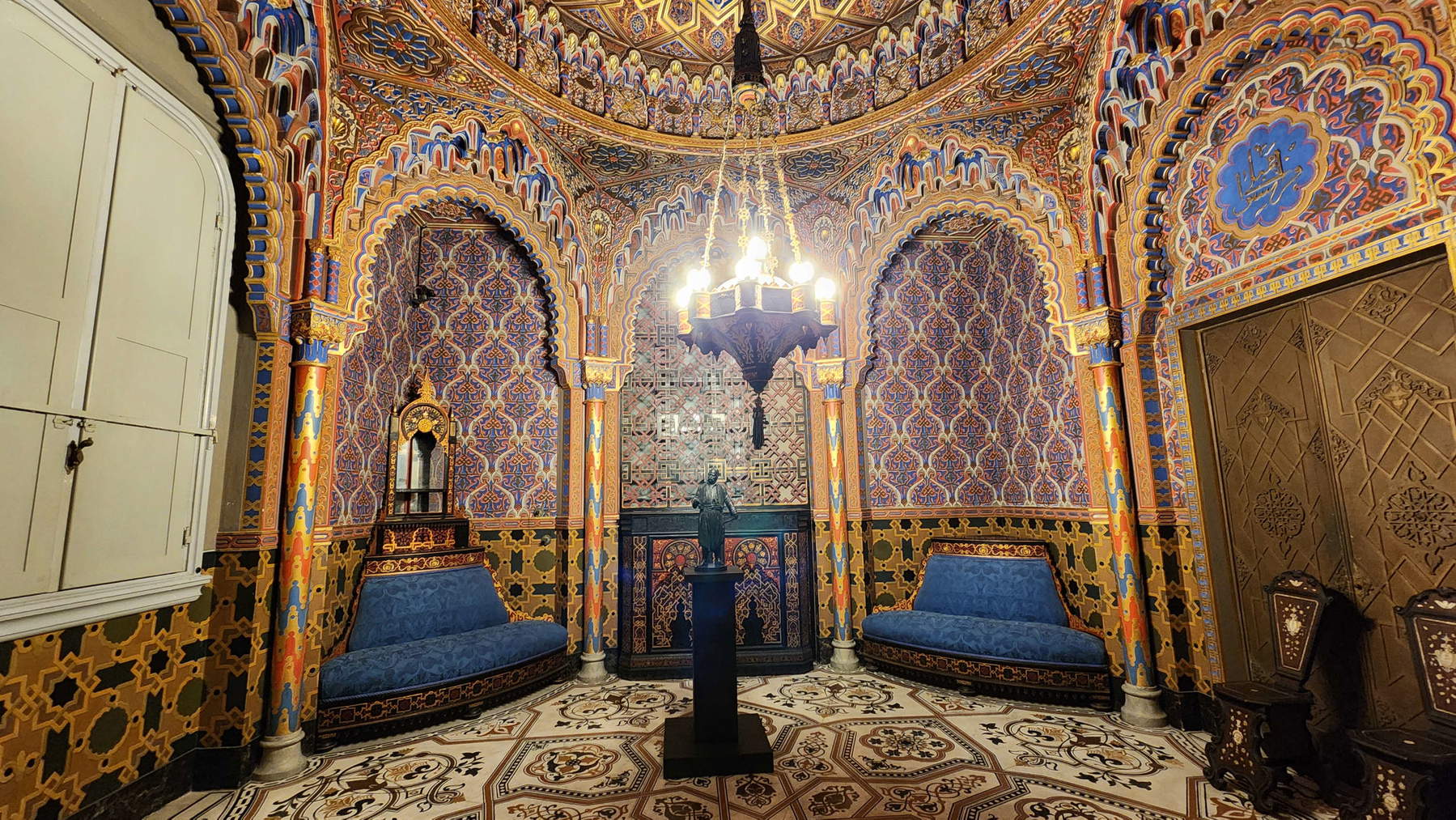
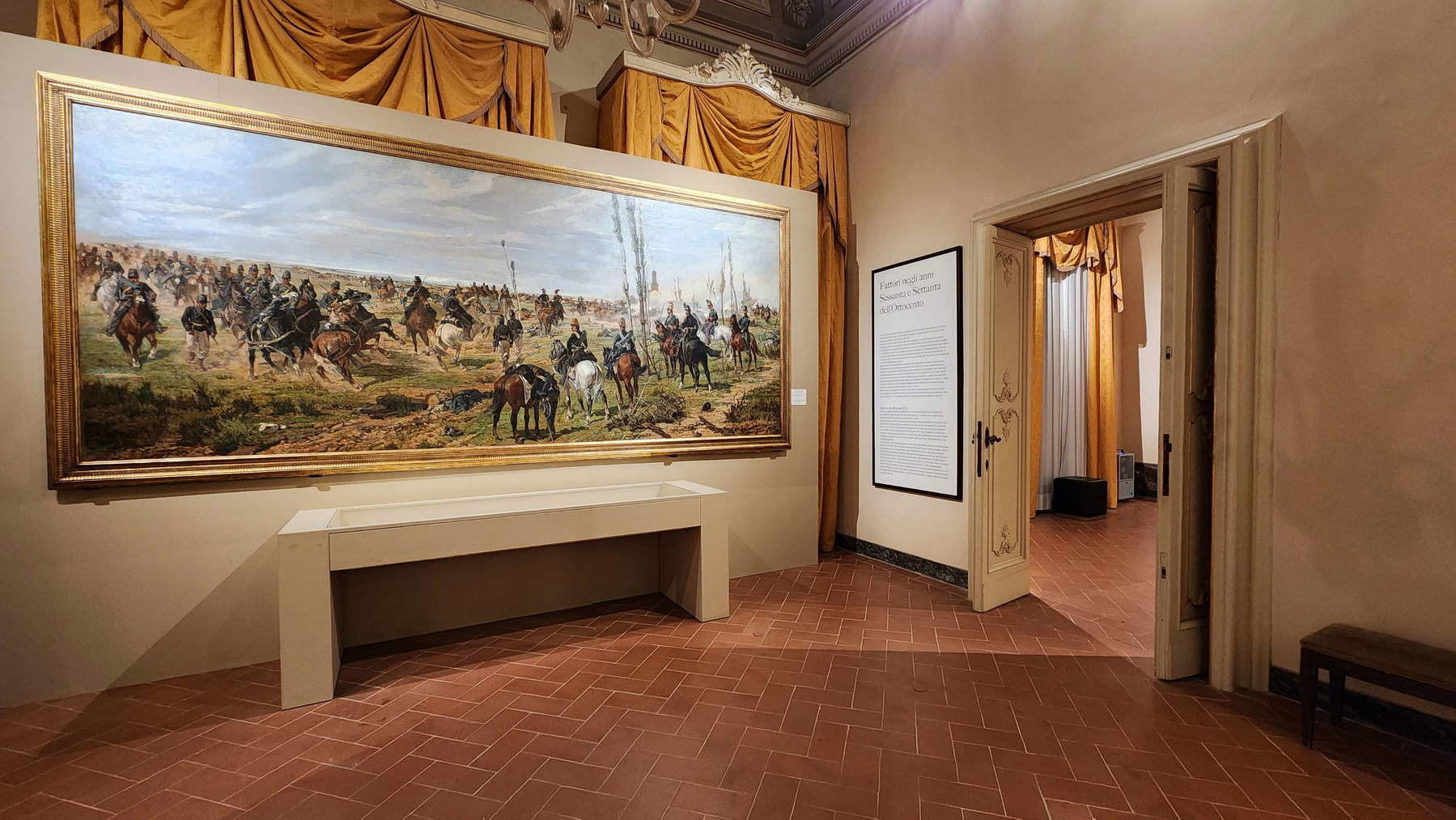
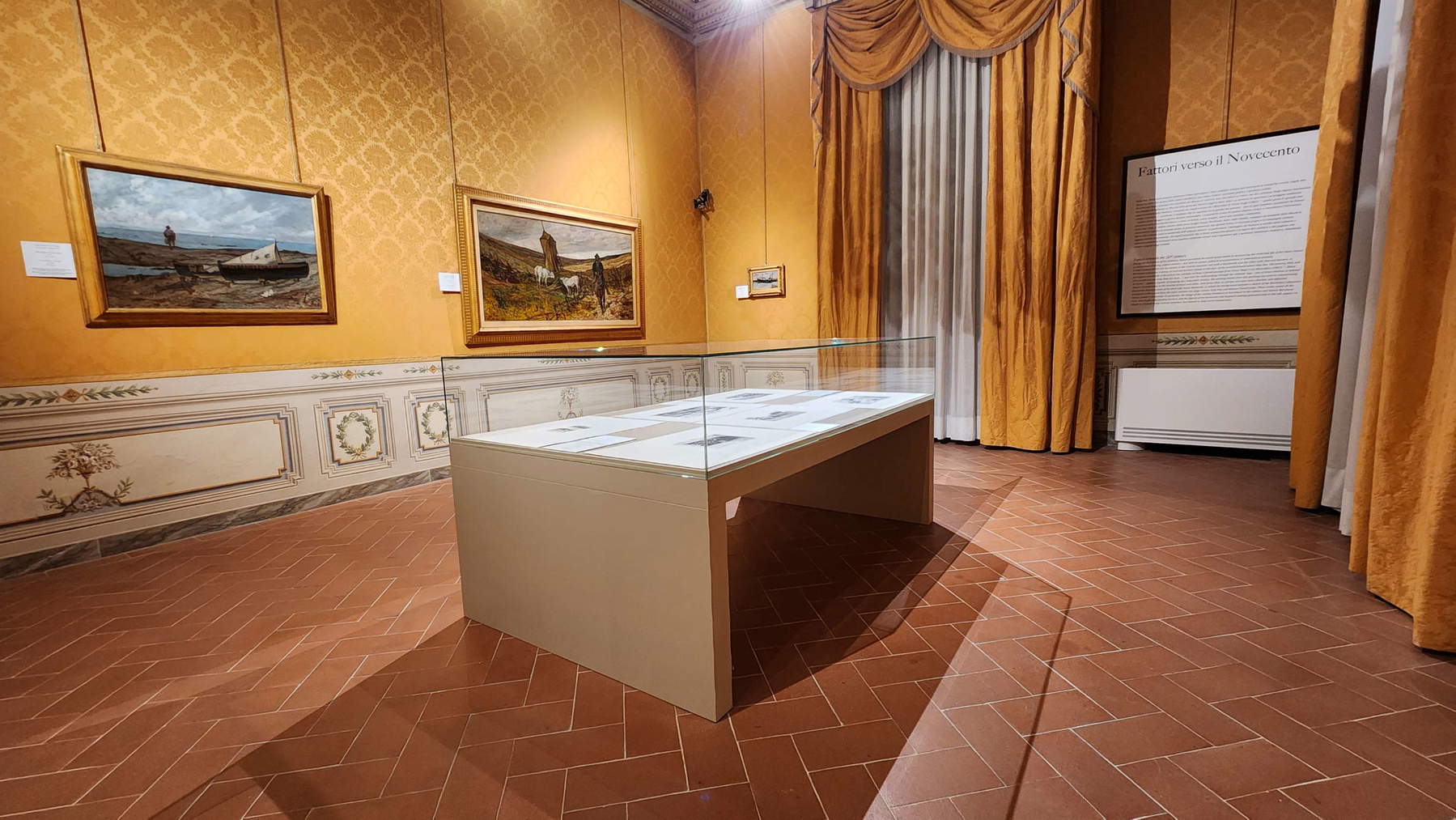
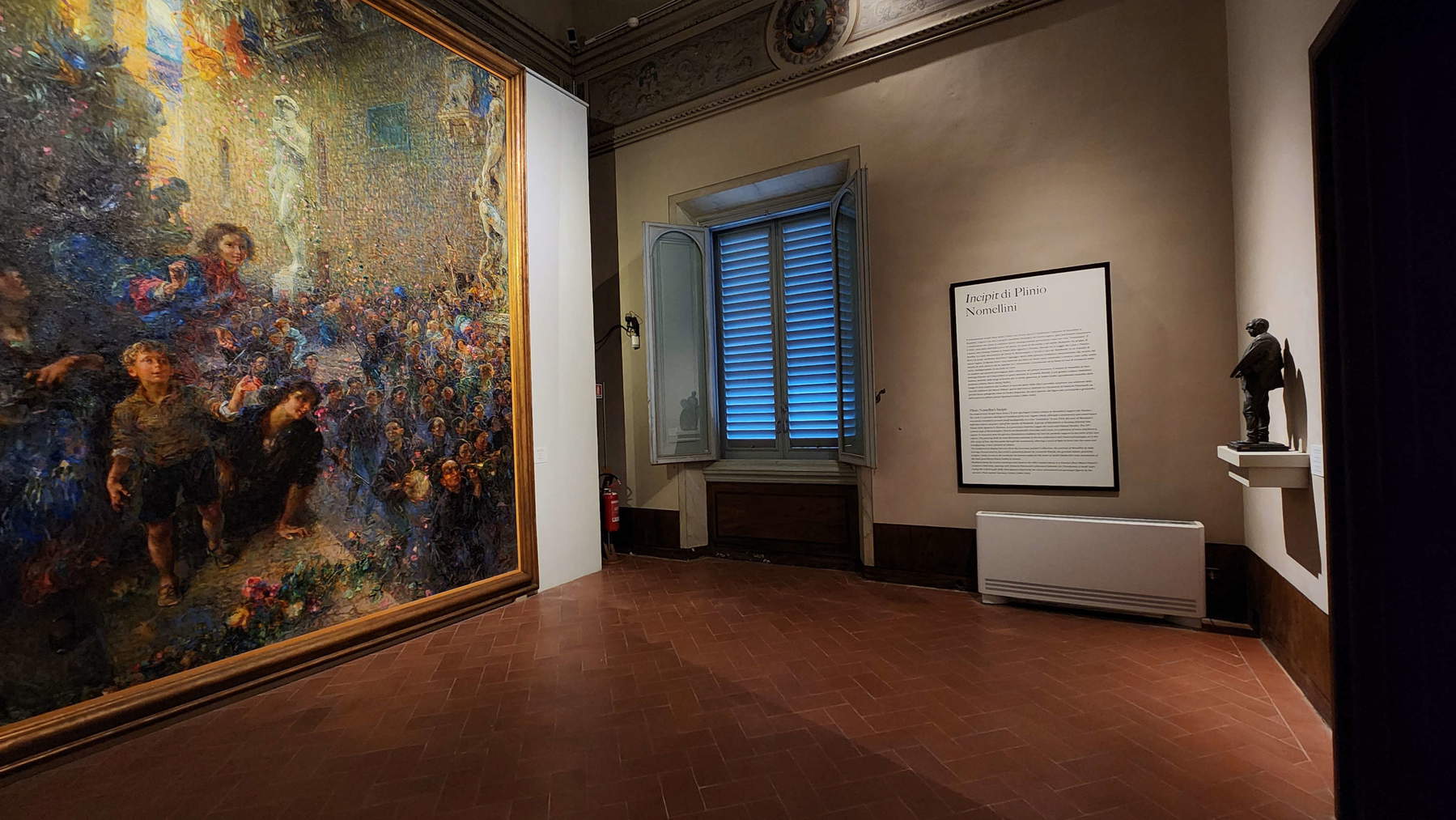
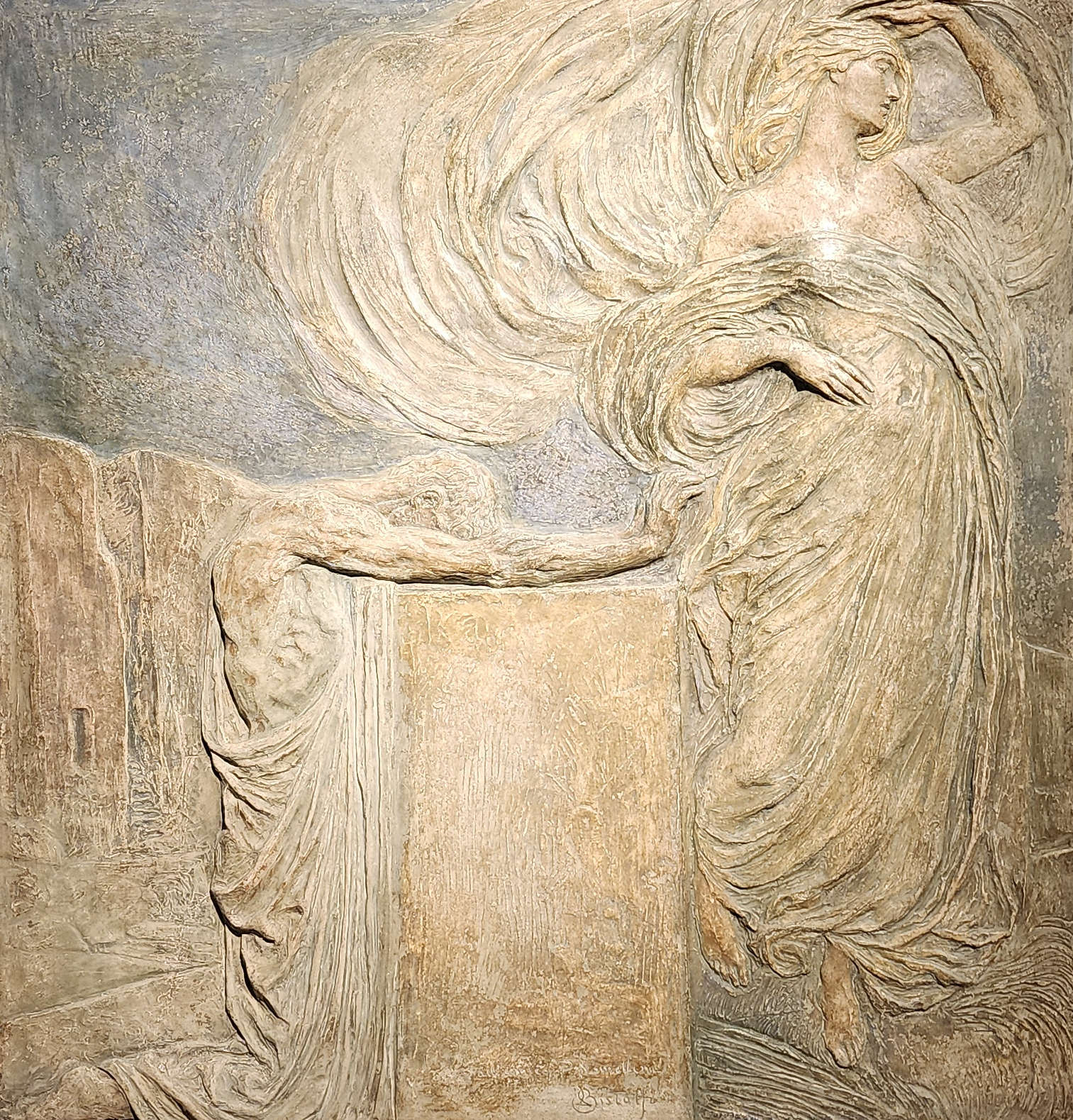
Even just the first floor might be enough to realize that a museum has now opened in Livorno that speaks a different language—one broader than the geography that hosts it. A museum, one might say, with the ambitions of a modern art gallery untouched by municipal conventions—a gallery where the province relinquishes its role as a regulatory force, sheds its status as a founding moment, and instead becomes a fertile and proud context. On the second floor, then, the museum’s new layout ultimately lays bare the results of that era, which—with pinpoint precision and an almost inventory-like approach—is reconstructed on the lower level: at the top of the stairs, here is the last Fattori offering his farewell to the first Nomellini (though they had already briefly crossed paths before the stairs, in the room housing the immovable, deeply fascist *Incipit nova aetas*, now surrounded by Nomellini memorabilia and works that once belonged to his collection: notably, a funerary relief by Leonardo Bistolfi, rescued from storage). Nomellini already had a room of his own, but it has been expanded, and now benefits from the juxtaposition with Fattori and a small selection of drawings (chosen for this exhibition, *The Rower*, a beautiful *Male Nude*, and a *Nocturnal Scene* in which the artist anticipates or revisits those *Dead Fallow Deer* that are among his best-known works).
Nomellini, in turn, serves as an introduction to the Divisionists (here, then, are Benvenuti, Grubicy, Previati, and Lloyd all gathered in a single room, no longer scattered as they were before—with the Livorno Divisionists on one side and the outsiders on the other: Livorno is no longer a monad; it is no longer that darting molecule separated from everything else, but rather a fruitful and joyful chapter in a broader and more impetuous national current), to the most faithful followers of Fattori (Cecconi, Cannicci, Panerai), to Guglielmo Micheli and his school, to the three Tommasis, all the way to the final rooms: an entire section dedicated to Leonetto Cappiello (the most international of the Livornese, the most disruptive and most original of the Italians in Paris, one of the pioneers of advertising graphics: a room dedicated to him was almost a given), featuring paintings and several posters drawn from the museum’s storage, and then the corridor with the allegorical paintings that Adolfo Tommasi created for the Livorno Shelter for the Indigent (another new addition), a room dedicated to the portraiture of Vittorio Maria Corcos and Michele Gordigiani (with, alongside it, yet another new addition: a rare genre scene by Francesco Fanelli, and in the middle, Raffaello Gambogi’s “Intrusion of Migrants” disrupting this procession of upper-class ghosts). Finally, the exhibition concludes with a gathering of restless souls—the most innovative painters Livorno welcomed in the early 20th century: here, then, is the hallucinatory and feverish Expressionism of Lorenzo Viani, the formal and chromatic exaggerations of Mario Puccini, the gloomy, nocturnal Livorno of the early Natali, and the Cézanne-inspired meditations of Oscar Ghiglia and Giovanni Bartolena. And just when one might think the catalog of works has come to an end, the finale arrives unexpectedly: a drawing by Amedeo Modigliani and a painting traditionally attributed to him. It therefore falls to the president of this final sanctuary to bid the visitor farewell and to suggest that the museum does not end here, that the story continues elsewhere.
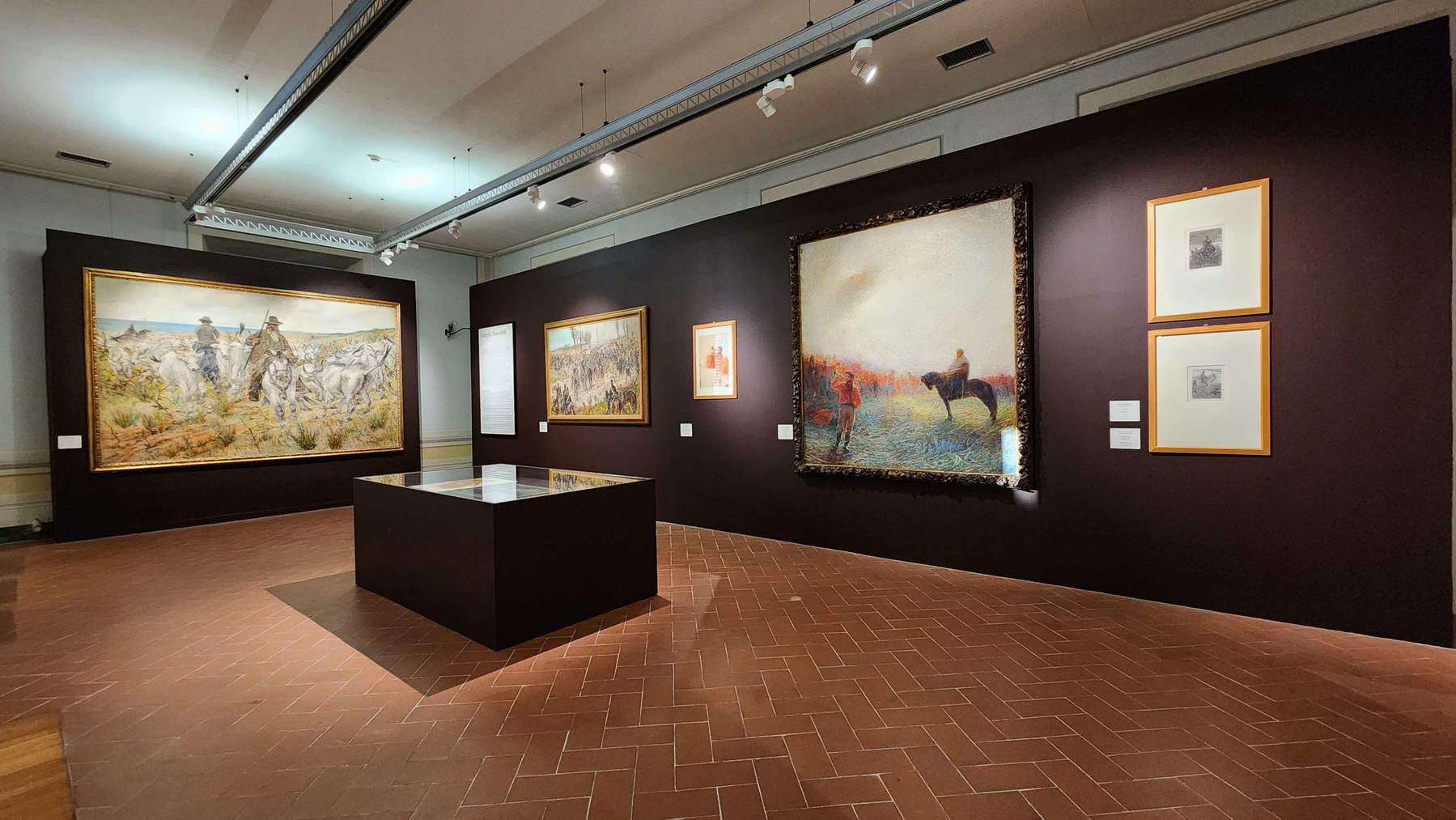
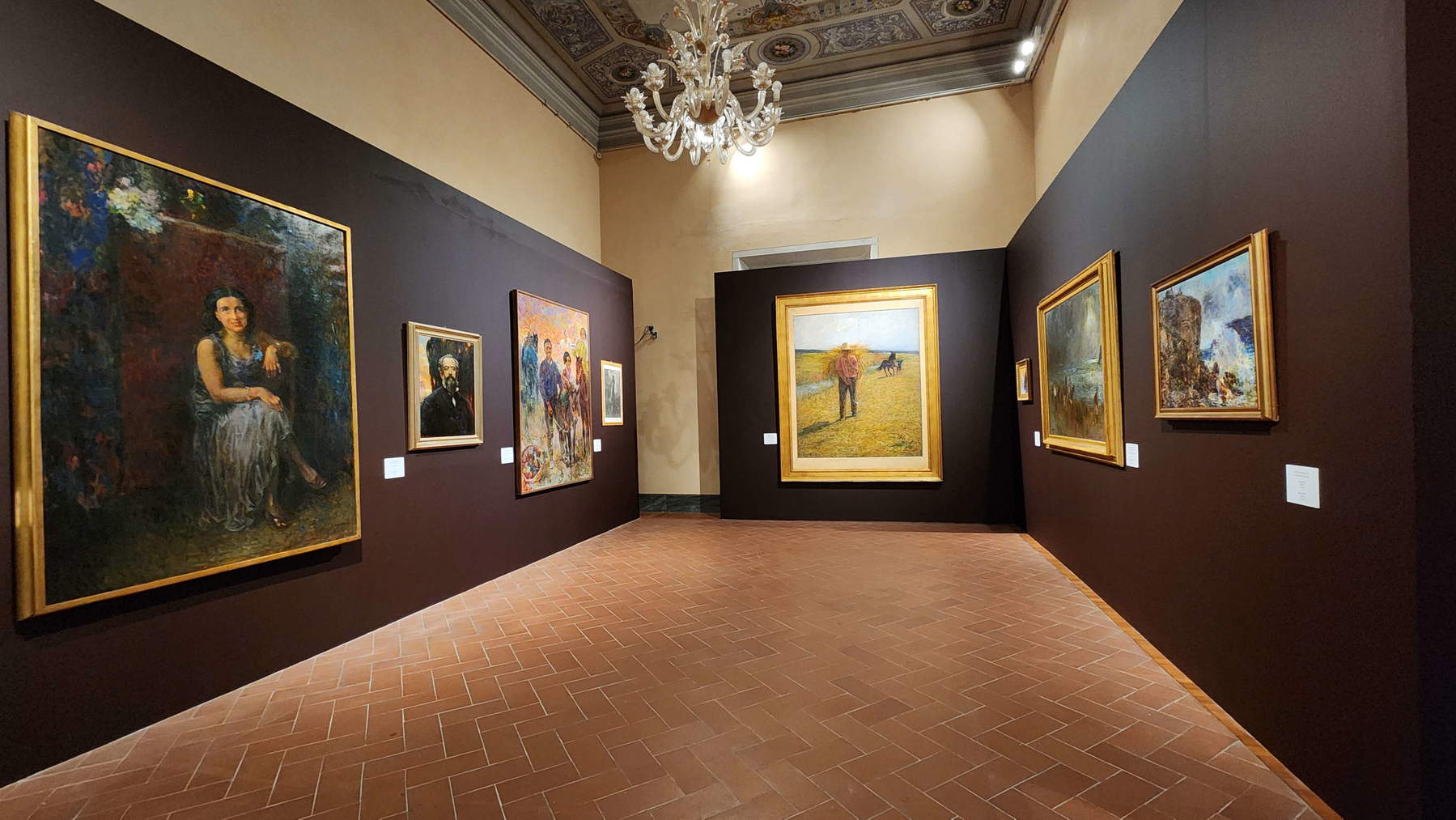
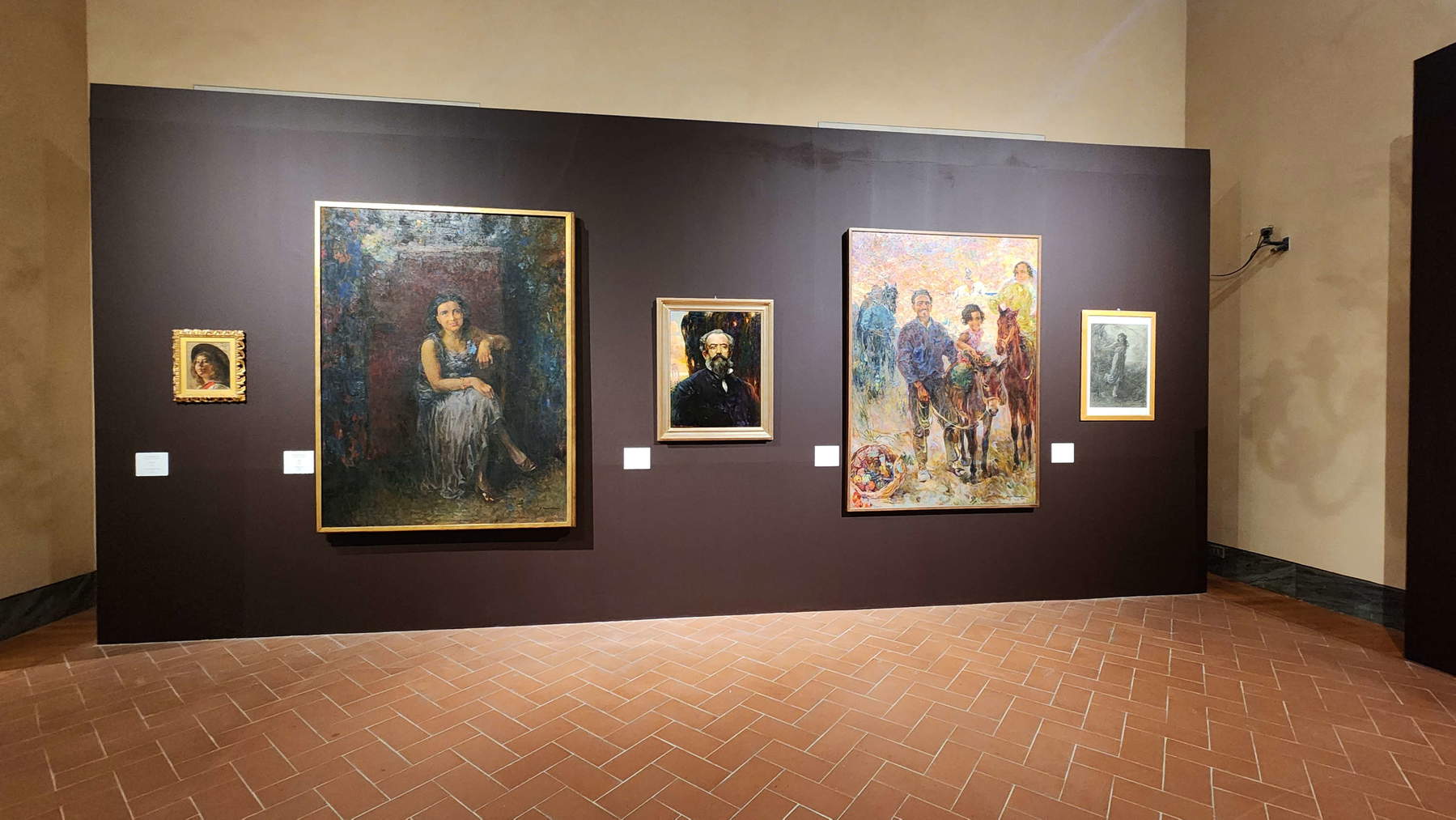
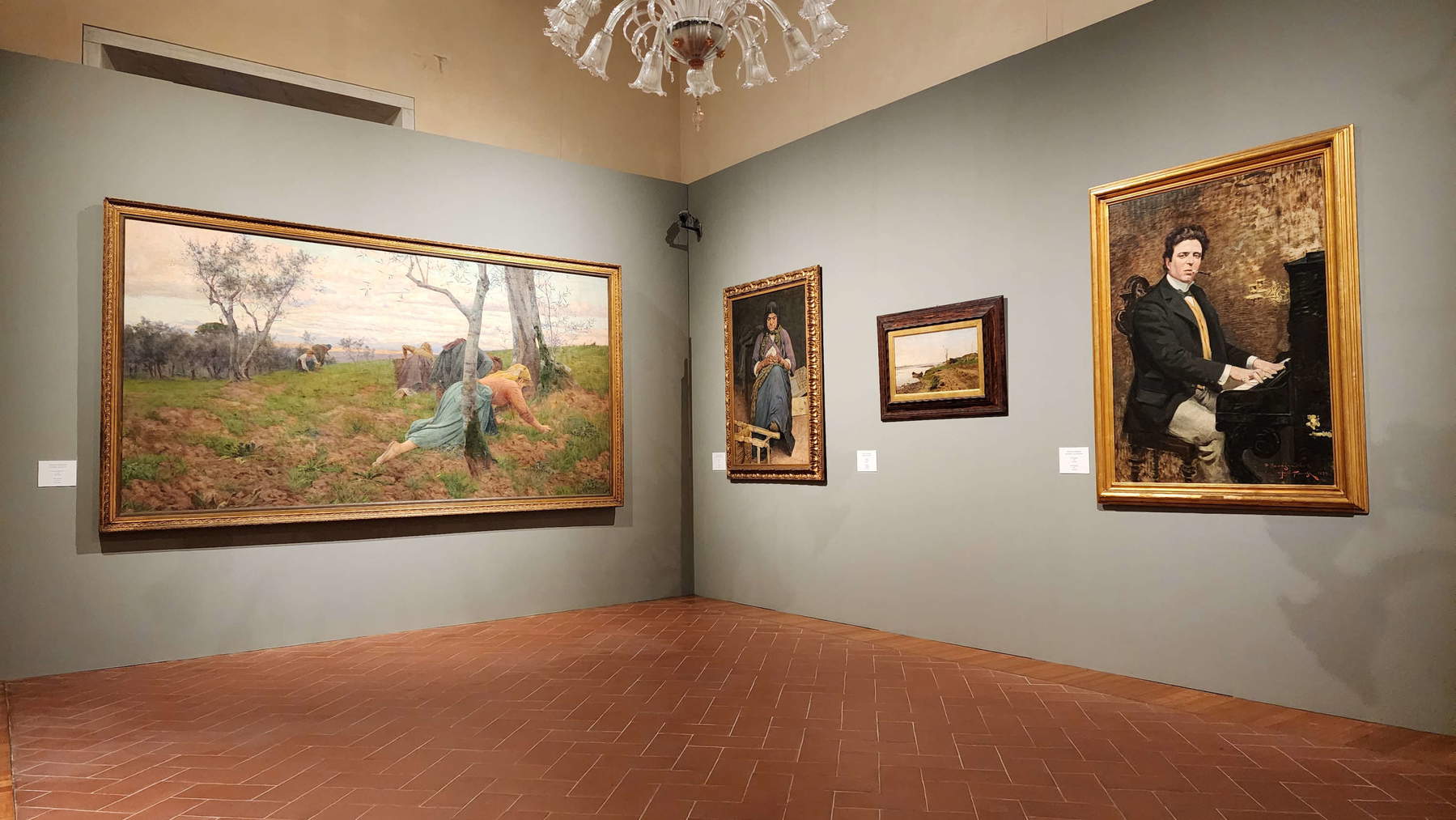
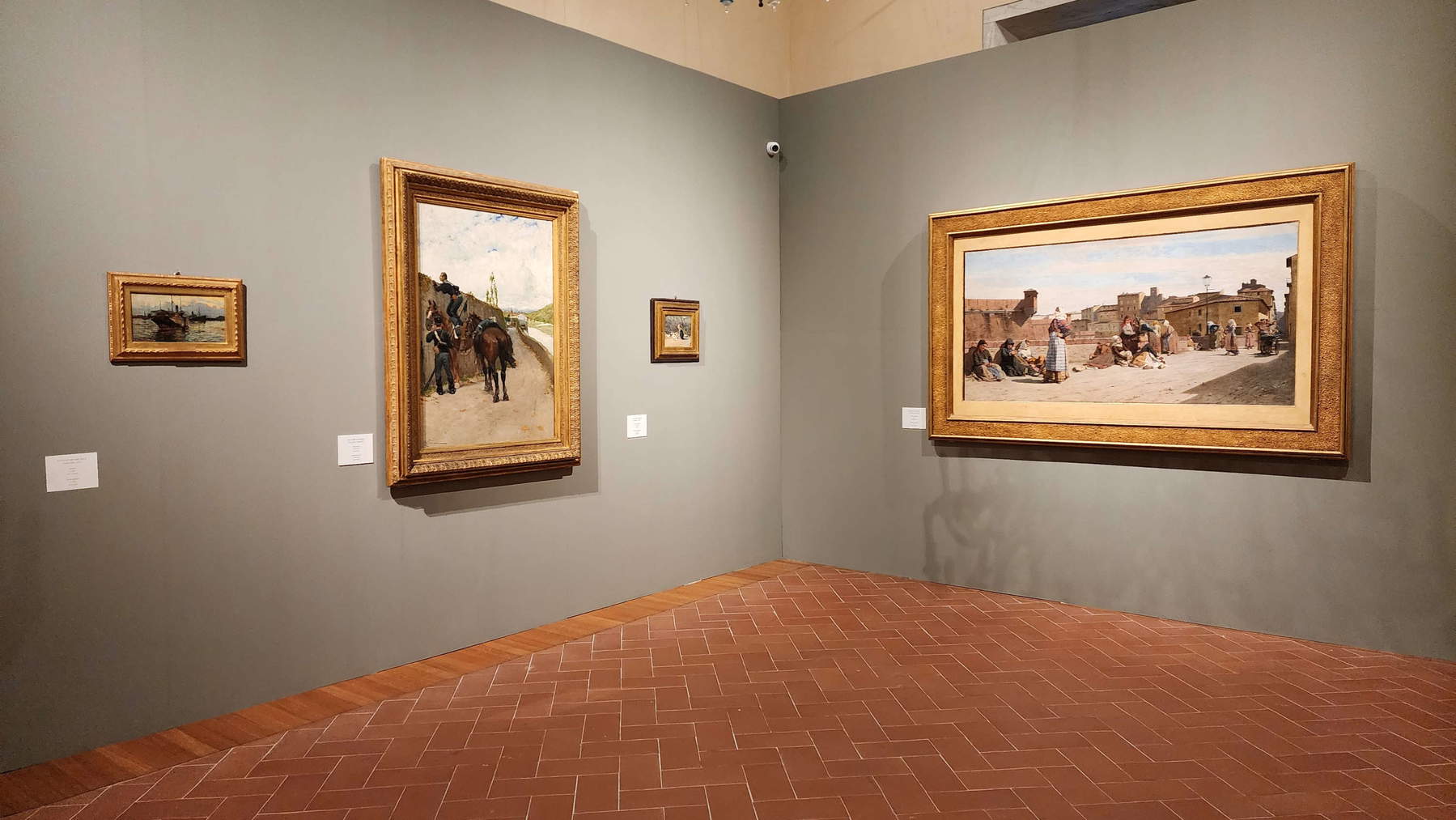
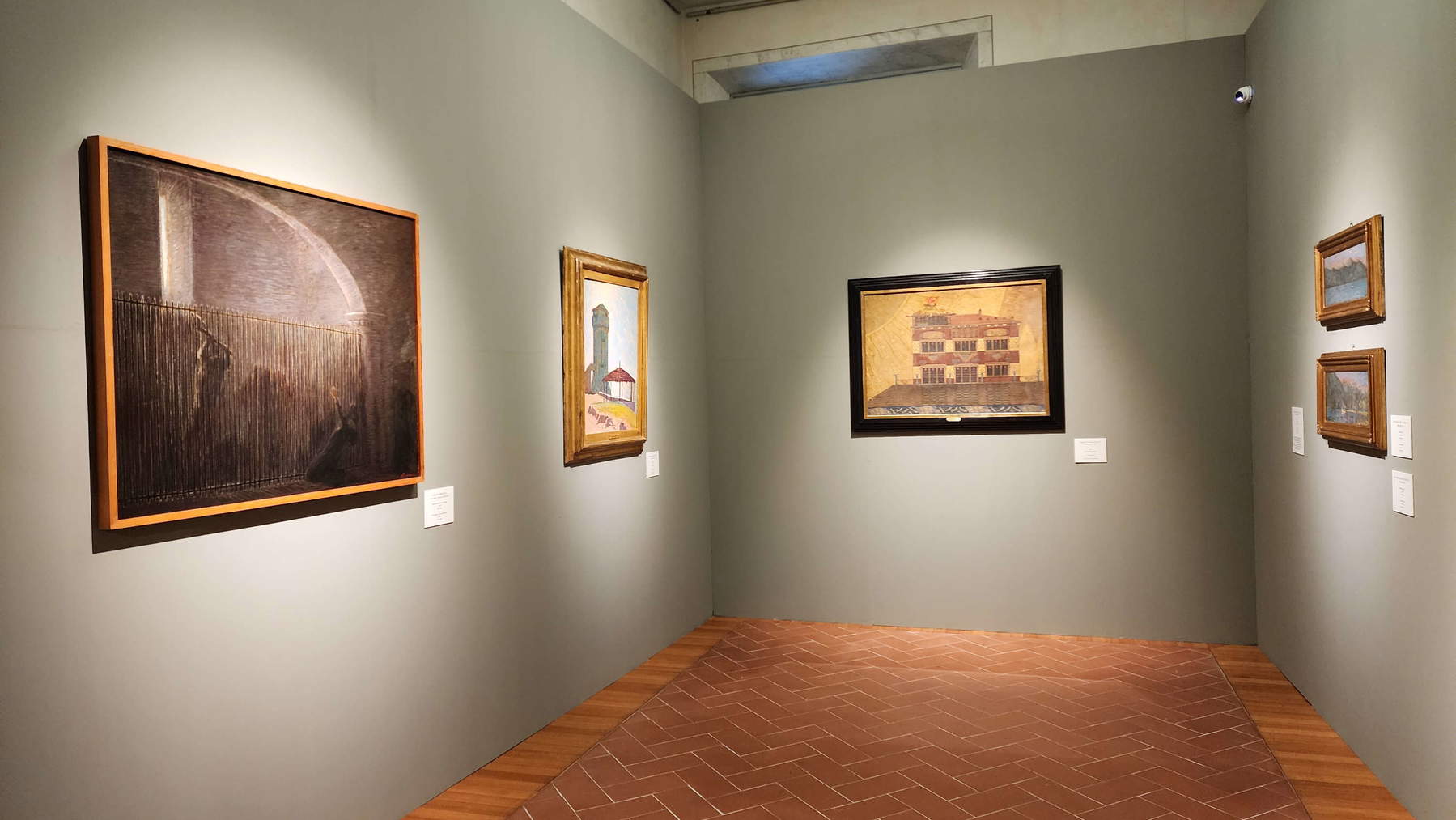
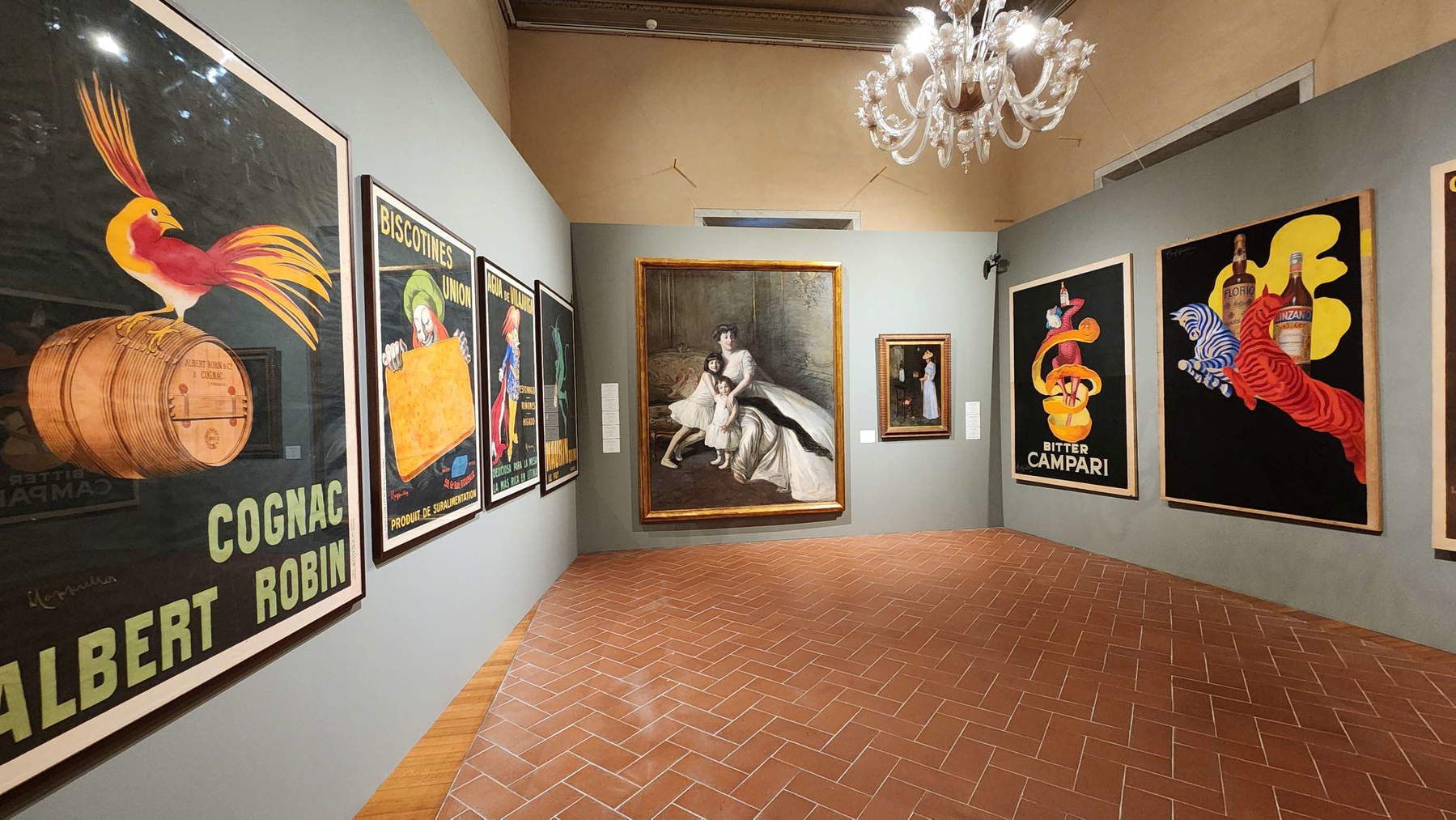
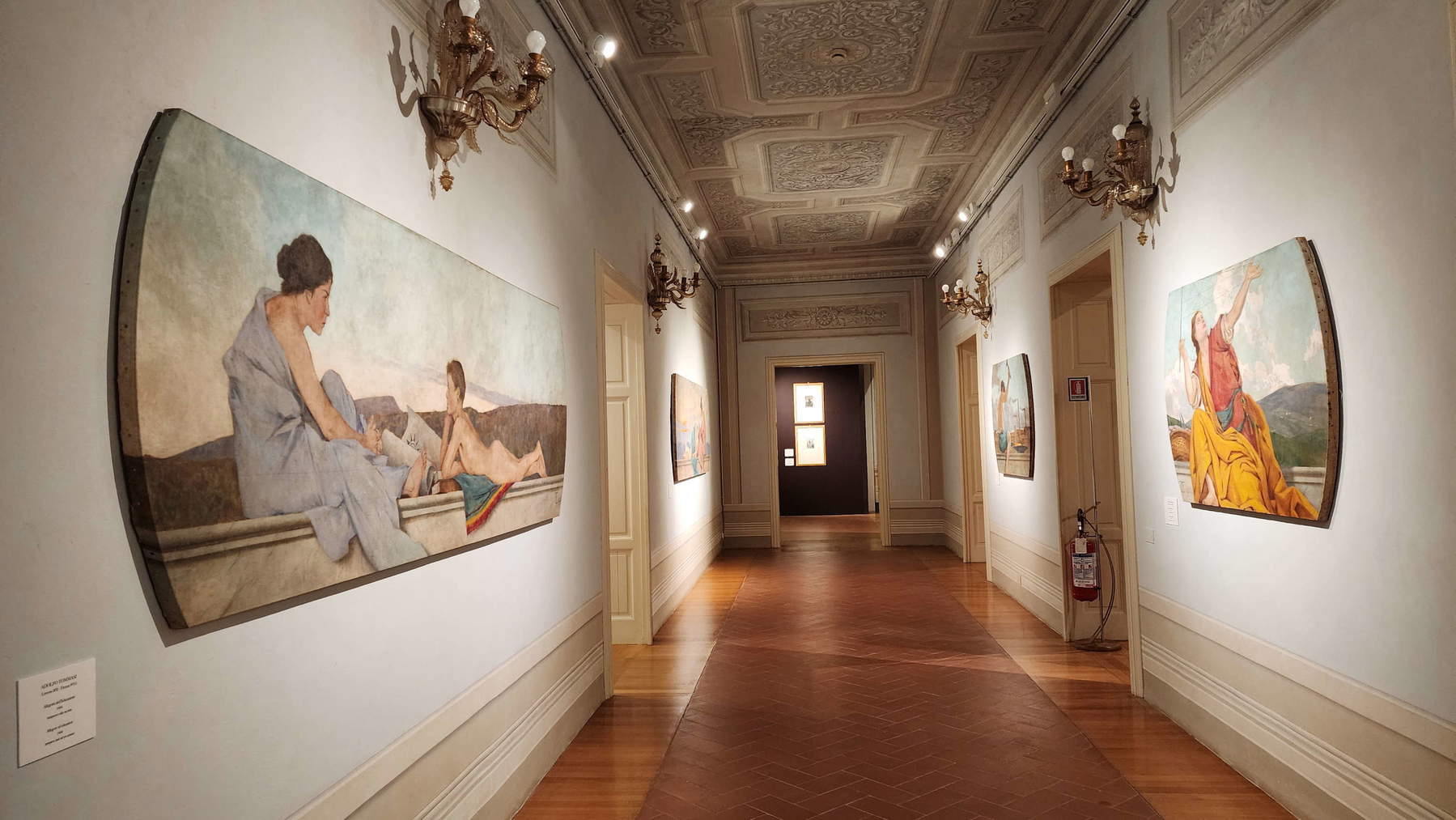
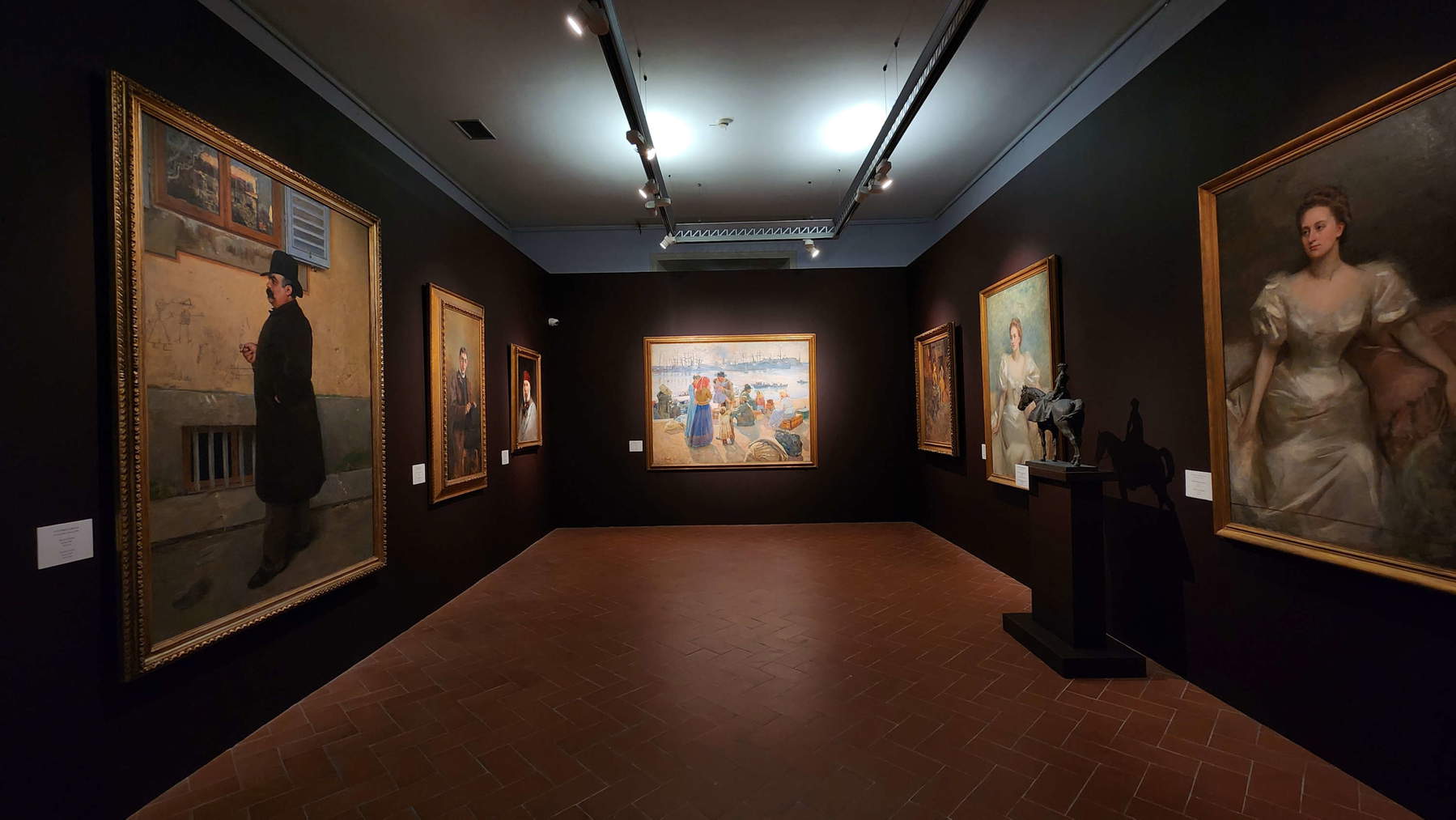
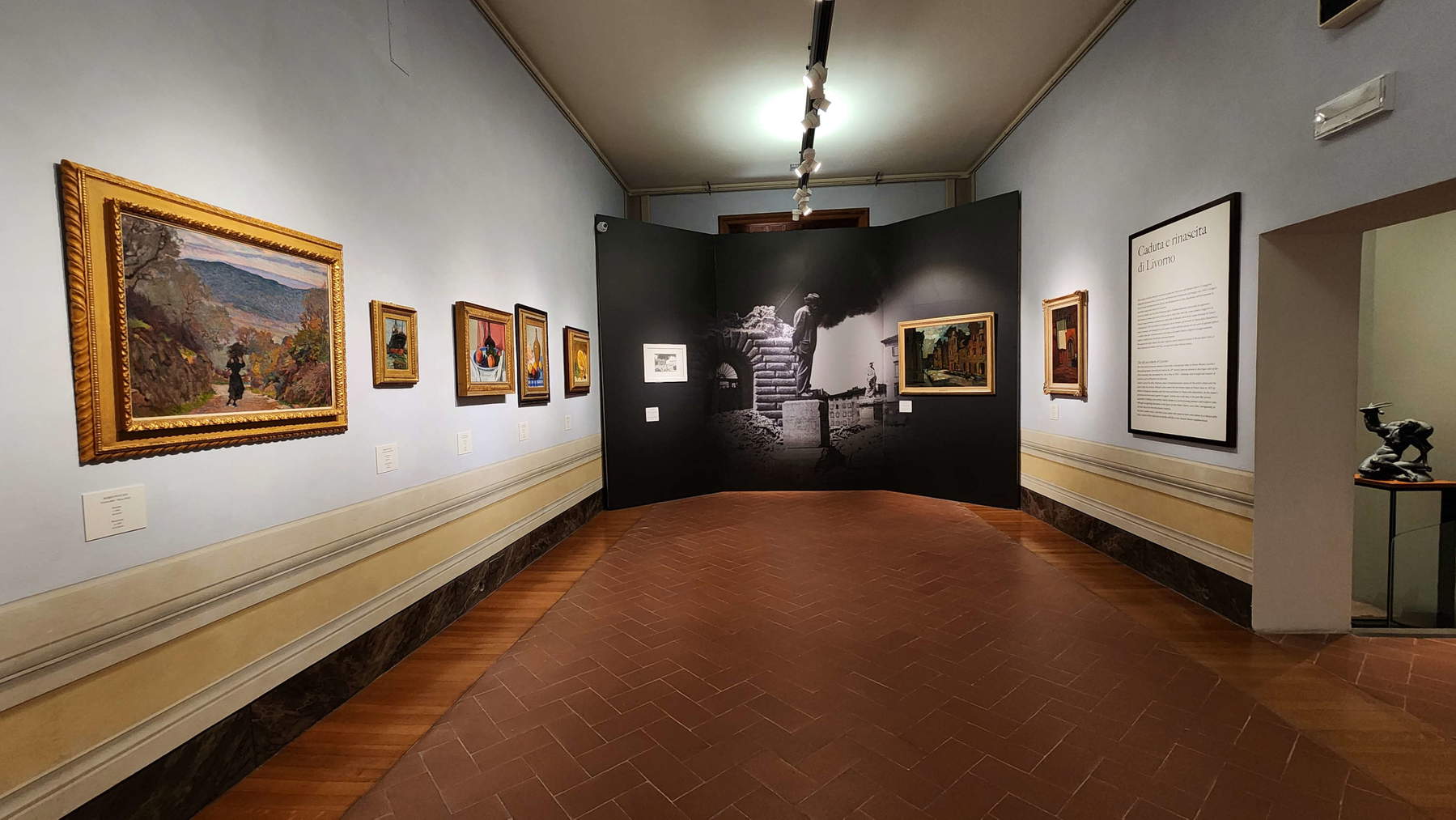
Now, at the end of the visit, it will be natural to reflect on the fact that, amid such a display of new elements, some painful omissions have also become necessary: in the new layout, Gino Romiti’s underwater fantasies are nowhere to be seen; ErmenegildoBois’s *The Scream* is no longer there; Gabriele Gabrielli’s feverish nocturnal scene is missing, and the core collections of Ulvi Liegi (who now joins Cappiello in the museum’s most international gallery), Guglielmo Micheli (only the indispensable works remain), and Benvenuto Benvenuti (the portraits are gone). One might say this was the final adjustment following the transformation: from a museum of memories, the Fattori Museum has become an institution endowed with the rigor of a national gallery, yet one that retains the spirit of the city’s archive. It was, however, appropriate to give the Fattori Museum a cleaner, more streamlined layout, just as it was commendable to lift it slightly out of its provincial context to make it a must-see stop on the journey through the Italian nineteenth century.
Of course: leafing through the album of memories, one already feels a sense of nostalgia for its local origins. It goes without saying, however, that the Fattori Museum, even in the midst of this significant metamorphosis, has not ceased—nor will it cease—to be, above all, the museum of the people of Livorno: what is currently hidden from view will surely find its place through the natural adjustments to come in the future, especially given that certain rooms (the Yellow Room, the ground-floor sitting rooms that were dedicated to temporary exhibitions) are still under construction. And then there are the granaries: on the ground floor, as mentioned, the service areas and the new bar have already been set up. However, there is almost an entire floor still occupied by that colorful assortment of 17th-century trinkets that someone has slyly chosen to label a museum: and since every museum should be the guardian of a necessity and not a tool for visibility, the most appropriate next step will therefore be to clear out the Medici Museum, the loss of which we are unlikely to regret (if deemed absolutely indispensable, another, more suitable location can certainly be found for it), and which— as revealed by a motion submitted a month ago to the city council—could not even be defined as a “museum,” since it is merely a loan of private property on display in a public venue. The spaces thus freed up could finally be allocated to temporary exhibitions and to rotating the materials stored in the depots, thereby providing the Fattori Museum with additional space in which to breathe new life into those historical collections that have been partially altered by the new layout. An additional space where one can still sense that domestic, warm, and intimate atmosphere that the old museum used to evoke—a space where the museum can persevere with ever-greater tenacity in its unwavering commitment to the city. An additional space, therefore, where one can see and feel a collection that breathes.
Warning: the translation into English of the original Italian article was created using automatic tools. We undertake to review all articles, but we do not guarantee the total absence of inaccuracies in the translation due to the program. You can find the original by clicking on the ITA button. If you find any mistake,please contact us.