





After eleven years, Venice once again has a councilor in charge of culture. In the new city council presented at Ca’ Farsetti by Mayor Simone Venturini, the position has been entrusted to Paolo Romor, a Venetian civil lawyer who will oversee a particularly broad and strategic portfolio of responsibilities, including Urban Planning and Private Construction, the Environment, Legal Affairs, Cultural Policies, and Culture.
The appointment was announced during the official presentation of the new city government team. Following an initial working meeting with the council members, Venturini outlined to the press the composition of the executive branch, the assigned portfolios, and the framework that will guide administrative action in the coming years. The mayor explained that the new City Council was formed with the goal of addressing, in a pragmatic and concrete manner, the main issues concerning the future of the municipal territory, including the historic city, the mainland, the islands, and the entire Venetian urban system. A team, he explained, “built by bringing together administrative experience, local representation, specific expertise, and fresh energy, with the aim of providing solutions that meet the needs of citizens, families, businesses, economic sectors, and our social fabric.”
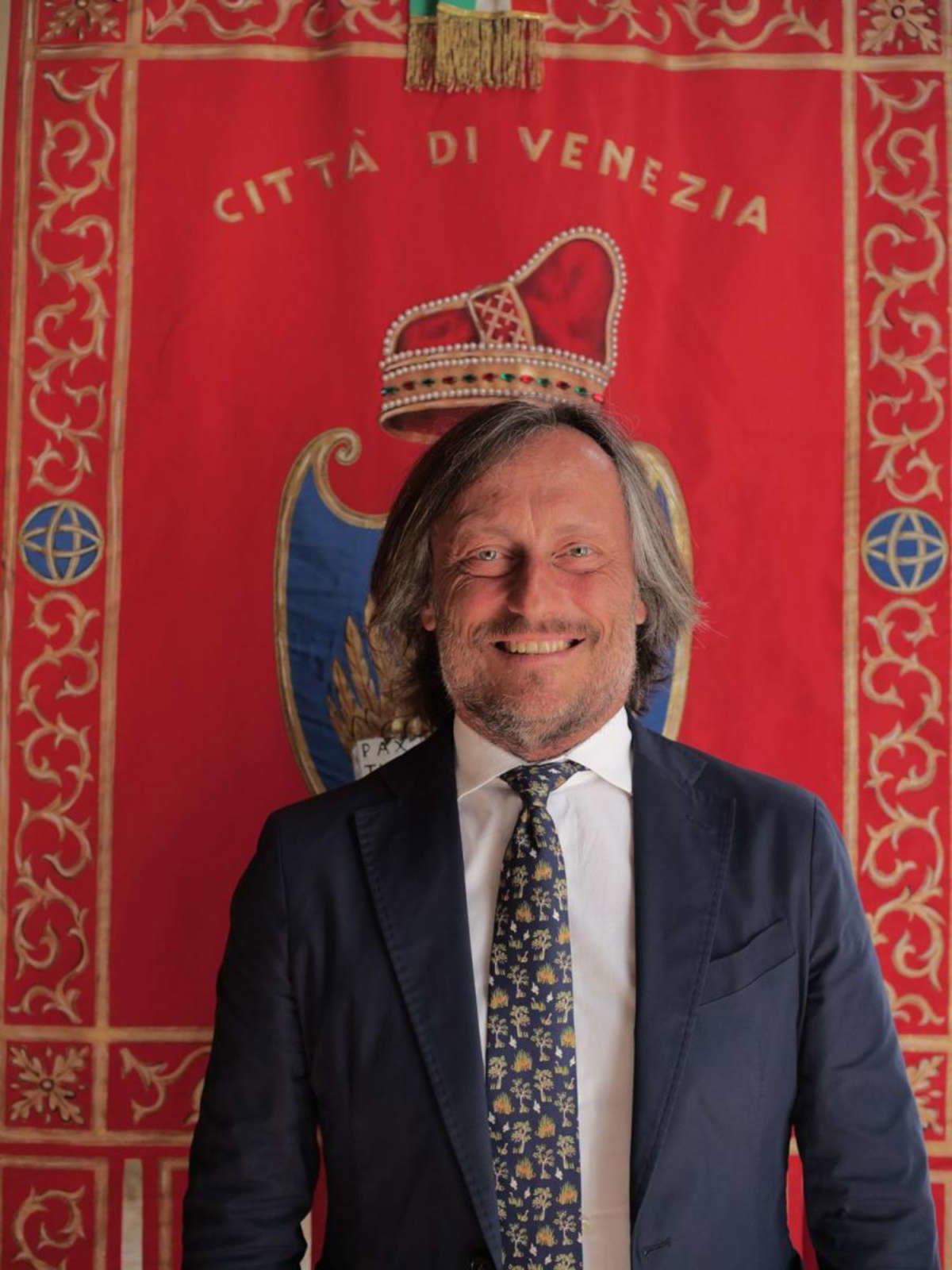
Among the most significant appointments is that of Paolo Romor, who has been entrusted with a role that intertwines the tangible and intangible aspects of the city’s development. The decision to combine the portfolios of Culture and Urban Planning reflects a specific political and administrative approach outlined by Venturini himself. “The idea of combining the portfolios of culture and urban planning reflects a specific vision,” the mayor stated. “A city is indeed built physically—with buildings, neighborhoods, public spaces, and infrastructure—but it is also built through its identity, its cultural strength, and its ability to hold a community together. Shaping the Venice of tomorrow therefore means working on the urban and architectural dimensions, but also on the intangible dimension of culture: what gives the city its soul and allows Venice to speak to the world. This is why I felt it was right to bring these areas together to build, at the same time, both the physical city and the city of the soul. I will retain direct oversight of certain strategic areas. In particular, I will oversee cultural strategies, not least because of my roles as vice president of the La Biennale di Venezia Foundation, chair of the Steering Committee of the Fondazione Teatro La Fenice, and vice president of the Fondazione Musei Civici di Venezia.”
Romor’s appointment marks a significant turning point for Venice’s cultural sector. For over a decade, in fact, the city has not had a councilor specifically in charge of culture. The decision therefore represents a shift in administrative approach that restores political visibility and autonomy to a sector central to a city that bases much of its identity and international reputation precisely on its cultural, artistic, and creative heritage.
Alongside the new responsibilities assigned to Romor, however, Venturini has chosen to retain direct oversight of certain areas considered particularly strategic. These include general cultural strategies, a decision also motivated by the mayor’s roles in some of Venice’s leading cultural institutions. Venturini is, in fact, vice president of the La Biennale di Venezia Foundation, chair of the Steering Committee of the Fondazione Teatro La Fenice, and vice president of the Fondazione Musei Civici di Venezia.
He will also retain direct responsibility for relations with national and international cultural foundations and institutions, international relations, economic development, and major issues related to the Port. As the mayor explained, these are matters that require direct oversight, a unified vision, and constant coordination with the entire government team.
The new councilor brings to the position a wealth of both professional and administrative experience. Romor is, in fact, a civil lawyer who has been practicing in Venice since 2002. The law firm he founded operates in various areas of civil law, providing assistance to private clients, professionals, merchants, and small and medium-sized enterprises.
Over the years, the firm has expanded its practice into multiple sectors of legal consulting and civil litigation. In addition to its main office in Venice, Romor also holds office hours at branch offices in Mestre and Padua and offers legal advice in German, French, and English. He holds a law degree from the University of Trieste with a thesis in commercial law, has been a member of the Venice Bar Association since 2002, and specializes in civil law, with particular expertise in real estate, leases and family law, as well as labor law, commercial law, and insolvency law. He has also served clients including national banking institutions, small and medium-sized enterprises, a sector-specific social security agency, public entities, and professional soccer clubs. He served as a City Councilor for the City of Venice,
and administrative experience is nothing new to him. In fact, during Luigi Brugnaro’s first term, he had already served as a city councilor, with responsibility for the City Legal Office and Human Resources, and for the 2020–2025 term, he retained responsibility for the City Legal Office.
During the presentation of the new City Council, the mayor also announced the assignment of specific responsibilities related to culture to several city council members: among these, curiously, are responsibilities for traditions and street art. Thus, Giovanni Giusto will oversee the preservation of traditions, Aldo Reato will be responsible for promoting the gondola as part of the historic city’s transportation system, Massimiliano De Martin will handle matters related to UNESCO and energy and water policies, while Paola Mar will oversee the University, the Marco Polo Project, and street art.
The new administrative structure designed by Venturini thus aims to combine continuity and innovation, entrusting Paolo Romor with one of the most complex portfolios in the entire City Council. The return of a specific portfolio for Culture after eleven years is one of the most significant elements of the new structure and signals the administration’s commitment to assigning a central role to cultural policies in the future of the lagoon city, integrating them with urban planning decisions and the shaping of Venice’s identity in the coming years.
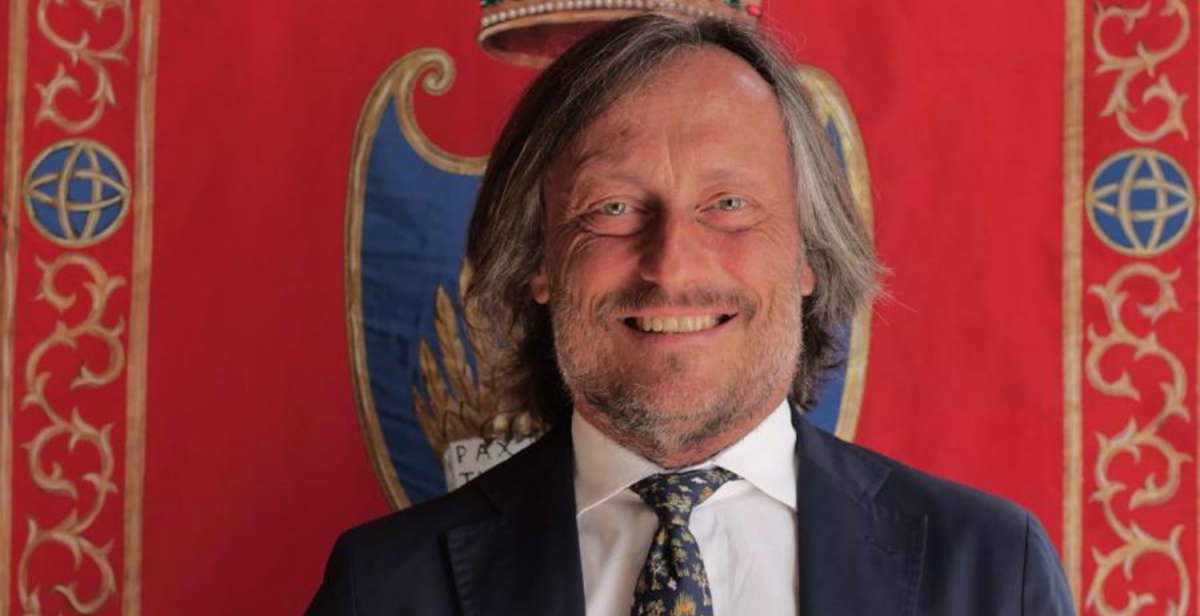 |
| Who is Paolo Romor, Venice’s first culture commissioner in 11 years? |

Warning: the translation into English of the original Italian article was created using automatic tools. We undertake to review all articles, but we do not guarantee the total absence of inaccuracies in the translation due to the program. You can find the original by clicking on the ITA button. If you find any mistake,please contact us.

























 IT
IT FR
FR DE
DE ES
ES CN
CN


