





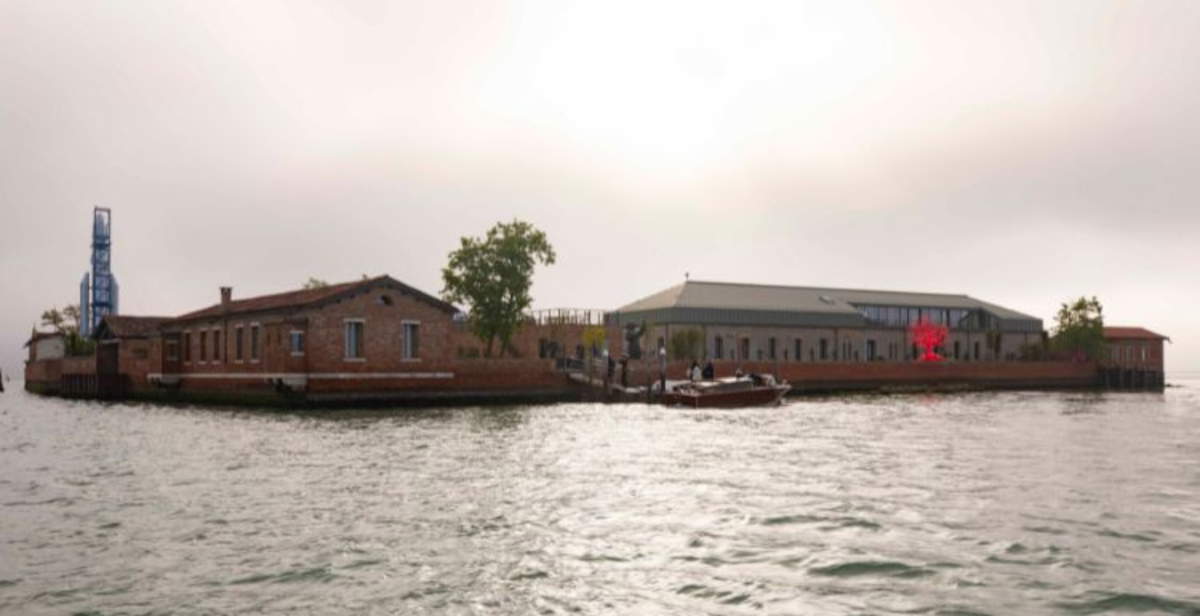
Fondazione Sandretto Re Rebaudengo is opening a new venue in Venice. As of May 7, 2026, theisland of San Giacomo, in the Northern Lagoon, will officially become part of the institution’s network founded in 1995 by Patrizia Sandretto Re Rebaudengo, joining the spaces in Turin, opened in 2002 in theformer industrial area of the city, at Palazzo Re Rebaudengo and the Guarene Art Park, between Langhe and Roero, and the activities promoted in Madrid by Fundación Sandretto Re Rebaudengo.
The Venetian opening represents a new chapter for the foundation and is developed around a project that interweaves contemporary art, architectural restoration, environmental sustainability and cultural research. The island was purchased in 2018 by Patrizia Sandretto Re Rebaudengo and Agostino Re Rebaudengo from Cassa Depositi e Prestiti and subsequently transformed into a center dedicated to cultural production and experimentation on ecological issues.
“In this strip of land in the middle of the water,” says Patrizia Sandretto Re Rebaudengo, president of the Foundation, “I immediately recognized a special place, suitable for hosting exhibitions, works and residencies, perfect for pandering to the slow pace of artistic research and fostering dialogues and meetings between artists and women artists, theorists and scholars from all disciplines.”
“San Giacomo was saved from abandonment through a Recovery Project that was not limited to architectural restoration but structured the entire island as a circular economy ecosystem,” explains Agostino Re Rebaudengo, president of Asja Energy.
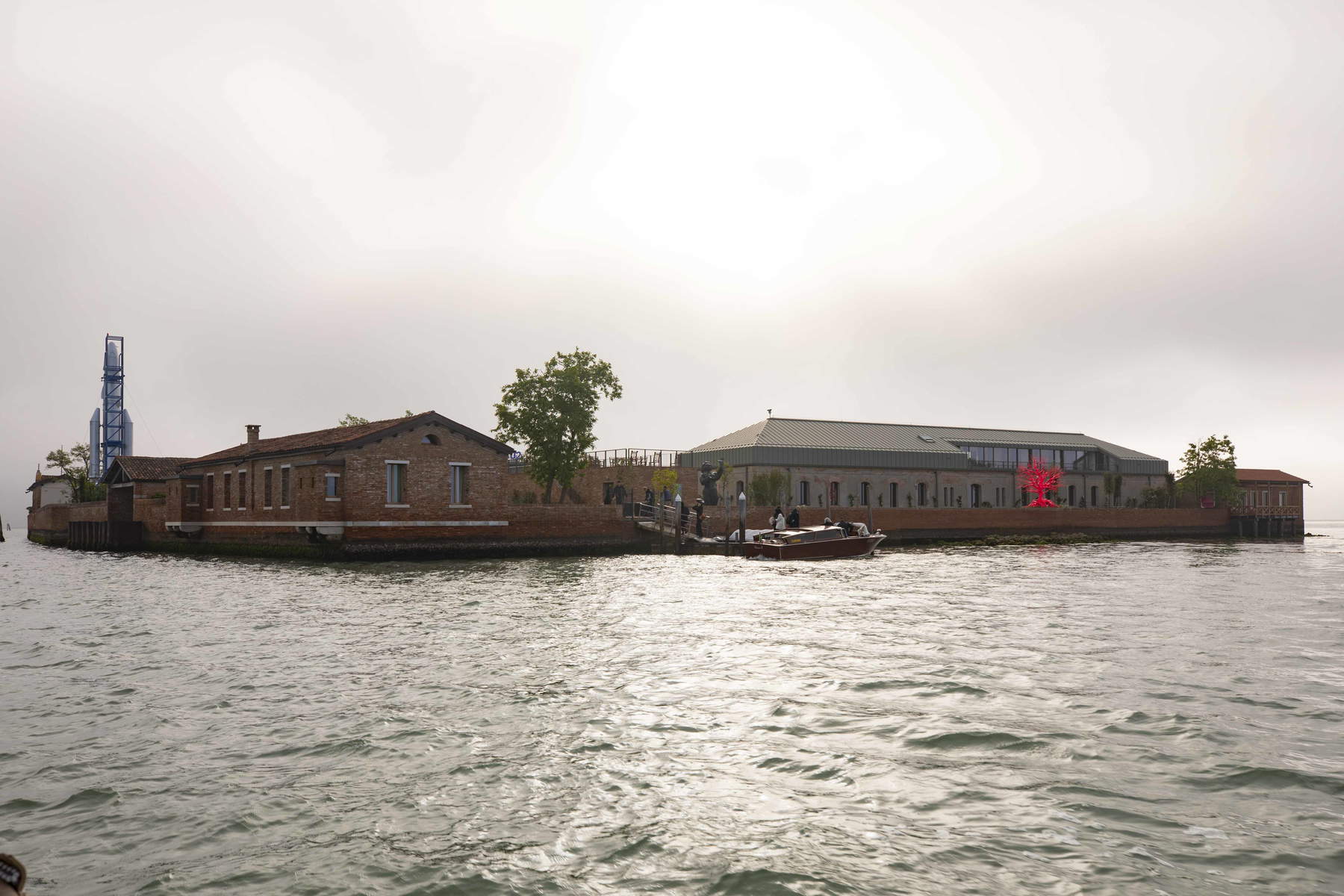
According to the project presented by the foundation, the identity of the new venue is born in close relationship with the lagoon context and the Venetian cultural system, characterized by the presence of the Biennali and the network of public and private institutions active in contemporary art. The stated goal is to create an autonomous program but open to international dialogue, built in relationship with the territory and the cultural dynamics of the city.
The San Giacomo project combines the activities of Fondazione Sandretto Re Rebaudengo with the research of Asja Energy, a benefit company that has been active for 30 years in the field of renewable energy and the reduction of carbon dioxide emissions. The island is presented as a laboratory dedicated to the relationship between art and sustainability, in line with the Ministry of Culture ’s guidelines for reducing environmental impact at historic sites and consistent with the definition of a museum adopted by ICOM in 2022, which identifies the promotion of sustainability and diversity among the functions of museum institutions.
The foundation calls St. James an example of the integration of biomuseology and conservation. The intervention involved both the historic buildings and the open spaces of the island, with an approach aimed at keeping legible the different historical stratifications of the place. The complex has also been designed with universal accessibility criteria: entrance will be free of charge and all paths will also be usable by people with disabilities.
The opening to the public will take place gradually. In a first phase, the island will be open to visitors during exhibition openings, in conjunction with the Venetian Biennials, and through guided tours by reservation dedicated to groups. An agreement has also been made with the City of Venice to provide an on-demand stop on ACTV Line 12 along the Murano-Burano route. A pier intended for waterbus docking is also currently under construction.
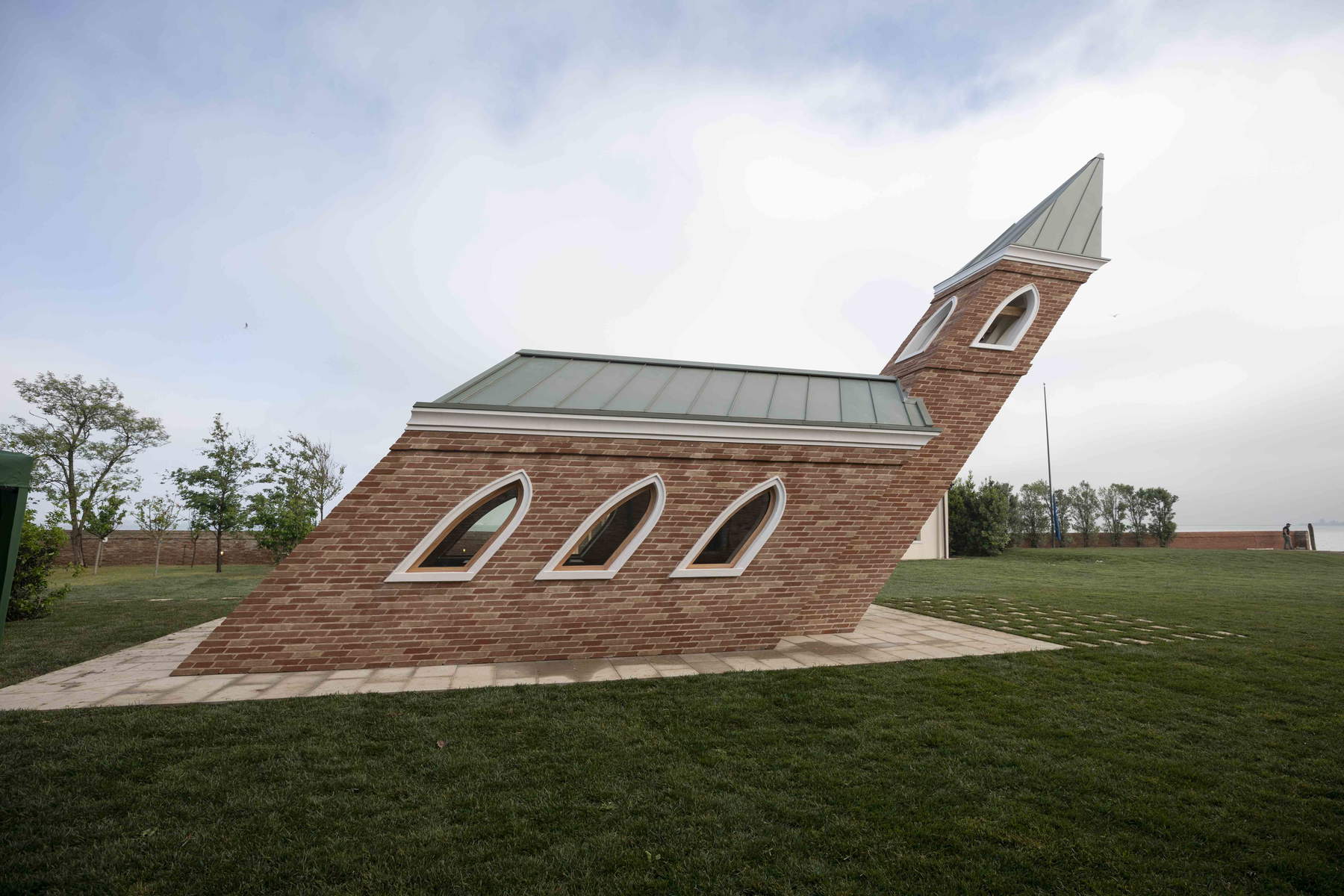
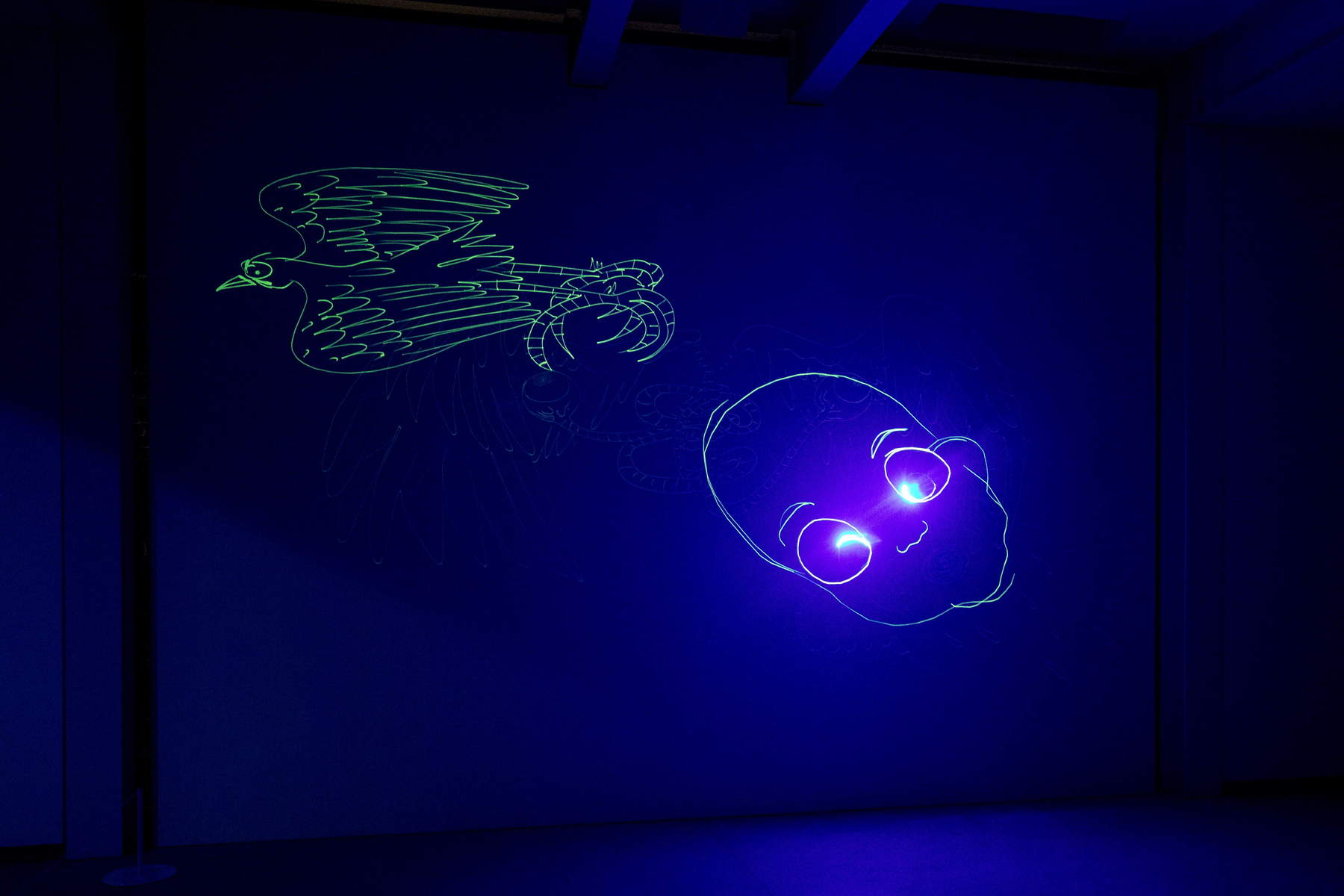
The official opening on May 7, 2026 will be accompanied by an extensive exhibition program. Highlights include Fanfare/Lament, a solo exhibition by British artist Matt Copson curated by Hans Ulrich Obrist and open until Sept. 12. Also open during the same period will be the group exhibition Don’t have hope, be hope!, built through works from the Sandretto Re Rebaudengo Collection.
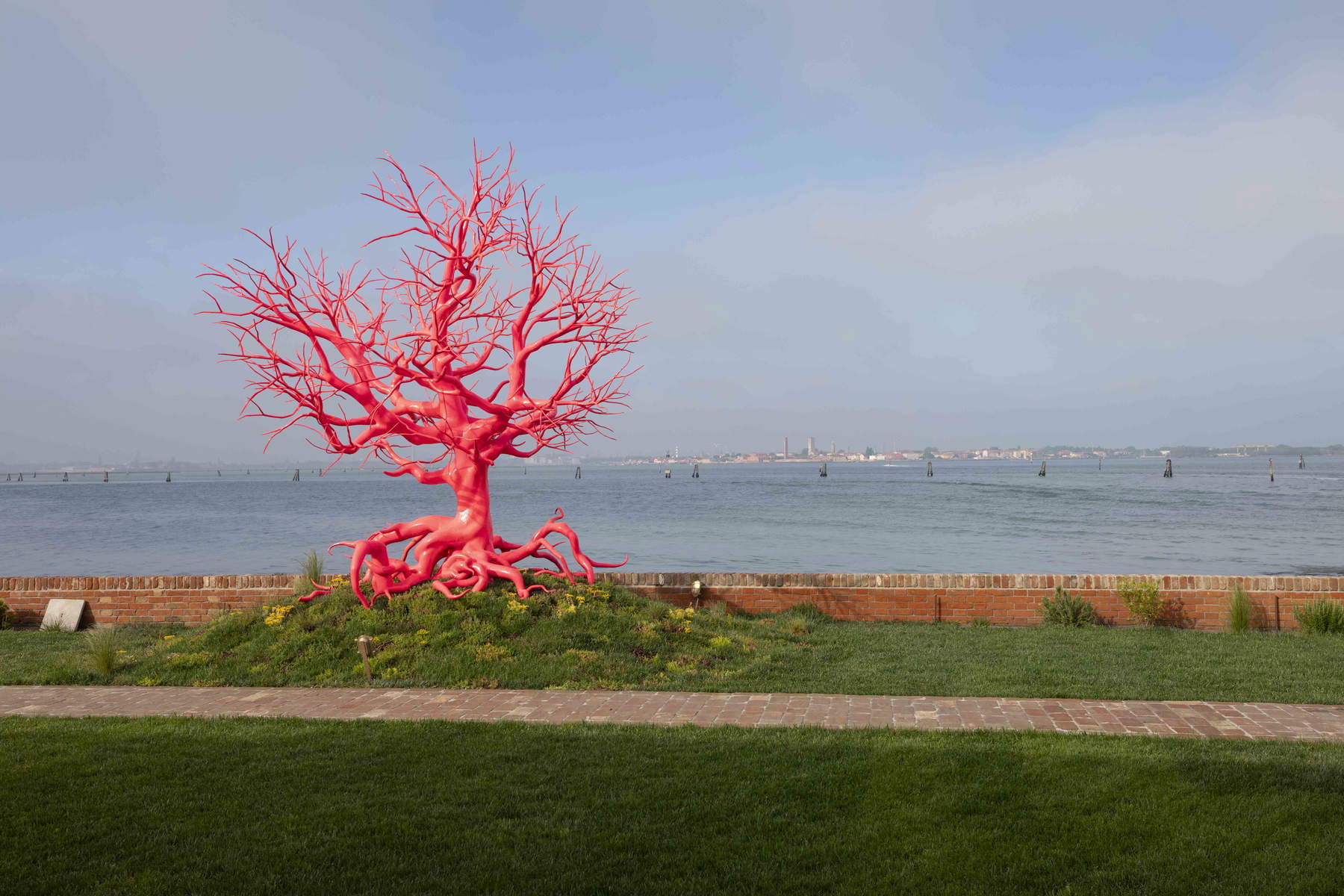
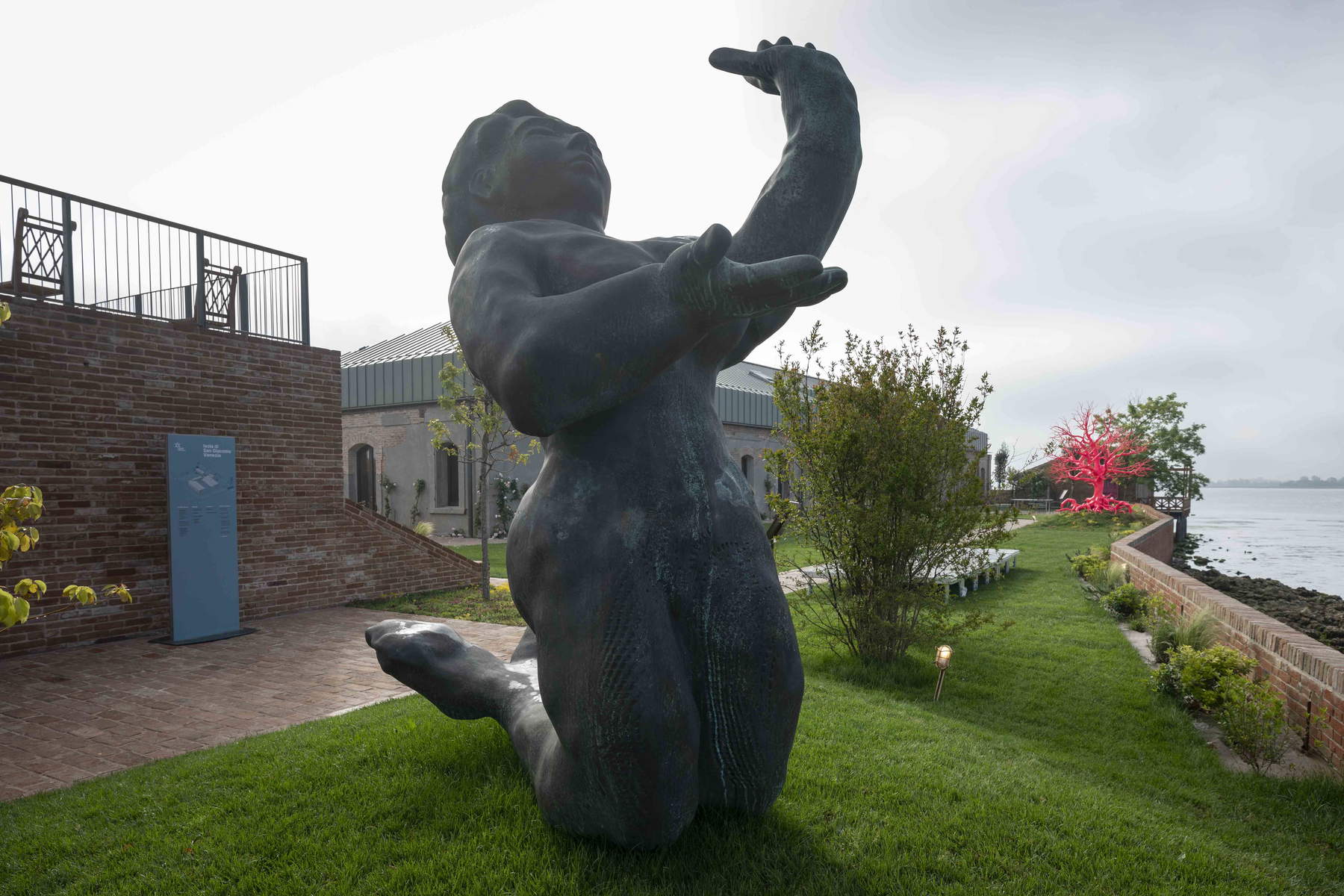
Alongside the contemporary art exhibitions, there will also be a section dedicated to documenting the restoration of the island. Isola di San Giacomo 2022-2026, A Story in Images will in fact present a selection of photographs taken by Giovanna Silva and Antonio Fortugno during the campaigns dedicated to the construction site. The images document the architectural and environmental transformations that have affected the site over the past few years. Instead, the garden will host a series of permanent installations signed by Claire Fontaine, Mario Garcia Torres, Hugh Hayden, Goshka Macuga, Pamela Rosenkranz, and Thomas Schütte. Restored interior spaces and outdoor areas will take visitors through the history of the island and its various uses, also preserved in the naming of the buildings.
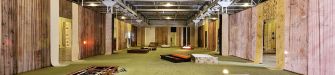
Highlights include the two Napoleonic-era Powder Houses, which have been converted into exhibition spaces. The decision to keep the historical reference in the names reflects the desire to preserve the memory of the transformations the island has undergone over the centuries. According to the foundation’s plan, the conversion of the military structures into places for contemporary art is intended to open a reflection on the relationship between historical memory and the present.
Instead, the guest quarters will be dedicated to residences for artists and researchers, symbolically recovering the tradition of hospitality that had characterized the place since its medieval origins. Part of the island will be occupied by the vineyard, a reminder of the historical presence of vegetable gardens and agricultural crops. Among the landscape elements also appears the nucleus called Grotowski’s Trees, dedicated to the director and theatrical theorist Jerzy Grotowski, who in 1975 had chosen the island as the site for the preparation and staging of the show Apocalypsis cum figuris as part of the Biennale Teatro.
The history of San Giacomo spans nearly a thousand years of lagoon events. Located between Murano and Burano, the island appears in sources as early as the 11th century. In 1046 Doge Orso Partecipazio Badoer granted the land for the construction of a monastery and a hospitale intended to accommodate pilgrims and sailors transiting the Lagoon. From 1238 to 1440 the island hosted a community of Cistercian nuns, who reclaimed the land, organized the water system and developed agricultural activities marked by self-sufficiency. That period represented one of the major phases of development of the complex. After being abandoned by the nuns (around 1440), St. James changed function several times, first hosting a temporary lazaret and later a settlement of minor conventual friars.
However, the most radical transformation occurred after 1797, with the arrival of Napoleon in Venice and the beginning of French rule, which was followed in the next century by Austrian rule. The monastery was demolished and the island converted into a military garrison. The religious structures gave way to weapons depots, defensive buildings and powder magazines that remained in use even under the Italian army. After 1961, with the cessation of military activities, St. James entered a long phase of abandonment. Buildings were gradually encroached upon by vegetation, many roofs collapsed, and garbage and waste materials accumulated on the island. At the same time, the site suffered erosion phenomena that contributed to the deterioration of the area.
In recent years the island has been the subject of excavation and research campaigns that have unearthed medieval artifacts and structures, providing new data on monastic life and the architectural evolution of the complex. The intervention promoted by Fondazione Sandretto Re Rebaudengo is therefore part of a context that combines historical recovery, environmental protection and new cultural destination, with the intention of returning to public use a space that has long remained excluded from the life of the Venetian Lagoon.
 |
| Venice, the island of San Giacomo becomes the new home of the Sandretto Foundation |

Warning: the translation into English of the original Italian article was created using automatic tools. We undertake to review all articles, but we do not guarantee the total absence of inaccuracies in the translation due to the program. You can find the original by clicking on the ITA button. If you find any mistake,please contact us.


















 IT
IT FR
FR DE
DE ES
ES CN
CN