





A result far beyond expectations marked the sale of the... Beheaded Magdalene by Artemisia Gentileschi (Rome, 1593 - Naples, post 1654). This fragmentary painting, which is missing its head(we had discussed it in a dedicated article), fetched an impressive 837,500 euros at the auction of old paintings organized by Dorotheum in Vienna on the evening of Tuesday, April 28, 2026, at the end of a tight competition among participants. The final price far exceeded the initial estimate, which was 100-150,000 euros, even eliciting applause from the audience in the room. The work, which was already the focus of international attention in the weeks leading up to the sale, is distinguished by a feature that is as singular as it is dramatic: the central portion of the canvas, corresponding to the head and shoulders of the figure, has been removed, a circumstance that has transformed the painting into a fragment laden with suggestion.
The damage is traced back to the period after World War II, when numerous works suffered loss and mutilation due to the chaotic conditions of the time. This element, while compromising the original integrity, now helps to define the enigmatic character of the painting, suspended between historical testimony and contemporary reading. And this is evidently why it was paid so much.
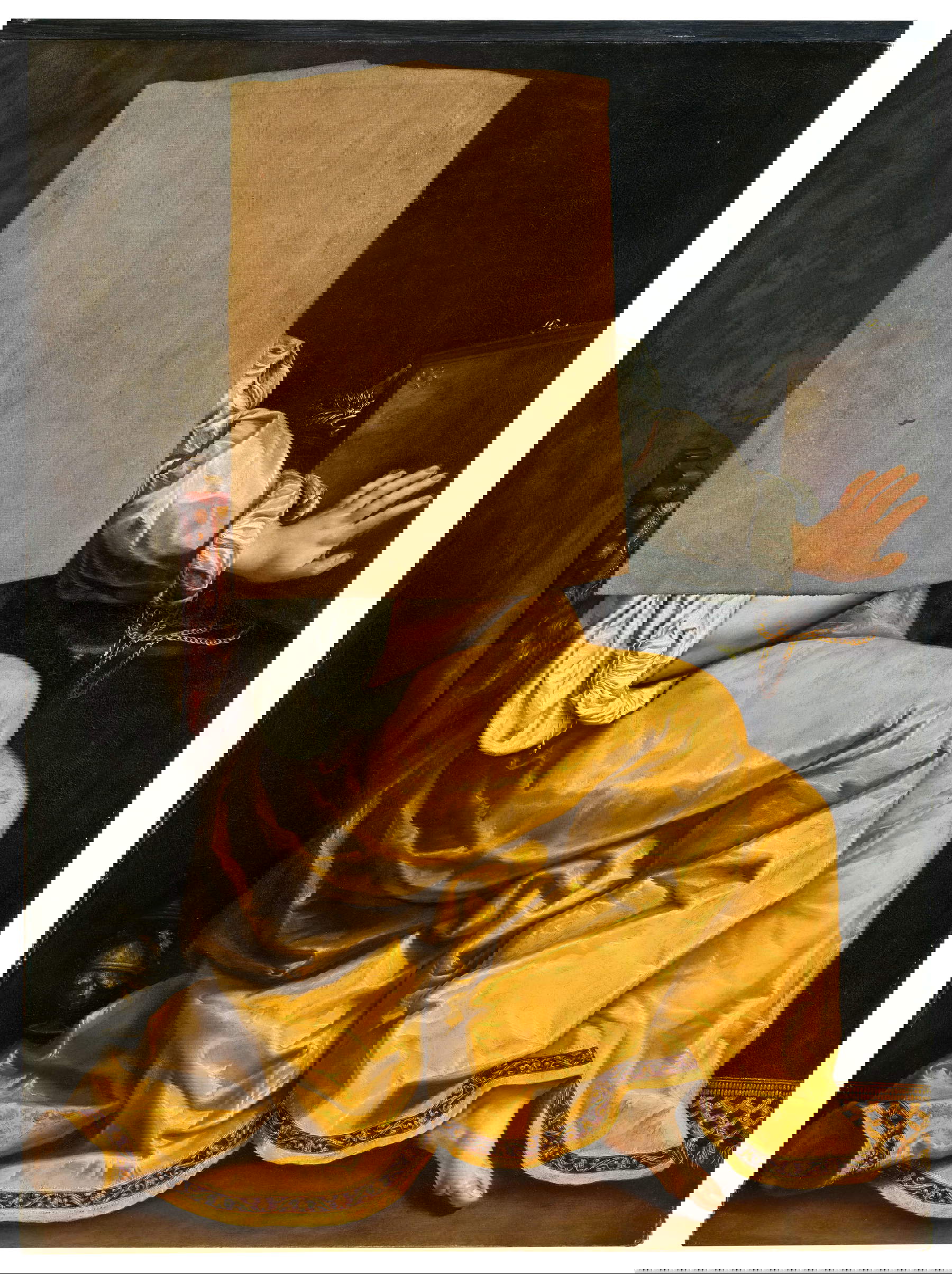
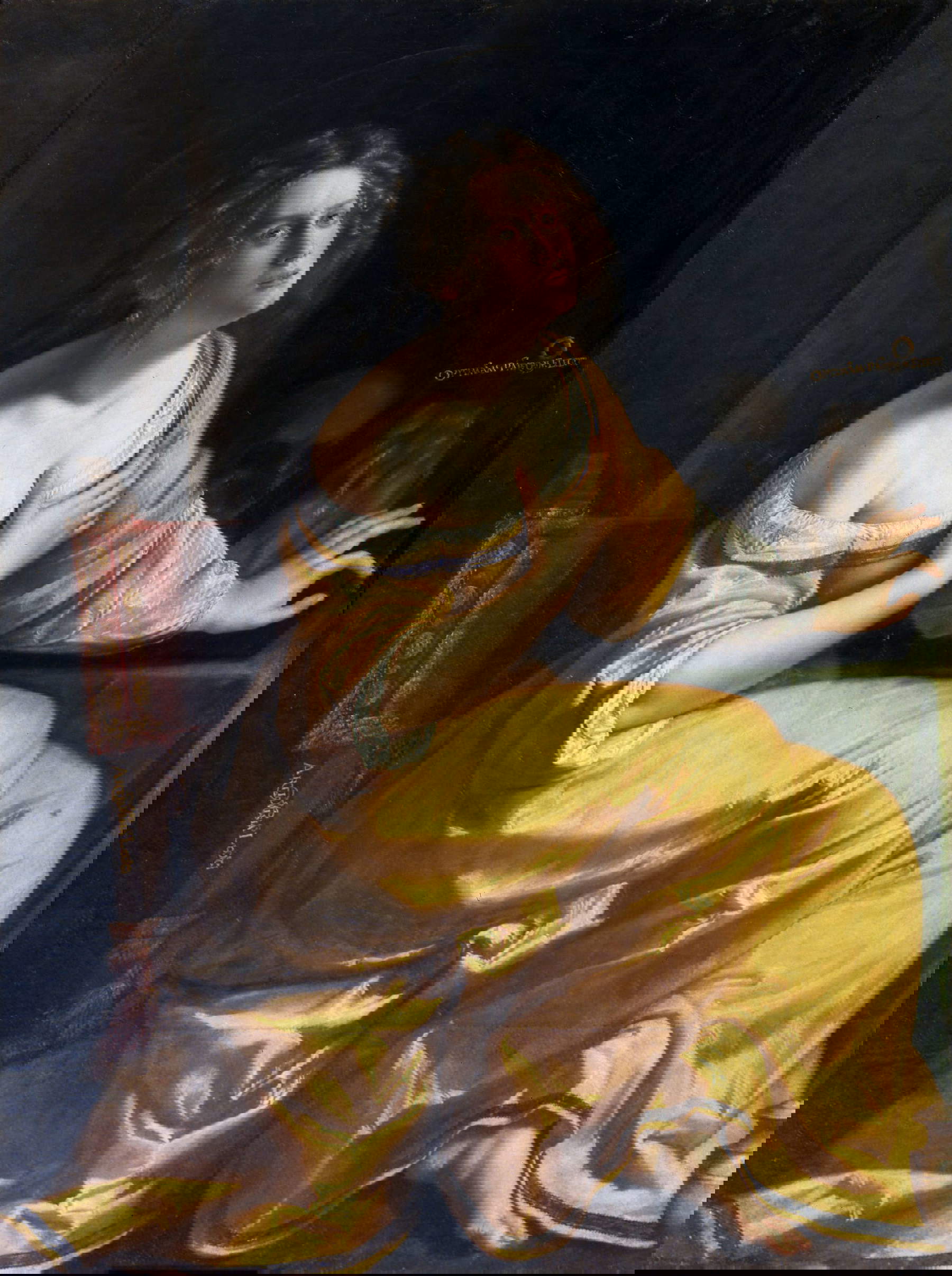
Made between 1615 and 1618, during the artist’s Florentine sojourn, Magdalene is part of a particularly innovative phase of Artemisia Gentileschi’s production, in which she developed some of her most intense interpretations of female devotional subjects. The work has close affinities with the famous Magdalene preserved in the Pitti Palace, to which it is believed to predate it. Artemisia Gentileschi’s painting is distinguished by her ability to restore a deep psychological dimension to the figures depicted. Her protagonists, often drawn from biblical or mythological contexts, emerge with expressive force and inner awareness, elements that helped redefine the role of the female figure in Baroque painting.
The result obtained at the auction confirms the growing attention of the international market to the artist’s works, whose value has gradually increased in recent years. Despite its fragmentary state, the Magdalene has been able to attract collectors and scholars, demonstrating how historical and symbolic value can prevail over material completeness.
According to Mark MacDonnell, the auction house’s specialist in ancient paintings, the work’s fascination lies precisely in the tension between the original power of the image and the loss it has suffered over time. “The paradox between the power of the image itself and the dramatic story of loss that this enigmatic Mary Magdalene embodies elicits an immediate reaction,” he said. “It is almost as if the damage suffered by the painting has transformed this very important ancient work into a contemporary work of art. It can be interpreted as survival against all odds and resonates with the artist’s extraordinary life story.”
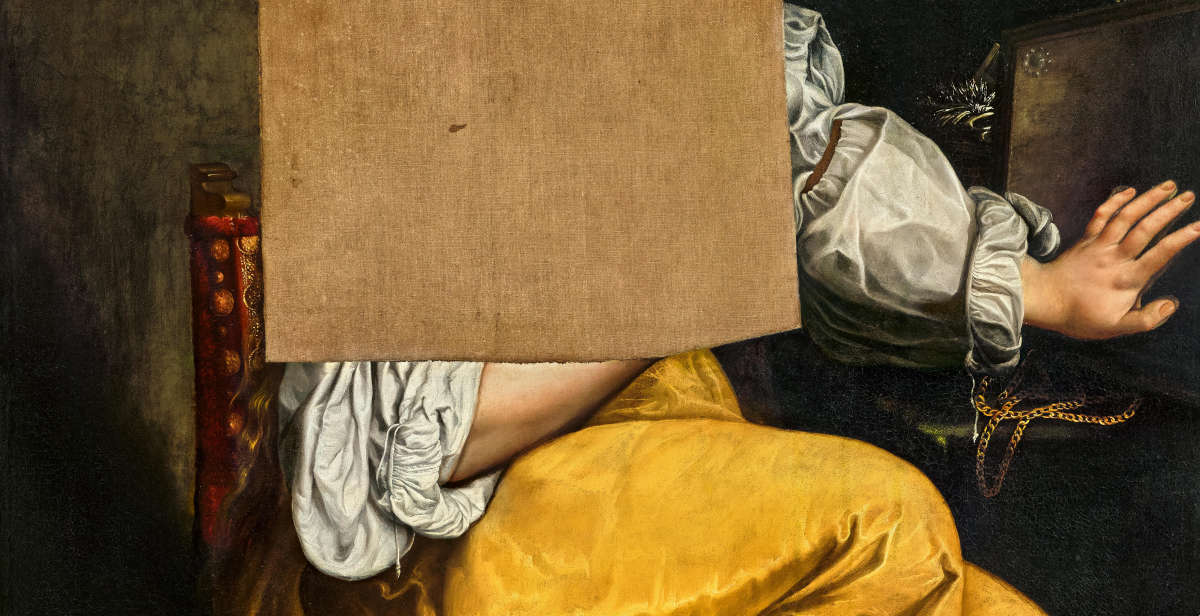 |
| Artemisia Gentileschi, the decapitated Magdalene sold for 837,500 euros |

Warning: the translation into English of the original Italian article was created using automatic tools. We undertake to review all articles, but we do not guarantee the total absence of inaccuracies in the translation due to the program. You can find the original by clicking on the ITA button. If you find any mistake,please contact us.






















 IT
IT FR
FR DE
DE ES
ES CN
CN


