




by Redazione 02/03/2026



Categories: Ancient art / Disclaimer
The year 2026 marks eight hundred years since the death of St. Francis. To celebrate the anniversary, Preserving Assisi was born, a project of integral digitization of the Basilica promoted by the Sacred Convent with Haltadefinizione, between preservation, research and technological innovation.


The year 2026 marks eight hundred years since the death of St. Francis (Assisi, 1181 - 1226), and Assisi is preparing to celebrate the anniversary with a project that looks to the future of cultural heritage protection: in fact, the Basilica of St. Francis of Assisi is becoming the protagonist of a vast integral digitization intervention designed to preserve, study and make accessible one of humanity’s most important monumental complexes. The project is called Preserving Assisi and is currently underway, with the goal of completion in October 2026, coinciding with the eighth centennial celebrations.

The initiative is the result of a collaboration between the General Custody of the Sacred Convent of St. Francis of the Friars Minor Conventual and Haltadefinizione, a tech company of Gruppo Panini Cultura, through a joint venture established by public deed. The project enjoys the patronage of the National Committee for the Celebrations of St. Francis and the Region of Umbria, and has the collaboration of the University of Florence. It is an alliance that brings together scientific, institutional and technological expertise, with the ambition of building a complete and structured digital documentation of the entire basilica complex.


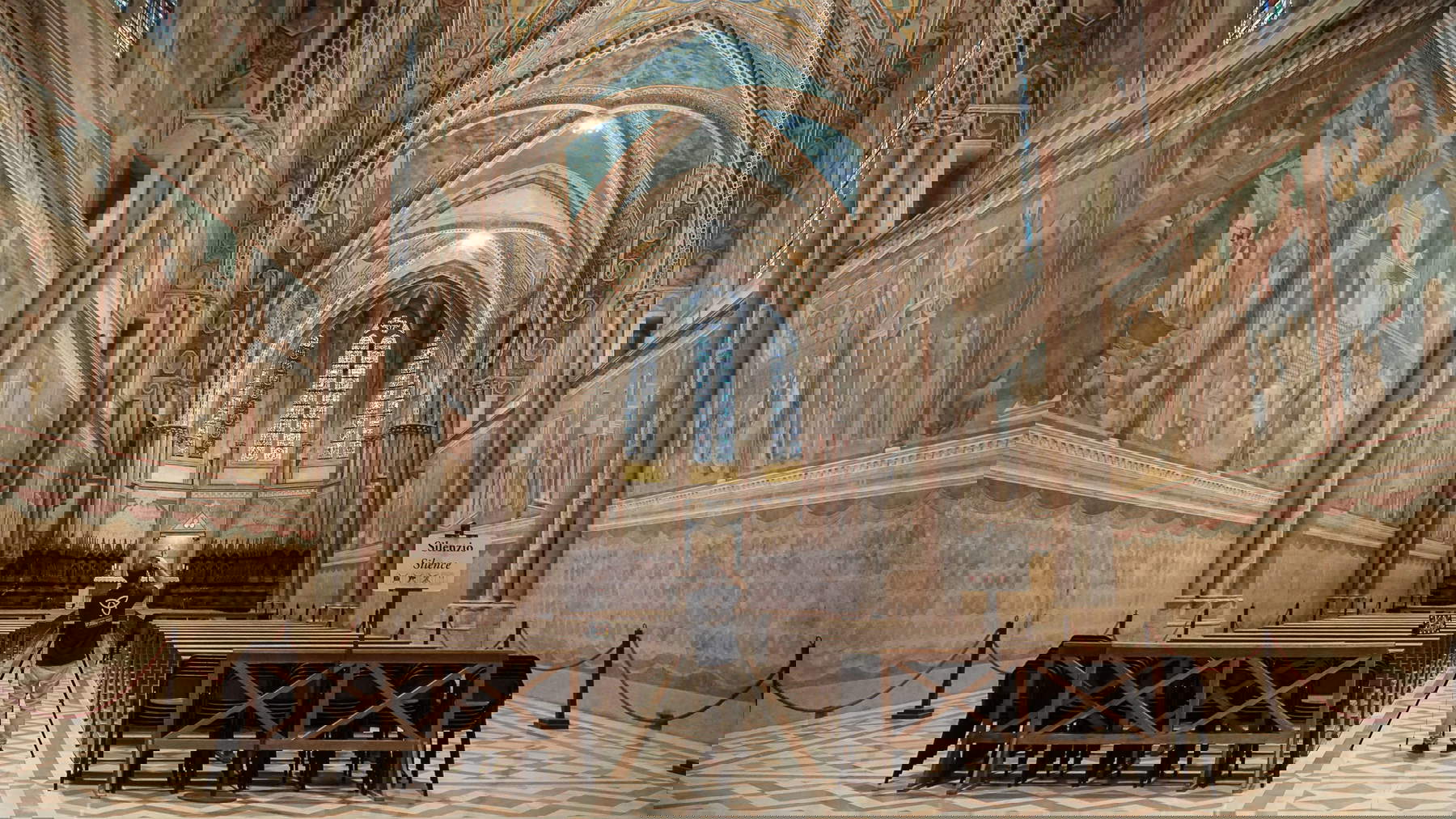
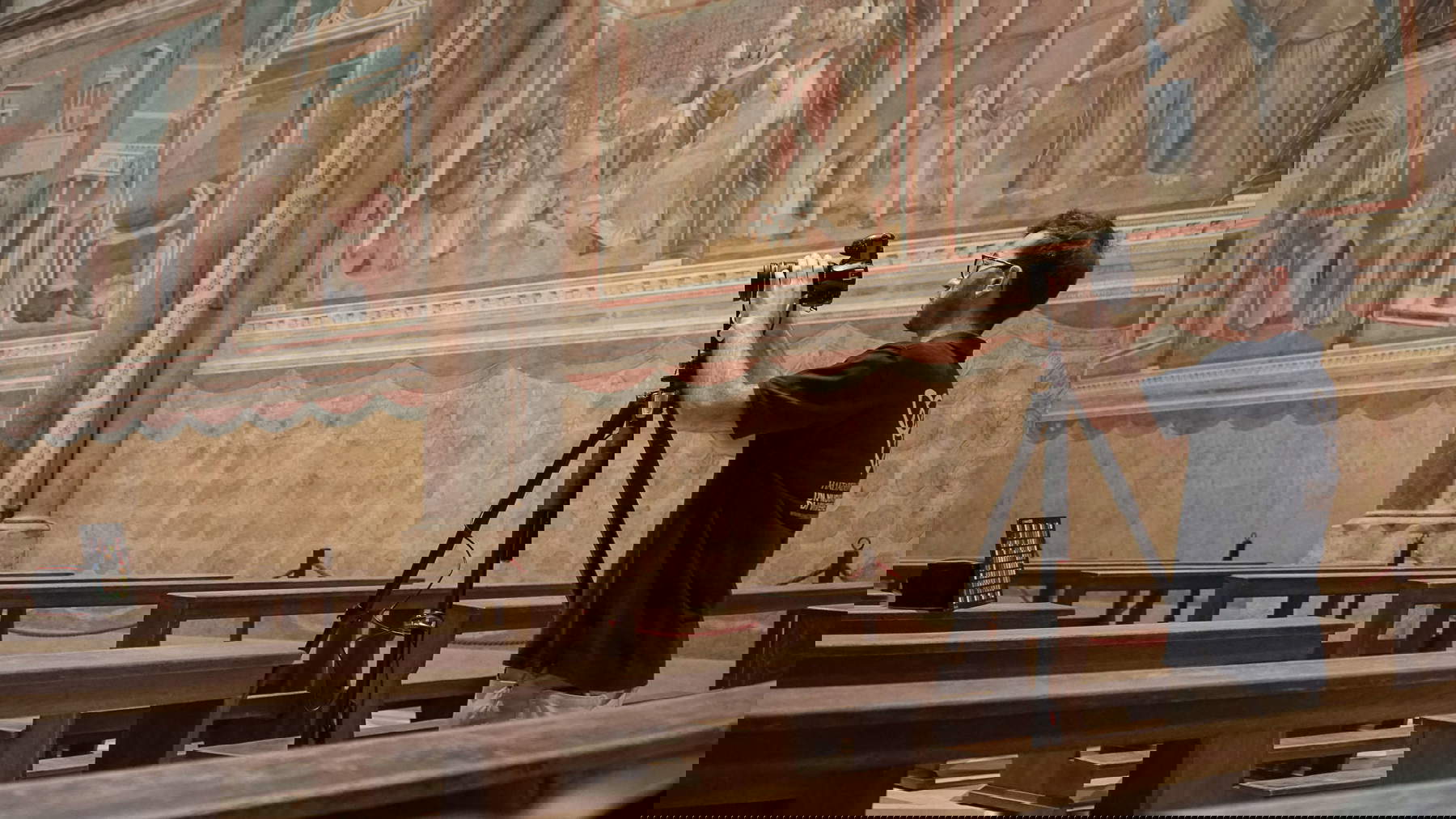
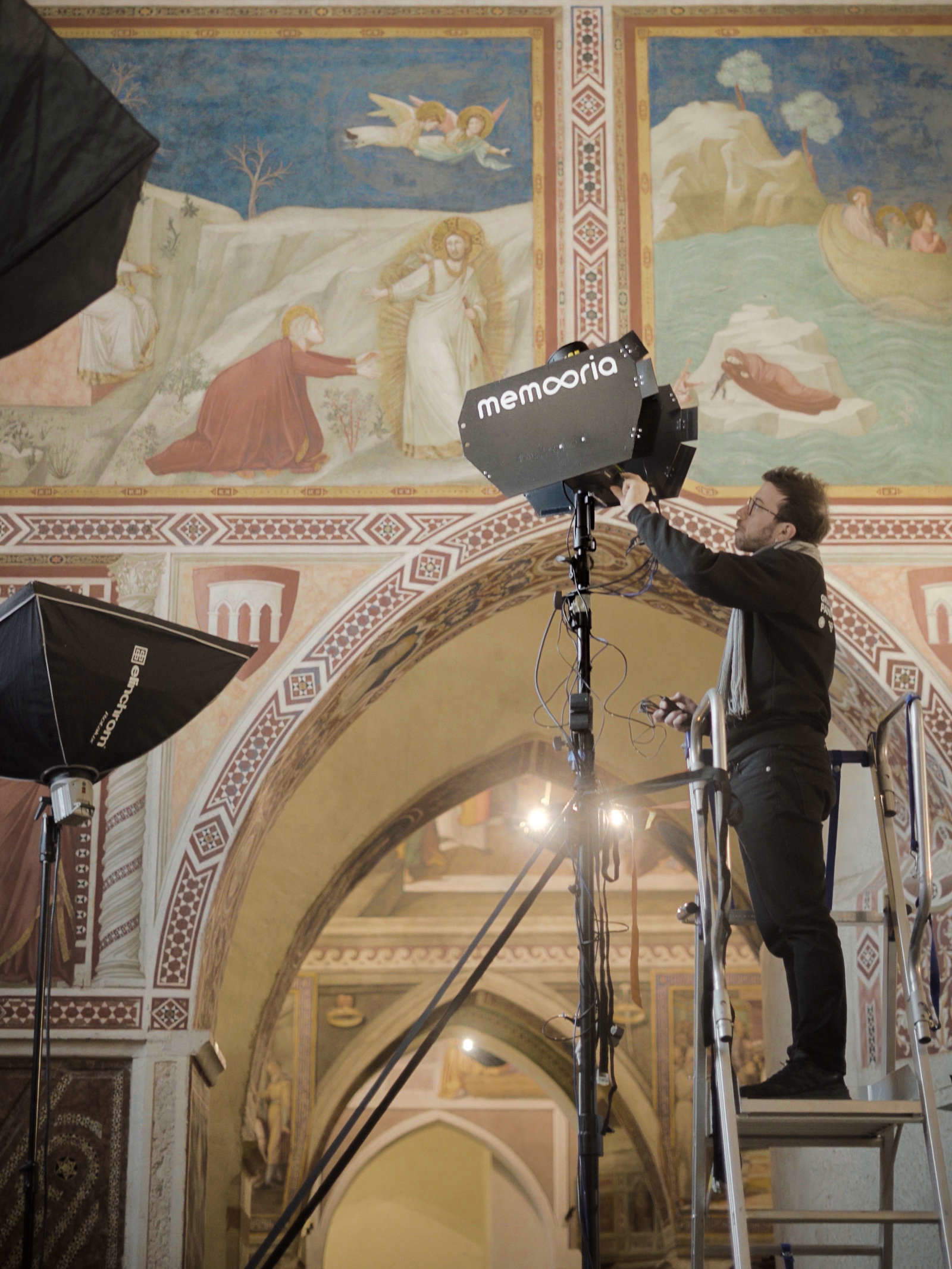
Launched in 2025, Preserving Assisi was conceived as a journey articulated in successive phases. The first digitization activities have already been completed and have returned concrete results, including a 360 viewer dedicated to the upper church of the Basilica. This is a first anticipation of the breadth and complexity of the overall intervention, which will continue with new acquisitions during the year. The goal is to systematically and accurately document both the interior and exterior spaces of the Basilica, including the architectural decorations and pictorial cycles that make it unique in the history of medieval art.

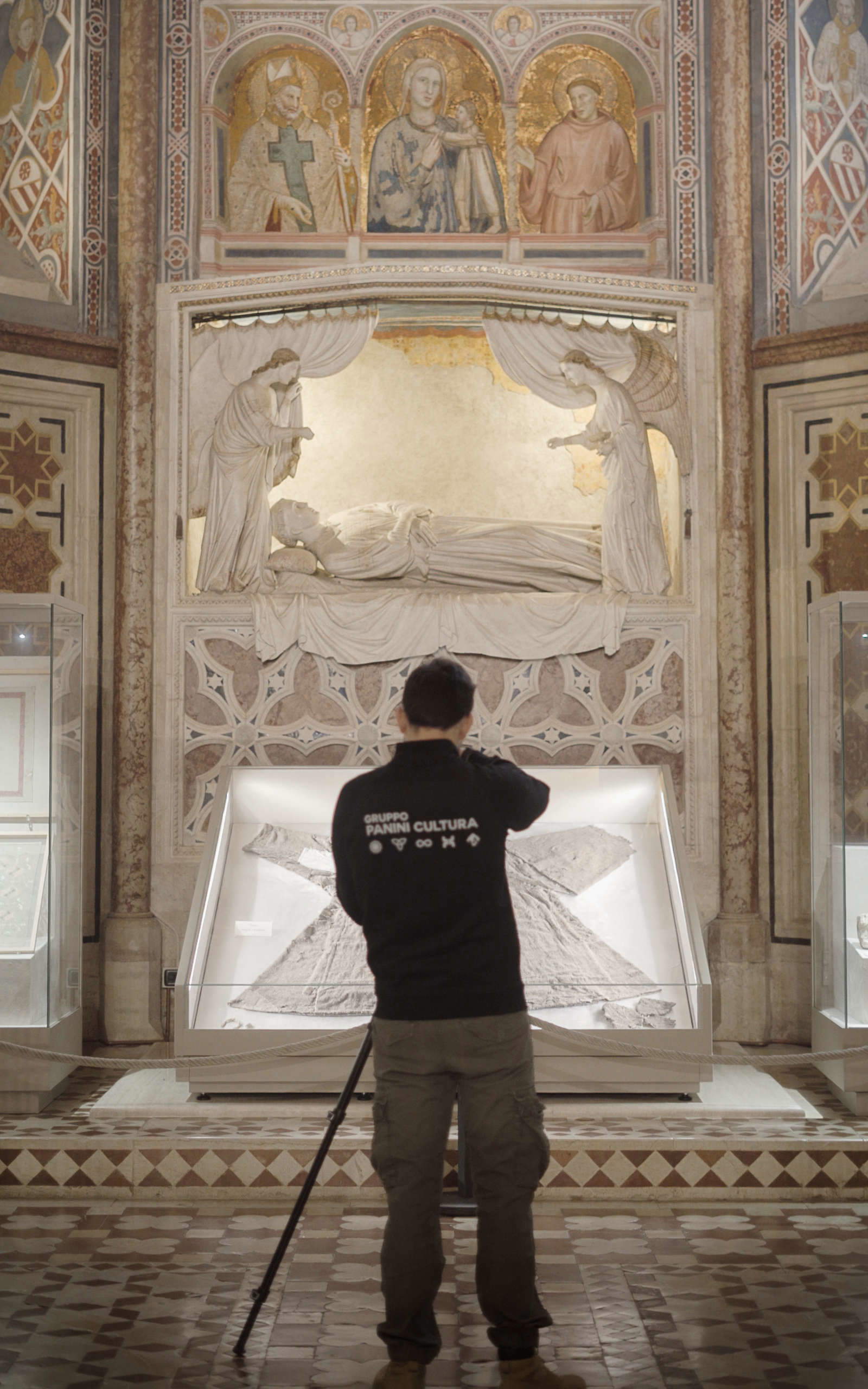
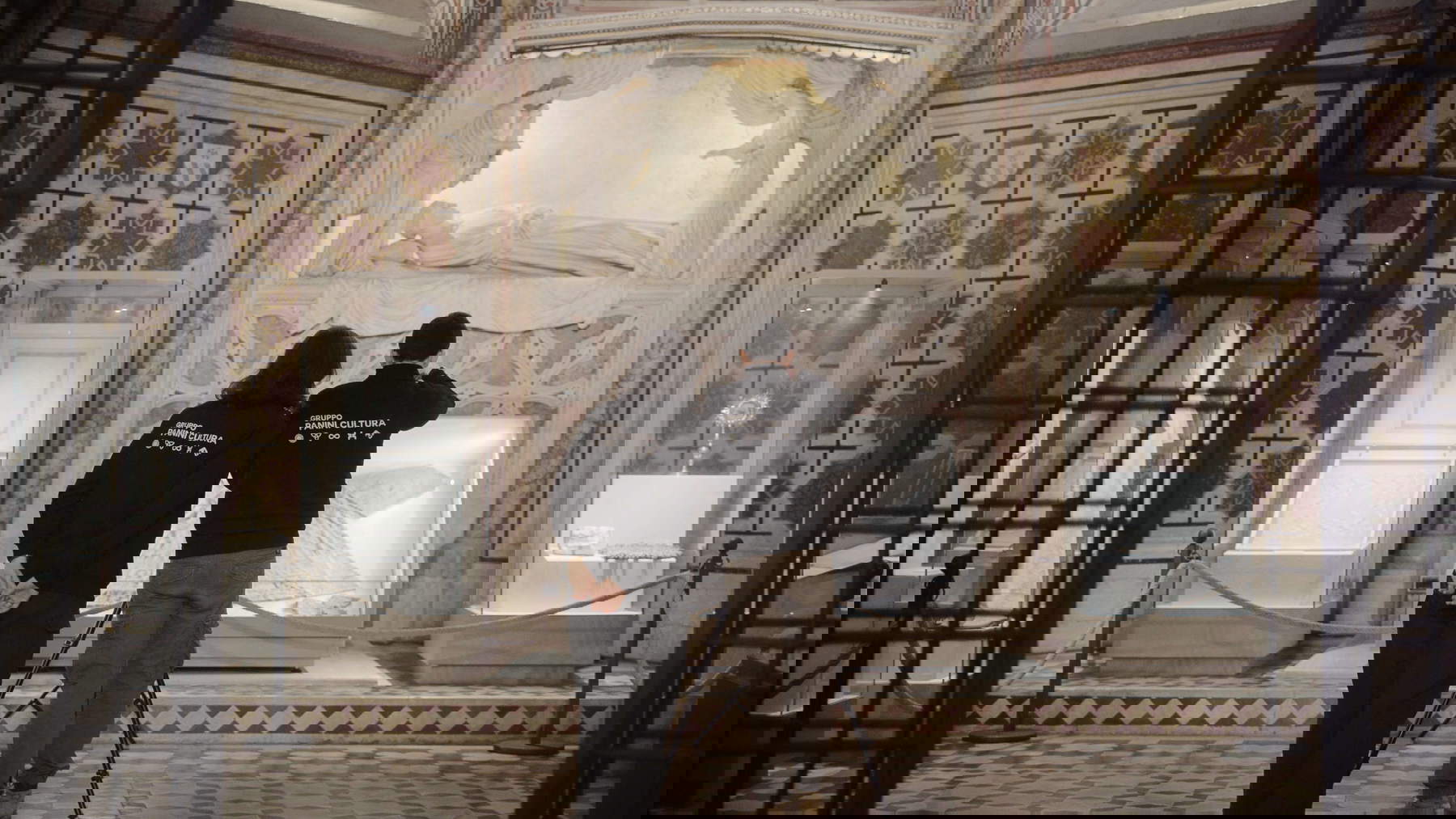
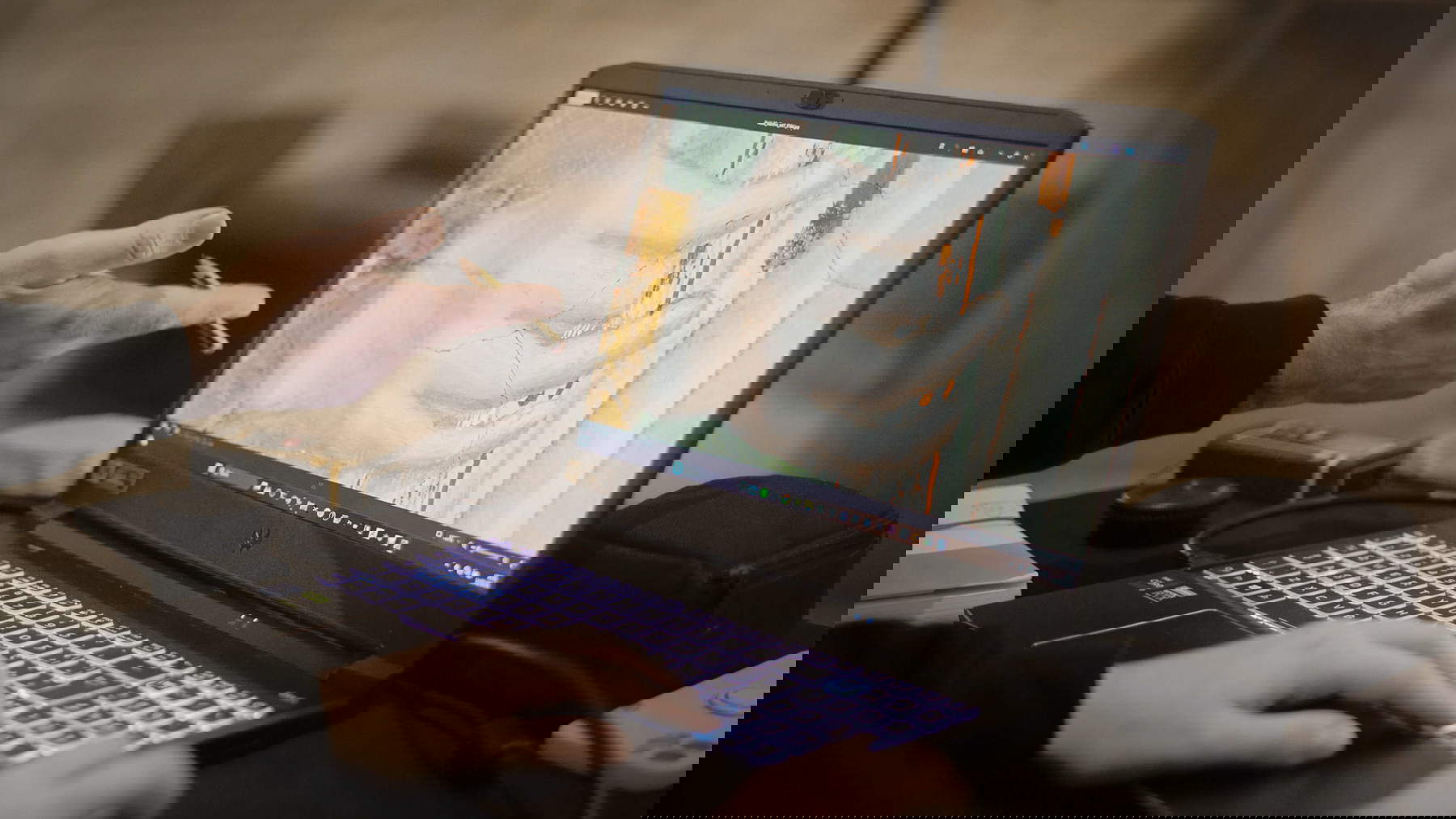
Central to the operation is the integrated use of advanced digital technologies. Ultra-high definition images and three-dimensional reconstructions will make it possible to record every detail of the monumental complex with an unprecedented level of accuracy. This mass of data is designed not only as a static archive, but as a dynamic tool for preservation, study and enhancement. In fact, the possibility of virtually exploring the environments and pictorial surfaces will make it possible to expand the opportunities for scientific research and, at the same time, to foster international enjoyment through digital tools developed for dissemination.
Particular attention is devoted to the pictorial cycles of Giotto and the masters of the 13th century, which constitute one of the most relevant artistic nuclei of the entire complex. Digitization will make it possible to closely analyze the surfaces, monitor their state of preservation, and offer scholars and the public a detailed view that would otherwise be difficult to access. In this sense, Preserving Assisi takes the form of an intervention that interweaves protection and knowledge, reaffirming the principle that heritage preservation passes through rigorous and up-to-date documentation.
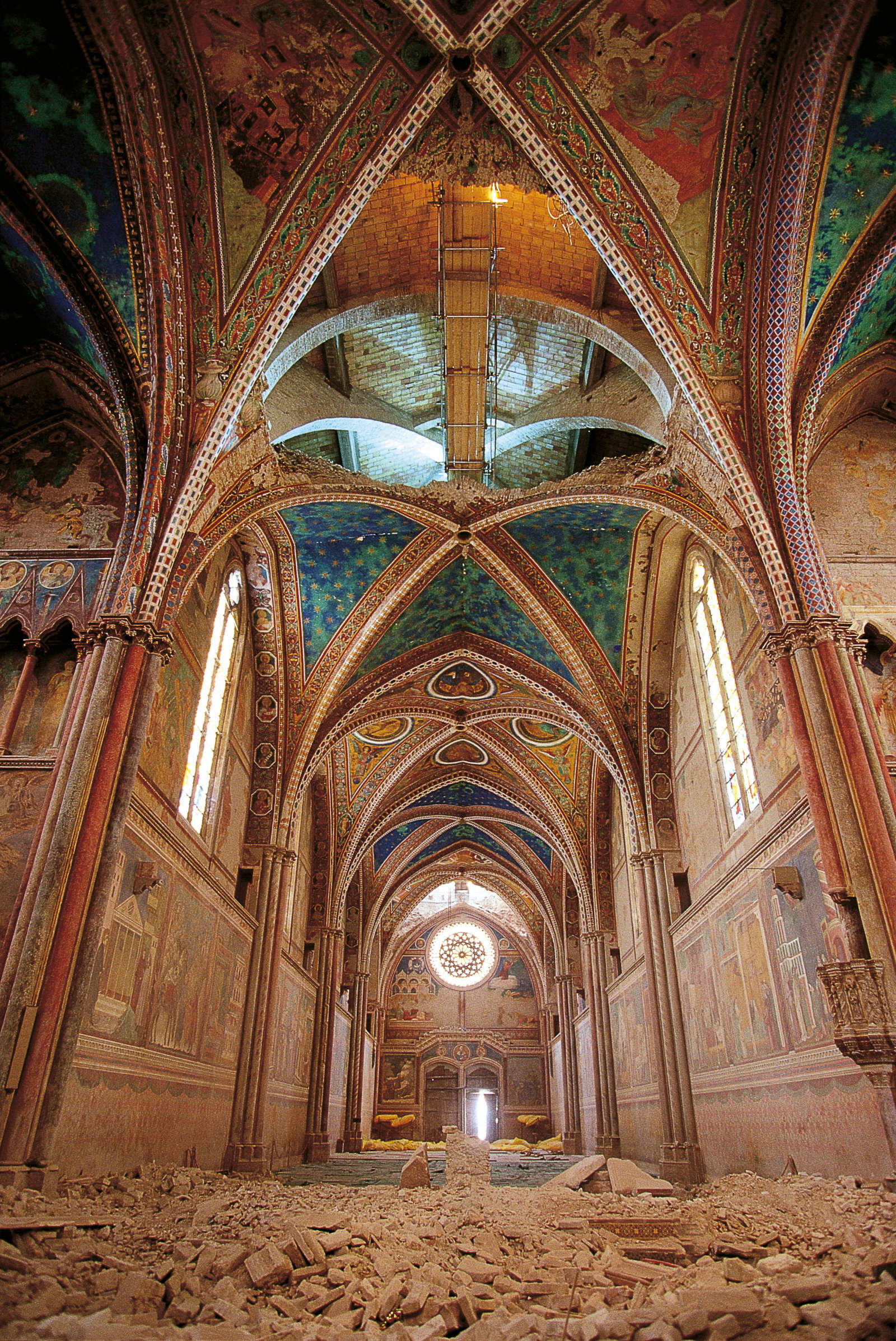
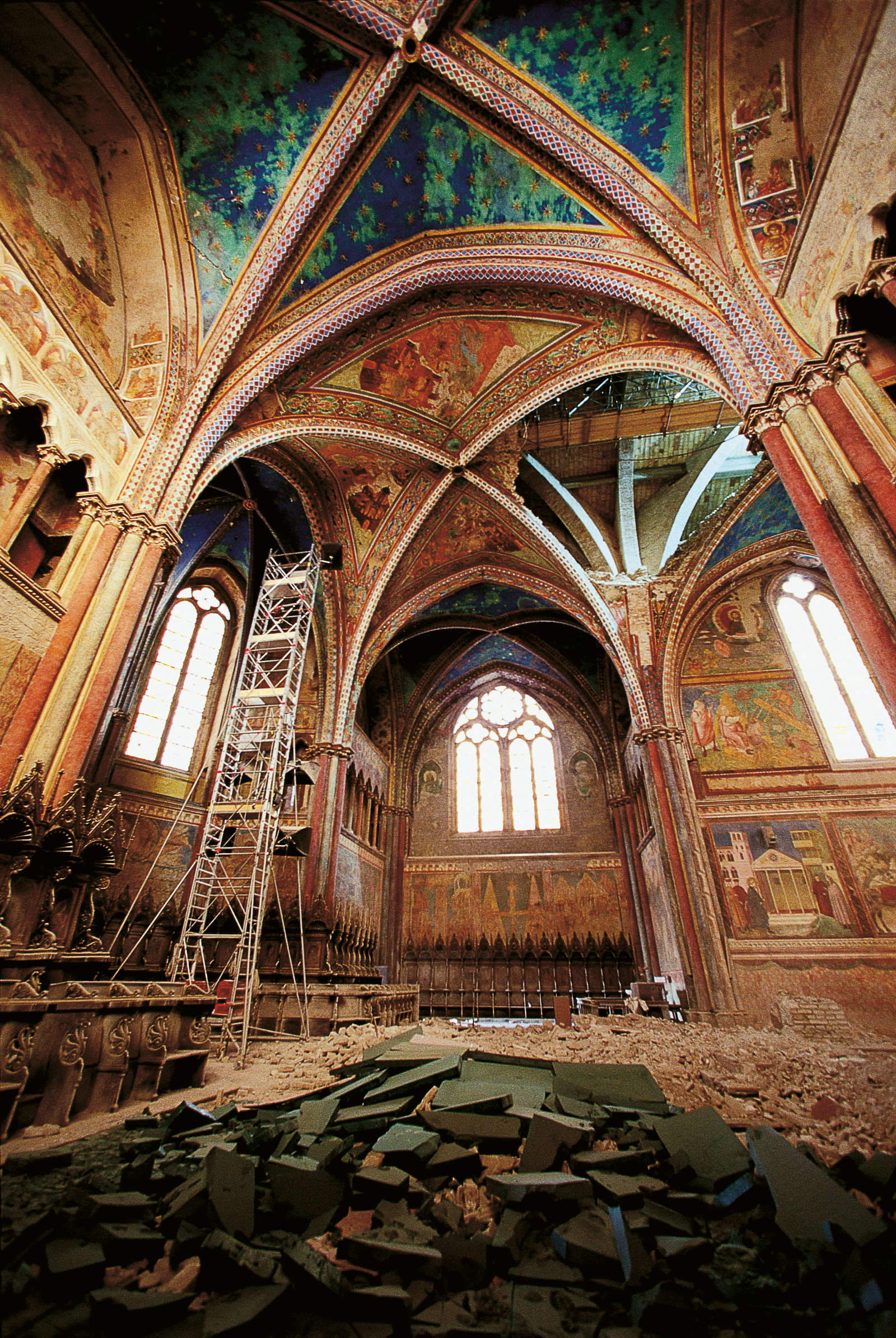
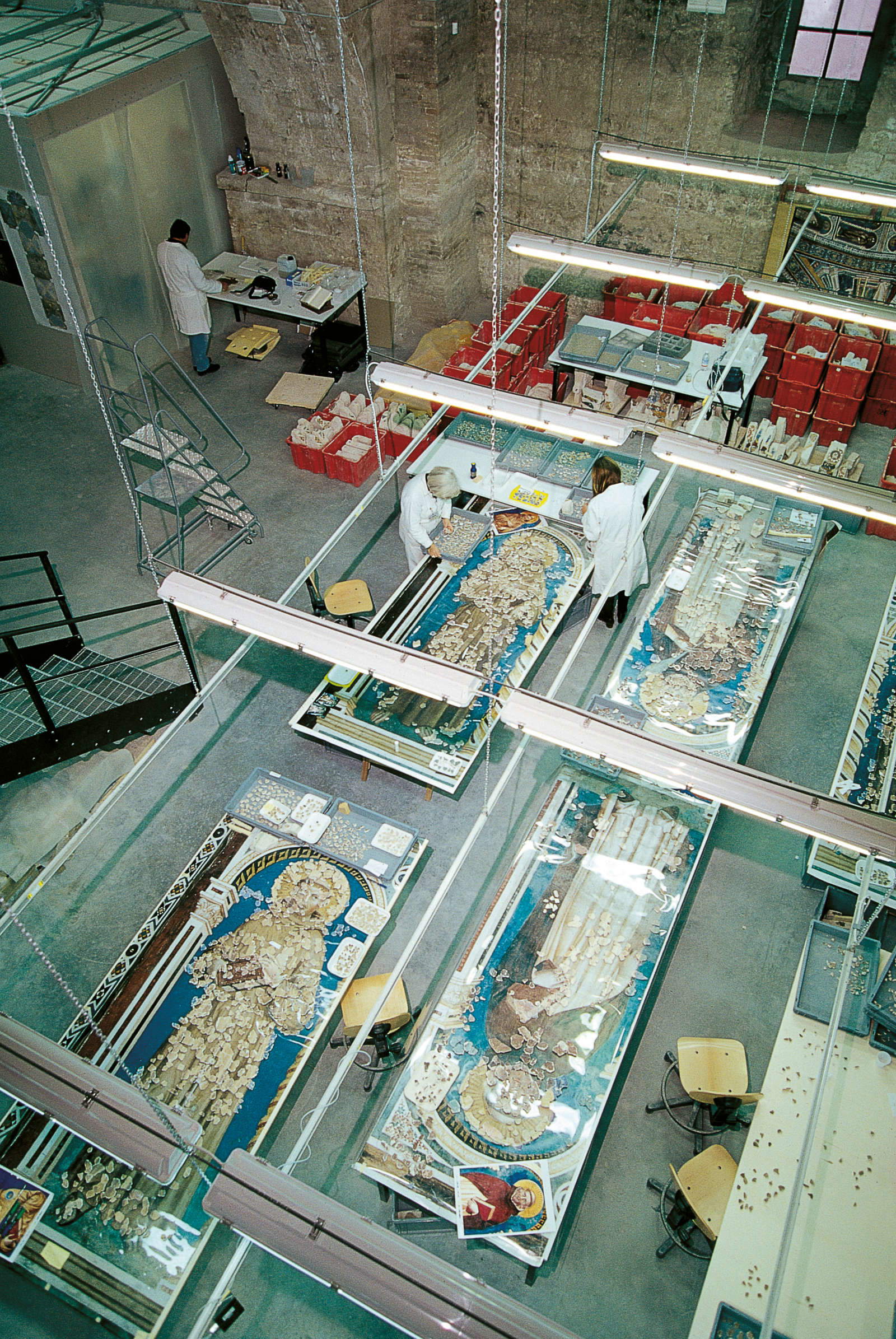
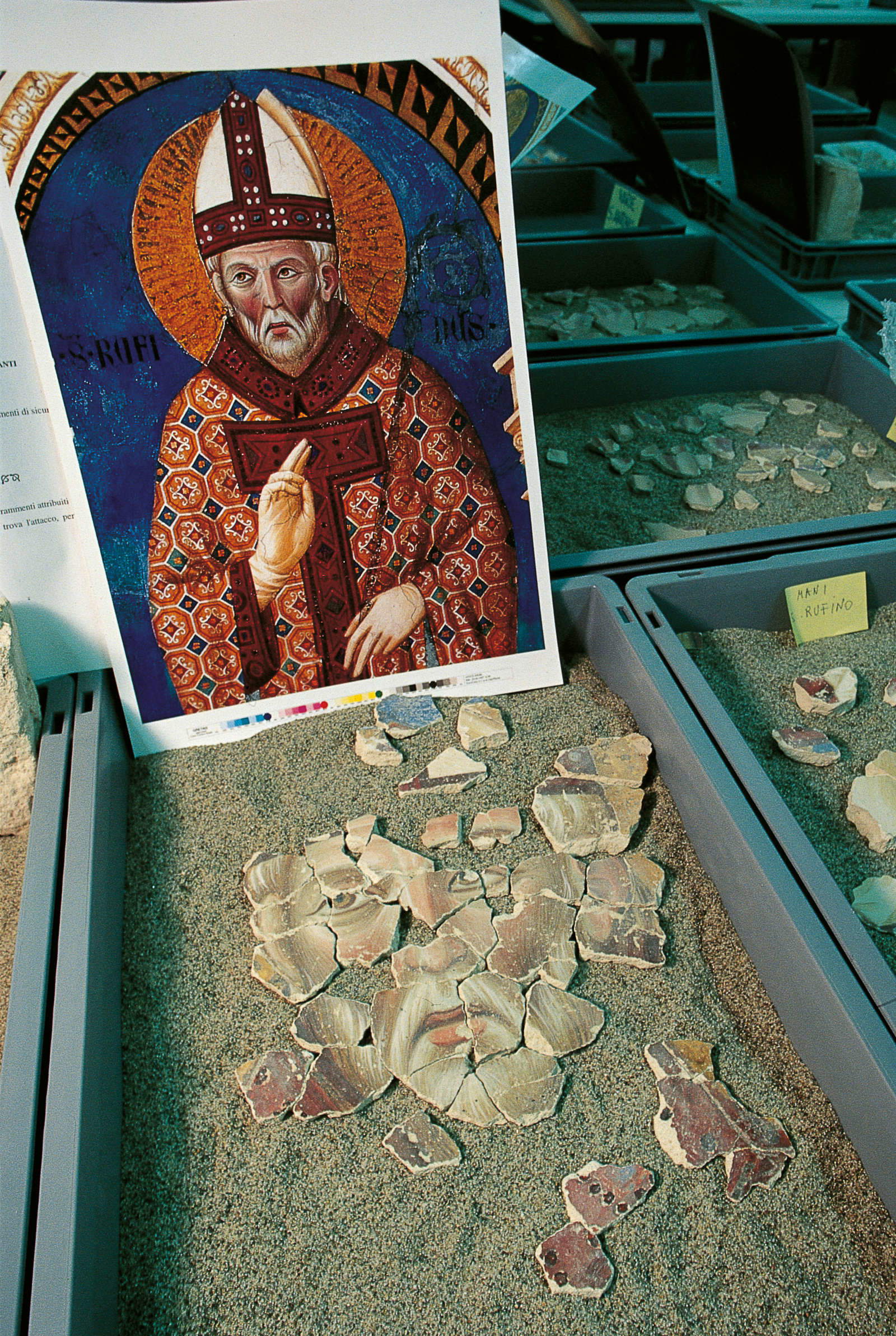
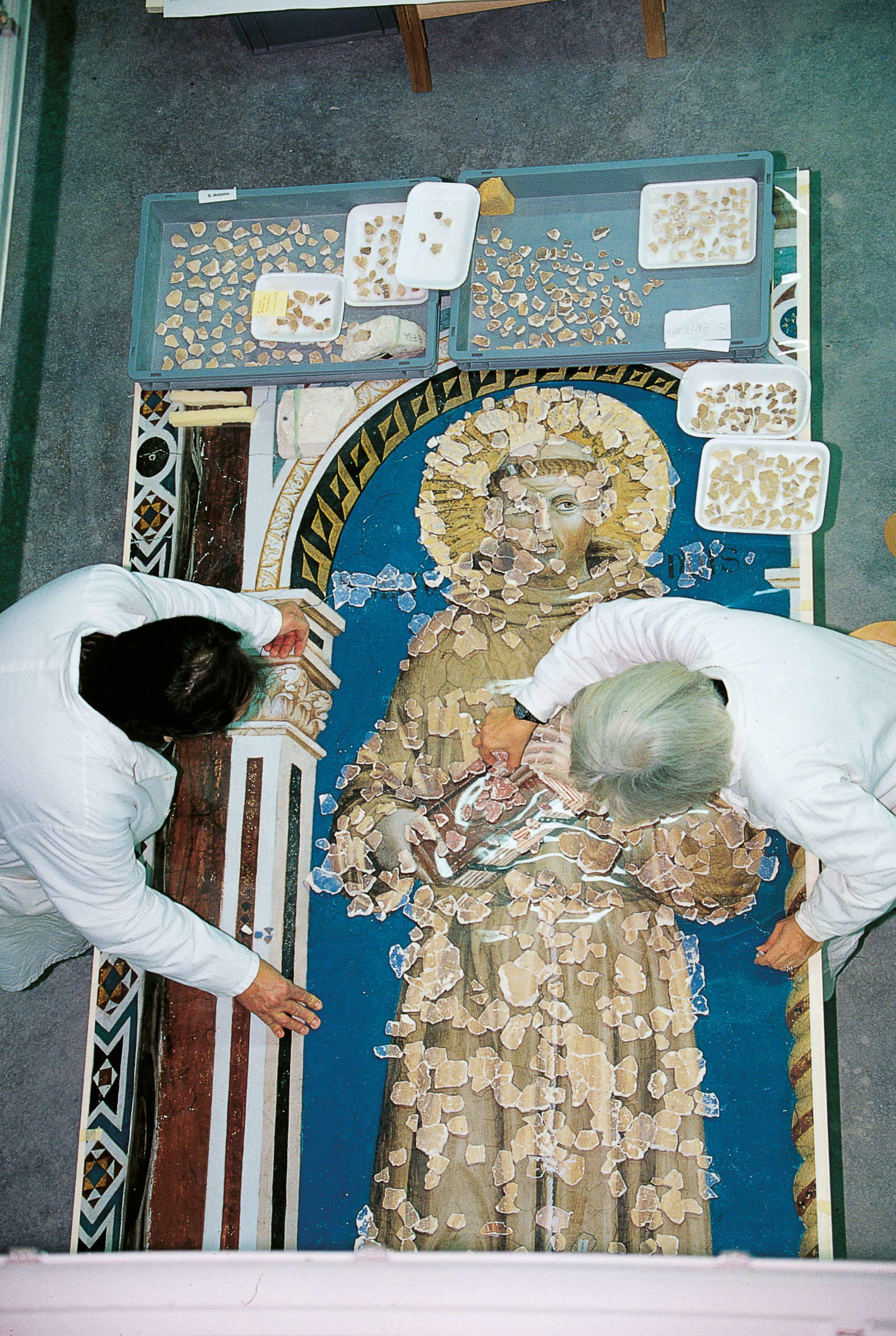
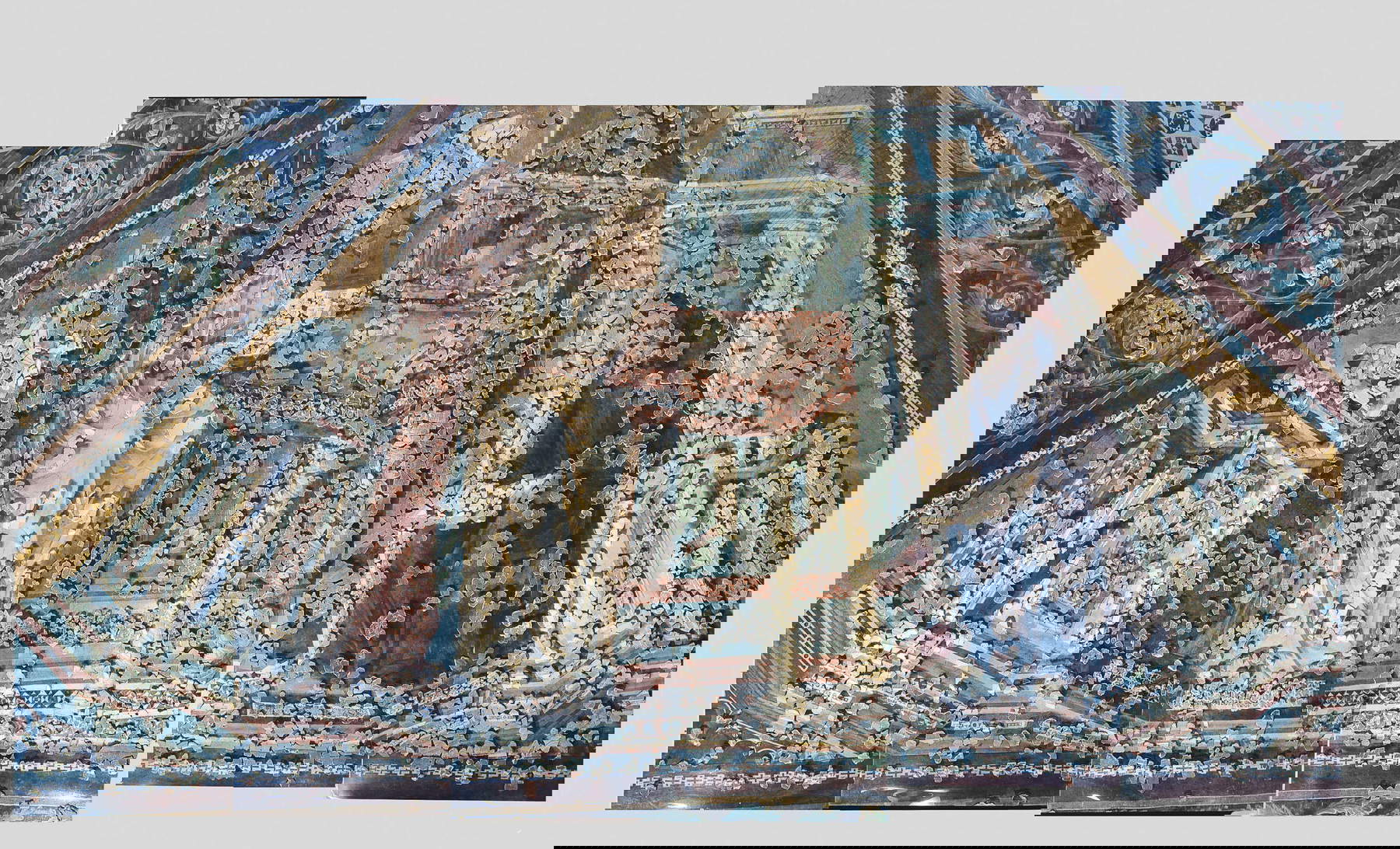
The decision to invest in full digitization is part of a precise historical trajectory. After the 1997 earthquake, which hit the Basilica hard and highlighted its vulnerability, the awareness that the preservation of the complex should become a collective responsibility emerged strongly. On that occasion, the photographic documentation produced by Franco Cosimo Panini Editore, now part of Gruppo Panini Cultura, for the Mirabilia Italiae series, proved instrumental in enabling scientifically grounded restoration efforts. Those high quality images offered an indispensable cognitive basis to understand the state of the works before the earthquake and to plan interventions that were coherent and respectful of their integrity.
Preserving Assisi stands in ideal continuity with that experience, translating into the language of digital the commitment already demonstrated in the past. If back then editorial photography represented a decisive tool for preservation, today ultra-high definition acquisition technologies and three-dimensional reconstructions further expand the possibilities of documentation and analysis. Digitization thus becomes the natural evolution of a path begun decades ago, projecting into the future a methodology that considers accurate knowledge of the cultural asset as an indispensable condition for its preservation.
The project is officially part of the program of celebrations for the eighth centenary of the death of St. Francis. The digital platform that will be made available upon completion of the work will make available to the public a complete and accessible documentation of the entire complex. It will be a tool designed for scholars, researchers, students and virtual visitors, with the aim of returning an in-depth view of one of the most significant historical-artistic heritages of the West.
|
| Assisi, major project to digitize the Basilica of St. Francis |
Warning: the translation into English of the original Italian article was created using automatic tools. We undertake to review all articles, but we do not guarantee the total absence of inaccuracies in the translation due to the program. You can find the original by clicking on the ITA button. If you find any mistake,please contact us.