





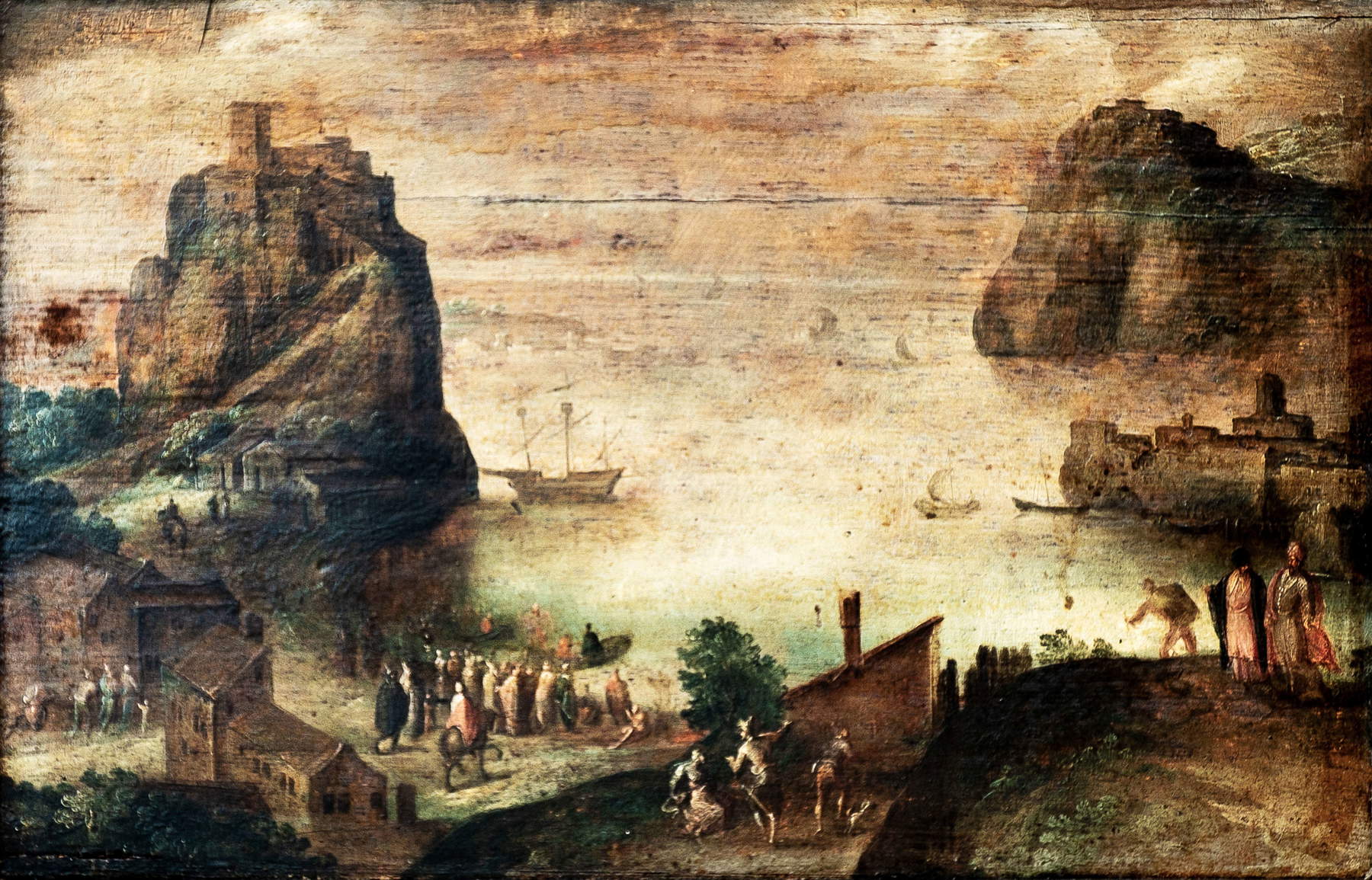
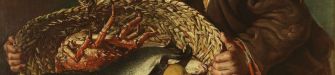
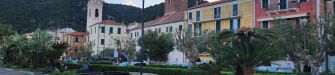
A painting believed lost for centuries unexpectedly resurfaced on the art market and is now back on public view through an exhibition dedicated to the visual history of Lerici. It is around this extraordinary discovery that The Rediscovered Painting takes shape . Lerici and its castle through the centuries, through artistic iconography, the exhibition that will be hosted at Lerici Castle from June 27 to August 20, 2026 and that aims to tell the story of the evolution of the village’s image through more than five centuries of artistic representations. The exhibition stems from the desire to celebrate Lerici in its iconographic dimension, offering the public the opportunity to retrace the construction of the visual imagery that over the centuries has helped define the identity of the area. Conceived by Roberto Besana and curated by Simone Vallerini with the critical contribution of Marzia Ratti, the exhibition revolves around a painting attributed to Hendrick Van Cleve III (Antwerp, c. 1525 - 1590/1595), a Flemish master who lived in the 16th century and was the author of a drawing from which, according to the most recent studies, the iconographic matrices of the oldest author’s prints depicting Lerici and its castle would derive. The work, thought to have been lost for a long time, recently resurfaced at an auction, enabling scholars to deepen their understanding of the origins of the depiction of the Ligurian village.
Thanks to the willingness of the current owner, who exceptionally granted the painting on loan to the Municipality of Lerici, it will be possible for the first time to publicly exhibit what is considered the visual source from which a long iconographic tradition developed. Indeed, the painting represents a key piece in understanding the way Lerici has been observed, interpreted and handed down over the centuries.
The entire exhibition project starts precisely from this discovery. Surrounding the painting attributed to Van Cleve III is a first section devoted to prints and engravings that, over the course of more than two centuries, have taken up and reinterpreted the same view. Some fifteen graphic works in fact document the dissemination and transformation of the original image, showing how artists, engravers and publishers progressively adapted the model to the aesthetic and cultural sensibilities of different eras. These works allow us to follow the path of a representation that, starting from a single figurative matrix, spread far beyond local borders. The view attributed to Van Cleve III thus becomes the starting point of a long genealogy of images that have contributed to building the perception of Lerici over time.
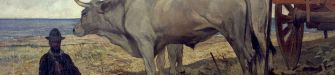
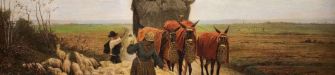
The second section of the exhibition further broadens the perspective, presenting more than forty paintings from public and private collections. The works document the evolution of the artistic imagery associated with Lerici from the sixteenth to the twentieth century: an articulate overview of the ways in which the village and castle have been represented throughout art history. The authors featured include significant names who over time have turned their gaze toward the Golfo dei Poeti and its landscape. The works of Caselli, Fossati, Levi, Navarrino and Bosso, along with those of other artists in the exhibition, testify to the variety of stylistic and interpretive approaches through which Lerici has been observed and transformed into an artistic subject. Also particularly relevant is the presence of a valuable collection of antique prints and volumes granted by a private collector.
The contribution is not limited to participation in the exhibition, but also takes on an important civic and cultural value thanks to the owner’s decision to donate the entire collection to the Municipality of Lerici. The corpus includes about thirty works including etchings, prints and historical volumes that reproduce and rework over time the view originally outlined by Van Cleve III. Taken together, these materials constitute a veritable iconographic matrix through which it is possible to reconstruct the spread and evolution of the image of Lerici in European figurative culture. Indeed, the works on display tell not only the artistic history of the village, but also the processes through which the images were transformed and transmitted over time. Printmakers and engravers from different parts of Europe reinterpreted the original view, introducing new landscape details, architectural changes and narrative elements that progressively enriched the representation.
These transformations helped build a collective visual memory that was consolidated over the centuries through the circulation of images. The quantity and circulation of the representations dedicated to Lerici are particularly significant, to the point of surpassing, according to the exhibition organizers, even those dedicated to Genoa. The historical and cultural interest of the collection lies precisely in its ability to document the mechanisms through which a place enters the collective imagination. In fact, each print, each engraving and each volume recounts a different phase of this process, restoring the evolution of the gaze that generations of artists, travelers and scholars have turned toward the Ligurian village.
Once the exhibition is over, the works will become part of the municipal collections and will be kept at the Lerici Municipal Library. Here the material will not only be kept, but also made available for study and research purposes. Scholars, art historians and researchers will be able to consult the works to deepen their knowledge of the iconographic history of the area, while the municipality will be able to enhance them through future cultural and scientific initiatives.
“Images build the way in which a community recognizes itself and tells its story over time,” declares Lerici Municipality Culture Councillor Lisa Saisi. “Through prints, paintings and engravings we can read the formation of the collective imagination of Lerici: not only what the place has been, but also how it has been perceived and handed down over the centuries.”
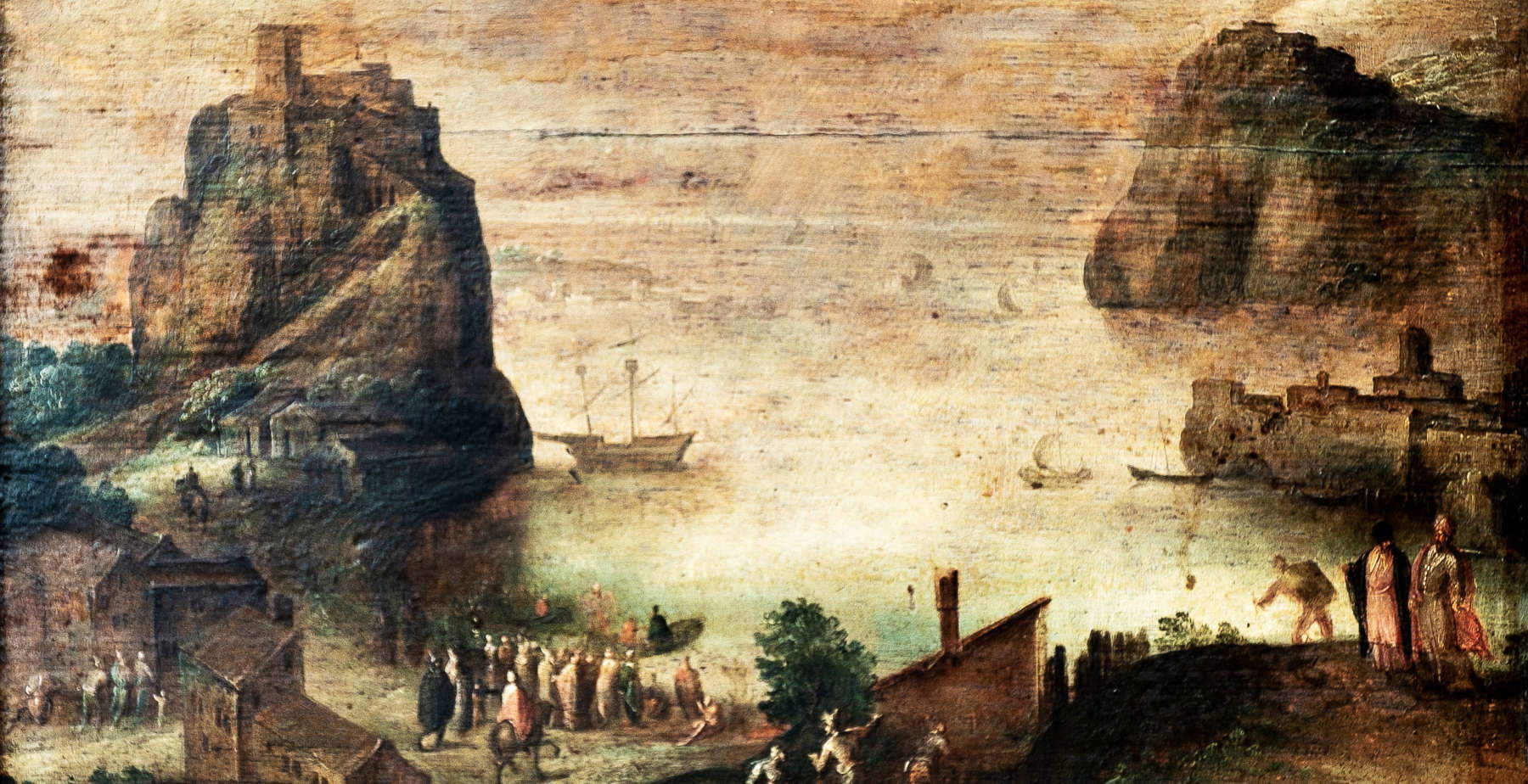 |
| Lerici, work discovered that rewrites the iconographic history of the city. On display. |

Warning: the translation into English of the original Italian article was created using automatic tools. We undertake to review all articles, but we do not guarantee the total absence of inaccuracies in the translation due to the program. You can find the original by clicking on the ITA button. If you find any mistake,please contact us.
















 IT
IT FR
FR DE
DE ES
ES CN
CN


