





In Modica (Ragusa), the Teleri della Passione (Canvases of the Passion ) from the Church of the Carmine, an extraordinarily important pictorial cycle dating back to 1795 and recently recovered after more than a century of oblivion, have been restored. Author of the conservation work is restorer Gaetana Ascenzo , who enabled the return of the Passion Canvases just before Easter on the occasion of Holy Week, since they are also objects of important devotional value. After Easter, the cycle was transferred to St. Paul’s Church, where it will remain accessible throughout the year.
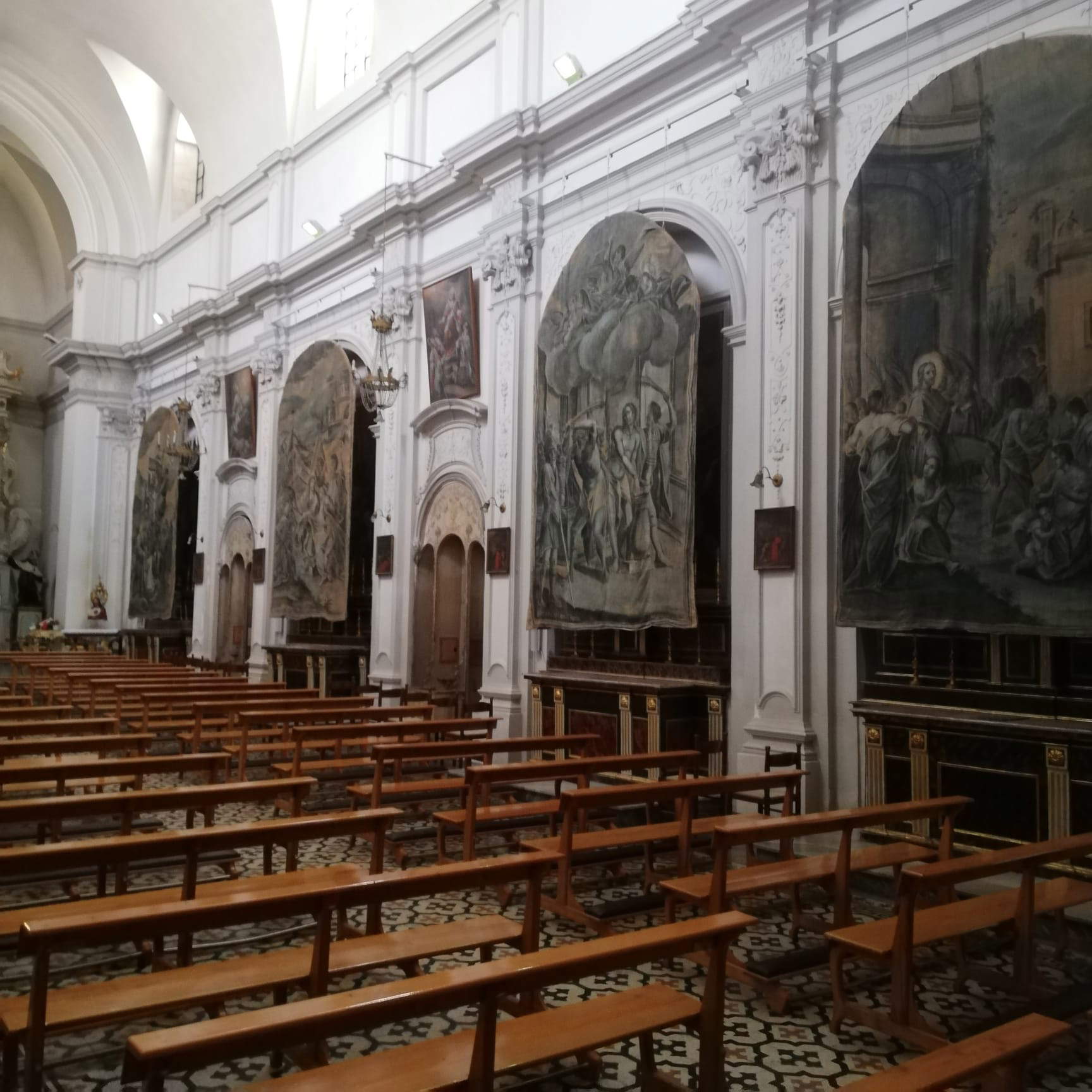
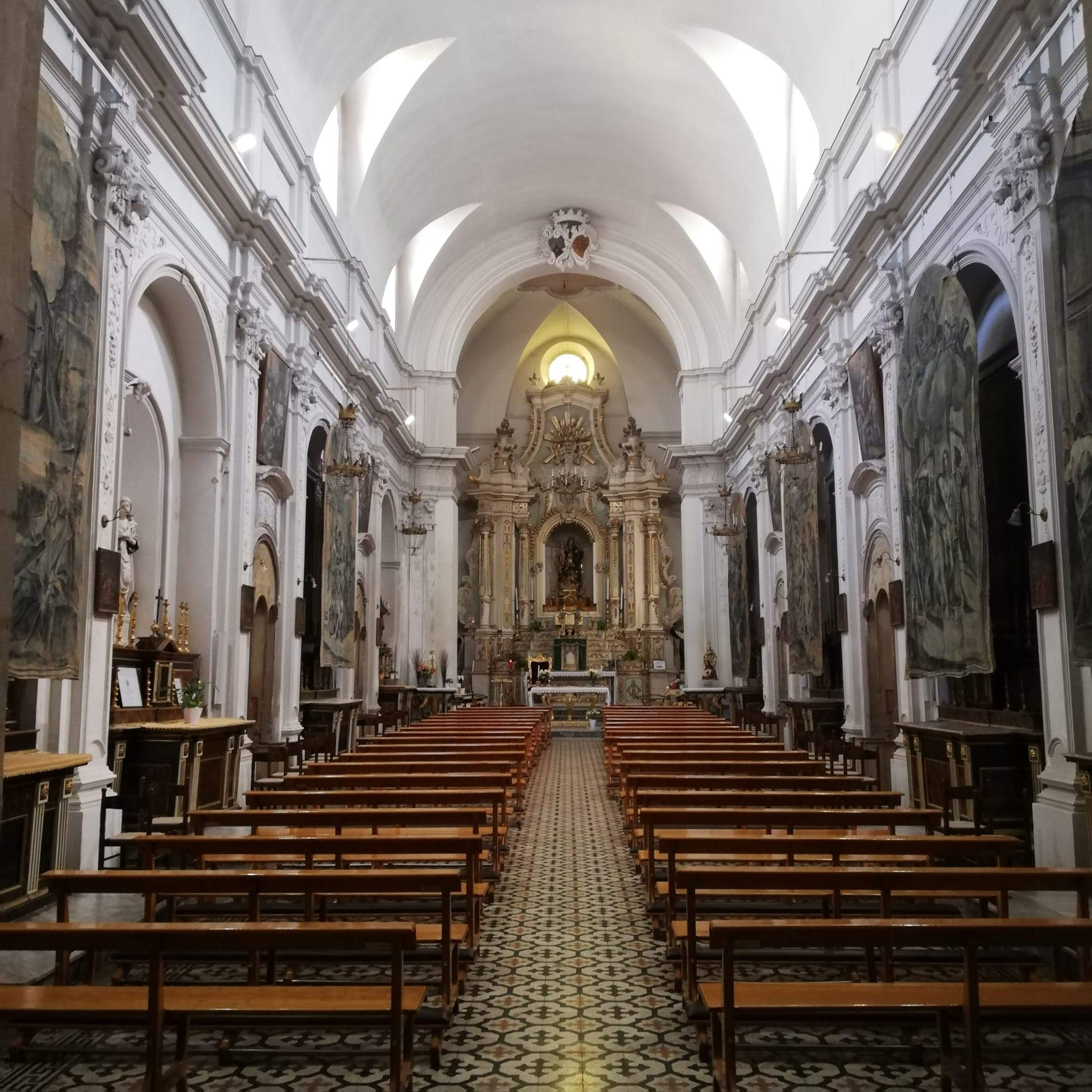
The recovery of the canvases a significant event in the history of Sicilian sacred art. They are large painted canvases designed to be displayed exclusively during Lent. These works, commissioned by Carmelite priors and prominent Modican families, were intended to cover the high altar or the walls of the presbytery, creating an atmosphere of recollection through a visual narrative of the Passion of Christ.
Made with an essential painting technique based on the evocative use of white, blue and black on linen canvases, the works constituted an authentic catechesis in images. After Easter they were rolled up and stored, a practice that over time contributed to the loss of much of these apparatuses. The Modican cycle, probably unique in Sicily, thus assumes exceptional value also in relation to the rarity of similar testimonies: something similar, for example, is the cycle preserved in the Museo Diocesano in Genoa, which has the particularity of being executed on what today we would call denim cloth.
The discovery of the Modica canvases is recent: in fact, it occurred in January 2021 inside storage rooms in the Church of the Carmine. The seven canvases found, measuring up to 4.5 by 2.80 meters, as well as a large composition, the “Taledda,” which served as the backdrop (measuring 13 by 7 meters), were in extremely poor condition. Crumpled, ragged, covered with dust and animal droppings, they were severely compromised by moisture and neglect. In particular, the telerium of theLast Supper was reconstructed from numerous scattered fragments. Decisive was the immediate mobilization of a spontaneous network of experts and volunteers, coordinated by parish priest Don Rosario Rabito, which made it possible to start the first safety operations. Restorer Gaetana Ascenzo was involved from the earliest stages, conducting urgent operations to clean and recover the textile fragments, preventing the definitive loss of significant parts of the cycle.
The canvases were first dusted and then stretched to recover their original form, then rolled on suitable supports and transferred to controlled environments. At the same time, an in-depth study was initiated that led to the definition of an articulated restoration project, also supported by an awareness campaign aimed at the community. The research work, which flowed into the publication La chiesa del Carmine di Modica e i Teleri della Passione (The Church of the Carmine of Modica and the Canvases of the Passion), made it possible to reconstruct the history and commissioning of the cycle, confirming its dating to 1795 and the role of local families and the Carmelites in its creation. Determining diagnostic investigations. Through the study of X fluorescence radiation it was possible to know the composition of the elements of the analyzed sample allowing the ’identification of alloys, pigments and materials. The XRF measurements showed macroscopically the chemical elements that can be associated with traces of paint layers and/or preparation revealed by the spectrum, such as lead, iron and copper. Lead is probably to be related to the composition of lead white(white lead), perhaps also used as an imprimitura/preparation. Blue-gray drafting could be done with azurite (or green copper pigment) mixture with another pigment to be associated with the presence of iron for the possible use of Prussian blue.
Regional funding, obtained in 2024, enabled the start of the restoration site at St. Paul’s Church, conceived as an open laboratory. This choice transformed the intervention into a participatory experience, involving citizens, tourists and students in an educational journey dedicated to the preservation of cultural heritage. It was only thanks to this timely mobilization “from below” that it was possible to keep the cycle intact until obtaining the regional funds (which arrived more than two years later), which then allowed the opening of the educational site.
The delicacy of the works required highly specialized intervention. The move to St. Paul’s Church was not only for logistical reasons, but also to turn the restoration into a public event. The construction site was conceived as an “open laboratory,” where the restorer worked in view of the local public, tourists and numerous schoolchildren.
The examination on the materials revealed the state of preservation of the yarn, specifically linen (canapone), which showed degradation factors of various kinds, common to most textile artifacts, such as physical aging of the fiber with the consequent loss of strength, mechanical stress, chemical alteration and photochemical degradation. These are all issues that are intensified in the presence of a very humid environment. In addition, various types of degradation have been identified, the causes of which are mostly related to environmental and conservation factors that have contributed to greatly increase the degradation of the artifact.
The operations included cleaning by suction (by means of micro vacuum cleaners with adjustable power removing mainly dirt in the form of incoherent particulate matter, mixed with fiber microfragments in the form of decohesive material deposited on the surface) and steaming (a delicate procedure in order to restore to the fabric, part of the original texture andoriginal appearance), consolidation with compatible textile supports and reversible techniques, color reintegration, and final lining with a cotton fabric of a color harmonious to the hues of the work. The lining was sewn behind the artifact through a series of alternating rows to obtain, once the fabric was hung,a regular and uniform tension. Externally to the lining a pocket was sewn, where the wooden centina necessary for the display was inserted. The recovery of the Passion Canvases was accompanied by fundamental archival research, which made it possible to transform a fortuitous discovery into an operation of rigorous historical reconstruction.
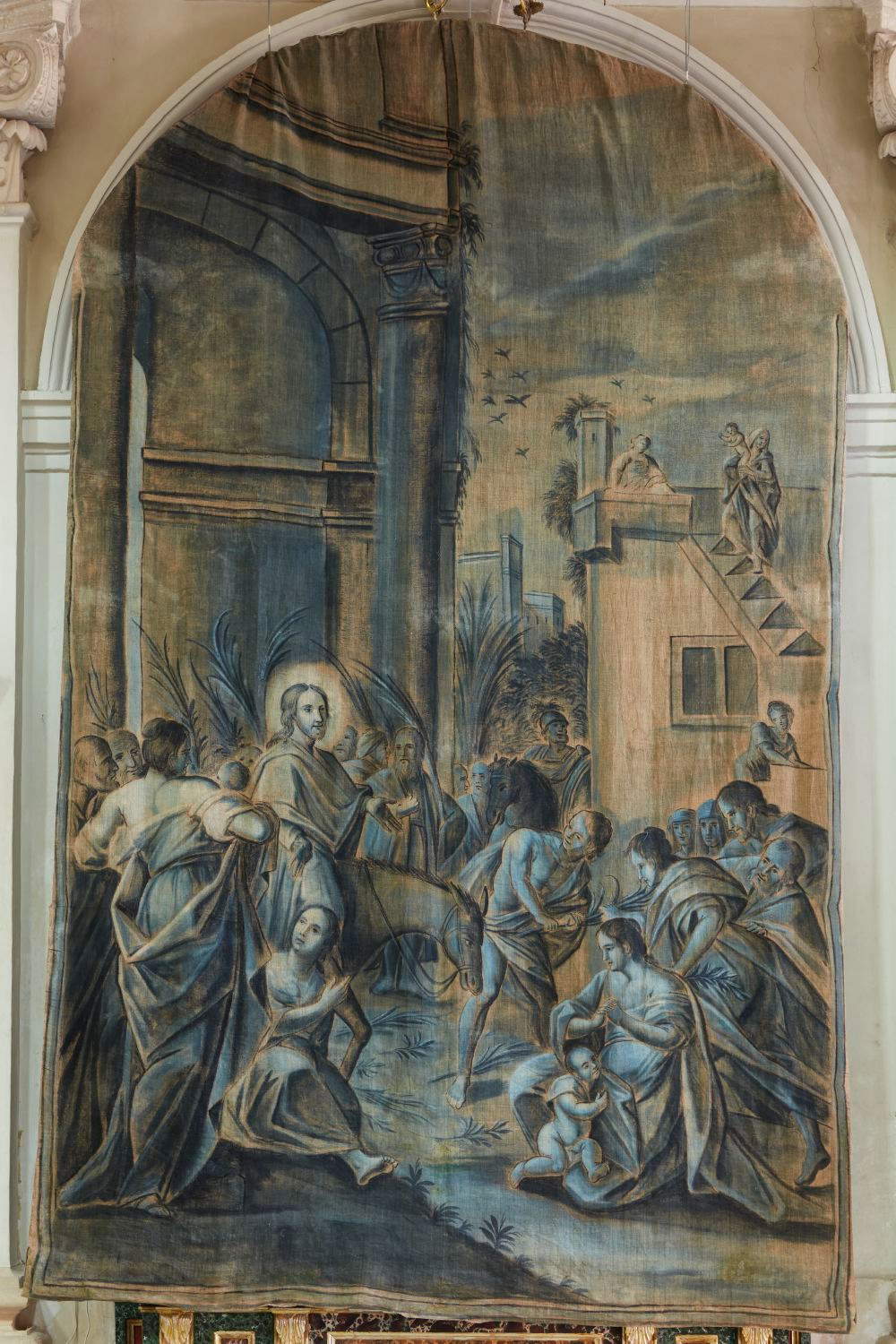
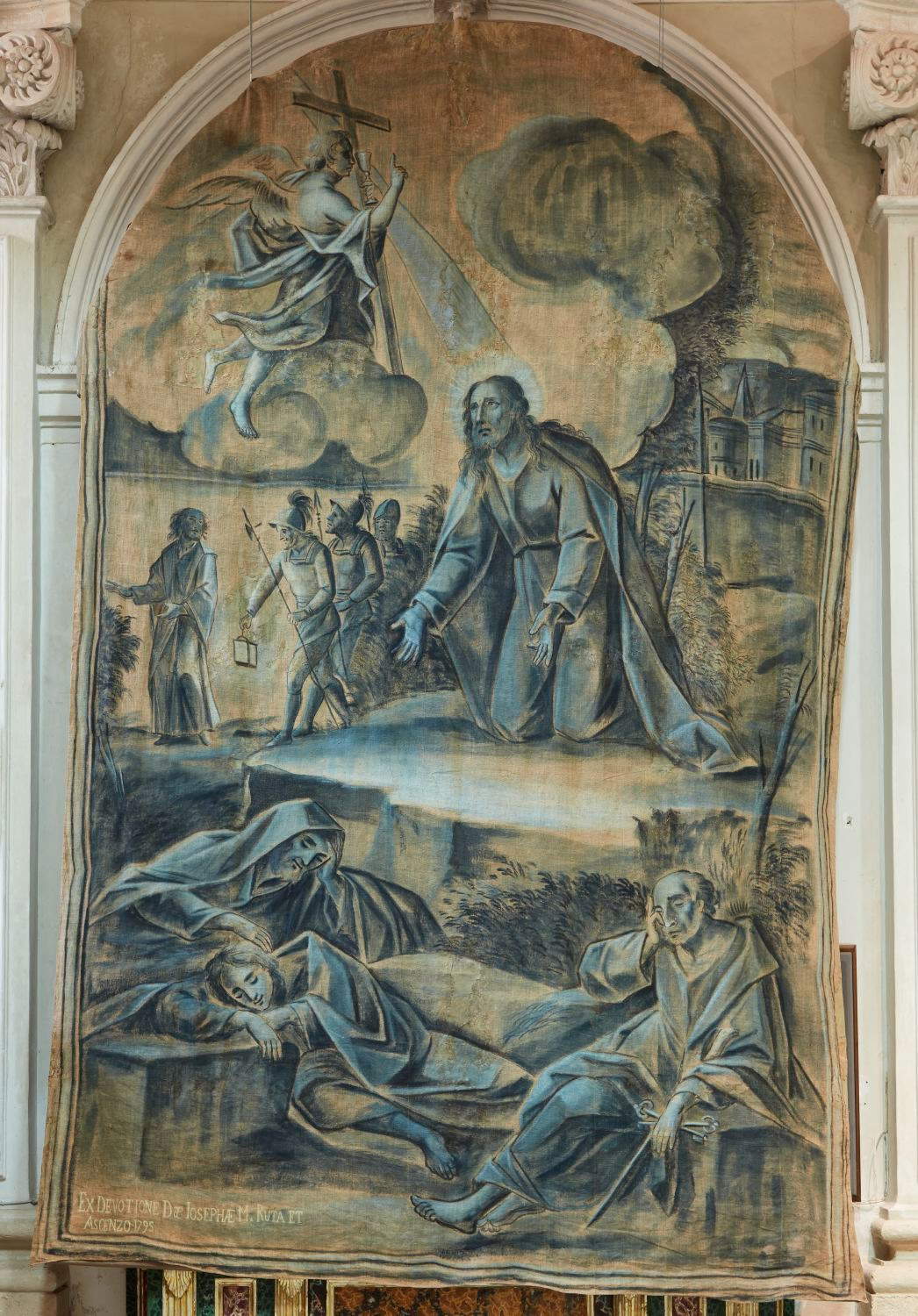
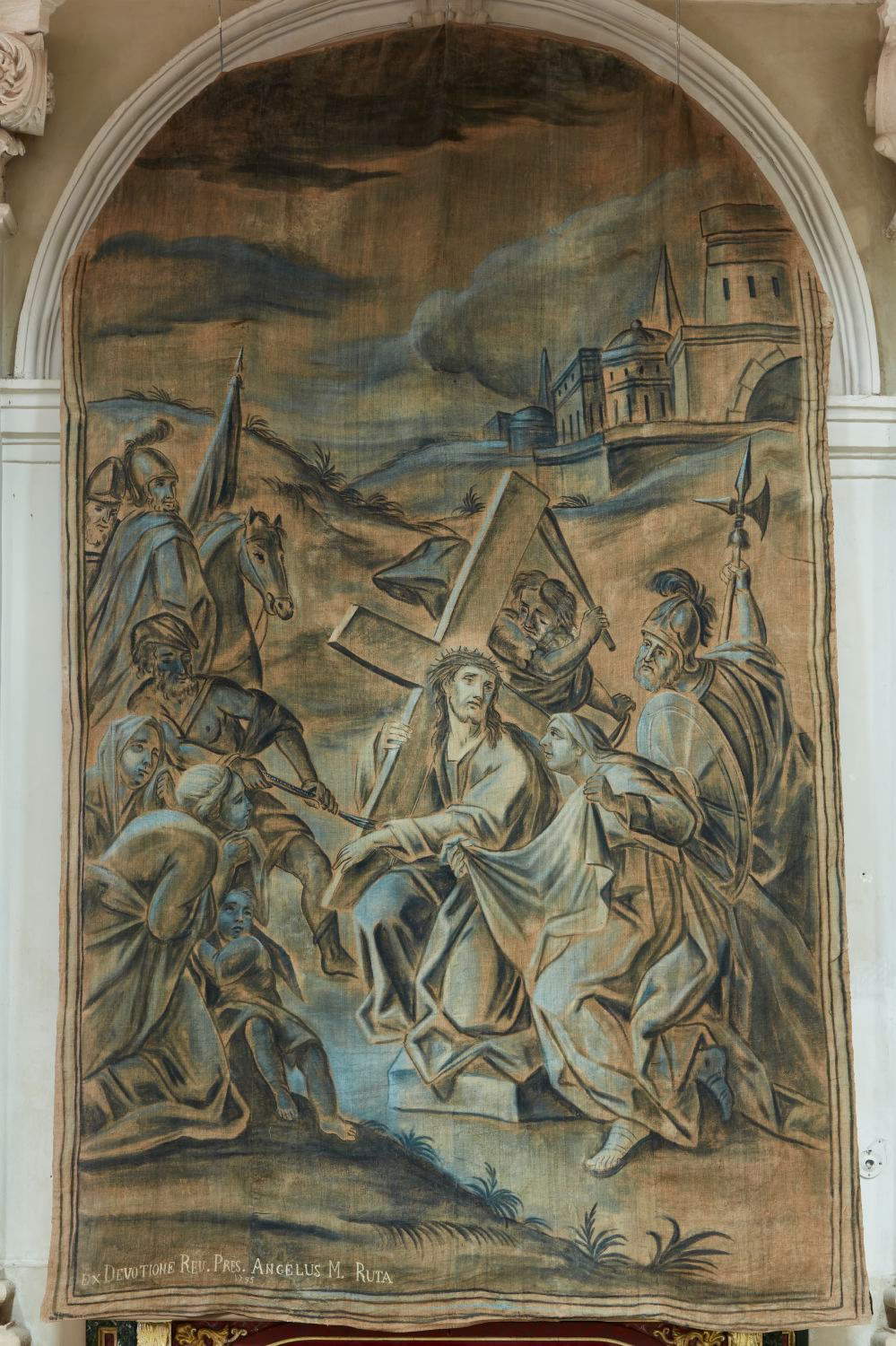
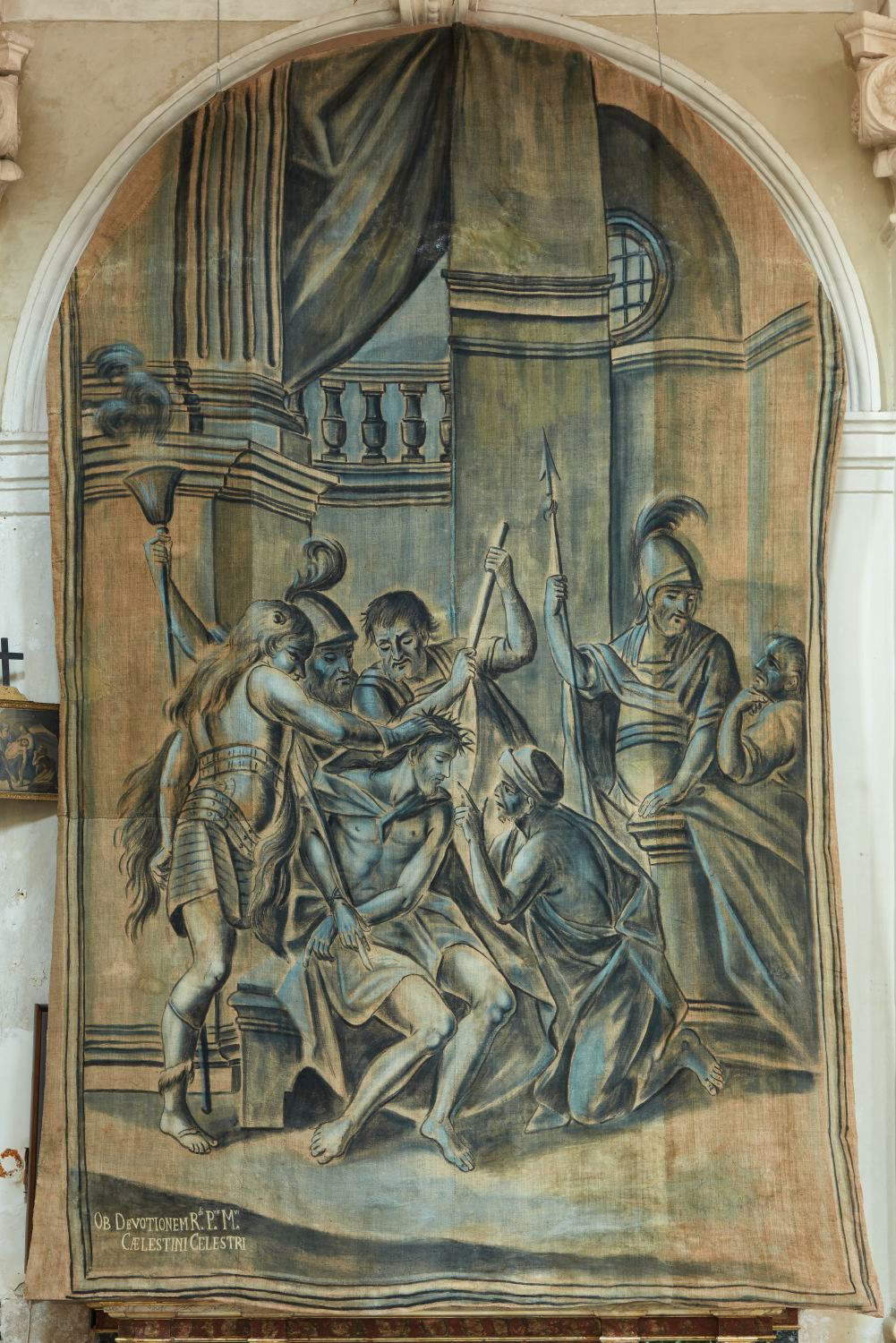
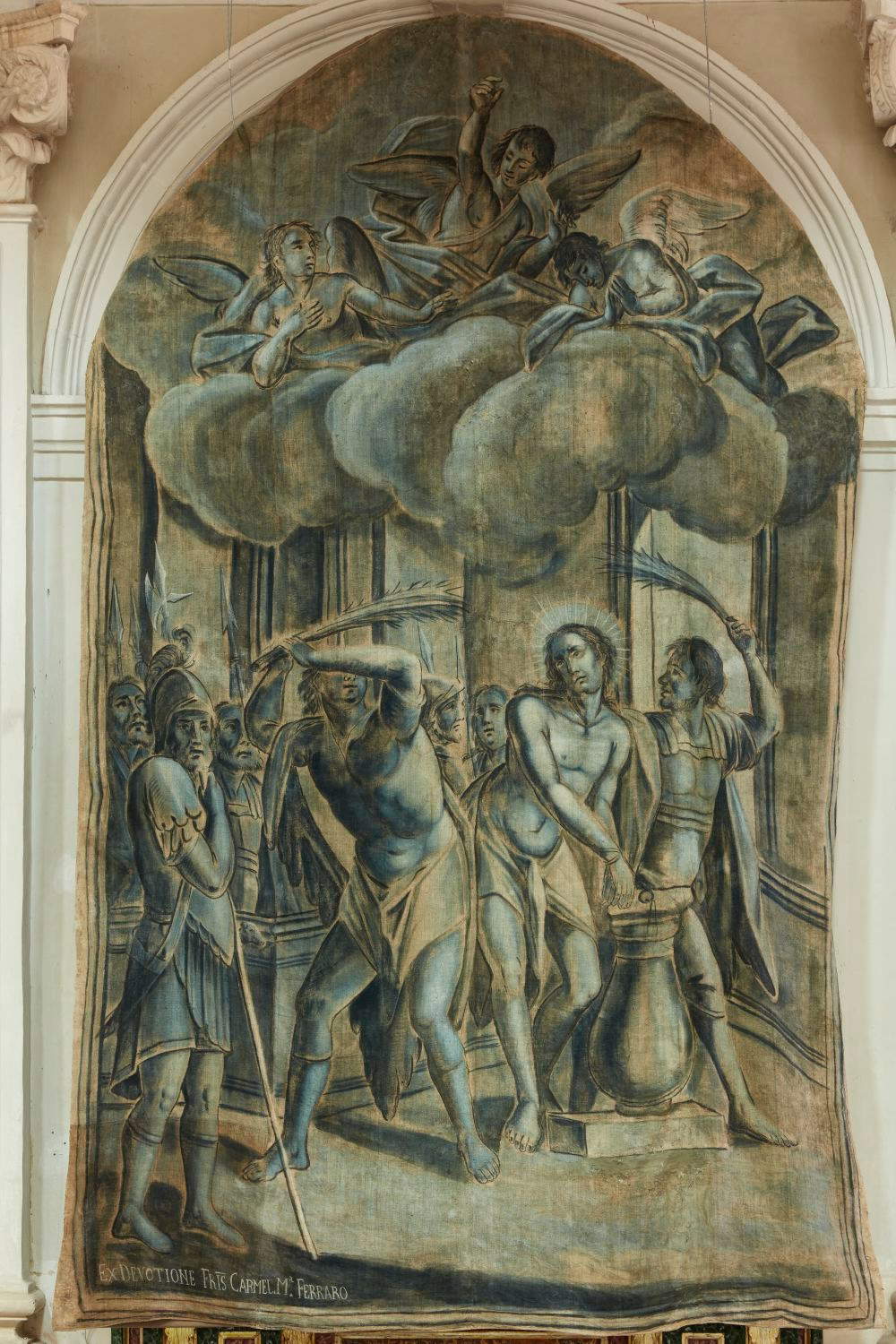
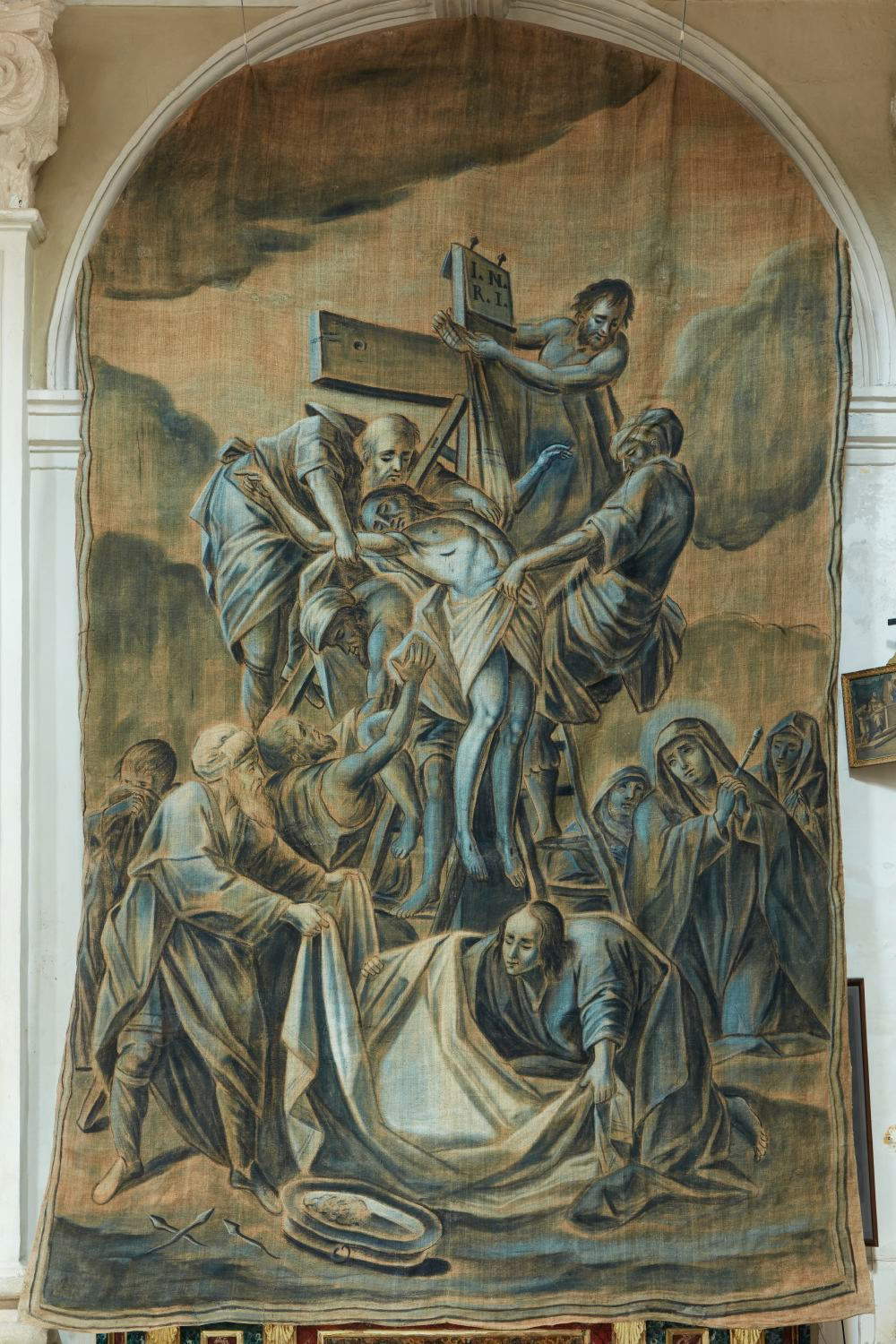
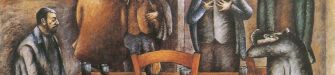
The result is the return of six restored canvases, which now allow us to appreciate again the scenes of the Passion: the entry into Jerusalem, the prayer in Gethsemane, the Last Supper, the Coronation of Thorns, Jesus at the Pillar, the ascent to Calvary and the Deposition. However, the last canvas and the large “Taledda,” a background scenic element that completed the original apparatus, depicting the exaltation of the cross with the sacrifice of Isaac, remain to be restored.
The decision to extend the exhibition beyond the Lenten period represents an enhancement strategy that aims to transform the cycle into a permanent cultural attractor. The initiative, which was also entrusted to the association La Via delle Collegiate for management and dissemination, makes it possible to broaden the knowledge of these works, making them accessible to a wider audience.
Despite the results achieved, the path of recovery cannot be said to be finished. The completion of the restoration of the missing canvases now appears essential to restore the visual and narrative unity of the apparatus, allowing the original impact of this impressive cycle to be reconstructed. Only through this final step will it be possible to fully recognize the Carmine cycle as one of the most important examples of ephemeral art in the Val di Noto, returning it to history and the community in its integrity.
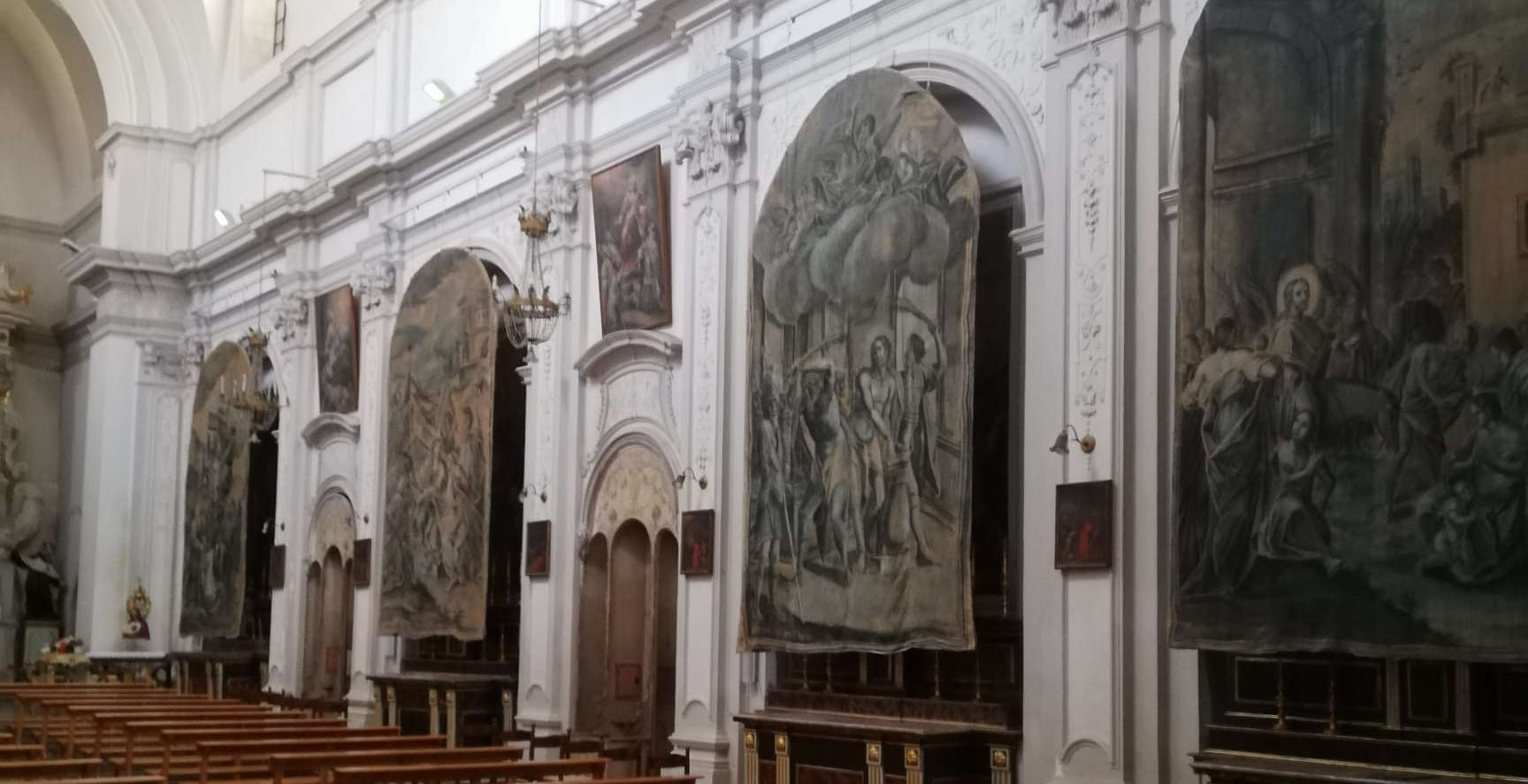 |
| Modica, Passion Canvases restored: rare 1795 cycle returns |

Warning: the translation into English of the original Italian article was created using automatic tools. We undertake to review all articles, but we do not guarantee the total absence of inaccuracies in the translation due to the program. You can find the original by clicking on the ITA button. If you find any mistake,please contact us.




















 IT
IT FR
FR DE
DE ES
ES CN
CN


