




by Redazione 13/03/2026



Categories: Archaeology / Disclaimer
The results of new archaeological investigations that led to the identification of the theater of the ancient Magna Graecia city of Herakleia will be presented in Potenza. A key piece in the knowledge of the polis founded by Taranto in 433 B.C.

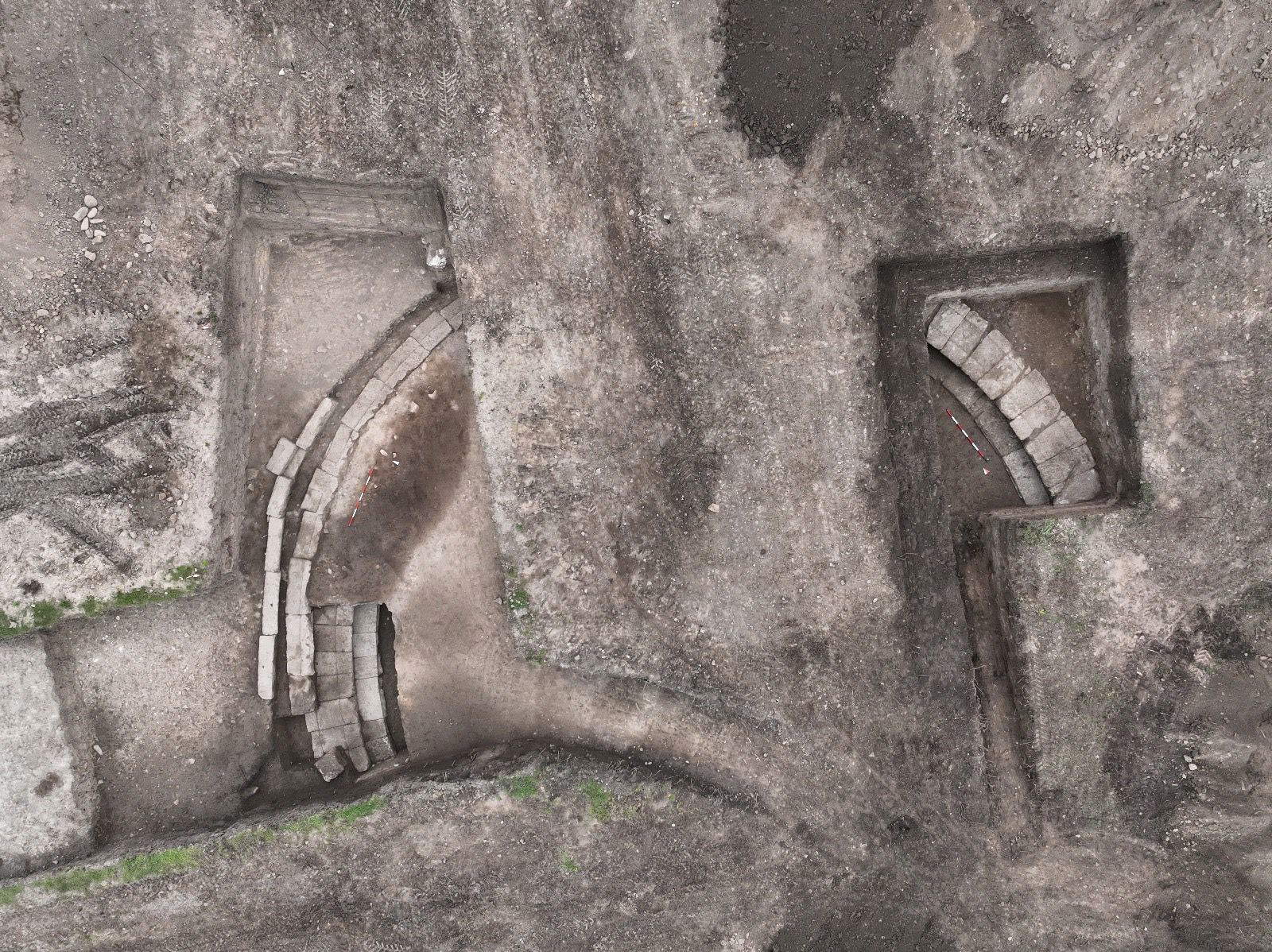
A new discovery enriches knowledge of Magna Graecia in Basilicata. In Policoro, in the heart of the ancient Greek city of Herakleia, archaeologists have identified the remains of theancient theater of the polis, one of the most significant public buildings in the urban planning of Greek cities. The results of the investigations will be presented on March 19, 2026 at 12 noon at the National Archaeological Museum “Dinu Adamesteanu” in Potenza, at a meeting organized by the Ministry of Culture and the National Museums of Matera - Regional Directorate National Museums Basilicata.

The presentation will be attended by Basilicata Region President Vito Bardi, Director General of Italian Museums Massimo Osanna, Acting Director of the National Museums of Matera - Basilicata National Museums Regional Directorate Filippo Demma, and the mayors of the municipalities of Potenza and Policoro, Vincenzo Telesca and Enrico Bianco, respectively. The meeting will be moderated by Sabrina Mutino, director of the National Archaeological Museum “Dinu Adamesteanu.” Detailing the results of the investigation will be Carmelo Colelli, director of the National Museum of the Siritide and the Archaeological Park of Herakleia, as well as scientific director of the excavation that led to the discovery.


At the moment, it can be anticipated that the archaeological research that yielded the results discussed here represents an important step in the reconstruction of the urban and social history of the ancient Magna Graecia city. Herakleia was founded by Tarentum in 433 B.C. on the Ionian coast of Lucania and within a few decades became one of the most prosperous and influential centers of Magna Graecia. Over time, excavation campaigns conducted in the area have returned a wealth of archaeological data, helping to delineate the image of an articulate city rich in public and private structures. Excavations have unearthed residential quarters, roads, sanctuaries and numerous public spaces that testify to the complexity of urban organization and the central role Herakleia played in trade and cultural relations in the ancient Mediterranean. Despite decades of research, however, the archaeological map of the city still lacked one of the symbolic buildings of the Greek polis: the theater.
Indeed, the theater represented one of the most important public spaces of civic life in Greek cities. In addition to hosting theatrical performances, shows and artistic events, these buildings were also places of collective gathering and participation, where the community gathered to share cultural and social moments. Precisely for this reason, the absence of a clearly identified theater structure within ancient Herakleia had long been a gap in the archaeological reconstruction of the city. The recent survey campaign, conducted in 2025, has finally allowed this gap to be filled.
Thanks to the new research, it has been possible to identify with certainty the area occupied by the city’s ancient theater. The discovery represents a fundamental building block for understanding the urban layout of the polis and opens new perspectives for studying the cultural and social life of the community that inhabited this important center of Magna Graecia. Indeed, the identification of the theater makes it possible to integrate the knowledge already acquired about the city’s public spaces and to reconstruct with greater precision the role that theatrical and performance activities played in the life of the population.
The excavation campaign that led to the discovery was made possible thanks to funding from the Ministry of Culture under the program “Expenditures for the realization of a national campaign of archaeological excavations in Pompeii and other national archaeological parks,” promoted by the Directorate General of Museums. The intervention was carried out by the Matera National Museums-Basilicata National Museums Regional Directorate, which in recent years has been carrying out a series of initiatives aimed at strengthening archaeological research and the enhancement of the region’s historical heritage.
|
| Ancient Herakleia theater discovered in Policoro |
Warning: the translation into English of the original Italian article was created using automatic tools. We undertake to review all articles, but we do not guarantee the total absence of inaccuracies in the translation due to the program. You can find the original by clicking on the ITA button. If you find any mistake,please contact us.