





New data from the excavation campaignin the Pignera-Stadio area of Crotone are helping to expand our knowledgeof ancient Kroton and its urban and economic organization. The news was announced by the City of Crotone in a statement from Dalila Venneri, Councilor for Culture. The findings were presented during a press conference held at the Urban Center Antica Kroton, where the scientific value of the unearthed artifacts and the role of the Antica Kroton project in researching and promoting the city’s archaeological heritage were highlighted.
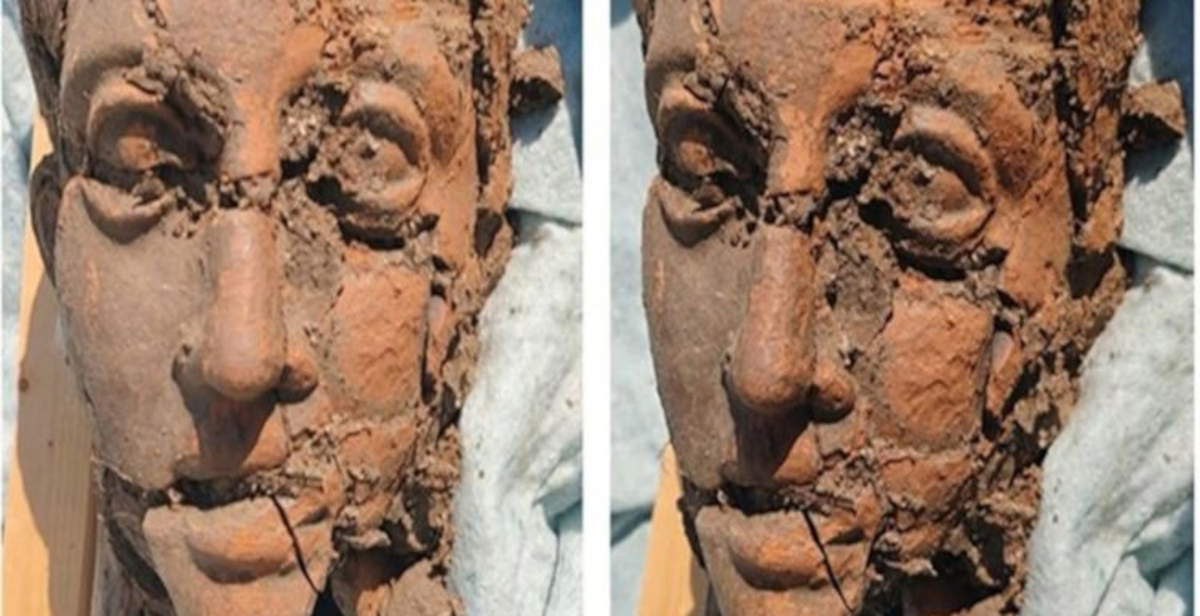
Among the most significant finds is a head with apparently Italic features, dating to the 3rd century B.C., along with other notable artifacts, including a Gorgon from the 2nd century B.C. These discoveries help to define more precisely the history of this city of Magna Graecia and its place within the dynamics of the ancient Mediterranean.
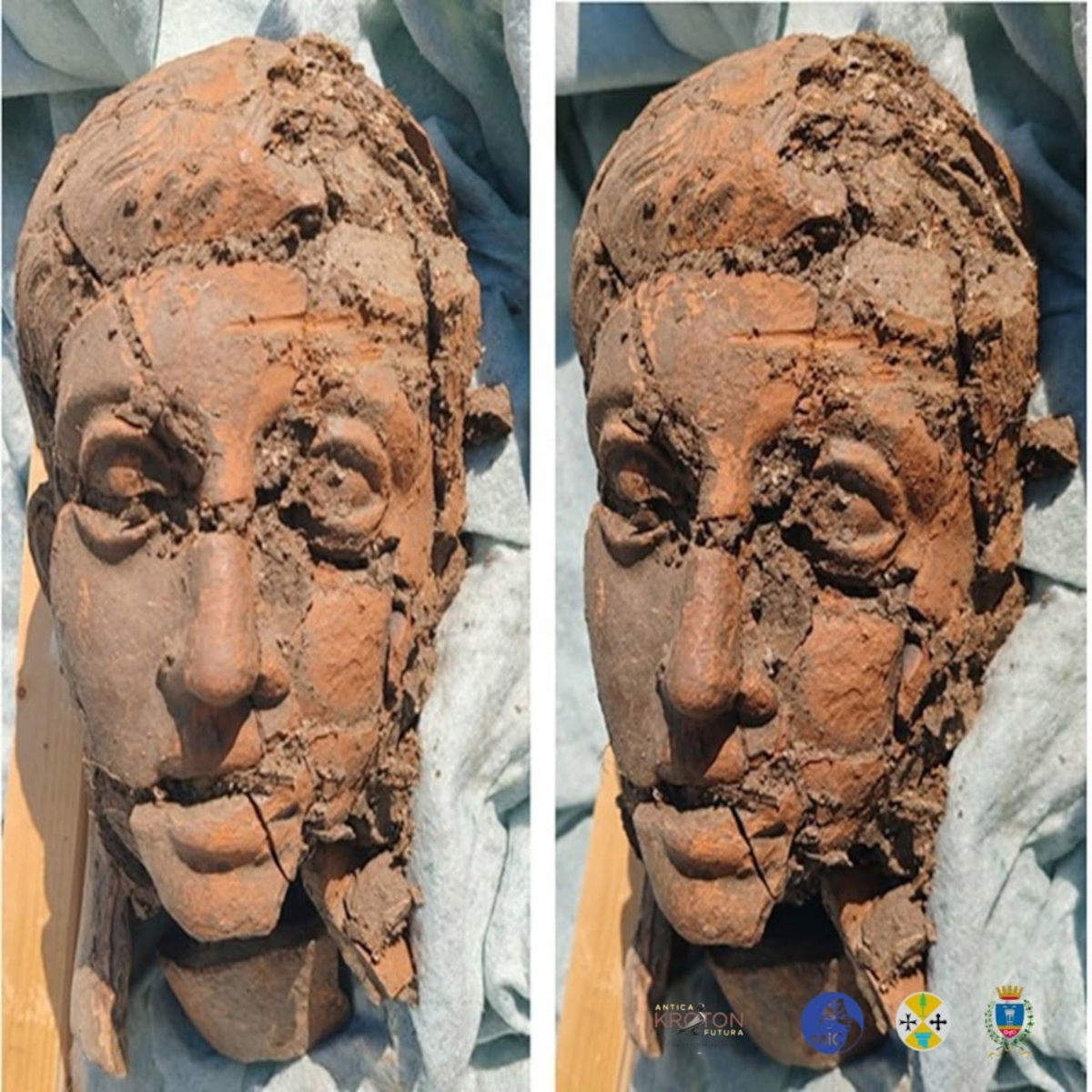
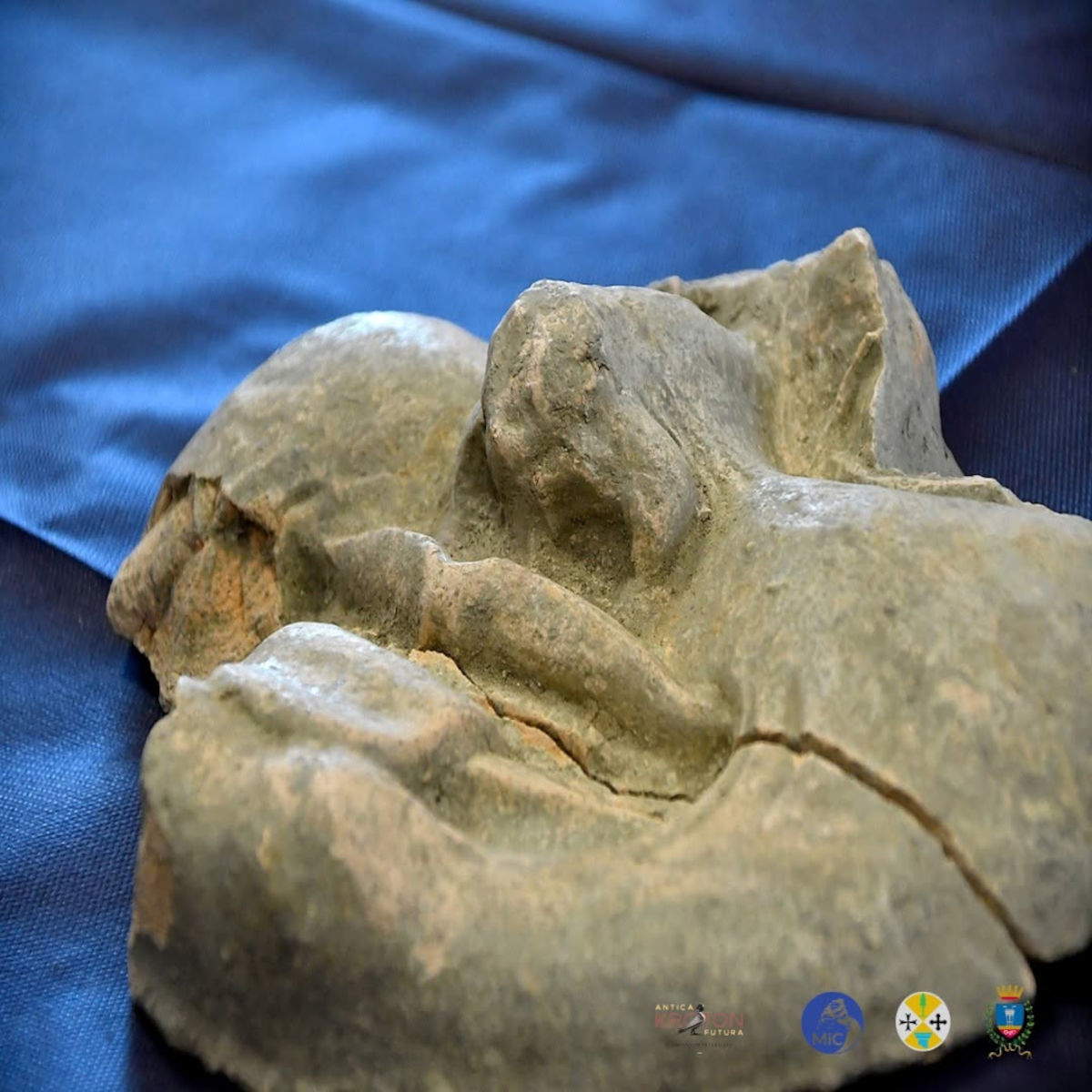
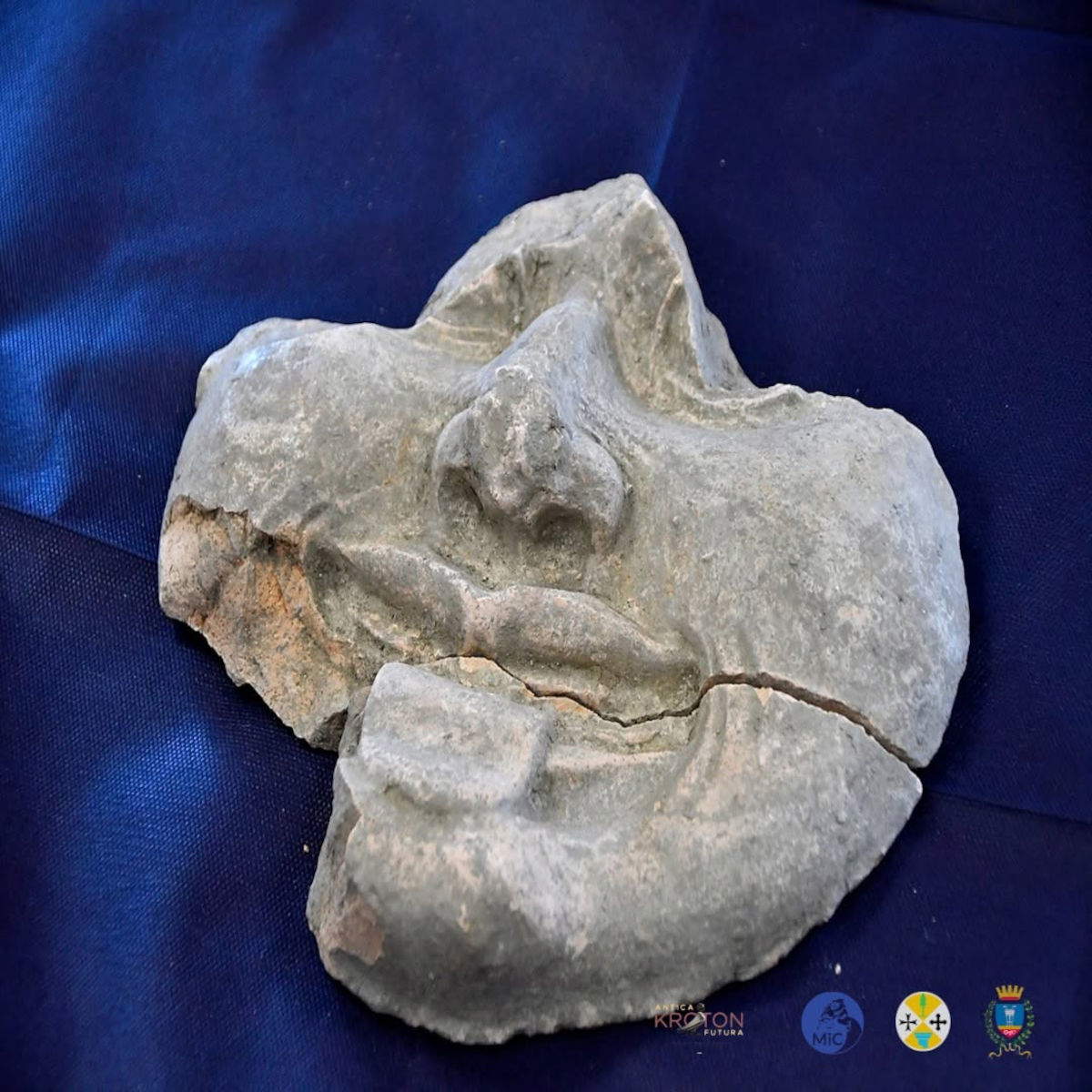
Particularly significant are the findings that are shedding light on the identity of the area under investigation. Ongoing studies are in fact confirming that the Pignera-Stadio sector corresponded to the pottery district of the ancient city. The discovery of numerous fragments of molds attests to intense production activity that, between the 7th and 2nd centuries B.C., characterized the area, establishing it as one of the main manufacturing centers of Magna Graecia. The artifacts produced in this area were destined for circulation throughout various regions of the Mediterranean.
During the meeting, the municipal administration also reaffirmed its commitment to continuing its support for the Antica Kroton project, with the goal of enhancing knowledge of and promoting the local archaeological heritage. The intention is to promote a strategy that combines research, innovation, and cultural tourism, thereby increasing the site’s visibility both nationally and internationally.
““This is a vision I fully share with the director, Dr. Antonio Senatore: to invest in knowledge, promotion, and the development of a cultural offering that combines research, innovation, and tourism, so that Crotone can finally take its rightful place on the national and international stage among the great archaeological itineraries,” emphasizes Dalila Venneri. “I would like to thank Superintendent Stefania Argenti, the archaeologists, and all the professionals engaged daily in research and conservation efforts that are making it possible to bring to light fundamental chapters of our city’s past. Every artifact returned to the community is not only a scientific discovery but a concrete opportunity to build Crotone’s future through culture.”
 |
| Crotone: New Finds from the Excavations at Ancient Kroton—The Pottery Quarter Identified |


The author of this article: Noemi Capoccia
Originaria di Lecce, classe 1995, ha conseguito la laurea presso l'Accademia di Belle Arti di Carrara nel 2021. Le sue passioni sono l'arte antica e l'archeologia. Dal 2024 lavora in Finestre sull'Arte.Warning: the translation into English of the original Italian article was created using automatic tools. We undertake to review all articles, but we do not guarantee the total absence of inaccuracies in the translation due to the program. You can find the original by clicking on the ITA button. If you find any mistake,please contact us.

























 IT
IT FR
FR DE
DE ES
ES CN
CN


