



by Redazione 24/03/2026



Categories: Archaeology / Disclaimer
On the western shore of Lake Tiberias in Galilee, unprecedented finds emerge documenting complex baptismal rites and liturgical practices hitherto known only from written sources.

Important discoveries in Israel: on the western shores of Lake Tiberias, also known as the Sea of Galilee, in an area deeply associated with the preaching of Jesus Christ, archaeological discoveries have indeed emerged that shed new light on the baptismal practices of early Christianity. The findings, described as unprecedented by Israeli scholars, come from the site of the ancient city of Sussita, also known as Hippos, which in Roman and Byzantine times dominated the landscape from a hilltop visible for miles around.

Looking eastward from the western shore of the lake, one can still distinguish the outline of the flat-topped mountain on which the city stood. In Gospel times, Sussita represented a significant urban center, so much so that it has sometimes been identified as a possible reference to the passage in Matthew’s Gospel in which Jesus speaks of a “city set on a mountain” destined not to be hidden. Centuries later, the same place became an important Christian center, as evidenced by the numerous churches found within its walls.
The new archaeological evidence concerns in particular a Byzantine cathedral that has a singular feature: the presence of two distinct baptismal rooms, an extremely rare element in the panorama of Christian archaeology. A large baptismal font, fed by running water, was located in the northern aisle, while the southern aisle contained a second, smaller font, fed by standing water and carved out of a corner of what had originally been a martyrion, or chapel intended for the veneration of a saint’s relics.




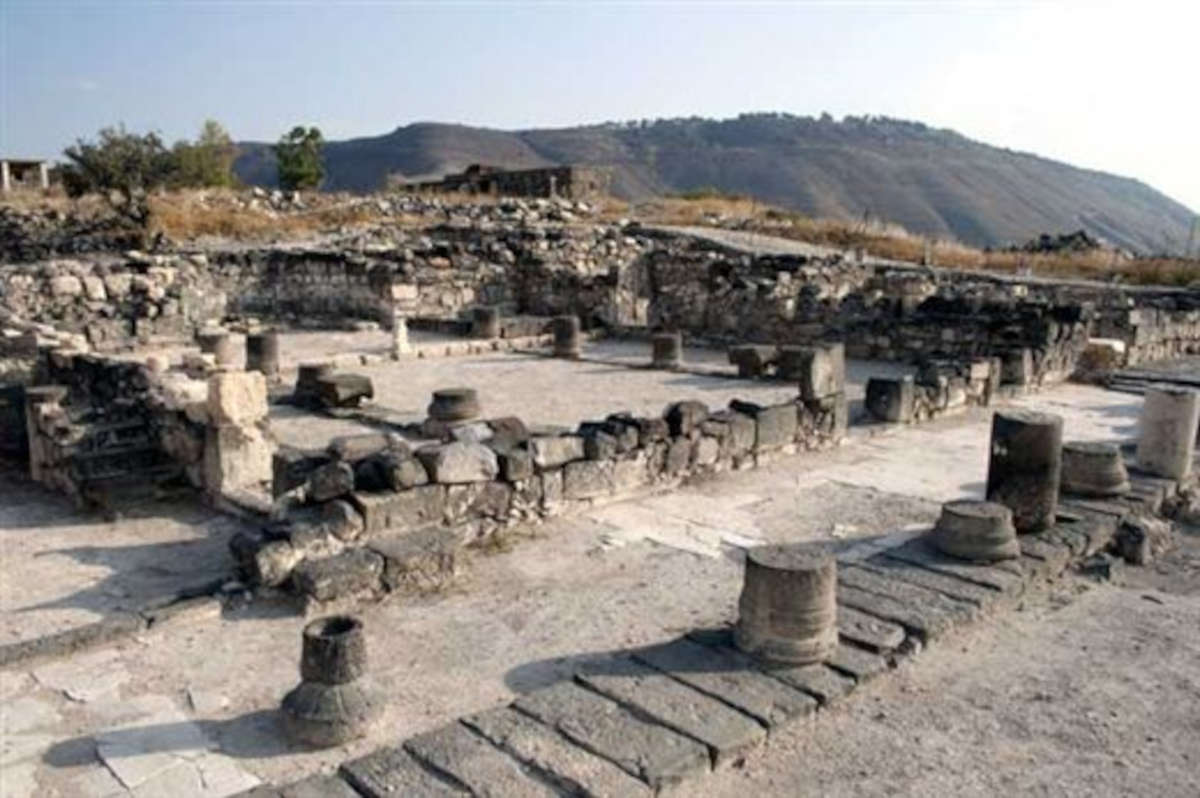
The addition of the second baptismal font, which occurred sometime after 590 AD, constitutes one of the most enigmatic aspects of the complex. The simultaneous presence of two structures intended for the same rite has raised questions among archaeologists, who do not currently have an unambiguous answer. There are several hypotheses: it could be the need to celebrate several baptisms at the same time, perhaps allocating one space to adults and the other to infants; or the distinction could reflect different liturgical traditions, with a preference for running water in the northern aisle and stagnant water in the southern, each carrying a different theological meaning. It is also not excluded that the presence of the martyr’s relics gave the second space a special ritual value.
Precisely in the southern area, architecturally defined by two marble altar screens decorated with cross motifs and ivy branches, an extraordinary concentration of liturgical objects dating back to the sixth century AD, which had been buried under the rubble of an earthquake for more than a thousand years, was found. Prominent among them is a large brass candelabra, found still standing upright next to the baptismal font, a sign of how quickly the building was abandoned following the collapse.
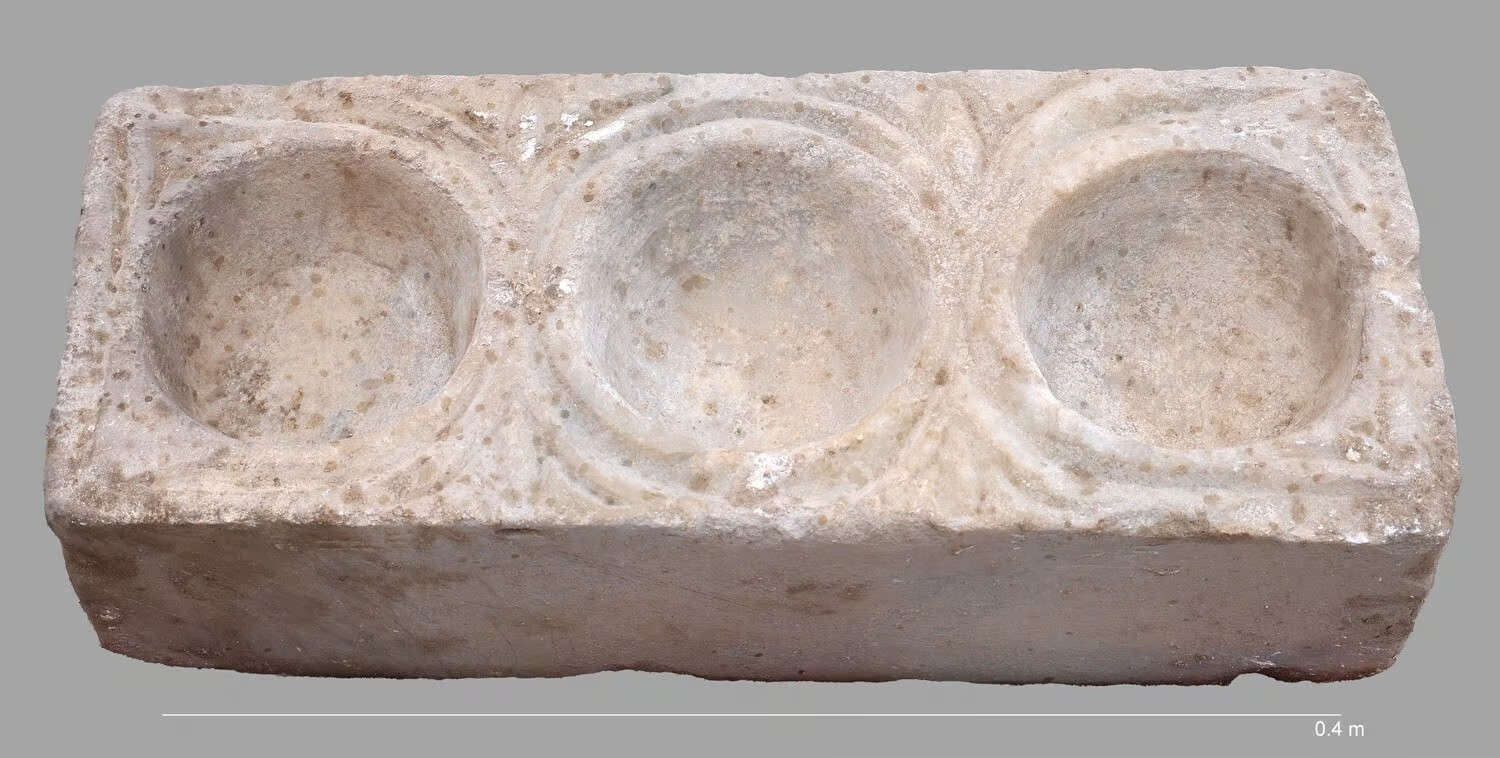
Next to the candelabra was found a rectangular marble block with three identical hemispherical cavities carved on top. This is an object with no known comparisons, which archaeologists interpret as a container for oils used in anointing rituals associated with baptism. The presence of three cavities suggests the use of different oils at distinct times in the ritual, offering what may be the first material evidence of a practice hitherto documented only in the written sources of early Christianity.
An additional item of interest is a small round marble pedestal decorated with four circular ribs. Again, this is an artifact without direct comparisons, and its function remains uncertain. It is speculated that it could have supported a small column or liturgical object, but the lack of associated features does not allow for any firm conclusions.
A short distance from this group of objects was a massive marble reliquary weighing about 42 kilograms, the largest ever discovered in the Holy Land. The container, intended to hold the relics of a saint, was found overturned on an ornate stone tile floor, suggesting a sudden destructive event, probably the earthquake that caused the building to collapse.
The arrangement of objects within the southern space appears significant. The candelabra, the block with the three cavities, and the pedestal were concentrated near the baptismal font, while the reliquary was located slightly further away, toward the center of the room. This separation could reflect a functional distinction between the area dedicated to the worship of relics and the area designated for the baptismal rite, confirming the complexity of the liturgical organization of the space.
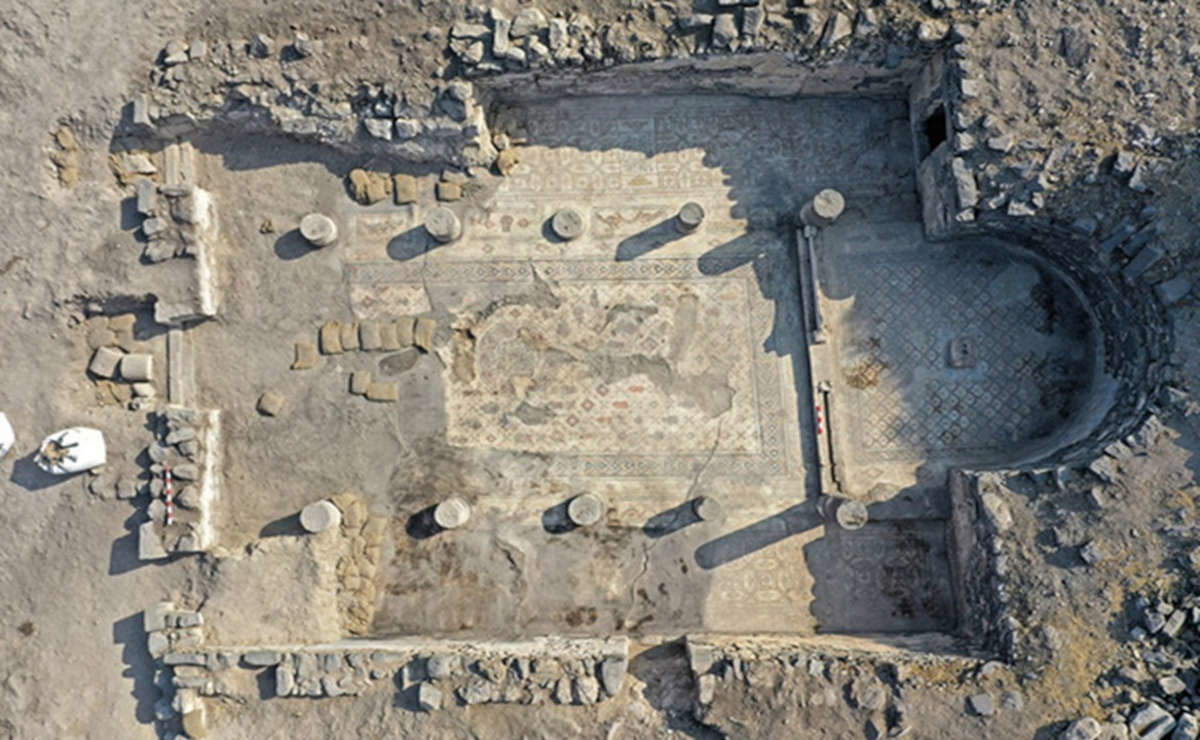
At least six churches have been identified within the city walls of Hippos/Sussita, but none of them has a fotisterion, or a room specifically dedicated to baptism. The presence of two baptismal fonts within the same cathedral thus represents a unicum that continues to question scholars. The different hypotheses put forward are not mutually exclusive and may indeed reflect a more articulated reality in which practical needs, liturgical traditions and theological meanings coexisted.
These findings offer a relevant contribution to the understanding of religious practices in the Byzantine period, in a geographical context closely linked to the origins of Christianity. The availability of such detailed material evidence makes it possible to supplement and, in some cases, verify information from textual sources, opening up new research perspectives on the history of Christian rites and communities in the early centuries.
|
| Galilee, major discoveries on Byzantine-era Christian baptisms |
Warning: the translation into English of the original Italian article was created using automatic tools. We undertake to review all articles, but we do not guarantee the total absence of inaccuracies in the translation due to the program. You can find the original by clicking on the ITA button. If you find any mistake,please contact us.