





The seabed off Lampedusa continues to yield important artifacts from the past. As part of efforts to protect submerged cultural heritage, the Sicilian Regional Superintendency for the Sea, in collaboration with the Carabinieri’s Cultural Heritage Protection Unit in Palermo, the Carabinieri Underwater Unit of Messina, and the Carabinieri Patrol Boat of Lampedusa, has completed a reconnaissance and archaeological recovery operation that has brought to light numerous ancient artifacts now destined to be studied and cataloged. The operation is part of efforts to monitor and safeguard the heritage preserved on the island’s seabed and focused on two distinct marine areas, both characterized by the presence of archaeological materials dating from a broad chronological span ranging from the late Roman Republican era to late antiquity. These artifacts are particularly significant for reconstructing the maritime routes and activities that have taken place over the centuries in the central Mediterranean, a crossroads of commercial and cultural exchange between Europe, Africa, and the East.
The operations were also initiated in light of the condition of some of the identified artifacts. The materials, in fact, were partially exposed and located at shallow depths, a circumstance that exposed them to a real risk of looting. Recovery was therefore necessary to ensure the protection of the artifacts and prevent possible theft or damage.
The first area involved in the operations is located in the stretch of sea off Cala Guitgia, one of the island’s most famous sites. Here, the archaeologists and military personnel involved in the operations worked at a distance of between 100 and 200 meters from the coast, in an area characterized by relatively shallow waters, with depths ranging from 3 to 6 meters. A total of 44 archaeological artifacts were recovered in this sector. Among the materials found are two partially preserved transport amphorae, evidence of the intense commercial activity that took place in the Mediterranean in ancient times. Alongside these, numerous fragments belonging to the necks, handles, and spouts of amphorae were identified—elements that may provide valuable insights into both the types of containers used and the goods that traveled along ancient maritime routes. Among the recovered artifacts is also a lead object which, according to an initial assessment, may have been used as a net weight or as an element related to anchor recovery operations. This object will also undergo specialized analysis to more precisely determine its function, chronology, and context of use.
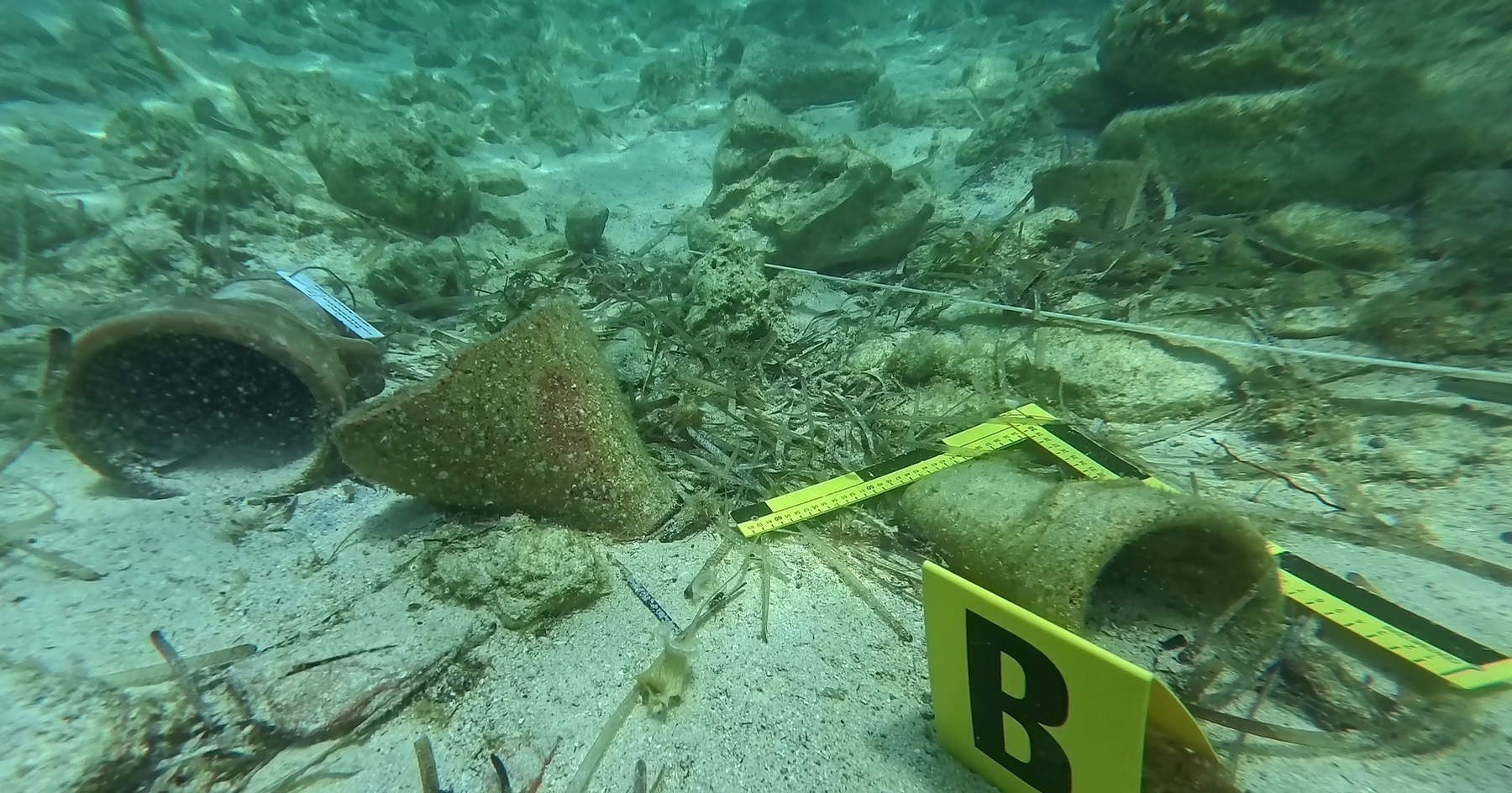
A second operation was carried out near the Madonnina pier. In this case, operations focused on an area between 10 and 50 meters from the port structure, at depths ranging from 8 to 10 meters. Here too, the work of the divers made it possible to identify and recover materials of significant archaeological interest. A total of eight artifacts were brought to the surface, including three fragmentary amphorae, a lead counterweight, a fragment from the spout of a transport amphora, and other ceramic materials.
The overall tally of the operation thus stands at 52 artifacts recovered in the two monitored areas. This heritage will now undergo the procedures required for the protection of archaeological assets, with study, cataloging, and conservation activities entrusted to the relevant authorities. The importance of the operation was emphasized by the Regional Councilor for Cultural Heritage and Sicilian Identity, Francesco Paolo Scarpinato, who highlighted the value of collaboration among the various institutions involved in cultural heritage protection activities. “This operation demonstrates, once again, how important synergy and collaboration are among the institutions engaged in cultural heritage protection,” he stated. “Thanks to initiatives like this, we can preserve and highlight the precious artifacts of our history lying on the seabed, making them accessible to the public and enriching our collective knowledge.”
The operation, however, may represent only the first phase of a research effort set to continue in the coming months. During underwater surveys, in fact, divers identified, beneath the sandy layer, some possible evidence of structures belonging to submerged shipwrecks. These are signs that could open up new avenues of study and investigation for archaeologists working to reconstruct the maritime history of the area. The anomalies identified will be subject to further verification by the Superintendence of the Sea, which will need to ascertain their nature and assess their potential archaeological significance.
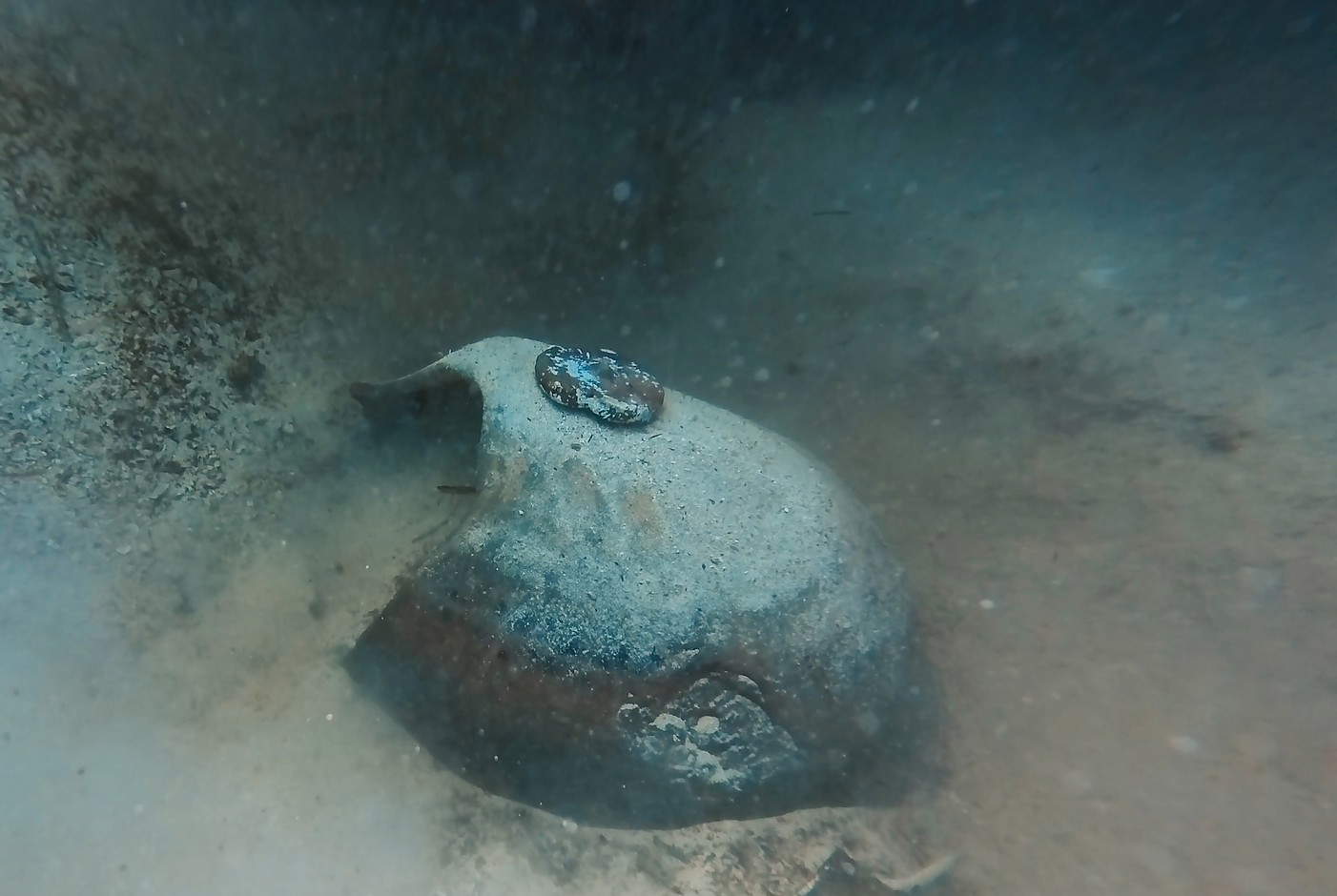
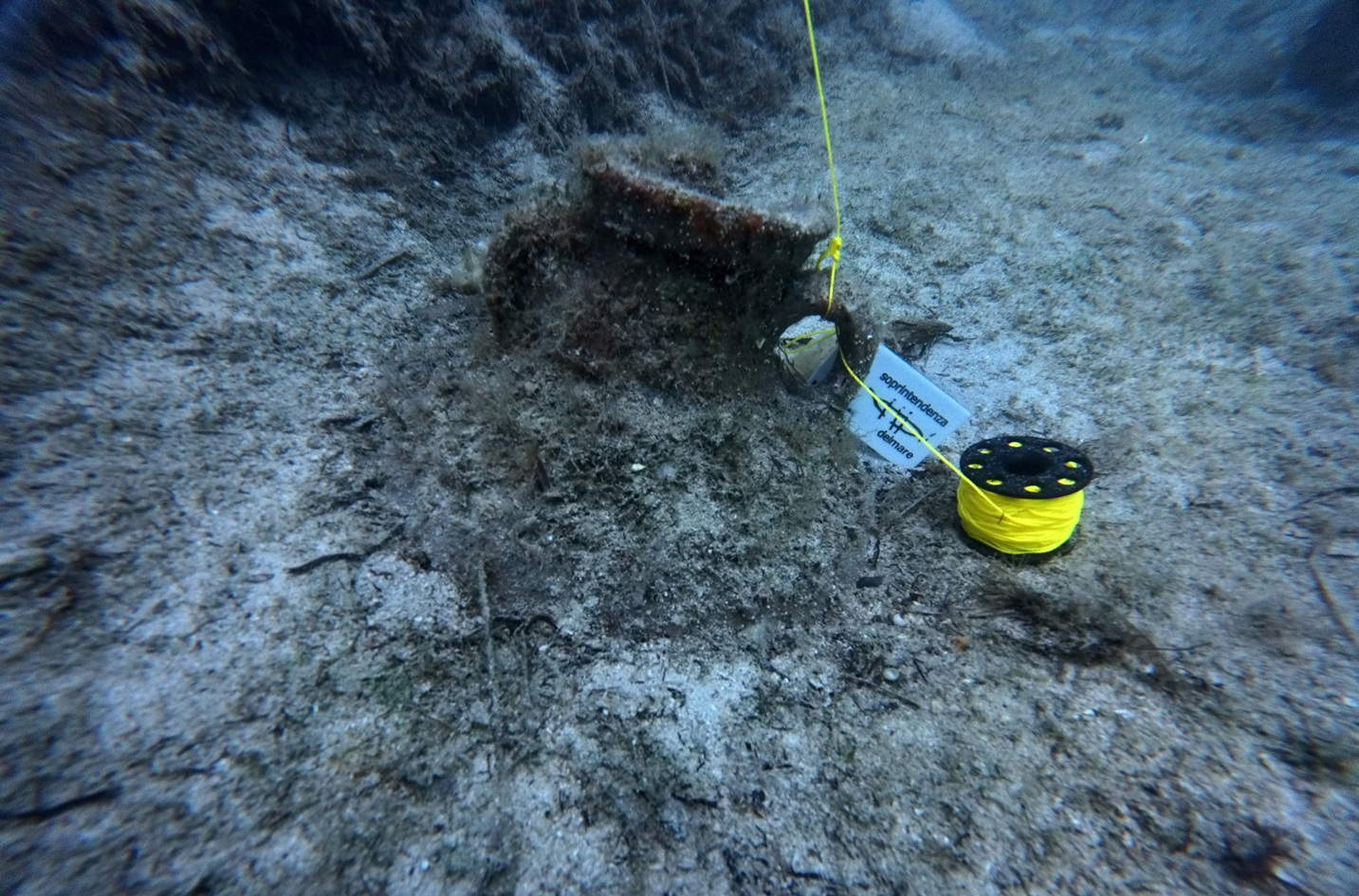
Should further investigations confirm the presence of ancient shipwrecks, this would open up a scenario of particular scientific significance. Shipwrecks, in fact, represent authentic archives of the past, capable of providing detailed information on trade routes, navigation techniques, and the economic life of the communities that traversed the Mediterranean in ancient times. Lampedusa, after all, has always occupied a strategic position at the center of Mediterranean sea routes, and it is precisely this geographical location that has, over time, facilitated the passage of ships, goods, and people from different parts of the basin. It is therefore not surprising that its seabed holds archaeological remains of great interest, often discovered during research and monitoring activities carried out by agencies responsible for protecting submerged cultural heritage.
In recent years, the Sicilian Region, through the Superintendence of the Sea, has intensified efforts to survey, document, and recover archaeological artifacts found on the seabed around the island and other Sicilian coastal areas. The objective is twofold: on the one hand, to protect a heritage particularly vulnerable to natural degradation and potential illegal activities; on the other, to expand historical and scientific knowledge related to human presence in the Mediterranean.
|
| Lampedusa: Archaeological artifacts recovered from the seabed; research begins |

Warning: the translation into English of the original Italian article was created using automatic tools. We undertake to review all articles, but we do not guarantee the total absence of inaccuracies in the translation due to the program. You can find the original by clicking on the ITA button. If you find any mistake,please contact us.
























 IT
IT FR
FR DE
DE ES
ES CN
CN


