





TheNational Institute of Anthropology and History (INAH), an entity of the Secretariat of Culture of the Government of Mexico, has registered a new Mayan-era archaeological site in the municipality of Othón P. Blanco, in the state of Quintana Roo, Mexico. The complex, named El Jefeciño, is distinguished by the presence of monumental architecture traceable to the Petén style and a set of 80 buildings distributed over an area that, according to initial estimates, covers at least 100 hectares.
The discovery came as a result of a report from the inhabitants of the region, collected during the activities of the Proyecto de Salvamento Arqueológico Tren Maya, coordinated by archaeologist Manuel Pérez Rivas in front 1 of section 7 (part of the railway line). The majesty of the complex led researchers to name the site El Jefeciño, indicating the grandeur of the preserved structures and the significance of the settlement in the context of the ancient urban networks of southern Yucatán.
“It strengthens the protection of the archaeological heritage and expands knowledge about the Maya presence in southern Quintana Roo,” says the Secretary of Culture for the Government of Mexico, Claudia Curiel de Icaza. “The inclusion of this site in the INAH’s work also recognizes the value of communities in safeguarding a historical memory that belongs to all and sundry.”
According to initial assessments based on architectural evidence, the site would date to the Classic and Postclassic periods , between 250 and 900 AD, a phase during which Petén-style Maya architecture developed. This style is recognizable by large vaulted buildings, rounded and recessed corners, and the presence of apron cornices (i.e., recessed molded bands), distinctive elements of a building tradition particularly prevalent in some areas of the southern Maya region.
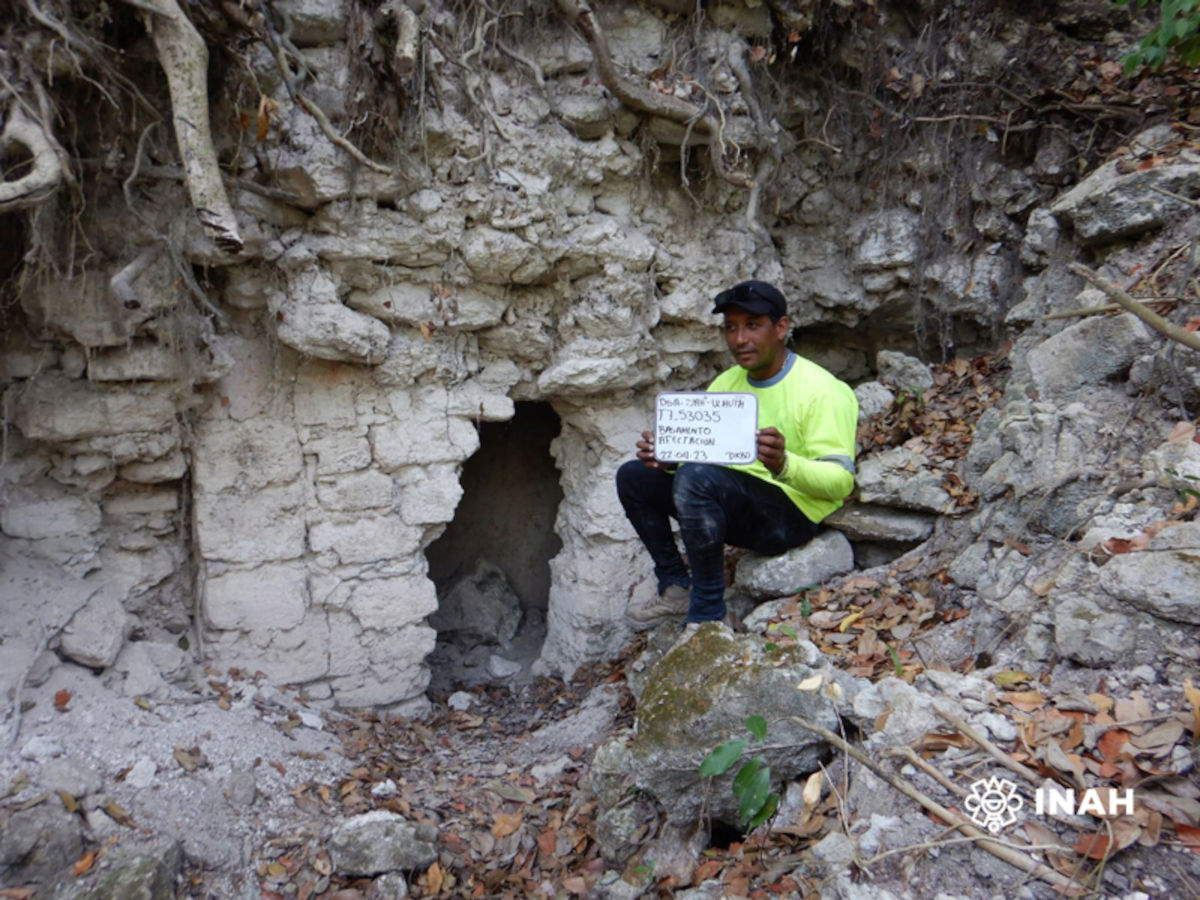
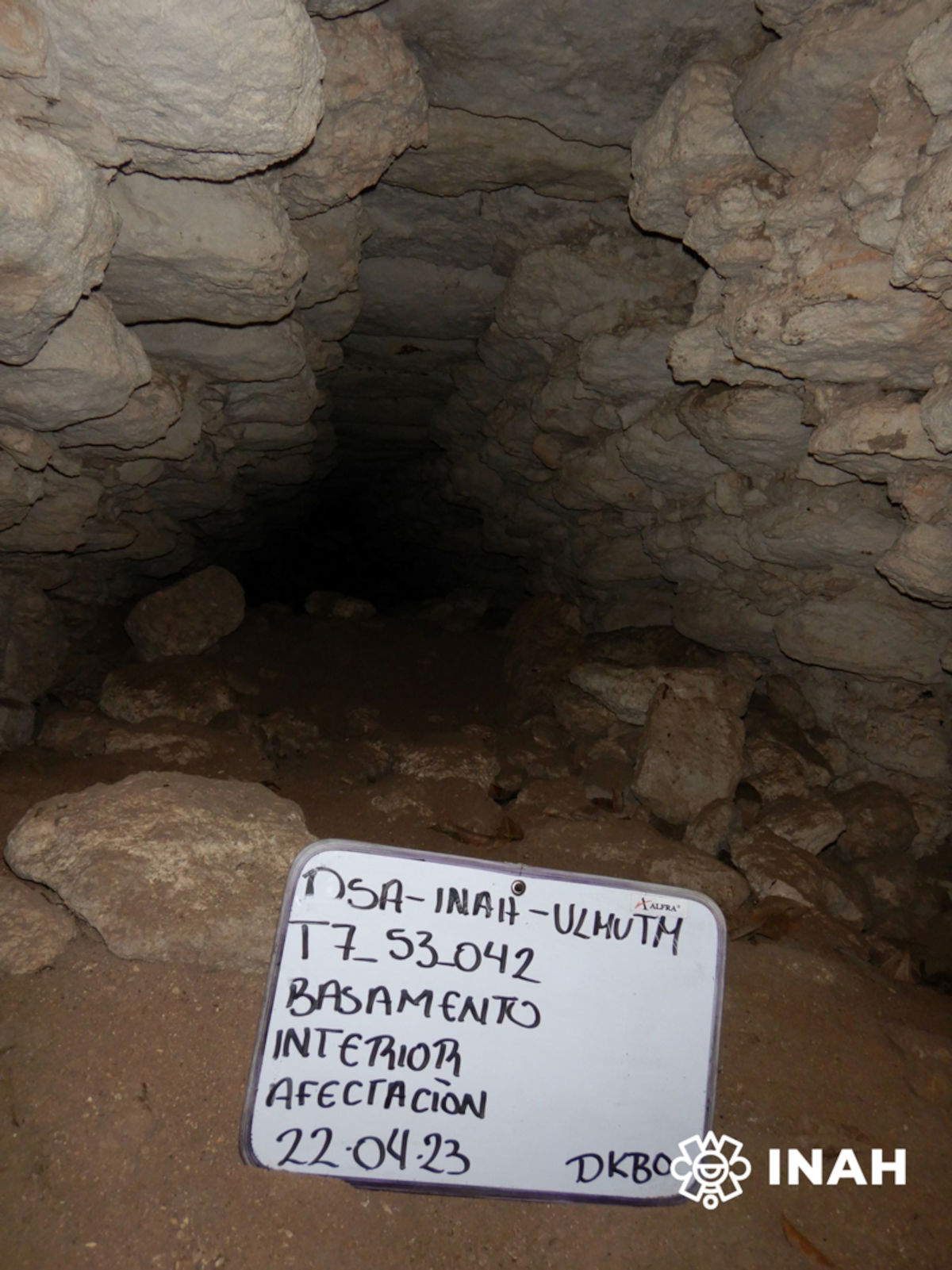
Providing details of the survey was Sonny Moisés Ojeda González, head of the Dzibanché Kinichná Archaeological Zone, who codirected the site’s recording activities between 2023 and 2024 together with Diana Karina Blancas Olvera, head of the Kohunlich Archaeological Zone. The work included preliminary prospecting aimed at verifying the state of preservation of the ancient city and hypothesizing its overall extent.
Data collected so far indicate that El Jefeciño occupies at least 100 hectares, but archaeologists believe the area may be even larger. More detailed reconnaissance will be needed to precisely define the extent of the site, the size of individual buildings and the overall settlement pattern. Indeed, scholars point out that the work carried out so far has been a preliminary recording of the complex, made necessary by the signaling and importance of the structures that have emerged.
“It was possible to observe what would correspond to the central area, consisting of five buildings, between 14 and 11 meters high and 16 to 40 meters long. These monuments are arranged to form a ’C’ shaped plaza,” explains archaeologist Blancas Olvera.
Among the buildings identified, special attention was paid to the monument identified with number 53035, located in the northeastern part of the site. In this structure, remains of stucco with decorative wall painting were observed, as well as fragments of a human skeleton that could belong to a funerary context. Specialists point out that since a systematic excavation has not been initiated, it has not been possible to carry out a thorough analysis of the materials or proceed to their recovery, as the evidence must remain in situ.
As for the wall painting, the person in charge Ojeda González explained that it would be ornamental and not narrative in nature. The pigments identified include white and orange, accompanied by red bands. Again, a more intensive exploration campaign will be needed to confirm the nature and extent of the decorations.
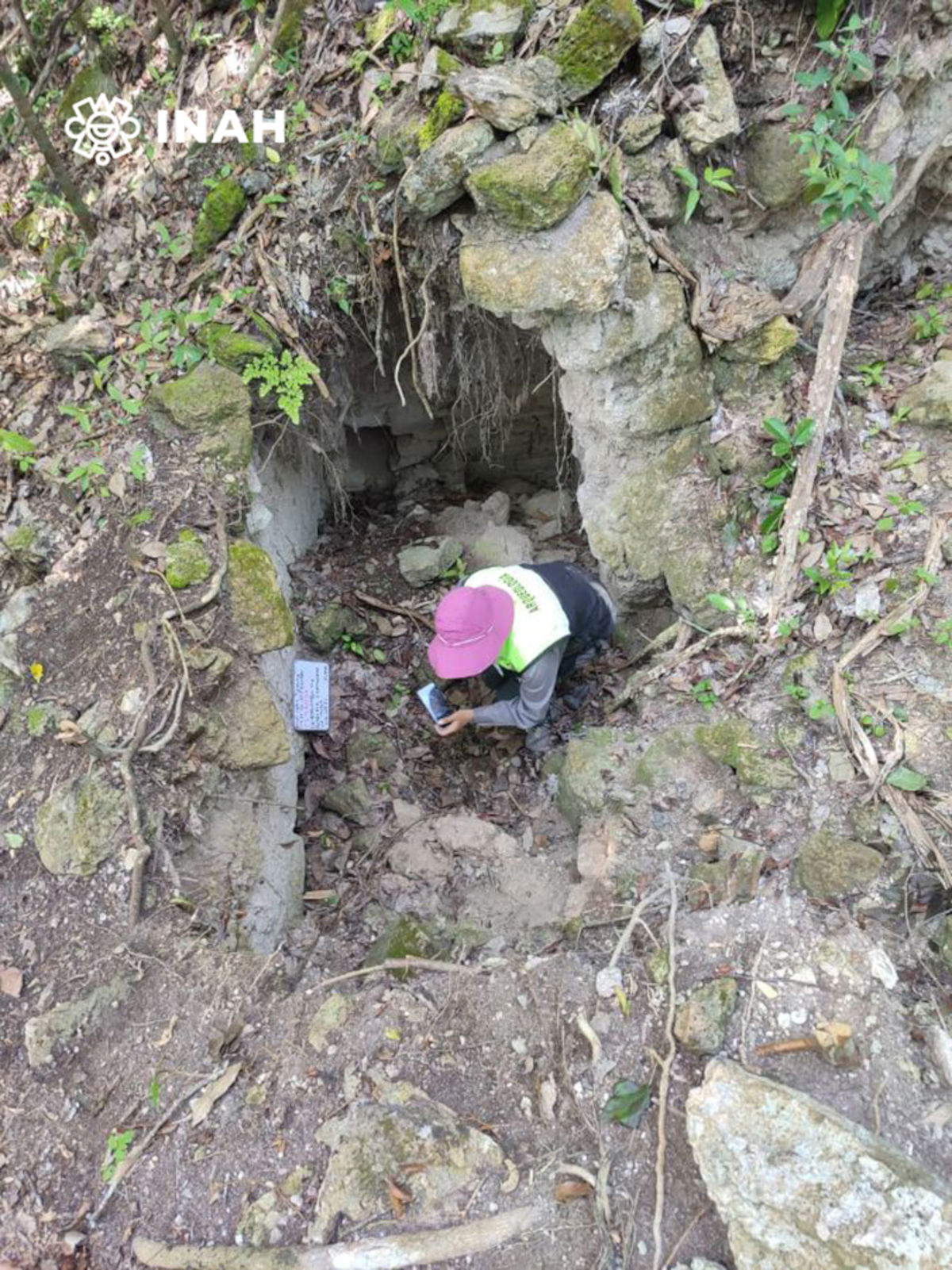
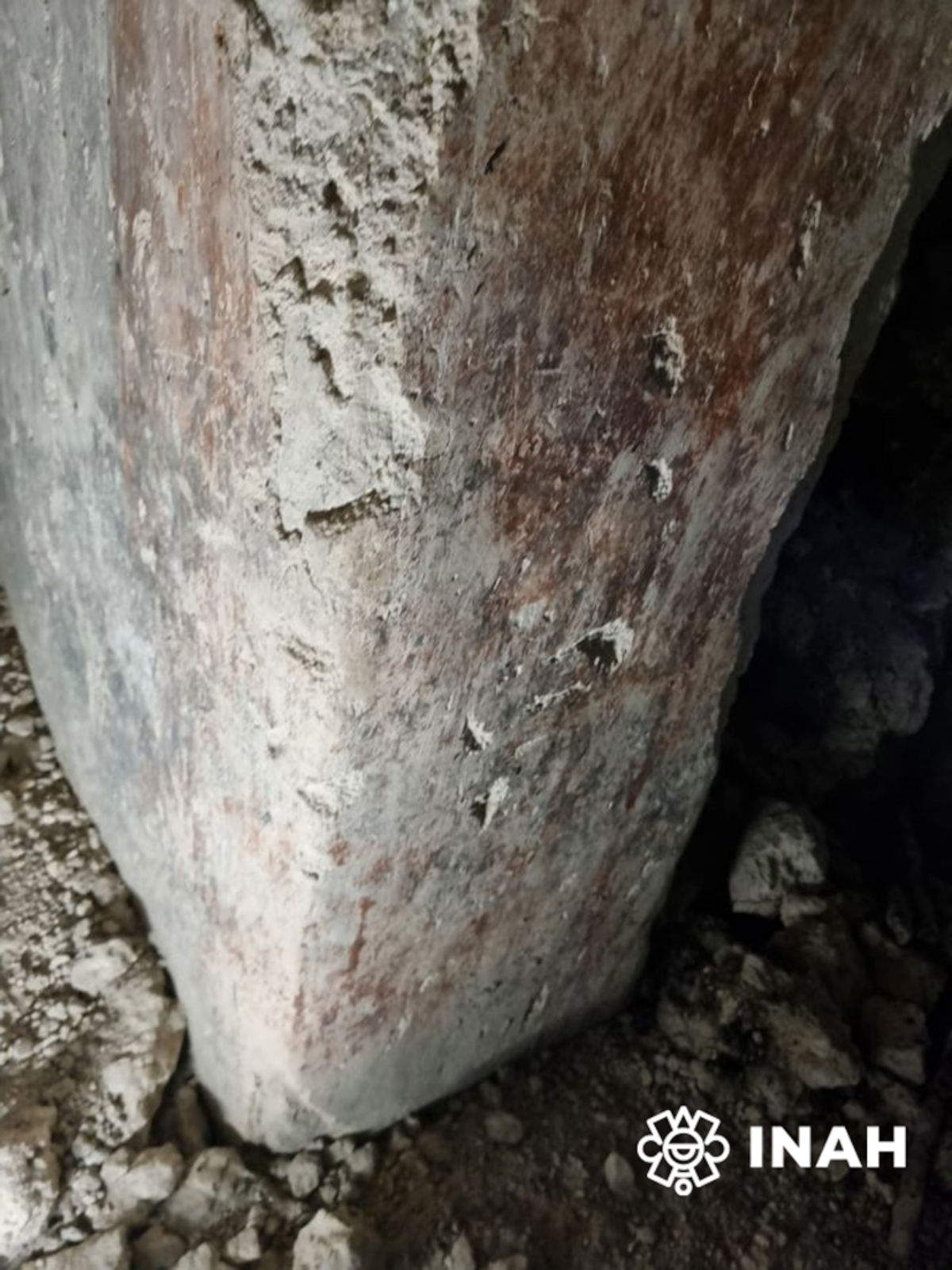
An additional feature of interest was detected in monument number 53037, located in the northwestern part of the complex, where a substructure with recessed molded bands is visible. Superficial observation made it possible to identify at least three construction phases. The first, the deepest, is located at about eight meters and has the molding characteristic of the Petén style; the second phase corresponds to the remains of wall painting; and the third shows structural collapses in which the installations of ancient stairways appear.
According to archaeologists, the size of the buildings suggests even greater complexity. “Because of the size of the structures we infer that there must be at least four or five construction phases,” explained Ojeda González, suggesting that the site has experienced a long history of successive architectural transformations and extensions.
An additional finding concerns three preserved Maya vaults inside some of the buildings, made using the technique of projecting walls and arrived in good condition to date. For the future, the researchers foresee the possibility of developing a mapping project using LiDAR technology, a tool that would allow more precise analysis of the settlement pattern and distribution of structures within the area. Only at a later stage could possible conservation, consolidation and further exploration of the complex be defined.
According to scholars involved in the project, the analysis of El Jefeciño may contribute to the understanding of the region’s network of archaeological sites and expand knowledge about Maya communities in the southern Quintana Roo area. The new site could also offer useful data for reconstructing the social, political and territorial relations that existed between the different urban centers in the south of the peninsula, fitting into a still-evolving research framework.
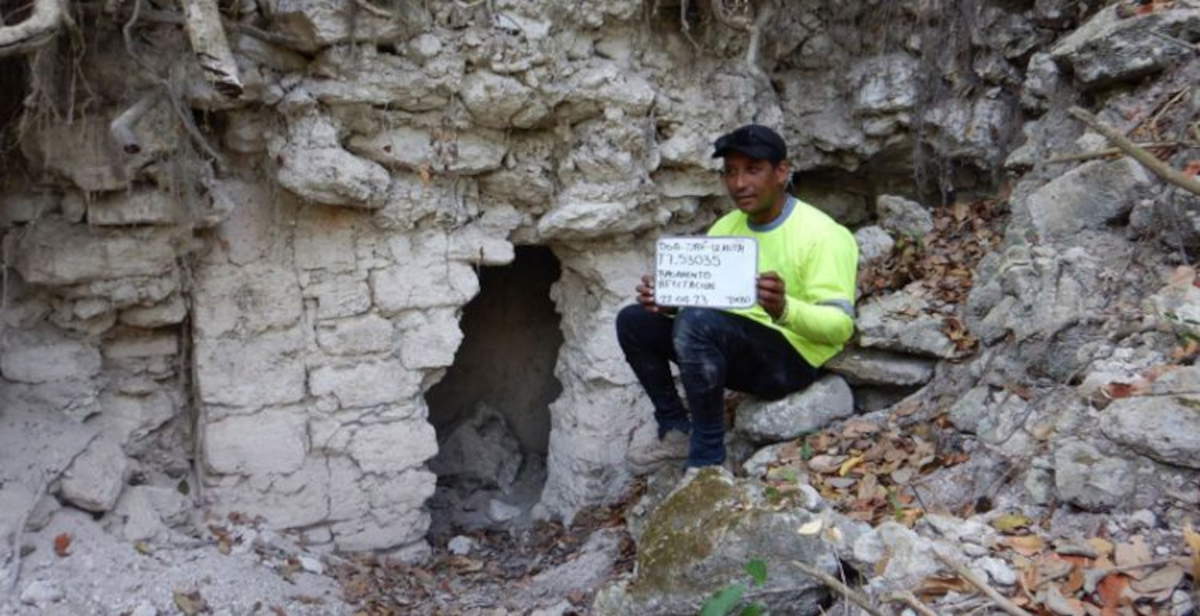 |
| Mexico, new monumental Maya site discovered with 80 buildings |


The author of this article: Noemi Capoccia
Originaria di Lecce, classe 1995, ha conseguito la laurea presso l'Accademia di Belle Arti di Carrara nel 2021. Le sue passioni sono l'arte antica e l'archeologia. Dal 2024 lavora in Finestre sull'Arte.Warning: the translation into English of the original Italian article was created using automatic tools. We undertake to review all articles, but we do not guarantee the total absence of inaccuracies in the translation due to the program. You can find the original by clicking on the ITA button. If you find any mistake,please contact us.





























 IT
IT FR
FR DE
DE ES
ES CN
CN


