





A portion of the forum ofancient Altino (Venice) is returning to light for the first time thanks to a new excavation campaign that marks a turning point in the knowledge of one of the most important urban centers of northeastern Roman Italy. In fact, ongoing investigations in the Archaeological Park of Altino, which is afferent to the National Archaeological Museums of Venice and the Lagoon, are returning particularly important results, allowing archaeologists to explore the monumental heart of the ancient city for the first time. The first data that have emerged confirm the hypotheses formulated about two decades ago thanks to remote sensing campaigns and geophysical prospecting, which had made it possible to reconstruct the urban layout of the area without resorting to direct excavation. Today those interpretations find concrete verification on the ground, inaugurating a new season of archaeological research destined to significantly enrich knowledge of the ancient lagoon city. The project is promoted and directed by the Altino Archaeological Park thanks to dedicated funding from the Ministry of Culture’s Directorate General for Museums. Park technical staff, professional archaeologists and the Interdepartmental Research Center Study and Conservation of Archaeological Architectural and Historical-Artistic Heritage of the Department of Cultural Heritage of the University of Padua are participating in the activities. The excavation campaign at Altino was supported by the General Directorate of Museums with a 210,000 euro grant.
“Altino is once again telling its story thanks to archaeological research,” says Director General of Museums, Massimo Osanna. “The results of this excavation campaign inaugurate a new season of studies on one of the most important archaeological sites in the ancient Veneto region. The Directorate General for Museums’ support for research in national archaeological parks stems from the conviction that knowledge represents the first tool for heritage protection and enhancement. Sharing these results with the public means making places of culture increasingly participatory and aware, capable of generating new growth opportunities for territories and strengthening the National Museum System.”
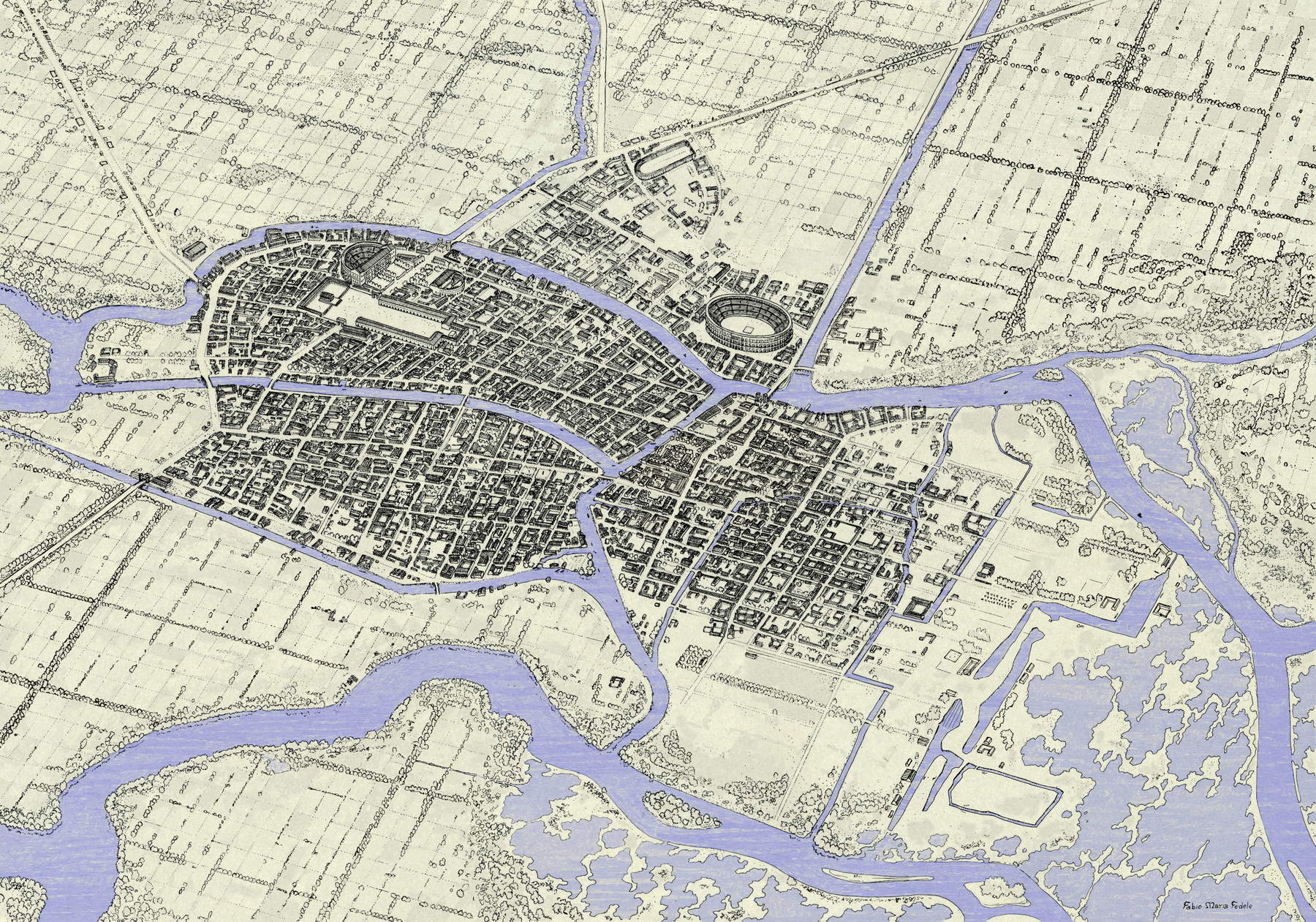
The archaeological campaign began in October 2025 and is being developed through an articulated work program divided into three phases. The first involved preliminary geophysical prospecting, necessary to identify the most scientifically promising areas. This was followed by the phase currently underway, devoted to the actual archaeological excavation. Once the field work is completed, the project will continue with laboratory analyses and the study of the recovered finds, enabling new interpretations of the city’s urban history to be developed.
The activity involves an area of 26 hectares acquired by the Ministry of Culture in the first half of 2025 and subsequently entrusted to the management of the Altino Archaeological Park. This is a particularly large area that corresponds to about a third of the ancient buried city. A sector that, until now, had never been the subject of systematic excavations and whose urban organization was known exclusively through data collected by geophysical prospecting campaigns carried out between 2007 and 2009 by the University of Padua in collaboration with the then Archaeological Superintendence and the Veneto Region.
The results obtained in the first 602 square meters investigated are already providing valuable information. Indeed, the archaeological evidence makes it possible to reconstruct not only the phase of maximum development of the Roman city, but also the transformations that accompanied its progressive decline and subsequent abandonment. The traces that have emerged document both the monumentality of the settlement and the processes of spoliation and reuse of materials that characterized the eras following its decline.
Investigations are currently concentrated in three different areas of the ancient urban center, each of which is providing data of particular interest. The largest sector involves the southern edge of the forum, the large public square that constituted the political, administrative and economic center of the Roman city. Here archaeologists have identified traces of the tabernae, the stores that faced directly onto the public space and were one of the characteristic elements of Roman urban life.
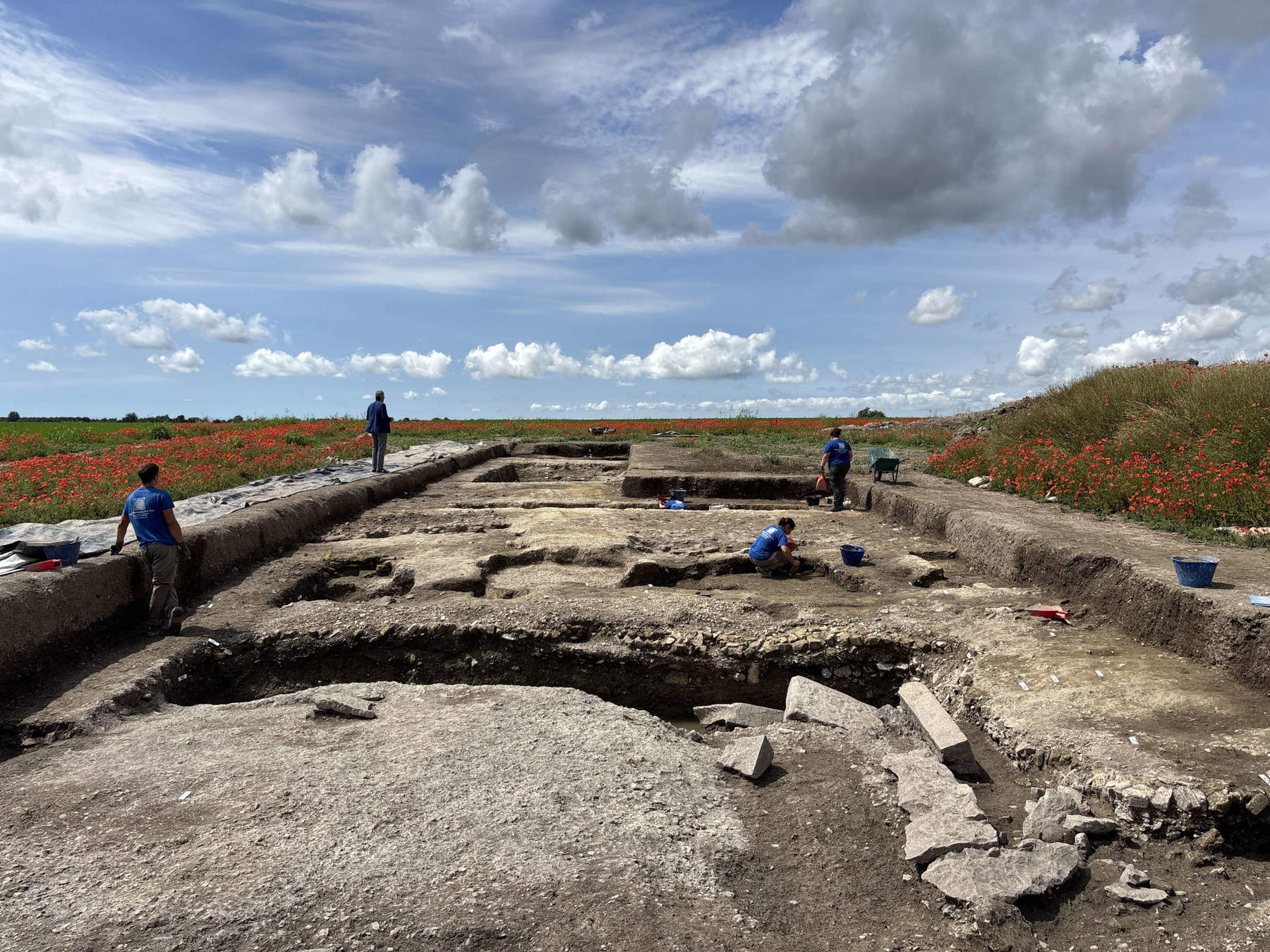
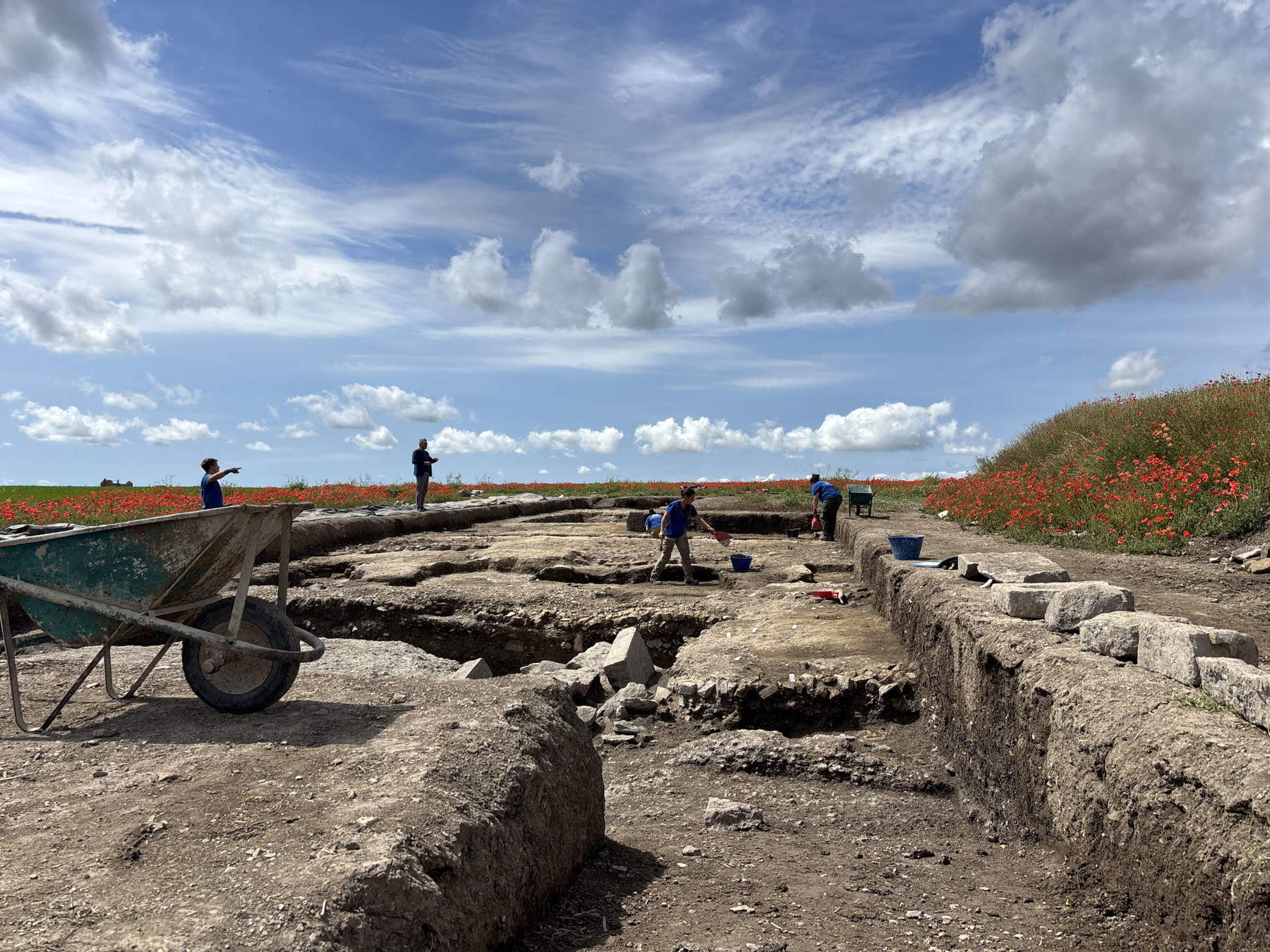
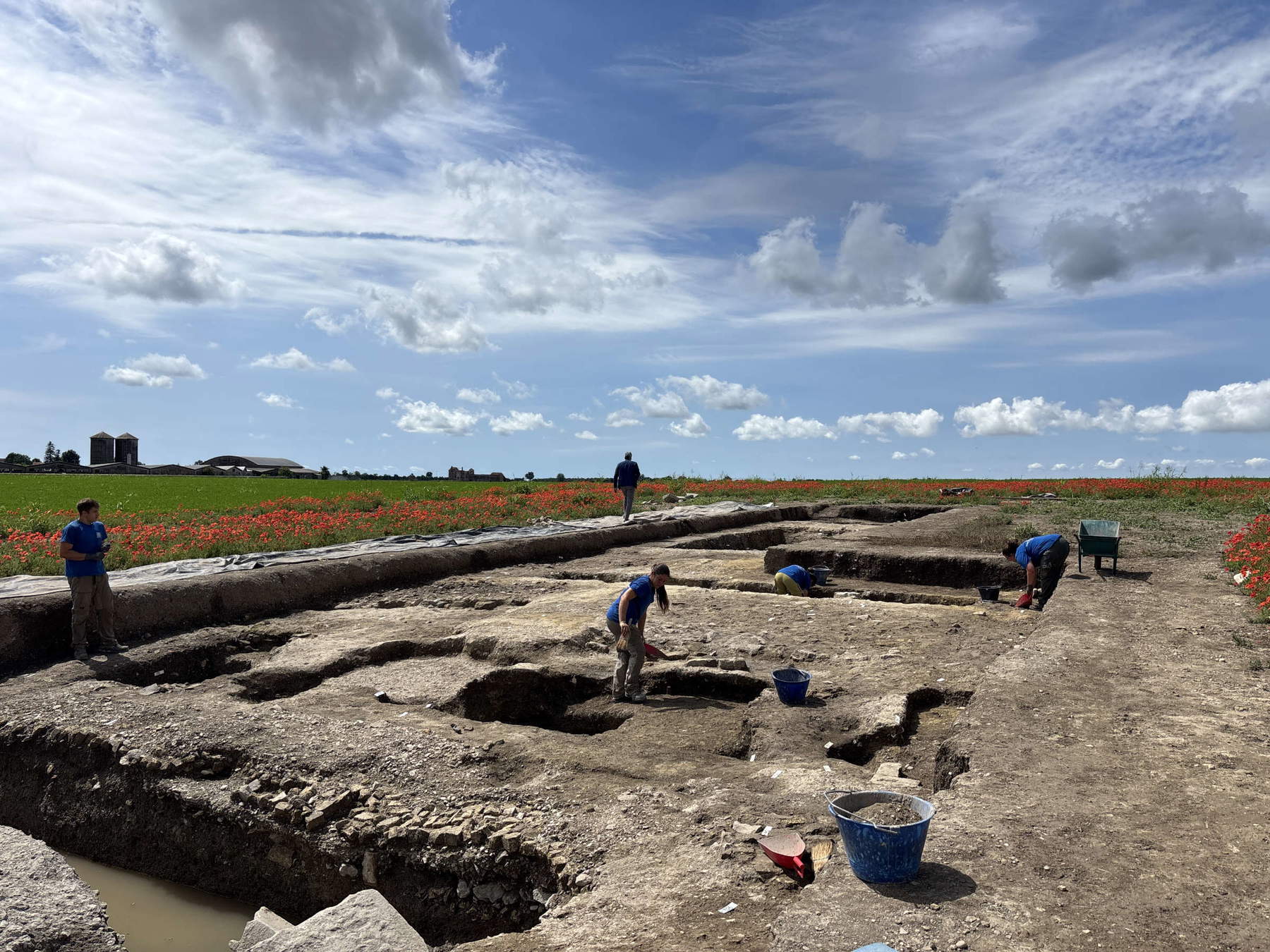
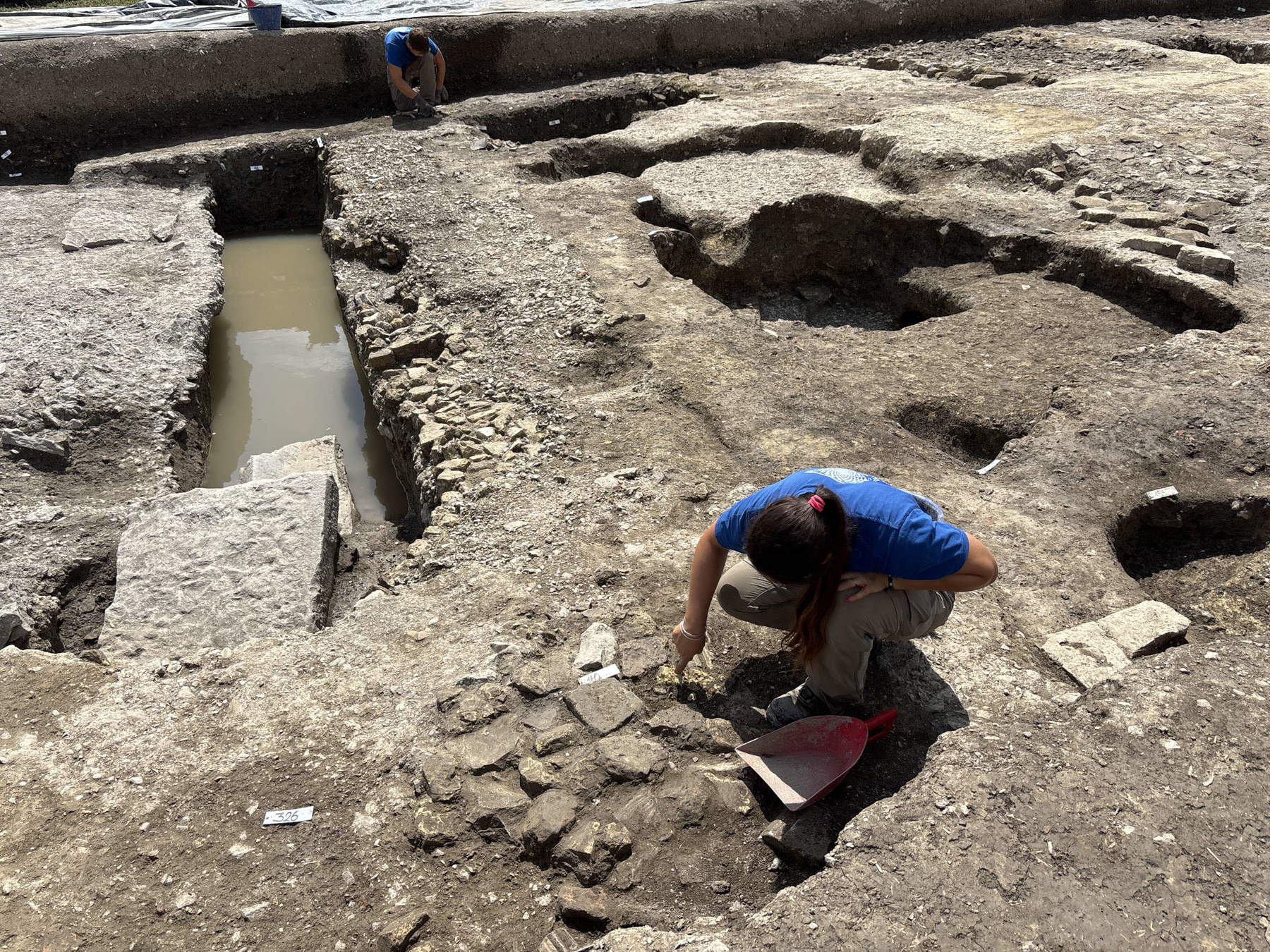
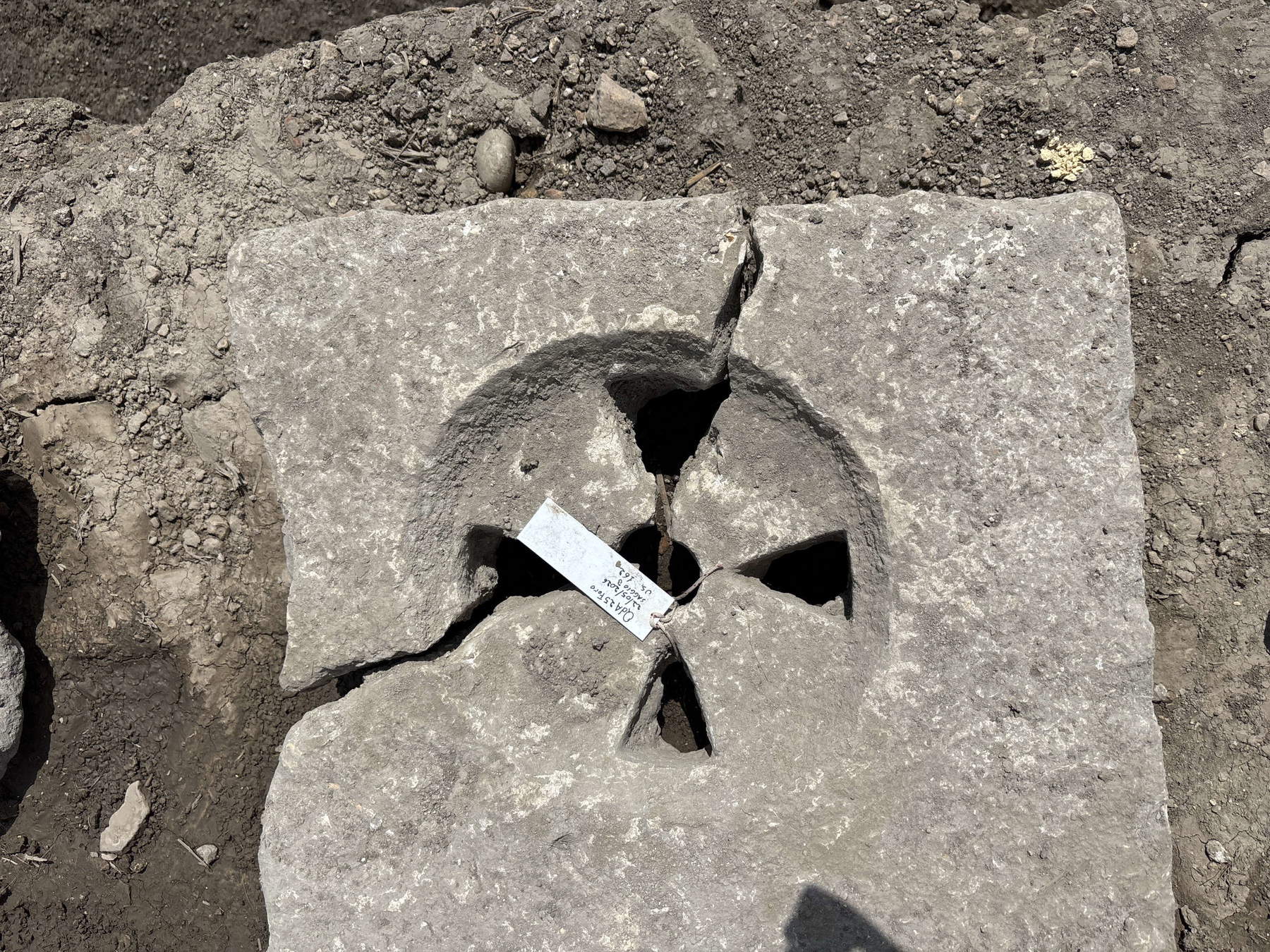
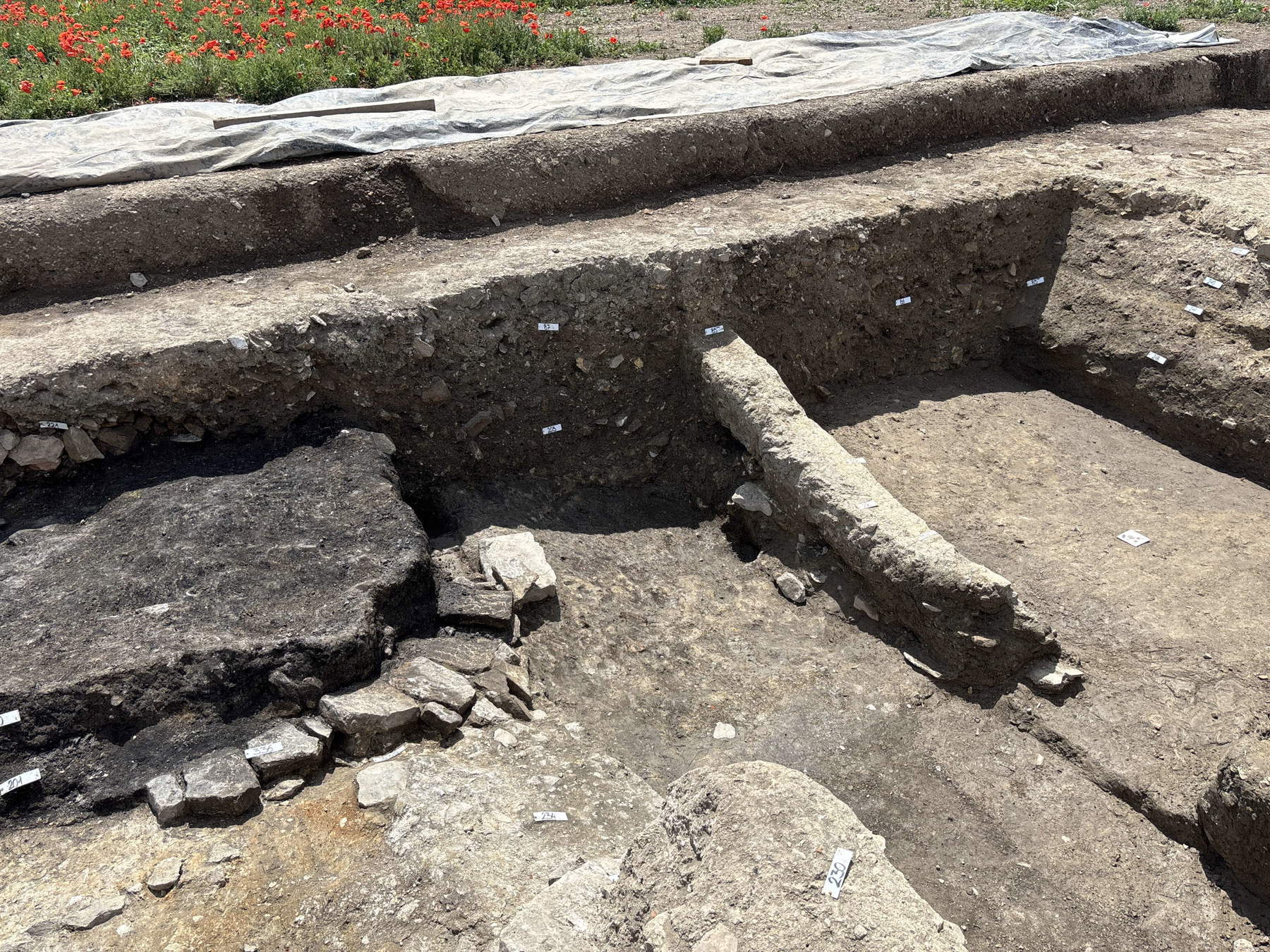
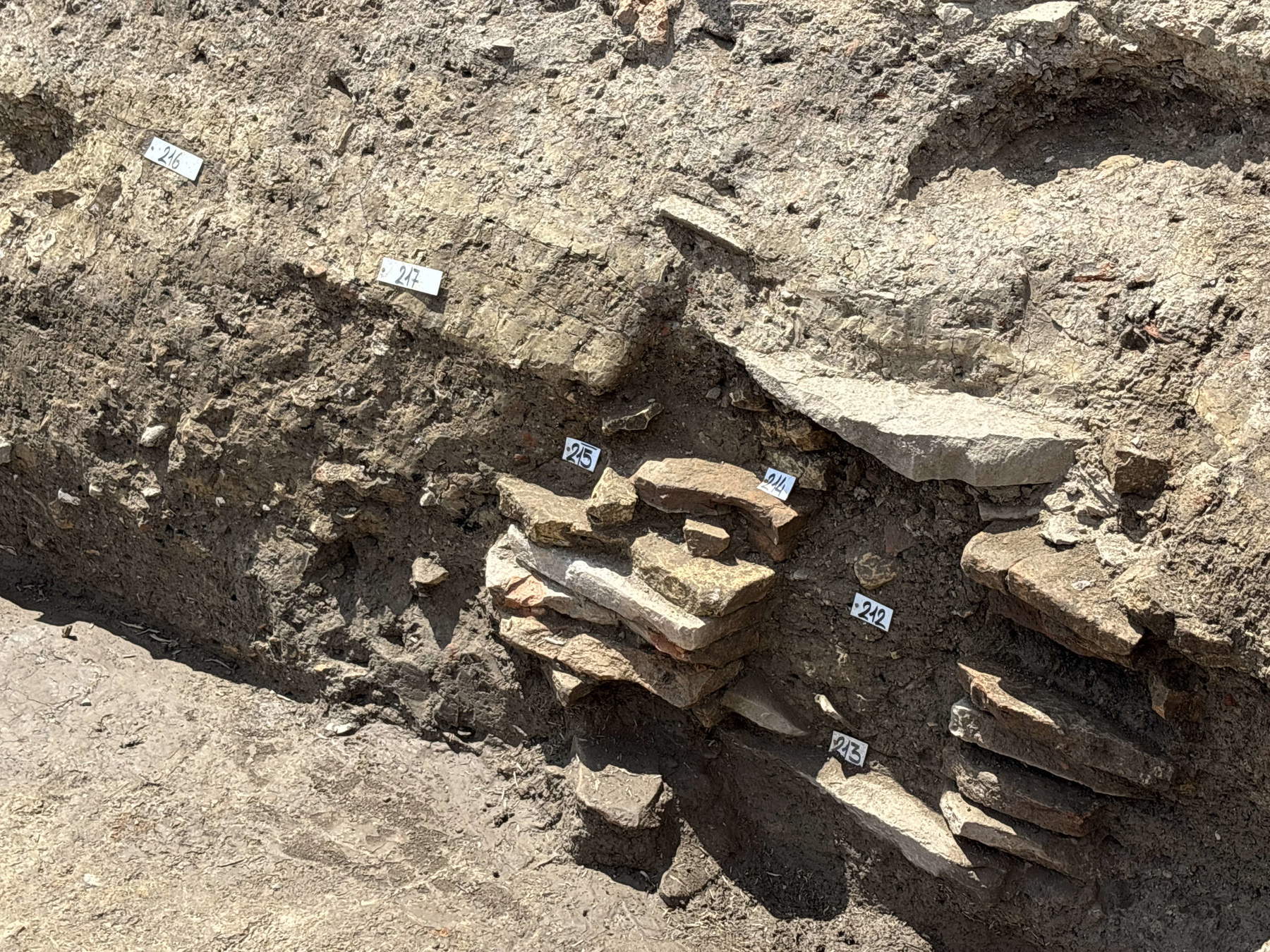
Alongside the workshops, a road axis also emerged that separated the forum from the basilica. The latter constituted one of the most important buildings in the city, intended for civic, administrative and judicial activities. The presence of the structures confirms the monumental articulation of the public area and offers new elements for understanding the organization of Altino’s central spaces.
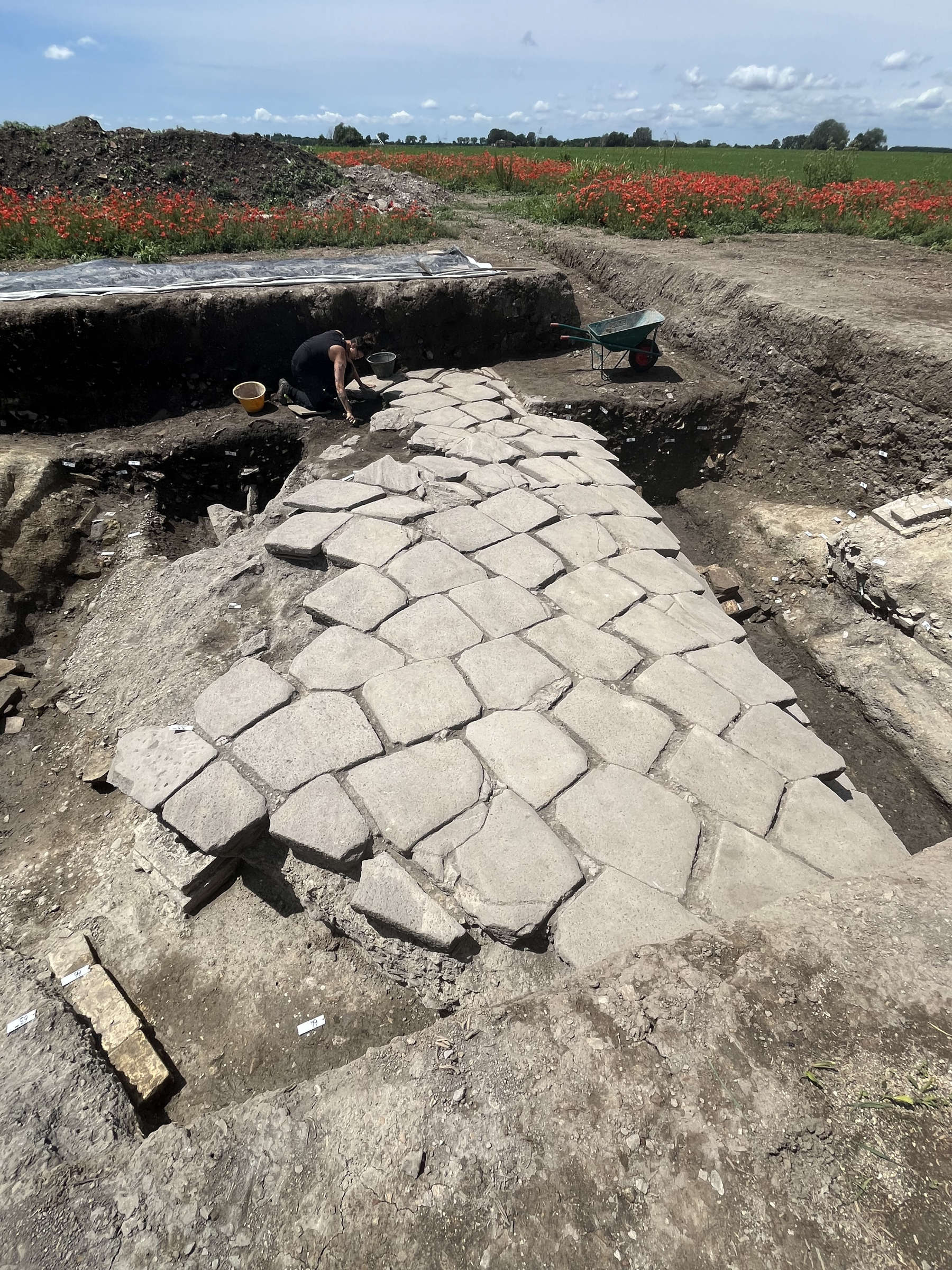
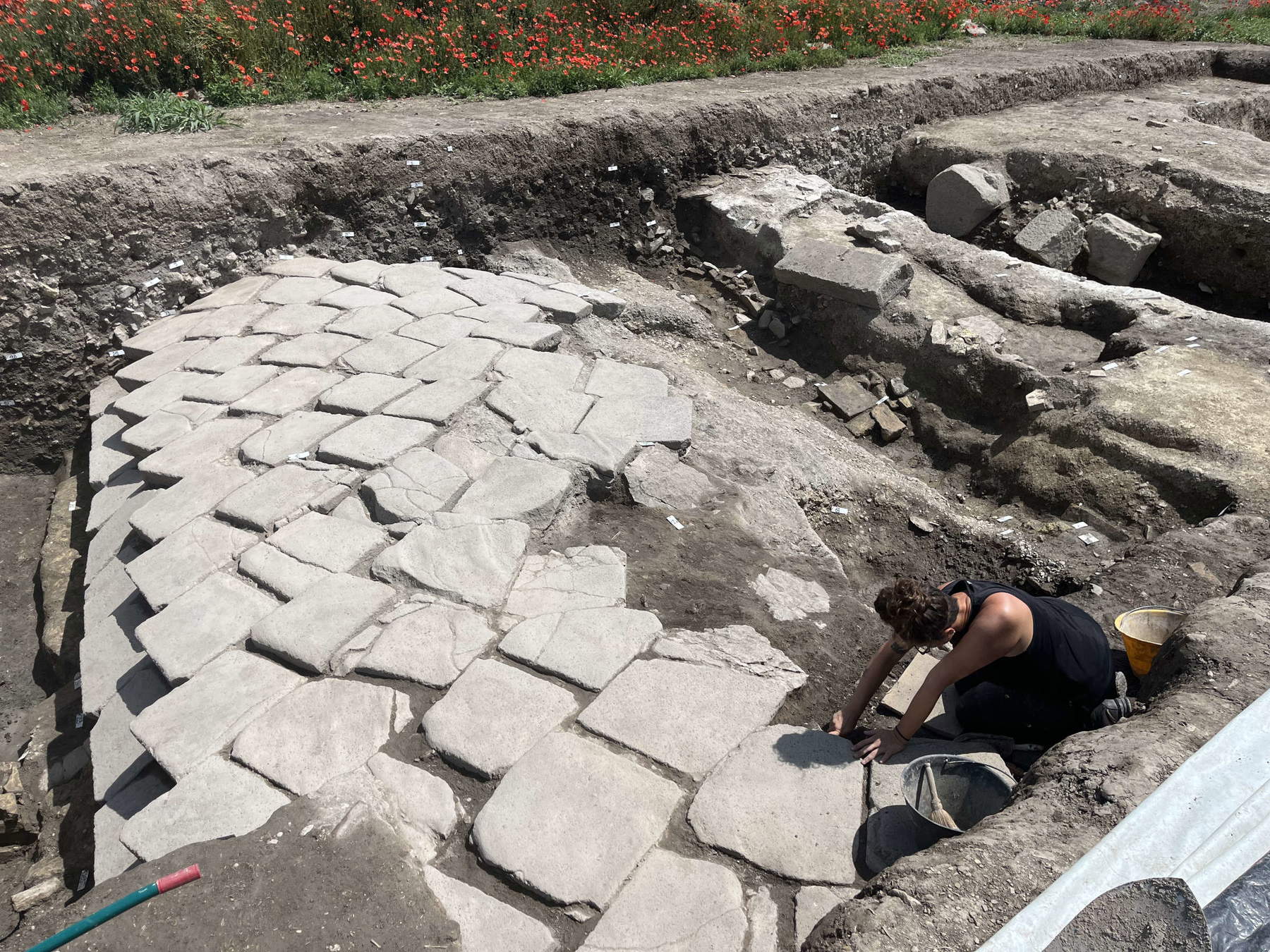
The discovery takes on special value because it is the first archaeological investigation conducted directly in the city’s forum. Until now, in fact, knowledge of this area derived exclusively from geophysical readings that had allowed us to hypothesize its presence and configuration. The excavation now makes it possible to concretely verify these interpretations and to acquire much more detailed information on construction techniques, building phases and transformations that have occurred over time. A second essay concerned the Via Annia, one of the main arterial roads of Roman Italy. The road, built starting in the mid-2nd century B.C., connected Padua to Aquileia by passing right through the territory of Altino and represented one of the fundamental axes for commercial and military connections in northeastern Italy.
The excavation uncovered an urban section of the road in a state of preservation described as exceptional. The discovery further confirms the strategic role played by Altino within the Roman infrastructure network and offers new perspectives for the study of the ancient road system and the economic dynamics that characterized the region in Roman times. Indeed, the presence of the Via Annia testifies to Altino’s centrality as a junction between the Po Valley hinterland, the upper Adriatic, and the major trade routes that connected the Italian peninsula to the eastern provinces of the Empire. The city prospered precisely because of its privileged position, becoming one of the main economic and commercial centers of the Veneto area.
The third area under investigation, however, concerns another of the city’s most significant monumental structures: the larger of the two theaters identified by geophysical prospecting. Here, too, the ground investigations confirmed the hypotheses developed in previous years. Indeed, the excavation uncovered sections of the walls of the cavea, the structure designed to accommodate spectators during theatrical performances. Although the exploration is still in its early stages, the results are considered particularly promising by archaeologists and hint at the possibility of acquiring new information about the public architecture and cultural life of the Roman city.
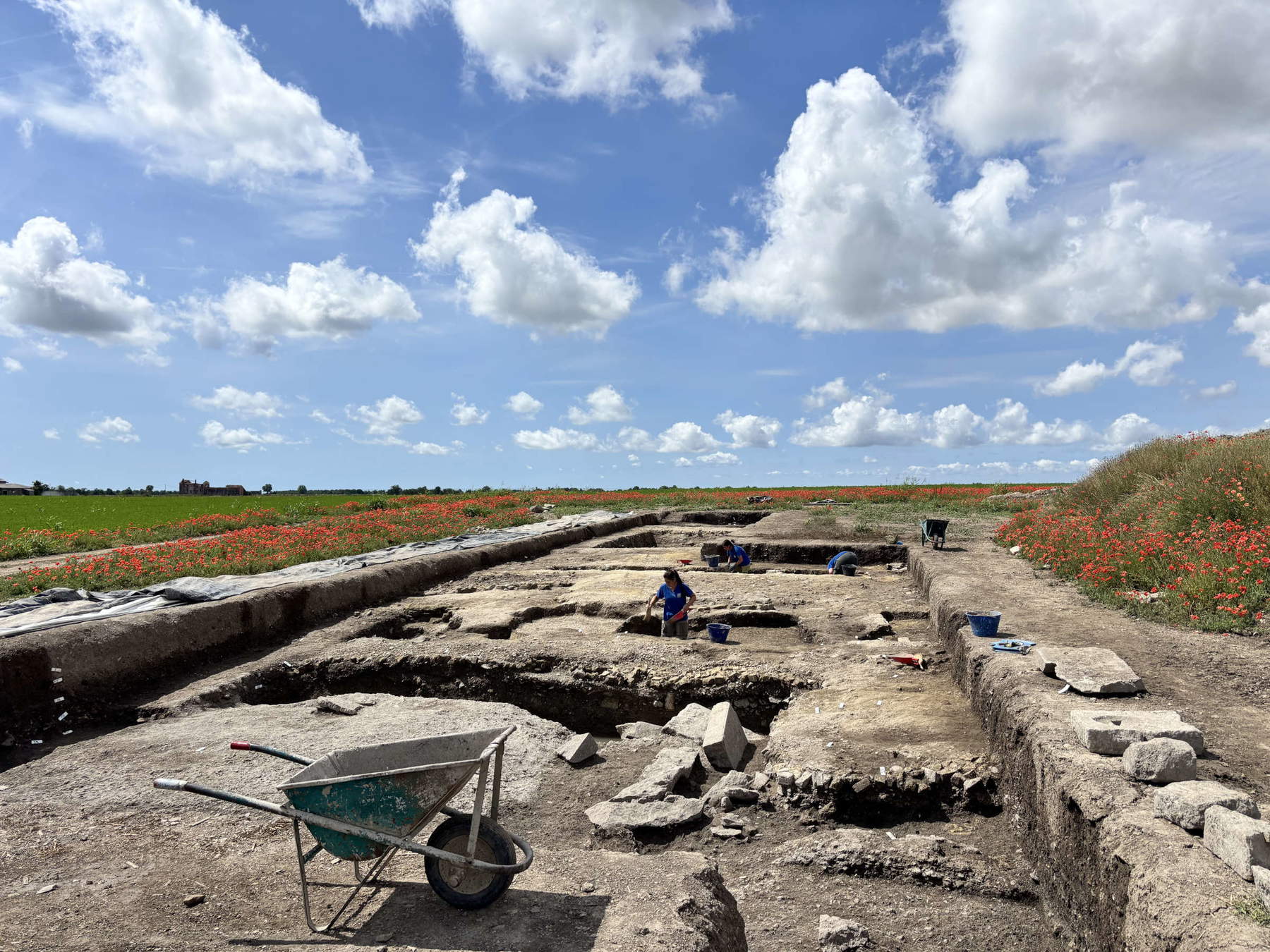
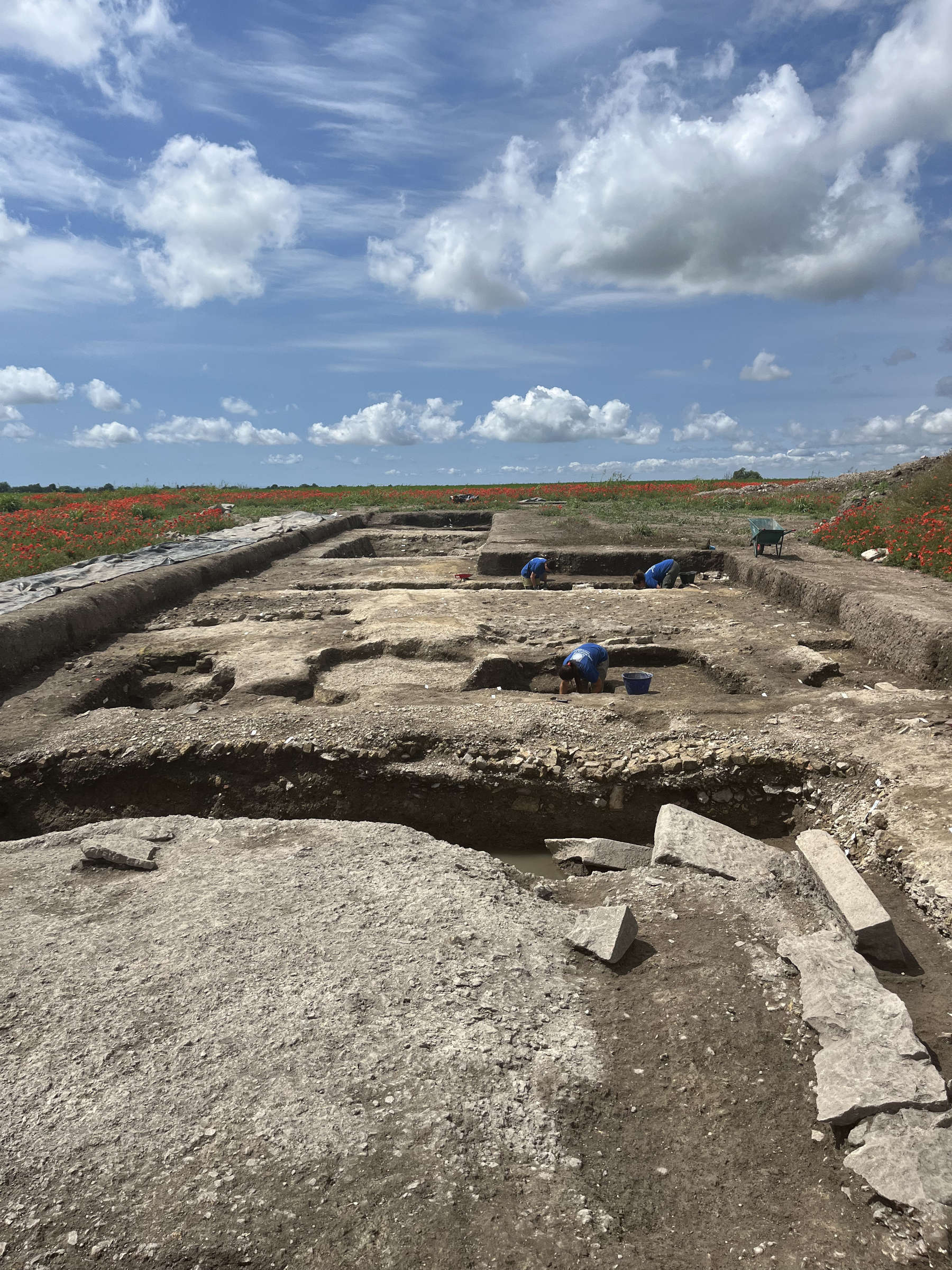
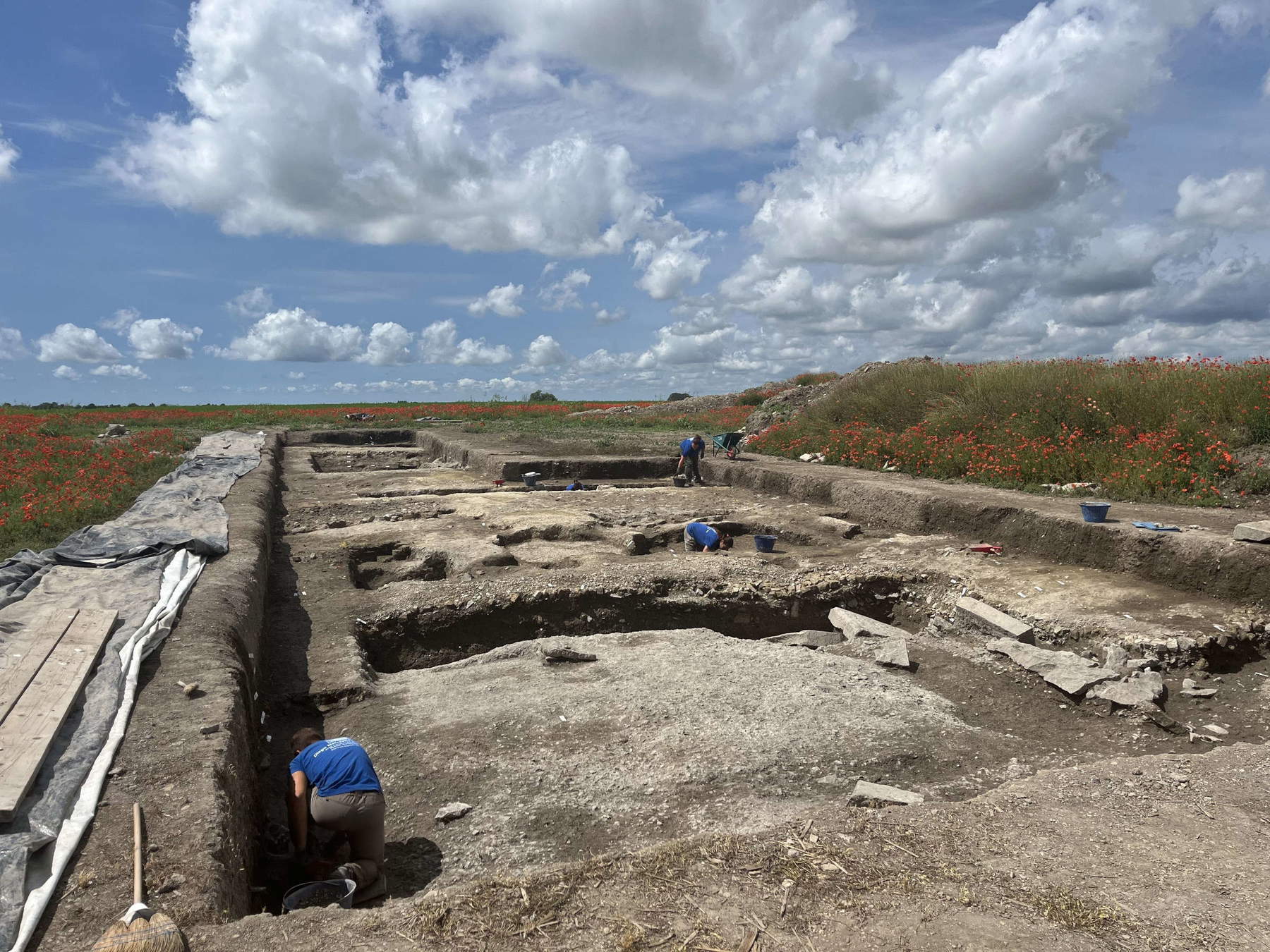
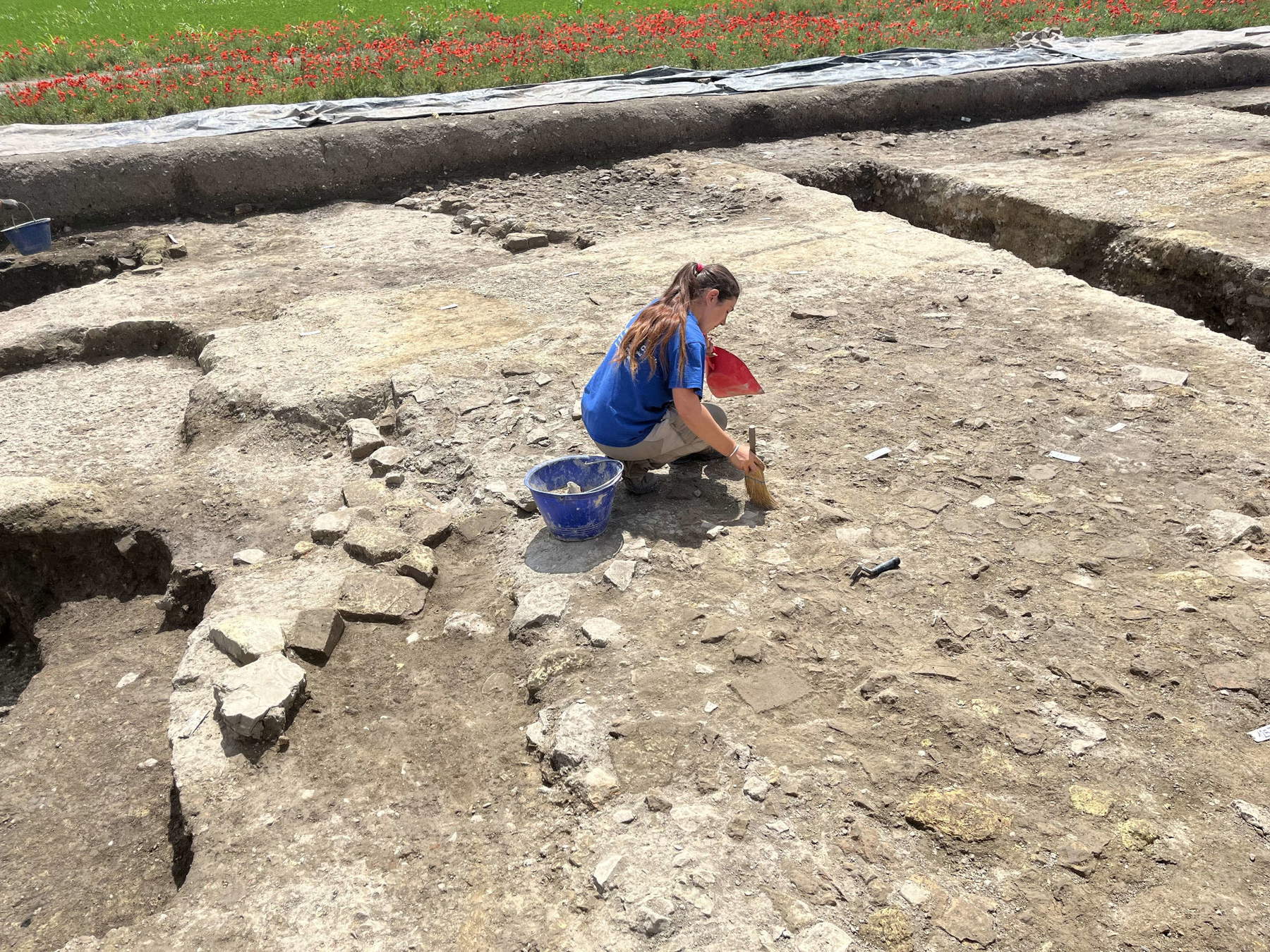
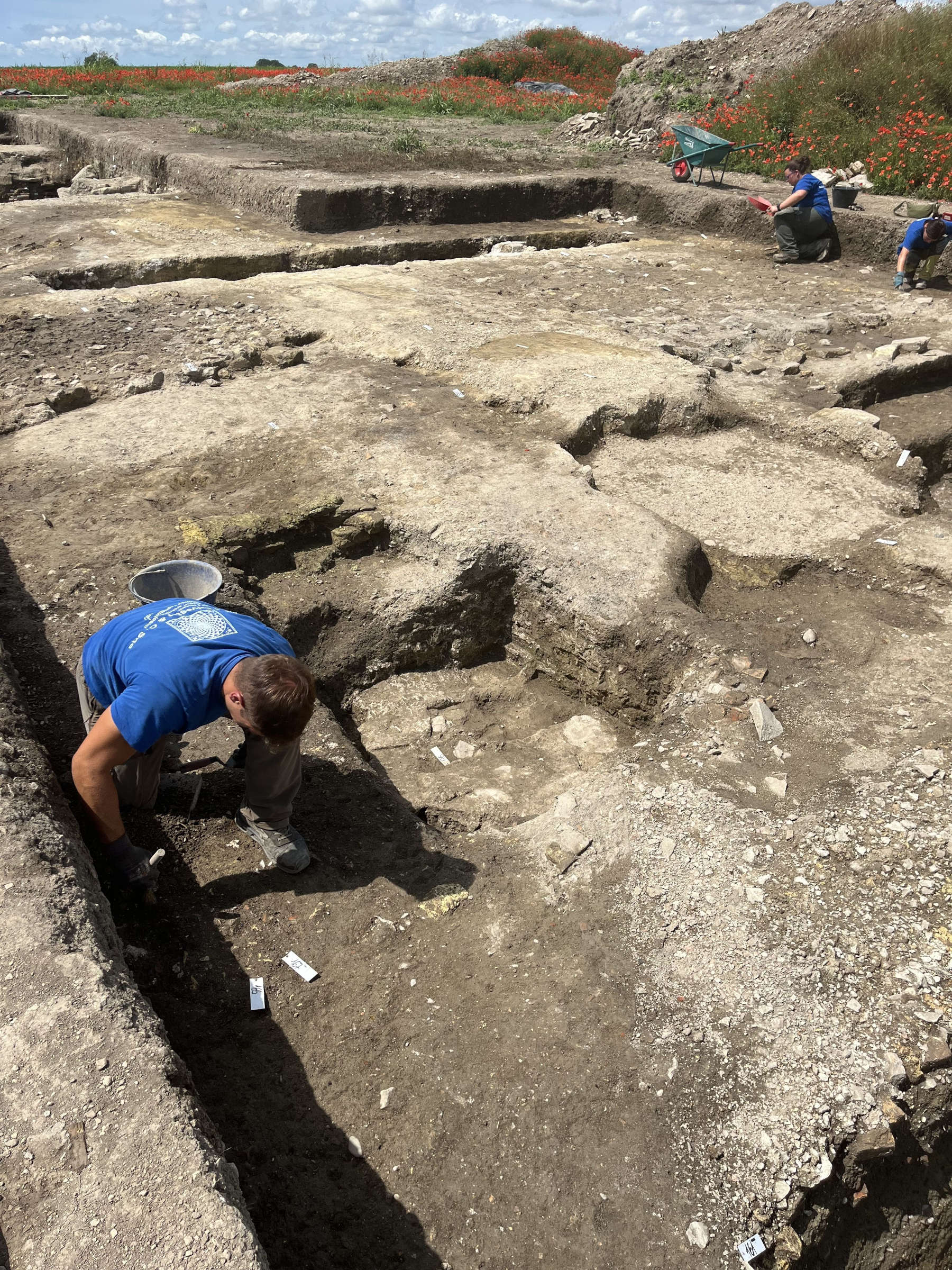
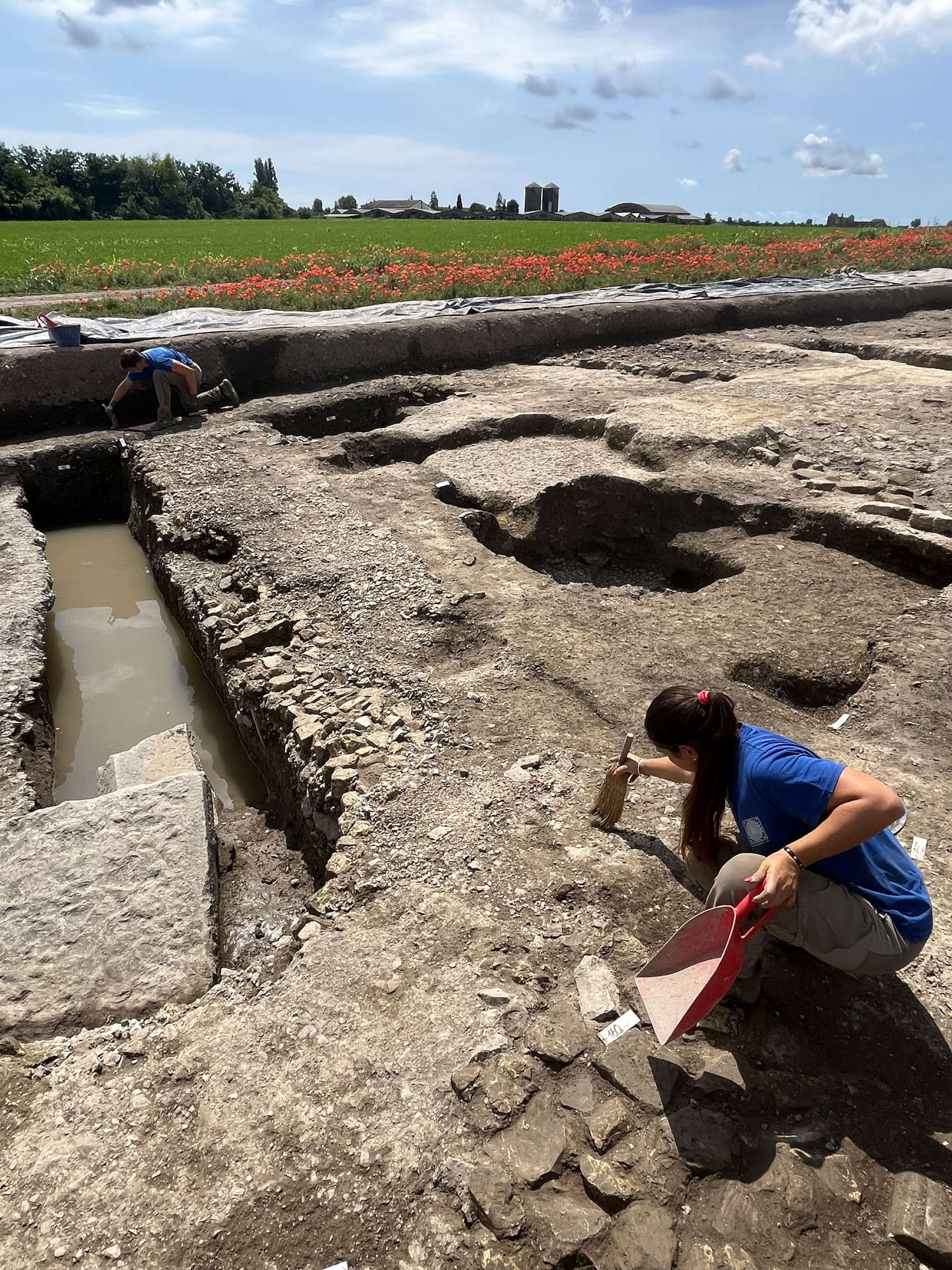
The confirmation of the existence of the theater constitutes a key piece in the reconstruction of Altino’s urban image. Indeed, the presence of buildings intended for performances is a significant indicator of the level of economic and cultural development achieved by the city during its heyday. The new evidence also makes it possible to observe the long process of transformation that affected the urban center over the centuries. The archaeological traces document not only the construction and use of monumental buildings, but also the later stages of abandonment, spoliation and recovery of building materials, phenomena that accompanied the progressive decline of the settlement.
“This excavation campaign represents the culmination of the long work of land acquisition, following the revealing prospecting of almost two decades ago, and the starting point for the future planning of archaeological research at the Altino site, with the Park’s commitment as the center of propulsion and coordination of studies,” says Marianna Bressan, director of the National Archaeological Museums of Venice and the Lagoon. “The intervention involved the center of the ancient city, marked by the presence of relevant public monumental complexes. Although the excavation area is extremely small compared to the extent of the monuments, the data that emerged already offer important elements for interpreting the history of the city until its abandonment. From the point of view of method, the excavation results provide scientific validation to non-invasive investigations, opening up the prospect of arriving at more refined interpretations through mutual integration. The excavations have shown that Roman buildings were subjected to surgical spoliation in late antique and early medieval times because building elements were being recovered and reused elsewhere. Significantly, the only artifact preserved is the Via Annia: the well-built, long-distance road was functional for the transfer of building materials and therefore was preserved as long as possible.”
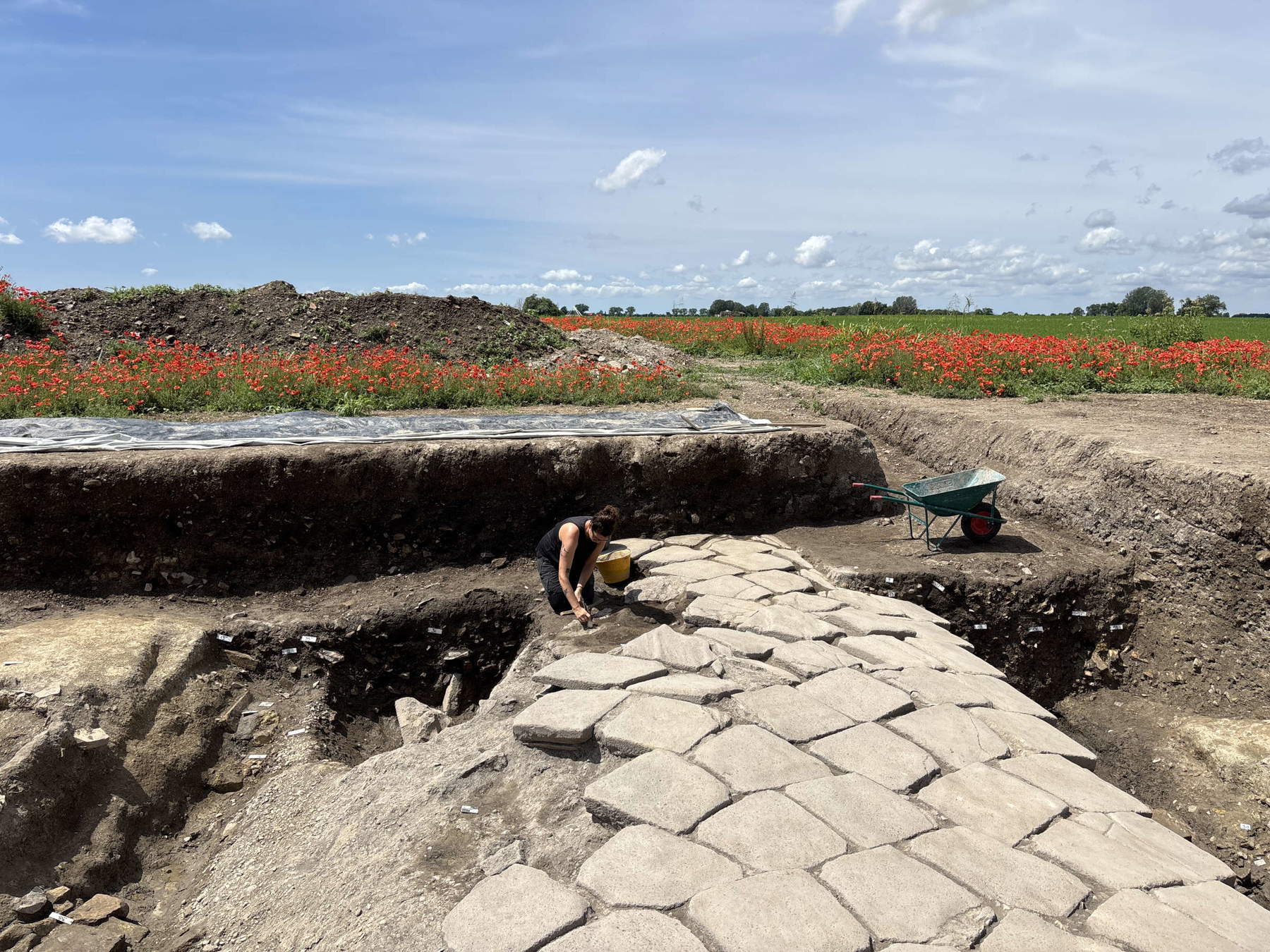
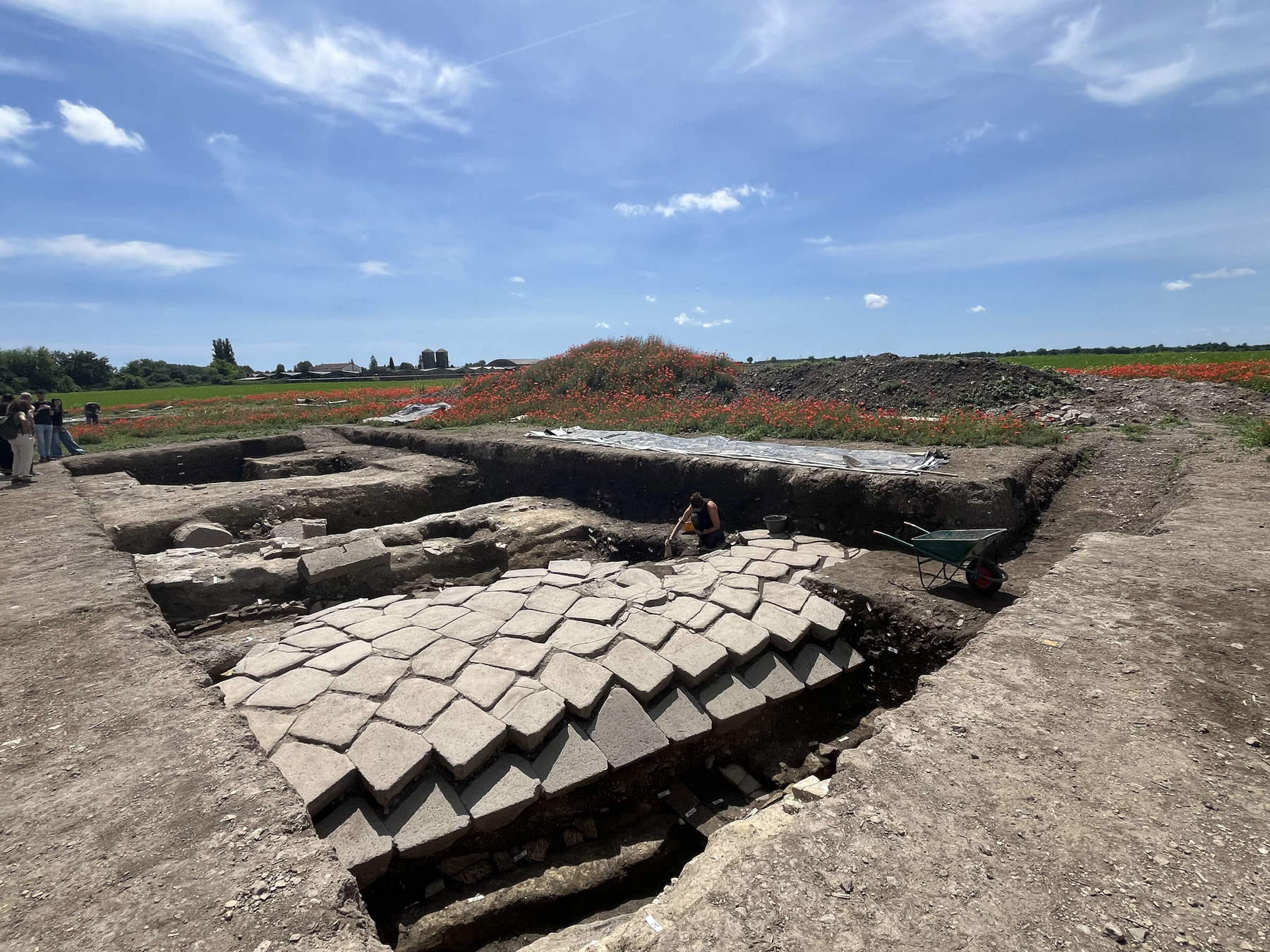
“The collaboration between the Municipality of Quarto d’Altino and the Archaeological Park is now well established,” comments the Mayor of Quarto d’Altino, Claudio Grosso, “and was recently sanctioned by an Enhancement Agreement. The excavations are also a fundamental opportunity for the territory, because, together with the network of bicycle paths created by the Municipality (the Memory Route and the Siloncello cycle path) that ”wrap around“ and ”embrace“ the Archaeological Area together with the ongoing renovation of the Civic Center, they contribute to ”remembering“ our origins, strengthening the sense of belonging and relaunching Altino as a tourist hub, with induced benefits on the entire municipal territory.”
Altino represents one of the most important archaeological sites in northern Italy for understanding the origins of the Roman presence in the Venetian lagoon and the dynamics that led, in later centuries, to the development of the lagoon centers from which Venice would be born. The new research thus contributes to enriching not only the history of the Roman city, but also that of the entire lagoon territory. The campaign currently underway is part of a long-term strategy aimed at the scientific and cultural enhancement of the site. The data collected through the excavations, integrated with future laboratory analyses and the study of the finds, will significantly expand the available knowledge and make available to the scientific community and the public new information about one of the most fascinating archaeological landscapes in the Veneto region.
|
| The heart of the ancient Roman city of Altino (Venice) unearthed, outstanding results |

Warning: the translation into English of the original Italian article was created using automatic tools. We undertake to review all articles, but we do not guarantee the total absence of inaccuracies in the translation due to the program. You can find the original by clicking on the ITA button. If you find any mistake,please contact us.




























 IT
IT FR
FR DE
DE ES
ES CN
CN


