





If the museum is a ruthless apparatus for organizing the visible, a distorted device for classifying images, all the less reasonable and all the more perverse must inevitably appear any miniaturization of it, any reduction of it to the minimum terms, any attempt at genetic mutation that converts it into a sort of ship to be stuffed into a bottle. It would be curious to initiate, if no one has yet thought of it, a study of the fashion of moving blocks of museums from one city to another, a practice of which the exhibition that is now in Rome, at the Palazzo Cipolla, is the latest: From Vienna to Rome. The Wonders of the Habsburgs from the Kunsthistorisches Museum is, much less pompously but much more realistically, an aggregate of about fifty works that have come down from Austria to crowd, without a scientific project worth discussing, the halls of the new museum on Via del Corso so that Romans can enjoy things that, by default, would be accessible only if they wanted to cross the Alps. One could speak of a museum-bonsai, even without necessarily giving credence to the thought that any insight into the richness of the Habsburg collections can be gleaned from this ambassadorship, or that this collection of microparticles is capable of “telling the story of theHabsburg empire, a multiethnic, multicultural and multireligious state that attempted to value art as a tool for identity representation but at the same time for the dissemination of knowledge and openness to the dialogue of civilization,” as the introductory sign diligently warns.
This bonsai at the Kunsthistorisches Museum seems to be justified by a refurbishment of the Gemäldegalerie: the press notes do not say so with that openness and explicitness that one would expect from clear communication, but it is suggested en passant that there are construction sites underway in the Viennese museum’s picture gallery. And so, someone must have thought, instead of keeping these fifty works in the dark of some closed rack in a storage room, better to send them on the first useful flight to Fiumicino and also make out of them an occasion for international diplomacy, further underscored by the presence of the presidents of Italy and Austria at the opening. A curious geometric secretion, precise, elegant, measured, greeted with the obvious enthusiasm of the public and the usual acclaim of institutions that it is logical and wise to reserve, as is appropriate, for normal extraordinary occasions.
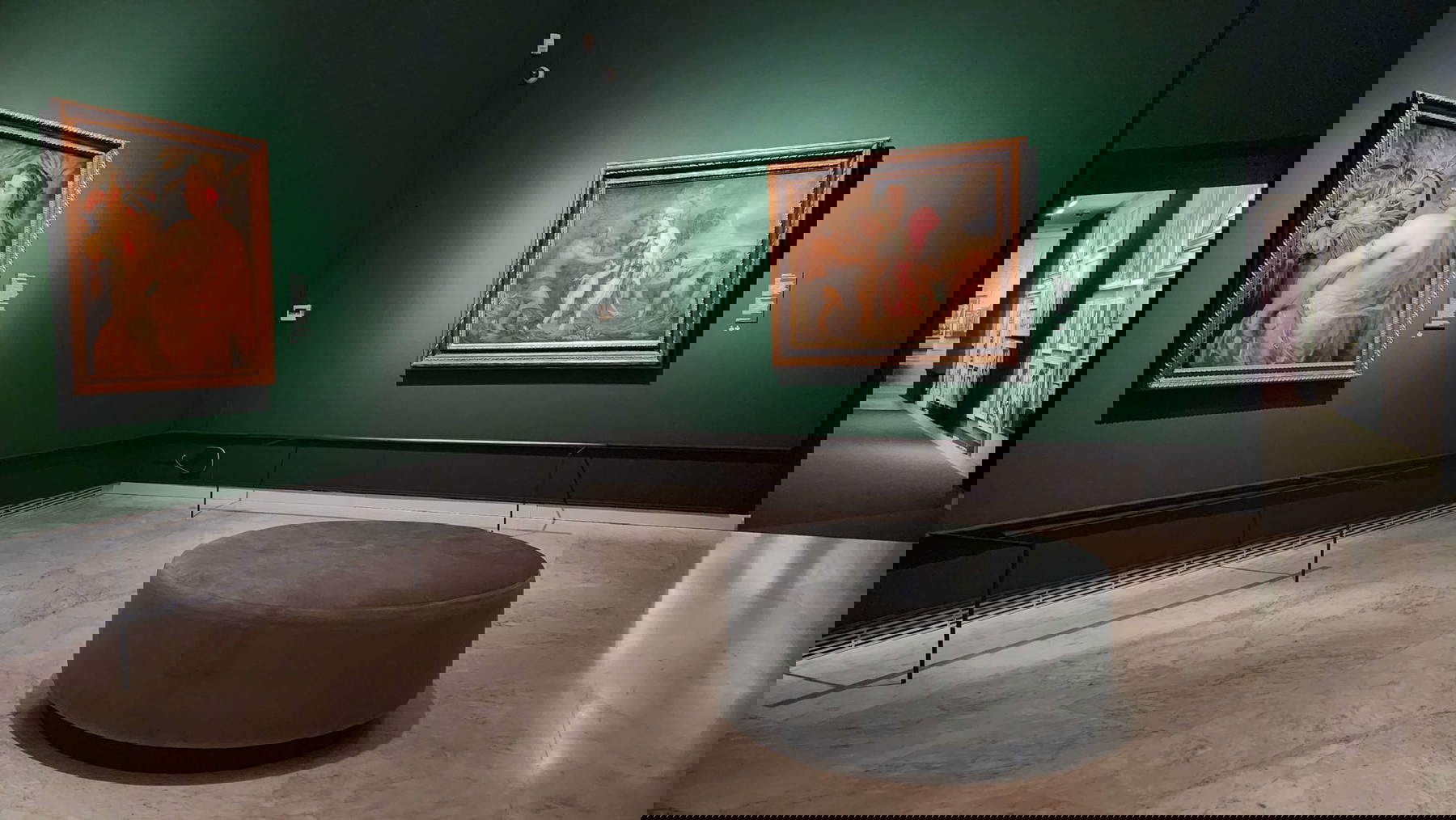
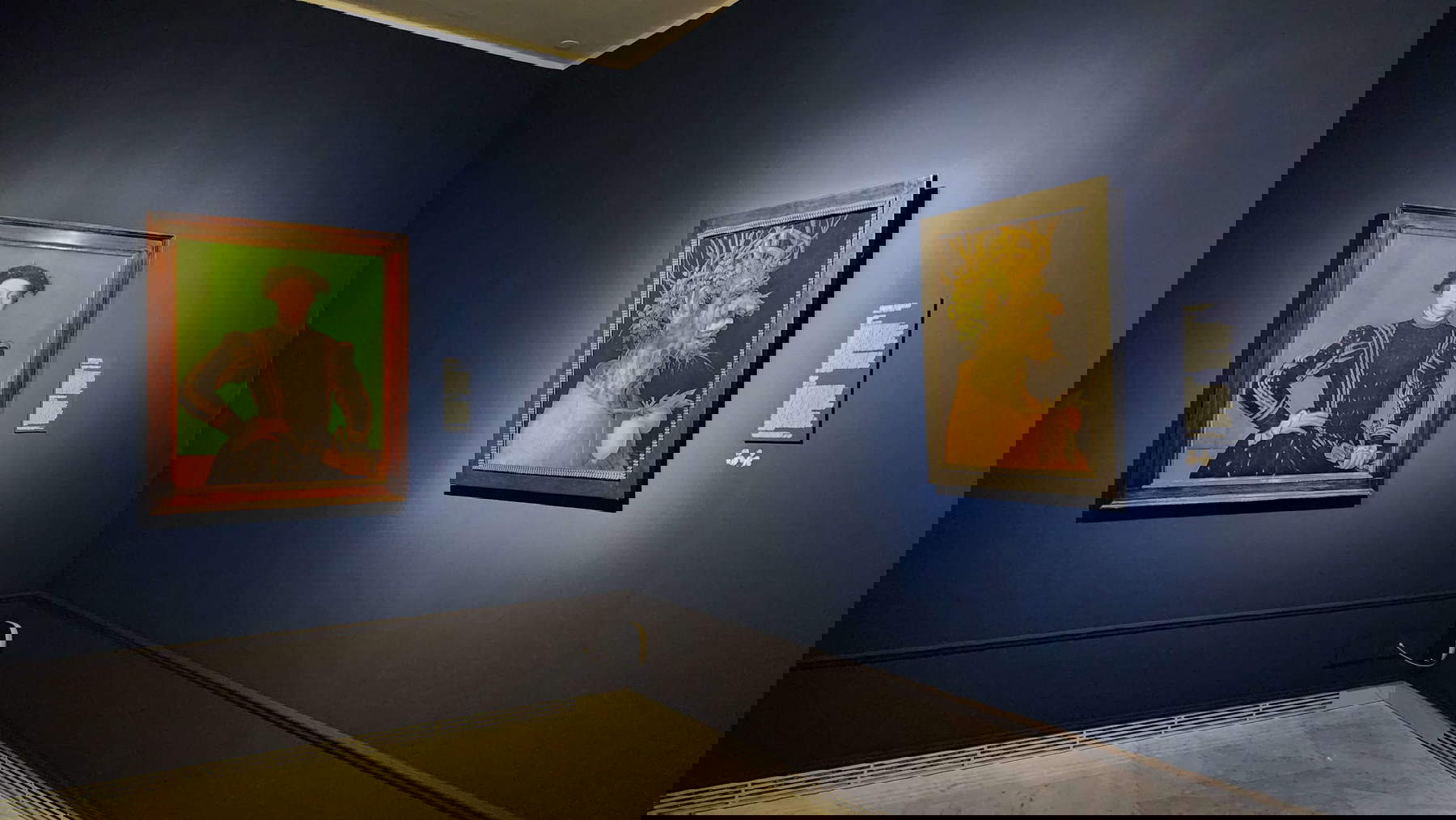
Of course, like any self-respecting bonsai tree, the one that has been well repotted, watered and pruned at the Palazzo Cipolla retains by its very nature a hint of lovable, delicate arrogance, but it inevitably ends up entertaining, relaxing, andsatisfying, which is why anyone in Rome should go to see this exhibition, provided they are willing to take the risk of repressing any desire to arrange a vacation in Vienna (after all, if it is Vienna that comes here, albeit with a tiny dragnet of its legacies, I will find it more normal to want to go to Paris, for example). In this exercise in museum microscopy, the organization of the exhibition for schools of painting, composed replica im Kleinen of the Kunsthistorisches Pinakothek, with as well the pleasant interlude of the darkened small room mimicking the museum’s Kunstkammer and with introduction, written and video (complete with figures), on the architectural events of thebuilding in which it is housed, is the only sensible and legitimate attempt to regulate this roster of visiting paintings, bearing in mind that from Vienna they were still very careful not to send the core elements of the collection to Rome: those have all remained in Austria; they have not done as the Capodimonte Museum did three to four years ago, which for months sent its highlights, from Parmigianino’sAntea to Caravaggio’s Flagellation , like parcel post, across the ocean. More cautious and more conservative are the Austrians, who, of course, would not even dream of granting core collections to tourism, say, Raphael’s Madonna of Belvedere or Giorgione’s Laura or Vermeer’sAllegory of Painting : the only exception, Caravaggio’sCoronation of Thorns (in Vienna anyway, they must have thought, we have two others, by Caravaggi), to which the Palazzo Cipolla exhibition devotes the last room, because it is all very well to try to reconstruct the museum’s layout, but a superstar is still a superstar and so it must be treated as such, it demands its own liturgy, with a room of its own of its own, in the half-light, the distant painting on the back wall, so that Caravaggio’s lights come on a little at a time, like a fever, so that the painting does not offer itself but happens, so that that its aura takes on the mystical semblance of an epiphany, and that our presence in its presence comes slowly, by degrees, like a conquest, an exhausted landing, an awakening after trauma.
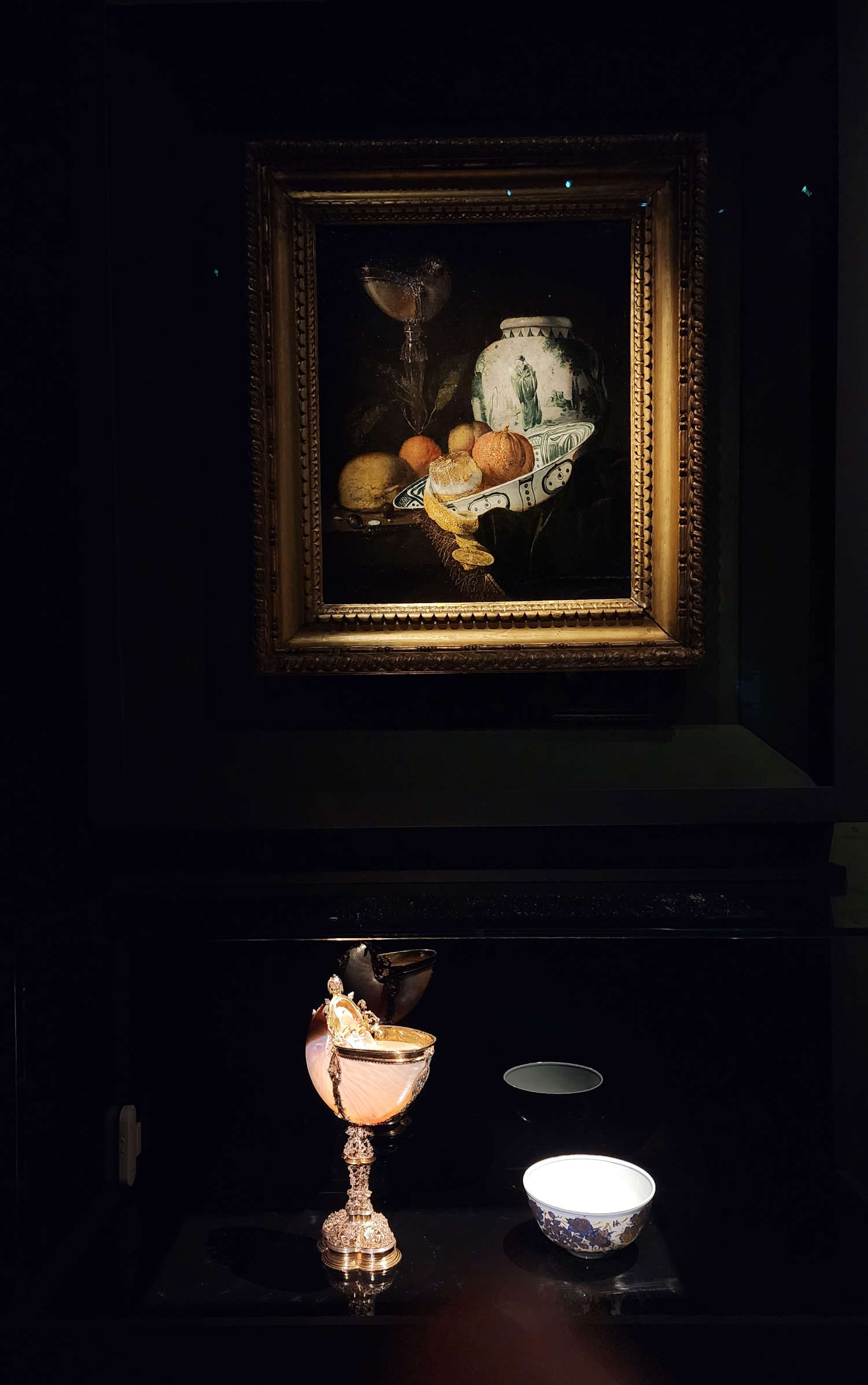
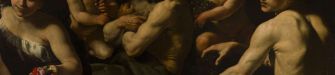
Rather, one wonders why Palazzo Cipolla has not insisted much on the presence of the icon. The answer is probably to be found somewhere in the rooms preceding Caravaggio, where an admittedly unrepresentative, but nonetheless valid, refined, succulent selection unfolds. Past the pasty brushwork of Rubens and the seventeenth-century Flemish painters, breathed in the very fresh scent of Jan Brueghel the Elder’s flowers, caressed the muscular back of Jan Boeckhorst’s Ceres, we’penetrate into the darkness of the Wunderkammer, amid the naturalia and artificialia with which emperors and archdukes loved to fill their chambers of wonders and which were to mark throughout the seventeenth century the taste of the imperial court (here, then, is the marble apple, excellent for jokes to friends at important dinners, the snail ofheliotrope by Ottavio Miseroni, the prissy Original Sin made of birch wood, and the eccentric cup made of a nautilus shell, set in dialogue with a still life by Juriaen van Streeck painting the same object).
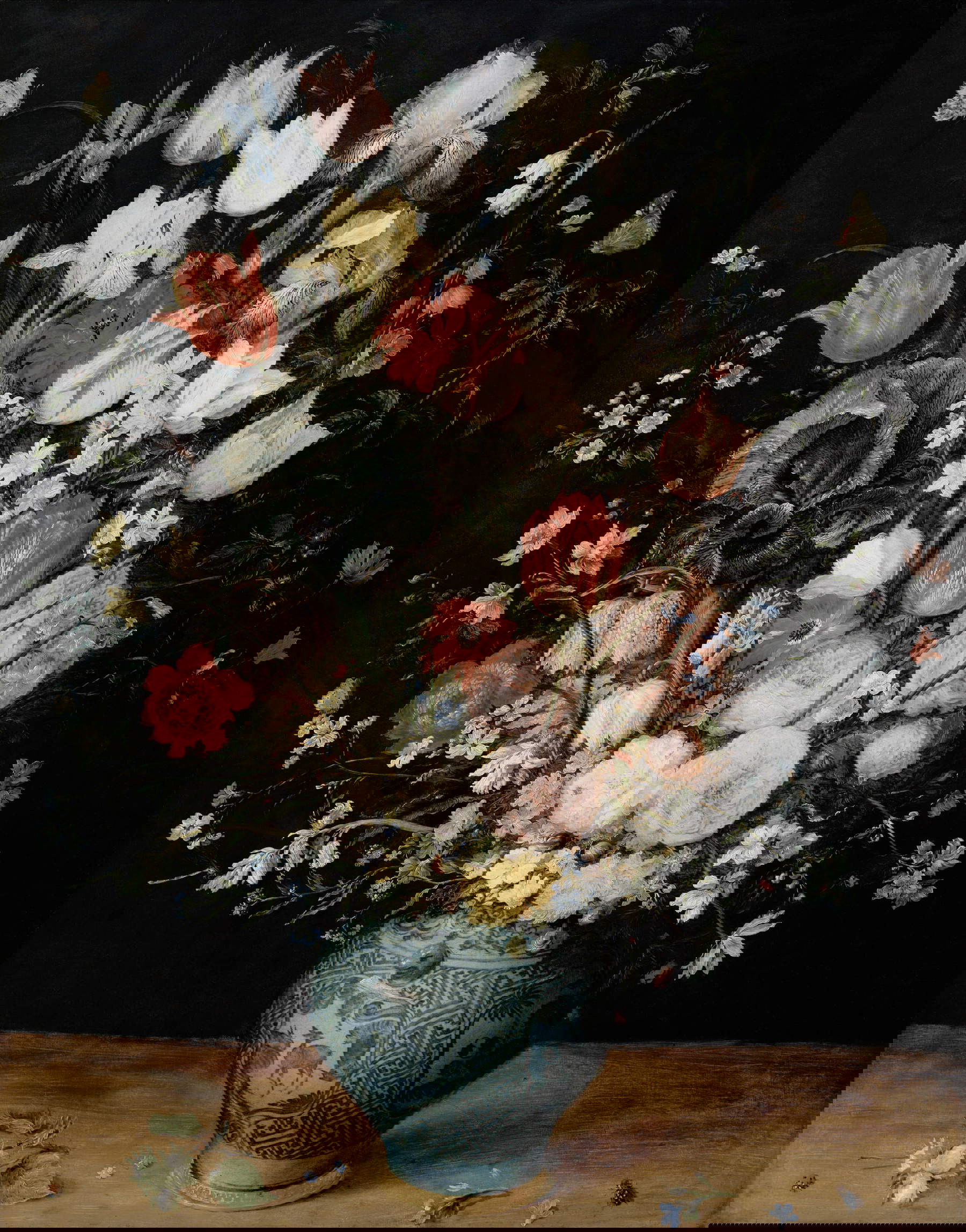
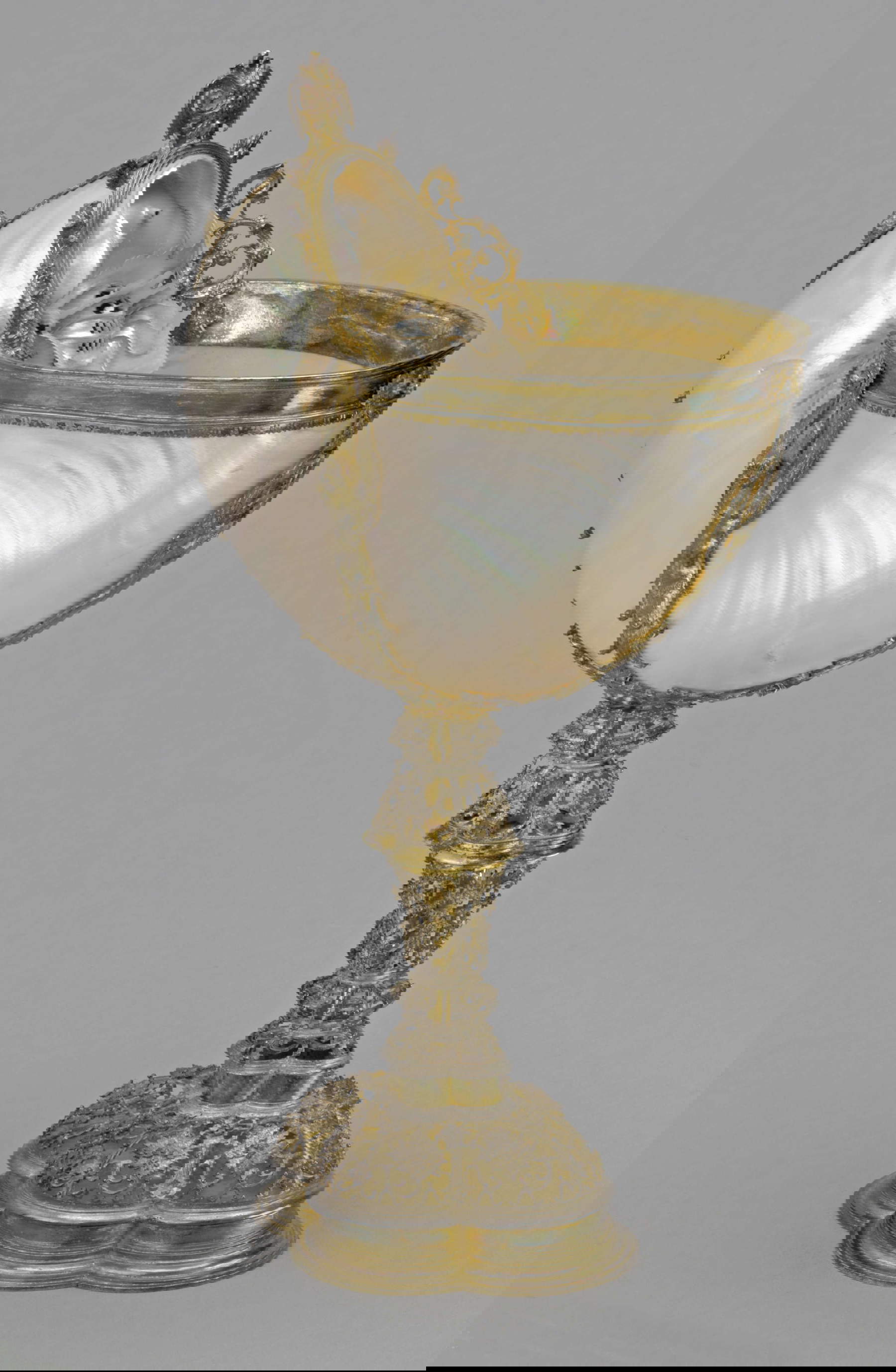
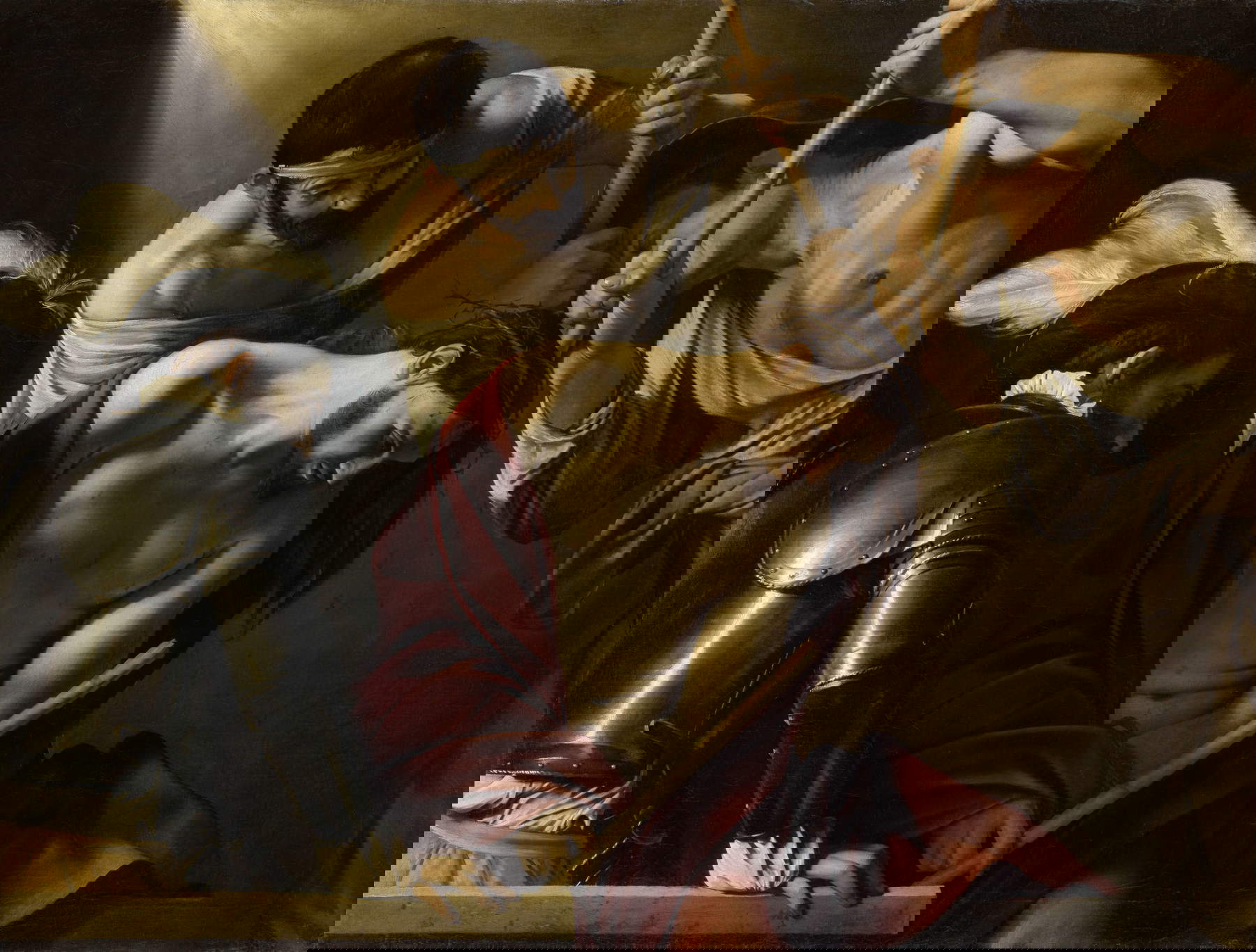
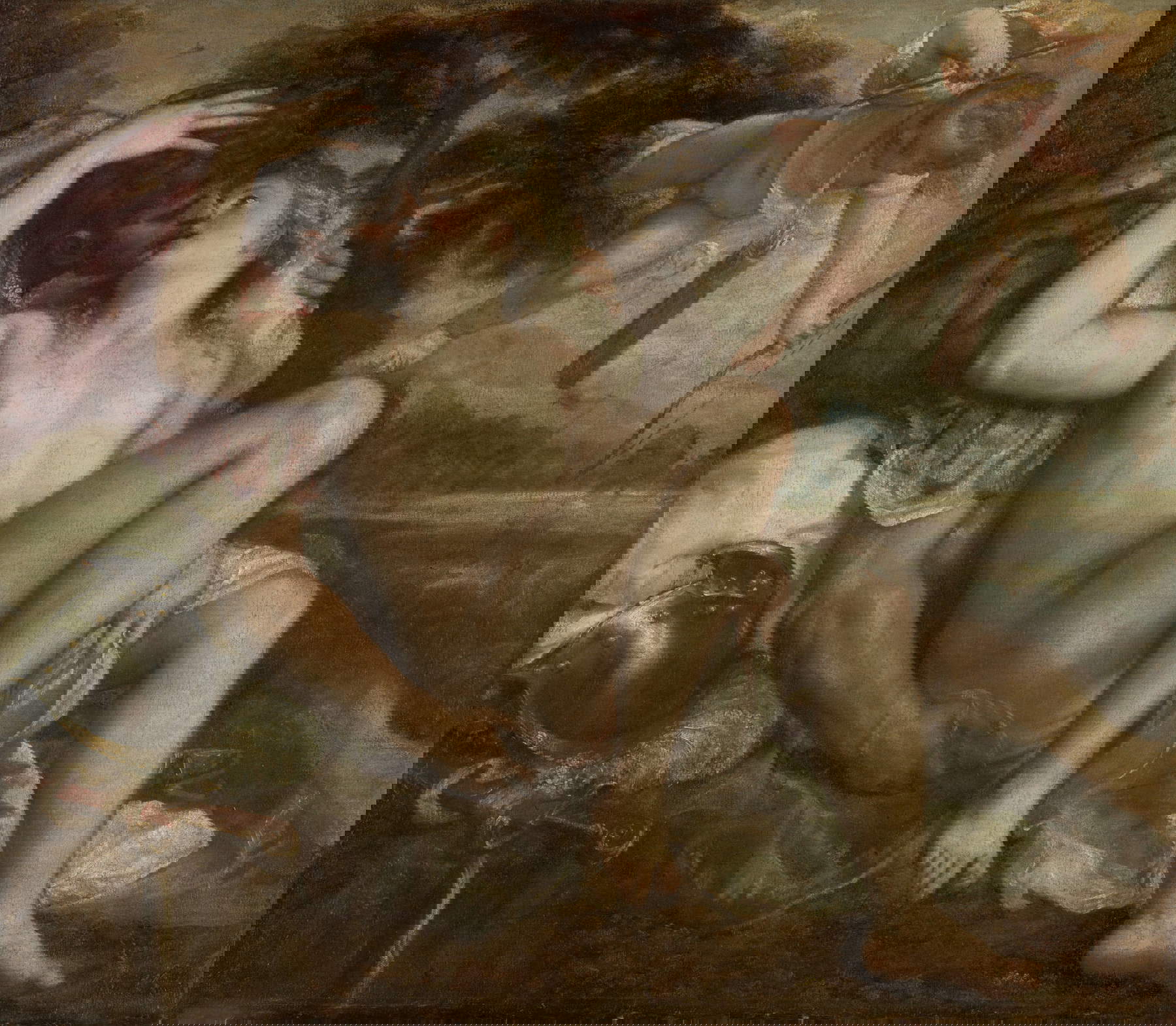
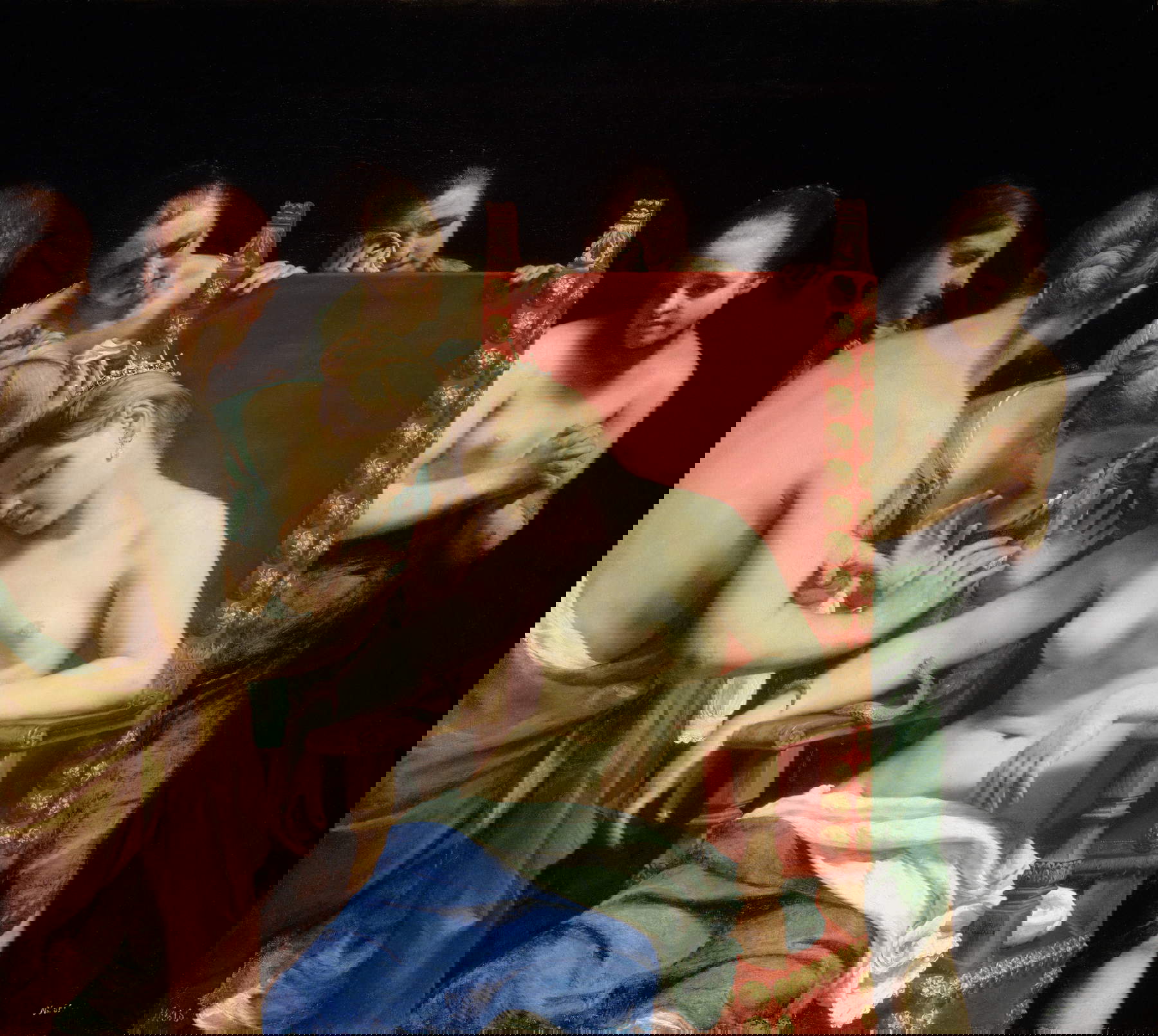
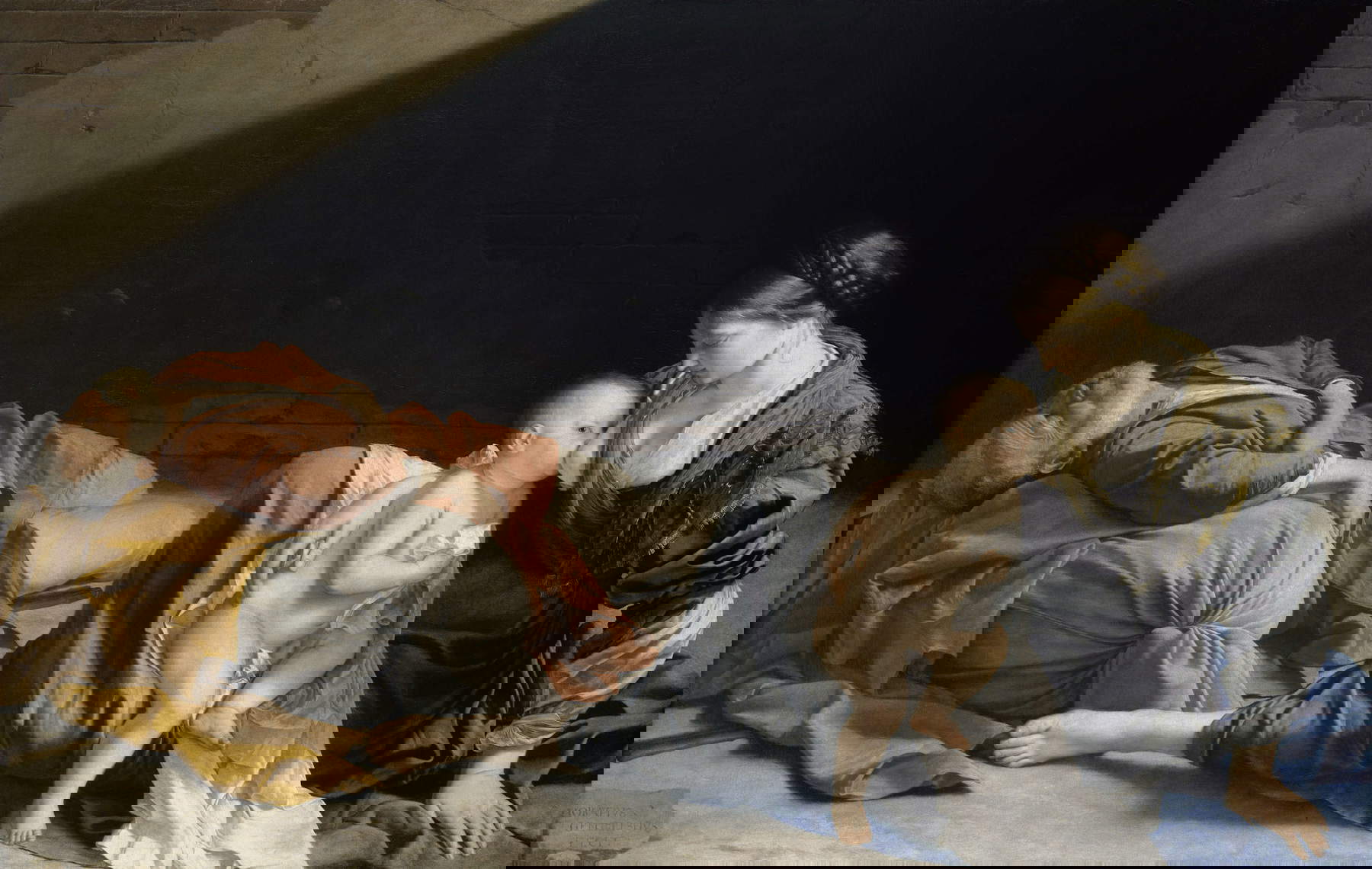
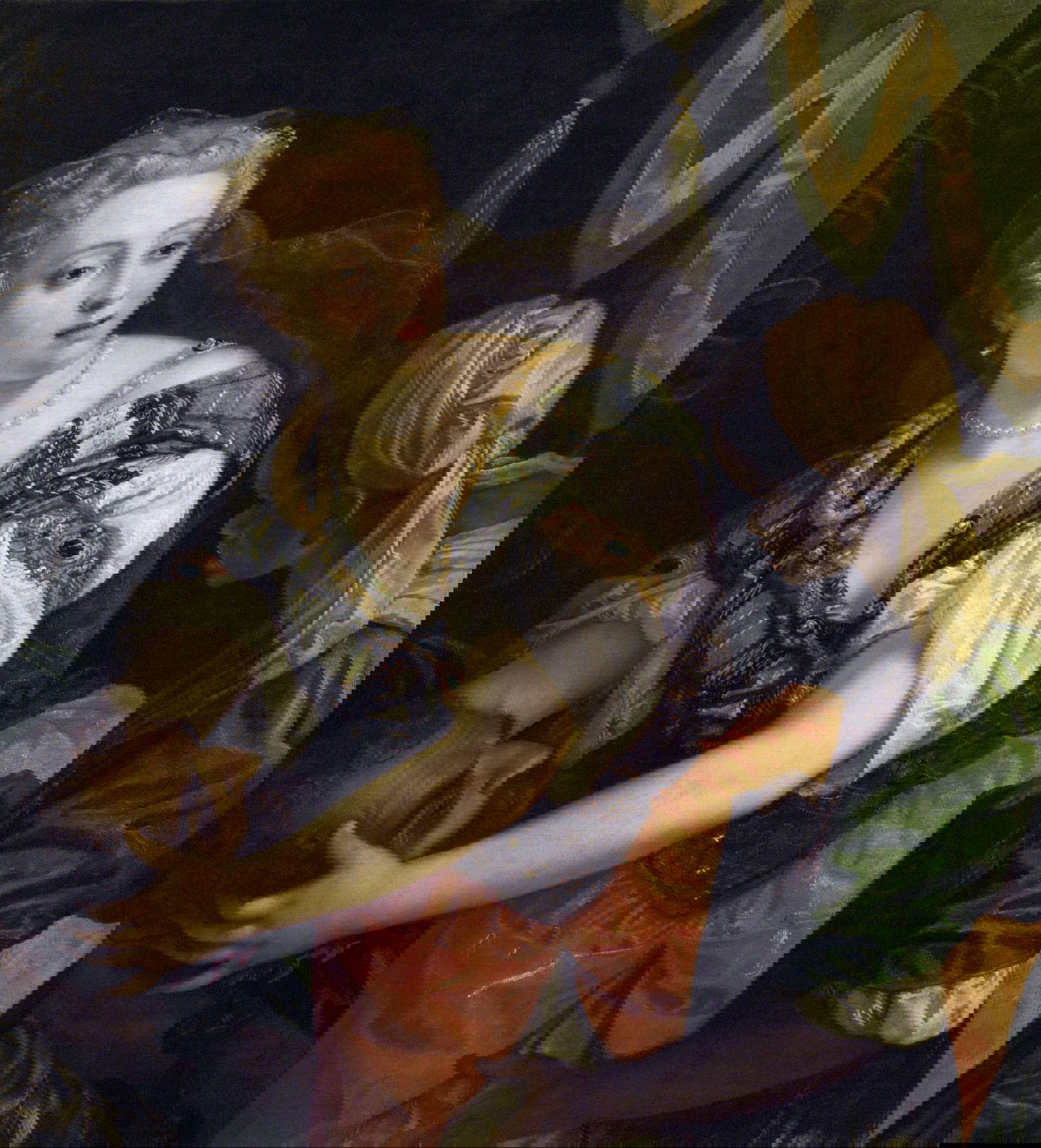
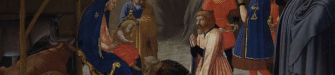
More stringent from here to the end is the taxonomy of the painting schools of Europe. The impression, however, is that the paintings have been collected, even in their impeccable arrangement and even with a didactic apparatus that does what it can, with the criterion of “one for the other,” so they offer themselves to the eyes of the public exactly like the gems of a necklace taken away from the richest of jewelers: shiny, irregular, dazzling, and yet interchangeable, so much so that talking about one in place of another becomes an idle exercise. Visitors choose their favorite paintings. The offerings are vast: a miniature encyclopedia that ranges from the everydayness of Kneuterdijk to Ludolf de Jongh’s Hague to the harshness of the Germans (there is also the biblical butchery of Johann Liss’ Judith , which arrives in Rome in the best version a few years after the Palazzo Barberini’s Judith exhibition, and there’there is a Cranach who manages to paint a hallucinated, spectral Sodom of fire only with the puny miracle of contours), from certain summits of portraiture (there is Diego Velázquez’sInfanta Margarita , but above all there is the very modern portrait of Alessandro Vittoria, a distillation of sprezzatura by the greatest of sixteenth-century portraitists, Giovan Battista Moroni) to the glittering pageant of the Italian school, where it is all a glitter of biblical, historical, mythological heroines and where one crashes against thefleshy display of Titian’s Venus and Mars and especially Guido Cagnacci’s Cleopatra , a painting worth seeing the exhibition for, ending then with the Rest during the Flight into Egypt, a culmination of Orazio Gentileschi’s preparation for Caravaggio’s arrival in the last room.
If it is necessary to infer a suspicion of meaning from this museum-bonsai, from this sequence of works that unwittingly recount three or four centuries of imperial collecting and acquisitions, it will be necessary to admit that the Habsburgs, a lineage that has always been more inclined to the purchase of contemporary art than to the cult of the relic.contemporary art than to the cult of the relic, had developed a happily ravenous and tastefully omnivorous taste, and traveling inside the bowels of the Kunsthistorisches Museum, even when the bowels are offered dissected, is like reading an interminable manual of European art history. In Bignami format, of course. But even those came in handy in school sometimes.
But do we really still feel the need to make exhibitions in Italy, lacking a solid layout, by transferring a block of more than fifty works from a foreign museum? This is what is happening at Palazzo Cipolla in Rome, one of the venues of the Museo del Corso - Museum Pole, with the exhibition From Vienna to Rome. The Wonders of the Habsburgs from the Kunsthistorisches Museum, for which more than fifty pieces, including paintings (most of them), drawings, objects and sculptures, have been taken from the collections of the Kunsthistorisches Museum in Vienna and brought to the capital for four months, from March 6 to July 5, 2026. “For the first time in Italy,” “an unprecedented opportunity,” to “enter the heart of a collection” and to return “the image of an empire,” the Habsburg one, “multi-ethnic, multicultural and multi-religious that made art an instrument of cultural representation, dissemination of knowledge and dialogue between civilizations.”
Given the bombastic premises, curiosity was high, but disappointment and doubts about the exhibition project were even more so during the visit. In the meantime, I was expecting an itinerary that reconstructed in more detail the birth and formation of the collection, the motivations behind the collecting choices, and the relationships that delineated it, but instead, as I visited the exhibition, my perception was that of a string of works, where the criterion for delineating the sections was the school of belonging: in fact, there is a section on Flemish painting, one on Dutch painting, one on German painting, and one on Italian painting to finish, to which are added the section devoted to cabinet painting and the objects of the Kunstkammer, underscoring how the Habsburgs also adhered to the widespread taste for so-called chambers of wonder, and the section devoted to the Habsburgs as collectors and patrons. The main schools of European painting are represented, but it seems quite obvious to me that one of Europe’s most important dynasties wanted to possess the great art of the Old Continent in its various forms. However, choices about artists and works often derive not only from taste but also from personal or political relationships, power dynamics and legitimacy, but all this does not shine through. Even the section panels do not explain the choices, but mostly describe the works on display. Everything remains vague and generic.
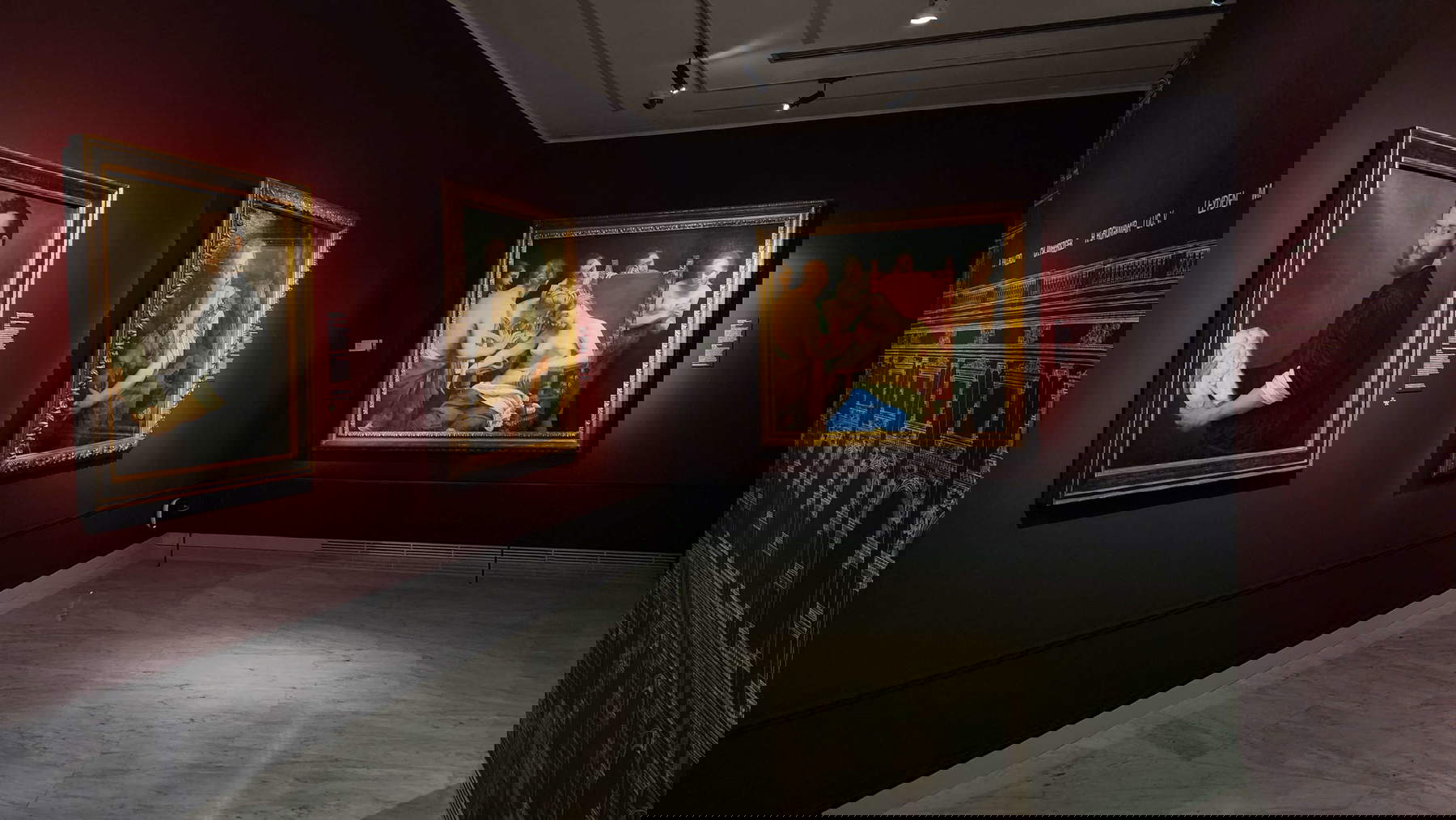
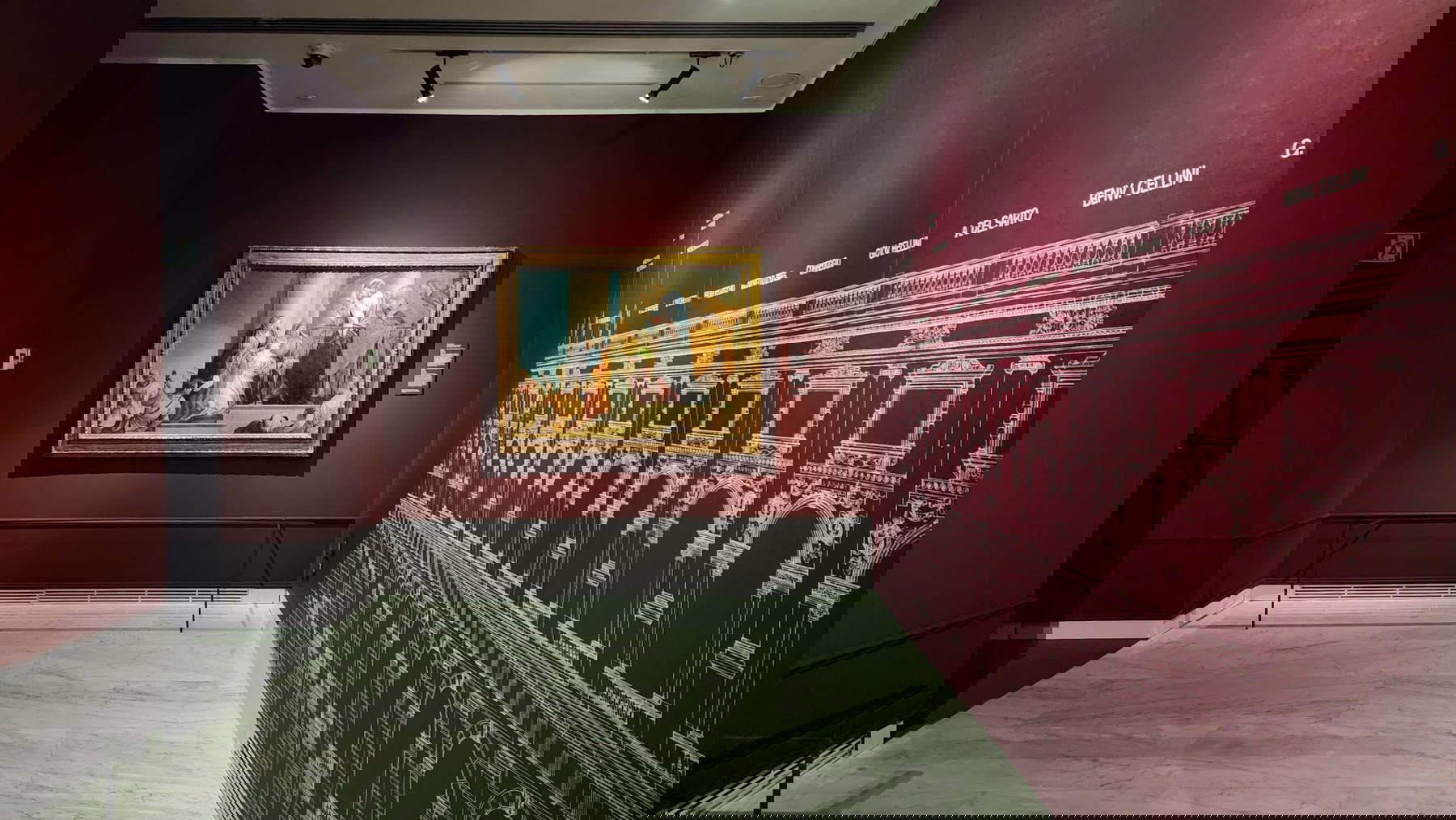
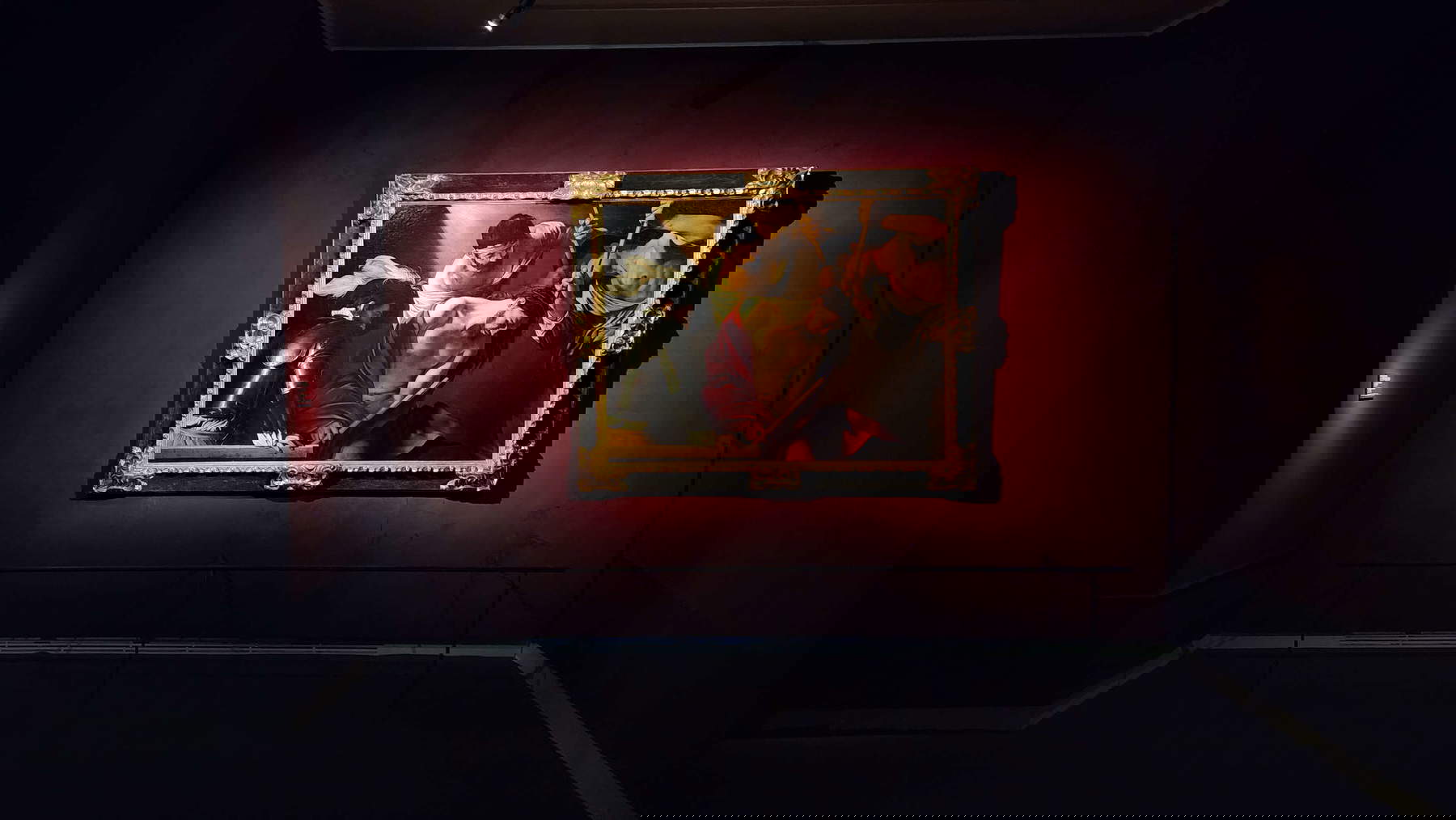
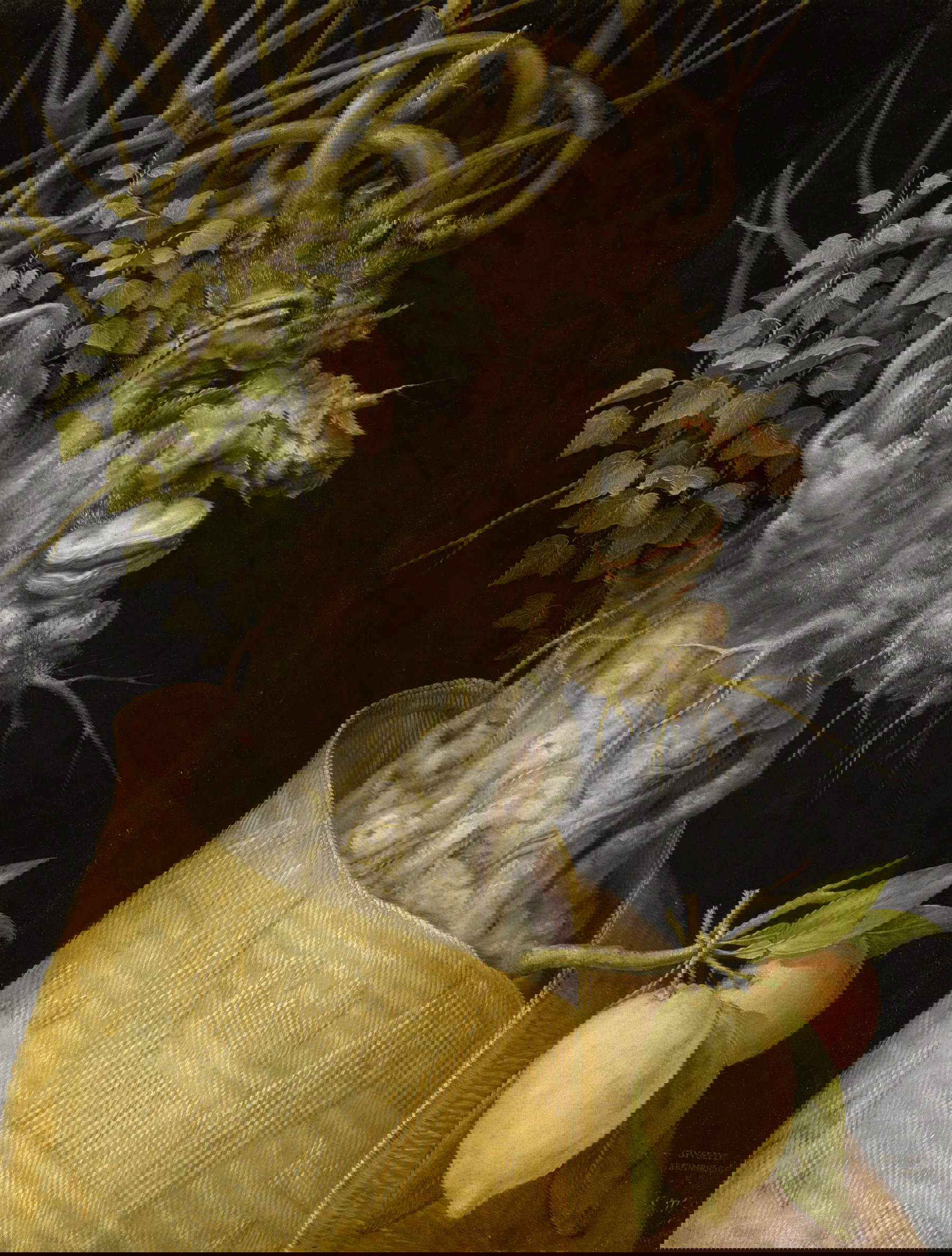
In Flemish painting, Peter Paul Rubens, Jan Brueghel the Elder and Antoon van Dyck dominate; in Dutch painting, Frans Hals and Jan Steen (the latter’s curious Upside Down World is on display, on which the eye will inevitably linger for a long time to identify the elements that evoke the painting’s title). Then stand out in German painting Lot and His Daughters and Adam and Eve by Lucas Cranach the Elder, accompanied by Joachim von Sandrart’sArchduchess Maria Anna Electrix of Bavaria. The section with the greatest masterpieces is undoubtedly the Italian one, for gathered here are Tintoretto, Veronese, Francesco Bassano the Younger, Titian with his Mars, Venus and Love, Guido Cagnacci with the Suicide of Cleopatra, Orazio Gentileschi with the Rest during the Flight into Egypt, and the absolute masterpiece of the exhibition, Caravaggio’s The Coronation of Thorns , to which entrusted with the task of closing the exhibition with a specially dedicated setting, in which the visitor comes face to face with the painting in an intimate and collected atmosphere. The Italian section is preceded by the one that aims to tell the story of the Habsburgs as purchasers, patrons and custodians of European art, and so parades, among others, Arcimboldo’s Winter, Emperor Rudolf II during a hydropinic cure by Lucas I van Valckenborch, Guillaume Scrots’ portrait ofArchduke Maximilian II and Diego Velázquez’ famous portrait of theInfanta Margarita in a blue dress . Cabinet painting, placed between Flemish and Dutch painting, on the other hand, is represented by works by Gerard ter Borch, Gerard Dou, Jacob van Ruisdael, and Juriaen van Streeck, and the latter’s Still Life with a Nautilus Cup and Ginger Vase dialogues with a genuine seventeenth-century nautilus cup; Kunstkammer ’s exhibits also include a snail-shaped bowl with Neptune, a statuette of Hercules, a small memento mori skull and a marble apple.
Bringing a substantial nucleus of works from a major international museum to Italy certainly allows a wide audience, including schools, to see otherwise distant works that not everyone, for economic, logistical or personal reasons, could reach. In this sense, a temporary exhibition of works from the Kunsthistorisches Museum could serve a democratic function, because it provides an opportunity to admire a heritage housed in another country. Although in this case it is not about fifty fundamental masterpieces of the Viennese museum, but a small group of masterpieces together with high quality works.
On the other hand, significant criticalities are produced: the feeling of a canned exhibition, which attracts visitors because it is about a famous foreign museum, but which in fact relocates and rearranges in another container a certain amount of works without a solid underlying plan. And the loss of context: the works, at the Kunsthistorisches Museum, are part of a system made up of relationships, juxtapositions, and installation choices. Among the stated intentions of the exhibition is precisely the idea of going beyond the display of great masterpieces, telling the story of “a museum as a cultural project, a dynasty building knowledge and a Europe that, through art, sought to understand and represent the world.” However, once isolated and relocated elsewhere, the works in the collection step out of their context and are perceived as autonomous objects rather than as elements of a larger, more articulated whole.
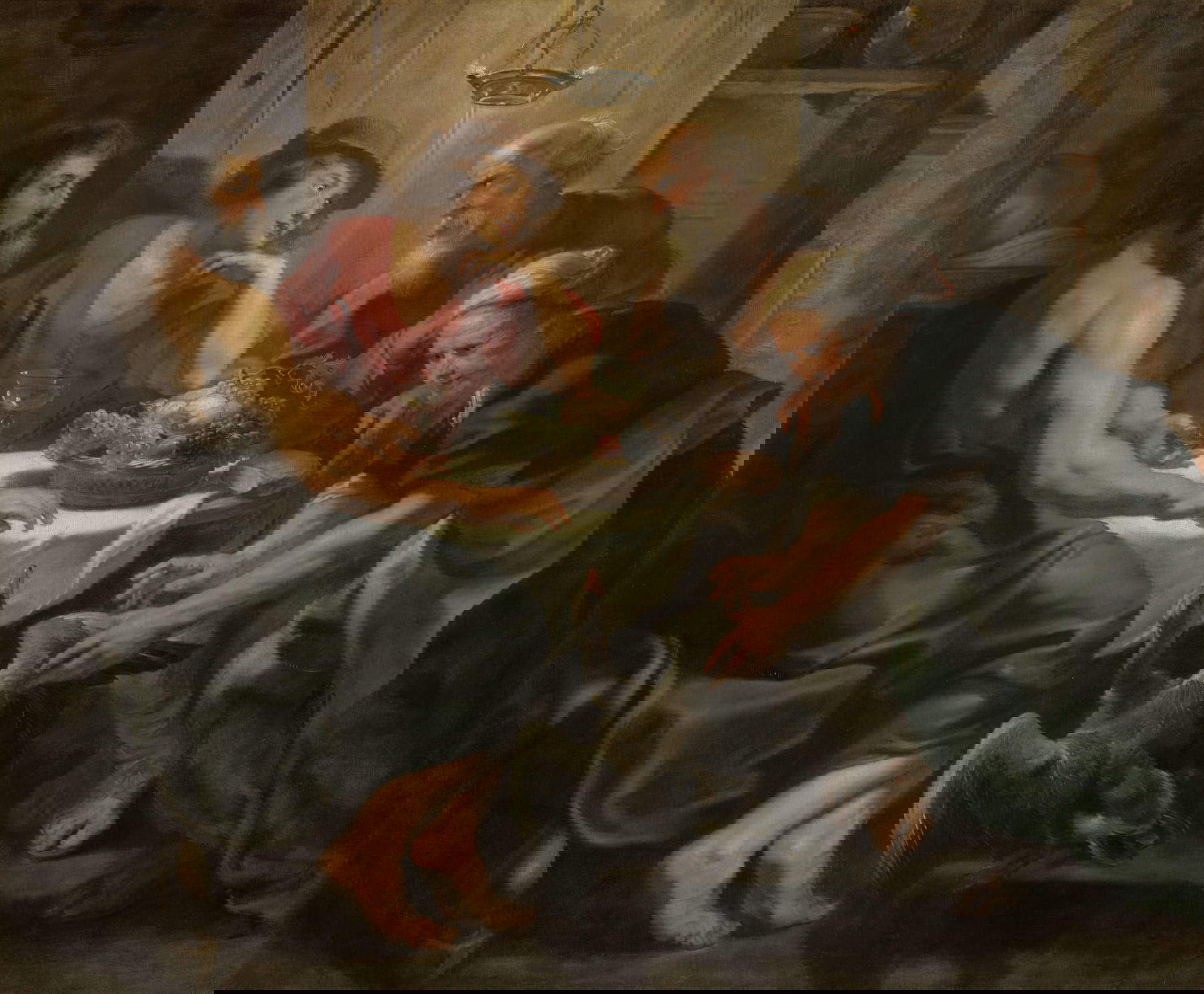
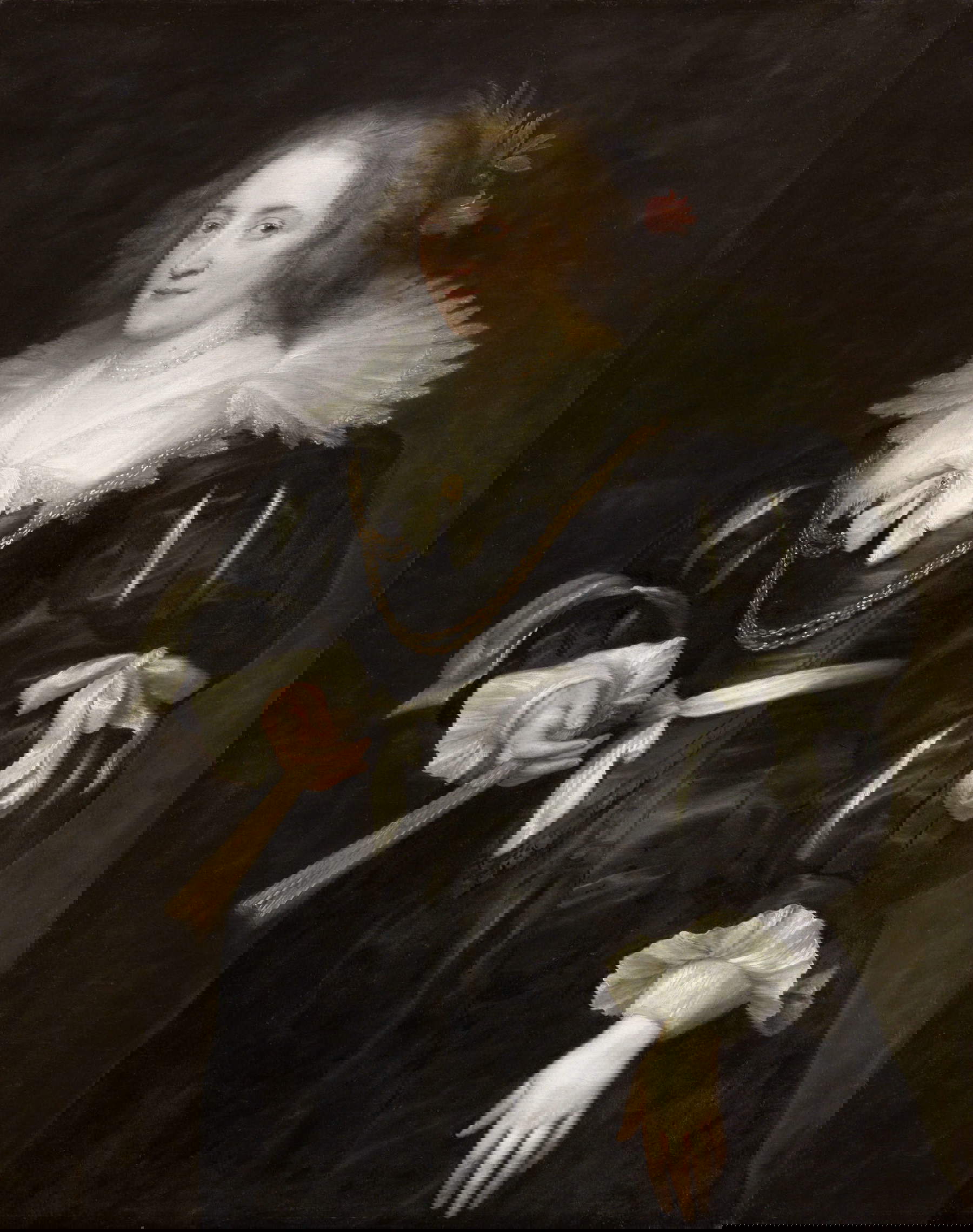
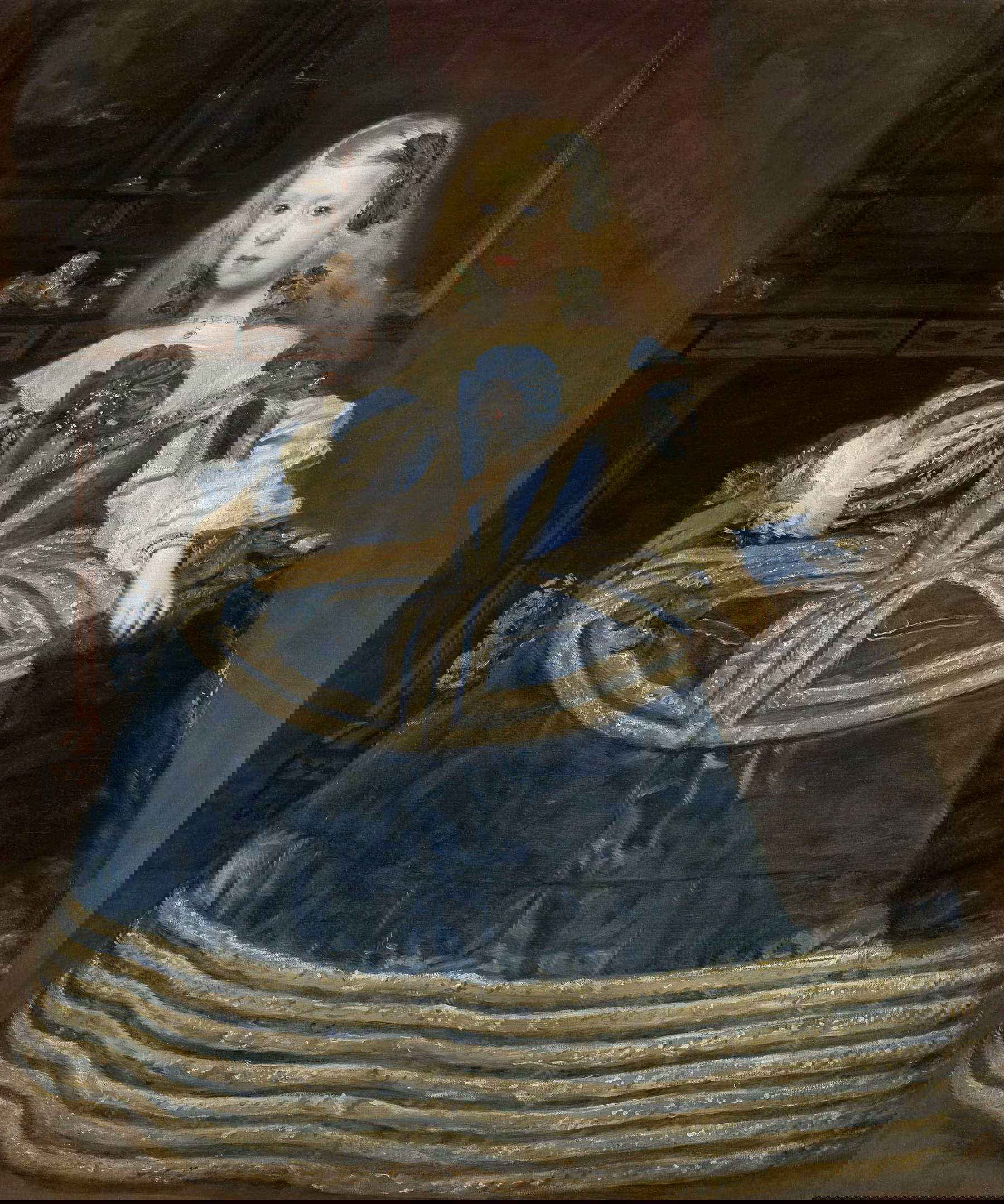
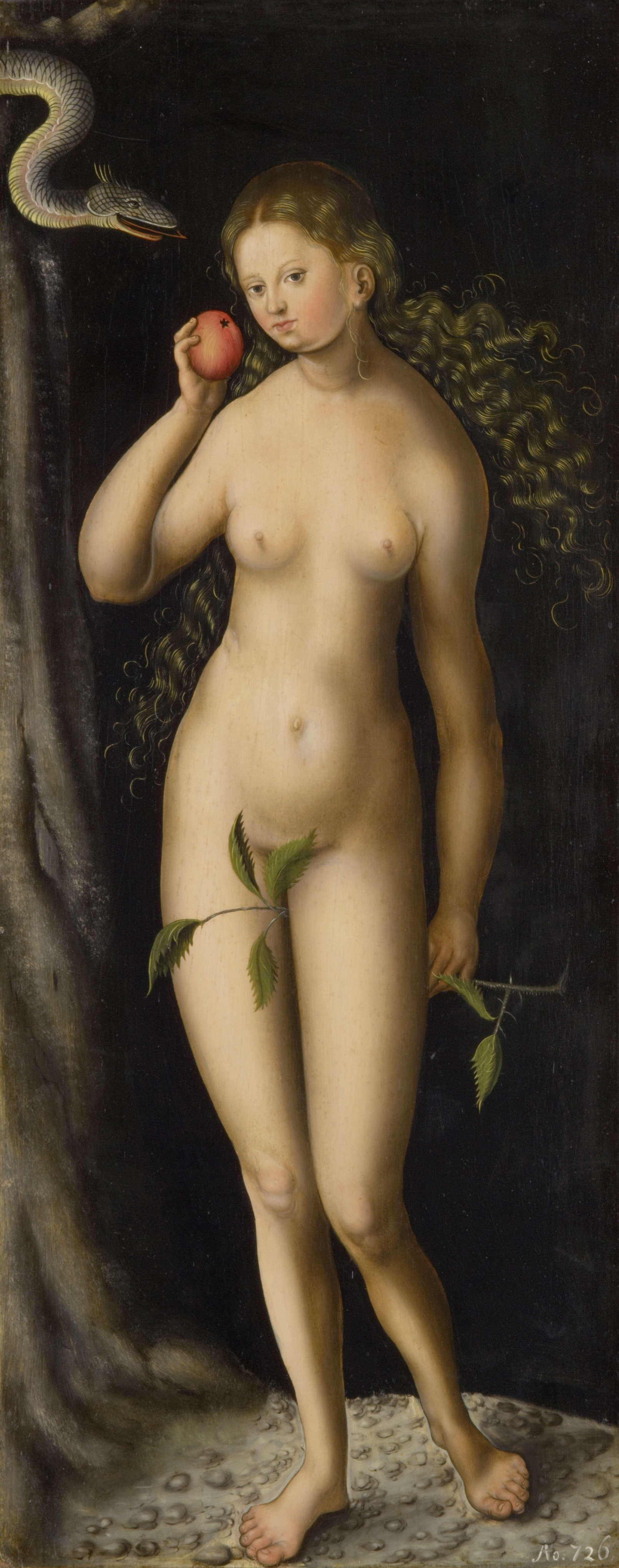
Finally, a less obvious but equally crucial issue is raised: the selection of works. A transfer of over fifty pieces inevitably involves a choice: why these works and not others? In the absence of an explicit criterion, the selection appears arbitrary and could have been different without substantially changing its meaning.
More studied, however, appears the introduction, which is intended to express a dialogue between the Kunsthistorisches Museum and the Palazzo Cipolla, between the architects of the Viennese museum, Gottfried Semper and Carl Hasenauer, and the architect of the Roman Palazzo (in 1874 it became the headquarters of the Cassa di Risparmio di Roma), Antonio Cipolla. A dialogue expressed both through plans and documents of the two buildings and through a specially made video that literally makes all three architects converse, as if they were really in front of the visitor. Sympathetic yes, but perhaps it could have been avoided. Inevitable then are the portraits of Franz Joseph I (the Kunsthistorisches Museum was inaugurated in 1891 at the emperor’s behest in order to house the imperial collections) and Sissi, which greet visitors at the entrance to the exhibition route. An exhibition, then, that gives a chance to see masterpieces (but not too many) from the Kunsthistorisches Museum, but raises questions about the actual meaning of the project.

The author of this article: Federico Giannini
Nato a Massa nel 1986, si è laureato nel 2010 in Informatica Umanistica all’Università di Pisa. Nel 2009 ha iniziato a lavorare nel settore della comunicazione su web, con particolare riferimento alla comunicazione per i beni culturali. Nel 2017 ha fondato con Ilaria Baratta la rivista Finestre sull’Arte. Dalla fondazione è direttore responsabile della rivista. Ha scritto i libri Vero, Falso, Fake. Credenze, errori e falsità nel mondo dell'arte (Giunti editore, 2025) e Immagini del potere. Arte e propaganda da Augusto a Trump (Giunti editore, 2026). Collabora e ha collaborato con diverse riviste, tra cui Art e Dossier e Left, e per la televisione è stato autore del documentario Le mani dell’arte (Rai 5) ed è stato tra i presentatori del programma Dorian – L’arte non invecchia (Rai 5). Al suo attivo anche docenze in materia di giornalismo culturale all'Università di Genova e all'Ordine dei Giornalisti, inoltre partecipa regolarmente come relatore e moderatore su temi di arte e cultura a numerosi convegni (tra gli altri: Lu.Bec. Lucca Beni Culturali, Ro.Me Exhibition, Con-Vivere Festival, TTG Travel Experience).

The author of this article: Ilaria Baratta
Giornalista, è co-fondatrice di Finestre sull'Arte con Federico Giannini. È nata a Carrara nel 1987 e si è laureata a Pisa. È responsabile della redazione di Finestre sull'Arte.
Warning: the translation into English of the original Italian article was created using automatic tools. We undertake to review all articles, but we do not guarantee the total absence of inaccuracies in the translation due to the program. You can find the original by clicking on the ITA button. If you find any mistake,please contact us.





















 IT
IT FR
FR DE
DE ES
ES CN
CN


