





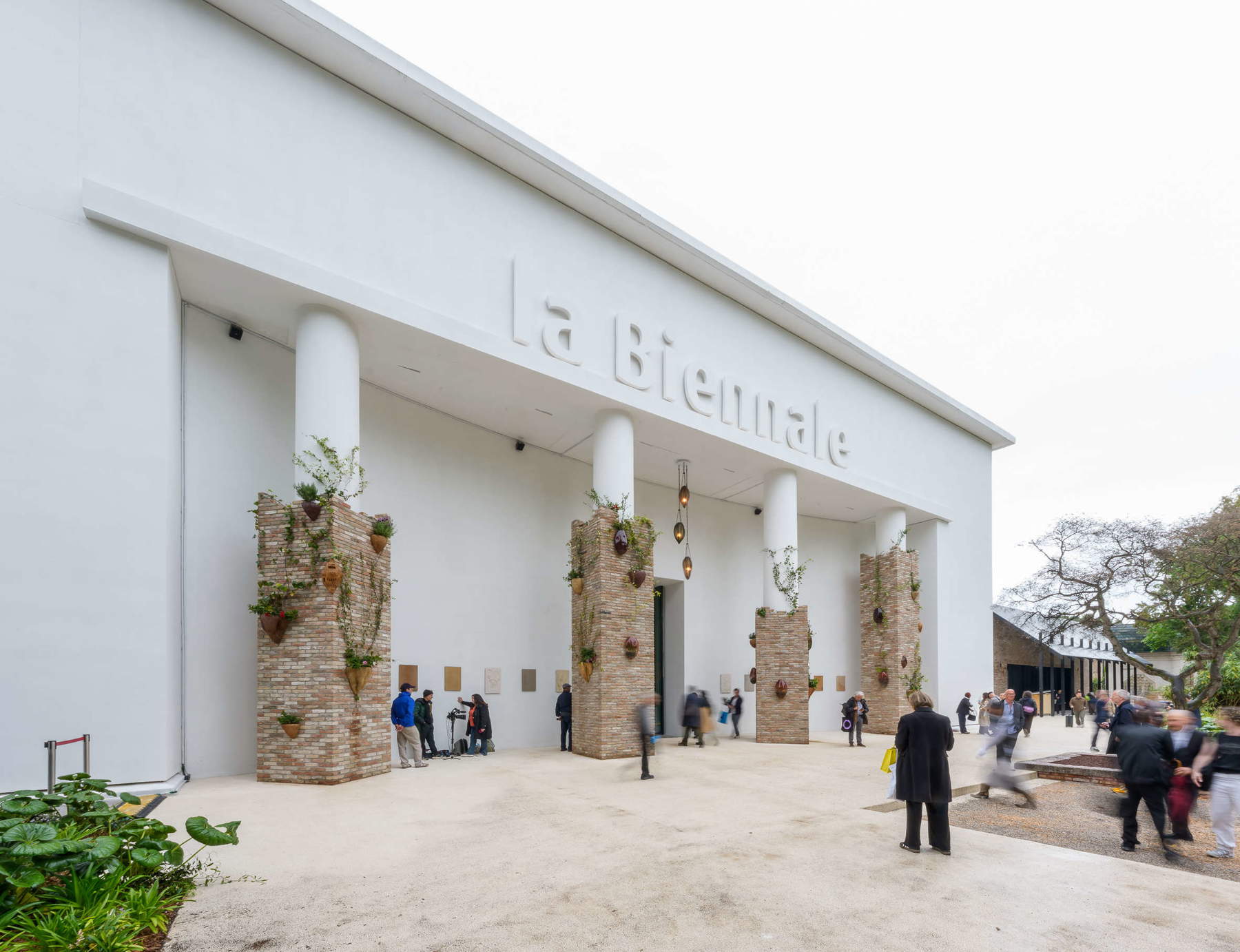
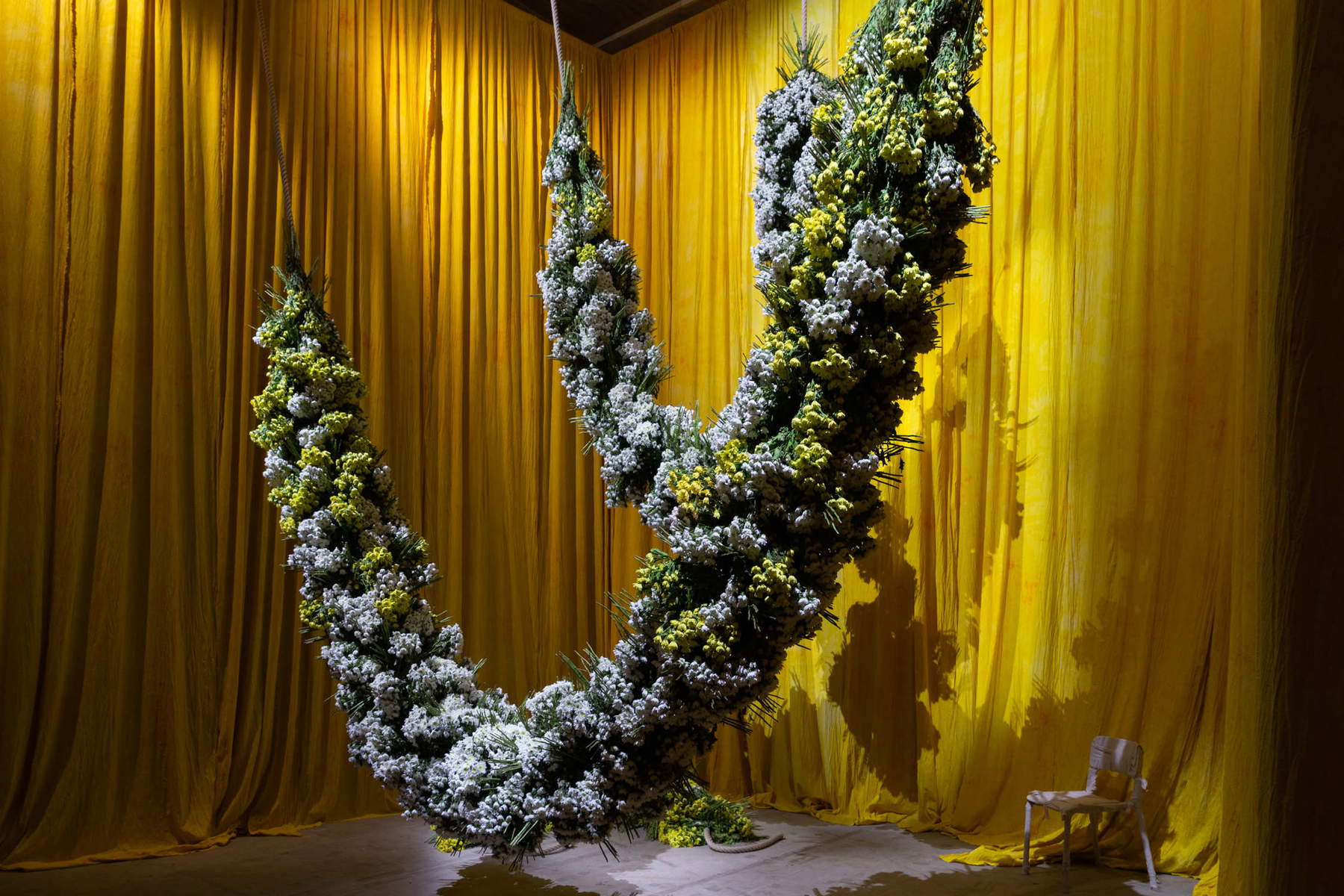
That a home cannot exist without the verdant complicity of a tree, of a plant, of any plant species is a fact known from the beginning, evidence across cultures, across latitudes, across the entire history of humanity. It is worth, meanwhile, the idea that the earth, even before the place of human beings, was herbarium and forest, garden and expanse of essences, and perhaps there is no anthropogonic myth that does not contemplate the original presence of ’man and woman in a meadow, in a forest, in an eden (in Norse mythology, the first man and the first woman are born directly from two trees, an ash and an elm, and according to certain Sumerian traditions the human being is said to have sprouted from the earth as a plant). And then the spiritual hypothesis of a reunion, of a transit, perhaps even momentary, toward the absolute that is favored by the mediation of leaves, barks, branches, flowers, petals, stems, seeds, dew, corollas, stumps, trunks, fruits, perfumes, saps, resins, earth, is valid. In Genoa, Ignazio Pallavicini, on the triumphal arch that greeted guests at the entrance to the garden of his villa, had it inscribed in Latin that the sky, the woods, the springs and all that is highest in nature elevate it to God. At the Venice Biennale, Koyo Kouoh’s In Minor Keys, the triumphal arch that invites one to enter the Central Pavilion of the Giardini takes on the guise of an installation by Otobong Nkanga, who has covered the columns of the pronaos with bricks, glass, and creepers, in deference to an ideal of encounter between thehuman being and nature, as if to say that even a stone is an organism, that even a plant can speak, that soil, roots and shoots transcend boundaries, that in this sort of immanent pantheism we read an attempt at transcendence (or at least composition) of all difference. That it is among the least successful works of the Nigerian artist’s entire career, that this work conveys a sense of affected refinement, that if a detail of the installation ended up in a furniture magazine it would be labeled as the shabby chic porch of a villa in Brianza, it matters little: it is still one of the manifesto works of this Biennale, so it demands the seriousness that befits works that alone take the risk of conveying the thought that sustains an entire event. In each room of Koyo Kouoh’s exhibition circulates this atmosphere of botanical decolonialism, one breathes this air imbued with arboreal effluvia, with tropical fragrances, a light air that slips into the nostrils of theguest to give him or her the feeling of being in a cozy place, full of aromas and couches, filled with signs inviting one to smell, to rest, to listen to the minor-key stories, the relationships, the little things, the occasions of encounter, the “lingering signals of earth and life,” the “cadences, melodies and silences of resonant worlds” that should speak to the public by means of the works.
One might think, at first glance and in spite of the premise, that In Minor Keys is a kind of photocopy of Strangers Everywhere, Adriano Pedrosa’s exhibition at the Biennale two years ago. And indeed it is a kind of photocopy of Strangers Everywhere, however much the fundamentals, the themes, the tone change: if Pedrosa’s exhibition was fundamentally and convincingly centrifugal, Kouoh’s is necessarily and affectionately centripetal. If Pedrosa’s exhibition might have had the air of a showdown, Kouoh’s exhibition retains the caressing and furtively perfidious charm of a magical murmur. If Pedrosa’s exhibition shouted its political battle cry almost to the point of losing the use of its lungs, Kouoh’s exhibition tries to conceal it under those minor frequencies that, by constitution and declaration, reject din, fanfares, and military marches. Pedrosa was the square, Kouoh is the alcove. Pedrosa was the periphery, Kouoh wants to be the garden. (We will gloss over, however, the fact that In Minor Keys aspires to propose a “radical reconnection with the natural habitat.” if that were the case, an event that emits the same amount of carbon dioxide as the entire fleet of cars in Treviso in a year should be closed, or at least emptied, and the public invited by mail to walk in a forest or on a beach, but one has to realize that would be an impractical solution).
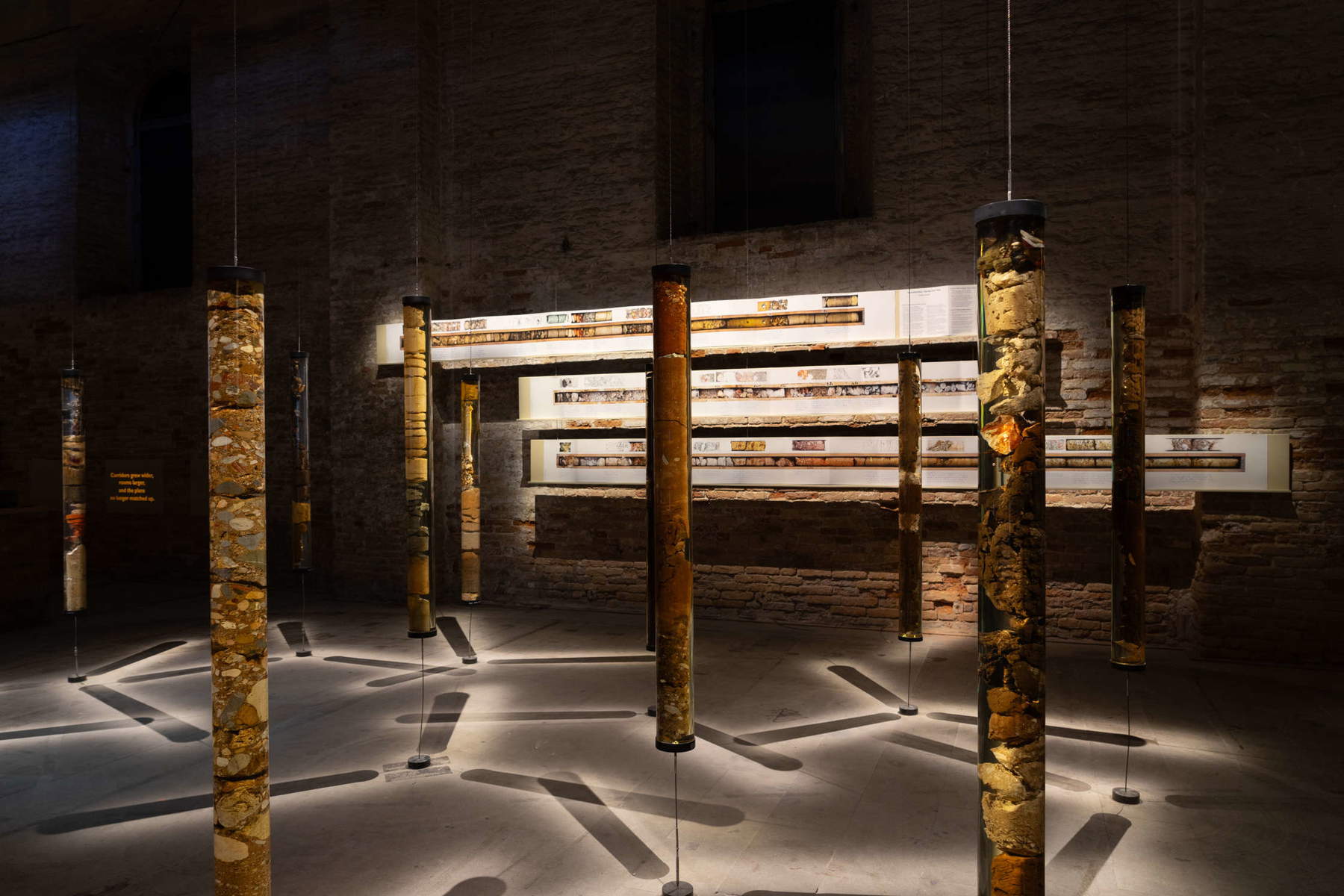
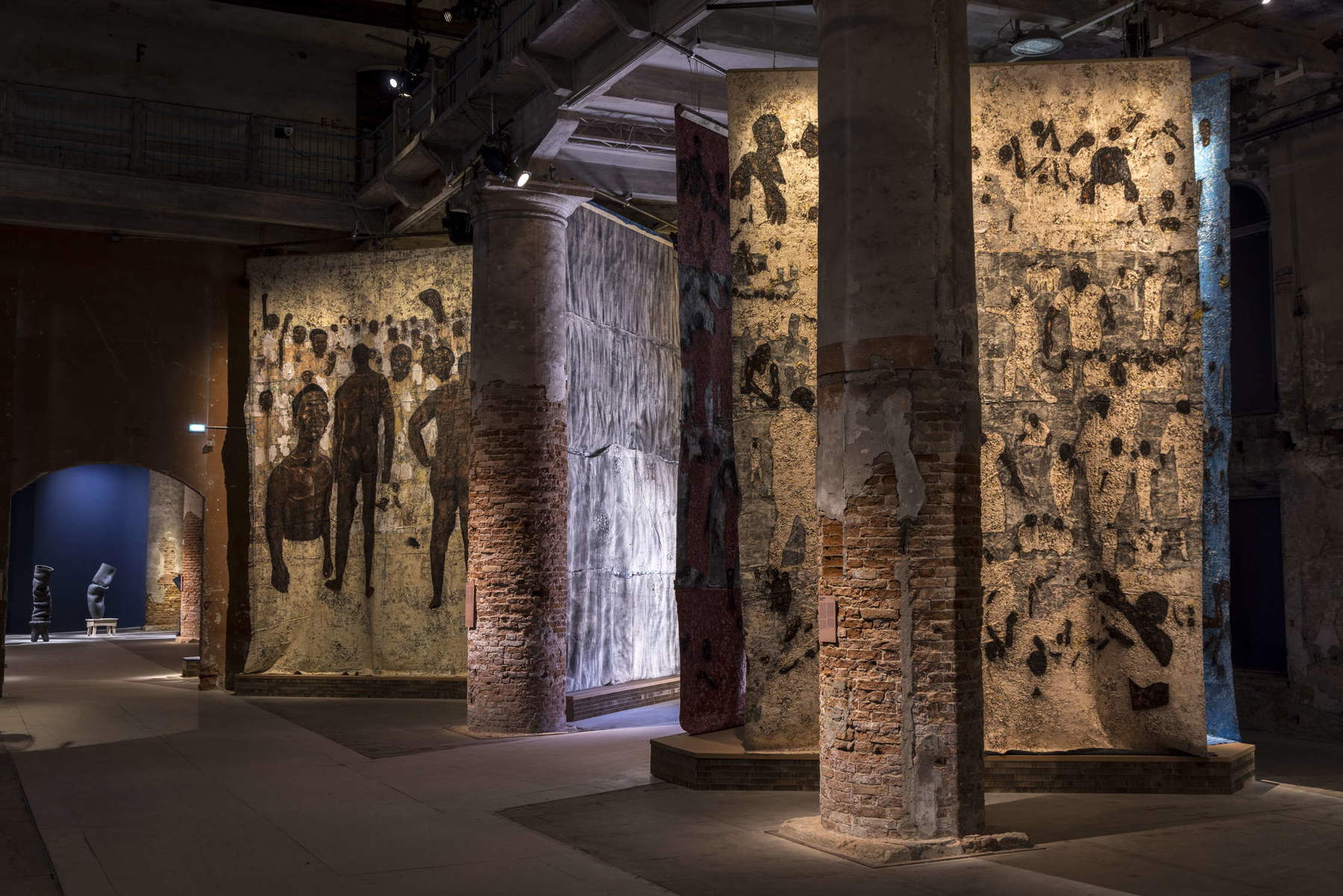
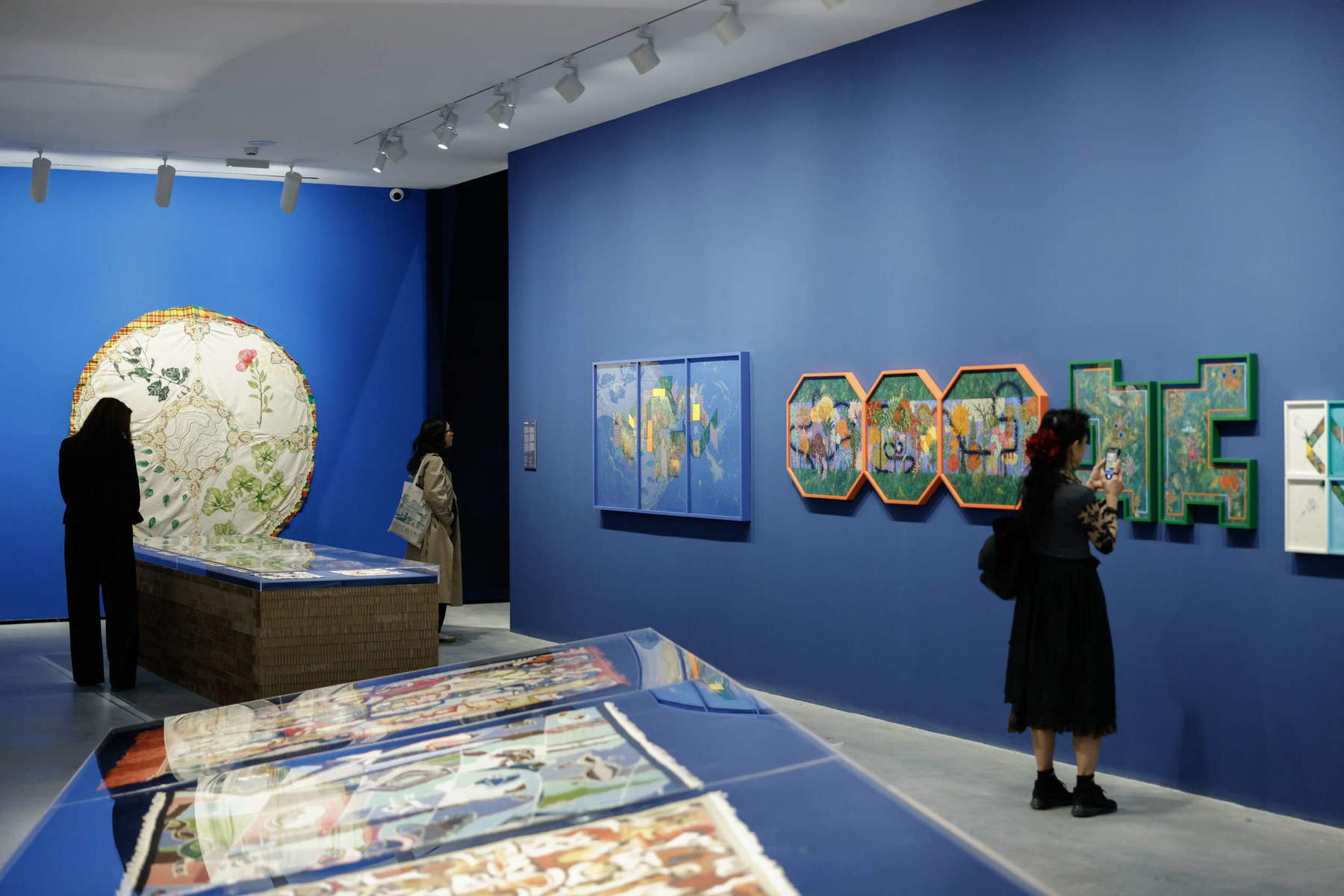
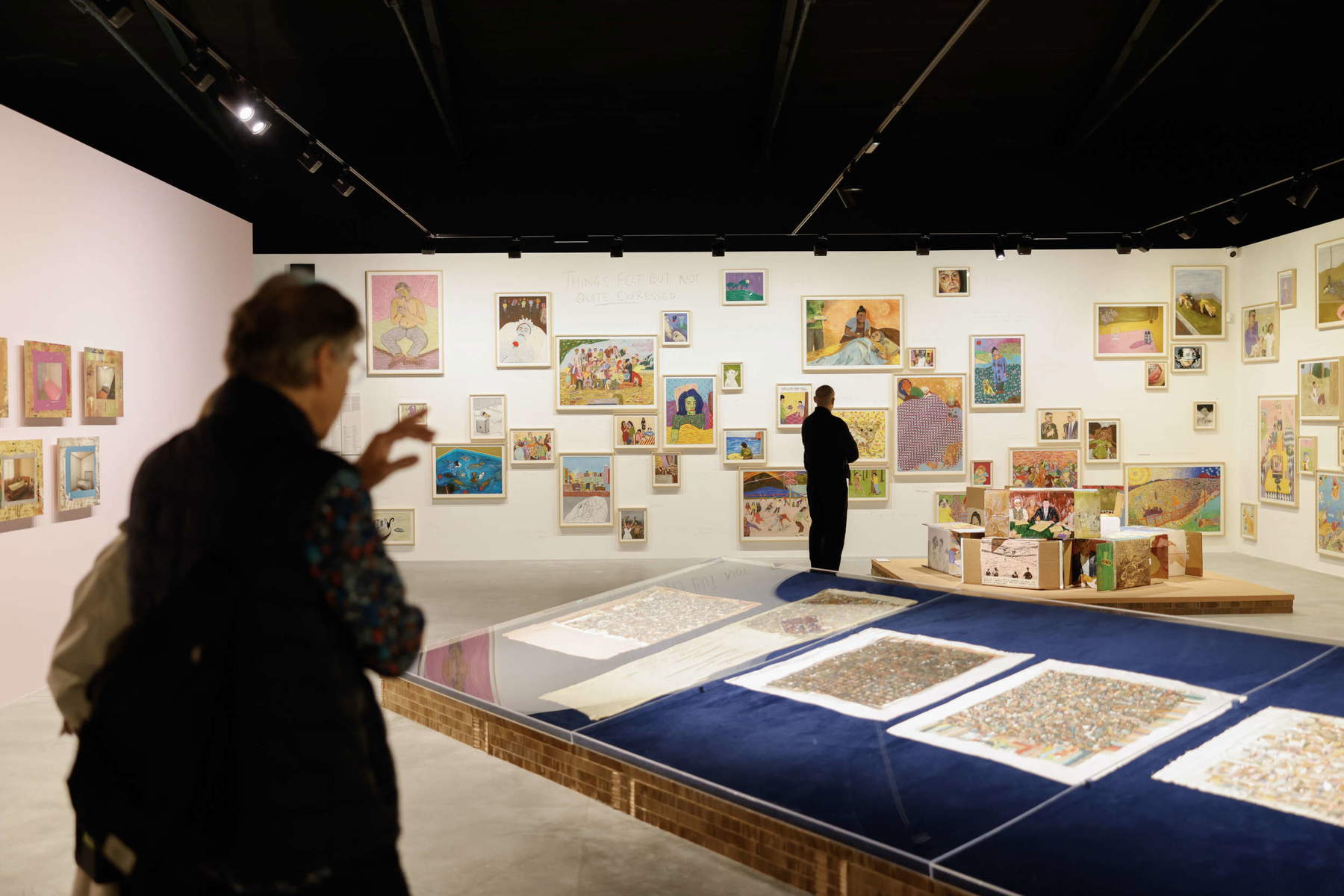
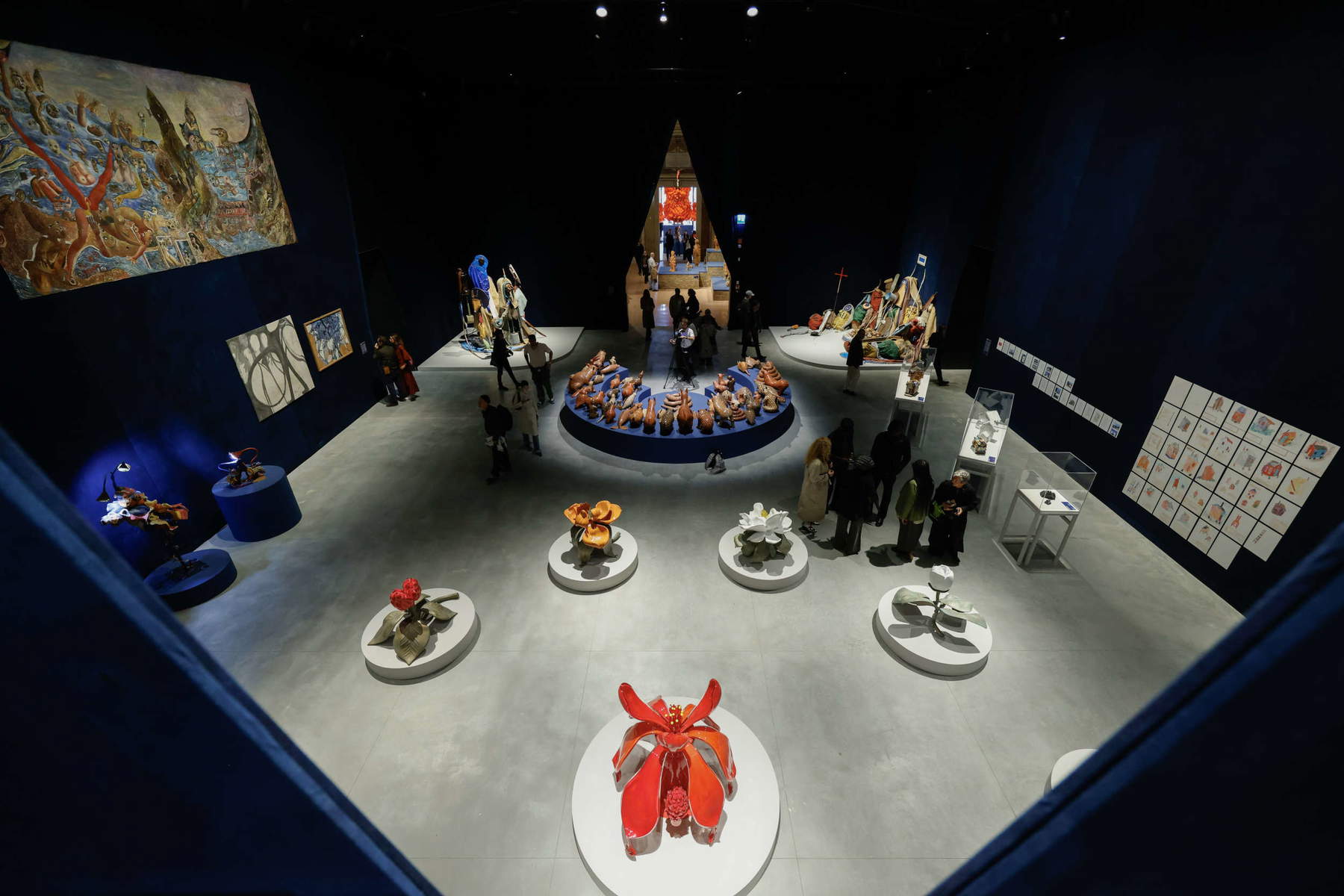
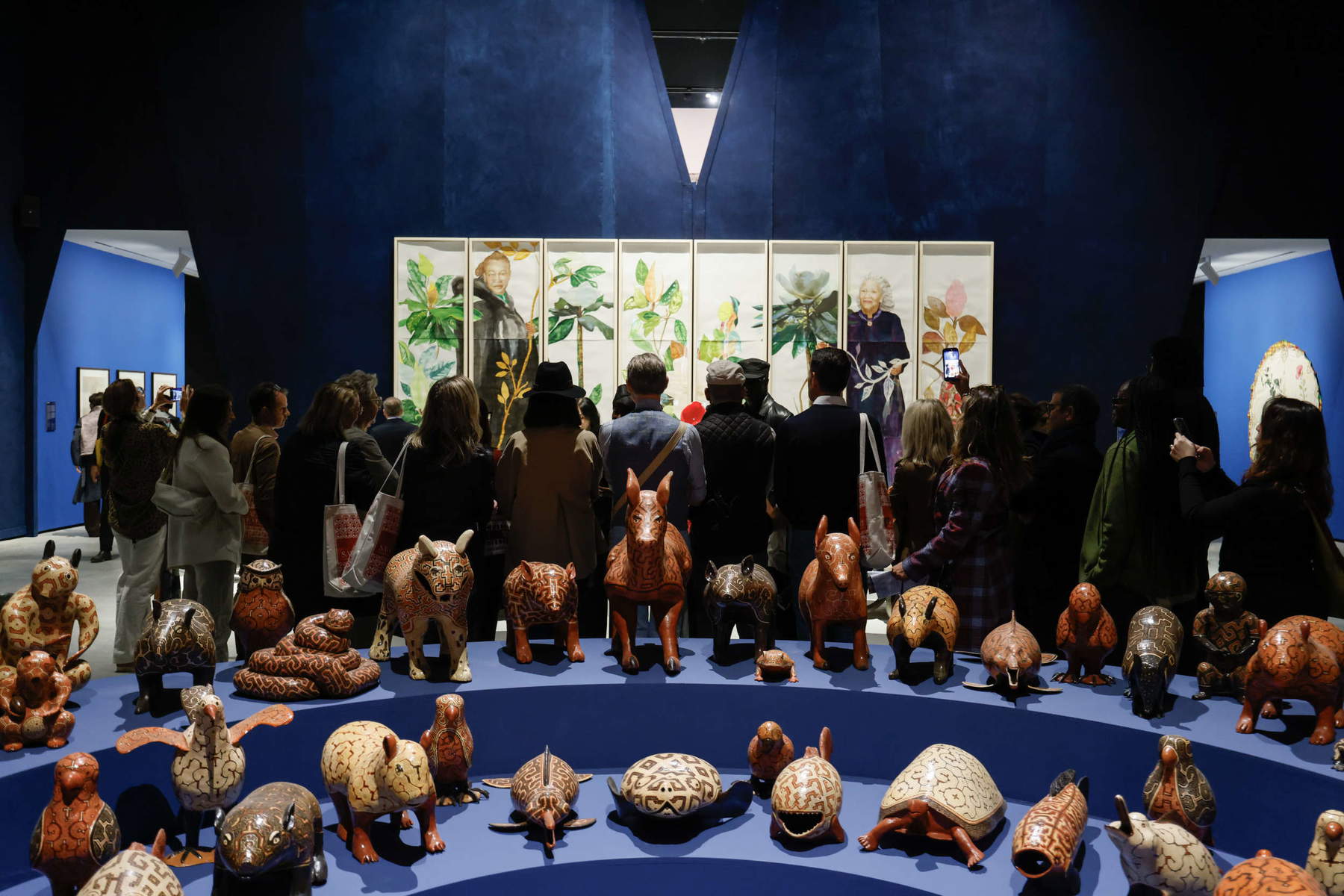
Of course, one must consider that we are talking about a posthumous exhibition, and one has to wonder to what extent the ghost of the late curator hovers over the rooms, to what extent the outcome reflects her intentions, and whether her équipe merely followed slavishly, pedantically, pedestrianly an exhibition concept that, at some point in its development, broke down, with the result that this year’s Biennale offers its visitors an exhibition limited by a substantial, sinister incompleteness. Or, conversely, burdened by an excess of education, politeness, and forced domestication. One walks through the halls of In Minor Keys and always seems to see popping up the palm of Verrocchio’s Baptism of Christ, the stunted hands of the All-Father, the dove added for duty of completeness by a third hand burdened by necessity. A bizarre exhibition, then: haphazard, crude, fat, aromatic, dispersive, cacophonous, and thus capable, at least in the abstract, of holding true to the curator’s desire to "mix cohesion and dissonance in the manner of a free jazz ensemble ." If, however, the visitor’s mind is raced by the intention to listen to or re-listen to, say, all of Albert Ayler’s Spiritual Unity (it lasts half an hour: it will be, by the looks of it, a maximum of three rooms of the exhibition), then he will realize that the clutter of In Minor Keys sounds more like that of the souk than that of the jungle, that there is nothing vulgar about this Biennial, much less fierce (except in flashes, thankfully), that there are no savage aggressions or lavish provocations (the exception is only Magdalena Campos-Pons’s monumental watercolor at the Giardini, which will be discussed better later), and that on the couches that Koyo Kouoh’s team has graciously made available to the public there is no one berating, swearing, ranting, eating, spitting, slumping, screaming, cheering, but at the limit there may be just a janitor to keep you from munching something so that the crumbs don’t fall on the floor. It is still a house, rather than a free jazz concert, so they give themselves rules to follow. And the exhibition feels the need to make the visitor feel like he or she is inside a house, cozy, big, smelly, filled with plants and flowers. Of course, perhaps a little was to be expected if someone, giving himself to a challenging exercise of memory, will recall the account that Koyo Kouoh’s collaborators had given to the press a few months ago at the presentation of the exhibition, when they reported that when drawing up thelist of artists for this Biennial, the group had found themselves in Dakar under a mango tree, every time someone uttered a name a mango fell, and if the mango did not fall everyone stood still and waited for the prodigy to be accomplished. The mango, then, made the show, and it is natural, and even a little predictable, that it exhibited a certain inclination toward its fellow mangoes.
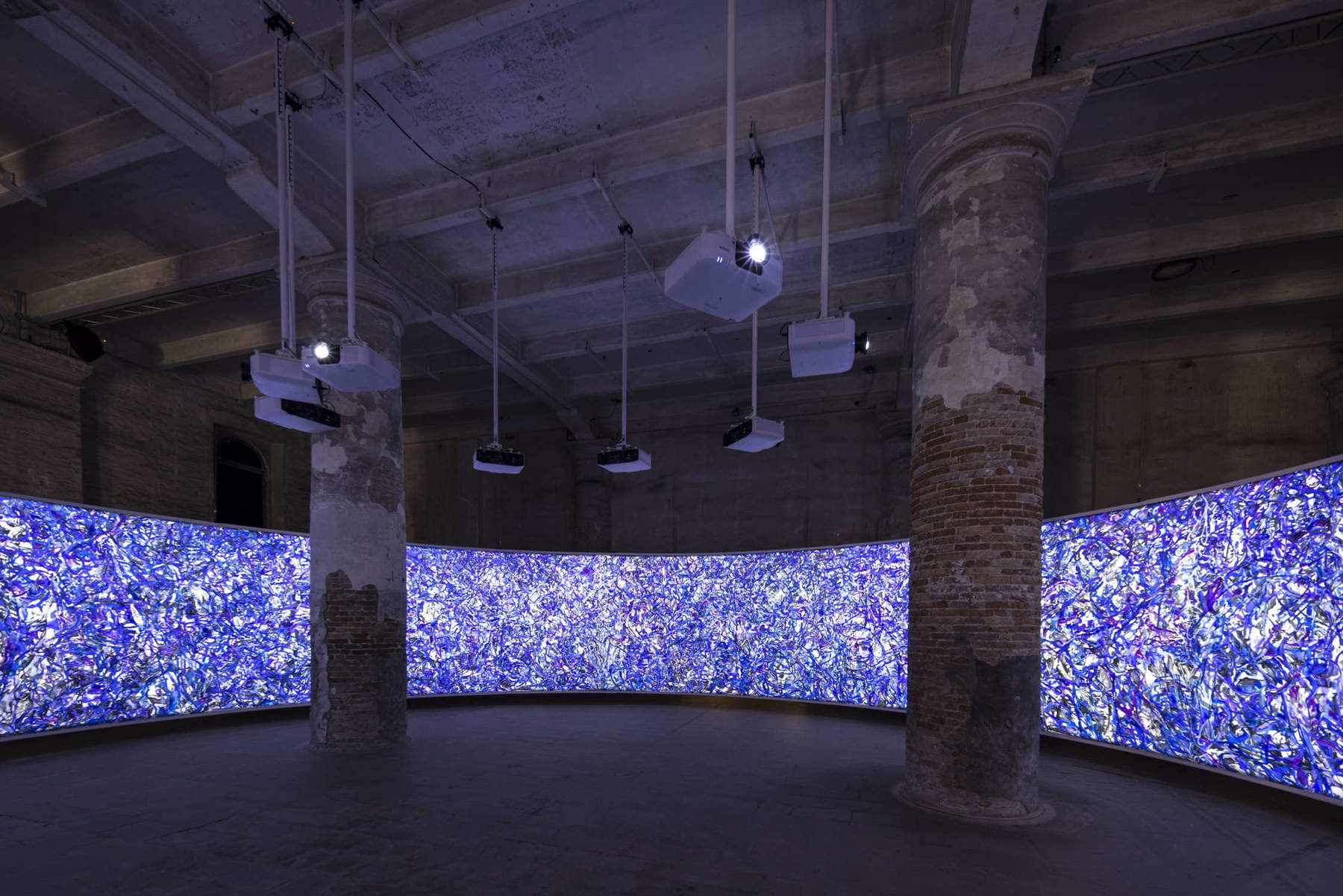
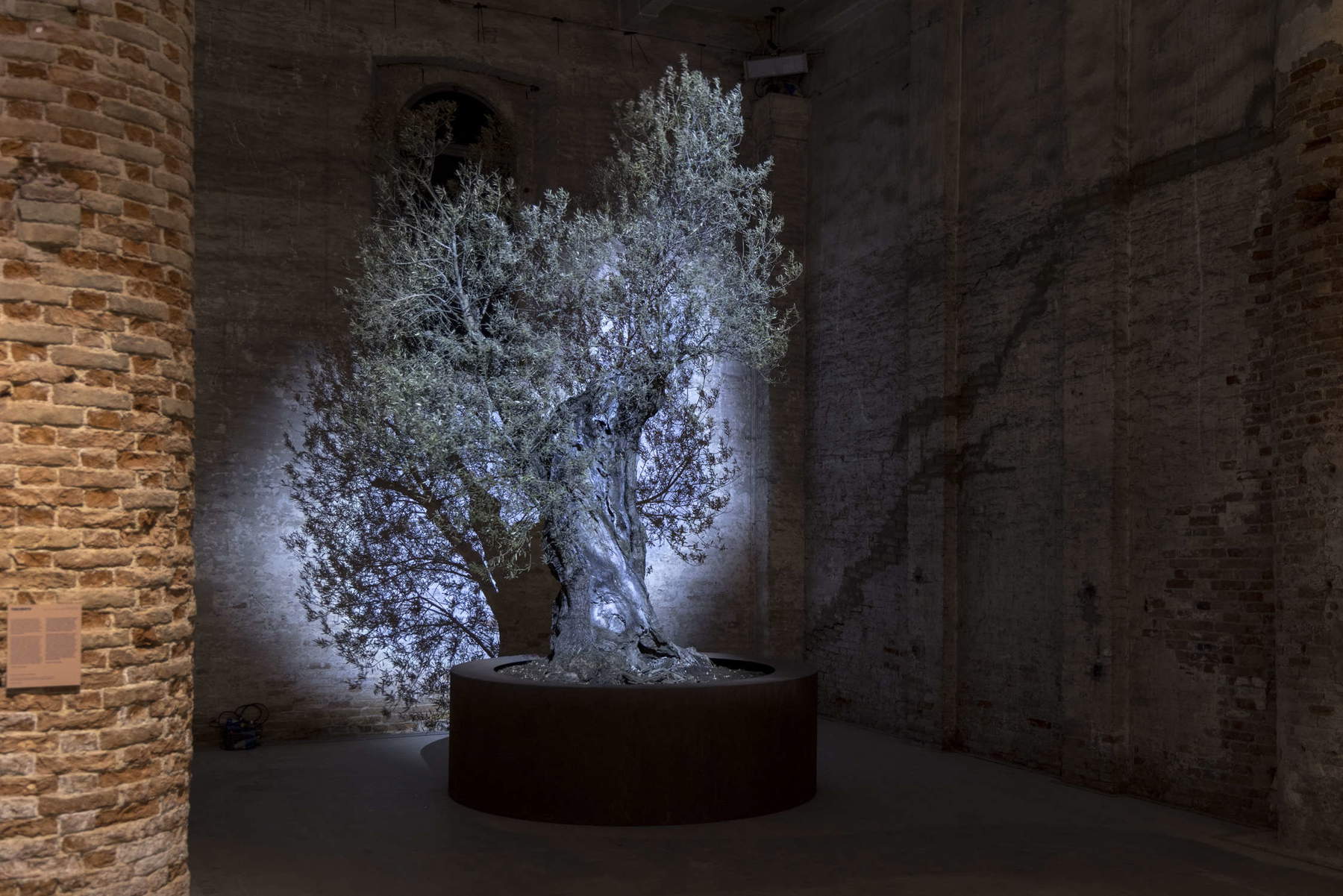
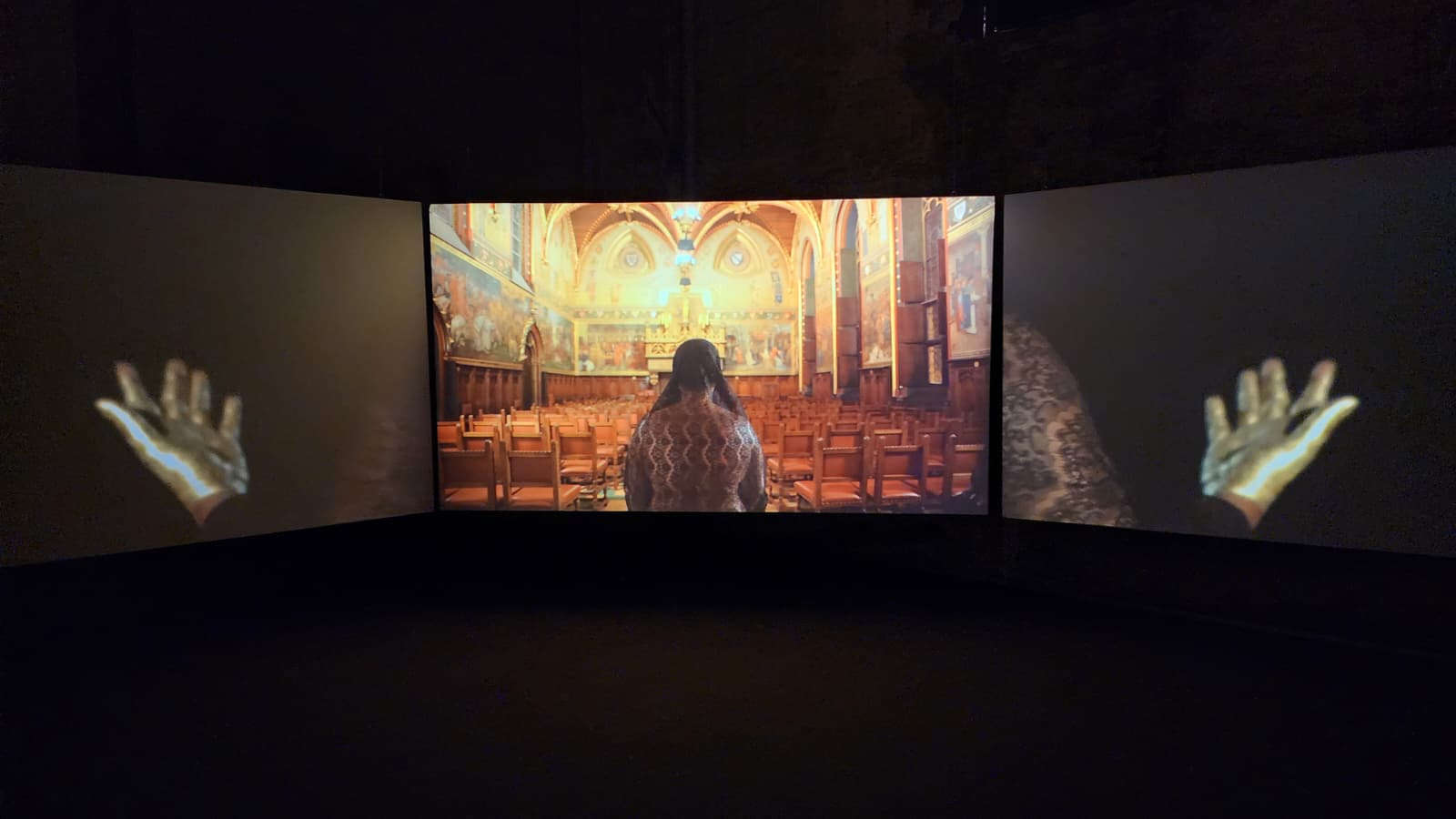
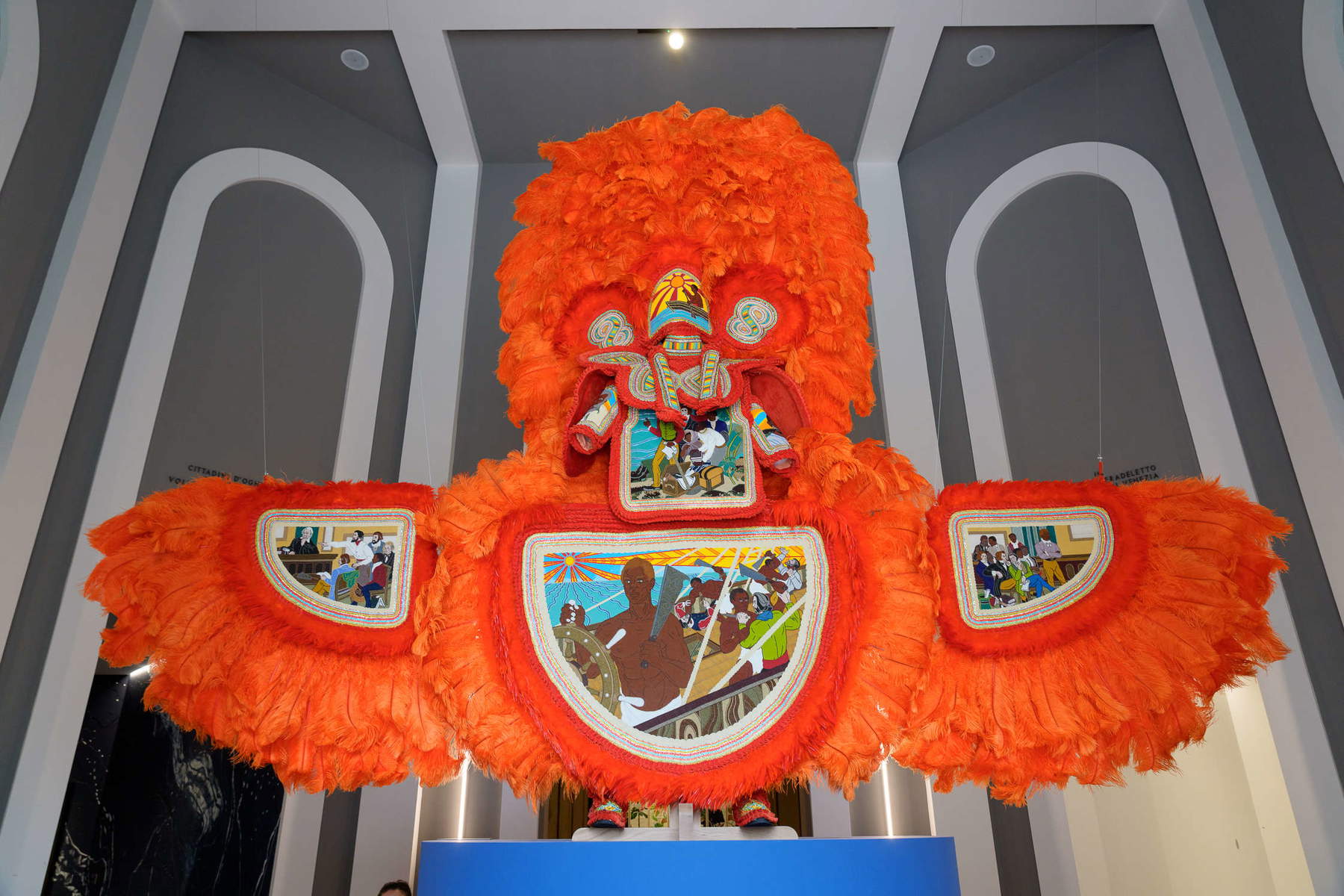
We find them, these vegetables, in every form, with a variety unknown even to the best-stocked Interflora affiliate: painted, sculpted, drawn, woven, dried, filmed, photographed, projected, transformed, vaporized, always, however, determined to manifest their presence in the exhibition. At the Arsenal, past the first antechamber, one is welcomed into the exhibition by Khaled Sabsabi’s environment: large curved and enveloping projection sheets on which a stream of phytomorphic motifs is reproduced (same thing, moreover, at the Australia Pavilion, entrusted to the same artist, with the difference that there, instead of being inside the drapes, one looks at them from the outside), i.e., a kind of Orangerie in octavo and exactly one hundred years late (there is, however, a label warning “The work contains natural aromas and scents.” the invitation to olfactory sinking recurs throughout the exhibition, and the only exception to natural aroma is supposed to be Carsten Höller’s usual Smell of my father-Smell of my mather, a chemical attempt at reconstructing familiar smells that also permeated the air of the relational art exhibition at MAXXI in Rome, to say only the most recent show where one could breathe it). Sometimes the vegetables even appear whole, as in the work by Theo Eshetu, Italian by popular acclaim, and present at the Arsenale with a large carrillon on which spins an olive tree meant to be a symbol of uprooting, control, and appropriation (even the scrappiest nurseryman from Pistoia, then, was unaware that he had the Venice Biennale at his disposal). The political background, after all, has not changed one half-syllable from that of the Biennale two years ago, and Kouoh’s team hastily intends to make this clear by plunging visitors who escaped theSabsabi’s installation in front of South African Berni Searle’s video (it lasts eight minutes and is immediately at the beginning of the Arsenale tour route, so it is probably the only footage in the entire exhibition that one dwells on with any attention): Interlaced, from 2011, filmed in Bruges, is a blustery, scholastic indictment of the atrocities of the Congo Free State administration (though the caption, signed by writer Sinazo Chiya, intends to extend the blame, speaking of “brutality perpetrated by the Belgian people in Congo.” superfluous to remark the crudeness, mediocrity, and sloppiness of such simplifications, contrary to any up-to-date historiographical reading, disrespectful of all those Belgians who even at the time denounced the crimes of Leopold II’s regime, and oblivious to the fact that the government of Belgium had no sovereignty over the Congo until the annexation proclaimed when the king had to yield to the pressures provoked by the international campaign against violence), and is placed at the beginning, one presumes, for mere purposes of drawing lines of demarcation. The same logic that, one presumes, urged Koyo Kouoh’s team to place at the beginning of the Central Pavilion at the Giardini, under Galileo Chini’s frescoes (here is another difference from Pedrosa’s exhibition: at last the frescoes are properly illuminated), the large banner on which Big Chief Demond Melancon depicted, with feathers and glass beads, the Amistad Mutiny. Visual immediacy, in the first case because it is an exaggeratedly didactic work, and in the second because Spielberg’s film should be, at least in theory, part of the minimum requirements of the cultural background of those who visit the Venice Biennale, which makes immediately manifest, probably by accurate calculation, the ideological sediment on which the entire exhibition allures. A statement.
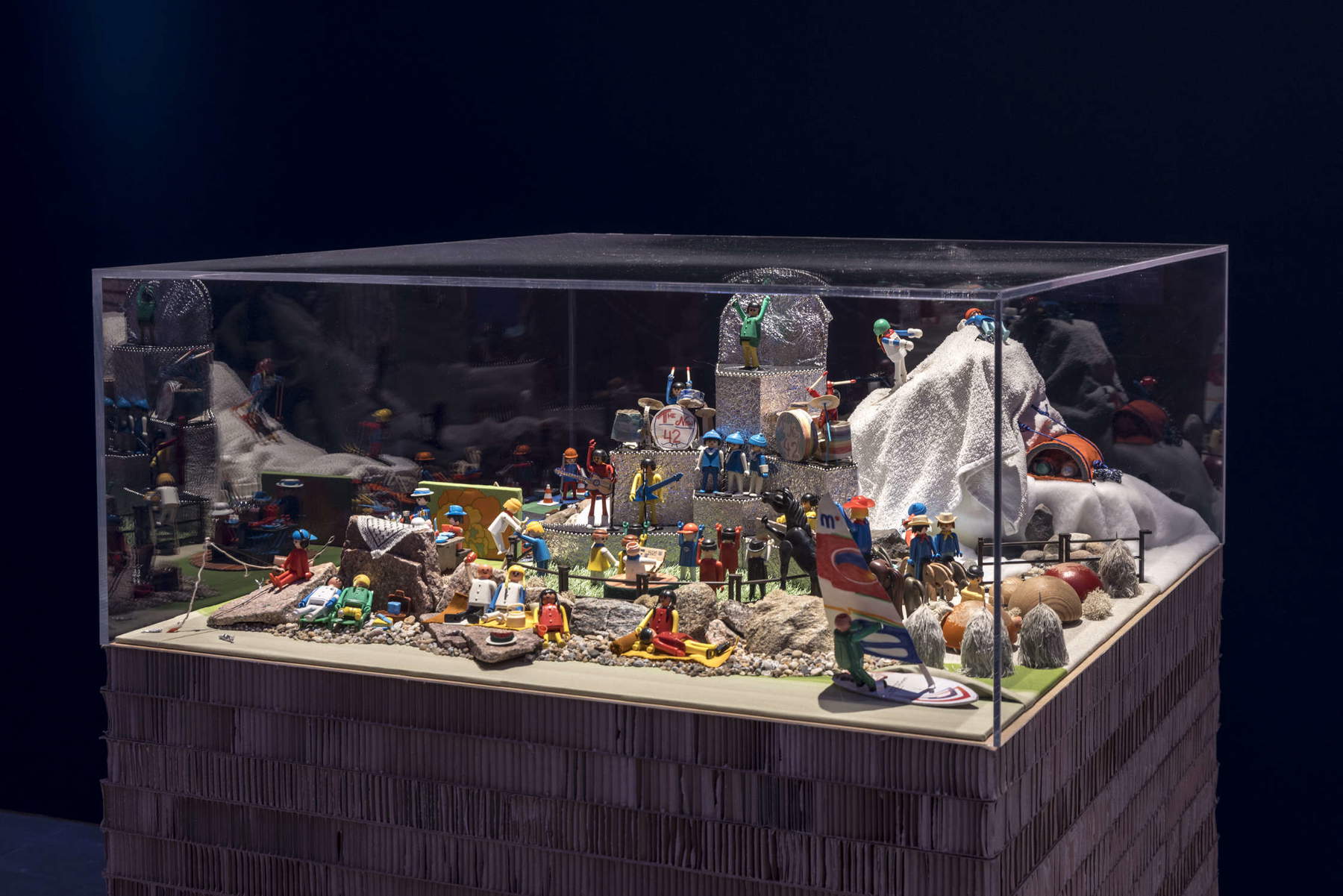
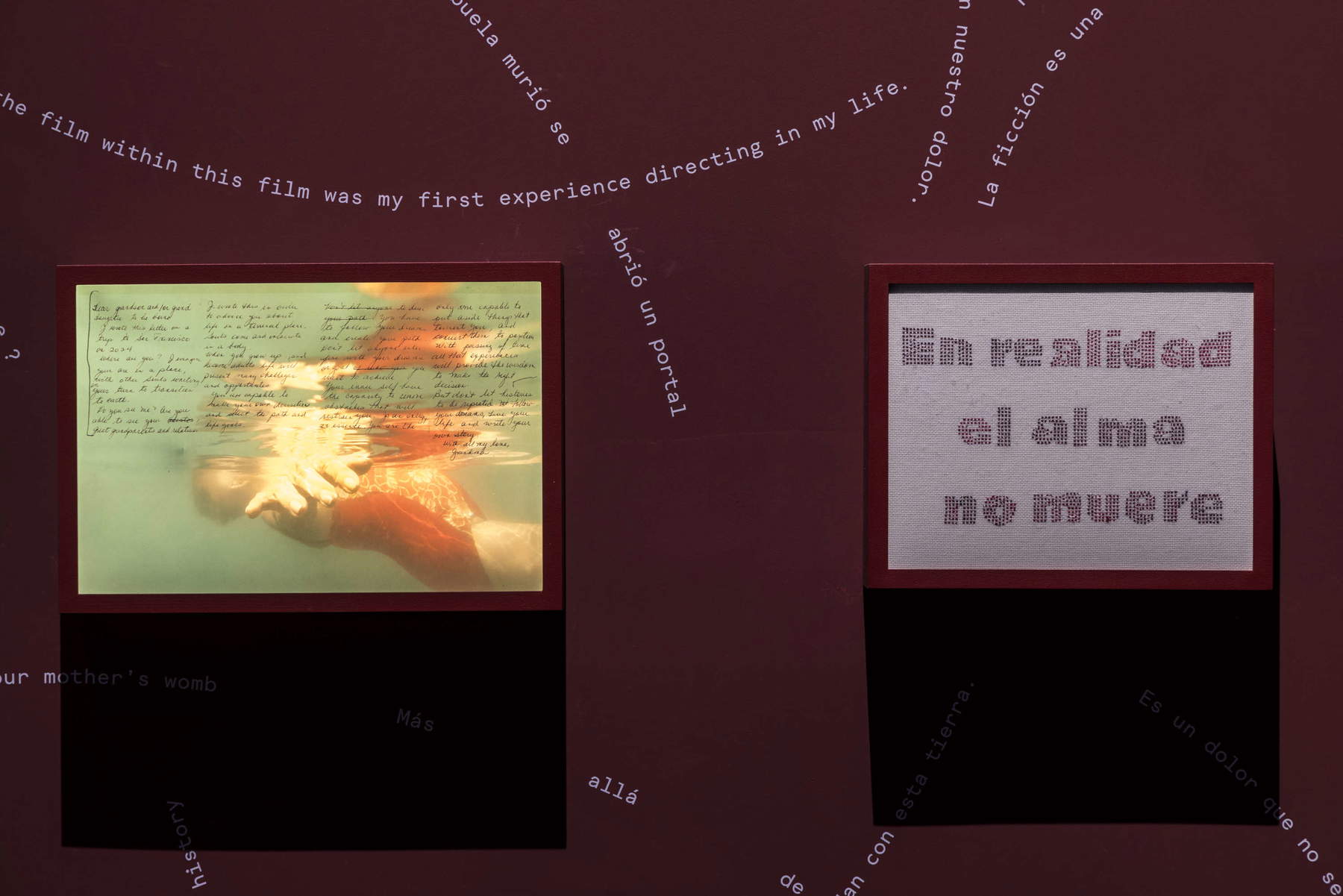
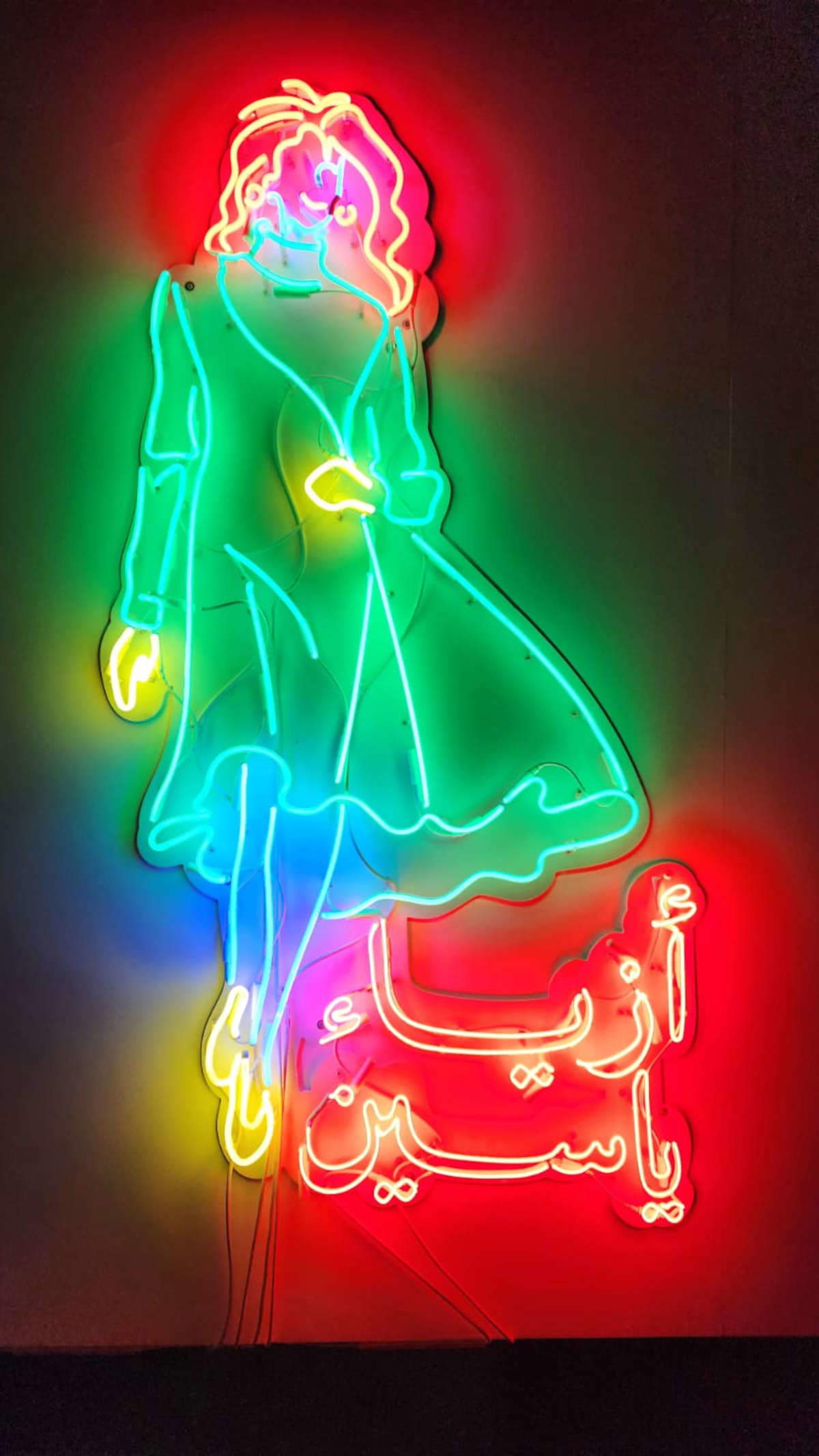
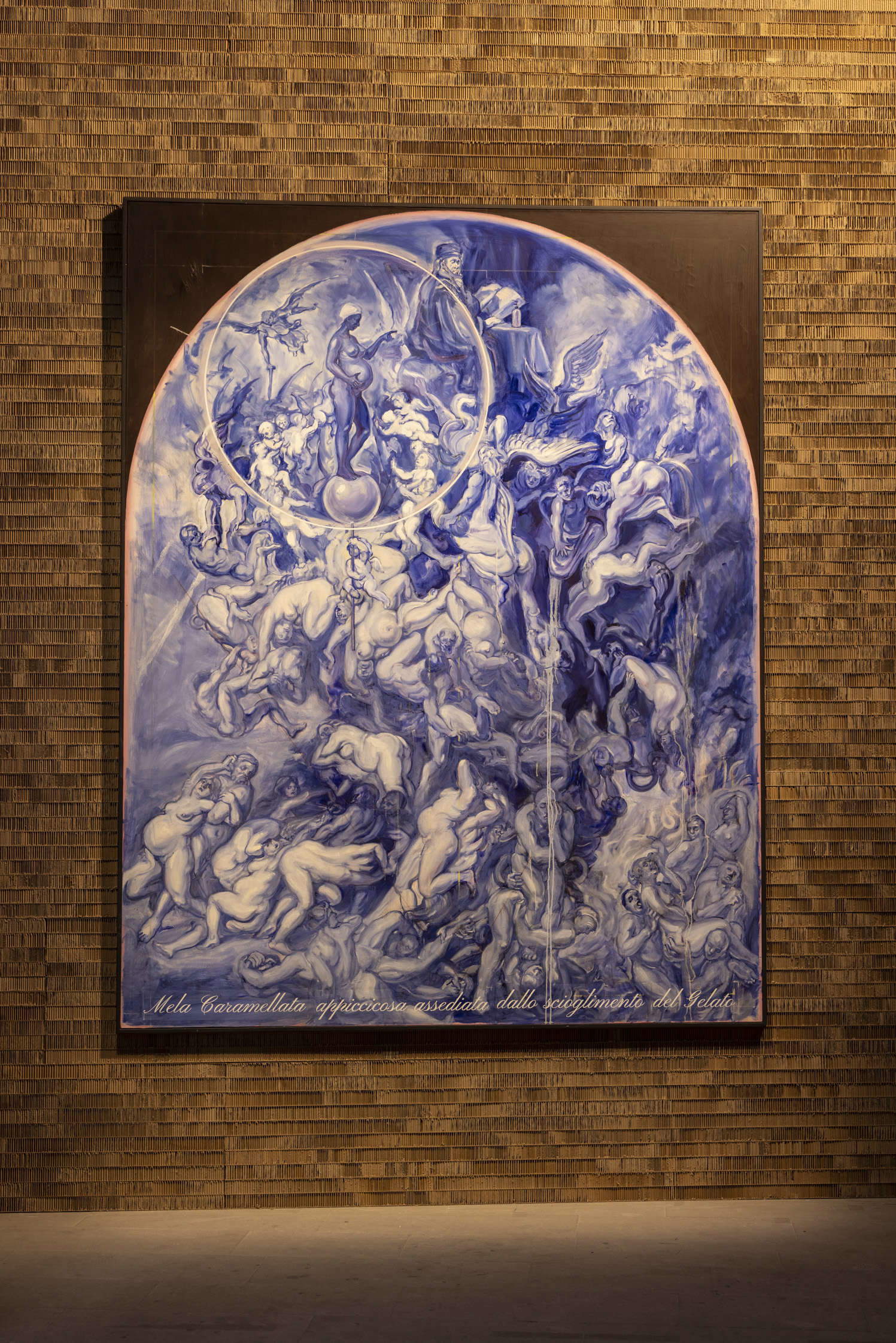
It can be said with some confidence, however, that there is no need to dwell on the captions to realize how the decolonialist impulses of this Biennale are tinged with a hybris that is not even too ill-concealed: the few times one can step outside the ethnic craftsmanship, and the even rarer times when we are not on the sides of didactic rehash, imitation and déjà-vu (see, just as an example, the pregnant sequence one encounters more or less halfway through the Arsenale: Nina Katchadourian plays with Playmobiles, i.e., stuff that even earned a German artist an award at Artissima a few years ago, Natalia Lassalle-Morillo writes her memories on framed vinyls, Raed Yassin is the Lebanese Lodola and Johannes Phokela copies Rubens with the nuances of Chinese porcelain to tell us, in his postcolonial detournement stopped at the first grade provocation class, that after the Last Judgment only “a pregnant black woman” manages to break through), then one is able to enter the unstable, inhospitable and impervious territory of brazen and instigating appropriation, and it is just in these rare moments that In Minor Keys takes the trouble to abdicate its dimension of soporific domestic ceremonial, to try to rouse the visitor from his complacent lethargy, to divert him from the bazaar, to sanctimoniously slap him on the lips to make him smell the earth, the blood, the reality. Mention has been made of Magdalena Campos-Pons’ gigantic paper, Anatomy of the magnolia tree for Koyo Kouoh and Toni Morrison: the Cuban artist, amidst sheets and magnolia blossoms, traces two imposing portraits, at a size beyond life-size, of curator Koyo Kouoh and writer Toni Morrison, depicted with raptor claws and in poses and manners reminiscent of the saints in Renaissance polyptychs. Occupation, then, of a space anciently reserved for white Christendom by means of two black women who become the tenants of a cunning transfiguration, inhabitants intent on transforming that medium, relict of’a European tradition, into the refined space of vindication of a paganising imaginary, innervated with black mysticism, prone, here too, to dendrolatry (so much so that in front of the large watercolor are seven sculptures, in glass and resin, reproducing magnolia flowers, again out of scale). Similar reasoning could be made for at least three other artists who seem to start from similar premises. One is New Yorker Kambui Olujimi (who, moreover, passed through us a decade ago: he was in residence in Umbertide), who swims in the Symbolist repertoire (the hallucinations of an Odilon Redon come to mind above all) to re-emerge with the sidereal and visionary delirium of an African diaspora imagined in the form of a journey into orbit, of an escape from gravity risen to a murky symbol of the domination of whiteness, to a crude and oppressive dogma that chains the soul to the earth, to a metaphor of the impossibility of a space of freedom that can exist only where one frees oneself from the limitations of heavy bodies. Another is the Canadian-born Bonnie Devine, who uses the forms and colors of the first expressionist landscapes (Marianne von Werefkin) to attempt to describe a decolonial world made up primarily of energy: of course, nothing that we have not already seen in our part of the world, but at least we are witnessing a successful attempt at re-signification. A third is the Pakistani Wardha Shabbir, who admits her debt to miniature painting and puts it to good use to compose a fairy-tale, surreal, mystical, feminine landscape dominated by presences that are sometimes inviting and seductive, sometimes horrifying and disturbing, almost leaning over the threshold of the monstrous, and filled with illuminations that seem to come from other worlds. To these one could add to the most the Brazilian Eustáquio Neves, who treats violence as archival material, the shadows of the slave trade reduced to dark, black, slabby and evanescent spectres of continuously reworked documentary material.
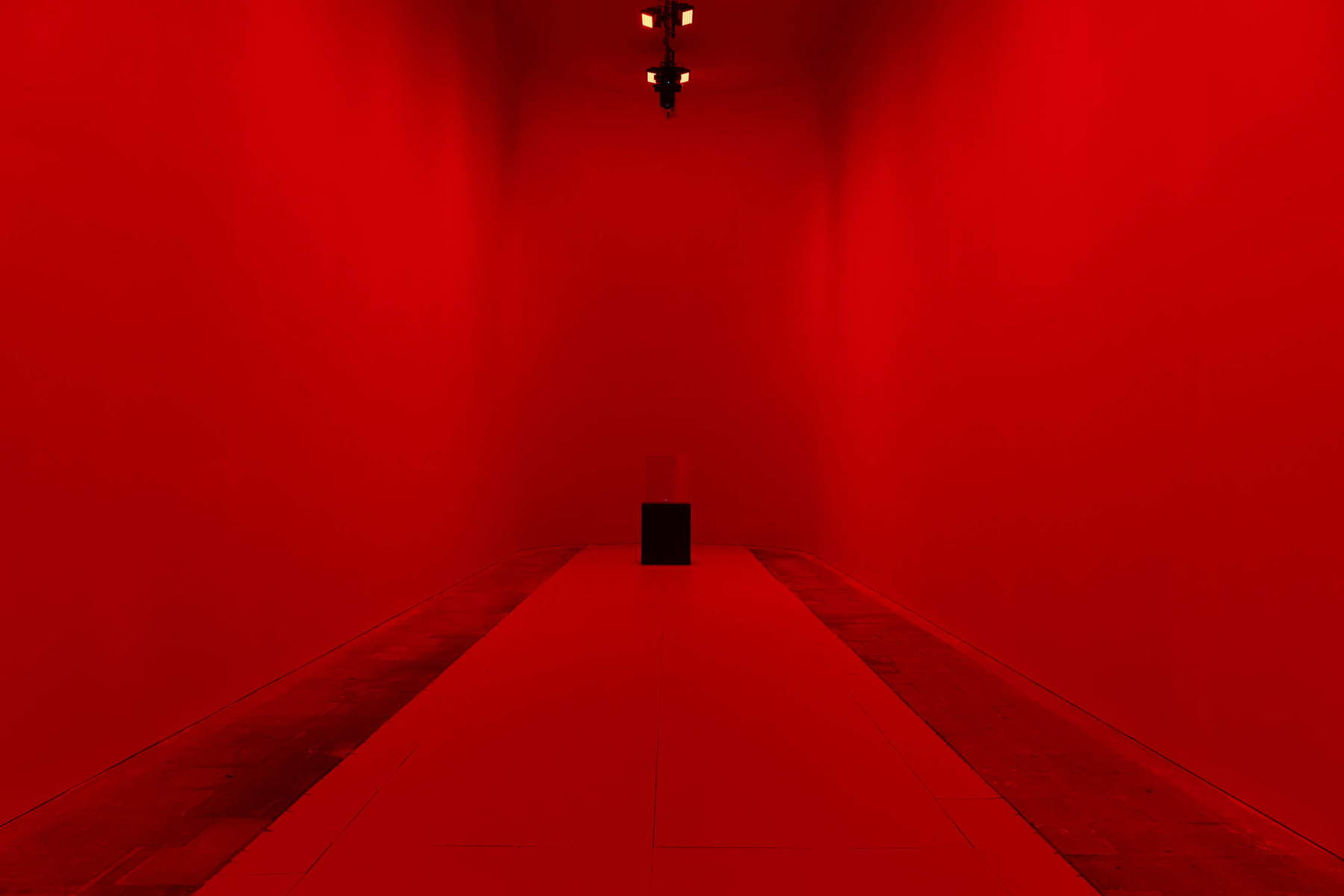
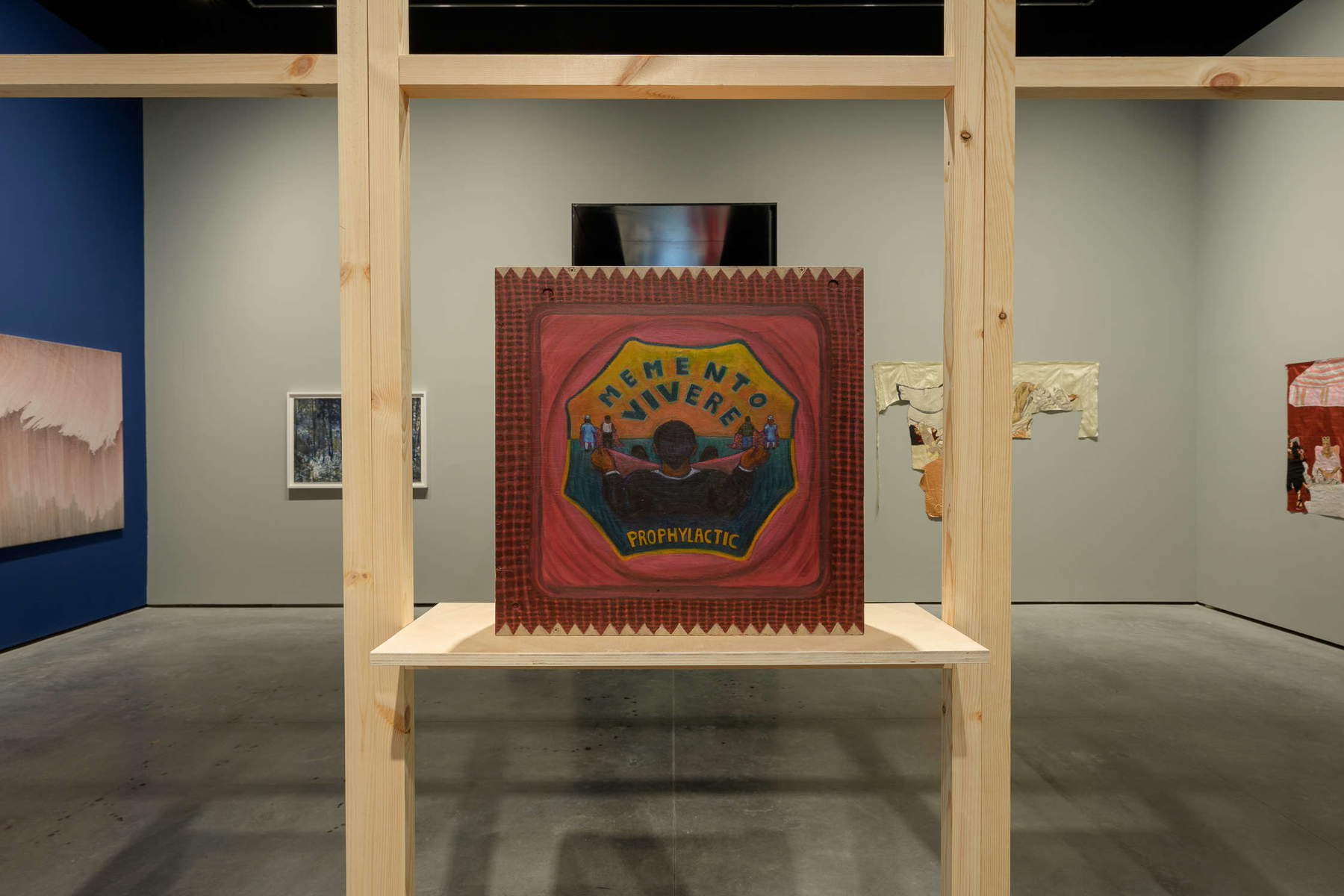
At this year’s Biennale, even those who have only seen the Biennale in Where You Go on Vacation know by now, there is the Visitors’ Lion, the Sanremasque stunt that they had to invent at Ca’ Giustinian to make up for theimpossibility of awarding the Golden Lion as a result of the raises of ingenuity of a jury that thought of resigning on the eve of the event because the organization did not intend to go along with its do-it-yourself regulation intentions: wanting then to lend oneself to the game everyone is playing, which is to indicate the name of one’s candidate, I would go so far as to say that mine could be one of the five just mentioned. Not one more. I would not venture to put Alfredo Jaar’s work, which also enjoys the favor of most, on the shortlist: powerful, scenic and physically truly disturbing his red-light room, but too rhetorical and too phoned-in the prod about the minerals that cause wars and violence. This excess of rhetoric, however, is common to so many of the works that make up the exhibition, perhaps most of them, and ends up producing a massacring repertoire of historical reductionism (the video that opens the Arsenal has been mentioned above), of stale slogans (at our latitudes we should by now have well digested, say, the morsels of a Yoshido Shimada who converts theofficial iconography of Japan), of mannerism (in these parts we should be well accustomed, say, to the compositions of organic material of a Dan Lie who composes, in an access of furious originalitya sort of vanitas made of garlands of flowers), of respectability (any listless student of any provincial art high school, called upon to express himself on the history of AIDS, would find less sluggish and anodyne modes of celebration than those of a Mohammed Z. Rahman who paints the casing of a goldon and writes “Memento vivere” on it: if such profusion of talent were to come from someone whose ID card reads “Pierantonio Sciaccaluga,” then we could be fairly certain that we would find his work adorning a Casarza Ligure courtroom instead of a room in the Central Pavilion of the Giardini at the Venice Biennale).
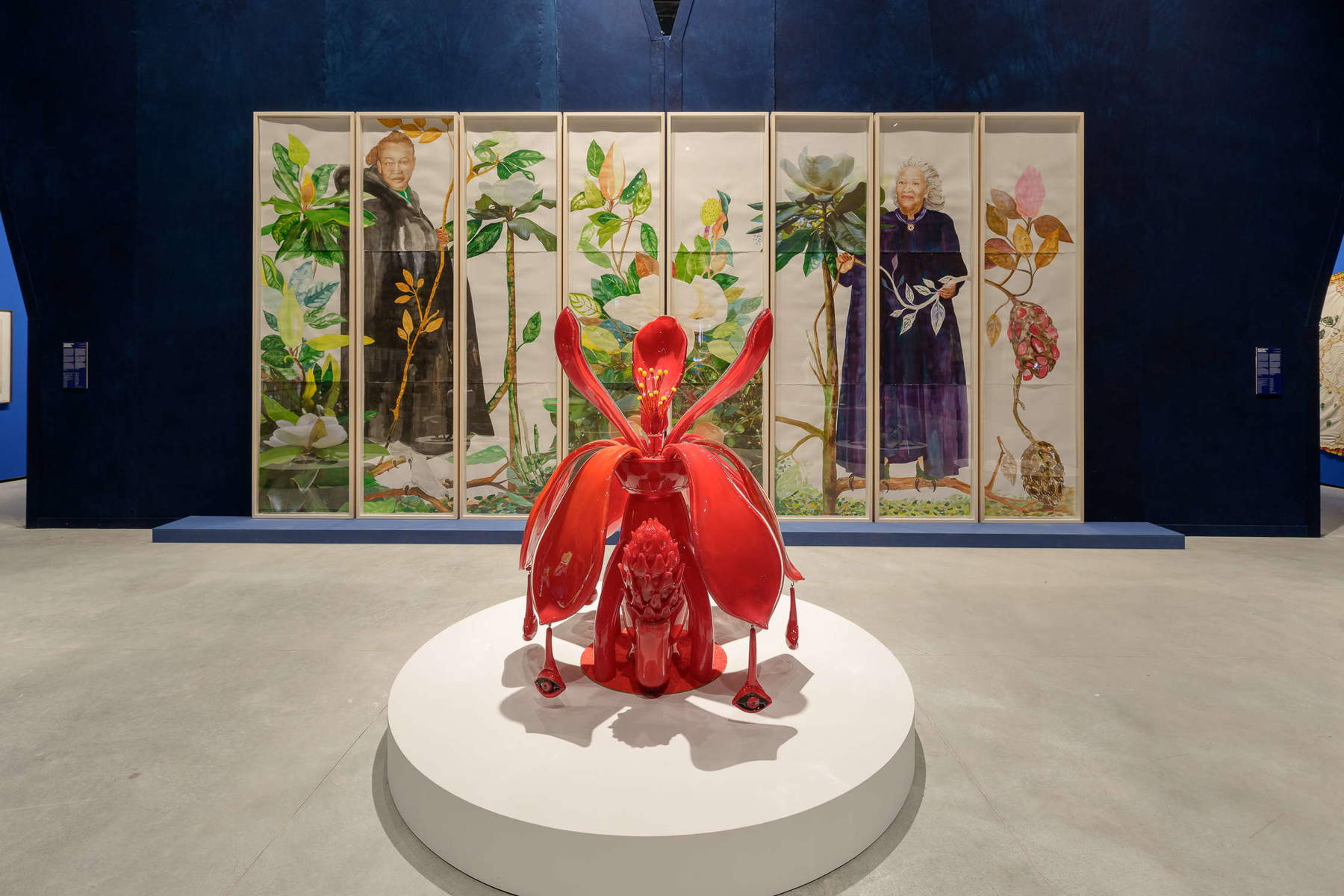
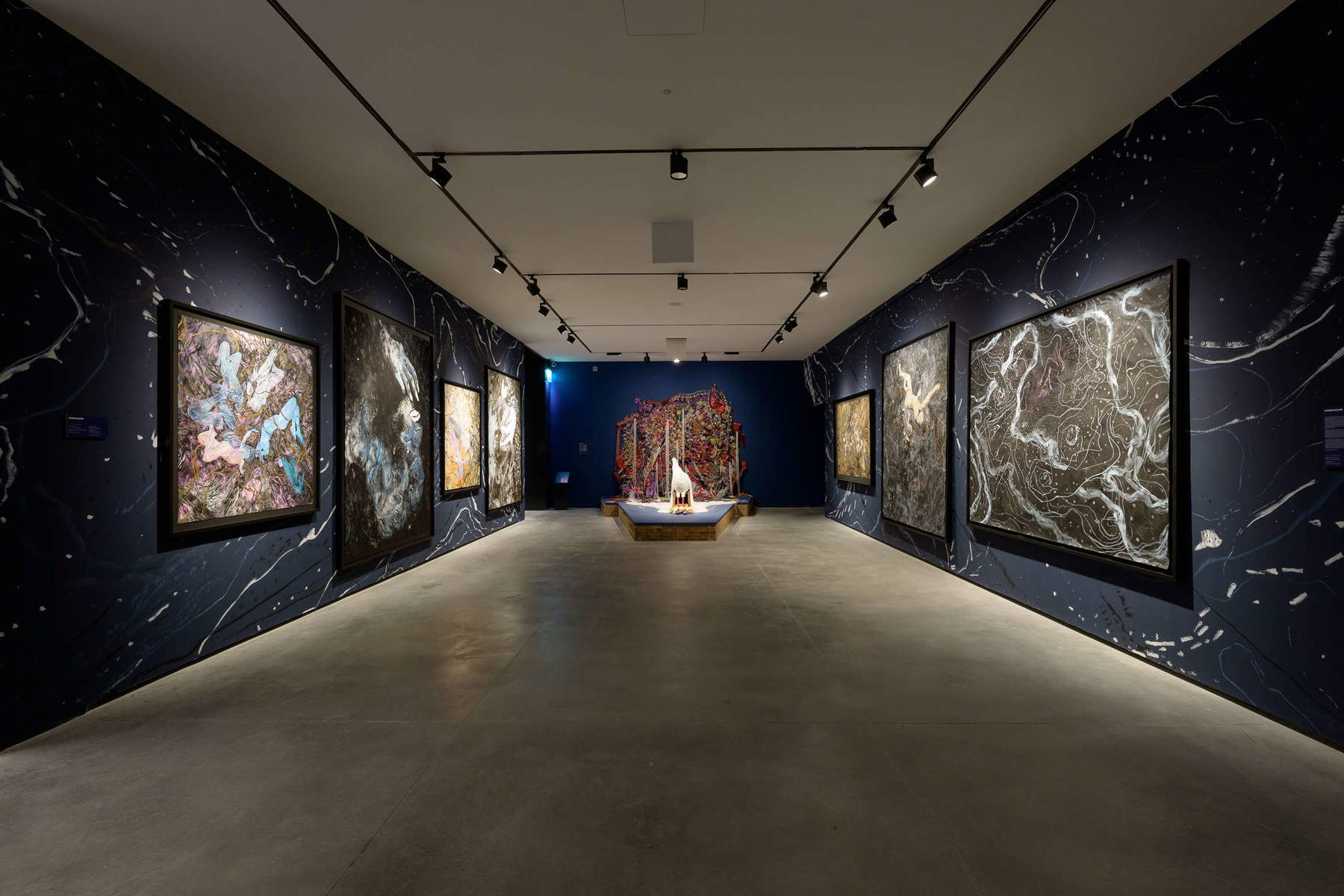
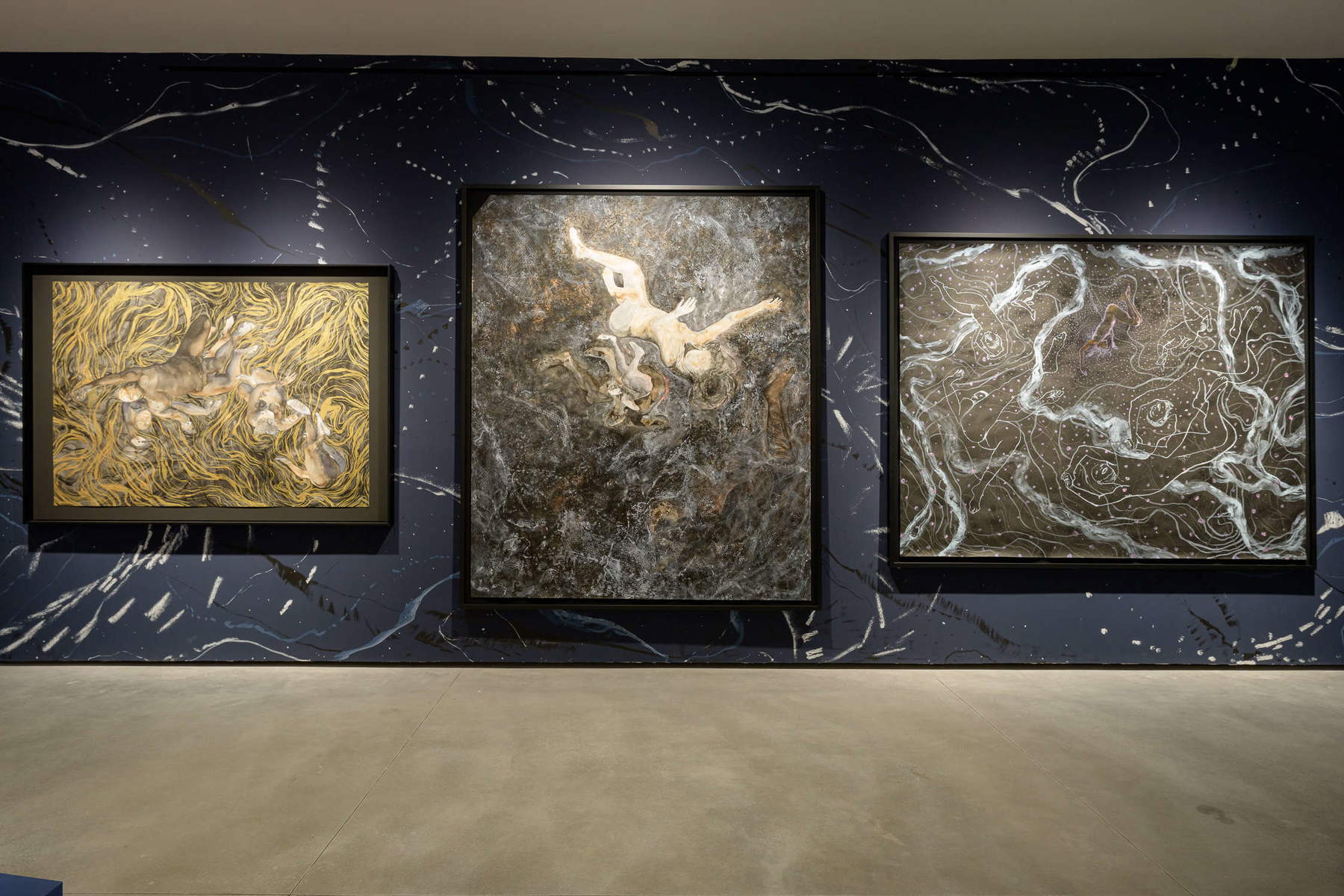
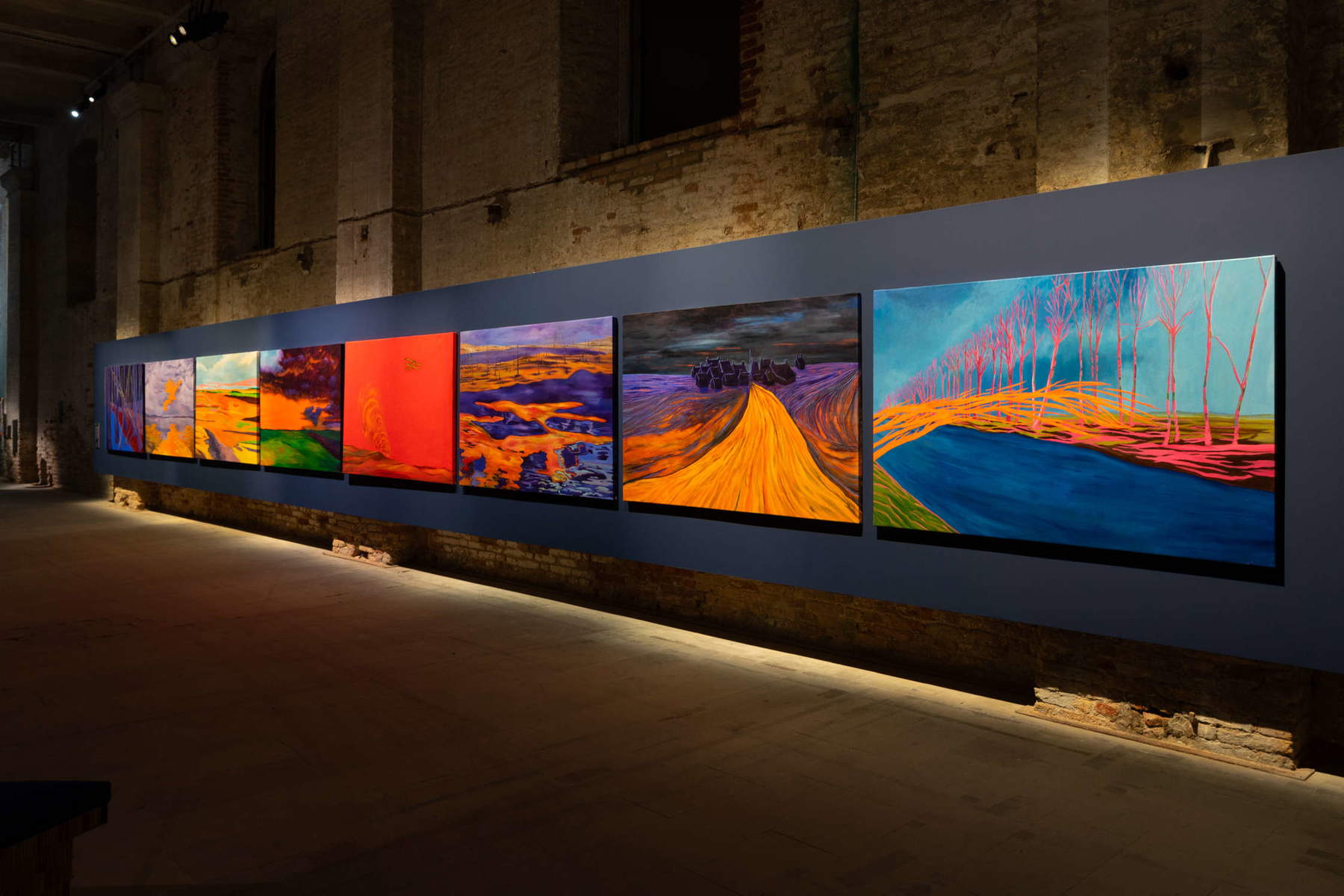
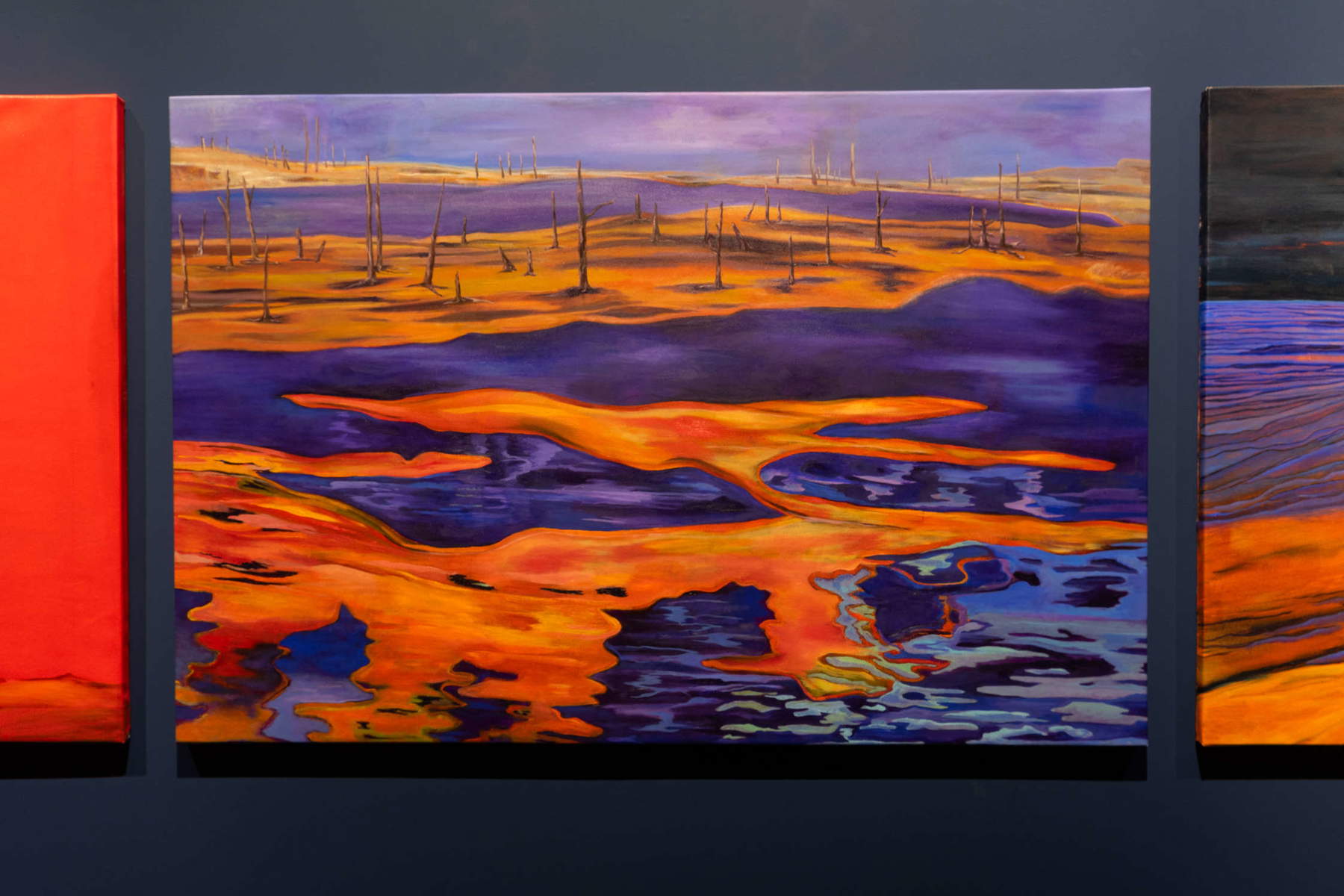
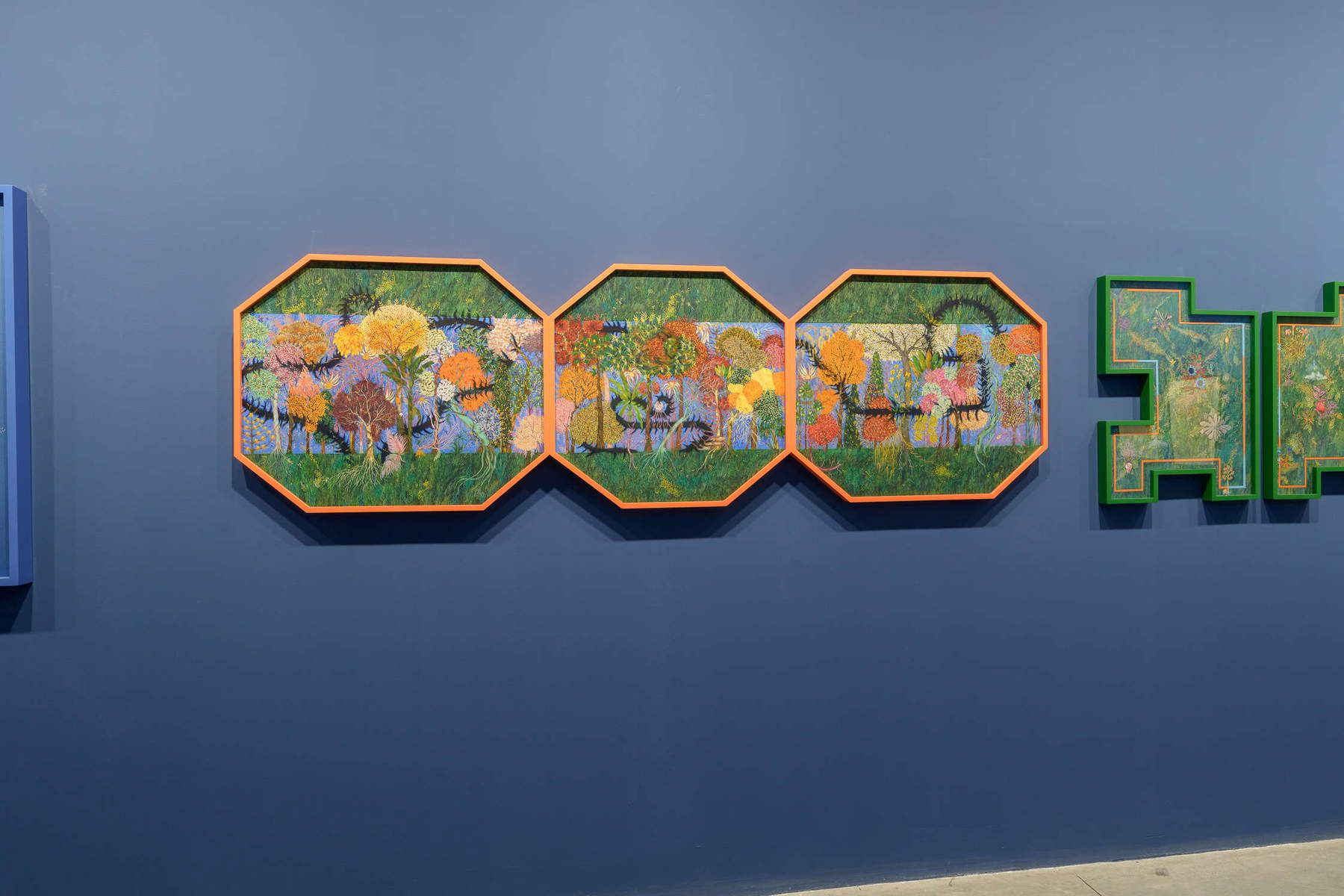
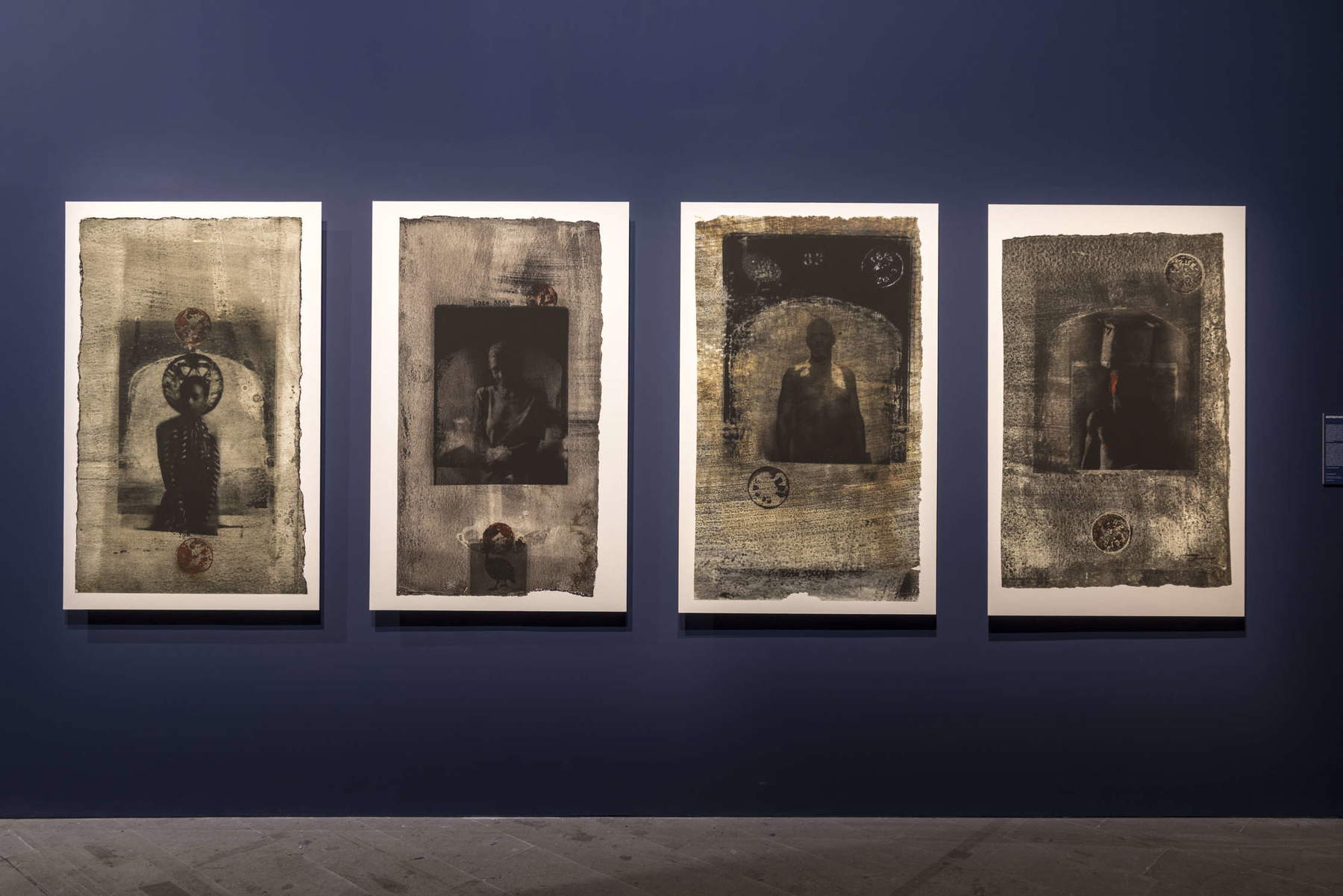
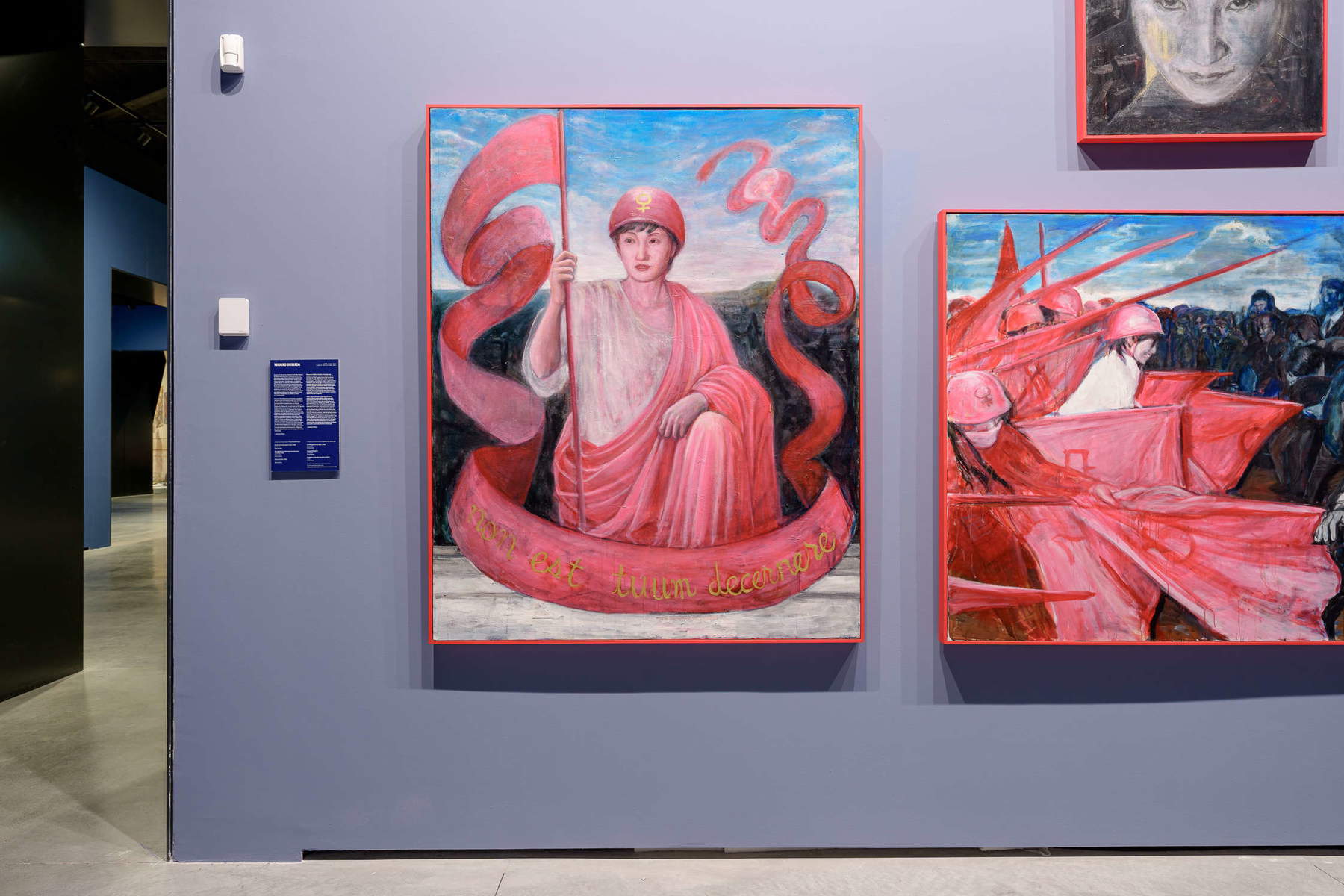
That the best of the exhibition comes from artists who have some practice with the art of the West, if not a long familiarity, who have long exhibited in the white cube galleries of Europe and America, and who not infrequently express themselves with a certain grandeur that leads the visitor to forget that he or she’being inside an exhibition that is supposed to celebrate minor keys (the solemnity of Campos-Pons’ paper and his takeover of the medium of the polyptych are anything but in minor tones, and yet his work is perhaps the most plausible manifesto of this exhibition), surprises to a point: it is a matter of frankness. It should be an implicit admission of the impracticality of a virgin gaze, of the physical impossibility of a platform of reappropriation (let alone of resistance or countervailing power) within the most institutionalized in the world, of the need to reject the idea of a decolonial discourse that merely finds its expression in a curatorial formula that is moreover tired (this is already the third Biennale animated by similar intentions), which reduces historical complexity historical to ideological oppositions or moral slogans, that employs nature as if it were a decoration, that ends up rendering otherness harmless (a flaw, this one, which nevertheless shook Pedrosa’s exhibition as well), to reduce it to an extension of a bourgeois salon, to an exhibition of batik, of traditional trinkets, on which, moreover, there is also a legitimate question of credibility if the native or marginalized artist is hired by the big New York gallery or starts designing jeans and jackets for Levi’s. If this is the discourse, then, in the world of these Biennials that have made a fetish of the margins of the world, an artist working in a shed in the province of Reggio Emilia, a ceramist from Montelupo, or a carver from Val Gardena, whose stories would moreover fit with profound naturalness the minor keys of Koyo Kouoh, might today be more at risk of marginalization than a Seminole tribal chief or a Kenyan weaver (indeed, they are perhaps even more so, since they are often remnants, shattered and defenseless fragments of a dissolving cosmos, devoured and digested by the ecumenical flatness of globalization). And, conversely, the exotic runs the risk, if anything, of perpetuating a discourse that is profoundly colonialist, runs the risk of turning into the trappings of a gloating and complacent Europe, a sort of interlude like those that animated European carnivals at the height of the race to colonize the Americas between the sixteenth and seventeenth centuries.
In some of the print and drawing cabinets of our museums there remain certain specimens of an etching, The Ship of Amerigo Vespucci, which was conceived as an intermezzo in a play, The Judgement of Paris, written by Michelangelo Buonarroti the Younger in 1608, which was staged on the occasion of the wedding between Cosimo, the future grand duke of Tuscany, and Magdalene of Austria. The etching, engraved from a drawing by Giulio Parigi, sought to reproduce the theatrical setting of that intermezzo: a riot of exotic animals, parrots, rare birds, palm trees, the allegory of Tranquility adorned like a goddess of the new world, and Vespucci’s ship ready to land on the shores of this marvelous, cheerful and flamboyant universe. Exhibitions such as In Minor Keys are, roughly speaking, Vespucci’s ship of the twenty-first century, regardless of his attempts to refound it, the idea of an art of minor tones as the aesthetic paradigm of the future (minor tones have always existed, and the moment they, albeit as a minority, attempt to exert a kind of hegemony, then they automatically end up losing their primal status). It could be said, therefore, that on the resume of the indigenous person arriving in Europe has appeared for the past four hundred years in roughly the same occupation, namely that of ornamental motif, and such will probably remain his position until he tries to add a somewhat more challenging line, namely that of codex usurper: it is probably the only chance the non-European native has to arouse the slightest scandal, assuming, however, that we forget that there is someone behind it who stamps the authorizations.

The author of this article: Federico Giannini
Nato a Massa nel 1986, si è laureato nel 2010 in Informatica Umanistica all’Università di Pisa. Nel 2009 ha iniziato a lavorare nel settore della comunicazione su web, con particolare riferimento alla comunicazione per i beni culturali. Nel 2017 ha fondato con Ilaria Baratta la rivista Finestre sull’Arte. Dalla fondazione è direttore responsabile della rivista. Ha scritto i libri Vero, Falso, Fake. Credenze, errori e falsità nel mondo dell'arte (Giunti editore, 2025) e Immagini del potere. Arte e propaganda da Augusto a Trump (Giunti editore, 2026). Collabora e ha collaborato con diverse riviste, tra cui Art e Dossier e Left, e per la televisione è stato autore del documentario Le mani dell’arte (Rai 5) ed è stato tra i presentatori del programma Dorian – L’arte non invecchia (Rai 5). Al suo attivo anche docenze in materia di giornalismo culturale all'Università di Genova e all'Ordine dei Giornalisti, inoltre partecipa regolarmente come relatore e moderatore su temi di arte e cultura a numerosi convegni (tra gli altri: Lu.Bec. Lucca Beni Culturali, Ro.Me Exhibition, Con-Vivere Festival, TTG Travel Experience).
Warning: the translation into English of the original Italian article was created using automatic tools. We undertake to review all articles, but we do not guarantee the total absence of inaccuracies in the translation due to the program. You can find the original by clicking on the ITA button. If you find any mistake,please contact us.























 IT
IT FR
FR DE
DE ES
ES CN
CN


