





Ferrara returns to the center of the international art scene fifty years after one of the most significant events in the history of contemporary art in Italy. In fact, in 1975-1976 Palazzo dei Diamanti hosted Ladies and Gentlemen, the historic exhibition that brought Andy Warhol (Pittsburgh, 1928 - New York, 1987), one of the most charismatic figures of the 20th century and the main interpreter of Pop Art, to the city. Half a century after that appointment, Ferrara celebrates that episode with a major new exhibition that brings the works of the American artist back to the spaces of the Renaissance palace, offering the public an itinerary that evokes that experience and at the same time broadens its view of Warhol’s entire portrait production.
The exhibition Andy Warhol. Ladies and Gentlemen, scheduled from March 14 to July 19, 2026, organized by Fondazione Ferrara Arte together with Gallerie d’Arte Moderna e Contemporanea - Culture Service of the Municipality of Ferrara and realized with the support of the Warhol Museum in Pittsburgh, presents a selection of more than 150 works including acrylics, drawings, silkscreens and Polaroids from major European and U.S. museums and collections. The exhibition, curated by Chiara Vorrasi, aims not only to re-present the legendary 1975-1976 exhibition, but also to offer a broader journey into the artist’s creative universe, highlighting the way Warhol redefined the portrait genre in contemporary times. The exhibition project is developed as a kind of re-enactment of the historical event and at the same time as an investigation into the surprising topicality of Warholian research. Through his works, in fact, the artist anticipated the era of global communication and addressed issues that continue to interrogate the present, from aesthetic manipulation to gender identity, from multiculturalism to the artificiality of images to media overexposure.
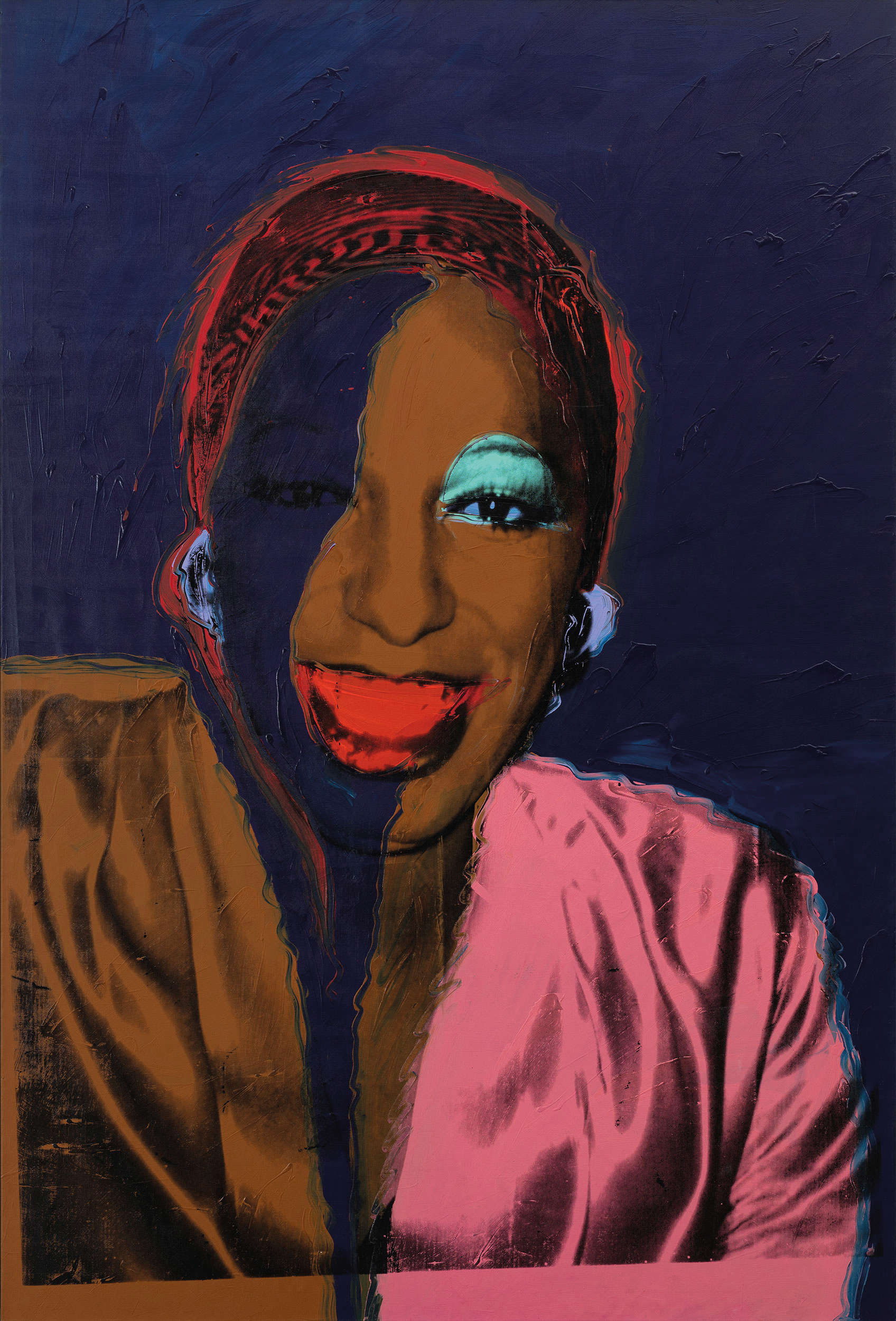
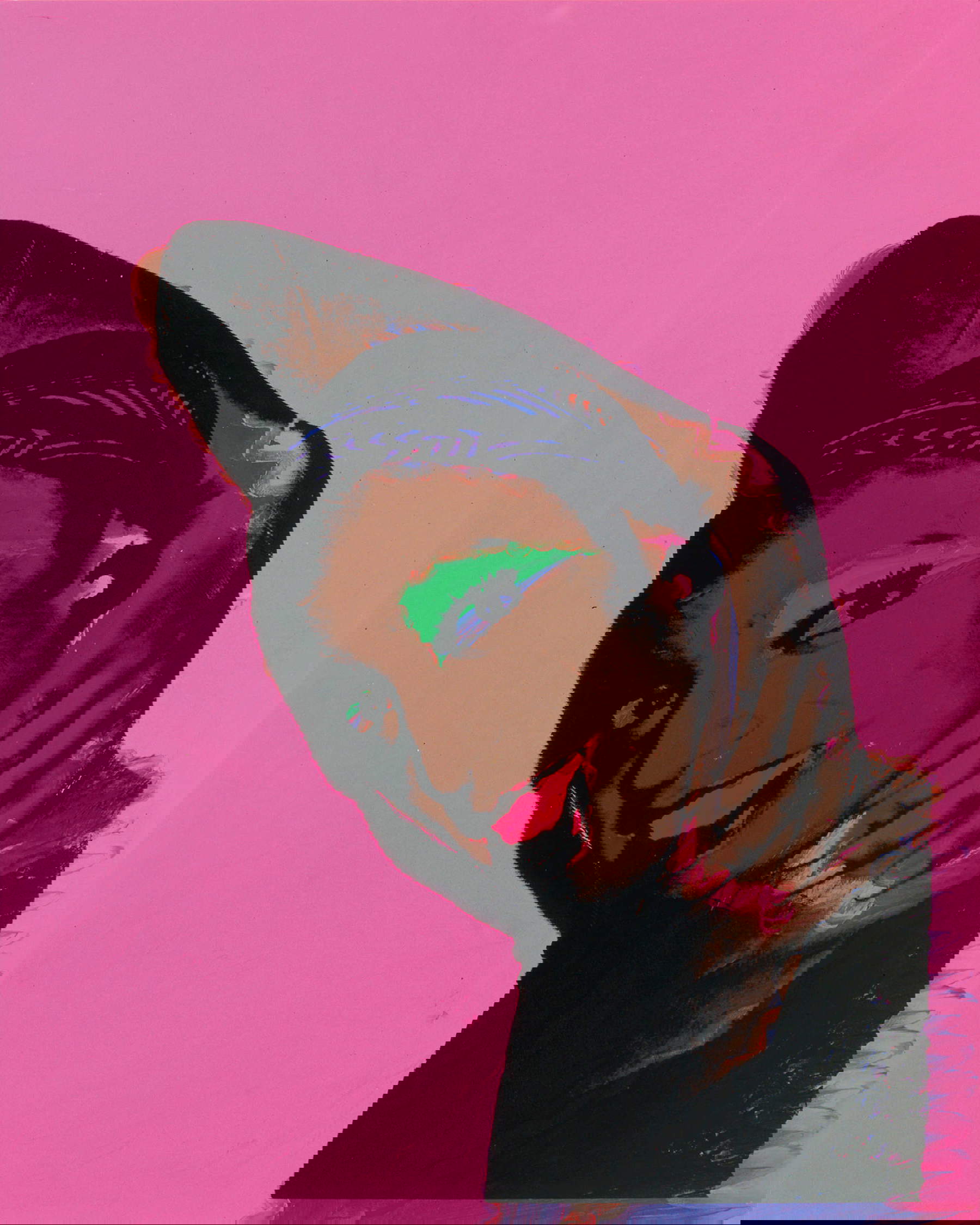
The heart of the exhibition is of course devoted to the Ladies and Gentlemen series, the cycle that marked a turning point in the artist’s output. After exploring the myths of the entertainment society and shaping icons destined to become immortal, Warhol chose to turn his gaze toward hitherto marginalized subjects: anonymous African and Latino drag queens who frequented New York’s underground scene. With these portraits, the artist shifted the focus from the media myth to the individual, investigating the dimension of identity and its representation. The first section of the exhibition focuses precisely on this cycle, presenting a series of vibrant effigies charged with painterly energy in which Warhol stages urban subcultures, elevating them to contemporary icons. Visitors are taken on a journey back in time to the 1970s and the historic Ferrara exhibition, reconstructing the atmosphere of that event destined to leave a mark in art history.
Welcoming the public is Warhol himself through a series of filmed sequences preserved in the archives of the Ferrara Video Art Center. The images document his arrival in the city on Oct. 25, 1975, the excitement of the press conference that welcomed the Pop Art superstar and the moment of the opening, transformed into a sort of improvised happening. To open the exhibition itinerary, in fact, the artist broke with a symbolic gesture the posters that closed the passages between the rooms of the Palazzo dei Diamanti, initiating the event and emphasizing the provocative and transgressive character of his work.
The layout also re-proposes the scenographic arrangement of the first rooms of the 1975 exhibition, where the monumental scale dialogued with small- and medium-format canvases, creating a kaleidoscopic succession of faces. Prominent among the works on display is the large portrait of Wilhelmina Ross, a model and performer who impressed Warhol with her charismatic exuberance and casual irony. The work, on loan from the Fondation Louis Vuitton, restores all the magnetic force of the figure portrayed. Next to her emerges another protagonist of the cycle, Marsha P. Johnson, a celebrated activist for the rights of the homosexual community. Her face appears in a canvas from the Brandhorst collection in Munich, in which Warhol depicts her in an almost ecstatic dimension that earned her the nickname Saint Marsha.
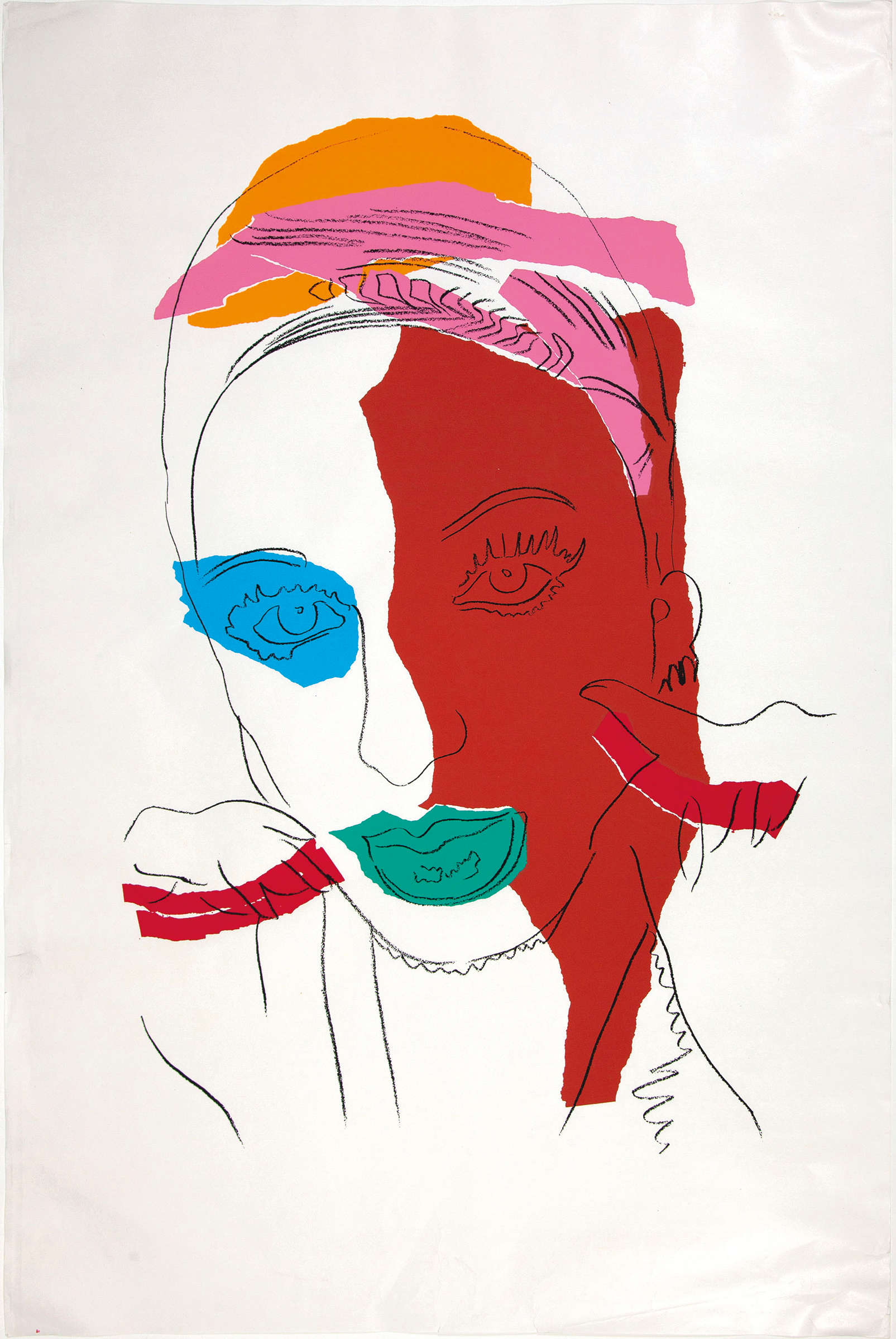
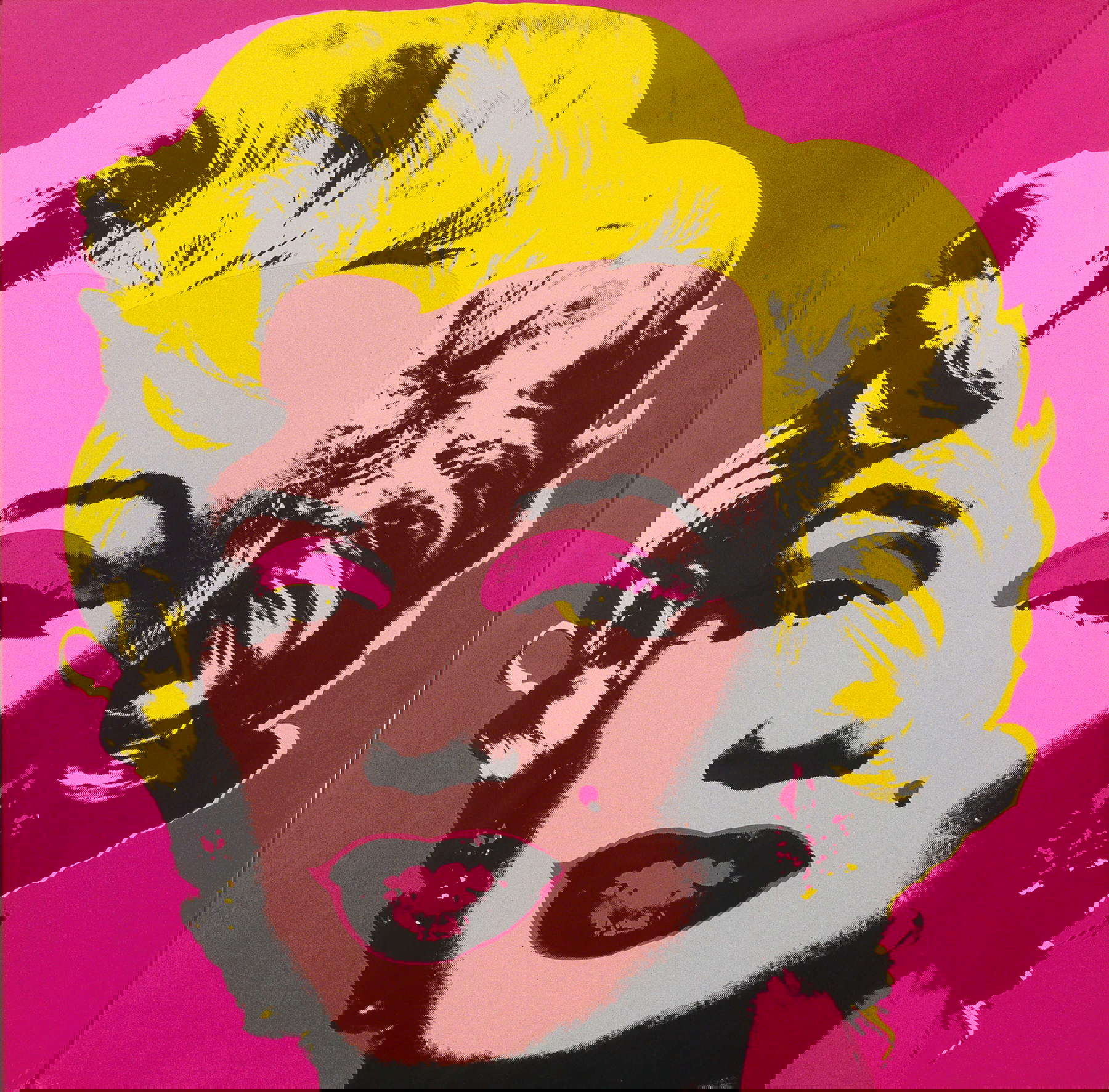
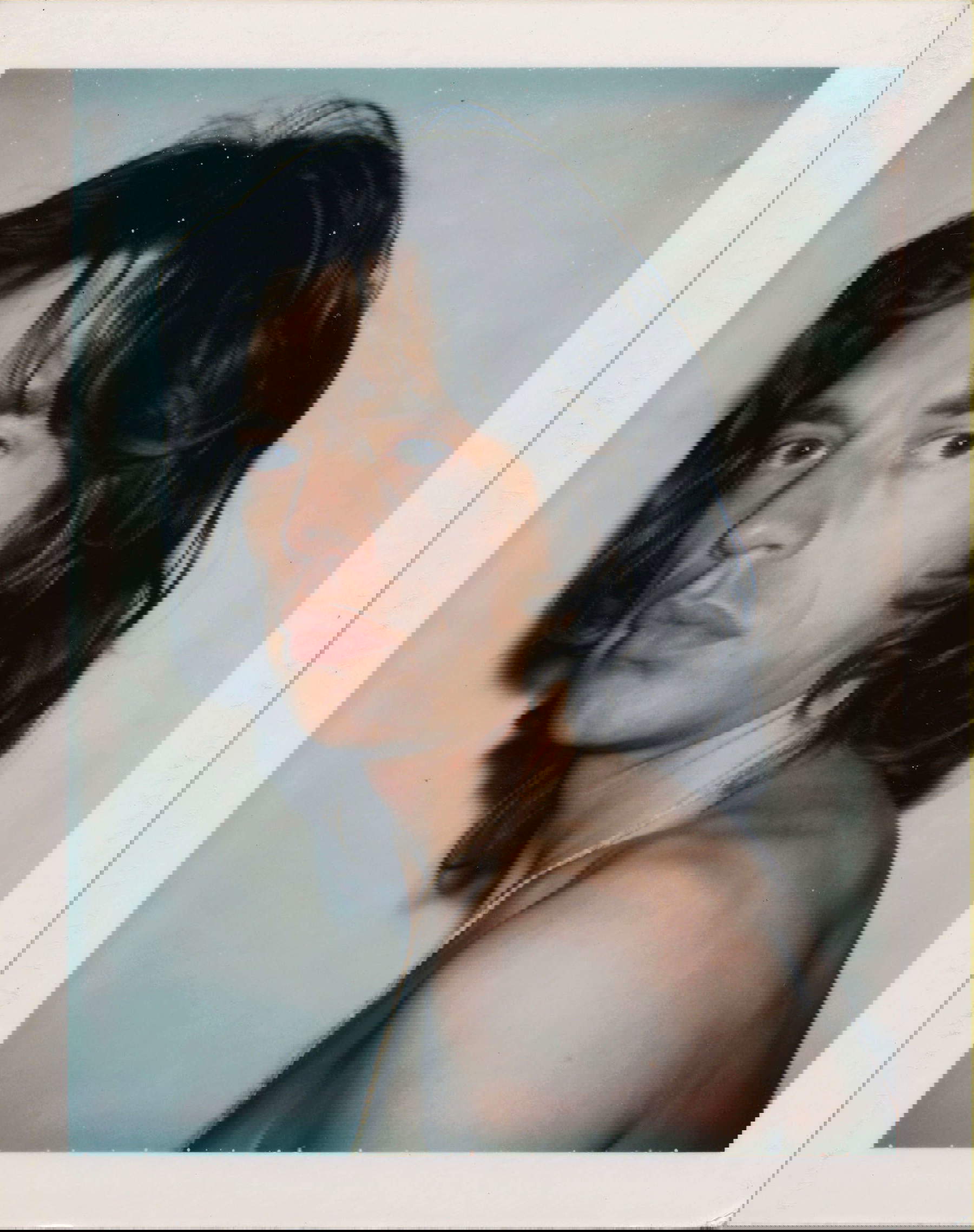
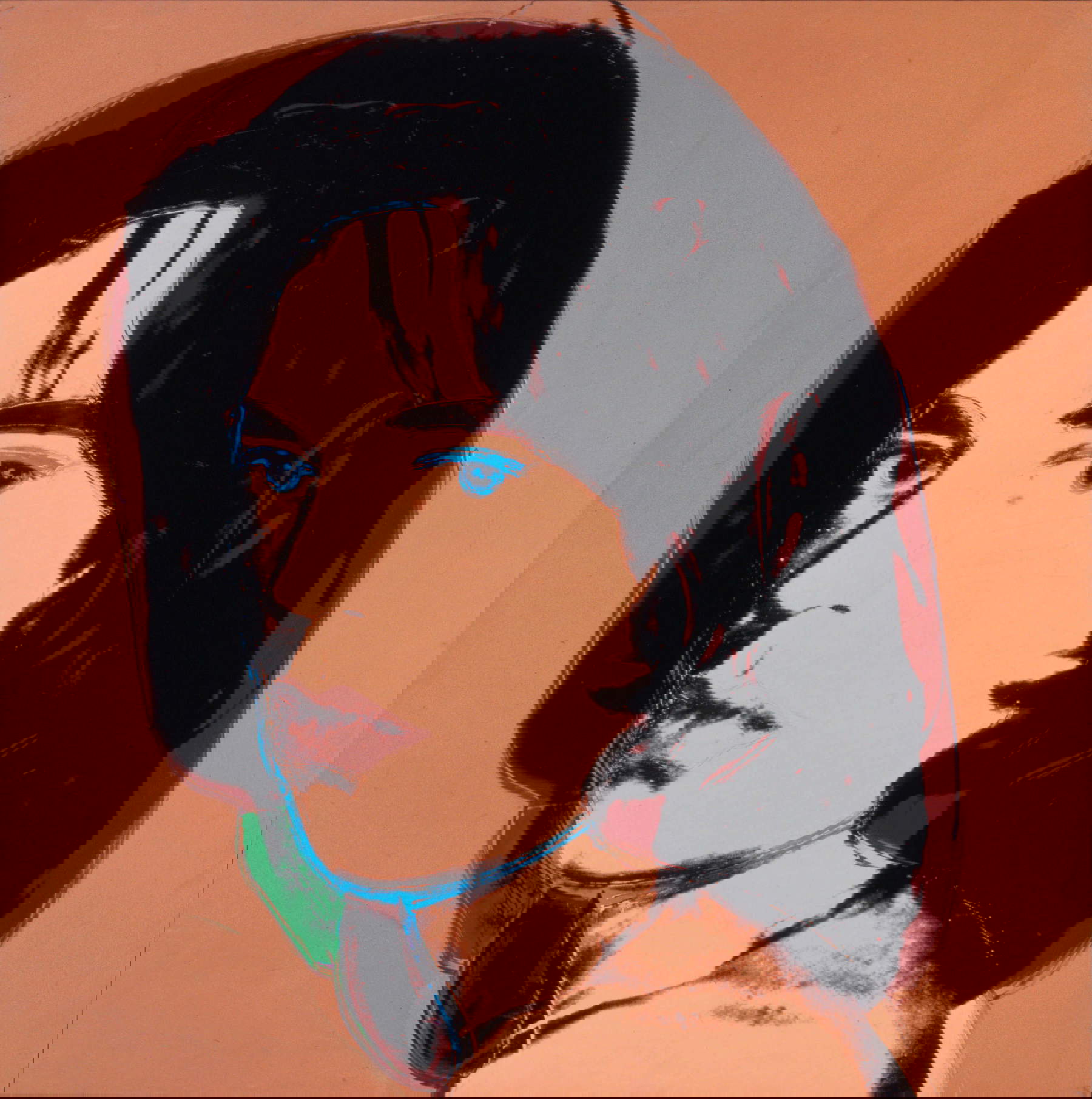
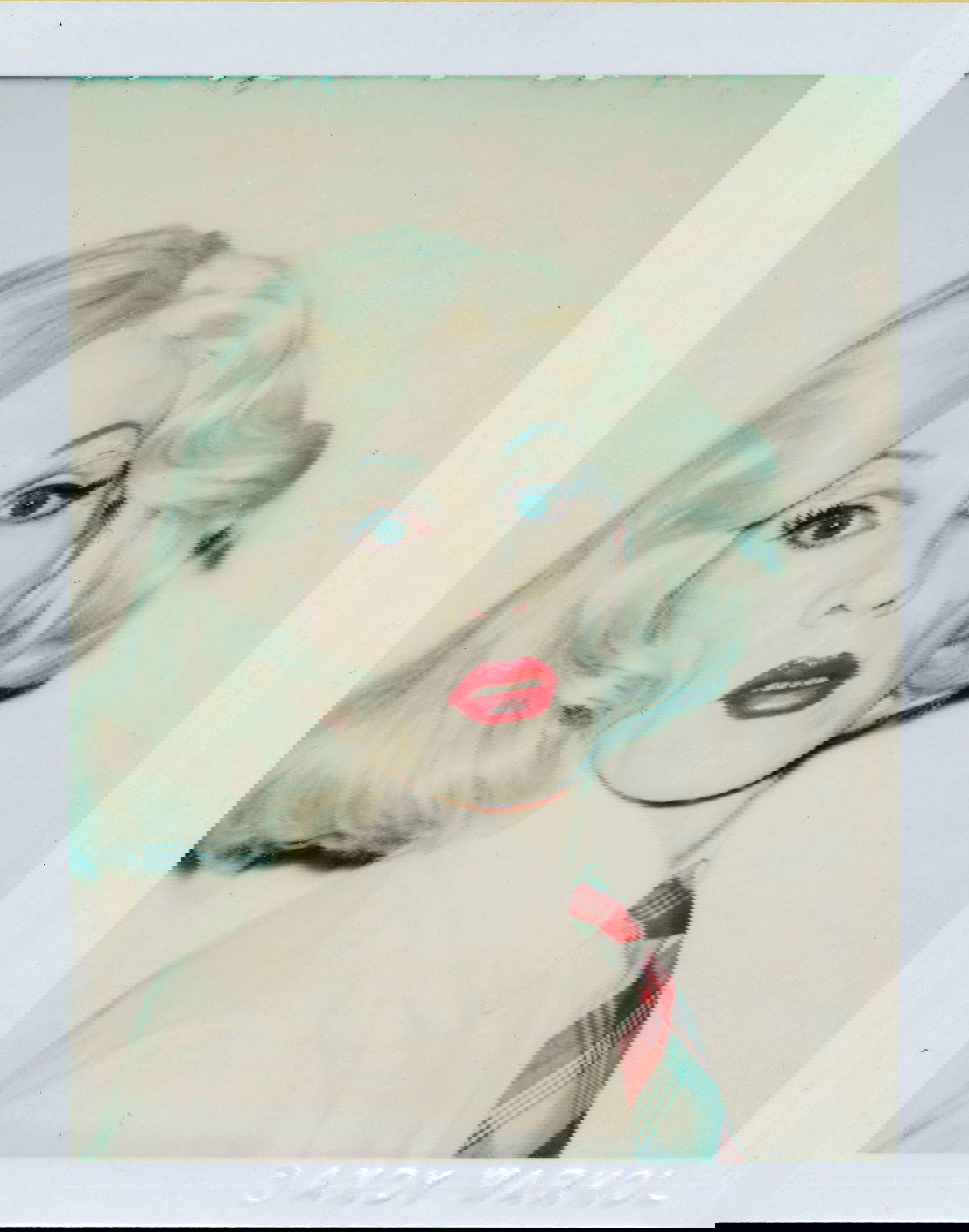
A large body of Polaroids documents the artist’s creative process and shows how each model helped construct his or her image through a particular theatricality. Alphanso Panell attracts attention through graceful posture, Broadway and Harry or Helen Morales are distinguished by a more provocative expressiveness, while Iris embodies a more sophisticated and mischievous dimension. From this repertoire, Warhol selected a series of poses that he transferred to canvas, superimposing bright, anti-naturalistic colors to accentuate the performative component of the portraits and enhance elements such as makeup, wigs, and gaudy clothing.
One room in the exhibition allows visitors to observe the artist at work thanks to the video Andy Paints D.Q’s, in which Warhol is engaged in the making of one of the monumental acrylics now housed at the Fondation Vuitton. The film reveals a creative process made up of layers of color and direct interventions on the paint surface, with incisions made with his fingers that fragment the face and alter its physiognomy. In some cases this deconstruction operation leads to almost abstract results, giving the images an enigmatic aura that has sometimes been juxtaposed with the Native American ritual masks collected by the artist.
The Ladies and Gentlemen cycle also includes large drawings, presented in the exhibition along with the photographic films from which they are derived, as well as proofs and a portfolio of ten silkscreens that multiply the image of the subjects depicted. Through this serial dissemination Warhol helped to propose a model of fluid and culturally hybrid identity, in contrast to the homogenization of mass culture.
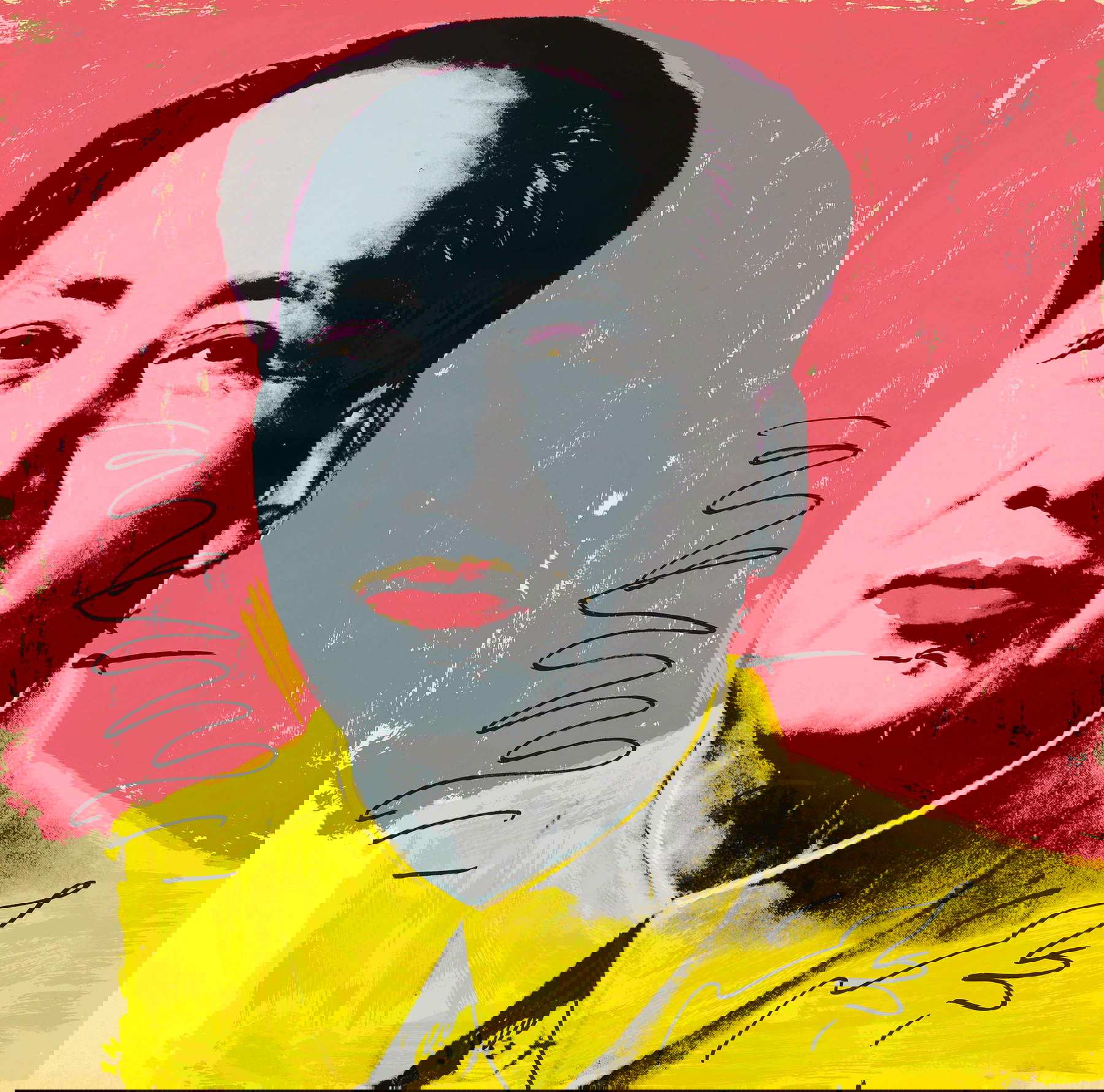
The second chapter of the exhibition takes the audience back to the cultural and social context that provided the backdrop for the birth of the series. One room is devoted to the 1974 Paris exhibition in which Warhol presented the famous series dedicated to Mao Tse-Tung, reinterpreting the official iconography of the Chinese leader with garish colors and makeup-like color treatments. The success of that exhibition prompted the director of the Civic Gallery of Modern Art in Palazzo dei Diamanti, Franco Farina, to contact the organizers to bring it to Ferrara, with the aim of revitalizing the city’s exhibition programming. It was gallery owner Luciano Anselmino, however, along with curator Janus, who proposed an even more ambitious project to Warhol: to create a new series inspired by the transgender superstars featured in Factory films, such as 1971’s Women in Revolt. The artist accepted the idea but reinterpreted it in his own personal way, preferring to portray less famous figures from Manhattan’s underground scene.
The 1975 Ferrara exhibition was an unexpected success and was extended until January 1976, before continuing in May at Anselmino’s Milan gallery. The catalog included one of the last texts by Pier Paolo Pasolini, who was killed on November 2, 1975, interpreting the repeated poses of the portraits as a kind of contemporary reinterpretation of the iconicity of Ravenna art.
The exhibition route also recalls the atmosphere of the glamour scene of the time, accompanying the visitor with the Rolling Stones’ Ladies and Gentlemen video from 1974. Portraits that Warhol dedicated in 1975 to his friend Mick Jagger, frontman of the British band, flow in the background. The Polaroids and works in the series render the ambiguous sensuality and theatricality of the rock star, creating parallels with the figures in the Ladies and Gentlemen cycle.
The last part of the exhibition is devoted to the great season of Warholian portraiture and the artist’s radical reinvention of the genre between the 1960s and 1980s. Some of the most celebrated images of contemporary visual culture appear in this section, starting with portraits of Marilyn Monroe and Liz Taylor. The silkscreens from the Luigi and Peppino Agrati collection, now housed at Intesa Sanpaolo, show the process by which Marilyn’s face, originally taken from a promotional photograph of the film Niagara, was transformed into an icon suspended between sacredness and consumption.
The silkscreen treatment reduces the natural irregularities of the face to flat color fields inspired by industrial production, accentuating the artificial character of the image. The same approach emerges in later celebrity portraits, such as that of Liza Minnelli, where the source photograph is a Polaroid, just as in the Ladies and Gentlemen cycle.
In the 1980s Warhol’s research continued toward a progressive dematerialization of the image. In the portraits of his friend Robert Mapplethorpe, the surfaces appear smoothed to the point of almost erasing the concreteness of the face, while in the depiction of singer and actress Grace Jones, the chromatics take on iridescent hues that anticipate the aesthetics of digital images.
The penultimate room is devoted to self-portraits, in which Warhol used his own face as a ground for experimentation. In some works from the 1970s the image is reduced to a simple outline or multiplied until it becomes almost illegible, while in works from the 1980s it appears hidden under a camouflage pattern or emerges from a black background as a ghostly presence. A large acrylic from Munich represents one of the most spectacular examples of this research.
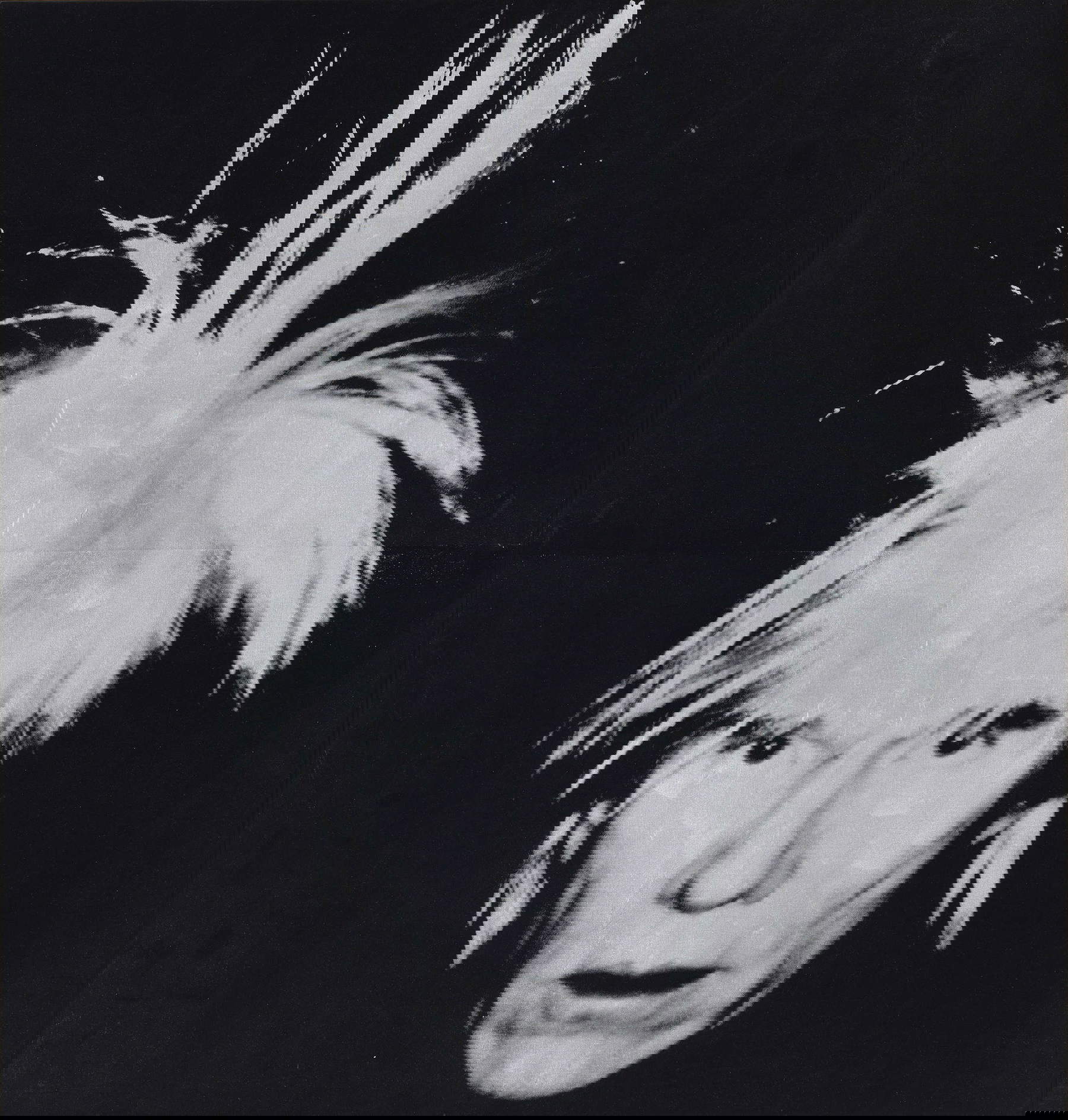
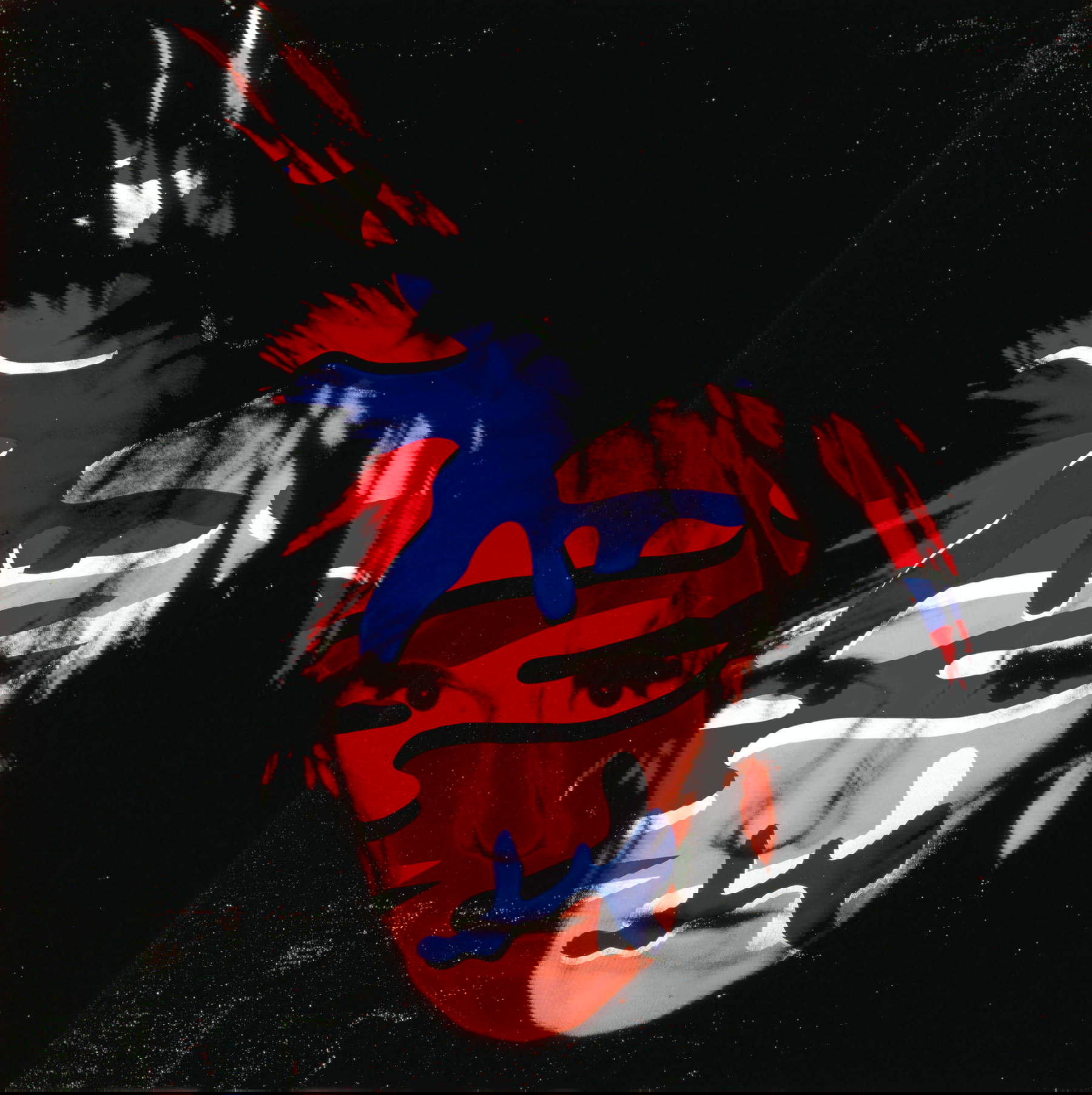
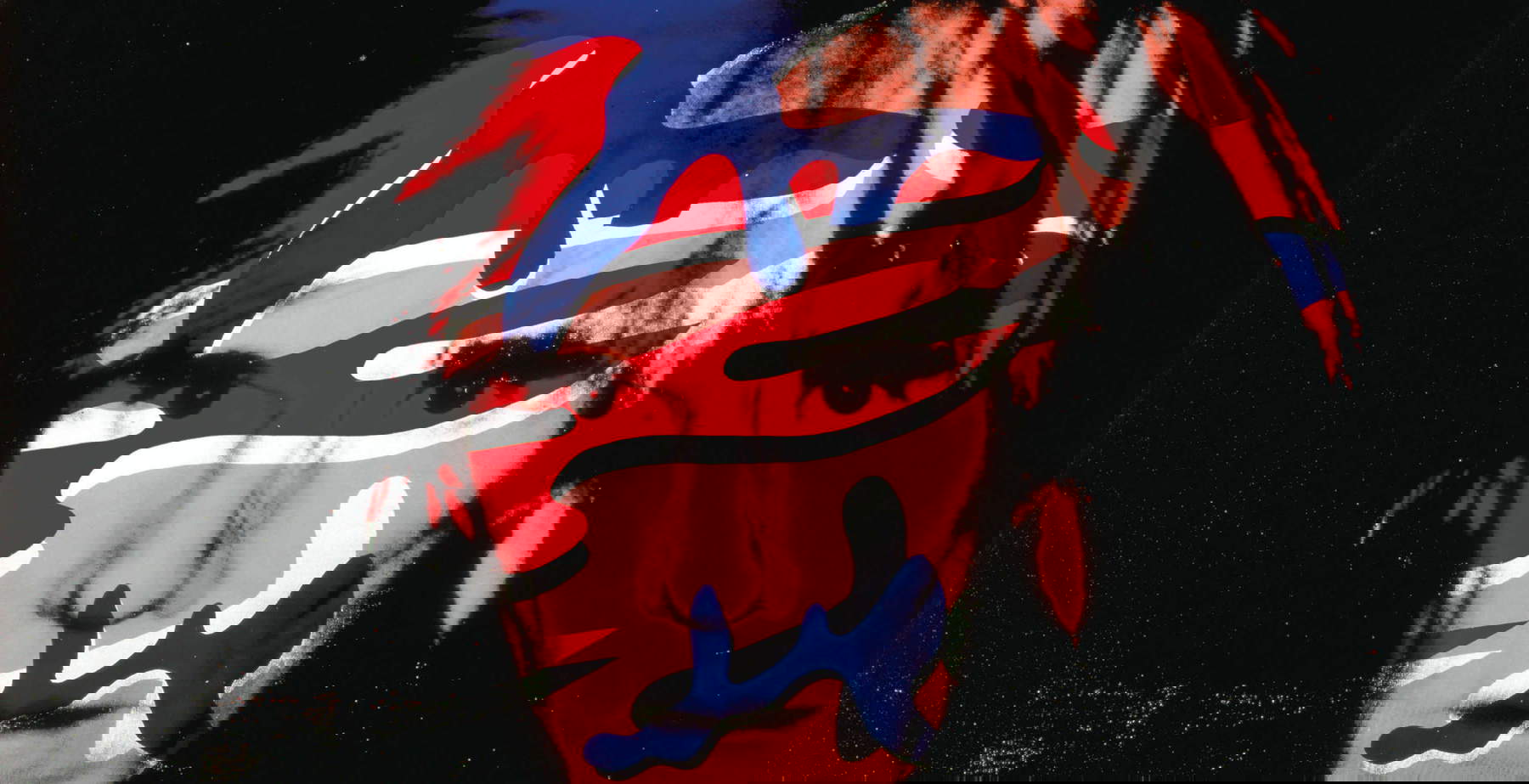
The artist also came to question his own identity through the 1981 photo project Altered Images by photographer Christopher Makos. In these images Warhol appears in makeup and disguise, in an homage to the famous portrait of Marcel Duchamp as Rrose Sélavy photographed by Man Ray between 1920 and 1921. By renouncing the idea of authenticity, the artist thus reaffirmed the possibility of continually reinventing his own identity.
The exhibition concludes with sequences from the television program Andy Warhol’s Fifteen Minutes, which aired on MTV between 1986 and 1987. Together with Interview magazine, the program offered a collective portrait of celebrities in art, fashion, music and entertainment, reflecting on the mechanisms of image production and dissemination in contemporary society.
With this exhibition Ferrara not only pays tribute to one of the most important moments in its cultural history, but also invites reflection on the extraordinary relevance of Warhol’s work. Through his research, the portrait in fact becomes a device capable of traversing different technologies and languages, revealing the face as a performative construction and anticipating the forms of self-representation that characterize the era of contemporary media.
The exhibition Andy Warhol. Ladies and Gentlemen is on view at Palazzo dei Diamanti from March 14 to July 19, 2026. Organized by the Ferrara Arte Foundation and the Galleries of Modern and Contemporary Art - Culture, Tourism and Unesco Relations Service of the City of Ferrara, it is open daily from 9:30 a.m. to 7:30 p.m., including on the holidays of Easter, Easter Monday, April 25, May 1 and June 2. Information is available at www.palazzodiamanti.it.
 |
| Andy Warhol returns to Ferrara: portraits of Ladies and Gentlemen at Palazzo dei Diamanti |

Warning: the translation into English of the original Italian article was created using automatic tools. We undertake to review all articles, but we do not guarantee the total absence of inaccuracies in the translation due to the program. You can find the original by clicking on the ITA button. If you find any mistake,please contact us.




























 IT
IT FR
FR DE
DE ES
ES CN
CN


