




by Redazione 12/05/2026



Categories: Exhibitions / Disclaimer
From May 13 to November 1, 2026, the Capitoline Museums are hosting the exhibition ANGELS. Messengers, Guardians and Wayfarers. Sublime Creatures from Ancient to Contemporary, delving into the significance of angelic figures in the Western artistic tradition.

One year after the passing of Pope Francis, the Capitoline Museums pay tribute to him with the exhibition ANGELS. Messengers, Guardians and Wayfarers. Sublime Creatures from the Ancient to the Contemporary, on display from May 13 to Nov. 1, 2026 in the ground floor rooms of Palazzo dei Conservatori.
Curated by Massimo Rossi Ruben and Viviana Vannucci, the exhibition is promoted by Roma Capitale, Assessorato alla Cultura e al Coordinamento delle iniziative legate alla Giornata della Memoria, Sovrintendenza Capitolina ai Beni Culturali. It is organized by the European Center for Tourism and Culture, headed by Giuseppe Lepore, with the support of Zètema Progetto Cultura museum services. The official catalog is published by Gangemi Editore.
Throughout history, the figure of the angel has fueled the collective imagination, becoming a central element in various artistic expressions. Through paintings, sculptures and artifacts on parchment from museums and private collections, the exhibition aims to explore the significance of angelic figures in the Western artistic tradition. The aim of the project is to recount theevolution of angelic iconography, highlighting its role as a link between the earthly and divine worlds, offering visitors a reflection on the relationship between what is visible and what belongs to the spiritual sphere. Special attention is paid to the transformation of the image of the angel over the course of the modern age, when this figure took on increasingly human characteristics, up to the symbolic and metaphorical interpretations developed between the 19th and 20th centuries.


The exhibition brings together an important nucleus of works through collaboration with several prestigious institutions. Visitors will be able to admire masterpieces from the Capodimonte Museum and Real Bosco di Capodimonte, the Museum of Rome, the Galleria dell’Accademia in Florence and the Bargello Museums, the Uffizi Galleries, the Intesa Sanpaolo Collection, the BNL BNP Paribas Collection, the National Galleries of Ancient Art in Rome, the National Museums of Perugia, the Regional Directorate of National Museums of Umbria, the Pinacoteca Capitolina, the Barracco Museum and the Fondo Edifici di Culto, exceptionally brought together for this occasion.
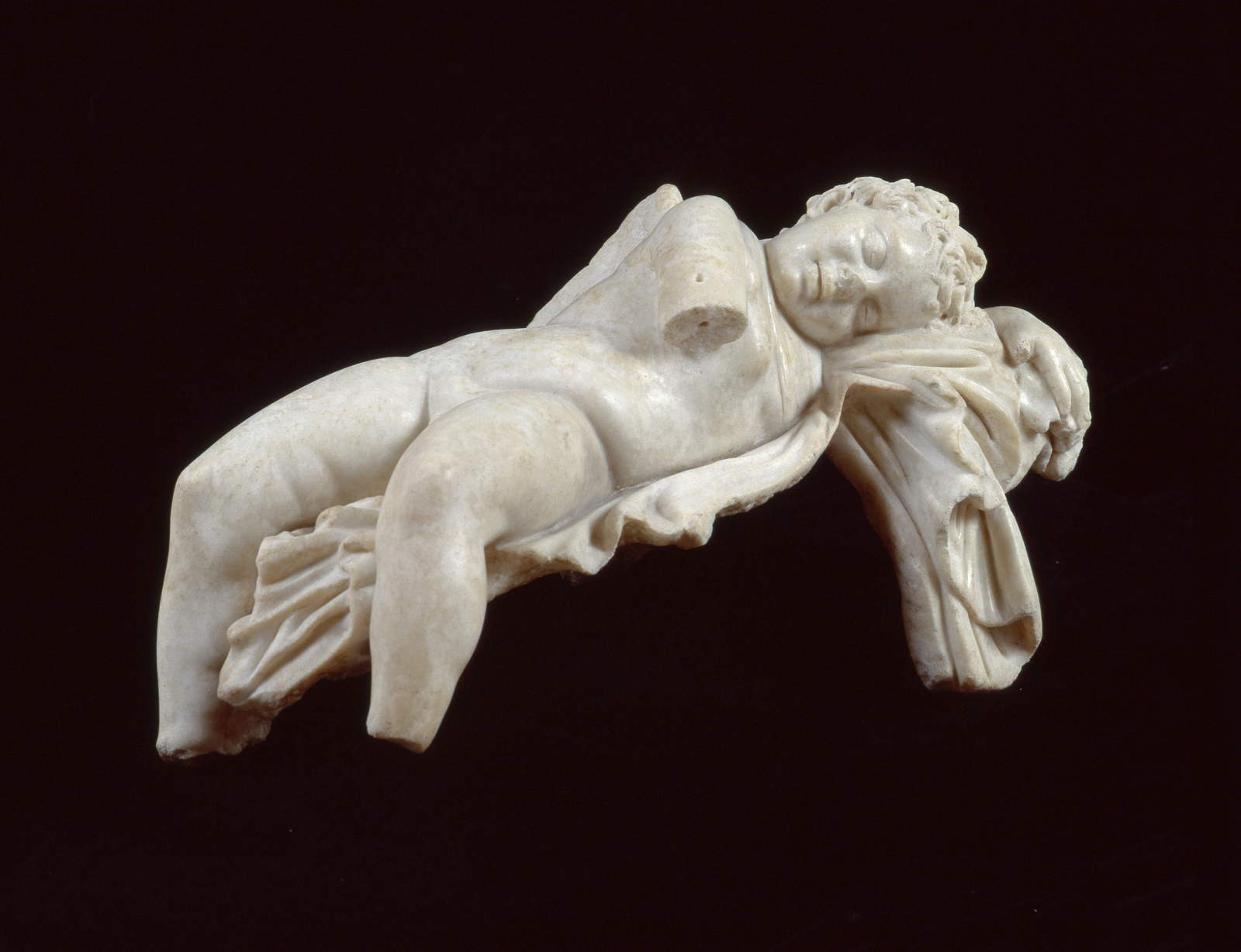
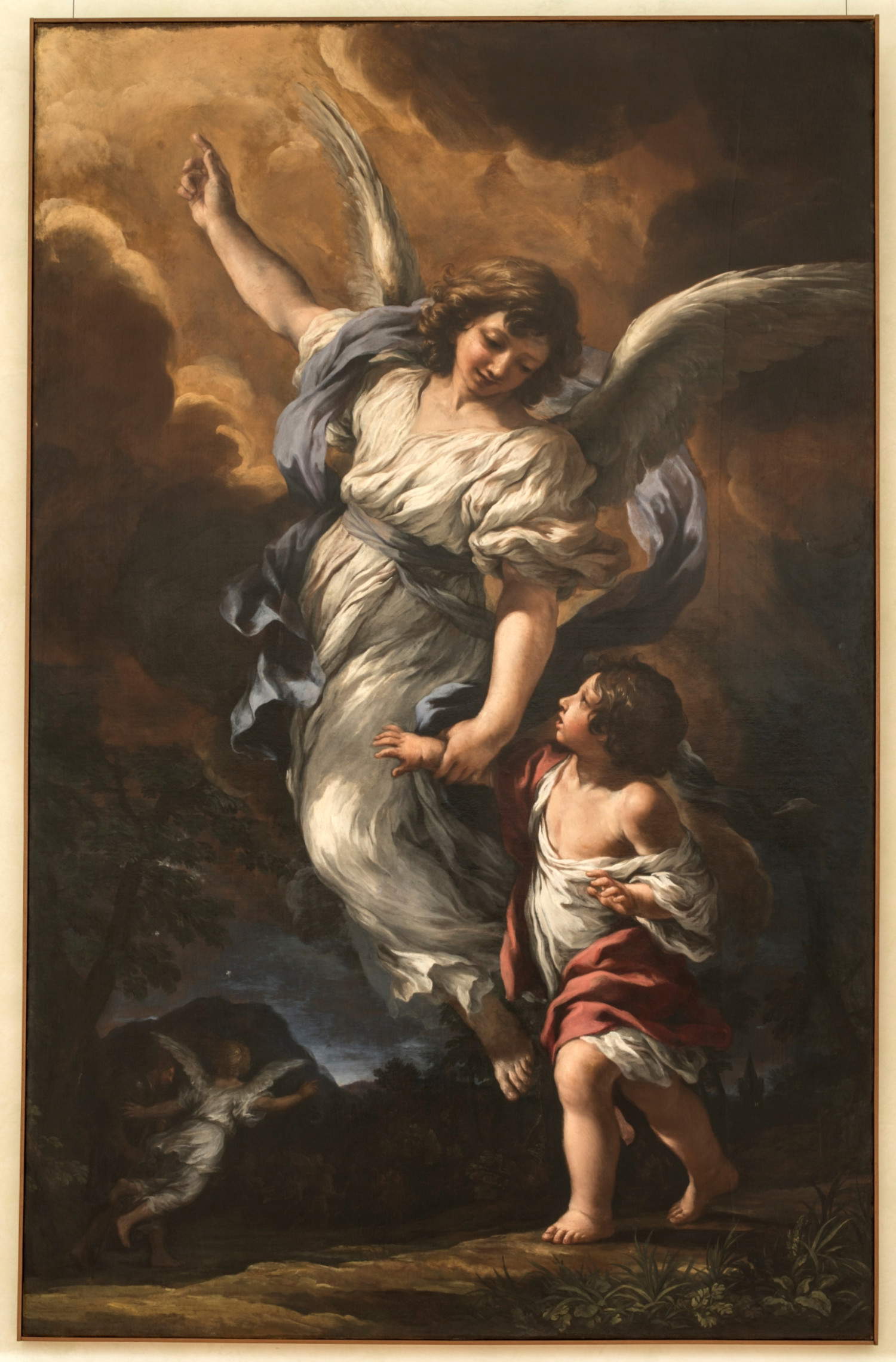
Spanning a time span from archaeology to works of the 21st century, the exhibition develops the themes of custody, guidance andproclamation, spiritual principles particularly dear to Pope Bergoglio’s pontificate. Three main sections: The Messengers, dedicated to the angelic figures who proclaim hope and transmit the Word, from biblical narratives to Renaissance representations; The Guardians, focused on the protective angel, a symbol of the loving and caring presence of the divine beside man; and The Wayfarers, dedicated to the angel as a traveling companion and spiritual guide, a presence close to humanity in the difficulties and challenges of the times.
The project spans the Middle Ages, the modern age and contemporary times, including references to the early Christian tradition. Sections deal with the main iconographic representations of angels: from cherubs to Annunciations, from warrior archangels to guardian angels, to musician angels and wayfarers.
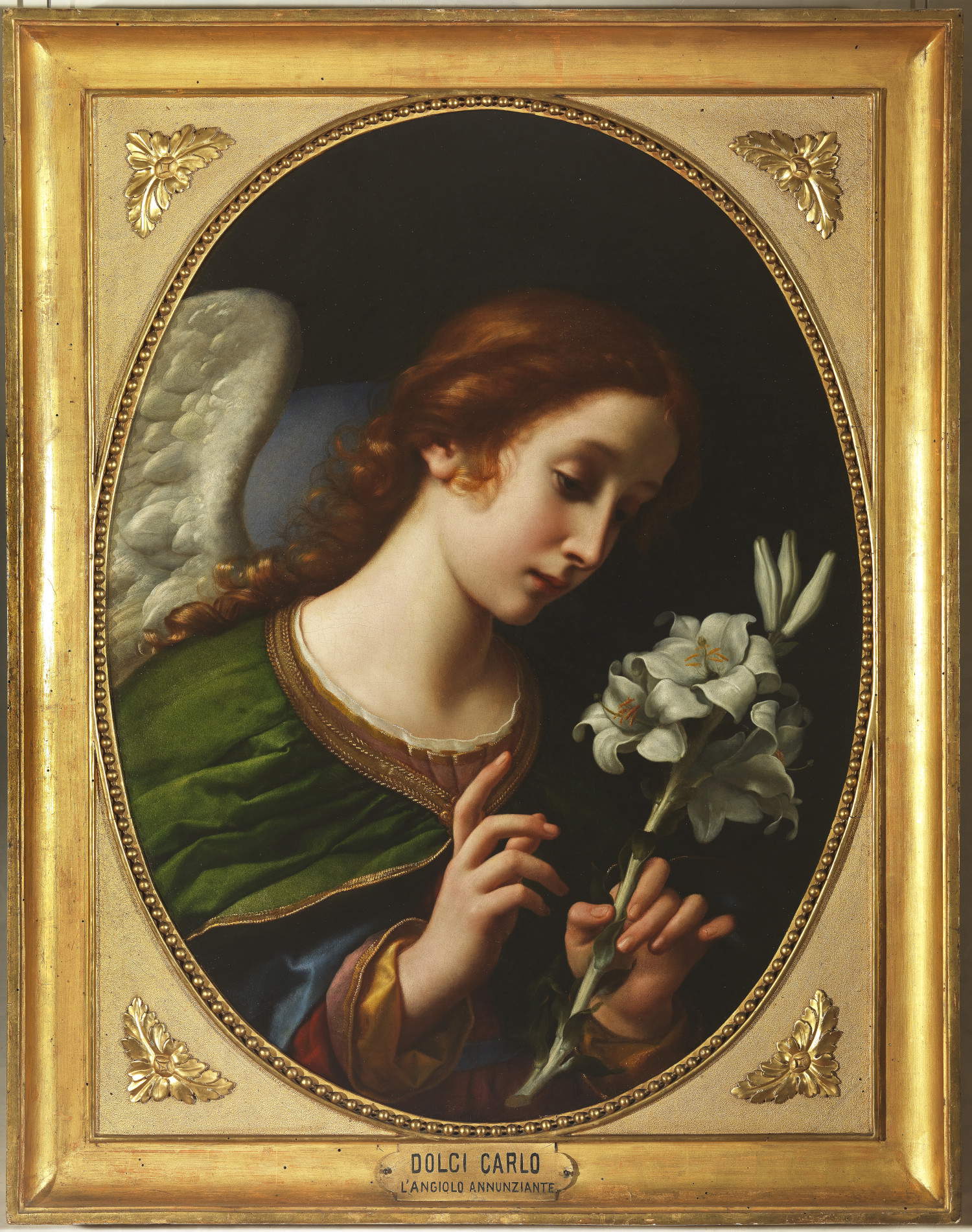
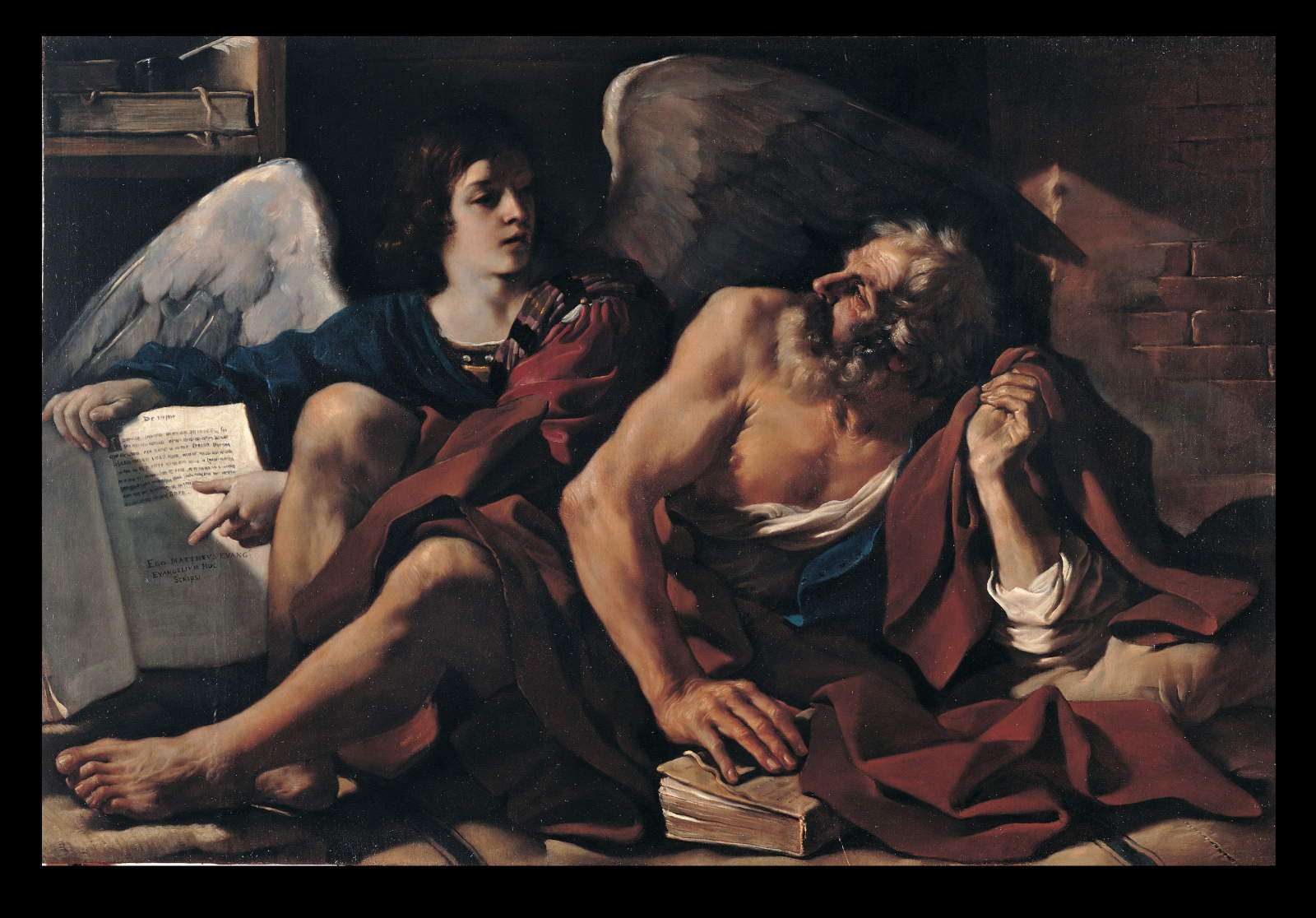
Among the most significant works are Pietro da Cortona’s The Guardian Angel of 1656, from the National Gallery of Ancient Art at Palazzo Barberini; Carlo Dolci’s The Announcing Angel, dating from around 1650 and on loan from the Uffizi Galleries; and Guercino’s celebrated St. Matthew with the Angel, from the collections of the Capitoline Museums.
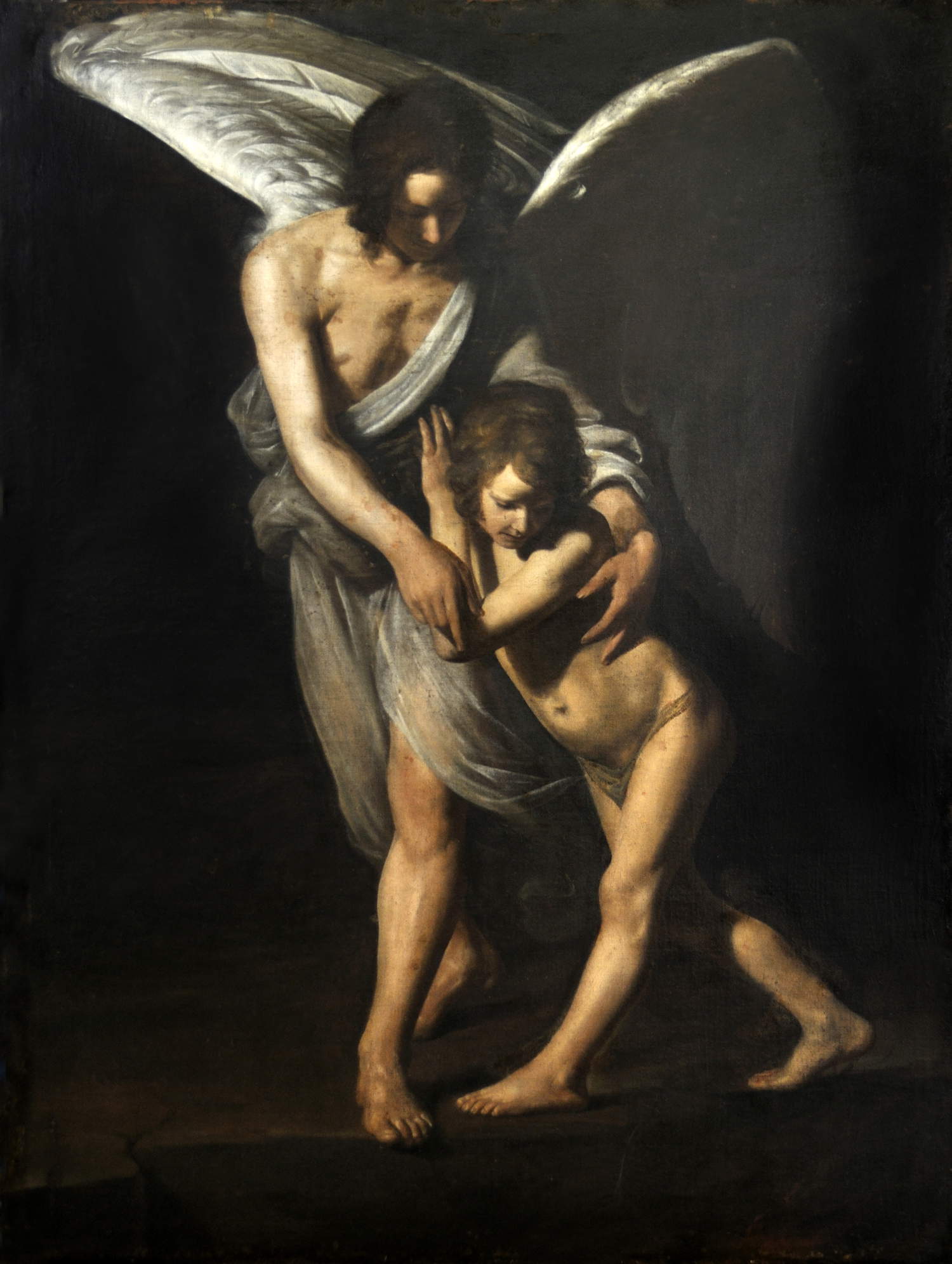
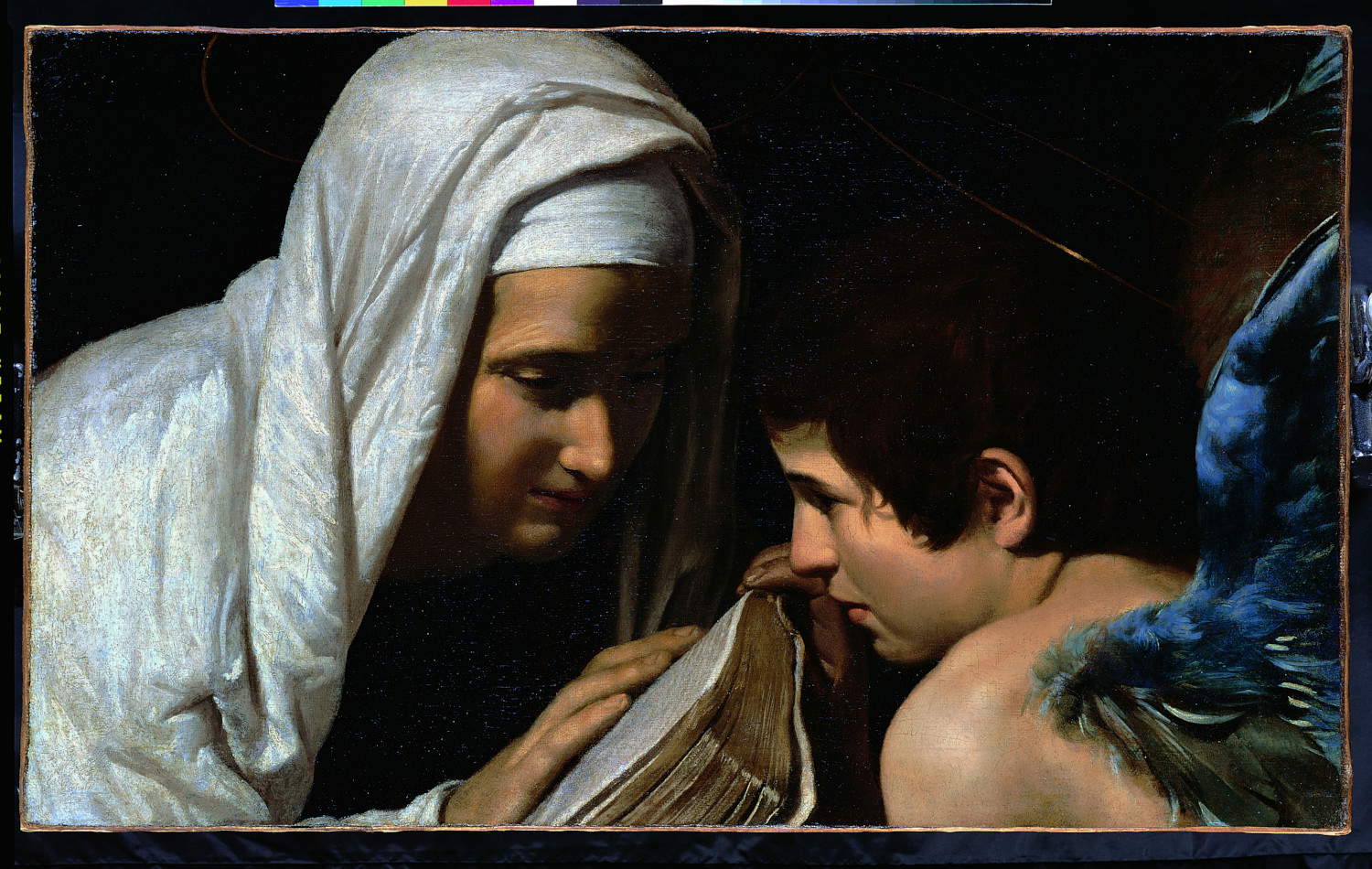
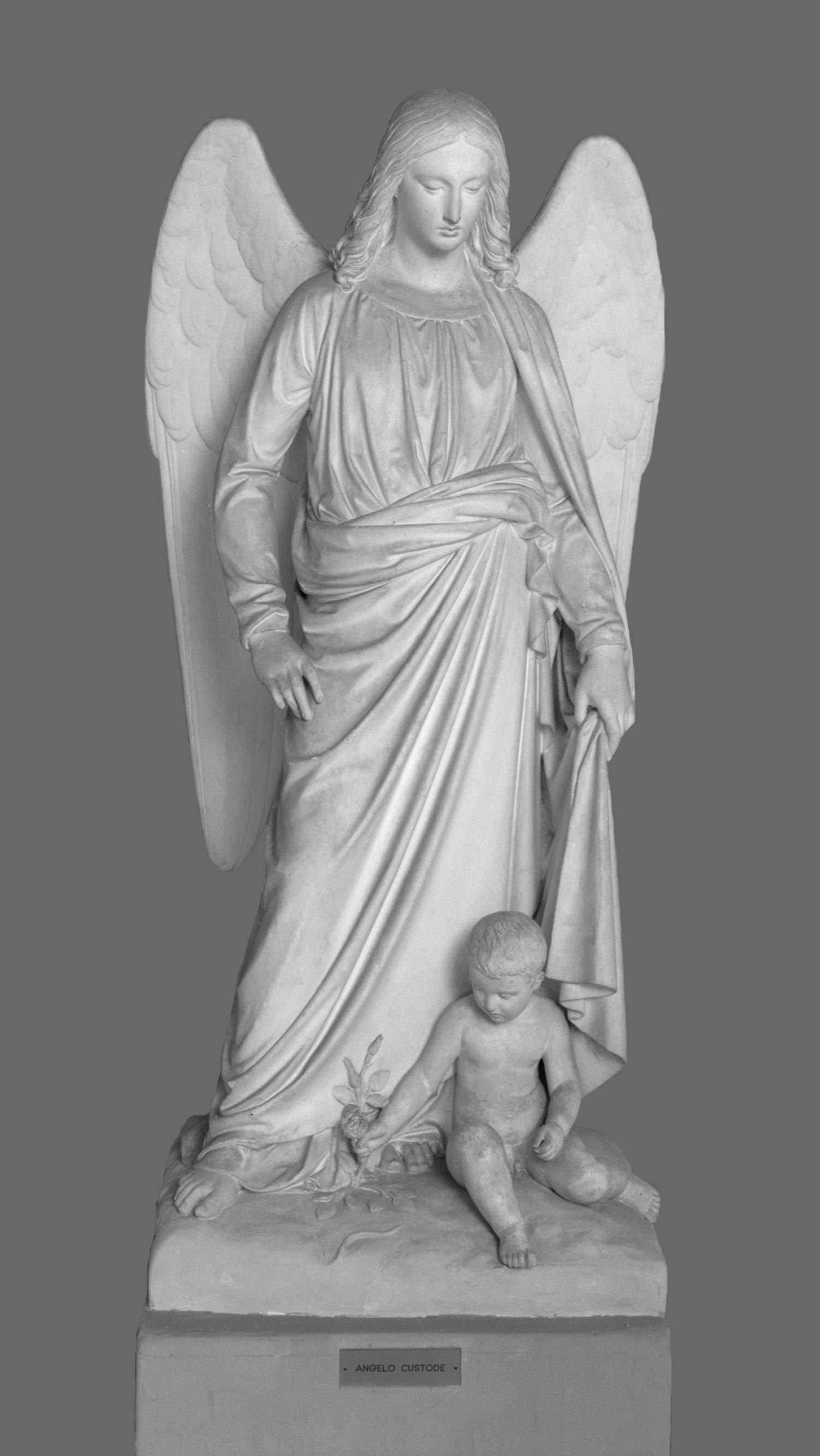
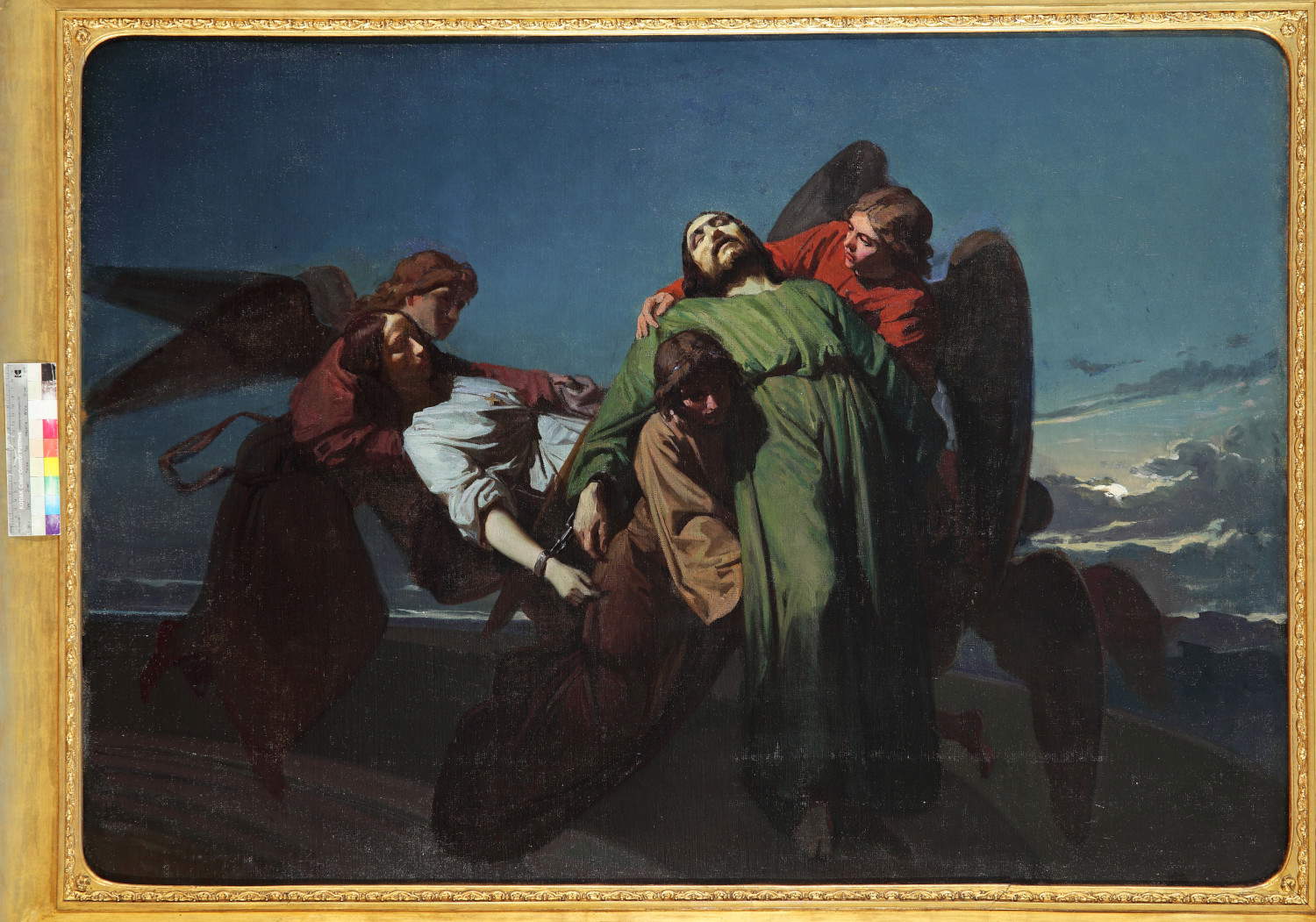
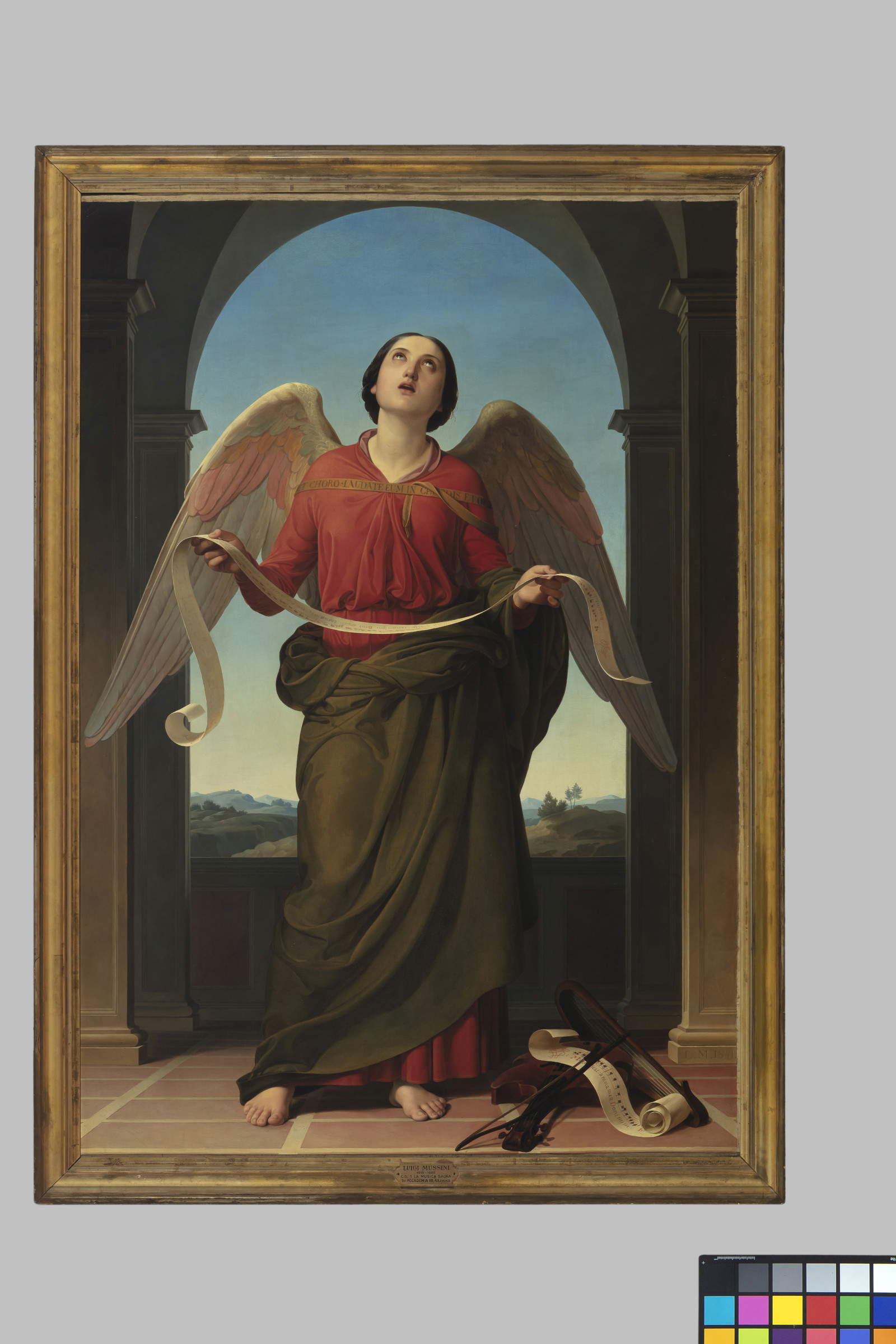
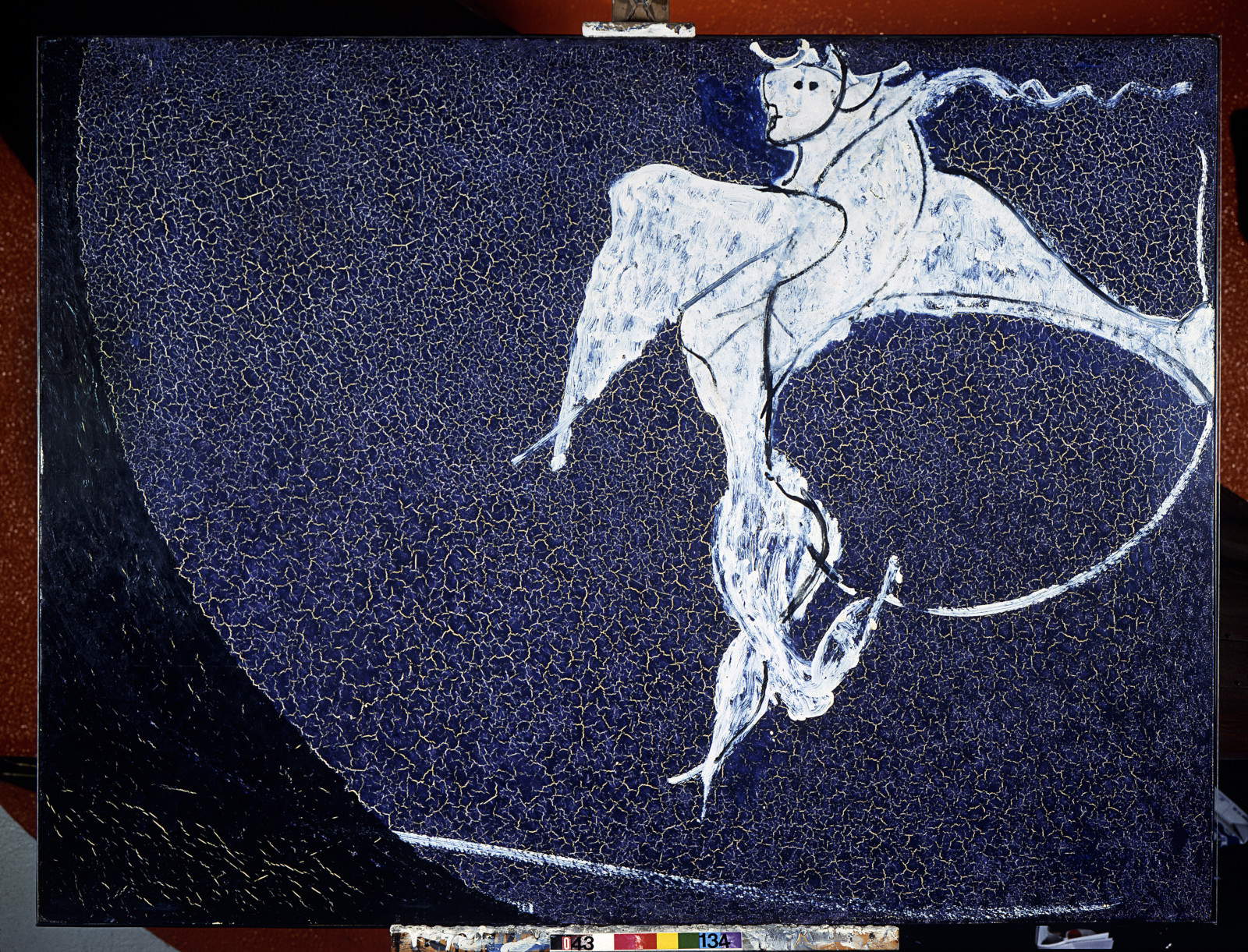
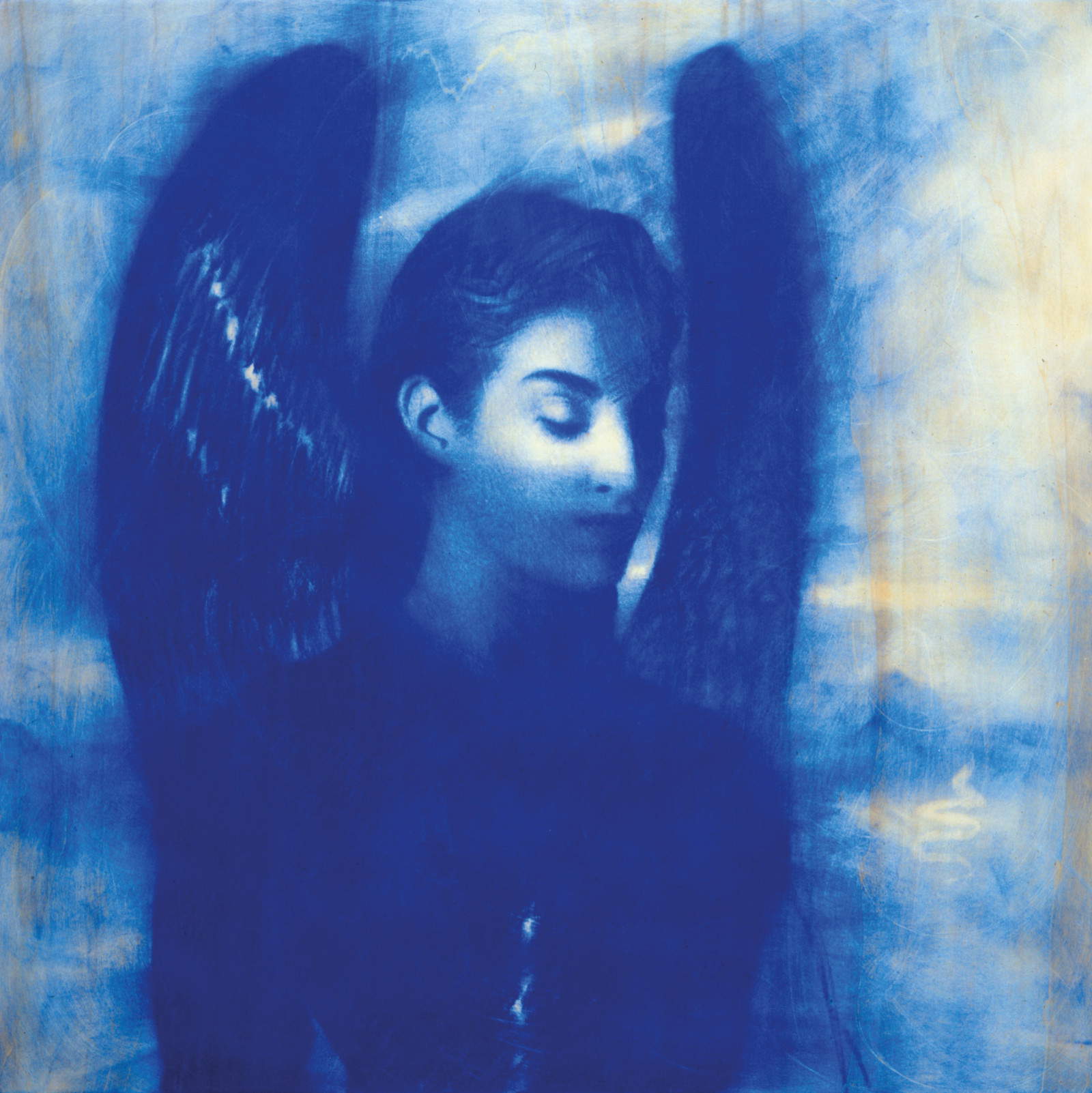
The exhibition also offers the rare opportunity to observe works not normally accessible to the public because they are held in private collections, foundations or historical collections. Prominent among them is The Guardian Angel by Giovanni Antonio Galli, known as Spadarino, made around 1620 and exceptionally granted by the Fondo Edifici di Culto del Ministero dell’Interno. The work, preserved in the Church of San Rufo in Rieti, is included in the section A Look from Above, dedicated to the theme of divine protection and the link between artistic beauty and the spiritual mission of the Bishop of Rome. Ample space is also reserved for contemporary art, with works from private collections. These include Blu oltremare and Ri-annunciazione di una annunciazione by Omar Galliani, as well as L’angelo ribelle su fondo blu cupo by Osvaldo Licini.
The curators chose to dedicate this exhibition to Pope Francis, emphasizing how, just like the angels featured in the exhibition, the Pontiff interpreted his mission as an ideal bridge between heaven and earth.
Hours: Daily from 9:30 a.m. to 7:30 p.m.
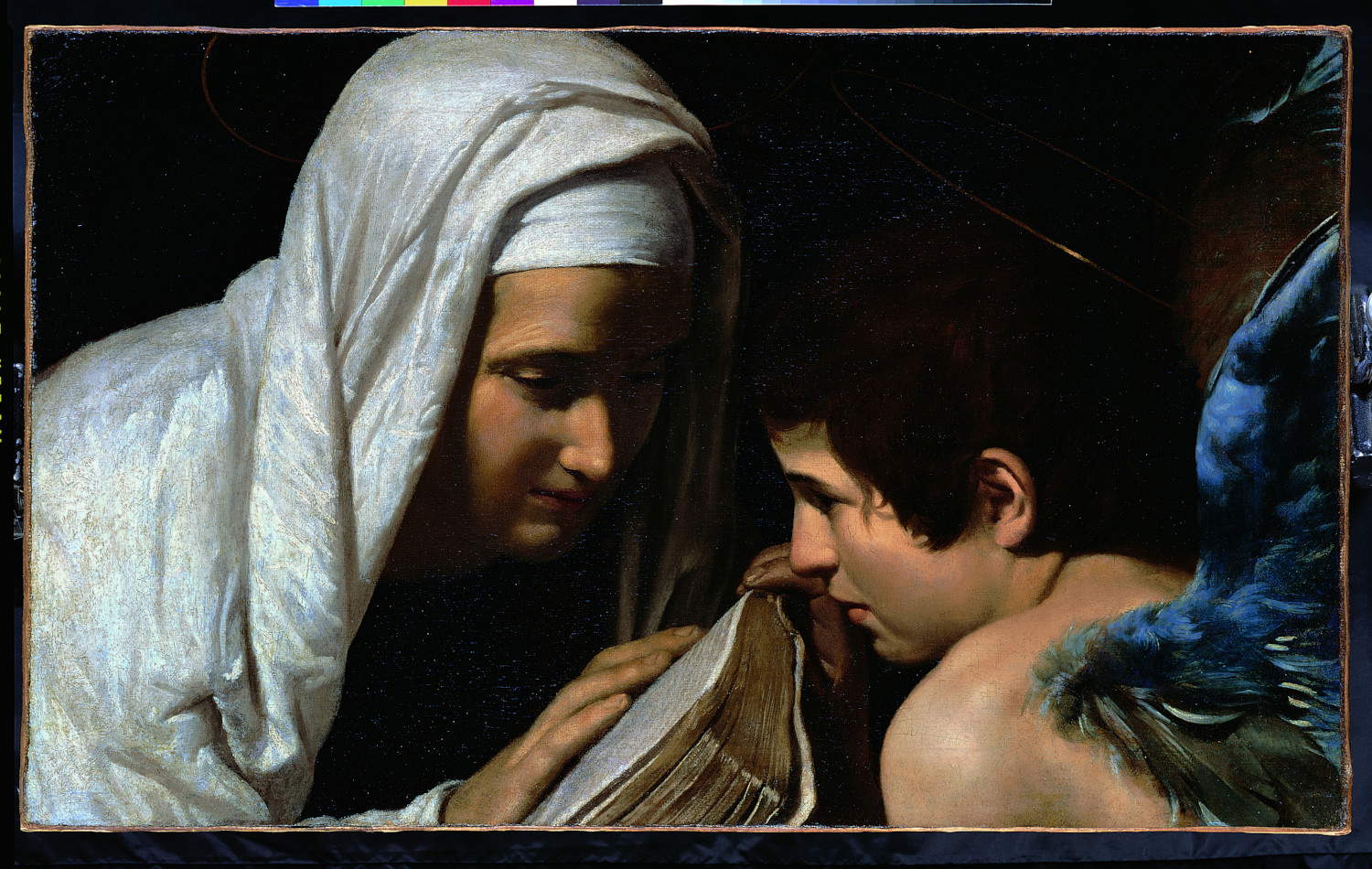 |
| At the Capitoline Museums an exhibition on Angels, from archaeology to the contemporary, in tribute to Pope Francis |
Warning: the translation into English of the original Italian article was created using automatic tools. We undertake to review all articles, but we do not guarantee the total absence of inaccuracies in the translation due to the program. You can find the original by clicking on the ITA button. If you find any mistake,please contact us.