





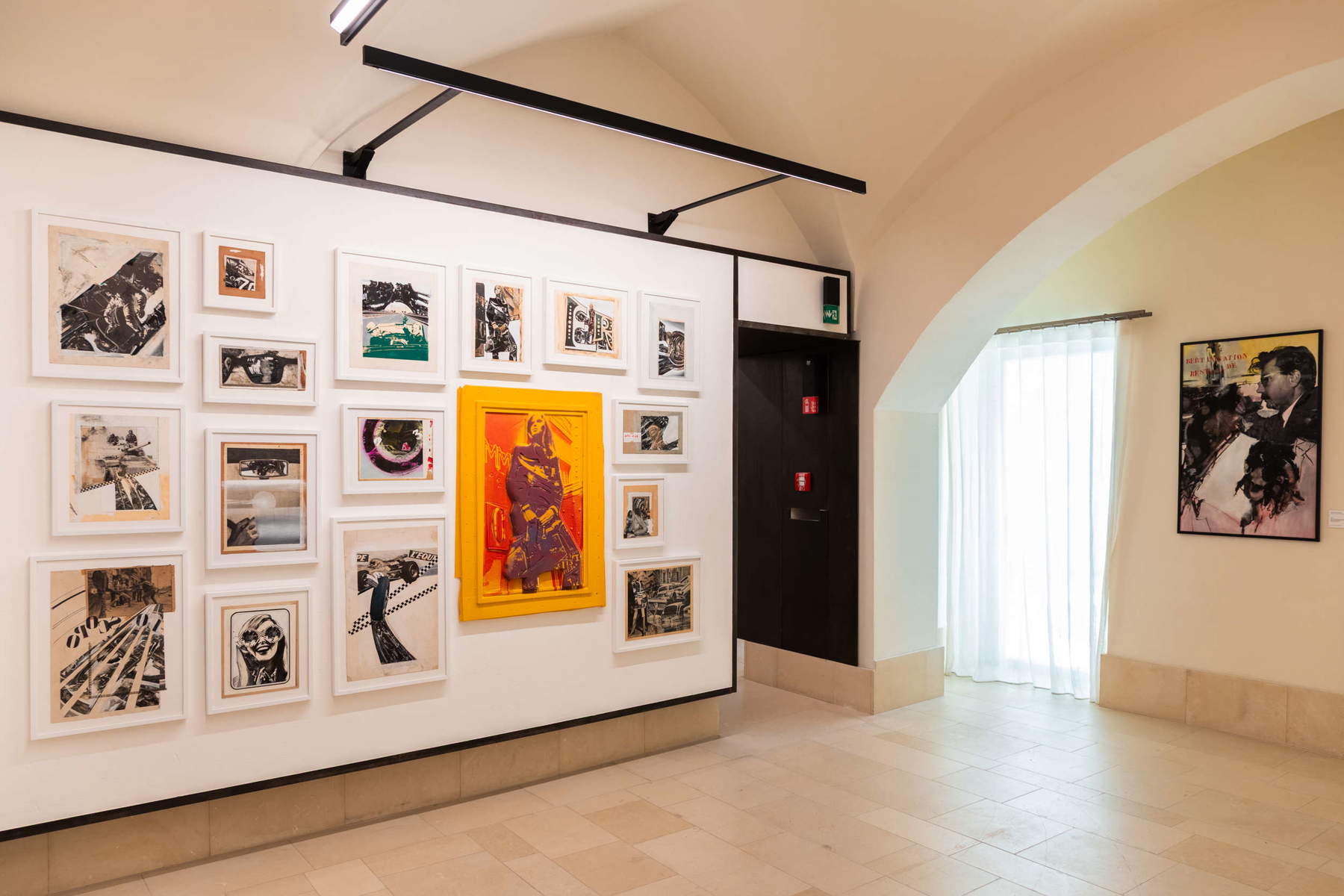
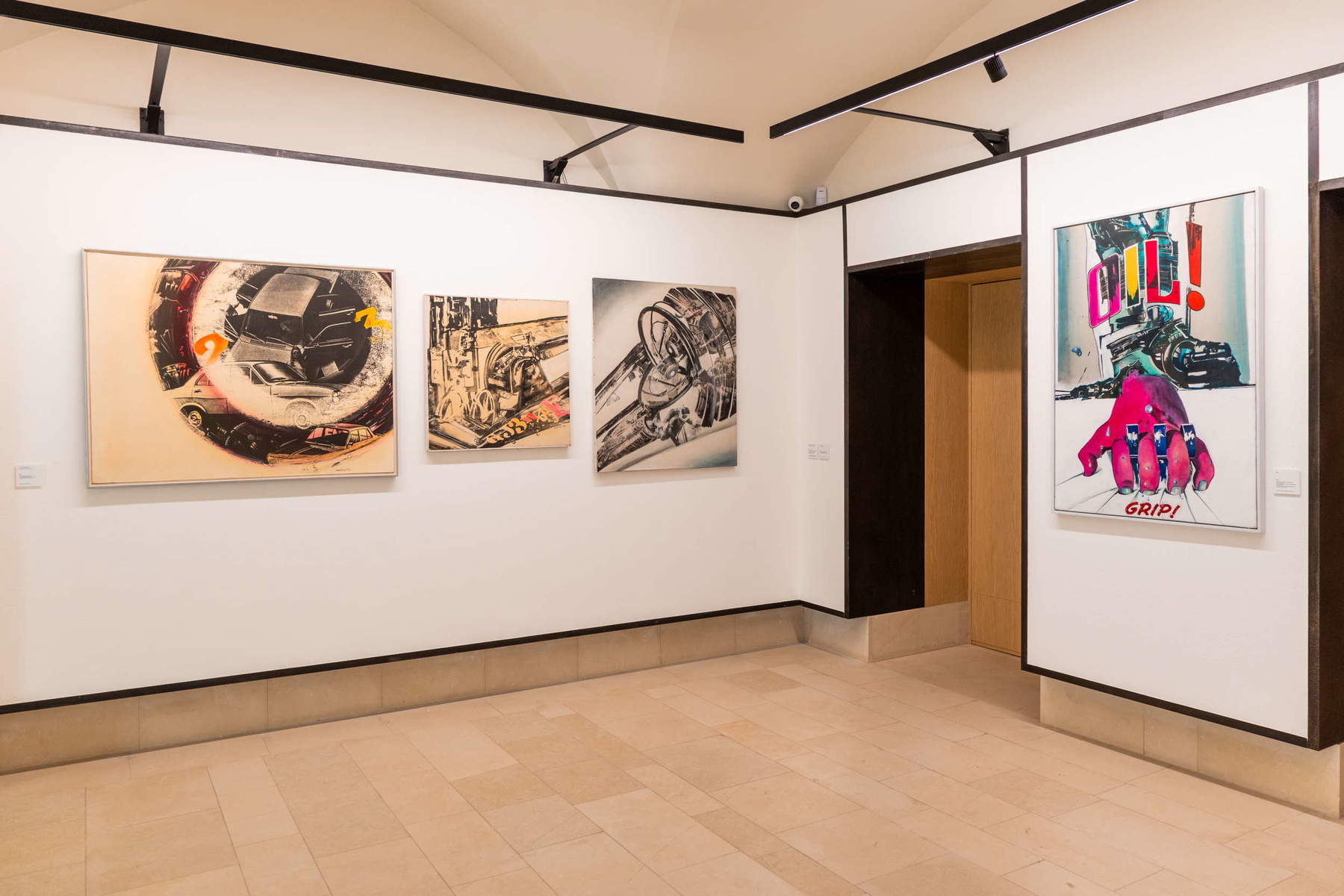
The Biscozzi | Rimbaud Foundation in Lecce is hosting, from May 16 to September 13, 2026, an exhibition dedicated to Gianni Bertini(Pisa, 1922 - Caen, 2010), entitled Gianni Bertini. Story of a man without history. The initiative, born from the synergy with the Gianni Bertini Association of Milan and the Frittelli Archive of Florence, aims to investigate the path of one of the most eccentric and innovative profiles of the post-World War II Italian-French art scene. Curated by Thierry Bertini and Roberto Lacarbonara, the exhibition takes its name from an unpublished literary work that the artist composed in 1953, later declaiming it during a famous nighttime performance action in Venice. This title is not only a bibliographical reference, but embodies a kind of theoretical manifesto that reflects Bertini’s opposition to rigid academic structures and his desire to constantly place himself in a condition of intellectual and experimental heresy. Through a selection of more than forty works, complemented by artist’s volumes and archival documents, the public has the opportunity to explore a time span from the early 1940s to the maturity of the 1970s. The exhibition project is part of a cultural strategy of the Foundation aimed at deepening the dialogue with the figures in its permanent collection, offering new critical tools to understand the transformations of visual languages of the last century. The itinerary unfolds through three pivotal moments in the artist’s production: the debut of the Screams, the dense informal season and the subsequent landing in “Mec-Art,” highlighting Bertini’s ability to reinterpret the revolutionary instances of the historical avant-gardes in the light of the emerging mass society and its production mechanisms. Accompanied by a trilingual catalog, the exhibition documents how Bertini was able to anticipate themes that would later become central to New Dada and Pop Art, while nevertheless maintaining an independent and critical stance with respect to the fashions of his time.
The figure of Gianni Bertini can be seen as that of a total intellectual, whose existence never knew a clear separation from the practice of painting. This is how Roberto Lacarbonara summarizes him: “Attending to paradoxes, contradictions, taking their measures and distances, knowing how to look with a critical and detached attitude, enduring the discomfort of anachronism by continually summoning the past and continually missing ’the secret appointment’ with the future: all this was Gianni Bertini. The last futurist - a contradiction in terms, we are aware - and the first archaeologist of the future; the best follower of Paul Klee and Walter Benjamin’s Angelus Novus; the thirsty for the avant-garde to the point of becoming the staunchest defender of the rearguard.”
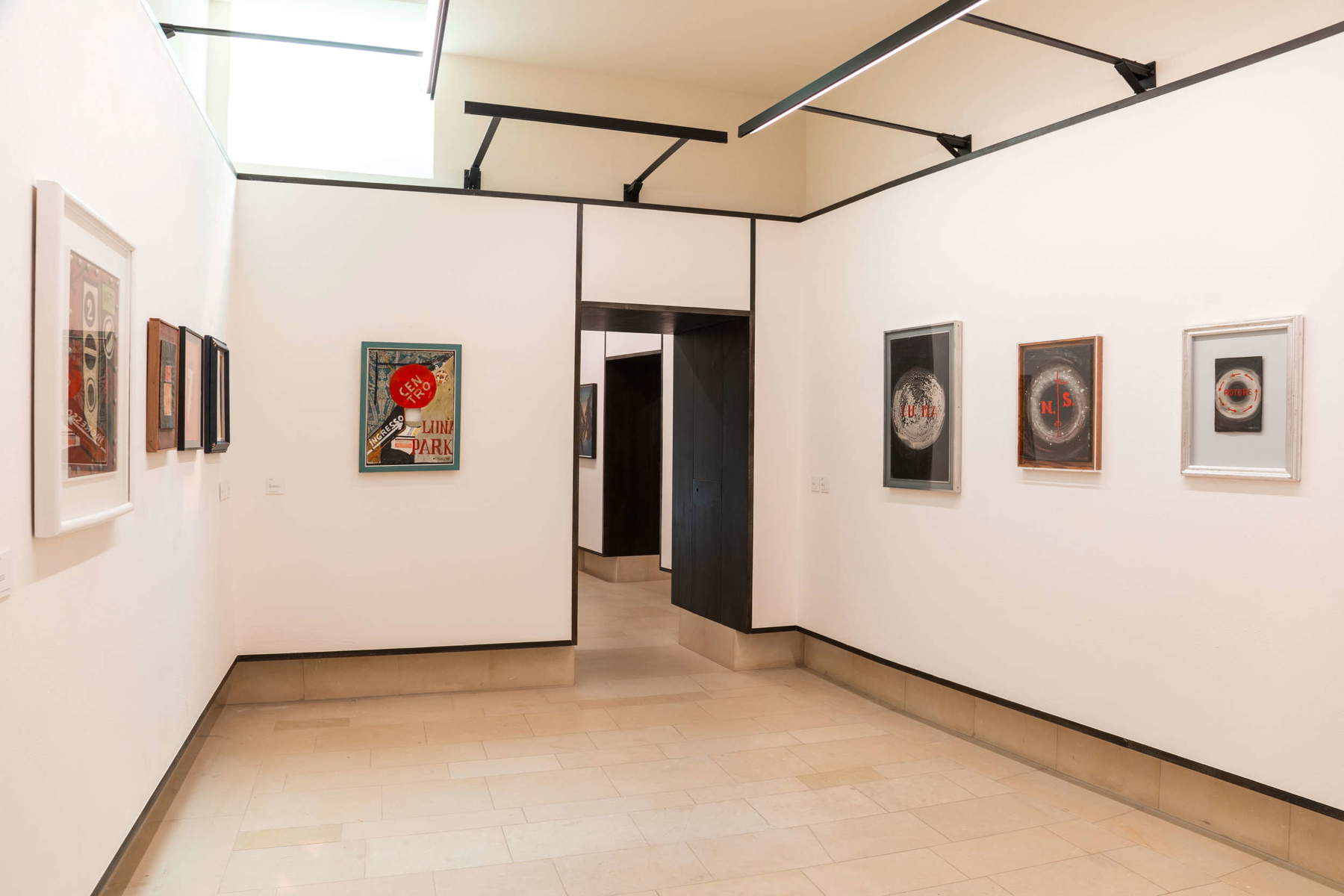
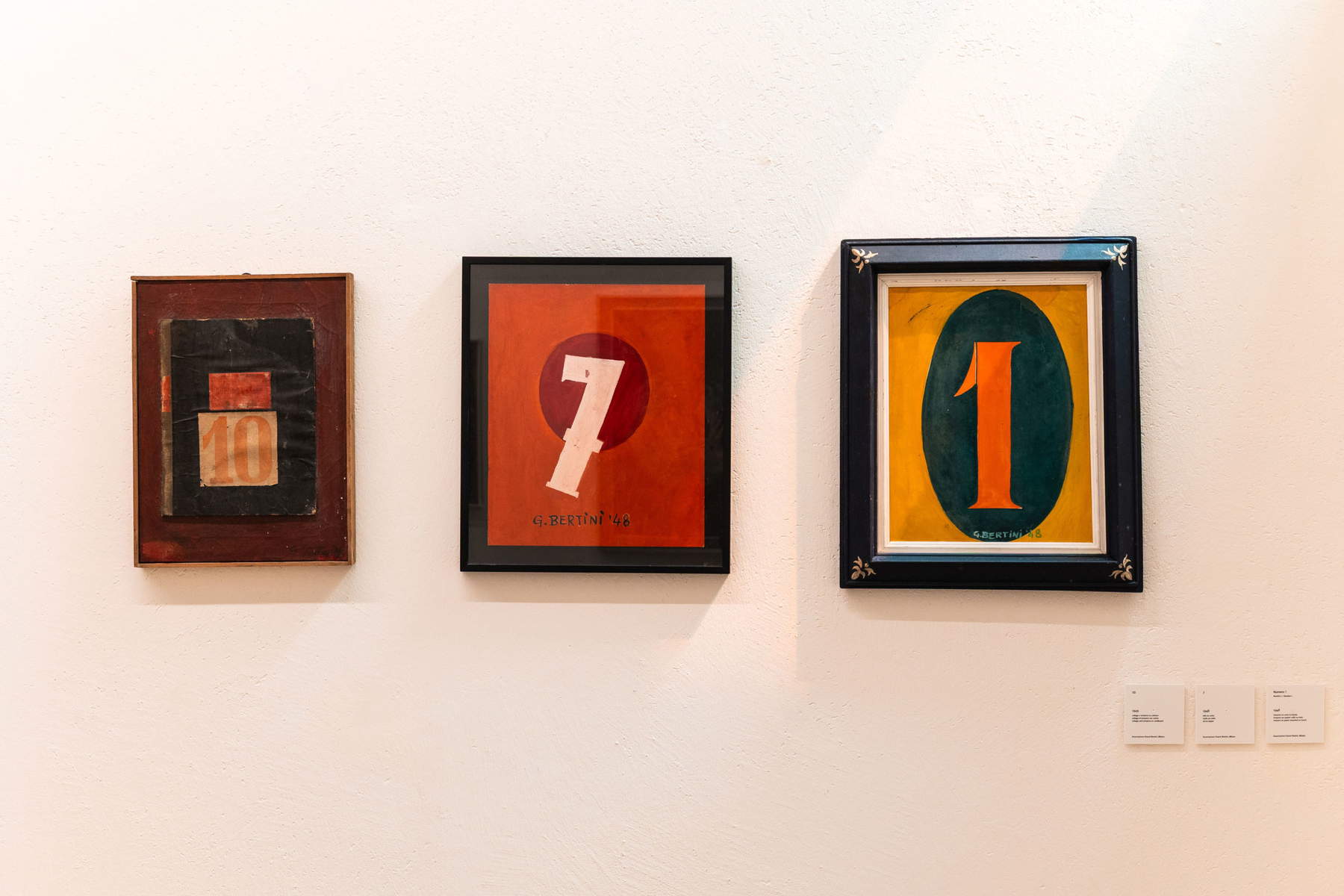
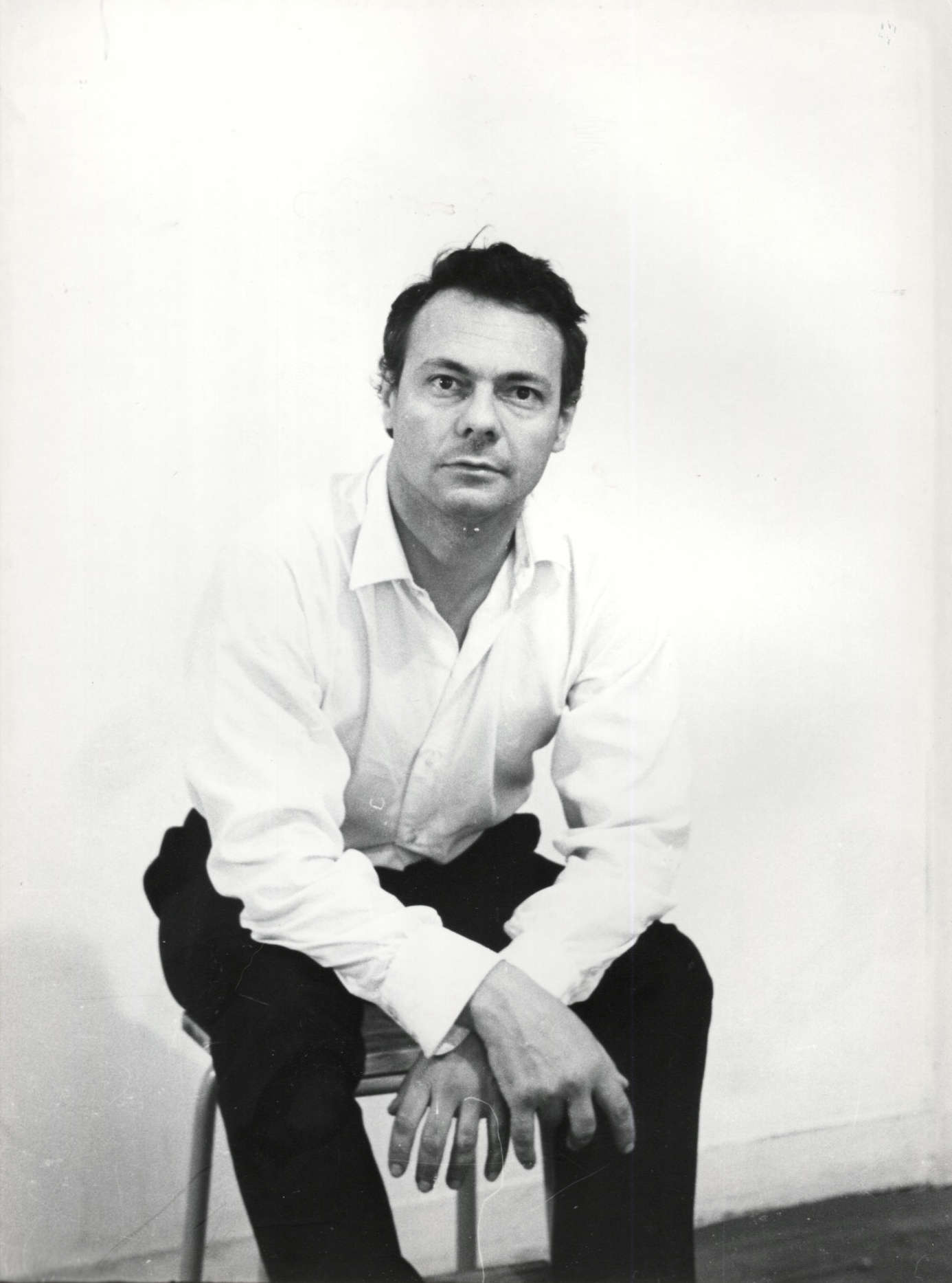
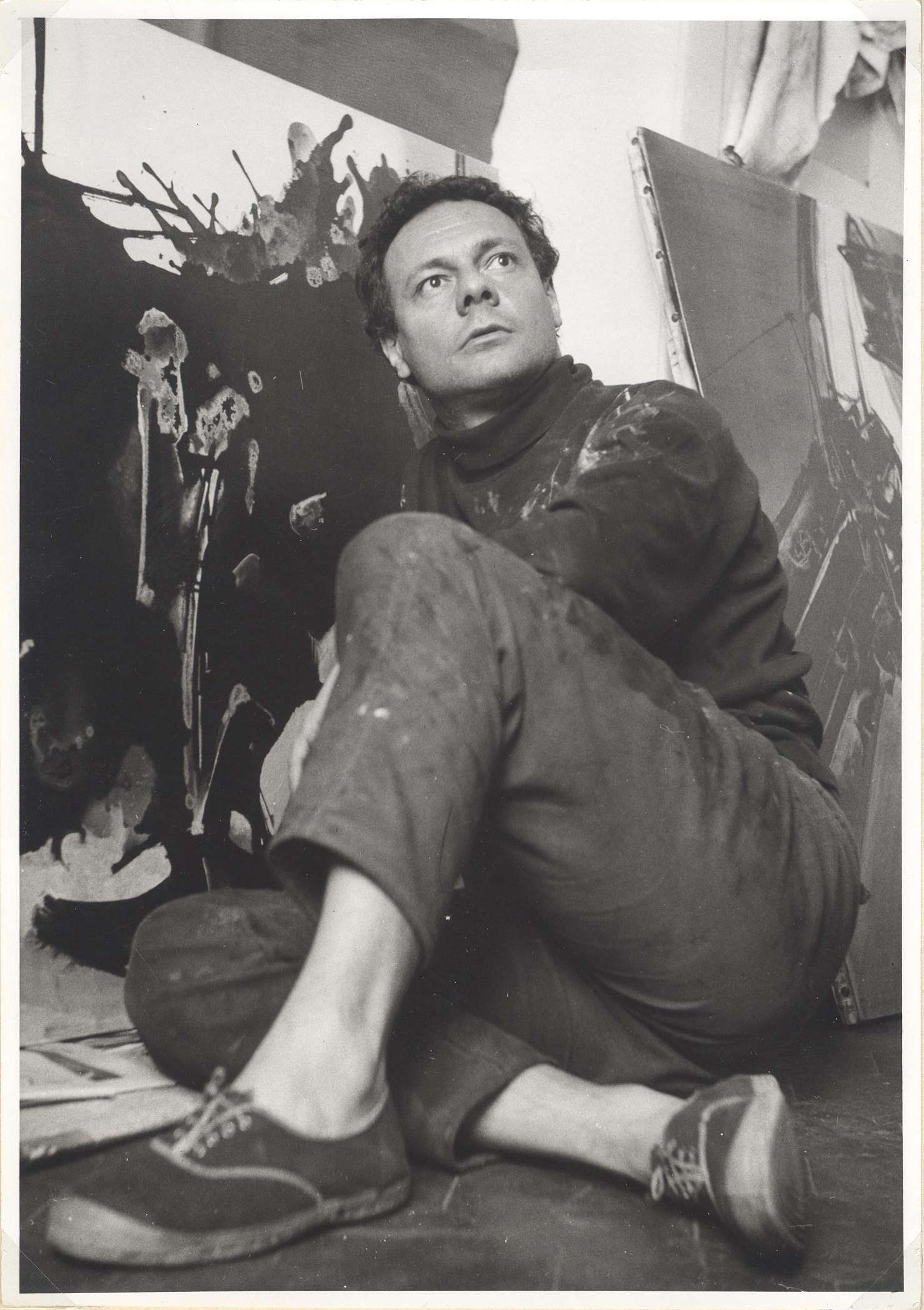
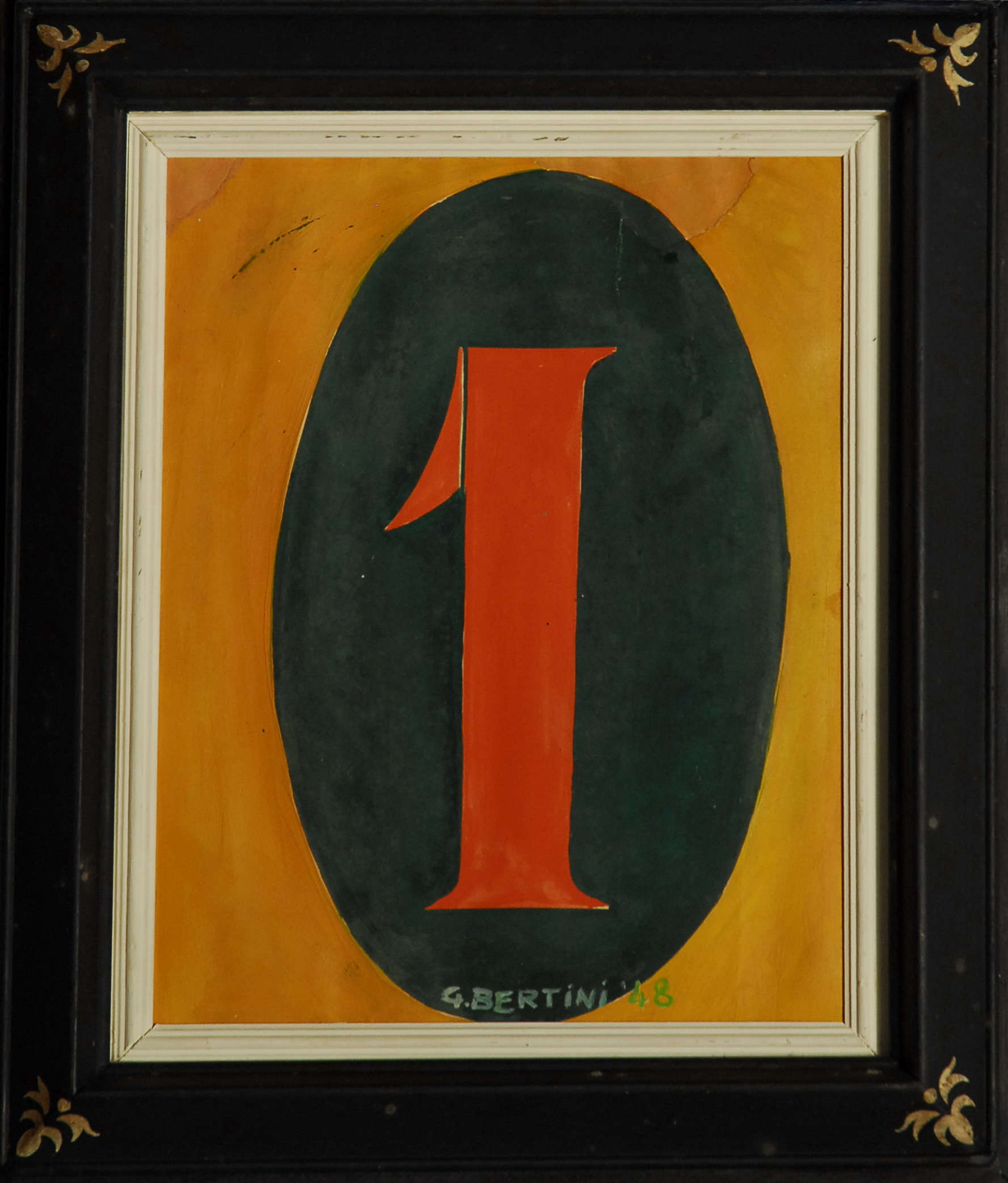
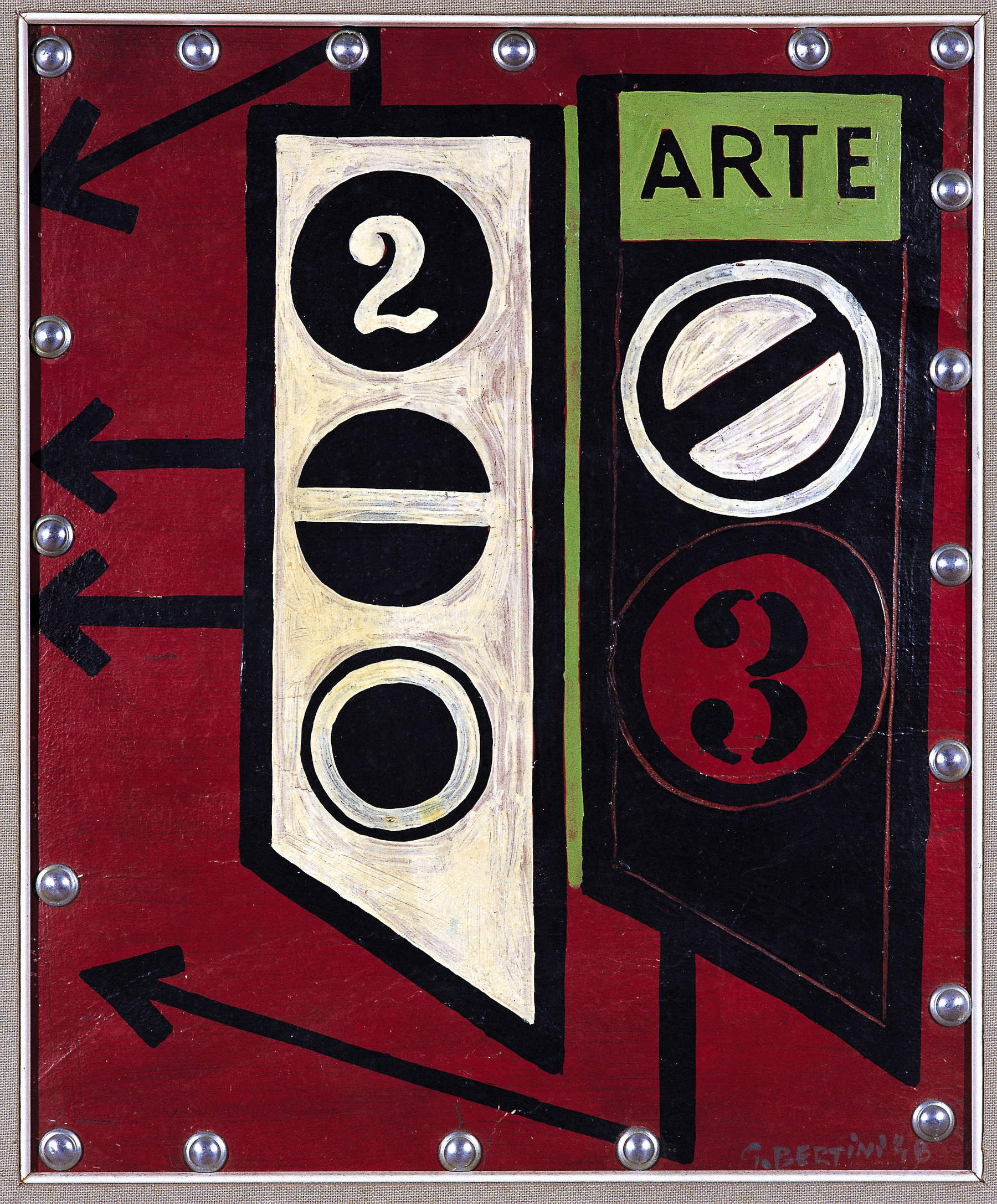
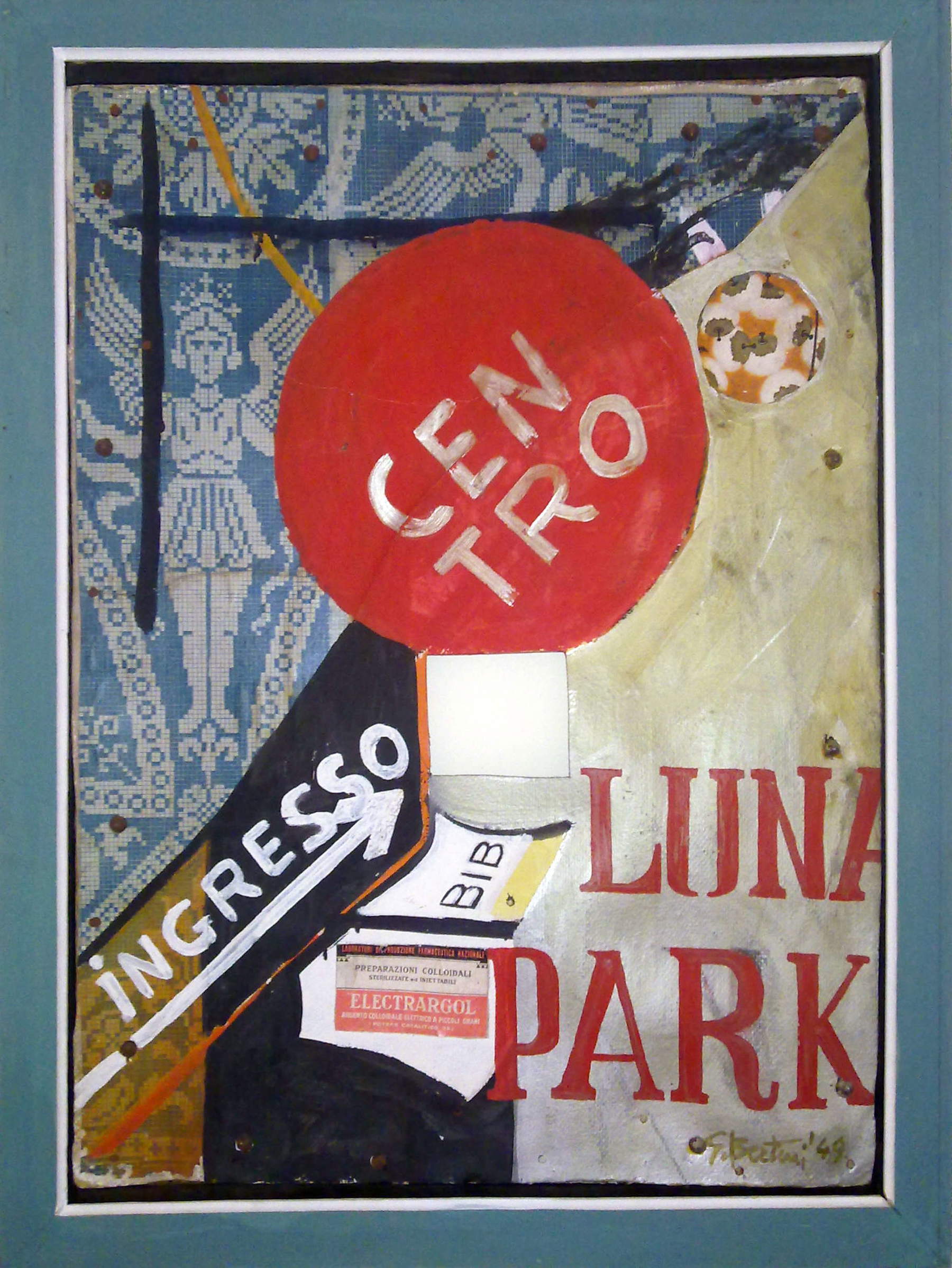
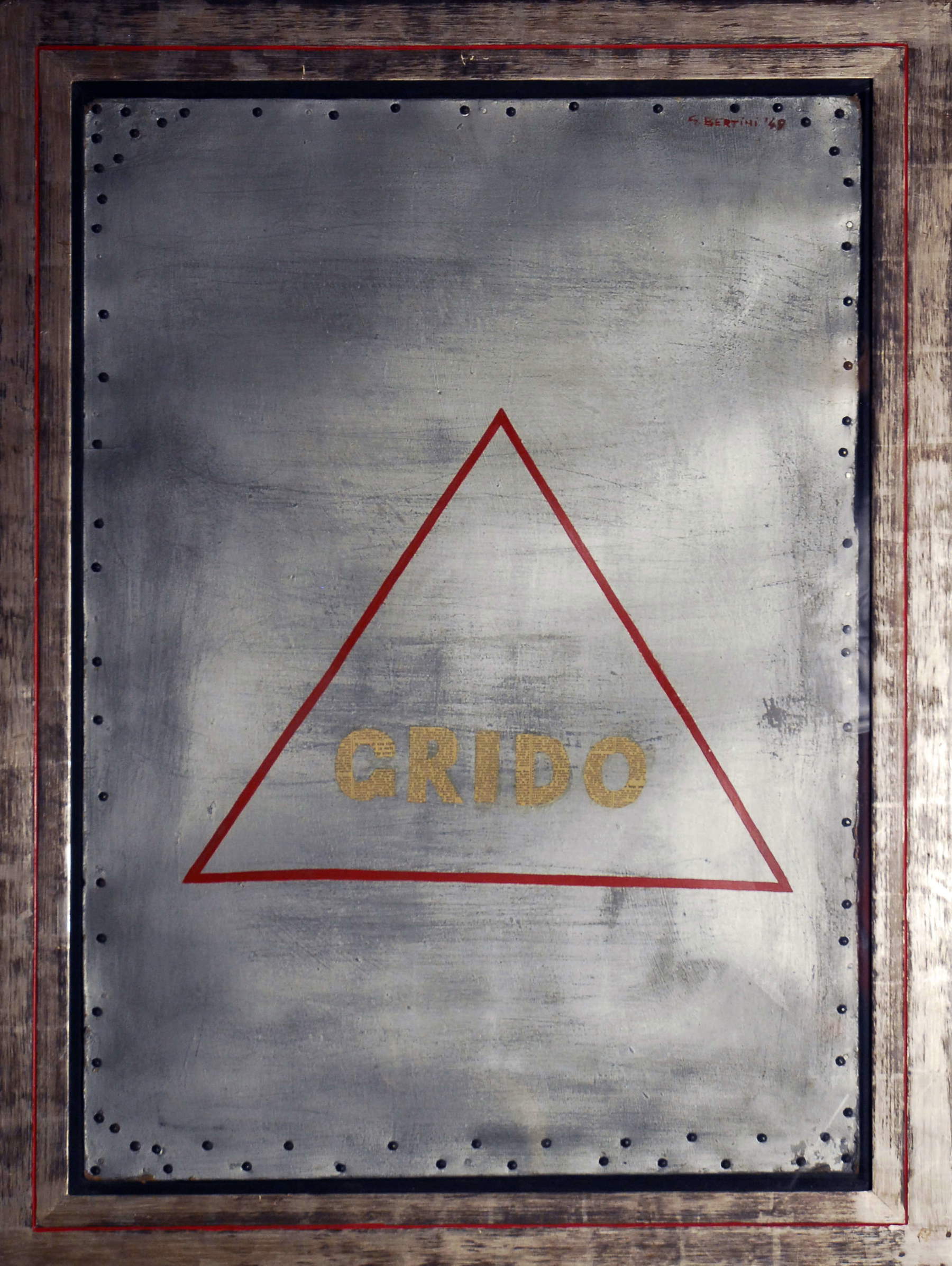
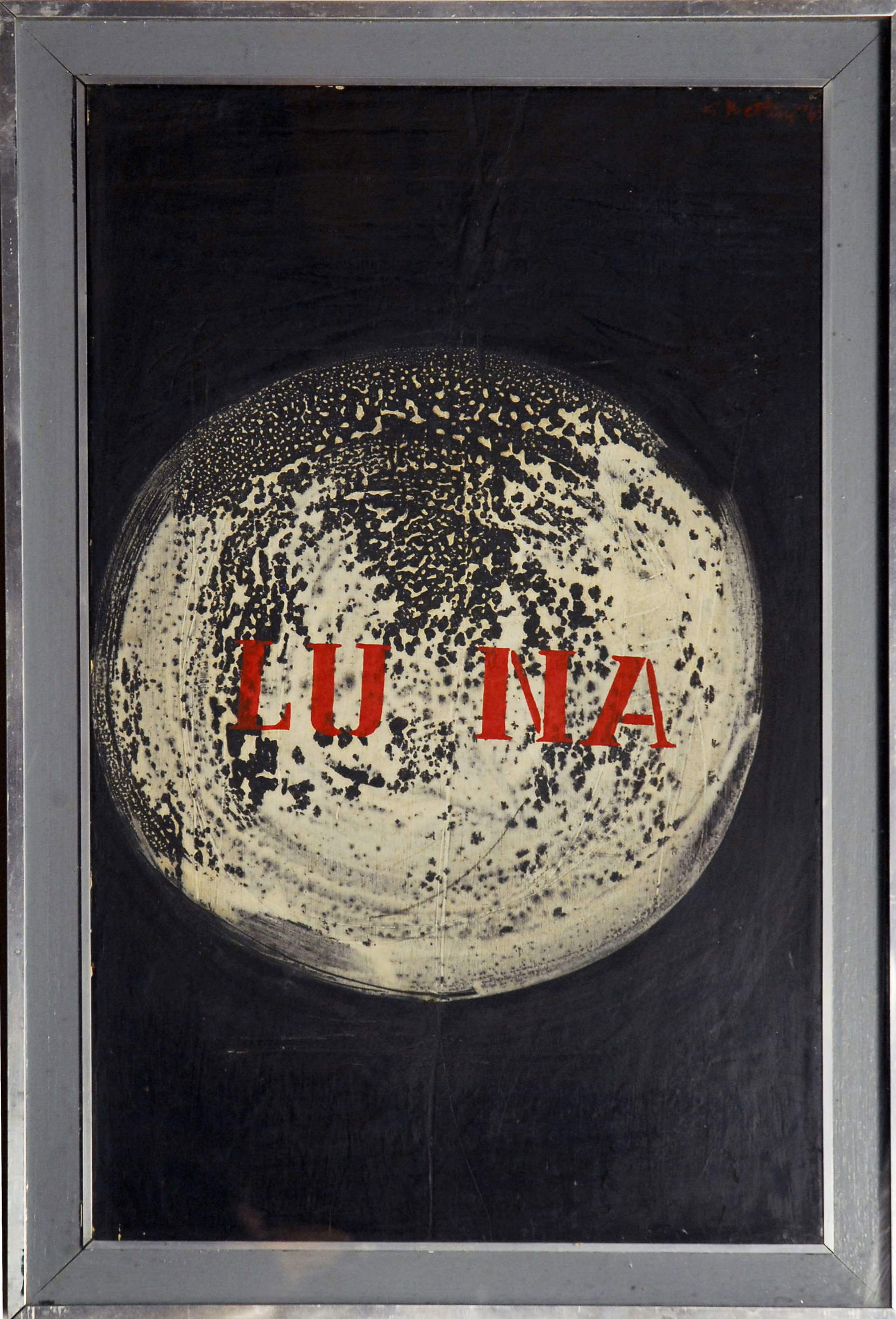
Born in Pisa in 1922 and a graduate in mathematics, Bertini transferred to the field of aesthetics an analytical rigor that never stifled his creative exuberance and his propensity for dialectical confrontation. After his beginnings in the immediate postwar period, characterized by a rapid rise in the national context and a temporary closeness to the Movimento Arte Concreta in Milan, the artist embarked on a journey of constant overcoming of linguistic limits. His early production is marked by the Cry cycle, works made in the late 1940s that incorporate numbers, stamped letters and road sign symbols (the artist himself described them as follows: “I felt like shouting, but no one could hear me, so I would draw a few crossed lines on the canvas, like a cry. Or I would write simple words on it like: Alt, Moon, Stop, or again, a single number: 3, 7, or some kind of thermometer. Of the Dadaists I had heard of them, but I was more familiar with the Futurists: Lacerba, le parolibere, Marinetti.”). In these works, Bertini was able to translate the nervous tension of urban modernity into images, retrieving futuristic and Dadaist suggestions to create a visual alphabet that appeared already projected into the future. The origin of these signs, as he himself recalled, is rooted in dramatic wartime memories, particularly in the memory of the incandescent glow of rockets that lit up the sky during bombing raids, transforming terror into an undeniable and tremendous visual spectacle. Alongside this contemporary matrix, however, Bertini was able to graft references to Tuscan classicism, such as the circular forms and concentric circles inspired by the frescoes of Pisa’s Camposanto Monumentale, demonstrating how his avant-garde was deeply rooted in a millennia-old historical awareness.
The move to Paris in 1952 represents a fundamental turning point in the artist’s biography. In the French capital, Bertini came into contact with the intellectual milieu that gravitated around Pierre Restany and began to measure himself against the currents ofInformal andlyrical abstraction. However, even in this phase of great expressive freedom dominated by gesture and matter, he never stopped searching for a “third way” that would avoid the drifts of an exaggerated subjectivism. His compositions of those years, despite the fluidity of colors and the violence of signs, retain an almost cosmic logical structure, foreshadowing what would be defined as his mechanomorphic phase. Evocative titles taken from ancient mythology, such as Oedipus or Mars, were used not to explain the subject, but to create an ironic dissonance with the technological and artificial reality of contemporary civilization. During this period, the artist began to observe with a critical eye the spread of the new television screens and the first artificial satellites, transforming the traditional format of the painting into a kind of cathode monitor, where cold light and circular signs alluded to a new spatiality dominated by technology. An emblematic example of this transition is the works of 1956, influenced by media and scientific events such as the great dust storm on Mars and the launch of the first artificial satellites. In canvases such as La ronda di Marte or La fuga di Pandora, Bertini used tight framing and cold lighting that alluded to the cathodic vision of early television sets, transforming the pictorial medium into a mechanical viewfinder capable of capturing invasions from distant space. It was a sign that the artist was moving toward a critical incorporation of mediated reality, a process that would find its theoretical and practical definition in Mec-Art.
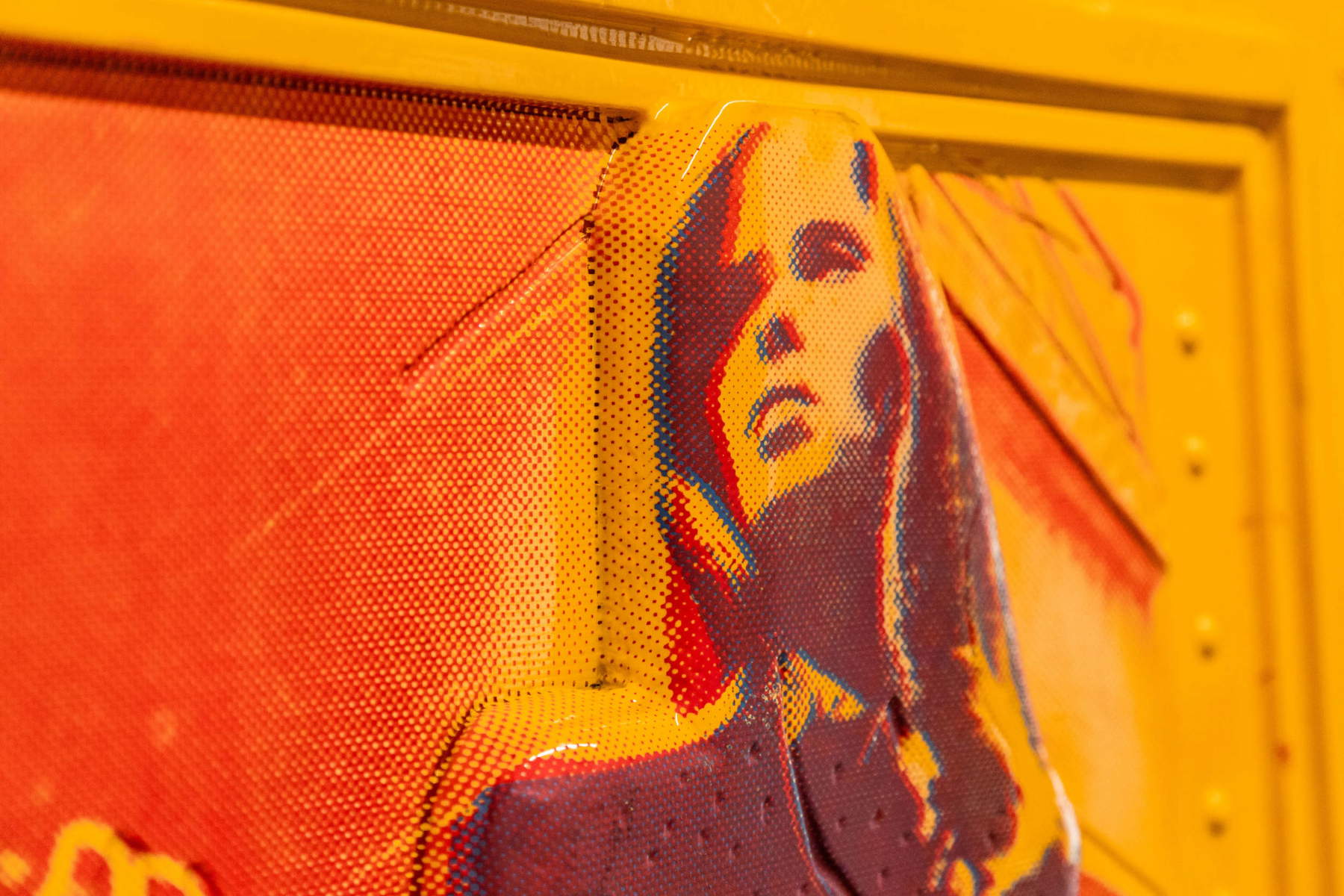
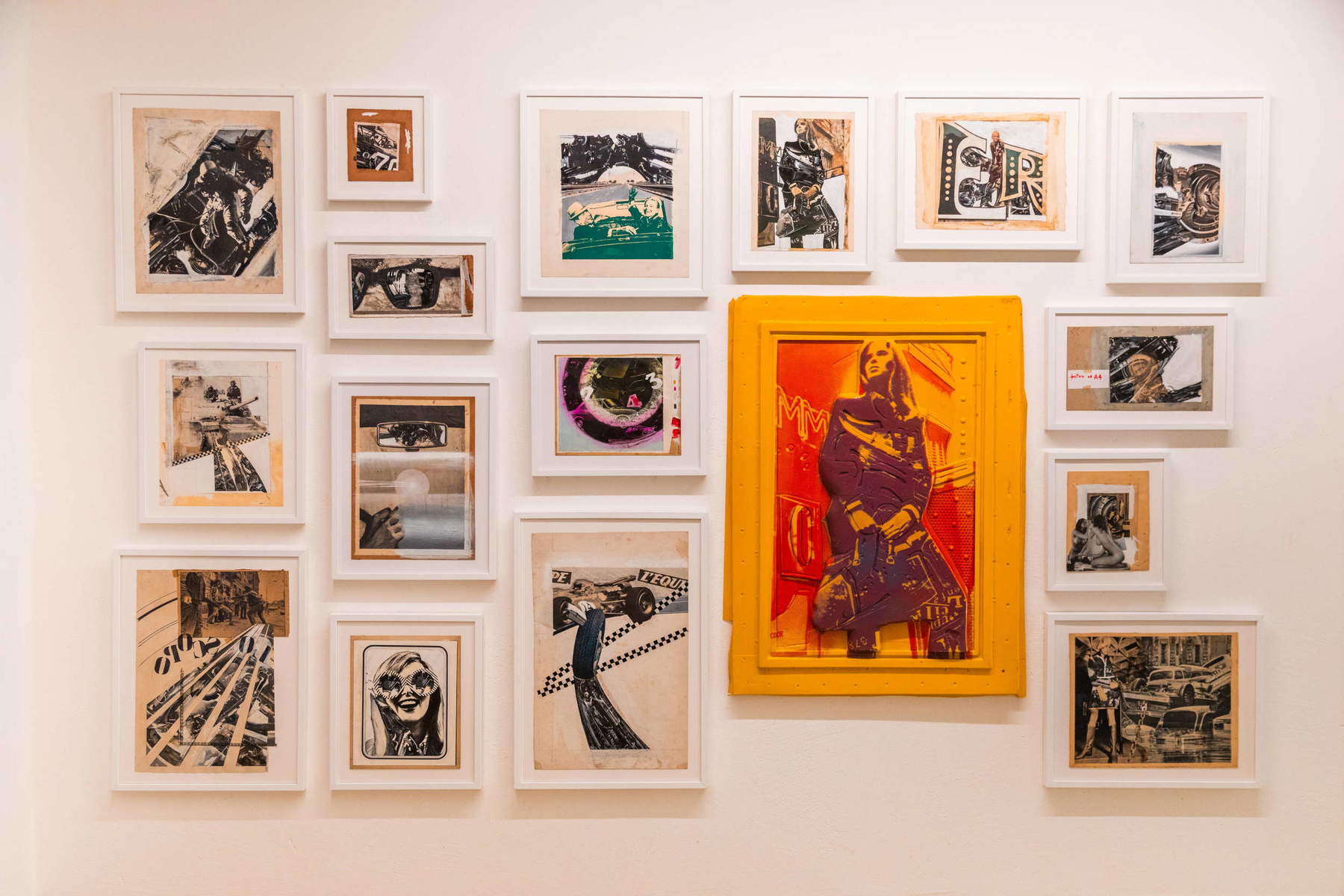
Definitive maturation came in the 1960s with the theorization and practice, precisely, of Mec-Art, or mechanical art. Together with Pierre Restany, Bertini signed a manifesto in 1965 proposing the use of analog processes of reproduction to overcome the myth of the painting as a unique object and commercial fetish. Through the technique of photographic carryover onto emulsified canvas, the artist began to incorporate images taken directly from mass communication into the painting: Formula 1 cars, competing athletes, political news scenes, and fashion icons. This practice was not a simple adherence to Pop Art, but a European and critical reaction to it; Bertini intervened pictorially on serial images to claim the authenticity of the design process over the passive multiplication of consumption. Famous has remained his operation of “prototyping” the image with the creation of the work A Woman in a Thousand, designed to be sold in Parisian department stores at a price accessible to anyone. Bertini’s ambition was to democratize art, a goal he pursued with projects such as Una donna in mille esemplari, a serial work made of plastic intended for sale in Parisian department stores.
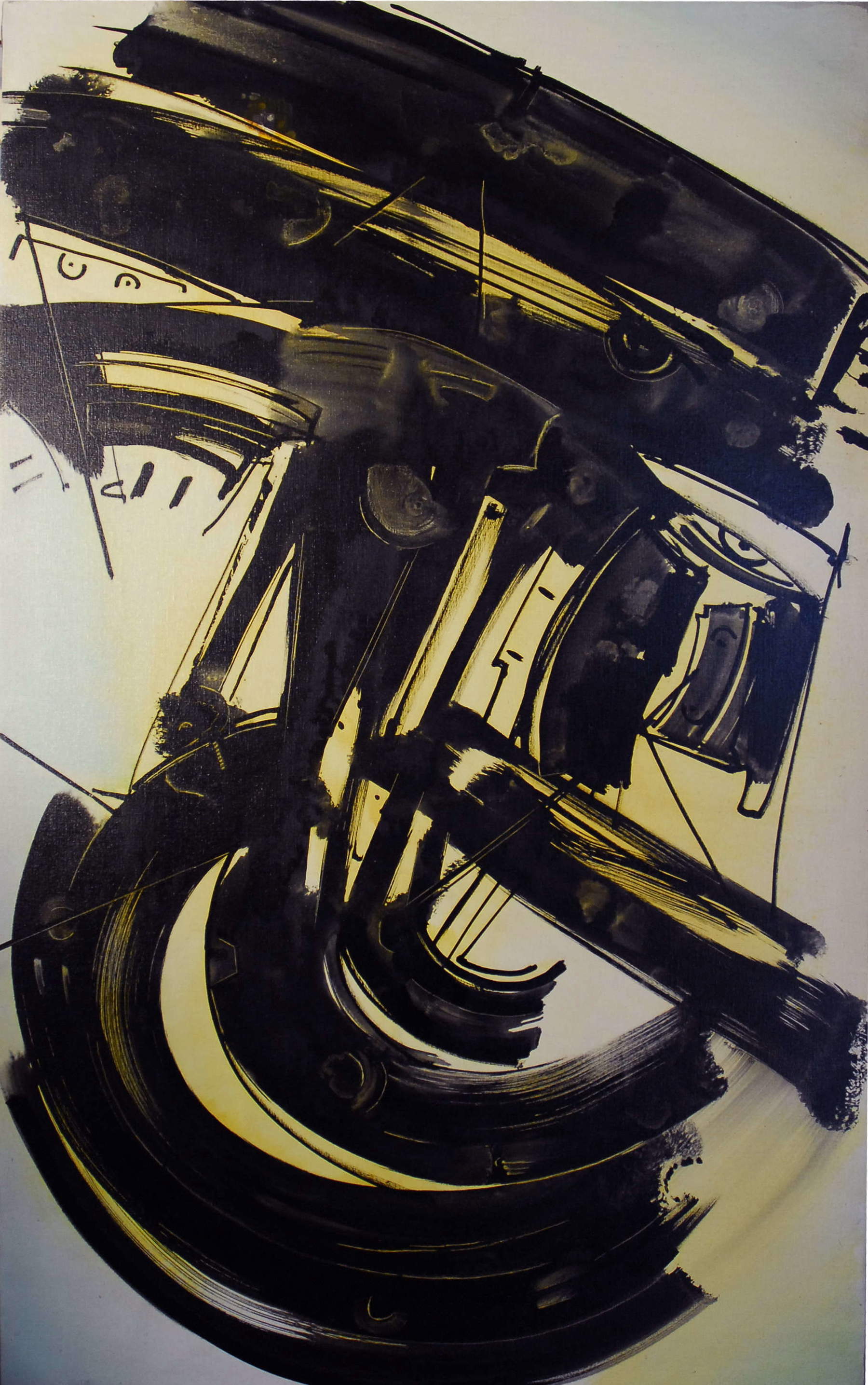
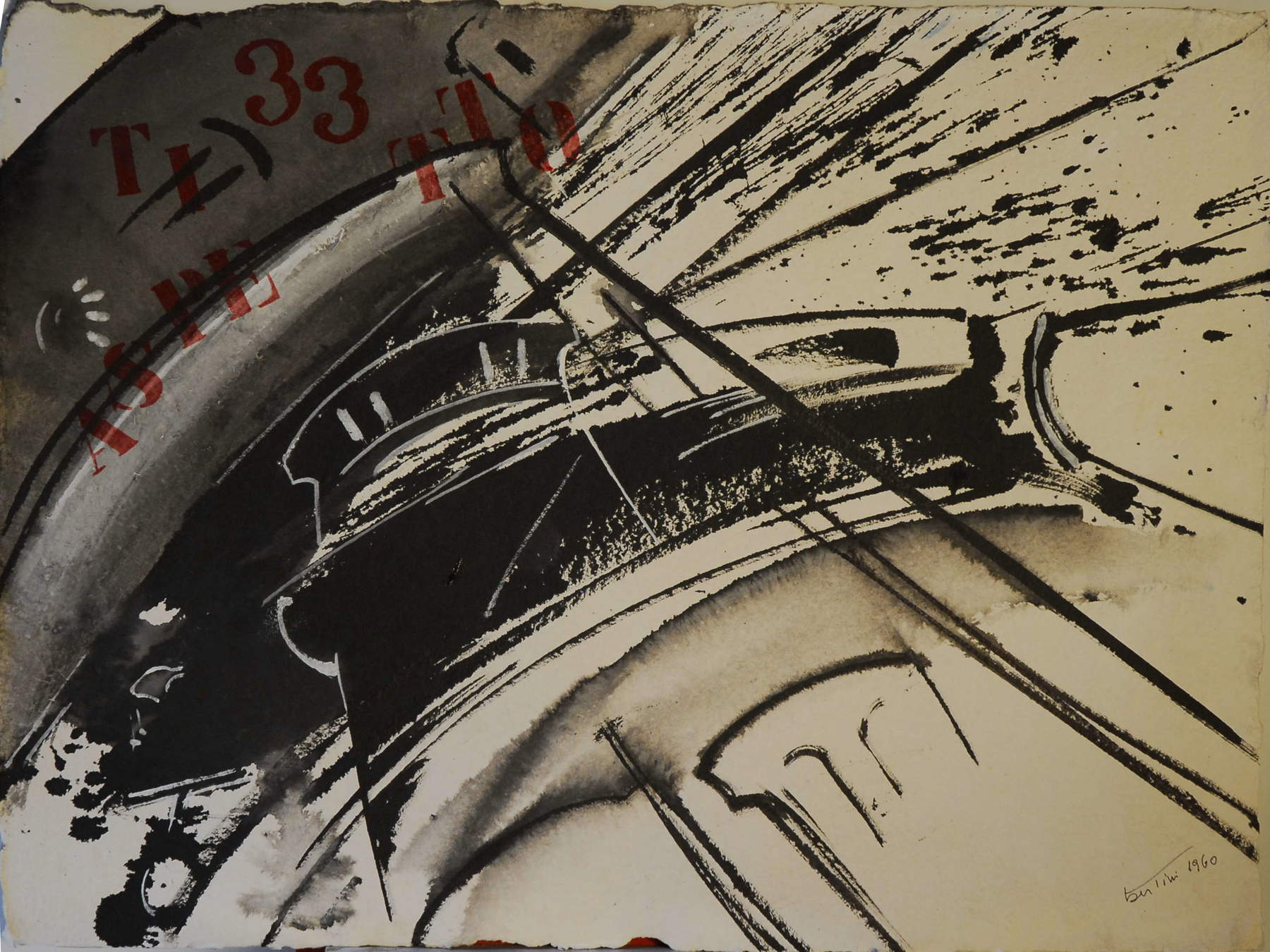
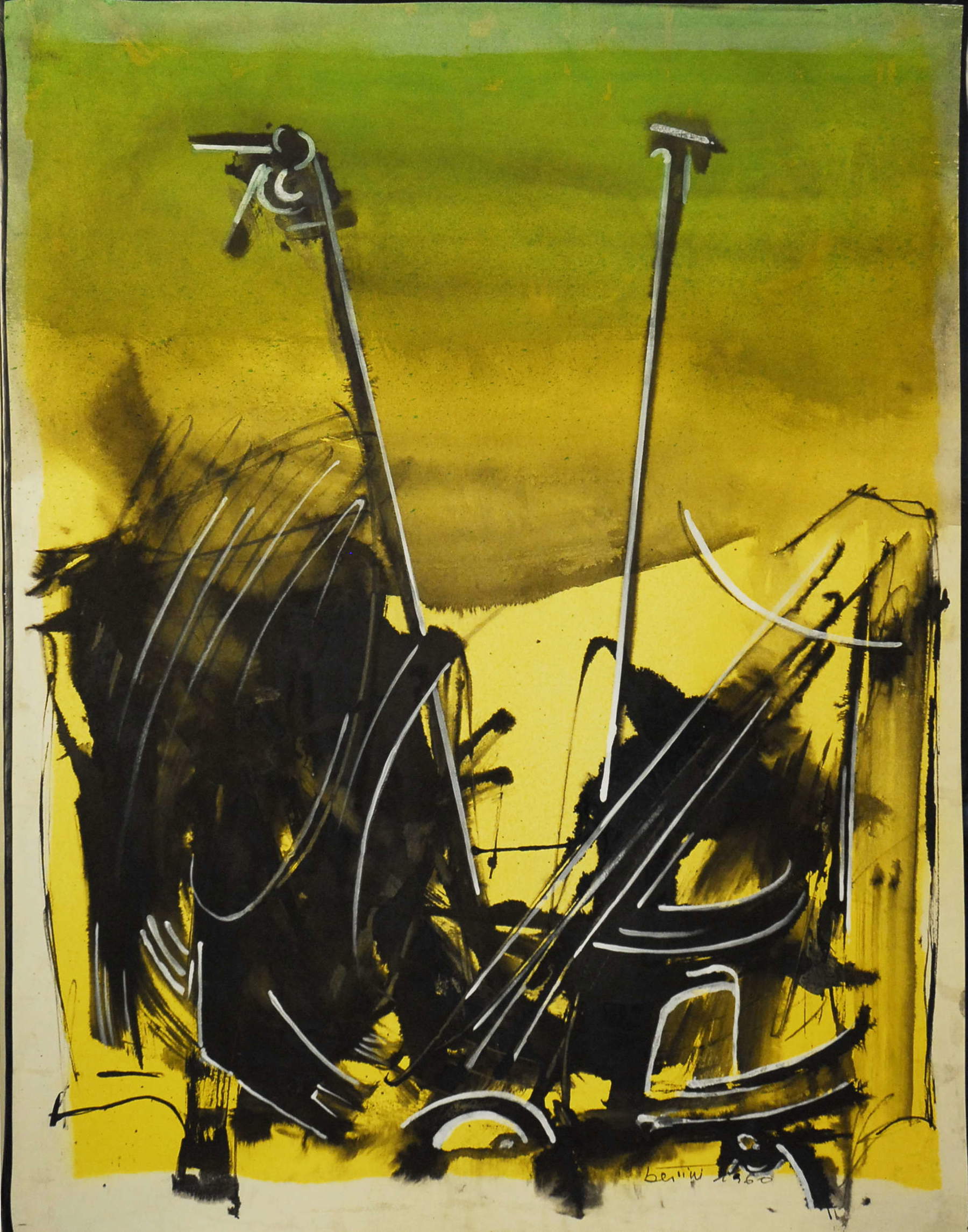
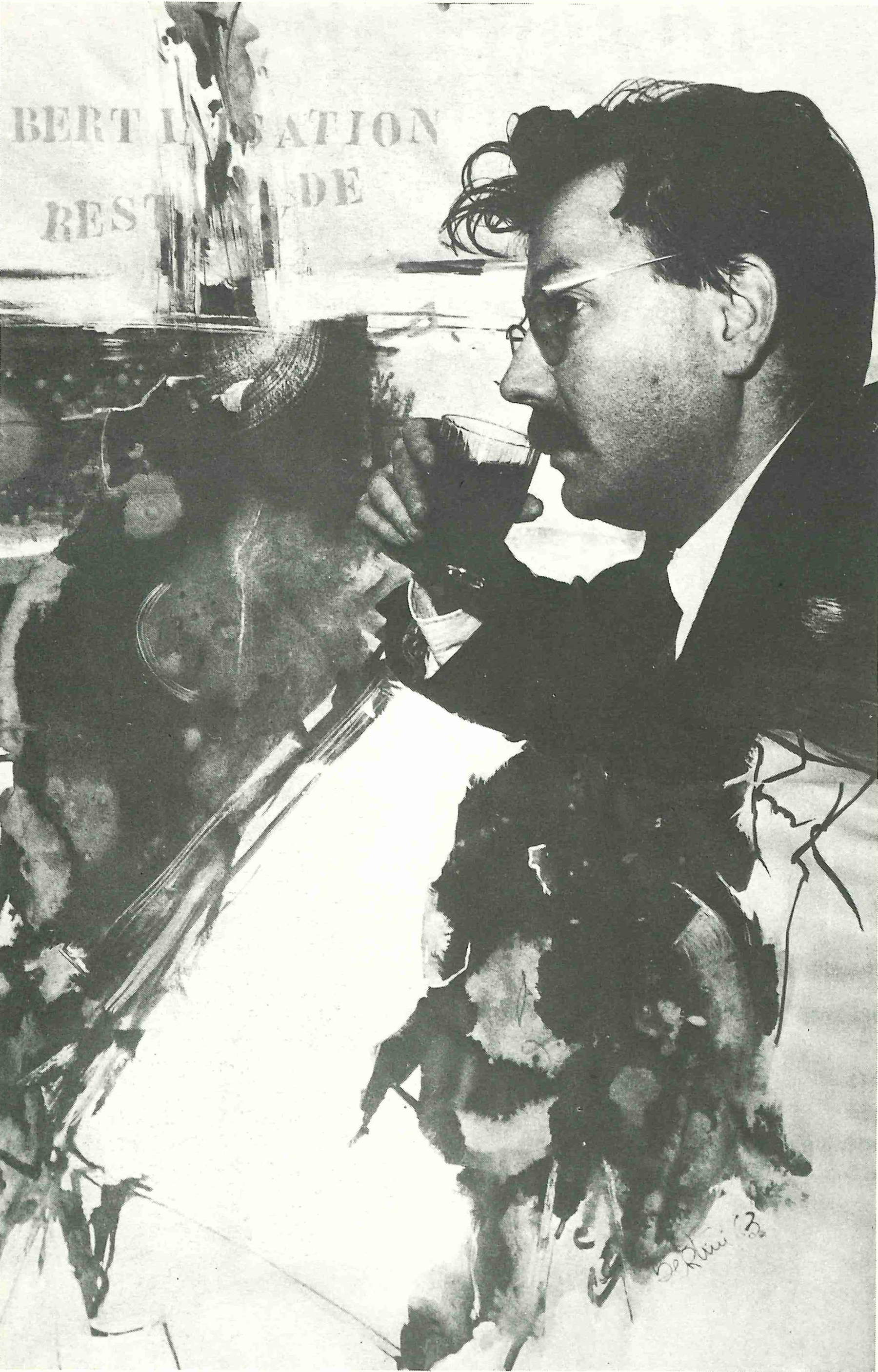
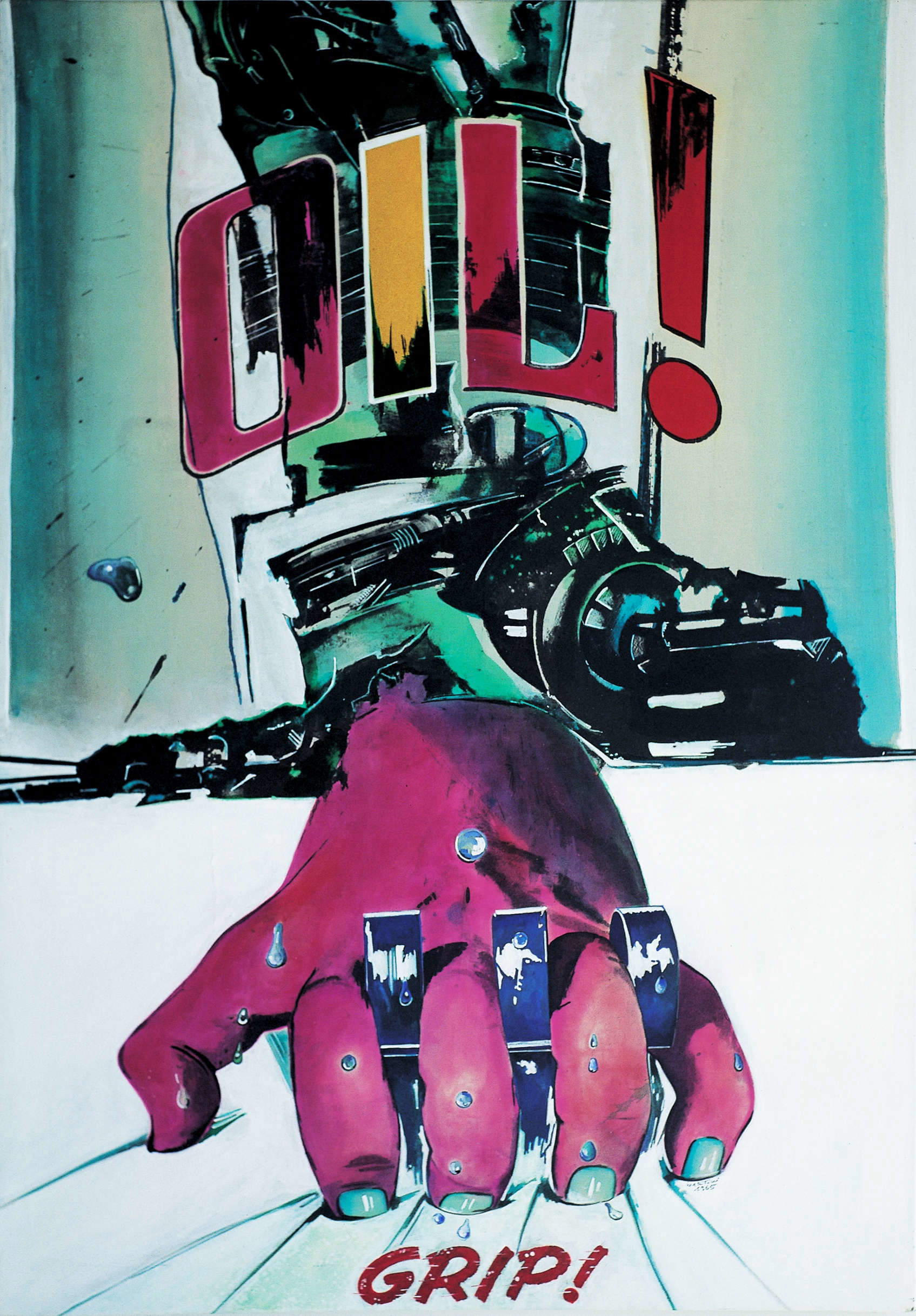
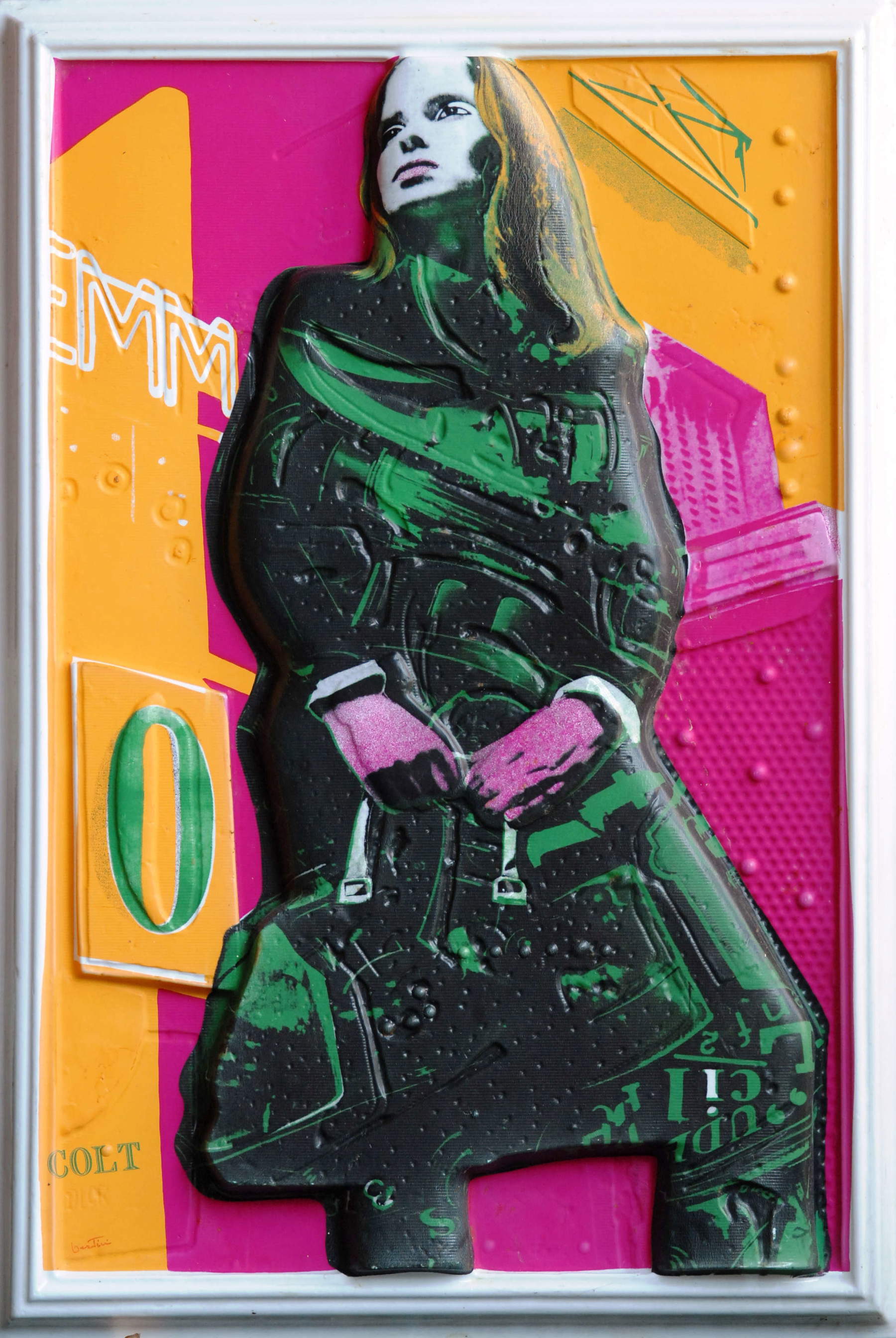
In addition to painting, Bertini’s artistic identity was expressed through writing and performance, in a process he himself liked to call "Bertinization." This term indicated a kind of expansion of the creative self that transcended the boundaries of the canvas to invest every aspect of reality, from traffic violations to official flags to the design of his own clothes. For Bertini, the artist had to be uninterrupted, day and night, transforming one’s public appearance into a continuous enactment. This performative tension found its peak in events such as the 1953 Venetian reading or the 1971 Milanese multimedia show, where the exhibition space was invaded by a frenetic projection of images, dematerializing the boundary between physical reality and media imagery. Even in the last decades of his life, spent between Italy and Normandy, Bertini never ceased to experiment, approaching Visual Poetry and using new media such as digital and wood, always guided by an intellectual curiosity that led him to imagine holographic futures and interactive communications between computers long before these technologies became commonly used. In the last decades of his career, Bertini collaborated on magazines such as Lotta Poetica, and his production was enriched with cycles devoted to current political and social issues, such as the Gulf War, using digital media or wood, without ever losing that curiosity that had driven him from the beginning to be a tireless researcher. His art remains the testimony of a man who knew how to look back in order to march forward, working on the remnants of history to build a project of the future that is always relevant and courageously out of date.
The legacy of Gianni Bertini, who died in Caen in 2010, lies precisely in his ability to be “inactual” in order to be authentically contemporary. His refusal to rest on established successes led him to be a perennial researcher, an archaeologist of the future capable of looking back in order to march forward. As his son Thierry testified, his home was an obsessive archive where every moment was fixed on paper. “He had a vital need,” writes Thierry Bertini, “for confrontation with other artists and critics, confrontation that often turned into confrontation. He was not afraid of creating intellectual enemies: for him debate, even heated debate, was a daily necessity. The clash of ideas was the fertile ground from which to bring out his own point of view. He wrote a great deal. In an age like ours, made up of rapid and often ephemeral communications, he kept up a dense correspondence of letters with the elite of French and Italian intellectuals, but also with leading figures from all over Europe-Sweden, Hungary, England and beyond. Today this immense patrimony of letters, notes and documents is preserved in the archives of Yale University, in the United States, where it is still used for studies and research.” The exhibition in Lecce today restores the voice to this “man without history” who, through ironic resistance and constant technical heresy, was able to construct one of the most authentic and lucid narratives of European art of the second half of the 20th century.
|
| Gianni Bertini, the tireless research of a protagonist of the avant-garde on display in Lecce |

Warning: the translation into English of the original Italian article was created using automatic tools. We undertake to review all articles, but we do not guarantee the total absence of inaccuracies in the translation due to the program. You can find the original by clicking on the ITA button. If you find any mistake,please contact us.
























 IT
IT FR
FR DE
DE ES
ES CN
CN


