





The Fondazione Querini Stampalia in Venice is hosting until September 13, 2026 the exhibition The Invisible Chord. Hans Hartung and Music, a comprehensive exhibition project dedicated to Hans Hartung (Leipzig, 1904 - Antibes, 1989), one of the most influential artists of twentieth-century Europe, and his relationship with music. Curated by Thomas Schlesser and presented by the Fondazione Querini Stampalia and the Hartung-Bergman Foundation in collaboration with Perrotin, the exhibition is staged in the spaces of the historic Venetian palazzo on Campo Santa Maria Formosa. Included in the program of collateral initiatives of the 61st International Art Exhibition of the Venice Biennale, the exhibition brings attention back to an essential but less investigated aspect of the figure of Hans Hartung: his deep and constant relationship with music. It is a bond that accompanied the artist throughout his life and had a decisive influence on his pictorial production, helping to define the very character of his abstract research.
The choice of Venice also takes on a special significance in the artist’s biographical story. It was in fact in the lagoon city that Hartung obtained one of the most prestigious awards of his career, the Grand International Painting Prize at the 1960 Biennale, the definitive consecration of his international fame. The exhibition brings together nearly eighty works including paintings, archival documents, photographs, working tools and audiovisual materials, offering a never-before-seen reading of the German naturalized French artist’s creative journey. The project aims to restore sound and listening to the central place they occupied in Hartung’s daily life and creative universe, reconstructing a landscape made up of energies, gestures, rhythms and resonances that run through his entire output.
Music, for Hartung, did not represent a mere accompaniment to the work. It was a constant and necessary presence. A pianist and dancer during his youth, the artist developed over the years a real obsession with sound, to the point that he could not stand silence. A significant testimony comes from a letter written in 1948 by Pierre Soulages, who describes a man unable to work or even spend moments of rest without a permanent soundtrack. The radio remained on all the time and music accompanied every moment of the day.
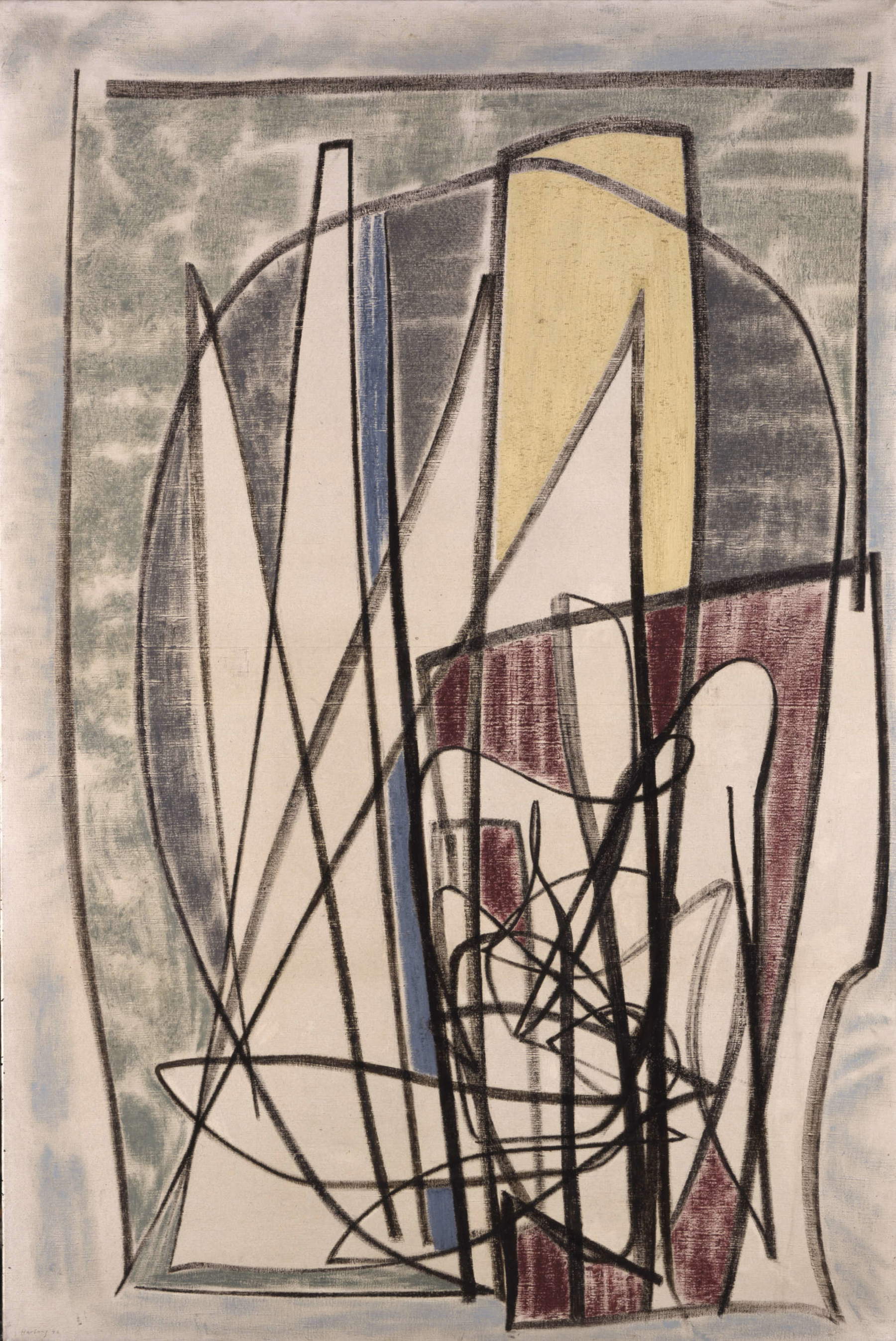
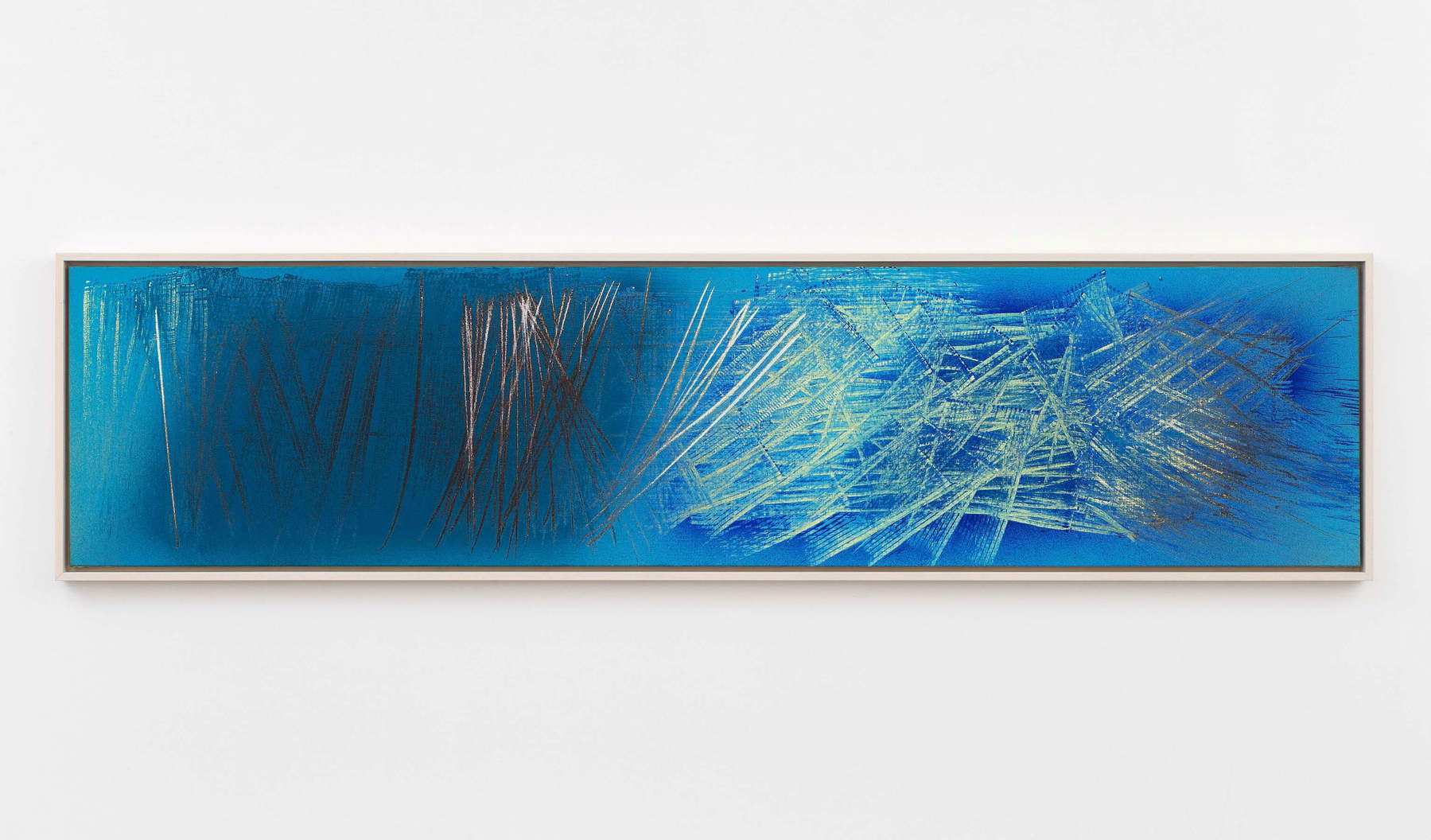
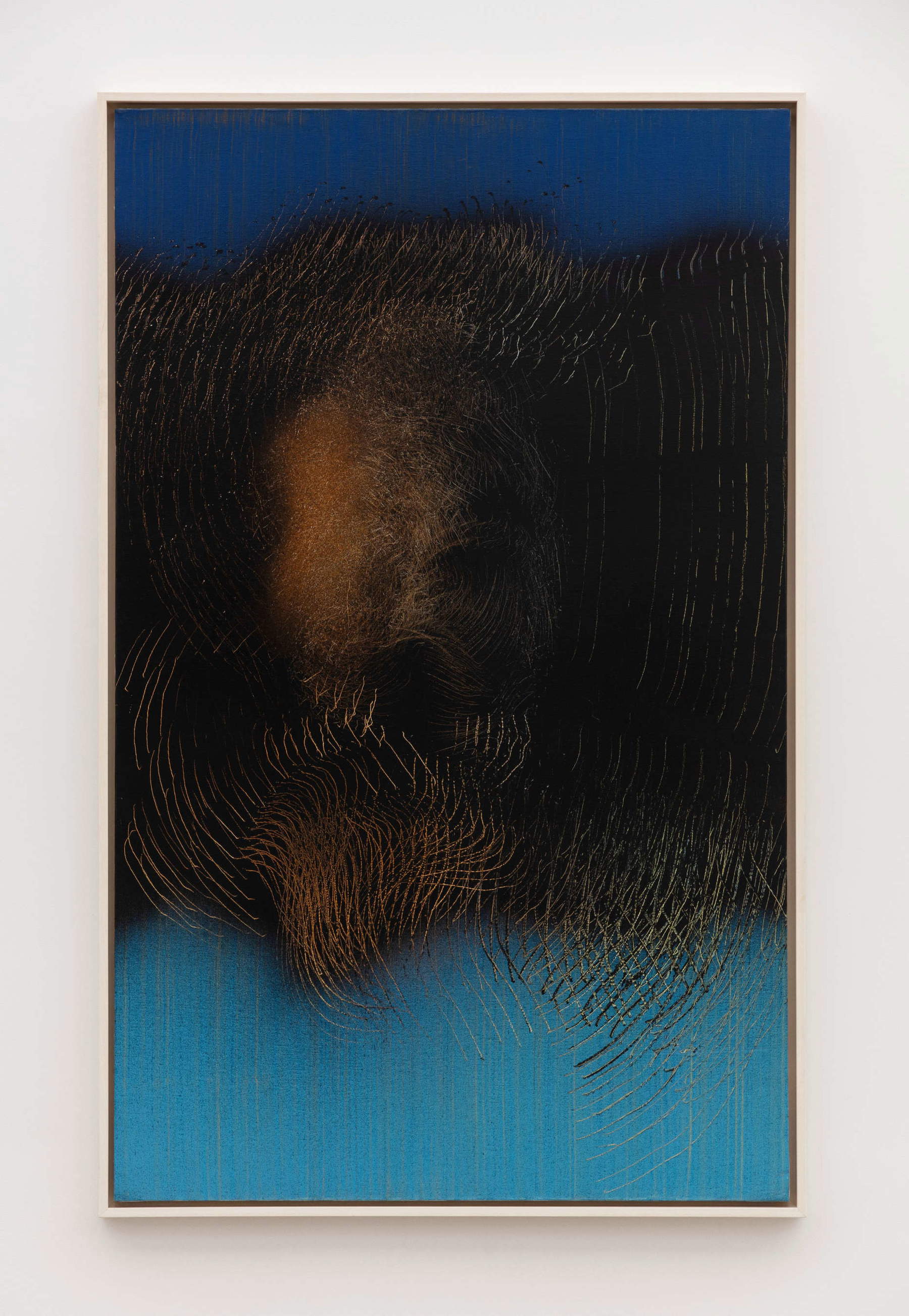
This continuous immersion in the sound world was inevitably reflected in his painting. Although his works are devoid of any explicit musical element, they appear to be shot through with rhythms, harmonies, tensions and impulses that seem to translate the sensations generated by listening into images. The pictorial surfaces thus become places in which energies comparable to those of a musical composition are condensed.
Hartung never elaborated a systematic theory of the relationships between sound, form and color. Unlike artists such as Vasily Kandinsky or Arnold Schoenberg, who approached the subject from a theoretical and synaesthetic perspective, his relationship with music remained essentially physical, direct and intuitive. For him, music was not an object of intellectual reflection but a necessary condition for artistic creation. Indeed, the artist considered painting and life as inseparable elements: the joy of living coincided with the joy of painting, and music represented the engine capable of fueling both. In this perspective, the creative act takes on an almost vital dimension, sustained by continuous listening and emotional participation in the language of music.
The exhibition begins with the origins of this passion through documents and early works that testify to Hartung’s early interest in the world of sound. The possible analogies between some of the procedures of his abstract painting and the compositional mechanisms inherent in music are analyzed, highlighting how certain visual structures can be approached to the principles of orchestration and musical construction. The exhibition also delves into the ideal relationships between Hartung’s work and such fundamental figures in the history of music as Johannes Brahms and Karlheinz Stockhausen, identifying affinities that concern both formal and emotional and perceptual dimensions.
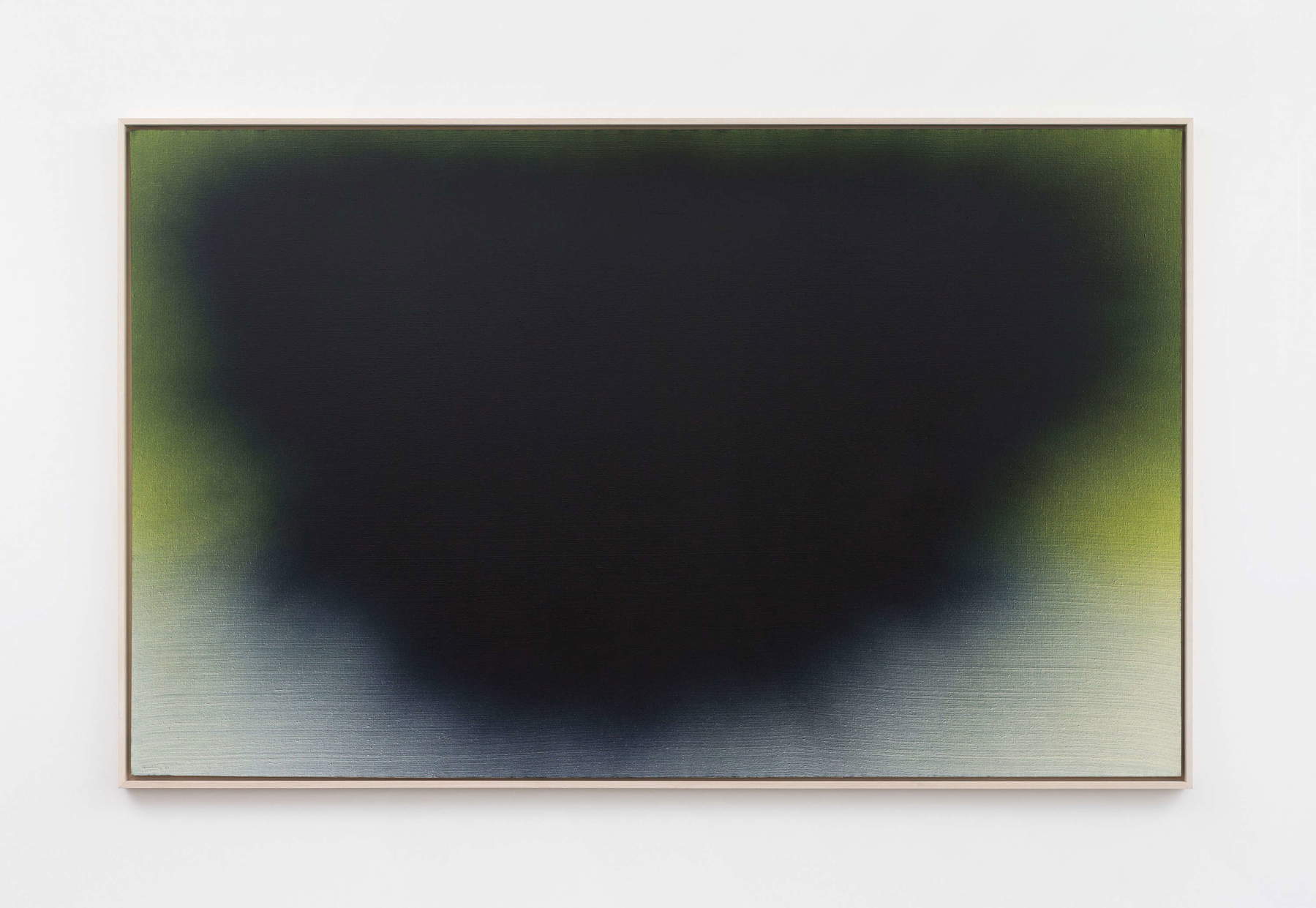
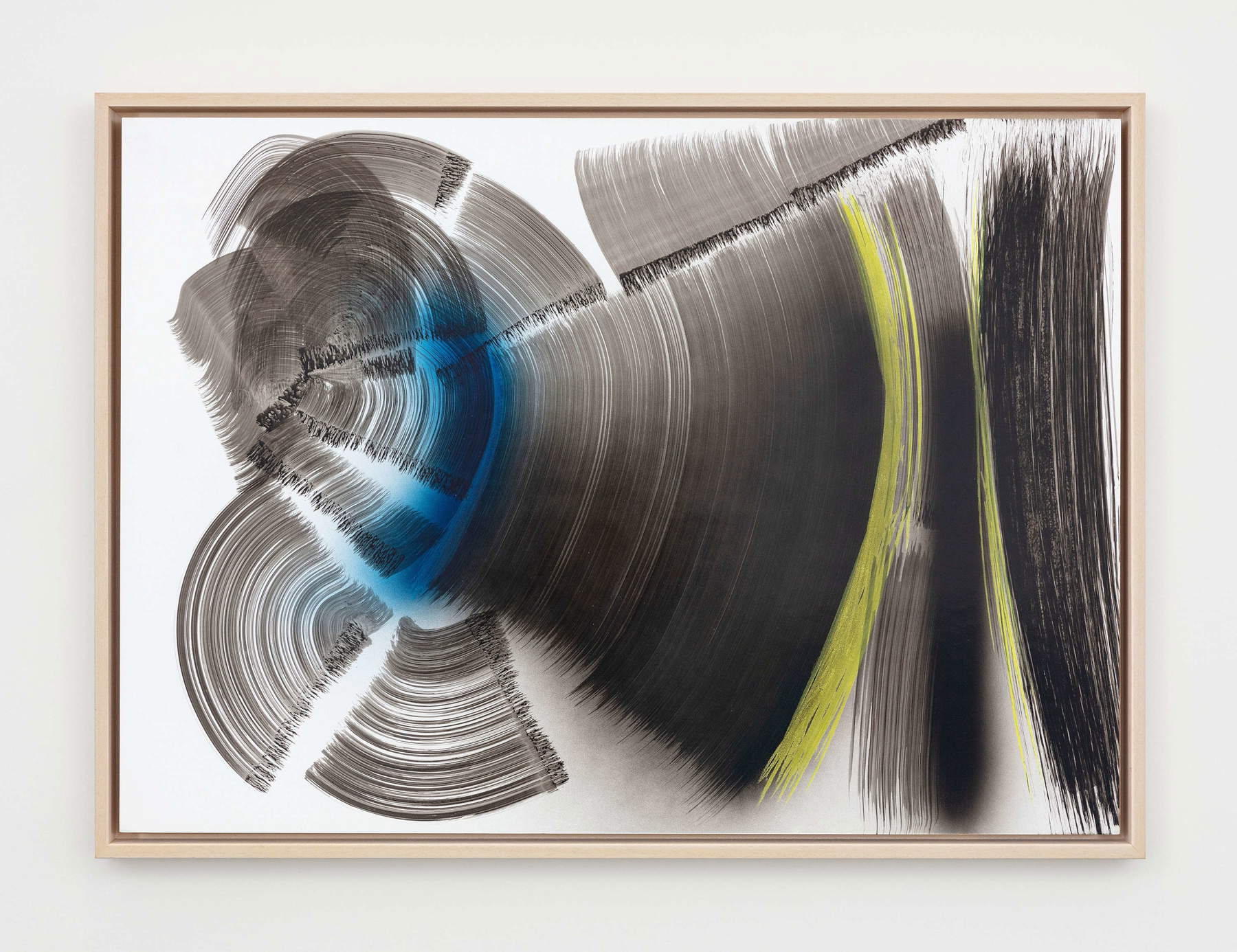
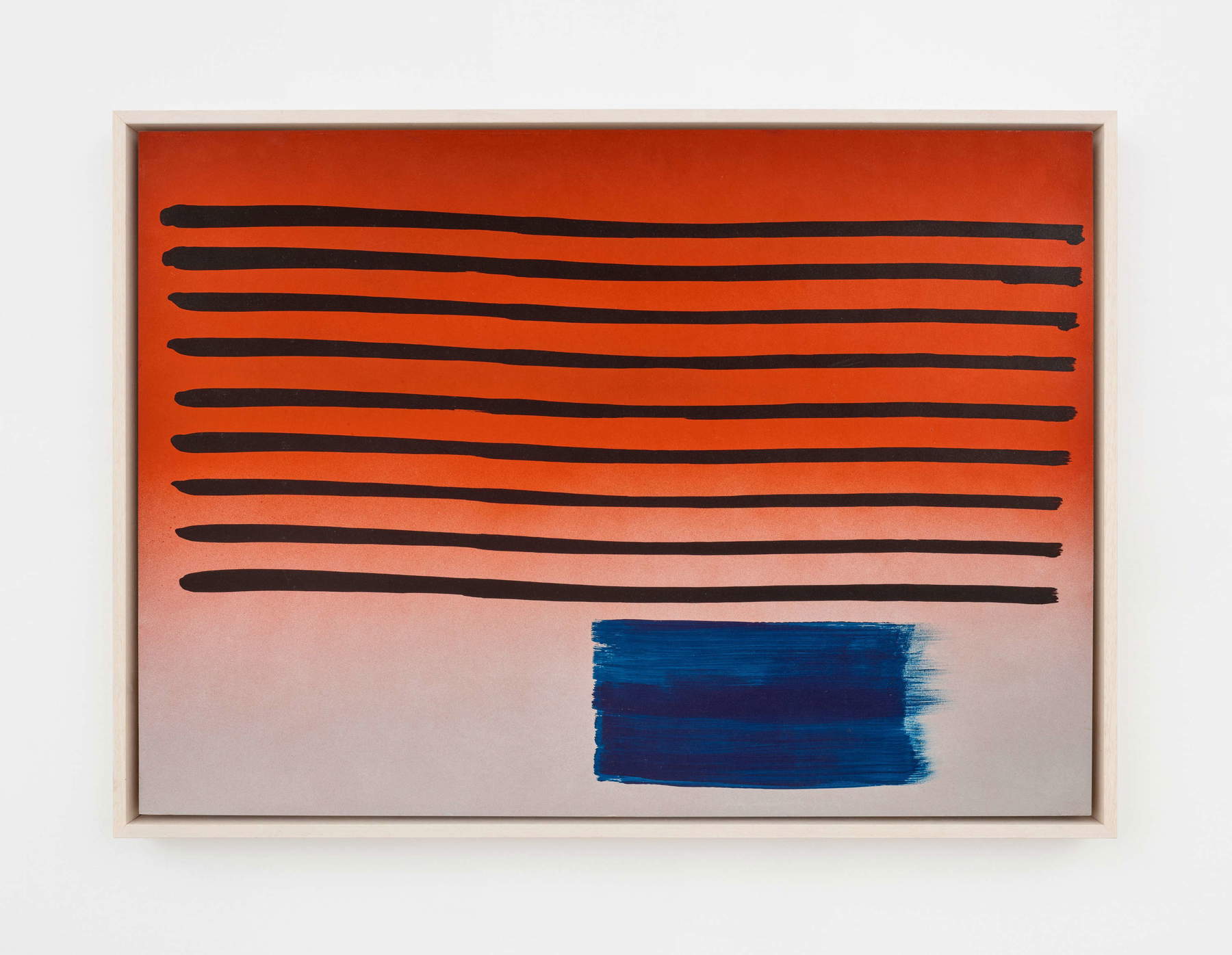
Special attention is given to the composers who concretely accompanied the artist’s work. These include the great masters of the Baroque, from Johann Sebastian Bach to Georg Friedrich Händel to Antonio Vivaldi. The notes of the Goldberg Variations, the Sarabande or the Four Seasons routinely resonated in his studio as he painted using brushes, lithography rollers or technical instruments adapted to artistic practice.
Alongside the great classics, Hartung also manifested interest in modern and contemporary authors. Lili Boulanger, Pierre Boulez and Philip Glass were part of his regular sound acquaintances, helping to nurture a sensibility open to the transformations of twentieth-century musical language. One of the most significant nuclei of the exhibition explores the dialogue between the artist’s production and the cultural climate of the 1960s. In this context emerges the cosmo-psychedelic dimension that characterized that decade and found correspondences not only in the visual arts but also in the international rock scene. Hence the ideal reference to sound universes reaching as far as Pink Floyd, evoked as part of a cultural constellation capable of dialoguing with some of the tensions present in the artist’s painting.
The exhibition also moves toward a reflection on the theme of silence, considered as a necessary counterfield to the sound dimension. A particularly significant theme for an artist who spent his existence immersed in music and who made listening an indispensable component of his creative practice. The exhibition also allows visitors to concretely enterHartung’s creative workshop through the presentation of some original tools from his atelier. These tools are related to the world of musical instruments, highlighting how the artist’s gesture can be interpreted as a kind of performance, a performative act in which the body produces marks on the pictorial surface with an intensity comparable to that of musical performance.
Complementing the exhibition are archives, historical documents, and audiovisual materials that further explore the relationship between the artist and sound. These include footage in which musicians, composers, performers and choreographers, including Barbara Carlotti and Rodolphe Burger, are called upon to reflect on Hartung’s cultural and artistic legacy.
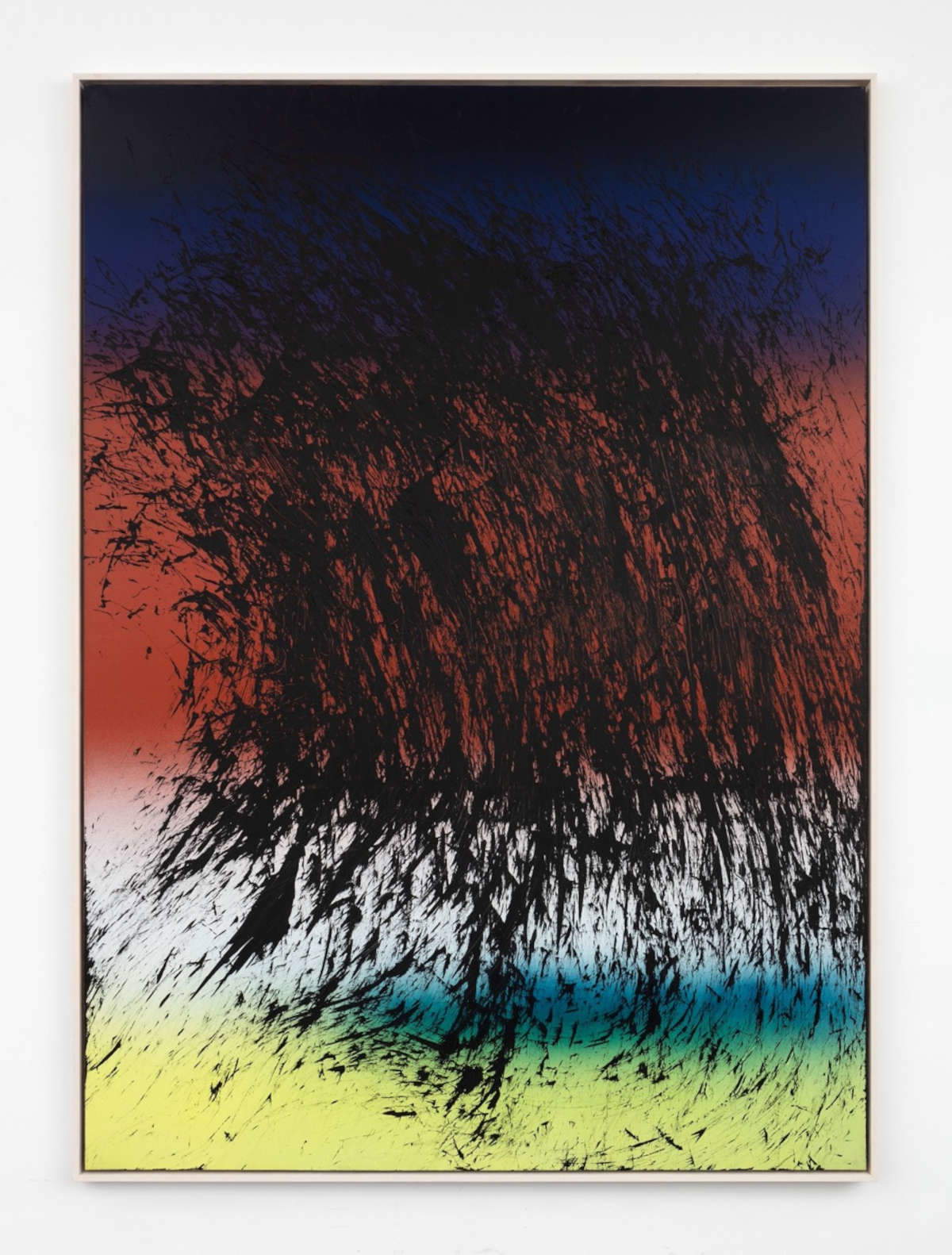
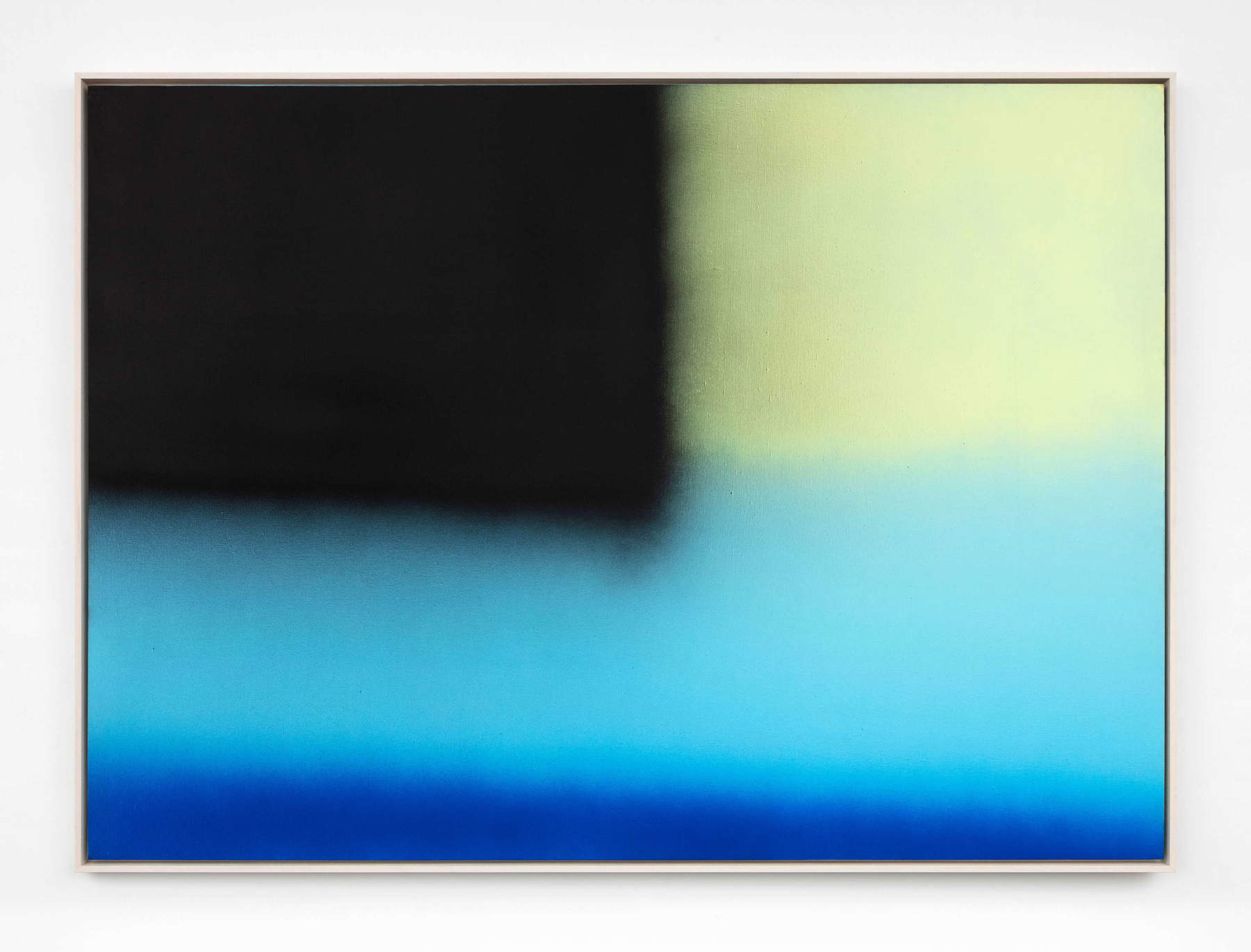
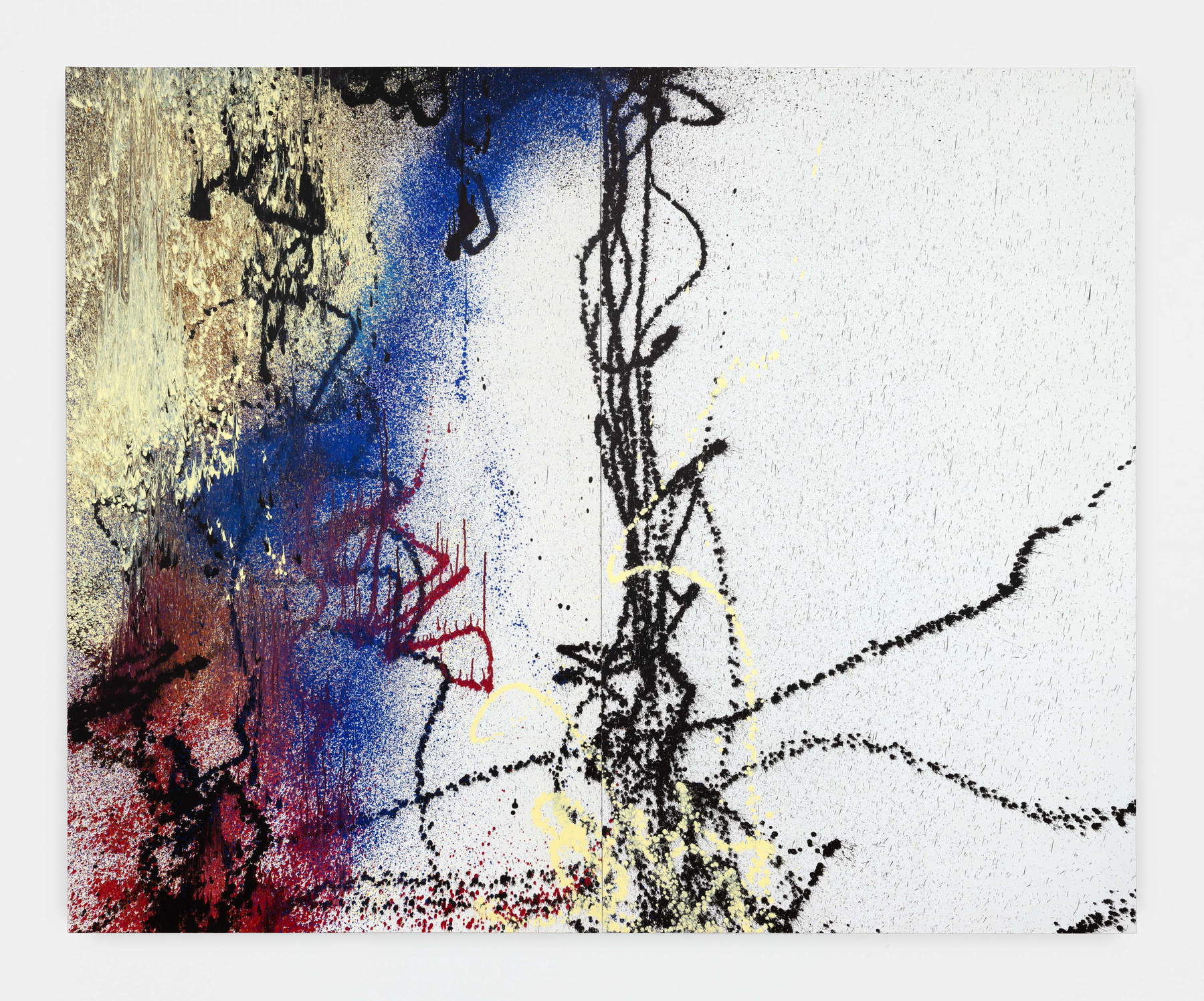
Born in Leipzig in 1904 and died in Antibes in 1989, Hans Hartung is considered one of the central figures of 20th-century European art. His career got off to a very early start. As early as 1922, when he was only eighteen years old, he produced a series of abstract watercolors characterized by a surprising intensity of expression, although he was not yet familiar with Kandinsky’s theories. From that moment, a nearly seventy-year-long journey took shape, marked by constant technical and formal research. Although he has often been presented as the principal interpreter of gestural, lyrical and emotional painting, his work reveals a profound rational component. Indeed, from the very beginning, Hartung manifested an interest in the relationship between art and mathematics, developing a quest in which spontaneity and control coexist in balance.
Between the 1930s and the late 1950s, the artist initially produced small-scale works on paper, which he later transferred to large canvases through a precise system of enlargement based on the use of grids. This method testifies to a rigorous design structure often hidden behind the apparent immediacy of the sign.
A decisive turning point came in the 1960s. After his recognition at the 1960 Venice Biennale, Hartung gradually abandoned the image-transfer process and began working directly on canvas. At the same time he develops new techniques and experiments with innovative materials such as fast-drying acrylic and vinyl paints and introduces scratching, etching and spraying practices. Technological research becomes an integral part of his work. The artist designs and makes numerous personal tools that enable him to further expand the expressive possibilities of the painterly gesture. The tension toward a balance between spontaneity and perfection will remain a constant in his production until the last days of his life.
Even in his final years, spent in the house-atelier in Antibes designed by himself, Hartung continued to paint with extraordinary intensity, producing some of the most radical works of his career. His research never stopped evolving, keeping alive that combination of energy, rigor and freedom that made him one of the most significant figures in international abstract art.
|
| Hans Hartung and music, the dialogue between painting and sound on display in Venice |

Warning: the translation into English of the original Italian article was created using automatic tools. We undertake to review all articles, but we do not guarantee the total absence of inaccuracies in the translation due to the program. You can find the original by clicking on the ITA button. If you find any mistake,please contact us.
















 IT
IT FR
FR DE
DE ES
ES CN
CN


