



by Redazione 18/05/2026



Categories: Exhibitions / Disclaimer
From March 11 to May 29, 2026, the Malta Biennale takes place at 11 sites. Direction Rosa Martínez, theme "Clean | Clear | Cut" and expanded program with 27 pavilions, including 8 national and 19 thematic with international collaborations.

The Malta Biennale 2026 will conclude on May 29, 2026 after an 11-week exhibition period from March 11, involving 11 historical and museum sites. The edition is developed as a diffuse platform that integrates international and Maltese artistic interventions within existing architectural and museum contexts. For the 2026 edition, the artistic direction is entrusted to international curator Rosa Martínez. The theme chosen is Clean | Clear | Cut, which orients the conceptual framework of the event and defines the framework within which the various artistic and curatorial presences at the sites involved are articulated.
The 2026 edition includes an expansion of exhibition offerings with a total of 27 pavilions. Of these, eight are national pavilions and include Malta, Poland, Spain, Finland, Armenia, China, Serbia and France, flanked by 19 thematic pavilions. The program also contemplates collaborations with other international biennials, including the Gwangju Biennale in South Korea and the Çanakkale Biennial Initiative (CABANIN).


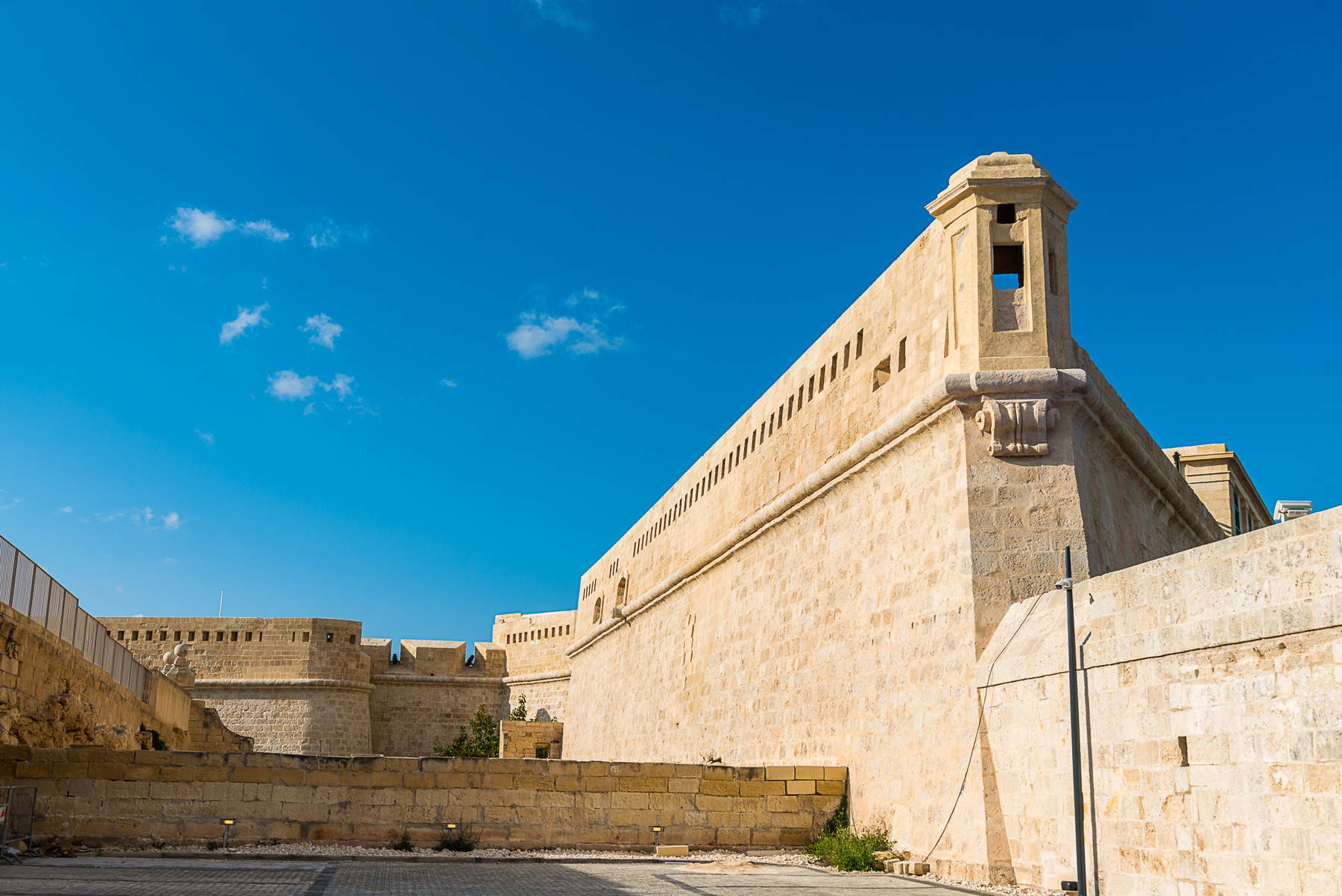
The Malta Biennial was launched in 2024 with a total duration of 11 weeks, placed between mid-March and the end of May. The first edition transformed the Maltese islands into a diffuse exhibition system, with a broad involvement of international contemporary art practices and afocus on Mediterranean-related themes, including cultural dynamics, gender issues, reinterpretations of the phenomenon of piracy and reflections on post-colonialism. The initiative has received the patronage of UNESCO and that of the President of the Republic of Malta.
The project was created at the initiative of Heritage Malta President Mario Cutajar and takes the form of a platform at the intersection of contemporary art and cultural heritage. In fact, all exhibition projects are hosted within existing historic venues that have been temporarily transformed into exhibition spaces.
The first edition saw the participation of more than 100 artists from 35 countries, selected from about 2,500 submissions. The works were distributed across 21 historic sites, largely managed by Heritage Malta, with a spatial scope that also included the Three Cities and other archipelago settings such as the citadel of Gozo. The 2024 participants included national and thematic pavilions involving France, Germany, China, Austria, Poland, Serbia, Ukraine, Italy, Spain and Malta, among others. The curatorial structure included alternating national projects and thematic interventions related to the conceptual lines of the event.
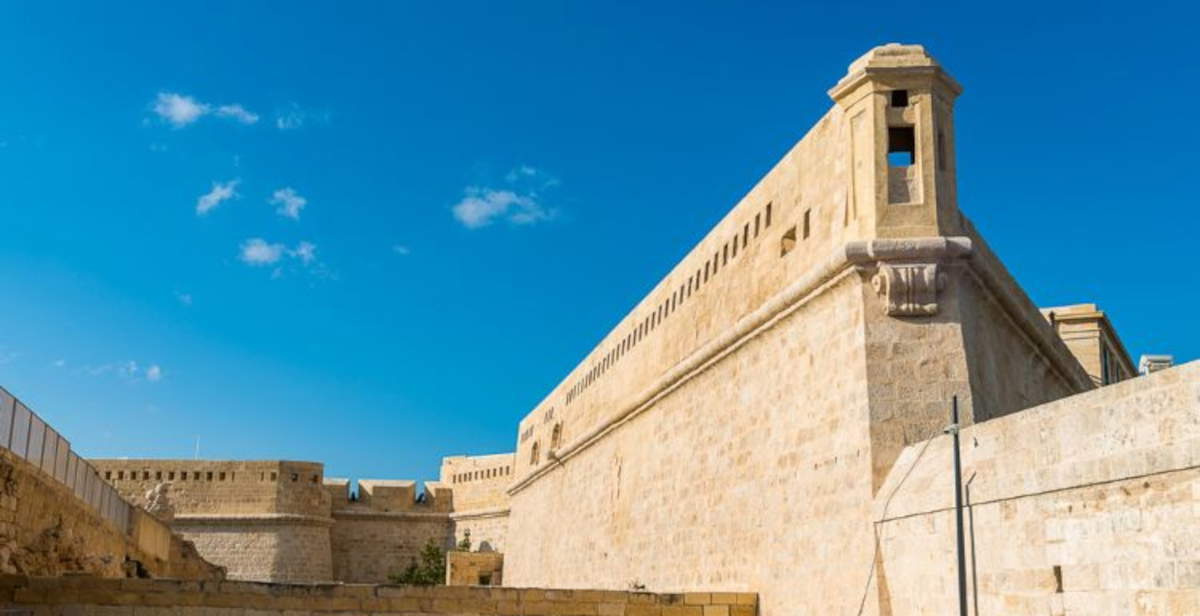 |
| Malta Biennale 2026 closes May 29: 27 pavilions and historic venues spread out |
Warning: the translation into English of the original Italian article was created using automatic tools. We undertake to review all articles, but we do not guarantee the total absence of inaccuracies in the translation due to the program. You can find the original by clicking on the ITA button. If you find any mistake,please contact us.