




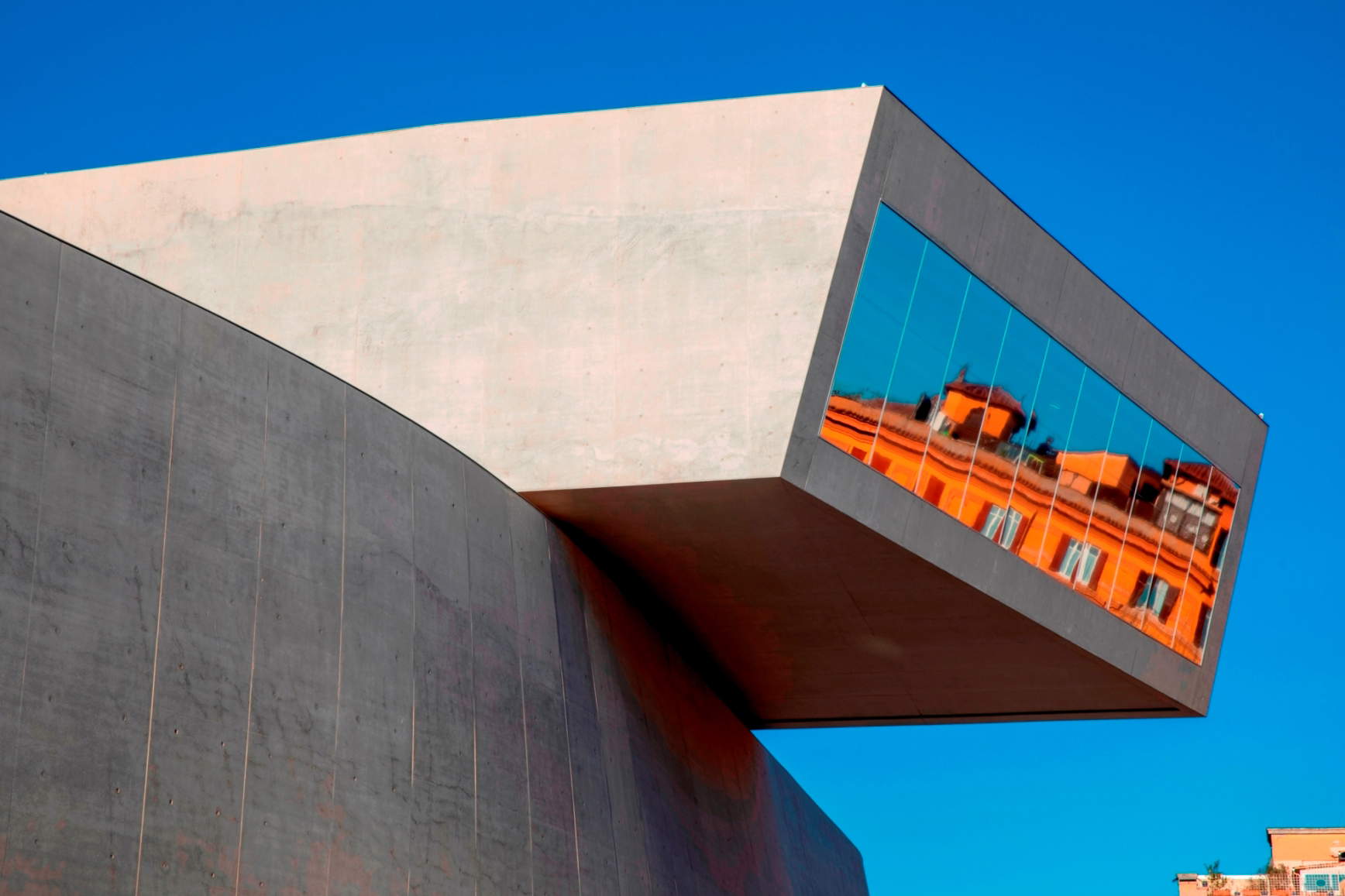
The year 2026 at MAXXI in Rome opens with a broad and diverse program designed to explore contemporary Italian creativity while observing global transformations in the artistic and architectural landscape. The year also marks the 80th anniversary of the Italian Republic and will be marked by notable changes in the Museum’s spaces, both interior and exterior. The Museum’s entrance and Piazza will undergo interventions that will replace some cemented areas with green spaces as part of an urban regeneration project.
“In 2026, MAXXI’s mission is to continue to innovate, to be more and more open, accessible and permeable, with quality cultural proposals and an eye always on research,” says Maria Emanuela Bruni, MAXXI Foundation President. “It will be a year of novelties, of works and construction sites that will transform the Museum Square into a greener and more welcoming place; a special year for the MAXXI L’Aquila venue, one of the main protagonists of L’Aquila Capital of Culture; a year in which we will continue to plan, rethinking some programs and inaugurating new ones.MAXXI will be a place of critical elaboration and much more than just an exhibition container, fully embracing the vision of Zaha Hadid, who envisioned it as a modern Roman forum. In our program, art, architecture, design, photography and performance dialogue in full harmony thanks to the skillful work of Artistic Director Francesco Stocchi, Lorenza Baroncelli, who directs the Department of Contemporary Architecture and Design, and all the museum’s professionals.”
The calendar kicks off in late January with two special projects. The first is William Kentridge ’s return to MAXXI with BREATHE DISSOLVE RETURN, a total experience combining images, sounds and original music by Philip Miller. The project, curated by Oscar Pizzo and Franco Laera, is co-produced by MAXXI and Change Performing Arts in collaboration with the South African artist’s studio. Gallery 5, already used for Bob Wilson’s Mother, is thus confirmed as a meeting place for visual and performing arts. The second project celebrates musician and intellectual Franco Battiato, five years after his death. The exhibition Franco Battiato. Another Life, curated by Giorgio Calcara with Grazia Cristina Battiato, will be hosted in the MAXXI Extra Space from Jan. 31. The exhibition, co-produced by the Ministry of Culture and MAXXI and organized by C.O.R. Creare Organizzare Realizzare, aims to restore a comprehensive portrait of Battiato’s cultural contribution, from music to philosophy.
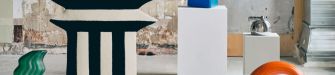
From March 20, MAXXI will again change the appearance of its lobby with the second edition of the ENTRATE program, dedicated to contemporary design and curated by Martina Muzi. Spanish studio TAKK intervenes by transforming the ground floor into an interactive space through six mobile installations, which aim to engage visitors in an experience to be discovered and lived.
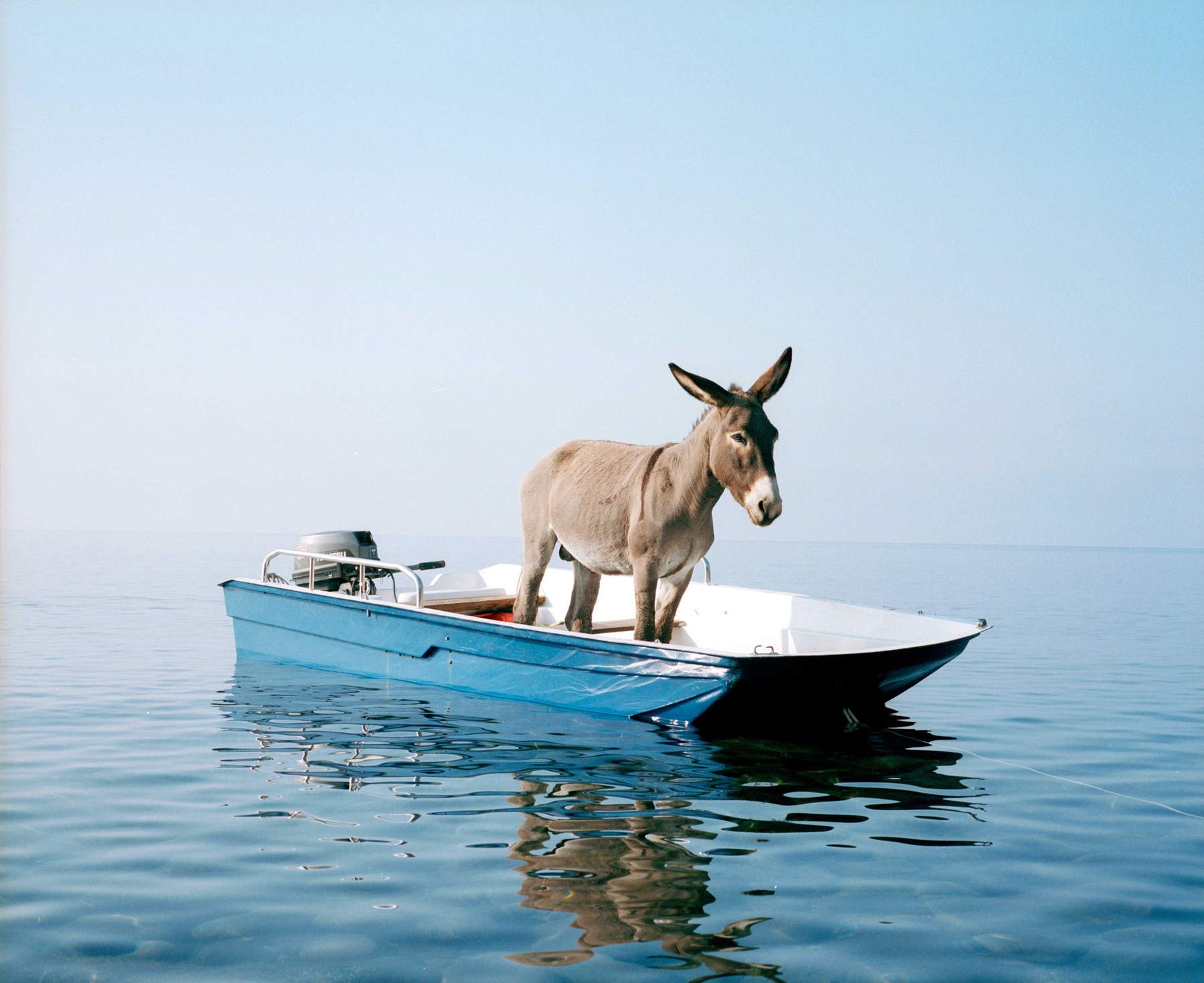
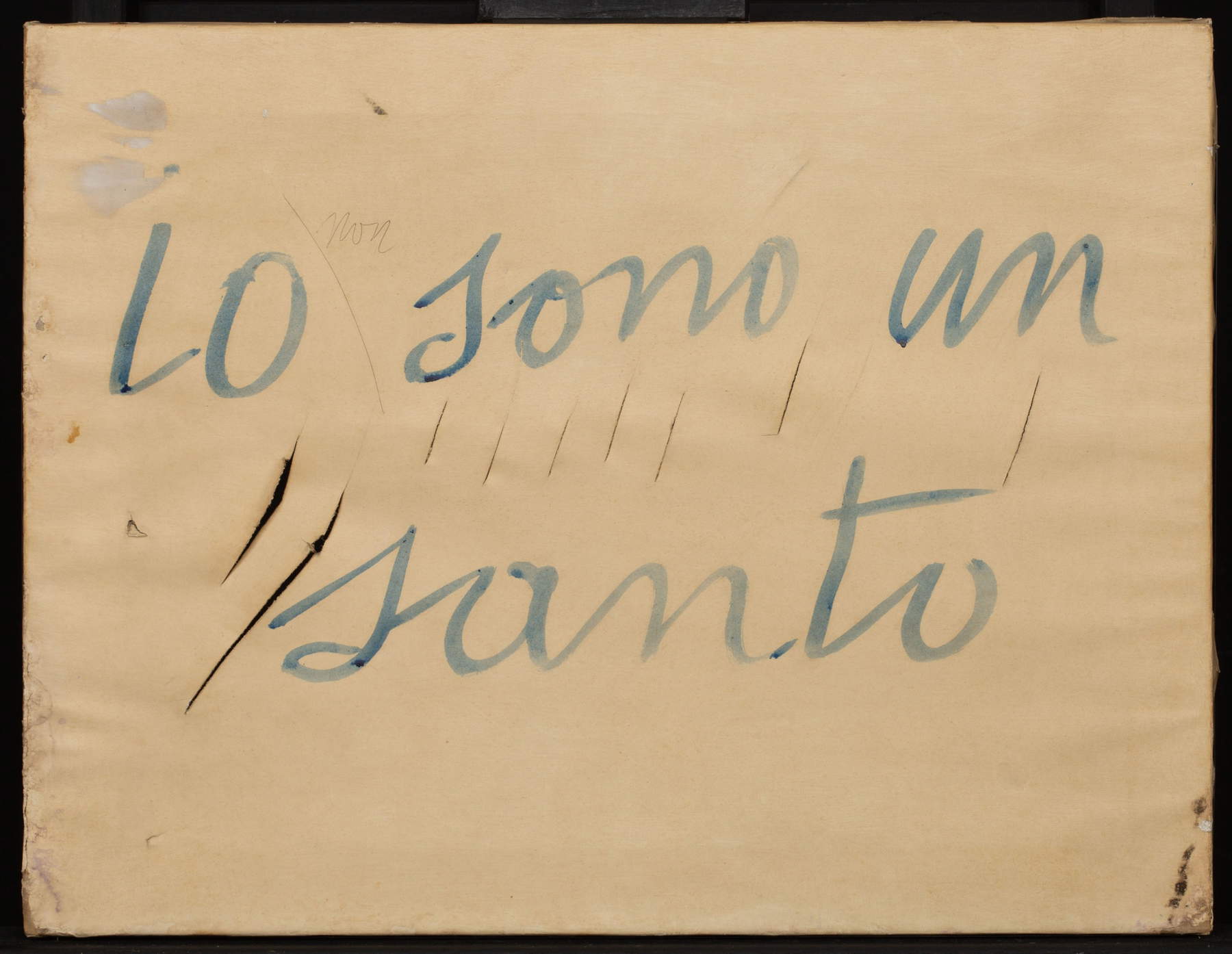
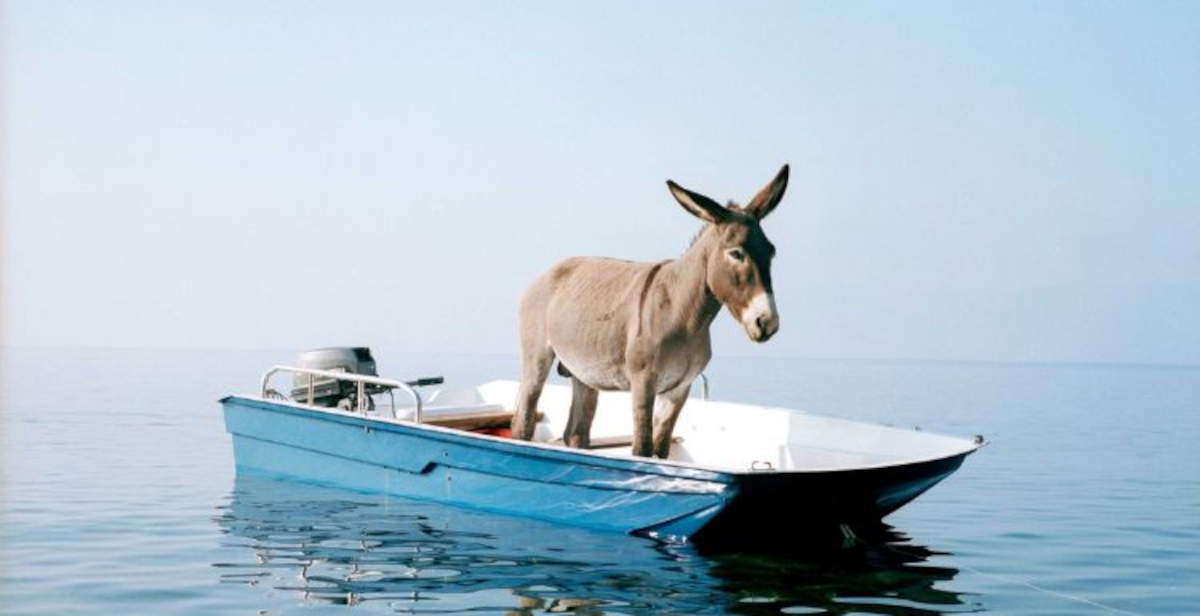
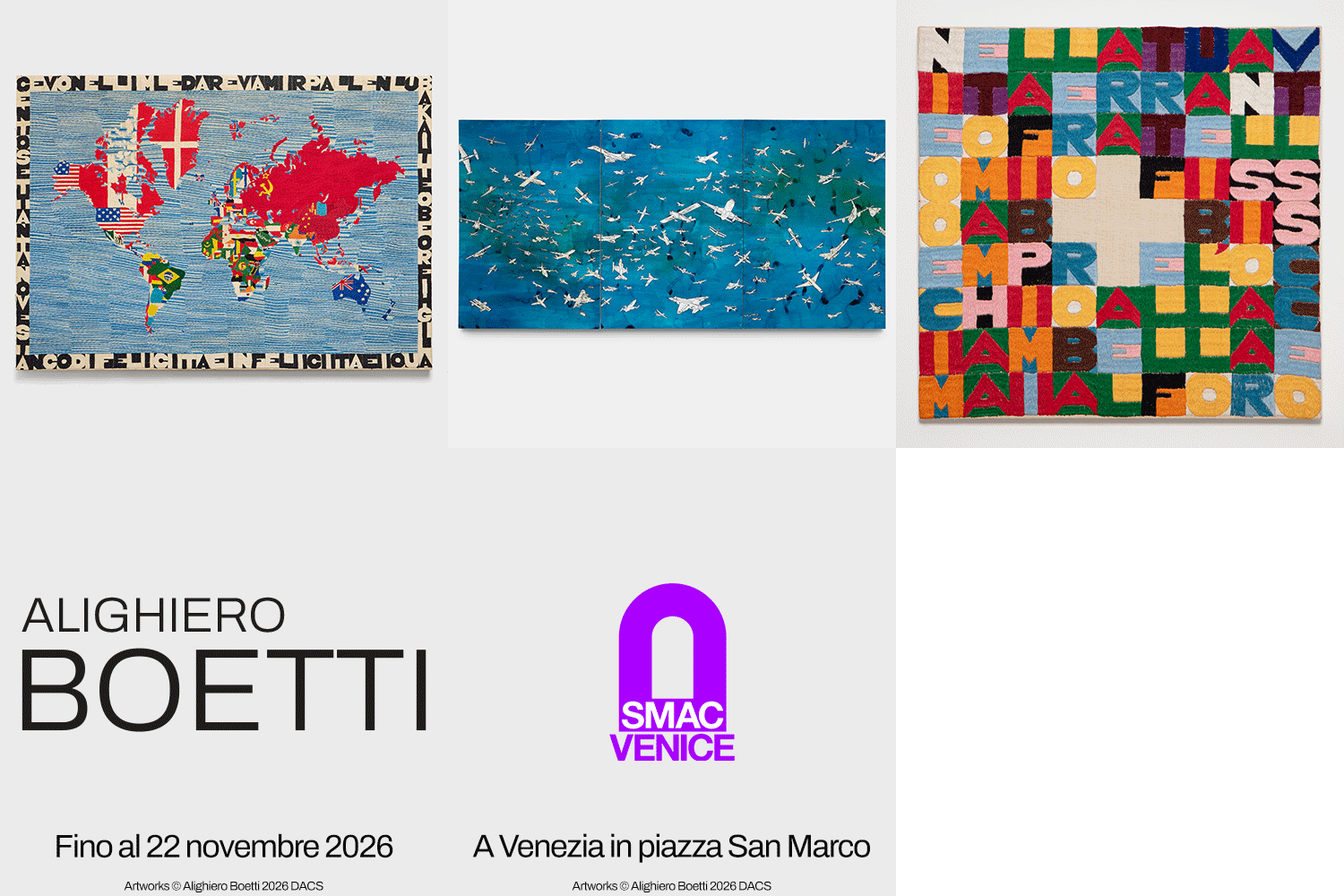
The official opening of the spring season takes place on April 2 with Tragicomica. Italian Art from the Second Twentieth Century to the Present, an exhibition curated by Andrea Bellini and Francesco Stocchi that analyzes Italian cultural production from the postwar period to the present. Through works by more than 140 artists and an articulated public program, the project explores the comic and self-mocking element as a distinctive feature of the national artistic tradition, extending the reflection to cinema, theater, literature and philosophy. Artists featured include Elena Bellantoni, Mirella Bentivoglio, Alighiero Boetti, Maurizio Cattelan, Gino De Dominicis, Lucio Fontana, Chiara Fumai, Silvia Giambrone, Valerio Nicolai and Paola Pivi. Contextually, the focus The archive of the magazine Segno is presented. International Contemporary Art News, 1976-2026, curated by Paolo Balmas, which documents forty years of international critical production.
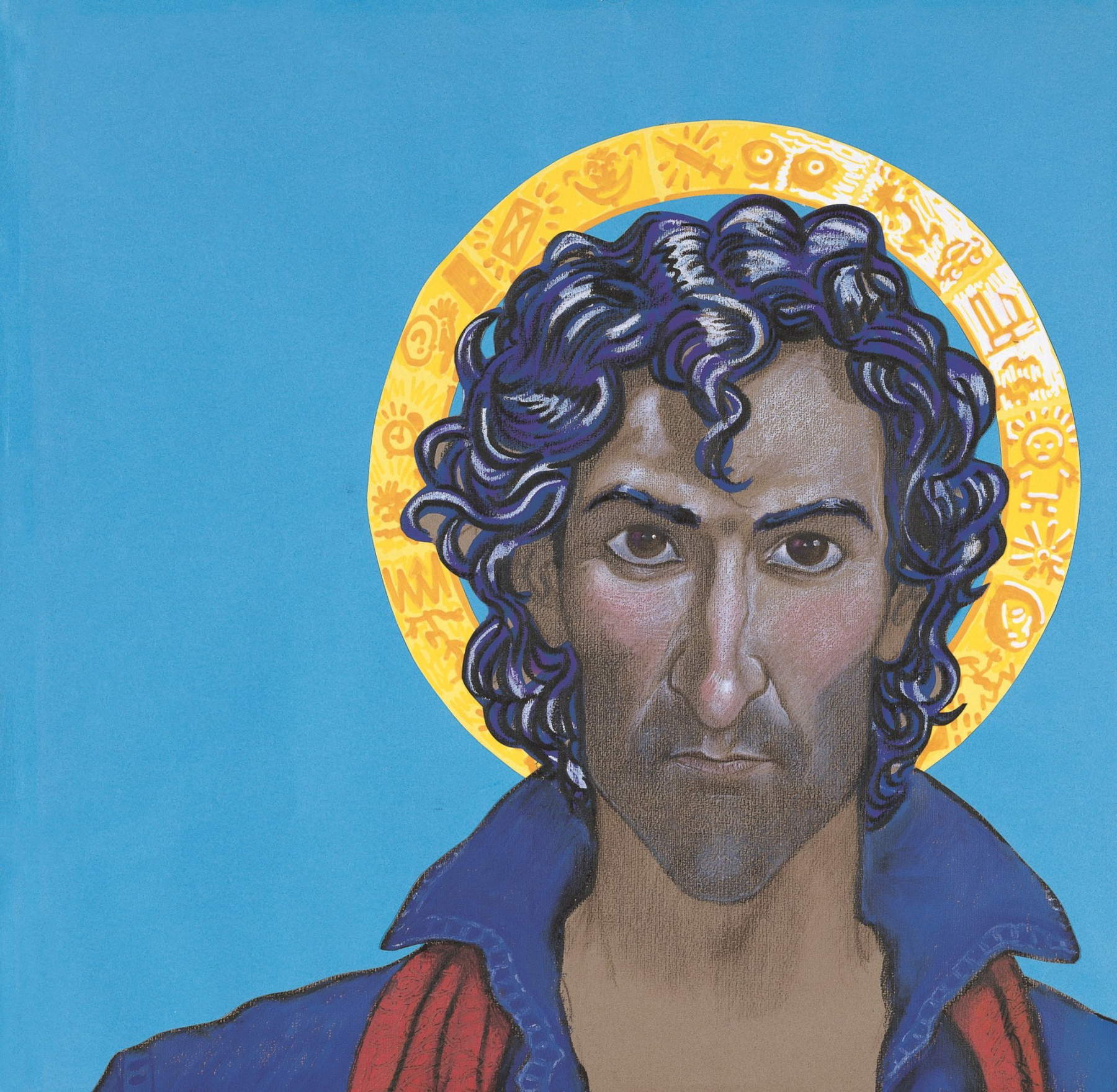
From April 23, the second chapter of the monographic exhibition on Andrea Pazienza arrives in Rome, following its success at MAXXI L’Aquila. The exhibition Andrea Pazienza. You Don’t Always Die, curated by Giulia Ferracci and Oscar Glioti, investigates the relationship between word and image in the cartoonist’s works, with hundreds of plates depicting characters such as Zanardi, Pentothal, Pertini and Pompeo. In May, an exhibition dedicated to St. Francis of Assisi, sponsored by the Ministry of Culture and MAXXI as part of the celebrations for the eighth centenary of the saint’s death and curated by Beatrice Buscaroli, opens in Spazio Extra MAXXI.
Architectures from Italy, curated by Pippo Ciorra and Elena Tinacci, opens on May 29 to coincide with the 80th anniversary of the Italian Republic. The exhibition brings together contributions from leading Italian architects and the most important projects completed in recent years, bringing together established masters and young talent from the NXT program. The winning work of NXT will become the temporary summer installation in the MAXXI plaza, with the aim of making the space a place to meet and play. At the same time, MILAN UNIT opens, an installation that brings together the photographic and documentary production of Ramak Fazel between 1994 and 2009, offering a reading of the Italian design and architecture scene.
In September, MAXXI hosts the finalists of the MAXXI BVLGARI PRIZE, a project dedicated to young artists promoted together with the Bvlgari Foundation. For the first time, the trio, Chiara Bersani, Adji Dieye and Margherita Moscardini, is entirely female. The works, site-specific, created especially for the prize, will be exhibited and, at the end of the event, the winning artist will enter the Museum’s collection.
Fall expands the international perspective. In October comes the exhibition on Gordon Matta-Clark, an artist known for radical interventions in architectural space and his collective, participatory approach. Also in the fall, the ninth edition of NATURE presents site-specific installations curated by international architects, with Tatiana Bilbao as the protagonist. In November, Ordering the World. The Archive of Nanda Lanfranco, curated by Lara Conte, restores the photographer’s artistic journey through unpublished documents and prints. In the same period, Sensing the Future, curated by Gabriele Simongini, offers a dialogue between historical futurism and contemporary production. Also in November, 11 plus Rooms, curated by Hans Ulrich Obrist, Klaus Biesenbach and Francesco Stocchi, presents living sculptures by eleven international artists, transforming the public into spectators and participants.
In December, the exhibition The Geopolitics of Architecture. The Outposts of Design, curated by Pippo Ciorra and Dario Fabbri, explores the relationship between global instability and architectural design, while The Olympic Village in Rome. The World in 30,000 square meters, curated by Micaela Antonucci and Carla Zhara Buda, recounts the Olympic Village as a temporary experiment in international cohabitation. At the same time, the Grande MAXXI project, under the scientific direction of Margherita Guccione, is taking shape, aimed at the regeneration of the Flaminio district, with construction sites underway and interventions already visible to the public. Piazza Alighiero Boetti will be transformed by Bas Smets, a landscape architect, with new green areas, while an urban park facing Via Masaccio will be partly accessible. Work will continue on the MAXXI Hub, a multifunctional and sustainable building designed by international studio LAN.
MAXXI L’Aquila opens its 2026 season on April 28 with Aftershock, an exhibition by Ai Weiwei curated by Tim Marlow, which investigates the impact of natural disasters and conflicts on humans and the environment through film, video, photography, sculpture and installation. Also in L’Aquila, Marinella Senatore ’s SOND - The School of Narrative Dance project includes a spatial research that will culminate in a widespread performance in late May and early June. In June, the exhibition Convergences and Continuities. Architectures and Urban Landscapes in Abruzzo 1930-1960, curated by Mario Centofanti, Raffaele Giannantonio and Andrea Mantovano, will be hosted in the restored spaces of Palazzo Ex Omni. Finally, in September, Palazzo Ardinghelli will host an exhibition dedicated to Fabio Mauri, curated by Maurizio Cattelan and Marta Papini, on the occasion of the centenary of the artist’s birth, with a focus on the works he created during his teaching activities and his connection with the city and its inhabitants.
 |
| MAXXI 2026: a year of exhibitions, architecture and urban regeneration |

Warning: the translation into English of the original Italian article was created using automatic tools. We undertake to review all articles, but we do not guarantee the total absence of inaccuracies in the translation due to the program. You can find the original by clicking on the ITA button. If you find any mistake,please contact us.















 IT
IT FR
FR DE
DE ES
ES CN
CN


