





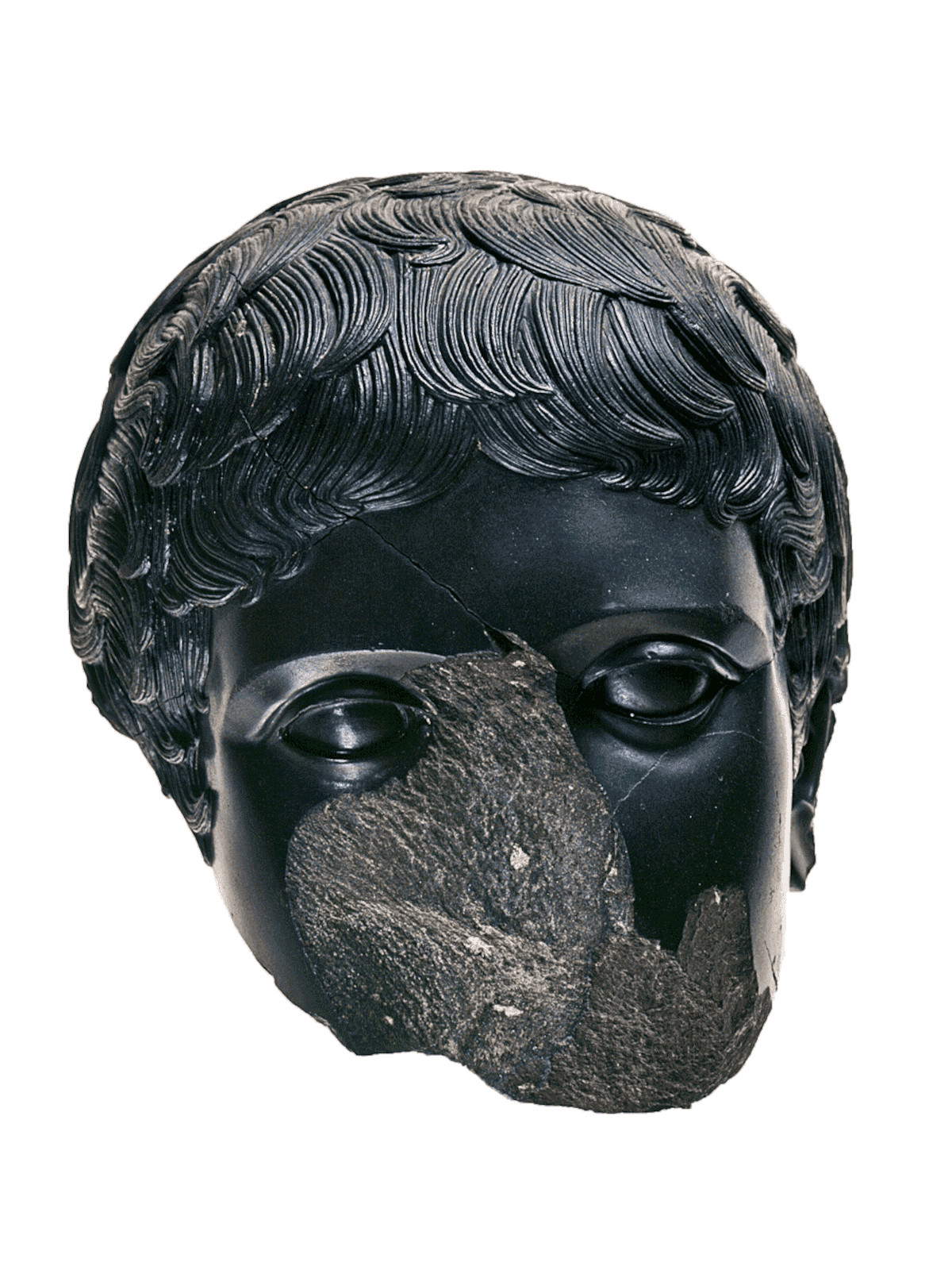
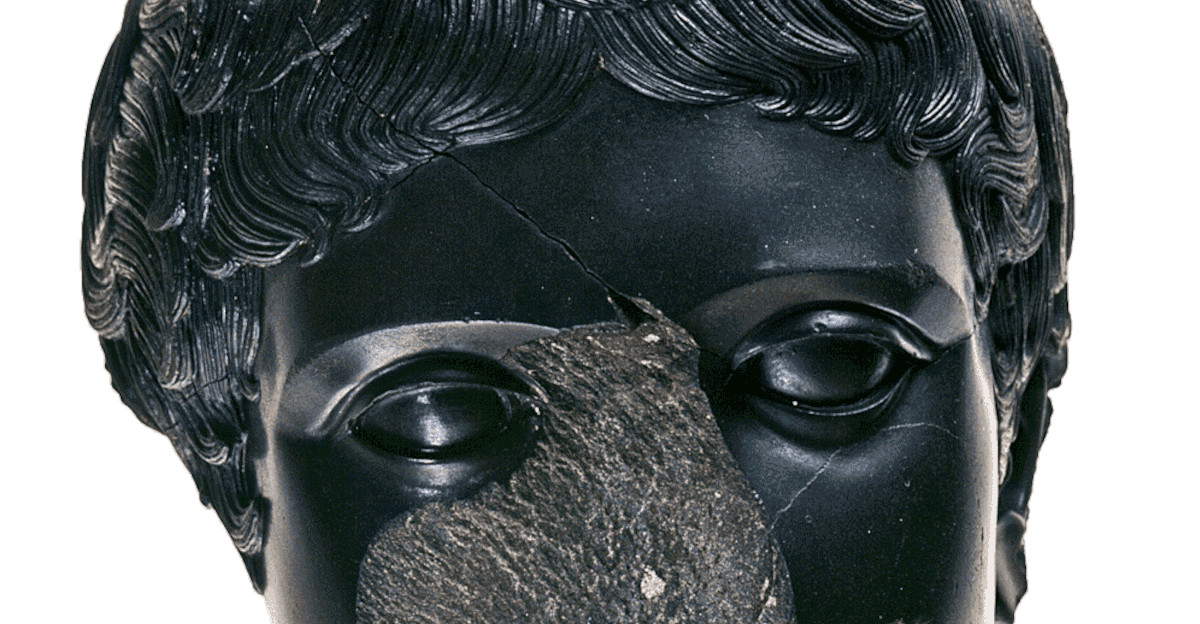
Palazzo Strozzi announces its next exhibition: it will be titled Broken. The Power of the Fragment and will be dedicated to the theme of the fragment from archaeology to contemporary art, with the aim of investigating the symbolic, aesthetic and evocative value of fragments, highlighting the fascination that these objects have exerted on humanity over the centuries. Open to the public from Sept. 25, 2026 to Jan. 24, 2027, it will be curated by C. D. Dickerson and Andrew Sears and produced in collaboration with the National Gallery of Art in Washington, DC, where it will be subsequently mounted in the spring of 2027.
More than ninety works from different eras and cultural contexts will be on view in the exhibition, emphasizing both the visual power of the fragments and the complex historical events they enshrine. The selection will include evidence from the ancient civilizations of Egypt, Greece, Etruria, and Mesoamerica, alongside works from pre-modern and early modern contexts, from Peru to Cambodia. Alongside the historical artifacts will be works by modern and contemporary artists who have made the fragment a tool for research and creative experimentation. These include Auguste Rodin, Alberto Giacometti, Louise Bourgeois, Huma Bhabha, Francesco Vezzoli and Danh Vo.
The exhibition aims to propose a reflection on the meaning of the fragment, an essential element for understanding the past but also an autonomous reality. Indeed, fragments turn out to be works endowed with their own identity, capable of narrating events of destruction, transformation and rebirth. Over time their symbolic value has profoundly changed: from traces of dramatic and traumatic events they have become sources of inspiration and tools for the imagination. Through this continuous process of reinterpretation, the fragments establish a living dialogue between past and present, offering new keys to interpreting history and human creativity.
The exhibition is organized by the Fondazione Palazzo Strozzi in Florence and the National Gallery of Art in Washington.
 |
| Palazzo Strozzi dedicates major exhibition to the fragment, from archaeology to contemporary art |

Warning: the translation into English of the original Italian article was created using automatic tools. We undertake to review all articles, but we do not guarantee the total absence of inaccuracies in the translation due to the program. You can find the original by clicking on the ITA button. If you find any mistake,please contact us.
























 IT
IT FR
FR DE
DE ES
ES CN
CN


