





There is a part of the body that runs through art history remaining almost always on the margins, rarely a protagonist and often relegated to a secondary role. Yet, precisely in this apparent absence lies one of the most interesting keys to reading the evolution of Western representation. It is from this insight that a curious exhibition in France was born: it is entitled Vu[e]s de dos. Une figure sans portrait and is set up in the spaces of the Les Franciscaines museum in Deauville, open to the public from February 28 to May 31, 2026 and curated by Annie Madet-Vache.
For the first time, an exhibition chooses to place the figure seen from behind at the center of its investigation , addressing its symbolic, aesthetic and cultural significance. A theme that, while spanning centuries of artistic production, had never been the subject of independent reflection. Common expressions such as “turning one’s back” or “being with one’s back to the wall” testify to the extent to which this part of the body is loaded with meanings in everyday language. However, its entry into art history as a main subject is surprisingly late. The exhibition, the result of years of research, unfolds as a chronological journey from late antiquity to contemporary times, alternating moments of linear reading with thematic insights. The visitor is invited to question the reasons for this long absence and the transformations over the centuries that made possible the emergence of the back as a central element of the image.
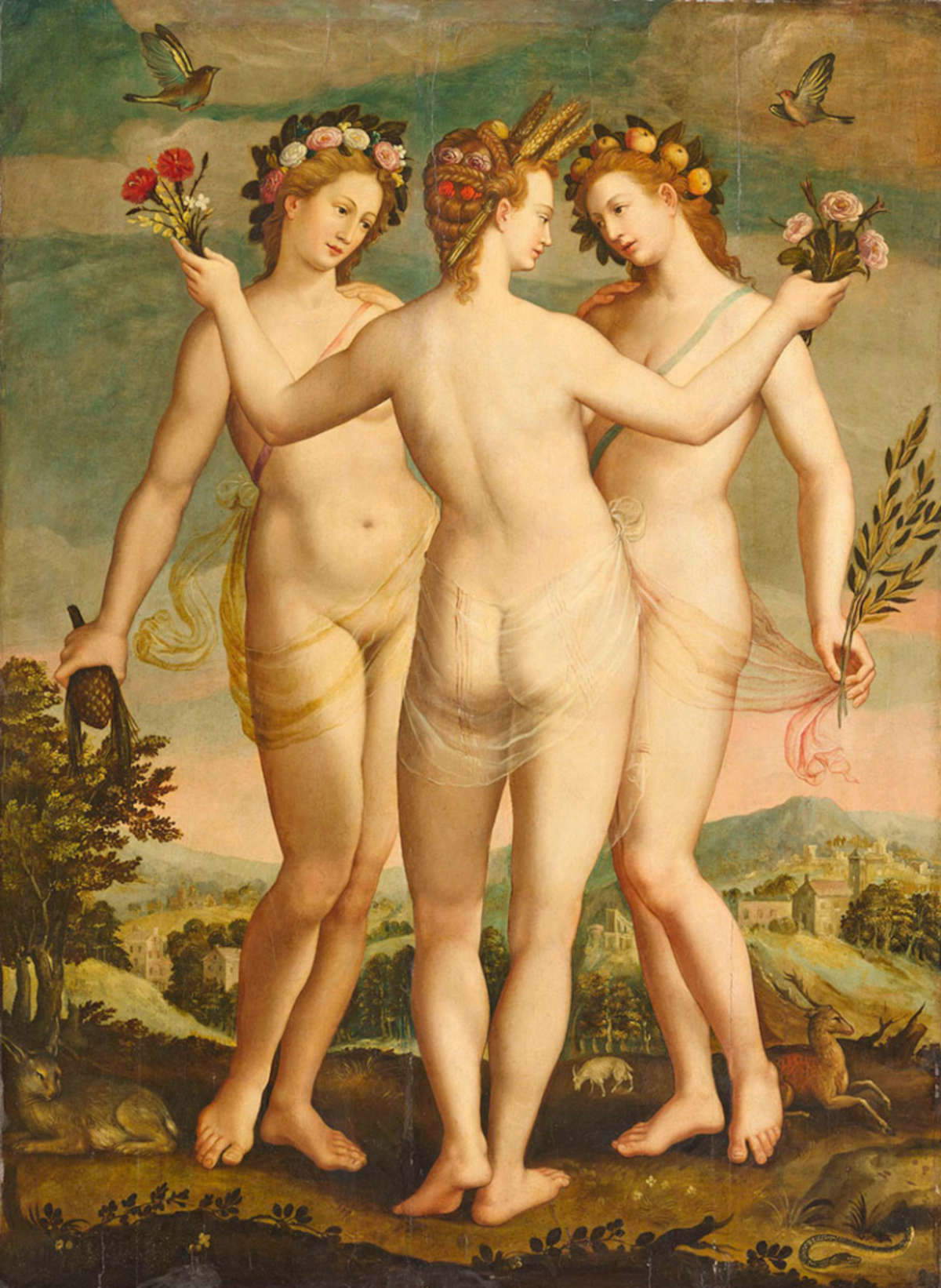
In the ancient world, depictions of figures seen from behind are rare but not absent. The few examples that have come down to us show that artists were already able to use this posture consciously. However, it is in the Middle Ages that the phenomenon declines further. Dominated by religiously based iconography, artistic production privileges frontal or profile figures, functional for recognition and devotion. The back remains confined to marginal presences, often subordinate to the main narrative.
With the advent of easel painting and the development of the individual portrait between the 14th and 15th centuries, the question of identity becomes central. The face, the seat of expression and recognizability, emerges as an indispensable element. In this context, depicting a figure from behind is almost tantamount to denying its identity, rendering it anonymous. It is therefore not surprising that, even during the Renaissance, despite the rediscovery of the human body and advances in the study of anatomy, this posture remained an exception.
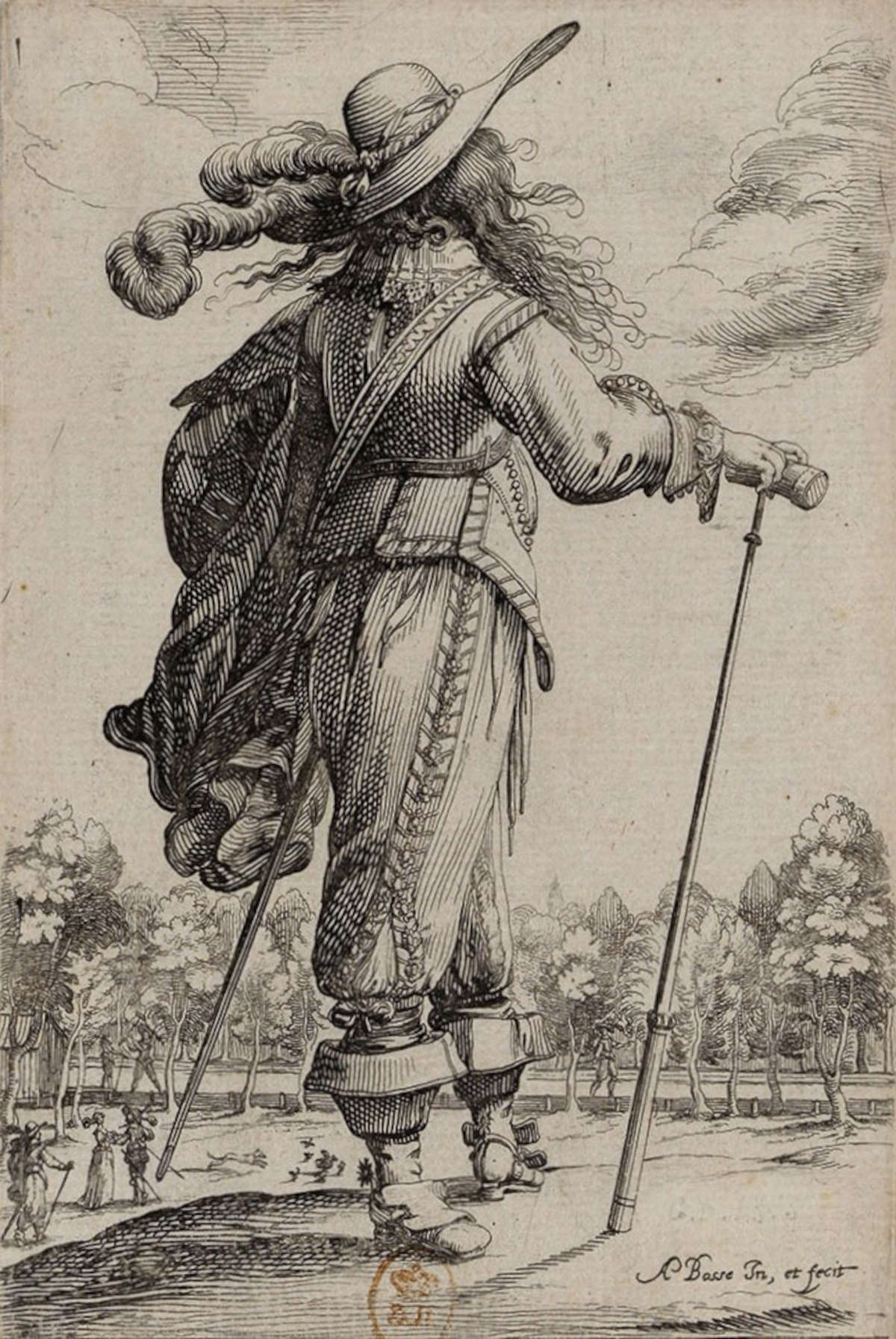
It would have to wait until the 17th century for something to change. It was with the spread of genre painting in the Netherlands that the back found its first space of affirmation. In a context marked by the rise of the Protestant bourgeoisie, interested in images of everyday life rather than sacred or mythological subjects, individual identification loses importance. The figures represented no longer have to be recognizable, but rather evoke situations, behaviors, and moral values. In this scenario, the figure from behind becomes an effective solution, capable of suggesting a presence without completely defining it. At the same time, academic drawing helps consolidate interest in the back as an object of study. Attention to anatomy, inspired by the models of classical antiquity, leads artists to explore all the possibilities offered by the human body. The variety of models, in terms of age, sex, and conformation, enriches a tradition that finds a particularly fertile field of experimentation in the representation of the back.
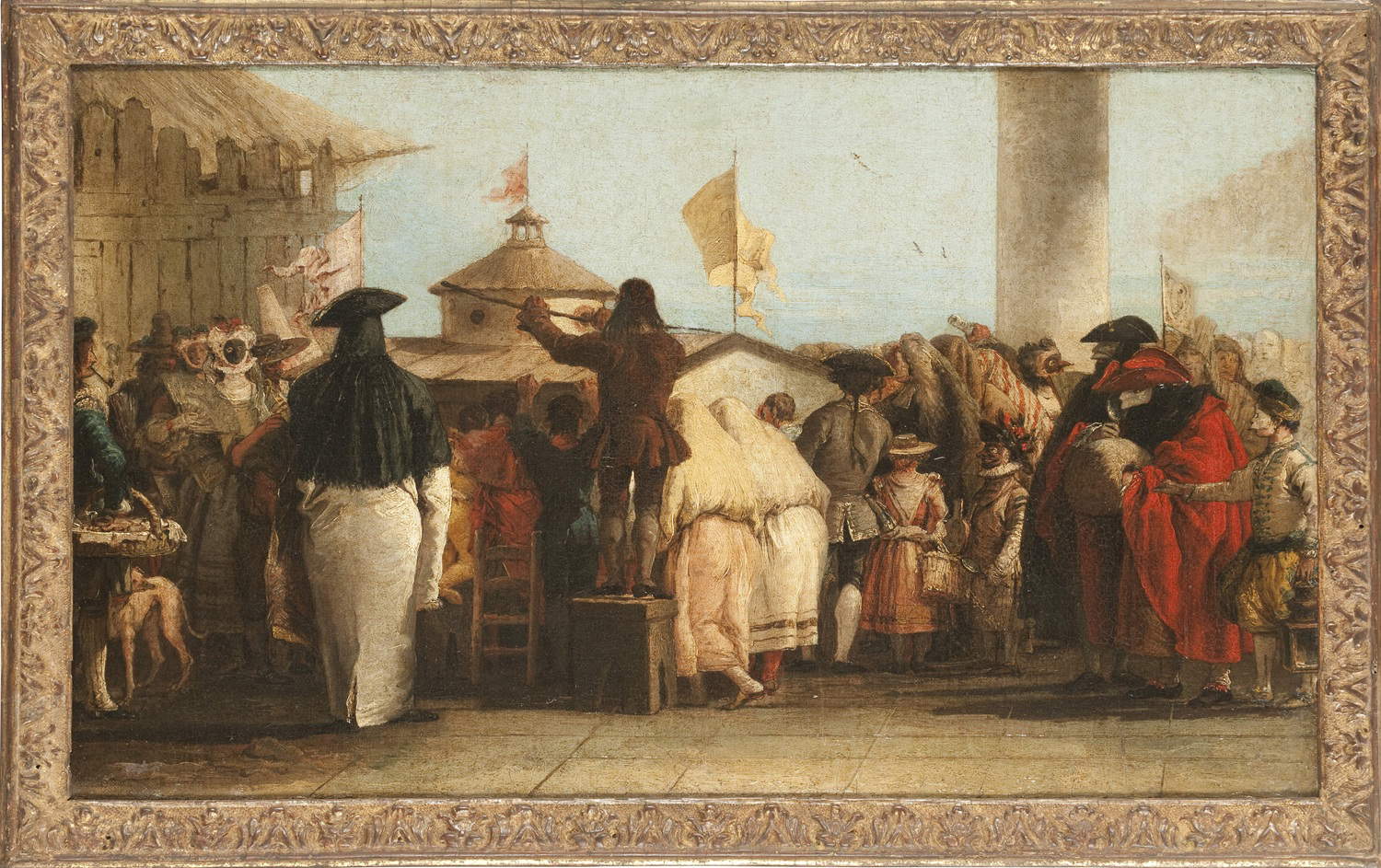
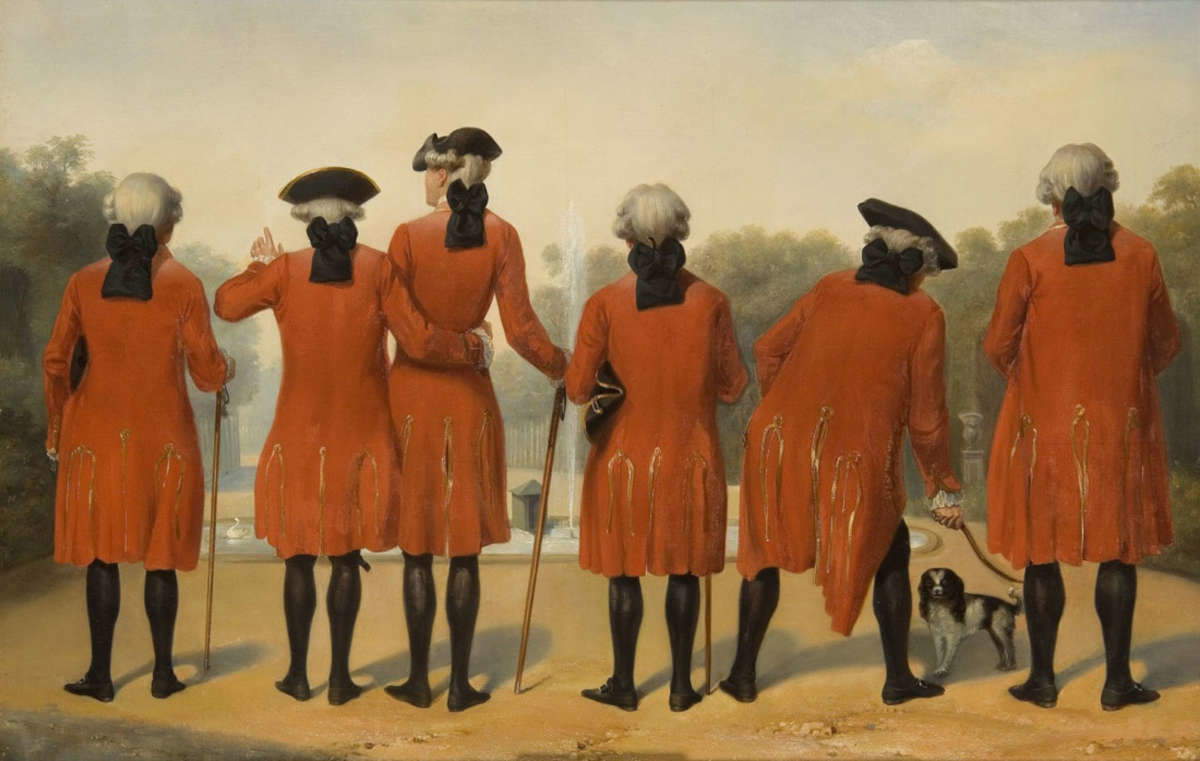
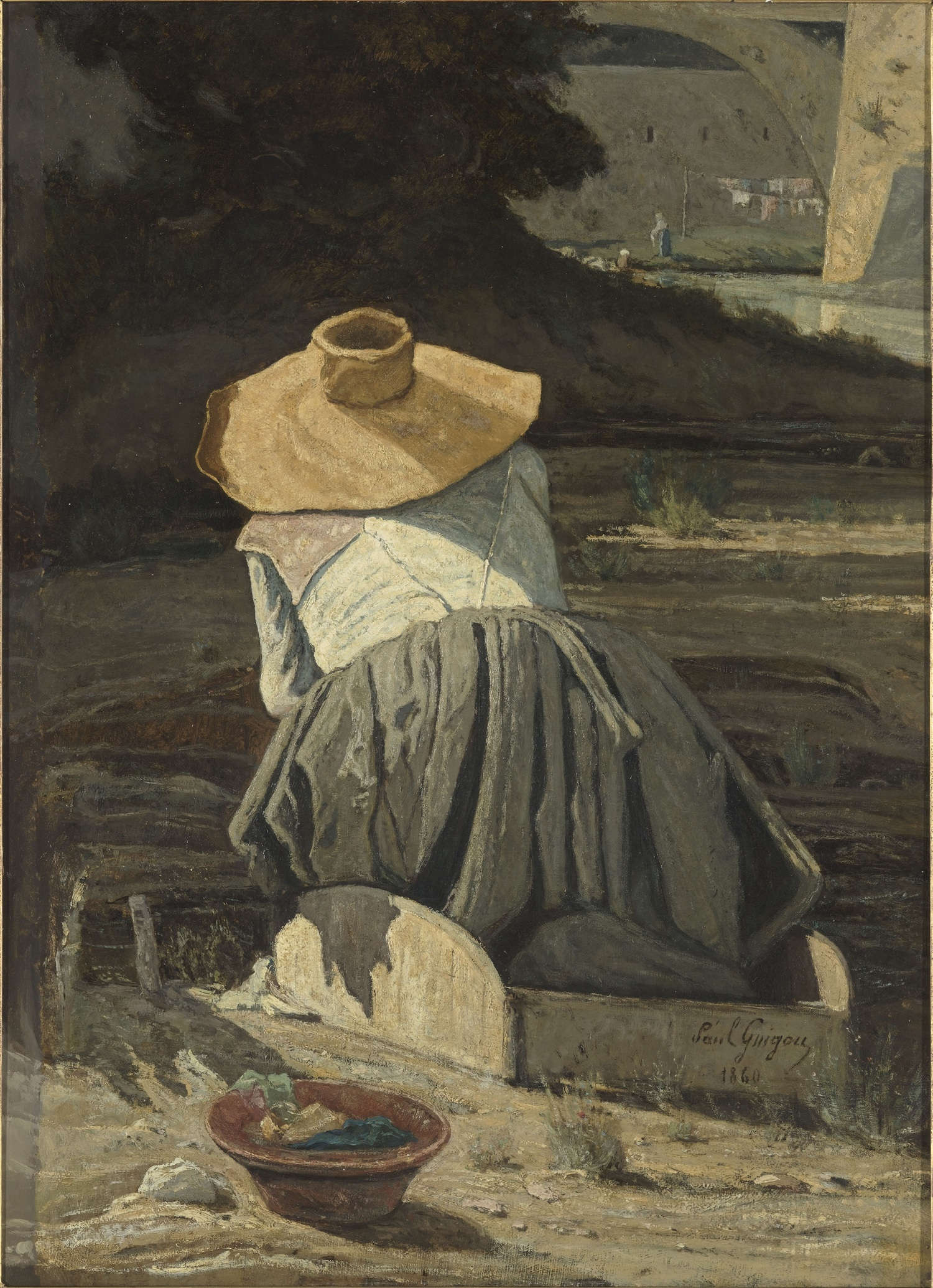
It is in the 19th century, however, that the figure seen from behind knows its affirmation. In a period marked by profound social and political changes, the back became an expressive tool capable of reflecting the tensions of the time. In painting and sculpture, but also in nascent photography, this posture takes on different meanings: it can represent the condition of the working classes, often caught in attitudes of fatigue and marginality, or become a symbol of elegance and distinction in bourgeois contexts. In this same period, the phenomenon of Rückenfiguren, literally “figures from behind,” developed in the German area, introducing a new mode of relationship between image and viewer. The artist places the figure in the foreground, facing a landscape or environment, inviting the viewer to share his or her point of view. The absence of explicit action fosters a contemplative dimension, transforming the work into a space of meditation rather than narrative.
The exhibition itinerary highlights how this compositional solution is not only a formal choice, but also a conceptual device. To look at a figure from behind is, in a way, to assume its position, to enter its field of vision and participate in its experience. The subject’s identity, although not made explicit, is constructed through the relationship with the surrounding space.
With the 20th century, the representation of the body undergoes a radical transformation. The historical avant-gardes, from Cubism to Expressionism, challenged the principle of imitation of reality that had guided the figurative tradition for centuries. The invention and diffusion of photography further contribute to the downsizing of the need for faithful representation of the model. In this new context, the back gradually loses its original symbolic charge. It is no longer necessarily a sign of anonymity or opposition to convention, but becomes one of the elements available to the artist in the construction of the image. It can be used as a narrative tool, as a vector of the gaze or as part of a more complex composition, without its presence automatically implying a precise meaning. At the same time, some images become true archetypes. Works such as Ingres’s Baigneuse Valpinçon or Caspar David Friedrich’s Wayfarer on the Sea of Fog transform the back figure into an icon, destined to be reinterpreted and quoted by successive generations of artists. The back, from a marginal element, thus establishes itself as one of the most powerful devices of visual modernity.
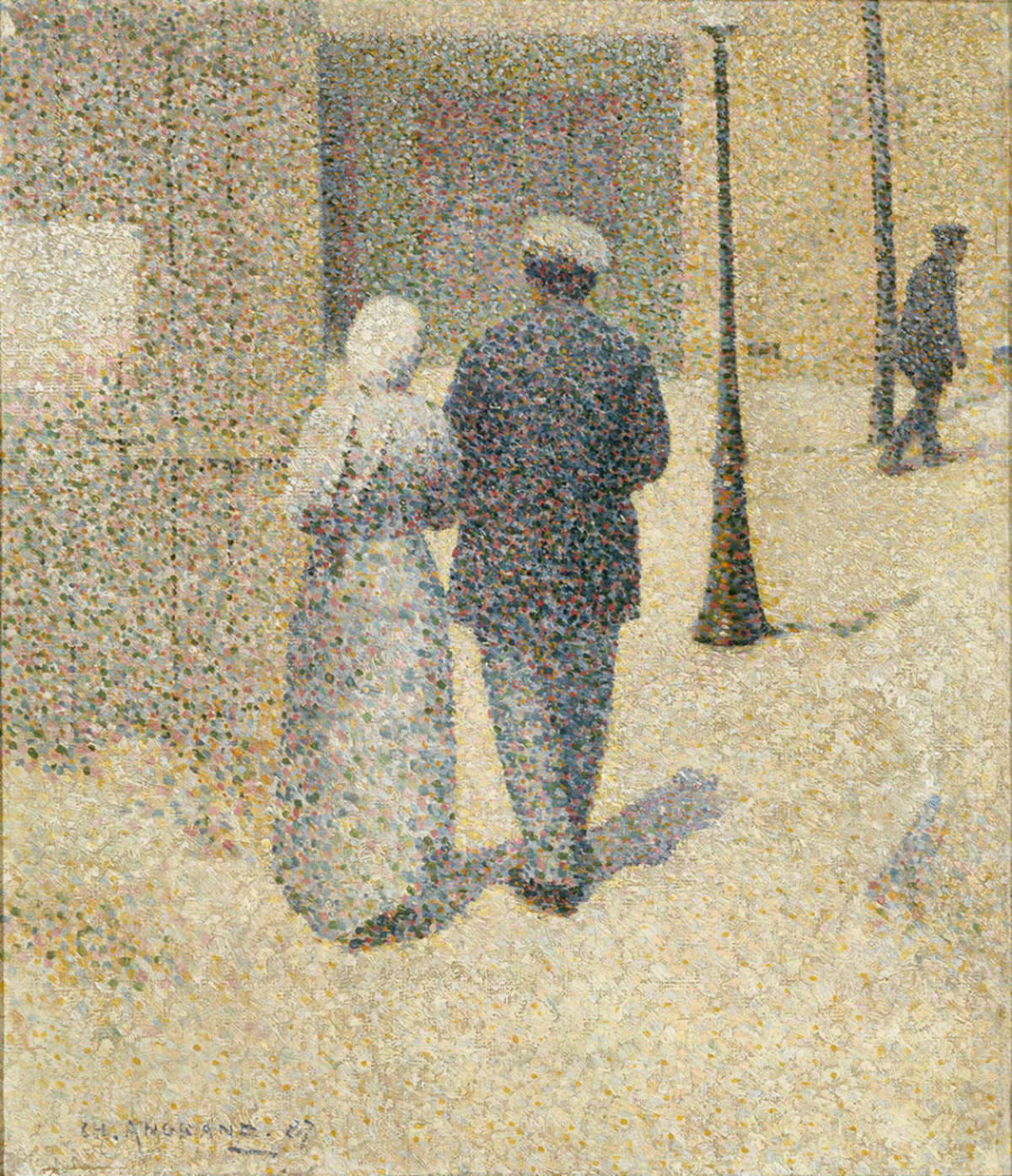
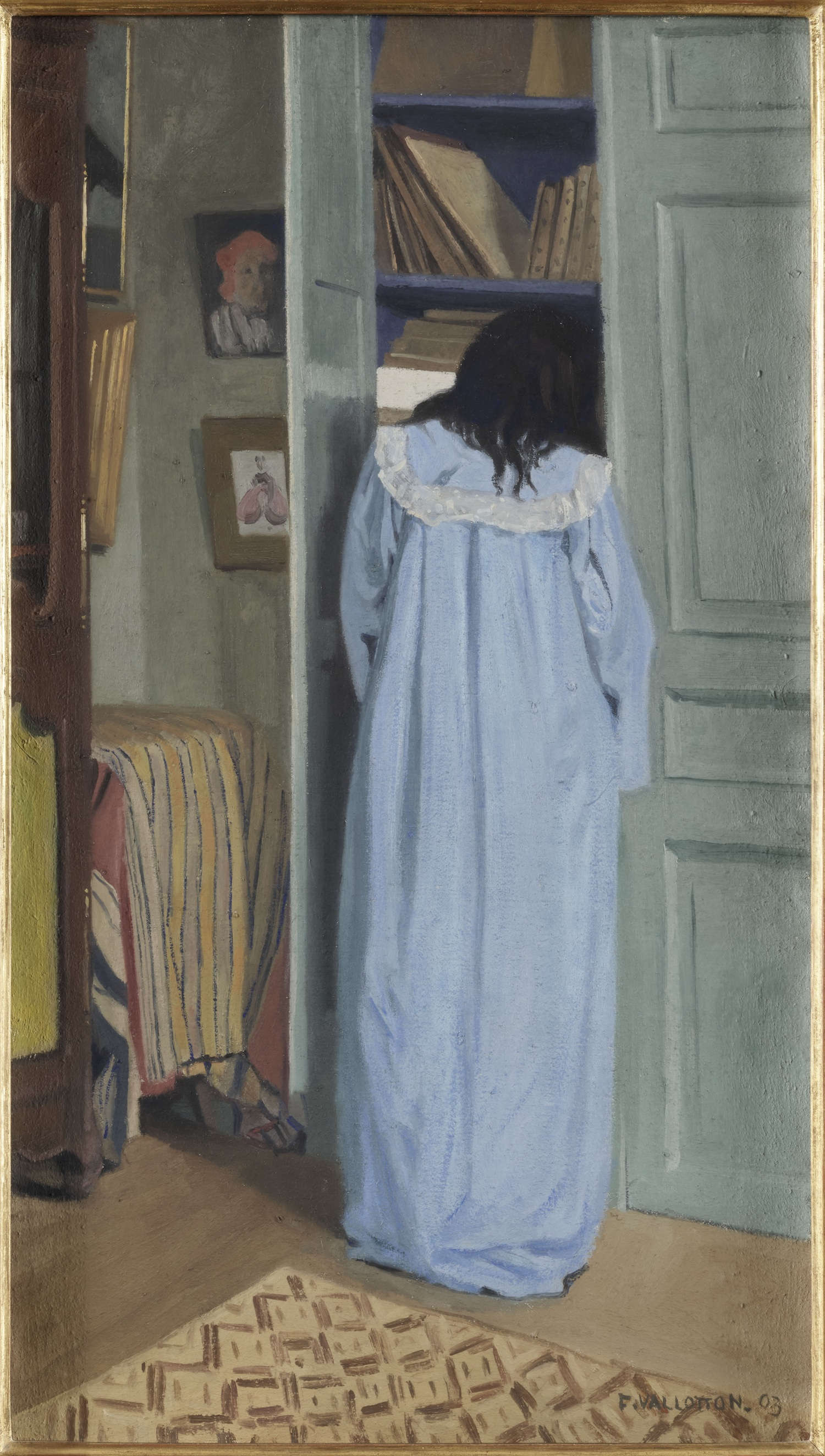
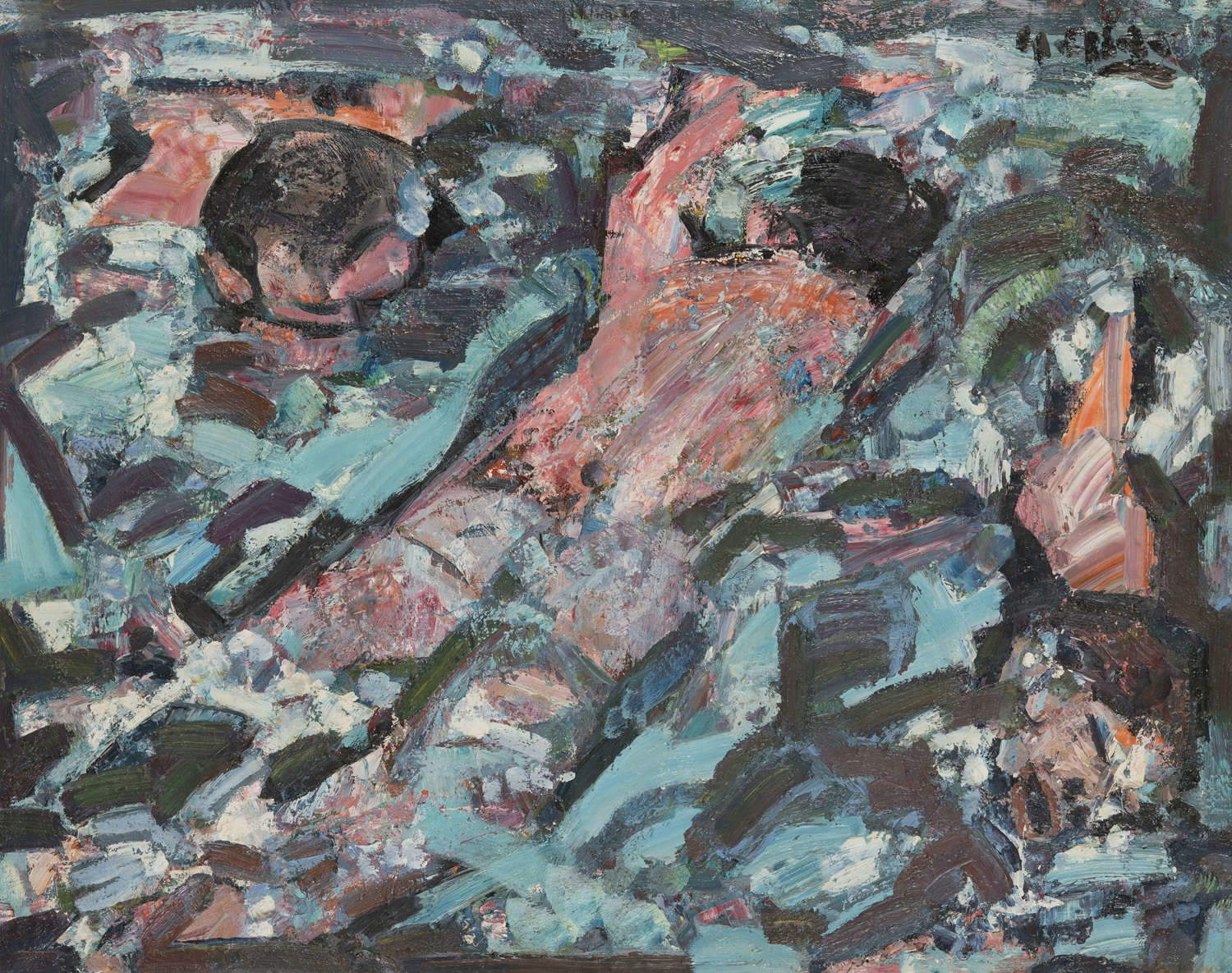
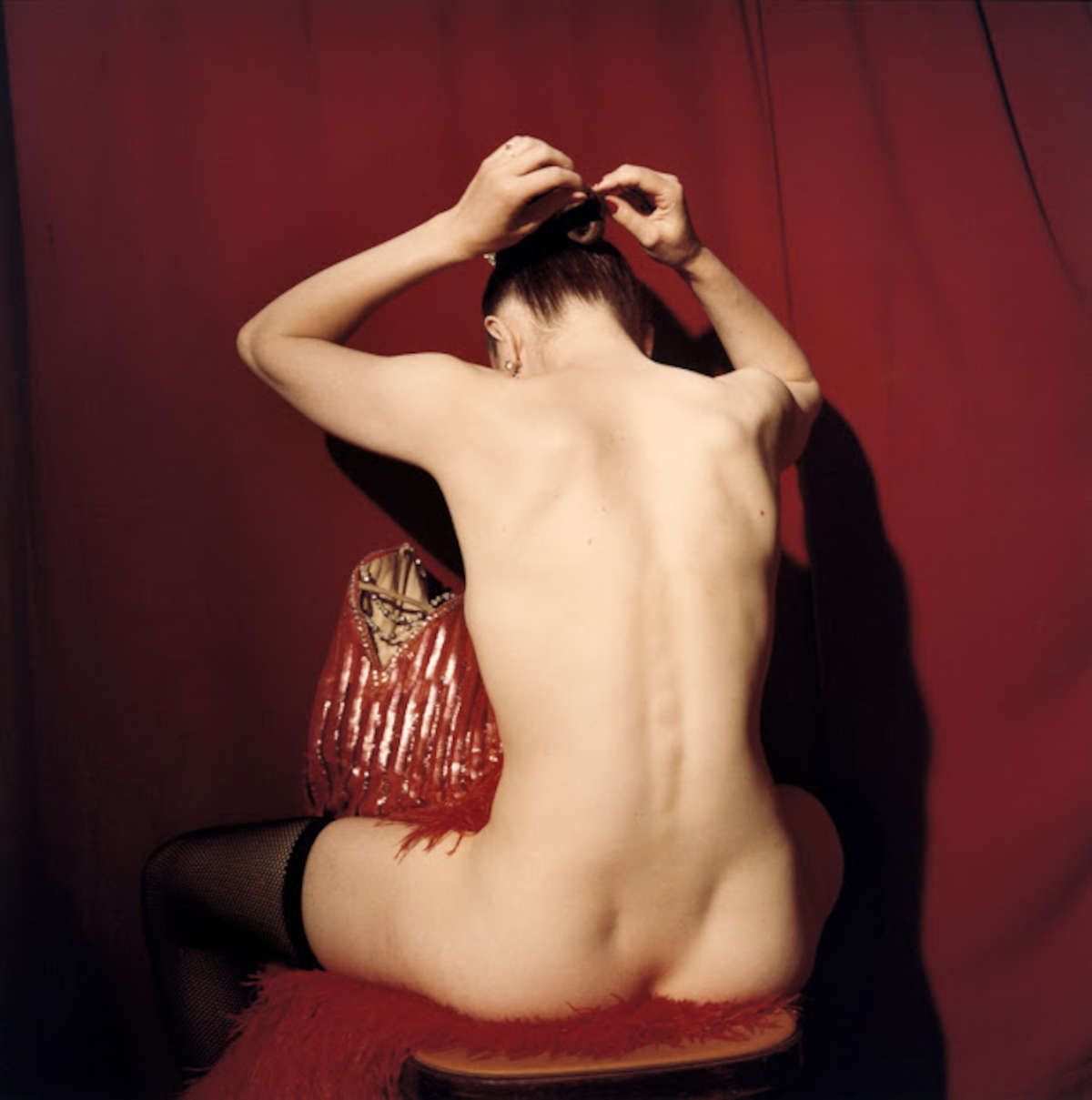
The Deauville exhibition brings together more than 100 works from major institutions, including the Musée d’Orsay, the Louvre, the British Museum, the Musée d’Art et d’Histoire in Geneva, and the Fine Arts Museums of Rouen, Bordeaux, and Caen. A heterogeneous ensemble spans centuries and languages, bringing into dialogue artists such as Tiepolo, Watteau, Goya, Toulouse-Lautrec, Rodin and Dufy.
The path is enriched by thematic sections devoted to, among other things, mythological subjects, academic figures and the use of the mirror as a narrative device. It is precisely the theme of the mirror that occupies a significant role in the concluding part of the exhibition. If the back implies, by its nature, a subtraction of the face, the mirror represents its negation, restoring the subject’s identity and opening up new possibilities for reading. Through this device, the image splits, simultaneously showing the front and the back, appearance and interiority. The work thus becomes a space for reflection on the very gesture of representation, in which the body from behind is no longer just a subject, but also a way to interrogate the limits of vision.
The catalog, published by InFine Editions, includes contributions by scholars such as Johannes Graves, Stéphane Guégan, Bernard Sève, and Georges Vigarello.
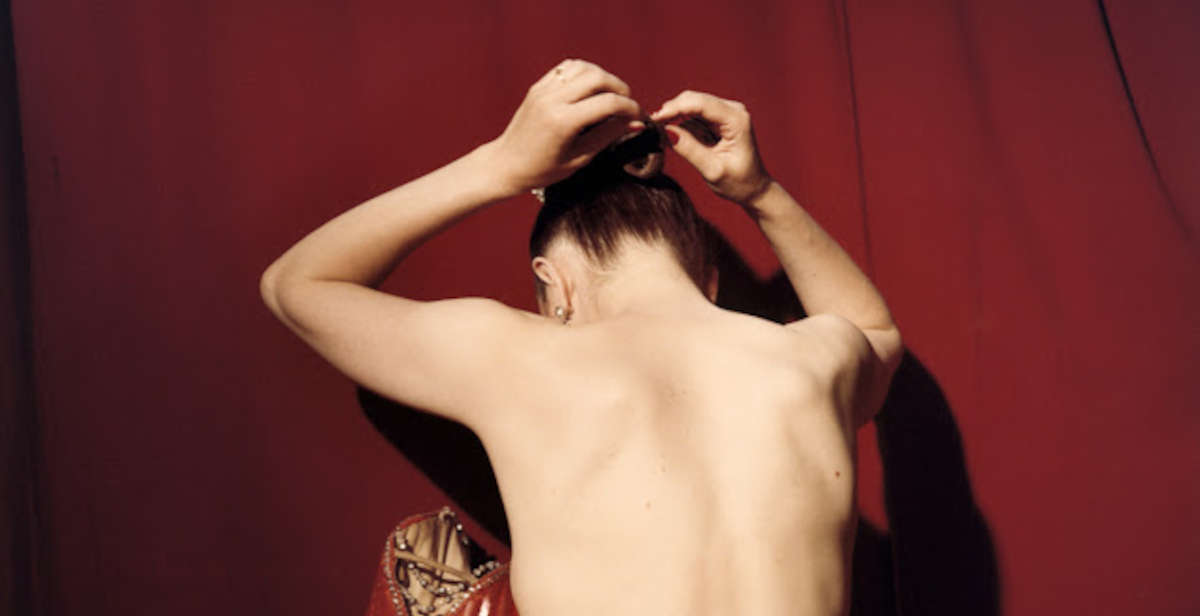 |
| There is a curious exhibition in France on shoulder figures in art from antiquity to the present day |

Warning: the translation into English of the original Italian article was created using automatic tools. We undertake to review all articles, but we do not guarantee the total absence of inaccuracies in the translation due to the program. You can find the original by clicking on the ITA button. If you find any mistake,please contact us.























 IT
IT FR
FR DE
DE ES
ES CN
CN