




by Redazione 19/03/2026



Categories: Museums / Disclaimer
The restoration of the historic garden of the Palazzina di Caccia di Stupinigi has reconstructed veranda rooms and parterres according to the original drawings, re-enacted the Fritz elephant pool, and introduced accessible routes with a digital visitor app.


The Palazzina di Caccia di Stupinigi, a Savoy residence located on the outskirts of Turin, has reopened to the public its historic garden, the subject of a recovery project funded by the PNRR for about 2 million euros. The intervention focused on the areas closest to the residence, with the recovery of the green rooms and parterres according to the original drawings of the 18th century, the re-enactment of the Fritz elephant pool, and the introduction of new accessible paths, supported by a digital application that accompanies the visit. The green galleries of the verdure rooms have been restored respecting their original shape, size and plant species, while the parterres have recovered their geometry and symmetry, creating visual connections with the surrounding area. The Giardino di Levante, the first access space, maintains its 19th-century configuration with tall trees and exotic species, accompanying visitors through seasonal blooms and the memory of Fritz’s pool, evoked by a plant arrangement that suggests the presence of water.

The garden’s history is intertwined with the evolution of garden art between the 18th and 19th centuries. Created in 1740 to a design by Frenchman Michel Benard, director of the Royal Gardens, the garden was part of the territorial system conceived by Filippo Juvarra to link the residence to the hunting routes. The original layout followed the French model with radial avenues, ornamental parterres and plant architectures that defined perspectives and relationships with the land. During the Napoleonic period the garden underwent a reduction in formal structures, while in the 19th century interventions by Marcellino and Giuseppe Roda introduced romantic elements in the English landscape style, such as groves and an artificial lake, without altering the original geometric layout. In the early 20th century, Alessandro Scalarandis redesigned the eastern flower garden with exotic tall plants. The loss of its function as a royal residence and patchy maintenance gradually compromised the legibility of the design, while during World War II the garden was turned into a vegetable garden to contribute to the food needs of the Ospedale Mauriziano in Turin.


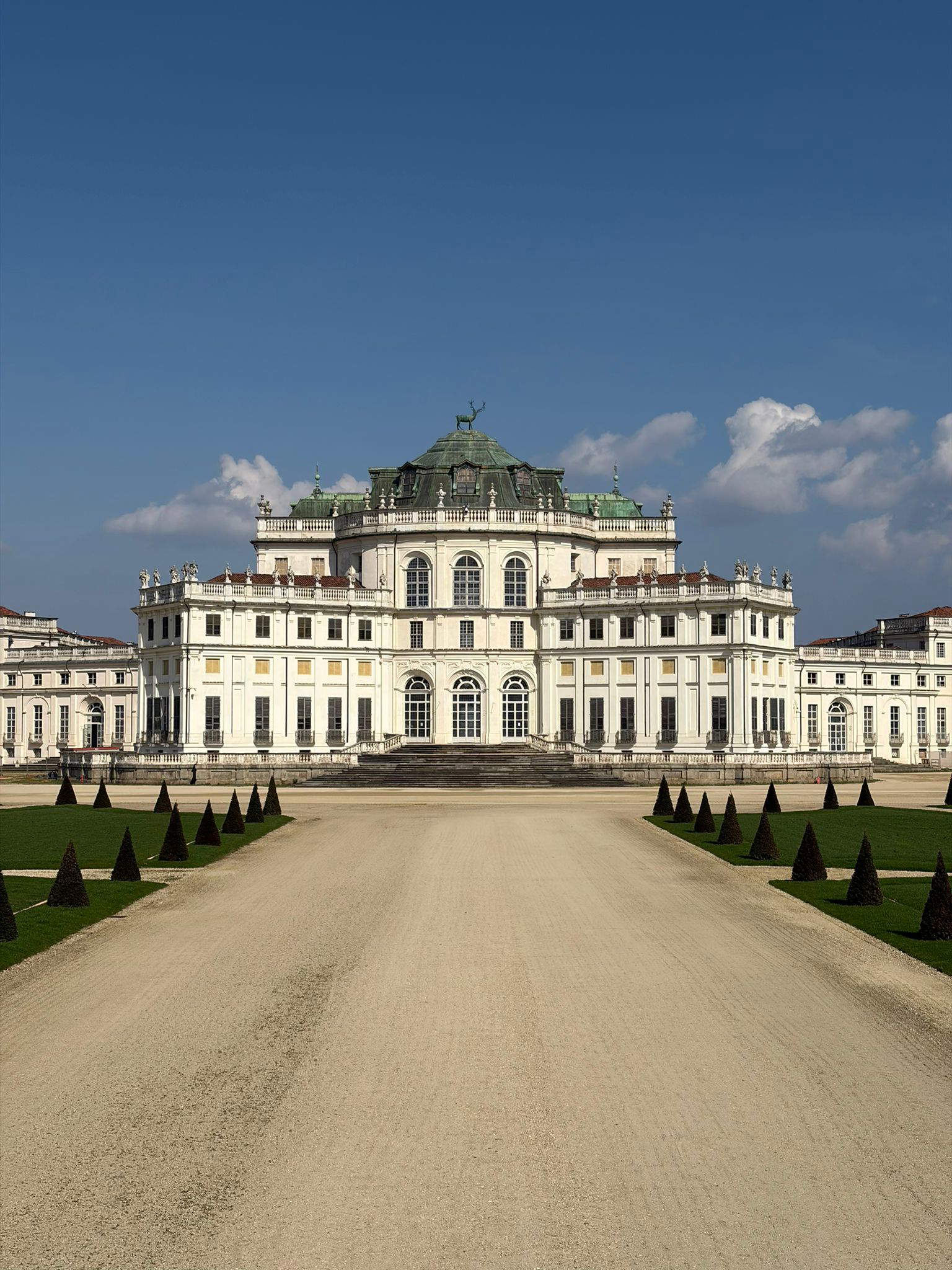
The restoration project, started in 2022 with funding from the Piedmont Region, began with a detailed analysis of the current state of the garden compared with historical documentation. The verdure rooms, called Apartments verts, have been reconstructed respecting the original proportions: the side galleries consist of symmetrical rows of hornbeam, with field maple and linden trees creating shaded areas along the paths. The two 19th-century parterres have been reconstructed with red gravel and pyramidal yews aligned along the main axes of the Palazzina. In the East Garden, the re-enactment of the Fritz Pool transforms historical memory into a landscape intervention based on seasonal blooms and plant compositions capable of suggesting the presence of water. The area also accommodates an irrigation system, rest stops, restrooms, video surveillance systems and wi-fi connectivity to enhance visitor enjoyment.


The NRP funding is part of the national program dedicated to the enhancement of historic parks and gardens and made possible the first batch of interventions, concentrated on the areas closest to the Palazzina. In parallel, the project introduced solutions to ensure accessibility for people with mobility disabilities, with the use of electric scooters capable of navigating the graveled paths, and digital tools capable of supporting visitors with hearing loss and low vision. The SmartPark Experience Stupinigi app, which can be downloaded for free, takes visitors through recommended and personalized routes, integrating multimedia content, images and historical insights. The app offers a narrative experience designed to stimulate participation and understanding of the historical heritage.
The garden is included in the Special Area of Conservation of the Natura 2000 network, within the Stupinigi Regional Nature Park, and some areas not included in the first lot are being studied to reconcile the conservation of natural habitats with future public enjoyment. Visitor safety is ensured through temporary boundaries to protect unstable ancient trees and protected species, including the Barbastello bat, Osmoderma eremita beetle and Lucanus cervus (flying deer beetle). SmartPark Experience Stupinigi was developed by Inverness srl of Milan, with support from the Fondazione Ordine Mauriziano, and is an example of the integration of historical heritage and technological innovation. The platform makes it possible to transform the visit into an interactive and accessible narrative path, where the enjoyment of the landscape is intertwined with the historical memory of the residence and the garden, in order to foster an inclusive and conscious experience.
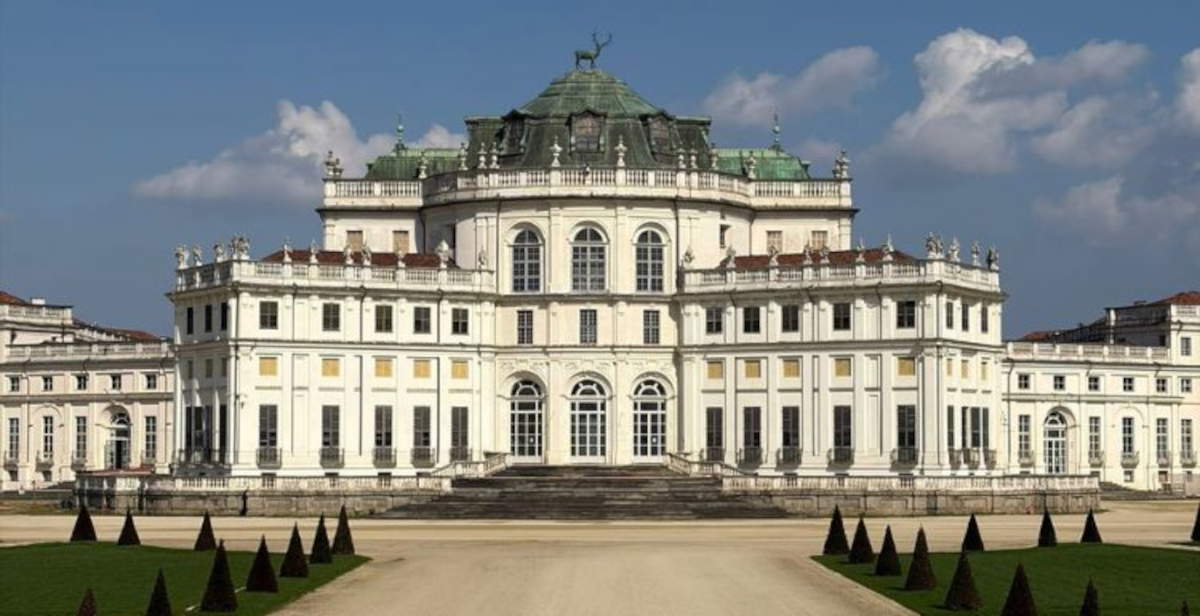 |
| Palazzina di Caccia di Stupinigi reopens historic garden with accessible paths and digital app |
Warning: the translation into English of the original Italian article was created using automatic tools. We undertake to review all articles, but we do not guarantee the total absence of inaccuracies in the translation due to the program. You can find the original by clicking on the ITA button. If you find any mistake,please contact us.