




On Saturday, July 4, 2026, the Auditorium of the Basilica of Sant’Agata in Asciano (Siena) will host a study day entitled A Fresco, a Pilgrimage Route. The Sacred Conversation in the Parish of Sant’Ippolito and the Via Lauretana Senese, an appointment dedicated to the historical, artistic and territorial study of one of the most relevant figurative episodes preserved in the Crete Senesi. The initiative is part of the research and enhancement activities promoted by the company Dialogues, raccontare l’arte, with the aim of bringing attention back to the Parish Church of St. Hippolytus, its fresco dating back to the first decades of the 16th century and the cultural context in which the work was conceived, within the historical network of the Via Lauretana and the connections that united Tuscany, Umbria and Marche.
The meeting was conceived as an opportunity for study and critical discussion around a work that continues to raise questions of interest to art history. In fact, the organizers emphasize that the day is aimed at encouraging reflection on the figurative, stylistic and historical characteristics of the fresco preserved in the parish church of Asciano.
Particular attention will be paid to the figure of the young Saint Hippolytus depicted in the composition. In fact, the pictorial quality of the character has led some scholars over the years to hypothesize possible relations with Raphael’s early environment. The topic will be addressed according to an approach marked by methodological rigor, placing the issue within a reflection on the formation of the young Raphael and the spread of figurative languages in central Italy between the end of the 15th century and the first decades of the 16th century.
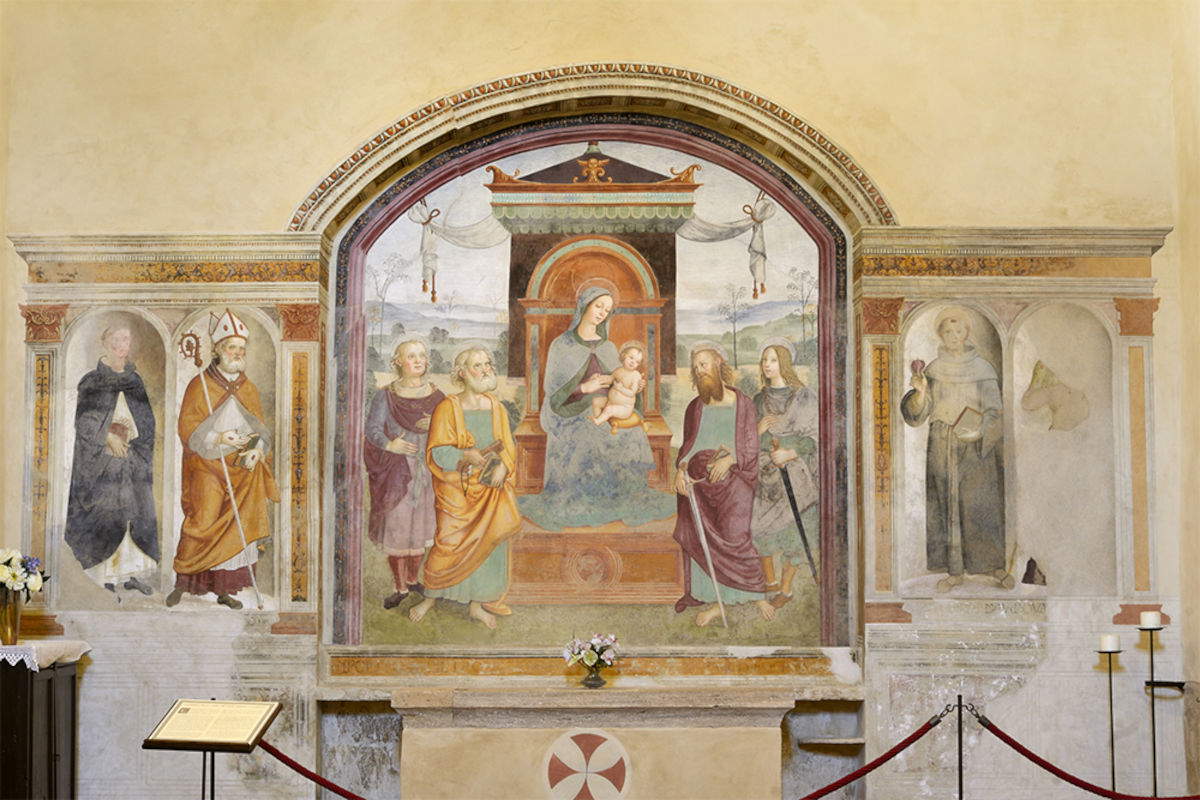
During the Renaissance period, the Italian art system was characterized by continuous cultural exchanges, relationships between workshops and movements of craftsmen along major religious and commercial routes. Such dynamics favored contacts between seemingly peripheral areas and some of the major centers of Renaissance culture. In this perspective, the Parish Church of St. Hippolytus is interpreted as a useful observatory for understanding the complexity of central Italian painting on the threshold of the height of the Renaissance.
The day will open with institutional greetings moderated by Mario Pace, president of ARCA. Speakers will include the mayor of Asciano Fabrizio Nucci, Cultural Councillor Enrica Ercoli, Don Luca Vallarin, proposed of the Parish of Sant’Agata di Asciano, Camilla Aurora Daprati, secretary to His Excellency the Archbishop of Loreto and Pontifical Delegate Monsignor Fabio Dal Cin, as well as art historian and collaborator of the Pontifical Museum of Loreto. Stefano Tesi, president of DMO Lauretana, Italo Scaietta, president of the Italian Federation of Friends of Museums (FIDAM) and the World Federation of Friends of Museums, and Serena Savelli, Ph.D. in Landscape Architecture and head of FIDAM’s secretariat and editorial projects, will also be present.
Afterwards Claudio and Federico Strinati will give a lectio magistralis and present a short documentary dedicated to the themes addressed by the research. This will be followed by a meeting with Nicoletta Matteuzzi, an art historian and an official of the Soprintendenza Archeologia, Belle Arti e Paesaggio for the provinces of Siena, Grosseto and Arezzo, who will dialogue with the two scholars and with Paolo Violini, head of the Laboratorio Dipinti e Materiali Lignei of the Vatican Museums and restorer involved in interventions on Raphael’s frescoes in the Vatican Rooms. Moderating the discussion will be Monica Bietti, FIDAM board member, art historian and former director of the Museo Civico in Modena, the Museo delle Cappelle Medicee and Casa Martelli in Florence.
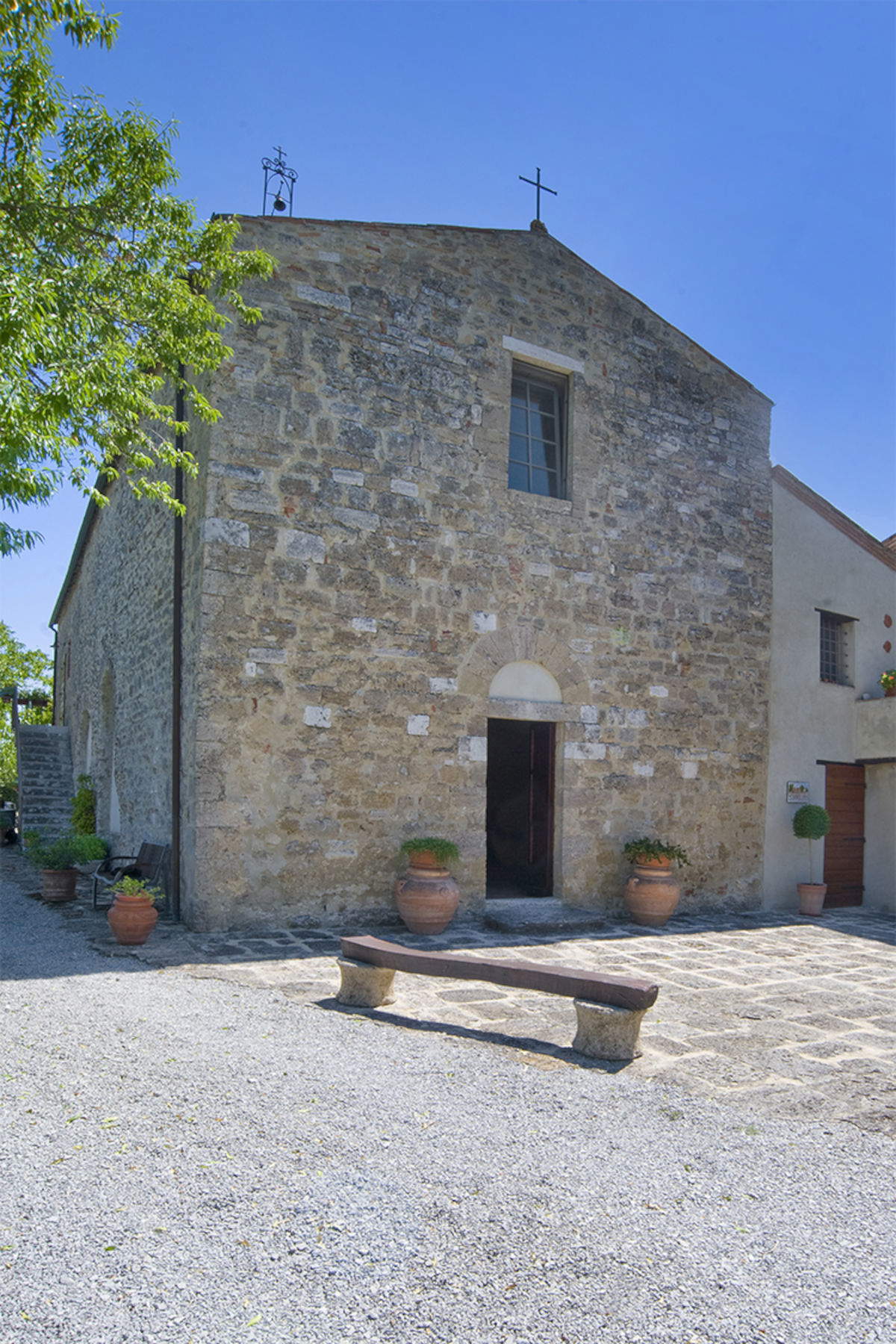
The initiative represents a stage in a path of study and enhancement dedicated to the Parish Church of St. Hippolytus. In fact, the project includes the creation of a scientific-disclosure volume, currently in preparation, designed as a tool for in-depth historical-artistic study and reflection on the relationship between images, territory and pilgrimage culture in Renaissance Italy. Guided tours of the fresco, the Corboli Museum and the Cassioli Museum will also be organized during July 4 and 5, with the intention of relating the research project to the cultural and artistic history of the territory of Asciano and the Crete Senesi.
The research is being carried out under the patronage, promotion and support of the Municipality of Asciano, ARCA - Associazione Ricerche Culturali Asciano and the Italian Federation of Friends of Museums (FIDAM) as part of a shared path dedicated to the protection, study and enhancement of the historical and artistic heritage connected to the Via Lauretana. The initiative stems from the collaboration and support of the promoters, who have identified the project as an opportunity for in-depth study and cultural enhancement of the area.
The organizers also highlight the contribution of the Panichi family, which has long been linked to the preservation and care of the Parish Church of St. Hippolytus and whose willingness enabled the initiation and development of the research. The project is being carried out in collaboration with Pro Loco Asciano, Visit Crete Senesi, the Parish of Sant’Agata and the other cultural and territorial subjects involved, with the intention of fostering a moment of discussion focused on the historical-artistic heritage and the relationship between research and the territory. At the end of the day some guests and scholars, summoned by invitation, will take part in a reserved visit to the Parish Church of St. Hippolytus and the fresco, accompanied by a moment of discussion dedicated to the ongoing research and the study perspectives opened by the investigation.
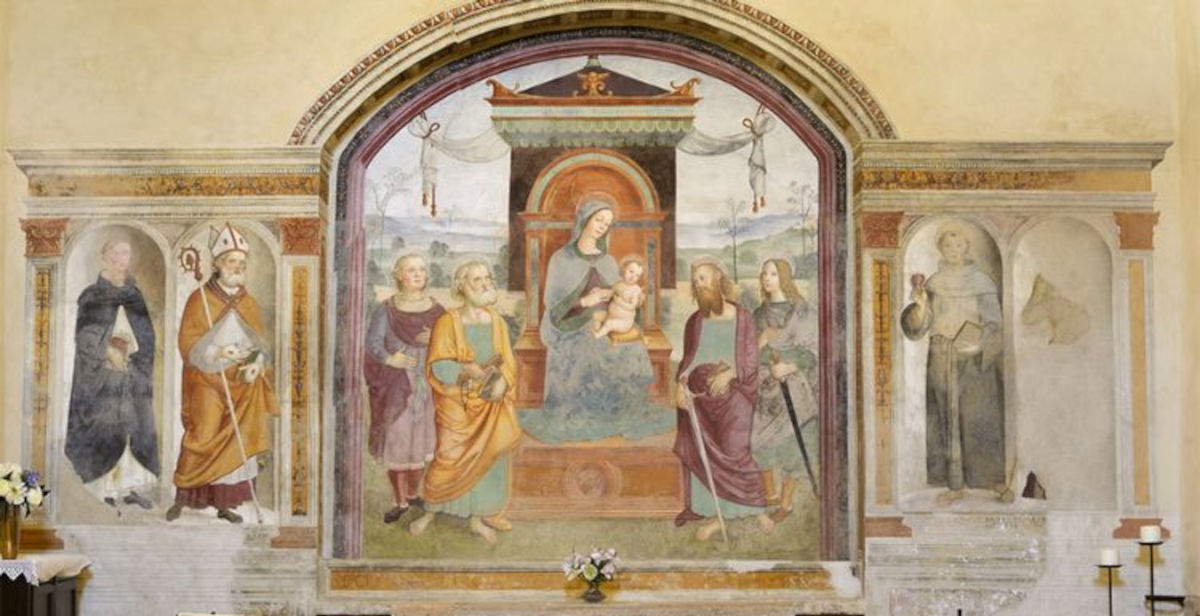 |
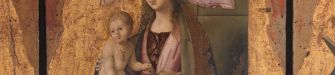
| Asciano (Siena), research on the fresco of Sant'Ippolito and links to Raphael's early environment |

Warning: the translation into English of the original Italian article was created using automatic tools. We undertake to review all articles, but we do not guarantee the total absence of inaccuracies in the translation due to the program. You can find the original by clicking on the ITA button. If you find any mistake,please contact us.


















 IT
IT FR
FR DE
DE ES
ES CN
CN


