




by Redazione 27/02/2026



Categories: News / Disclaimer
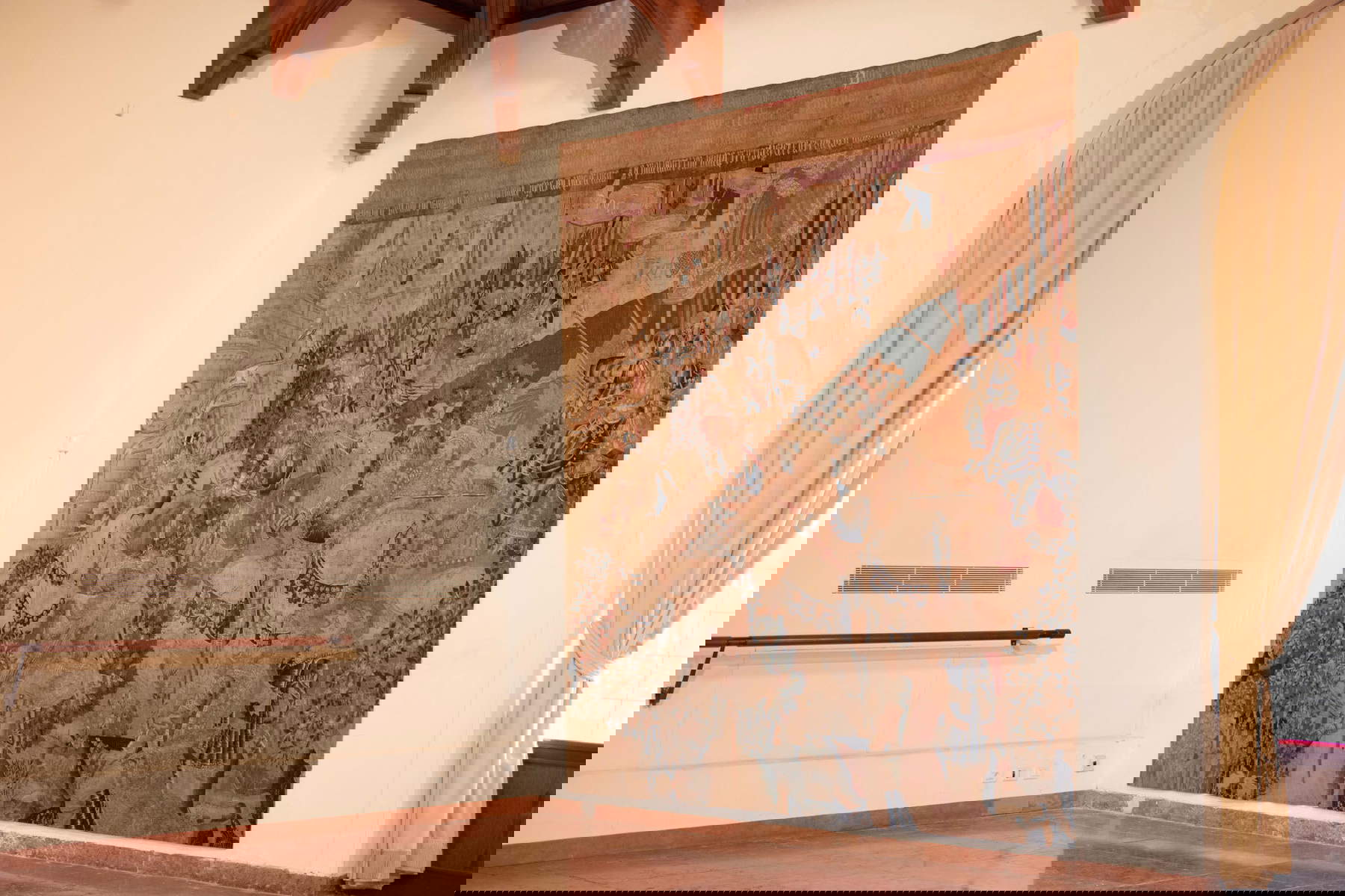
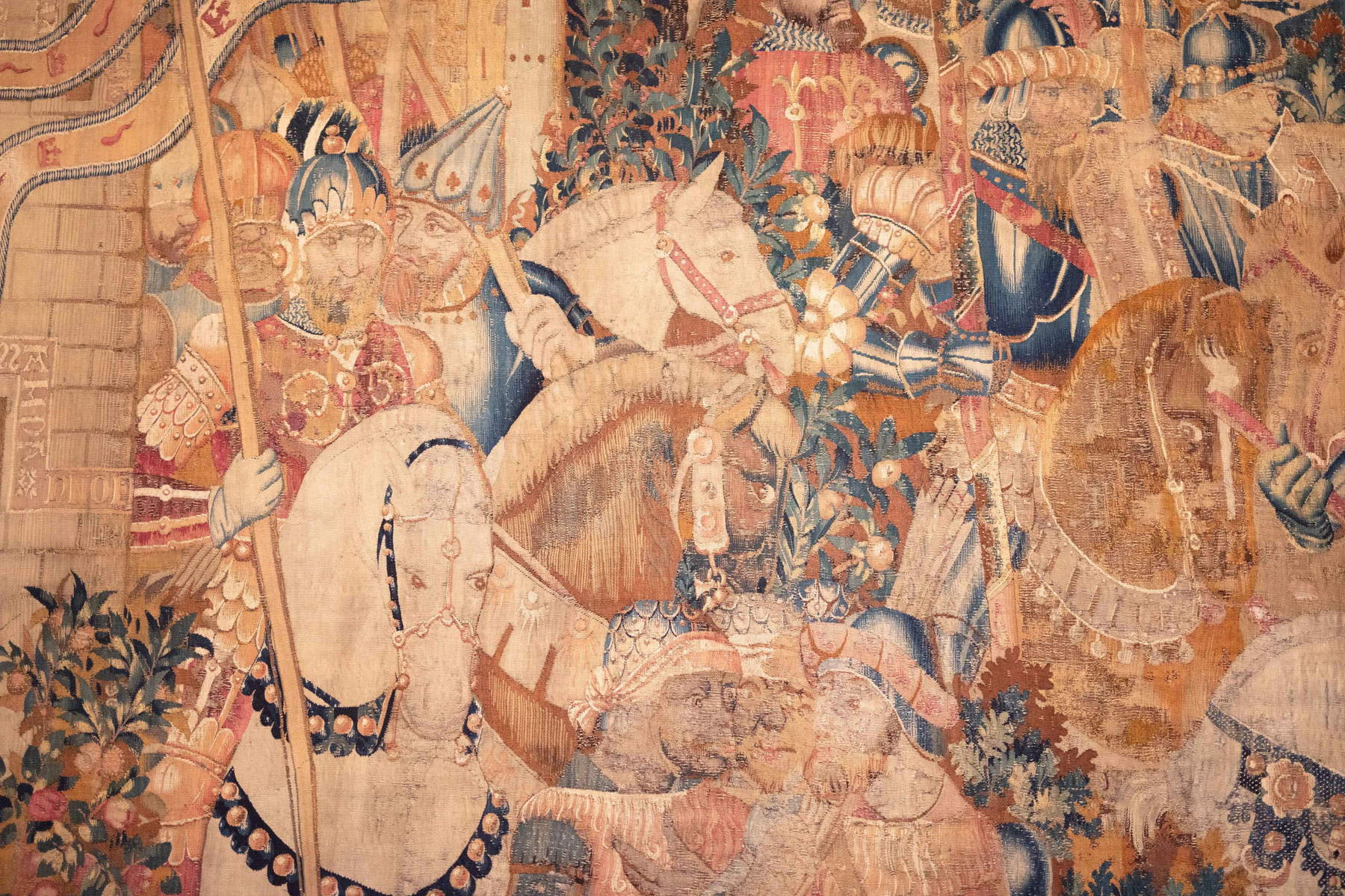
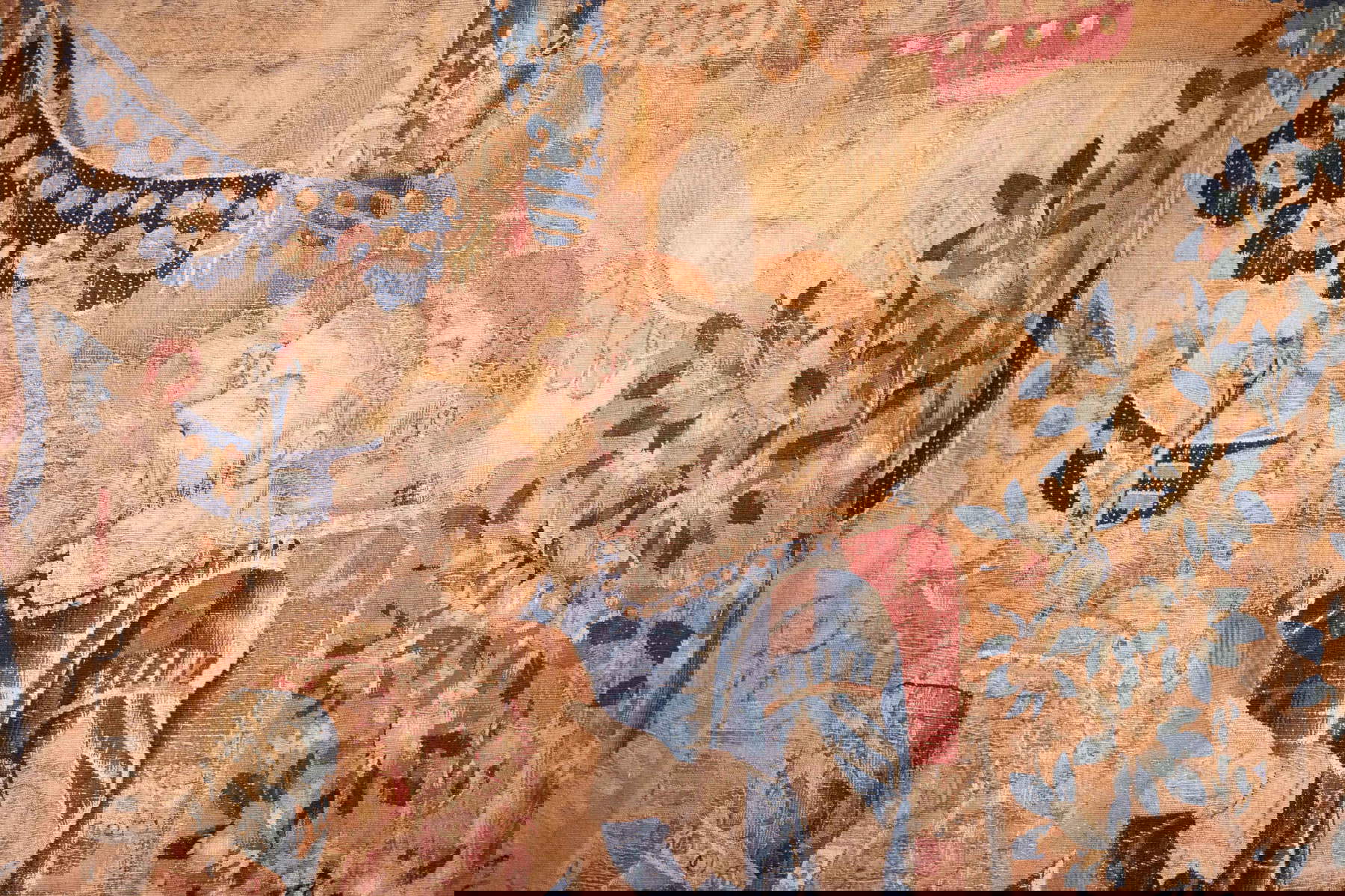
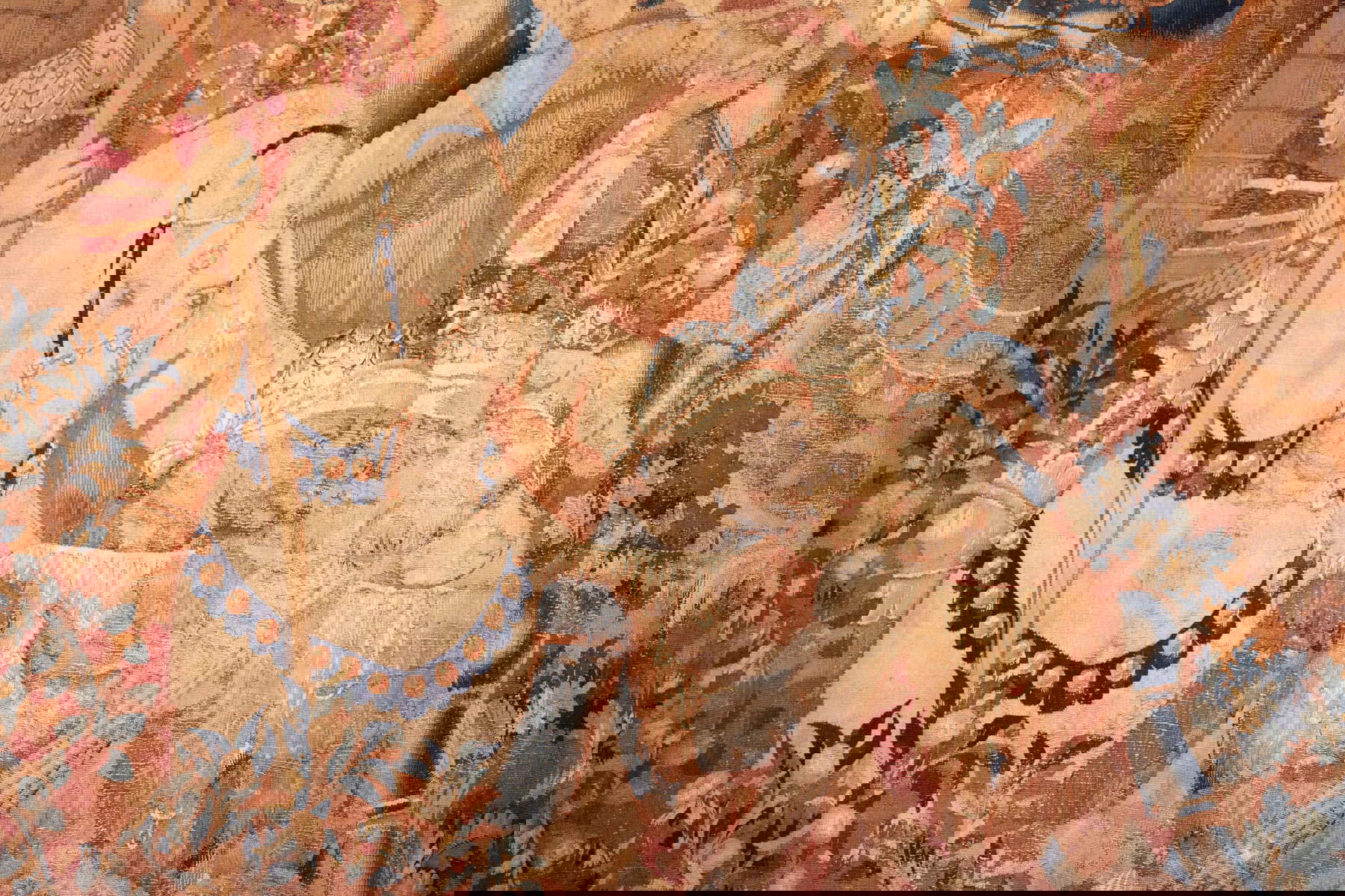
The precious 15th-century tapestry from the Cini Collection depicting The Entry into Palestine of Vespasian's Army returns to Venice restored. In 2022, the tapestry underwent the first 3D and ultra-high resolution digitization campaign ever carried out on such an important textile artifact.


The precious 15th-century tapestry from the Cini Collection depicting The Entry into Palestine of Vespasian’s Army has returned to theIsland of San Giorgio Maggiore in Venice. In 2022, the tapestry was the subject of the first 3D and ultra-high-resolution digital acquisition campaign ever carried out on such an important textile artifact. This intervention made it possible to document its conservation condition with extreme precision, offering fundamental support to the subsequent restoration conducted by Open Care - Services for Art.


The tapestry was presented to the public as part of the final exhibition of Restituzioni 2025, hosted at the Palazzo delle Esposizioni in Rome from October 28, 2025 to January 18, 2026. Restituzioni is the project promoted by Intesa Sanpaolo for the protection and enhancement of the national artistic heritage, developed in collaboration with the Ministry of Culture. Launched in 1989 and now in its 20th year, the program involves the restoration of selected works throughout Italy, with interventions also extended abroad in countries where the Group operates.


Of Franco-Flemish manufacture and made in wool and silk from a design attributed to the Master of Coëtivy, the large tapestry, datable between 1470 and 1480, measures 4.30 by 3.98 meters. Arrived in Venice from Rome in 1967, along with two other important antique artifacts (the complementary Siege of Jerusalem and a Historical or Biblical Scene) it was donated by diplomat Leonardo Vitetti to Vittorio Cini. The collection of antique tapestries held by the Giorgio Cini Foundation includes seventeen examples and is considered one of the rarest, and probably the most significant, private collections of historic tapestries. The scene on view today is incomplete: in fact, it constitutes the right half of a larger work, the left half of which is represented by the fragment with Nero sending Vespasian and Titus to Palestine, preserved at the Musée des Arts Décoratifs de Lyon.
“The joint efforts of the Giorgio Cini Foundation and Intesa Sanpaolo, with the careful intervention of Open Care - Servizi per l’Arte, have made it possible to preserve this precious artifact, apply new technologies and open up new avenues of research.” said Renata Codello, Secretary General of the Giorgio Cini Foundation. “The complex digital operation makes it possible to observe the surface of the tapestry from a new perspective, revealing unknown or hardly comparable aspects, regarding both textile structure and color. For example, by exploring and enlarging the back of the tapestry, which has better preserved the original colors, and comparing it with the front without having to manipulate and stress the work, it is possible to dissolve some of the doubts that scholars have had in the past regarding some of the additions made during previous consolidation work.”
"Intesa Sanpaolo’s Restitutions program has also turned its attention since its first edition in 1989 to textile manufactures, a type of work for which intervention methodologies over time have developed and refined," added Silvia Foschi, Intesa Sanpaolo’s Head of Historical and Artistic Heritage and Cultural Activities. "The return to Venice of the tapestry The Entry into Palestine of Vespasian’s Army-thanks to the collaboration between the Giorgio Cini Foundation, Open Care and Intesa Sanpaolo-represents an emblematic outcome of what the Restitutions program intends to achieve: taking care of the works of the country’s artistic heritage, bringing to bear the best skills and methodologies and the most advanced technologies, opening up new possibilities for study, dissemination and responsible enjoyment by the public."
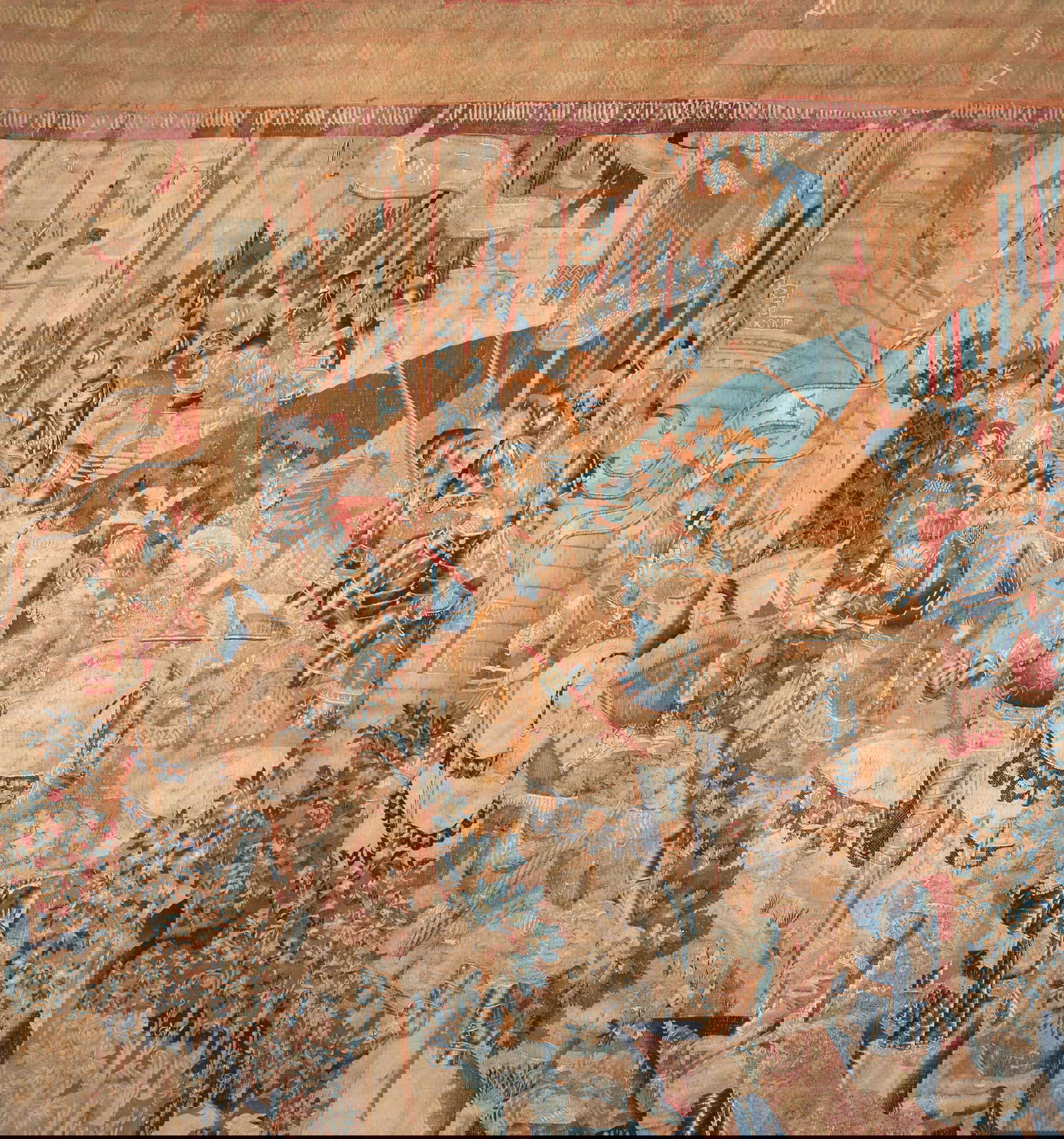
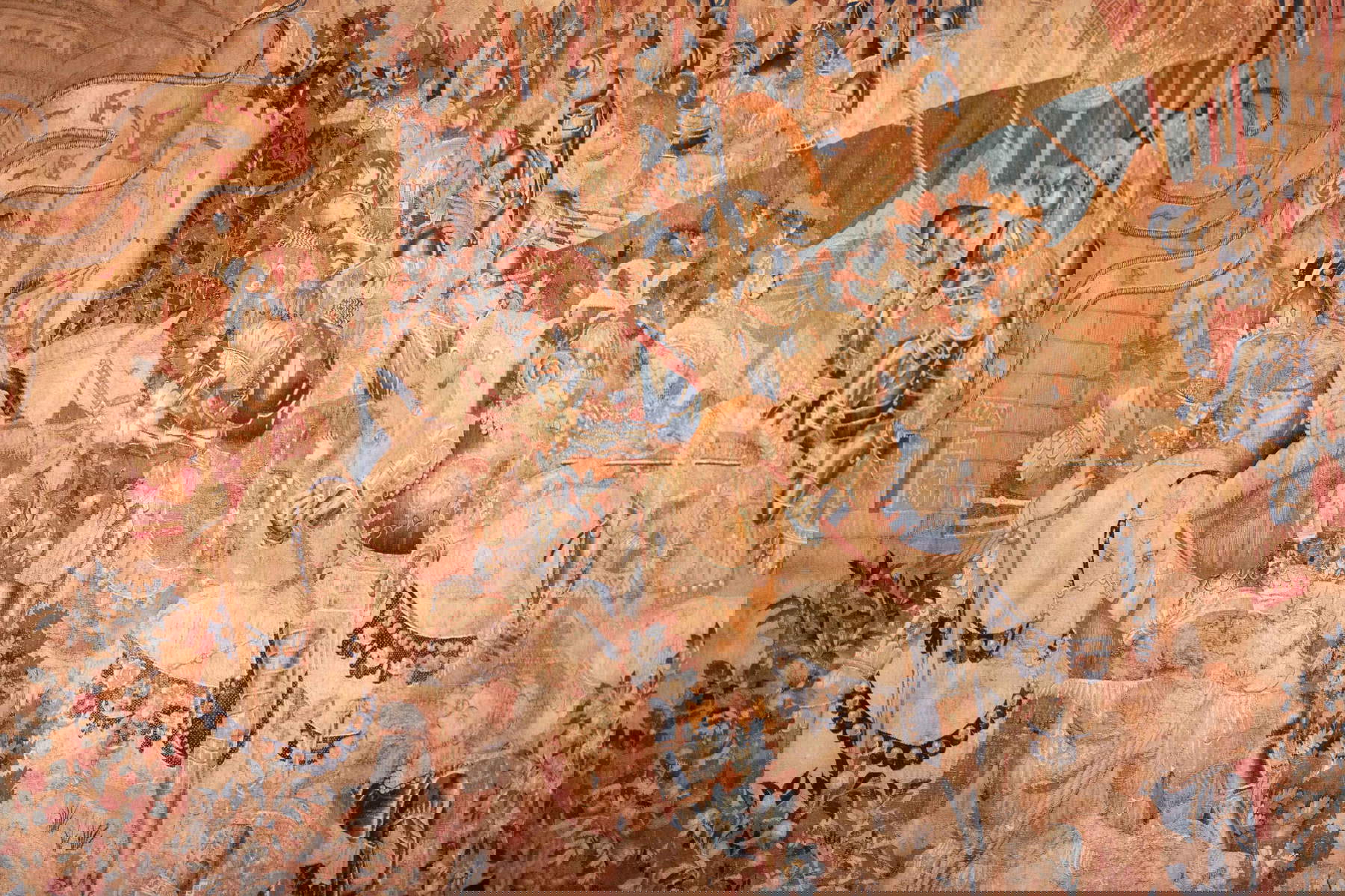
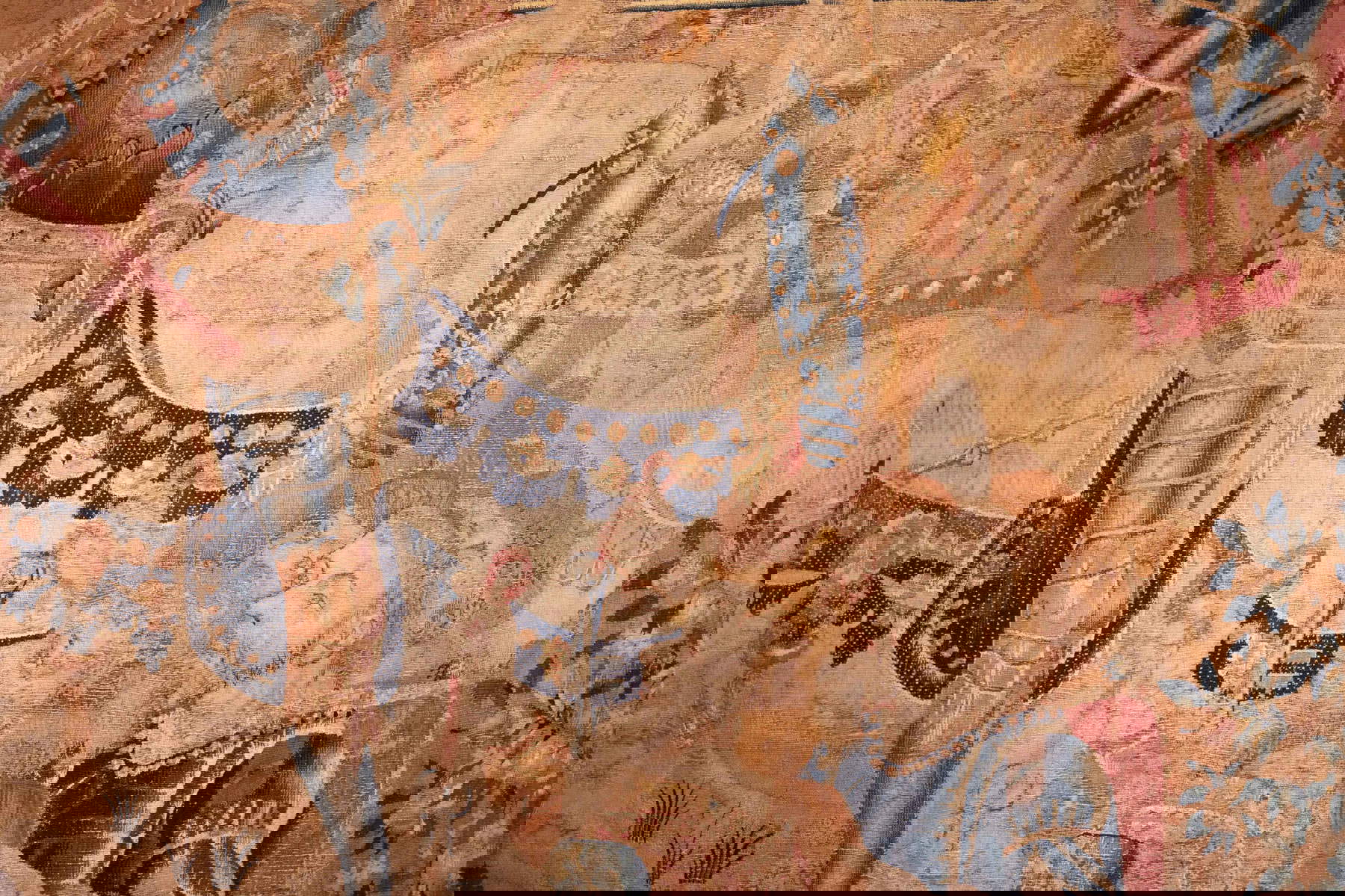
In 2022, the tapestry was the subject of a sophisticated three-dimensional, high-definition digitization campaign applied to one of the most prestigious pieces in the Cini collection. The surface survey was a crucial step in analyzing the conservation status and material structure of the work: shape, texture, and color were recorded thanks to the integration of 3D and 2D scanning technologies without direct contact with the fabric, developed specifically for the cultural heritage sector. The collected data set is now accessible to scholars, specialists and the public, giving the possibility of unprecedented observation. The digital information can also be used in the future for possible facsimile reproductions and to monitor the condition of the tapestry over time, with a view to new conservation interventions. "The 3D digitization and analytical mapping of the tapestry allowed us to define a fully respectful intervention both in terms of respect towards its history and in terms of material. Thanks to this integrated approach, we have guaranteed stability and legibility to the work, making it possible to have a deeper knowledge of the artifact and ensuring its preservation over time, said Isabella Villafranca Soissons, scientific manager of Open Care’s conservation and restoration department.
The restoration, carried out by Open Care - Servizi per l’Arte of Milan, was preceded by detailed digital mapping. The operations began with the removal of surface deposits on the recto and verso by means of adjustable power vacuum cleaners, preparatory to the washing phase. This was followed by a lengthy consolidation activity, which involved revising all the detachments of the texture. The entire surface was then supported with a linen fabric, so as to restore structural stability to the artifact. In the areas of greatest decorative and iconographic relief, such as the faces of some figures, limited weave additions were made, employing materials and tones consistent with the original and adopting a sparser weave to improve the overall legibility of the scene. The last phase involved the complete lining of the tapestry and the creation of a new suspension system.
“This restoration was a work of great precision and patience, which lasted two years,” explains Milena Gigante, Head of the Tapestry, Carpet and Textile Laboratory at Open Care. “The few additions inserted, limited to essential decorative details, improve the legibility of the scene, without altering its authenticity, to restore a clearer reading of the artifact without ever superimposing ourselves on the hand of the Flemish masters of the 15th century.”
|
| Fifteenth-century tapestry from the Cini Collection returns to Venice restored and digitized in ultra-high resolution 3D |
Warning: the translation into English of the original Italian article was created using automatic tools. We undertake to review all articles, but we do not guarantee the total absence of inaccuracies in the translation due to the program. You can find the original by clicking on the ITA button. If you find any mistake,please contact us.