





After more than a year of recovery and restoration work, the main floor of Ca’ Giustinian Faccanon, a historic building located in the sestiere of San Marco, reopens in Venice. The palace is once again accessible thanks to the purchase of the property by Venetian entrepreneur Andrea Parisotto and the cultural management entrusted to Art Events, a company active between Venice and Milan in the enhancement of historic buildings and the organization of exhibitions and cultural events.
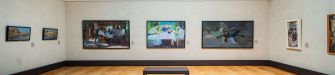
The reopening comes after a period of vicissitudes that had led to the closure of the space. The new project aims to bring Ca’ Faccanon back into the city’s cultural circuit, allocating the palace’s rooms to exhibitions, events and initiatives related to contemporary artistic production and international dialogue. To mark the building’s return to Venetian cultural life, Art Events will inaugurate the spaces at the end of March with an invitation-only event. The stated goal of the new management is to return to the city a building of historical value, but also a place intended for cultural and creative activities. In fact, the palace will immediately enter the calendar of Venetian art initiatives. Among the first projects already confirmed is the exhibition project of the Socialist Republic of Vietnam as part of the 61st edition of the Venice Art Biennale. The exhibition, titled Art in the Global Stream, will be curated by Do Tuong Linh.
“The Biennale has always represented one of the most important moments in Venetian and international cultural life,” says Filippo Perissinotto, founder and president of Art Events and Cultural Real Estate Studio. “It is also the time of year when the extraordinary potential of the city’s historic locations emerges most strongly. The fact that as of this year Ca’ Faccanon returns to be part of this cultural ecosystem, alongside the other palaces we manage and in which we host exhibitions and events, is a great satisfaction for us and an added value for all of Venice.”
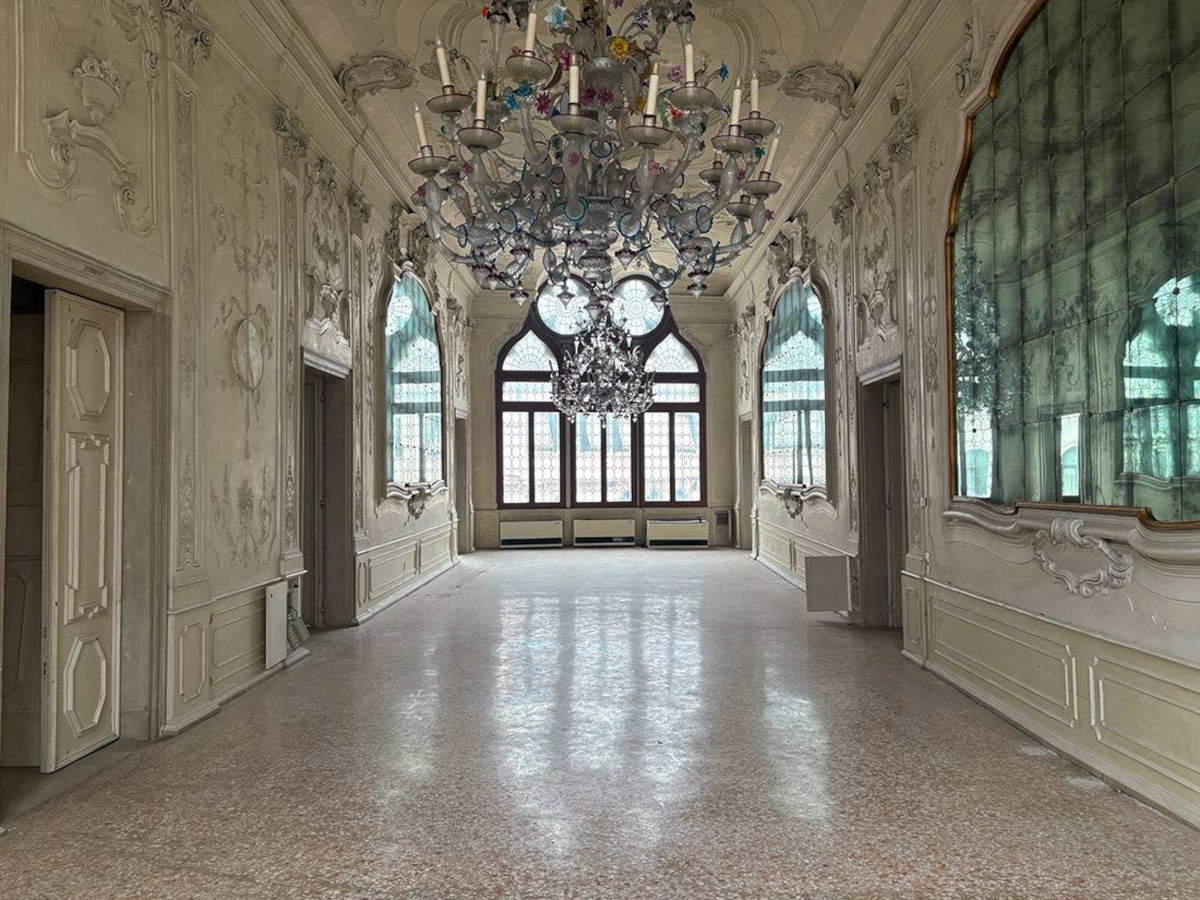
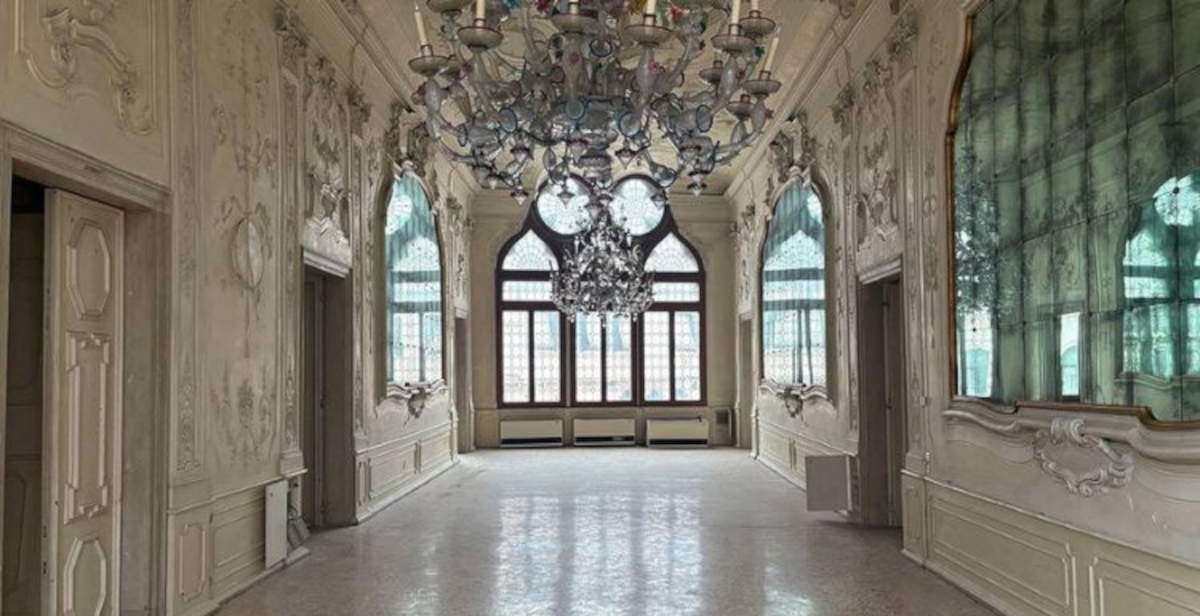
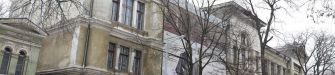
Located at Calle delle Acque, number 5016 in the sestiere of San Marco, a short distance from the Rialto Bridge, Ca’ Giustinian Faccanon constitutes one of the most characteristic examples of Venetian Gothic architecture. The building was built in the second half of the 15th century by the Giustinian family and still features architectural elements of particular interest, including a rare openwork loggia located on the piano nobile. The palace has two main levels with a total area of about 1,100 square meters. The main floor preserves large Gothic three-mullioned windows, large mirrors and historic Murano glass chandeliers. The characteristics of the rooms make it suitable for hosting conferences, receptions and institutional meetings. In contrast, the mezzanine presents more essential and flexible spaces designed to accommodate contemporary exhibition projects and multimedia installations. The rooms can be darkened for the creation of video rooms or other audiovisual installations. Over the centuries, the building has had different functions. In 1872 it housed post offices, and at the end of the 19th century it changed its destination again. In fact, from 1898 the building became home to the editorial and printing office of the Venetian newspaper Il Gazzettino. The newspaper’s presence inside Ca’ Faccanon continued for several decades, until the 1980s, when the editorial staff moved to the new plant in Mestre.
The recent restoration, supported by the Parisotto family, has allowed the recovery of the historic spaces and their adaptation to new cultural functions. With the reopening and the start of exhibition activities, Ca’ Giustinian Faccanon is preparing to rejoin the list of venues used for exhibitions, events and cultural initiatives in the historic center of Venice, in a context that in recent years has seen numerous historic palaces return to use for art projects and international events.
 |
| Venice, reopens historic Ca' Giustinian Faccanon: will become home to exhibitions and events |

Warning: the translation into English of the original Italian article was created using automatic tools. We undertake to review all articles, but we do not guarantee the total absence of inaccuracies in the translation due to the program. You can find the original by clicking on the ITA button. If you find any mistake,please contact us.




















 IT
IT FR
FR DE
DE ES
ES CN
CN