





There is a precise moment, in April each year, when Milan stops behaving like a city and starts functioning as a high-intensity economic device. It is not a gradual change, more of a sharp jerk. It happens when the design system turns on: the Salone del Mobile opens its gates in Rho and Fuorisalone spreads over the city like a second skin, or a benign infection, transforming streets, courtyards, showrooms and buildings into a continuous network of symbolic and commercial production.
Milan, these days, is not hosting events. It is metabolizing them. This is not a “design week” in the traditional sense. It is a temporary infrastructure that grafts itself onto the real city and rewrites it. An ecosystem that moves about 300 thousand operators and an estimated impact of 278 million euros on the urban economy of Design Week (2025 figures). Numbers that tell one simple thing: here we are not talking about design culture, but about a global supply chain that uses Milan as an interface. Design as the city’s nervous system.
The Salone remains the gravitational center. It is the fixed point around which everything revolves. The real one, where product and innovation are proposed. If you have never happened to pass by, it is an experience to be had. The bathroom section alone boasts hundreds of exhibitors, and today more than showers and faucets we talk about real home spas. The same needs to be declined for every facet of the furniture complement. Companies do not just exhibit products: they exhibit positioning, languages, industrial strategies. It is a geography of creative and productive power that is measured in square meters, contracts, relationships, exports.
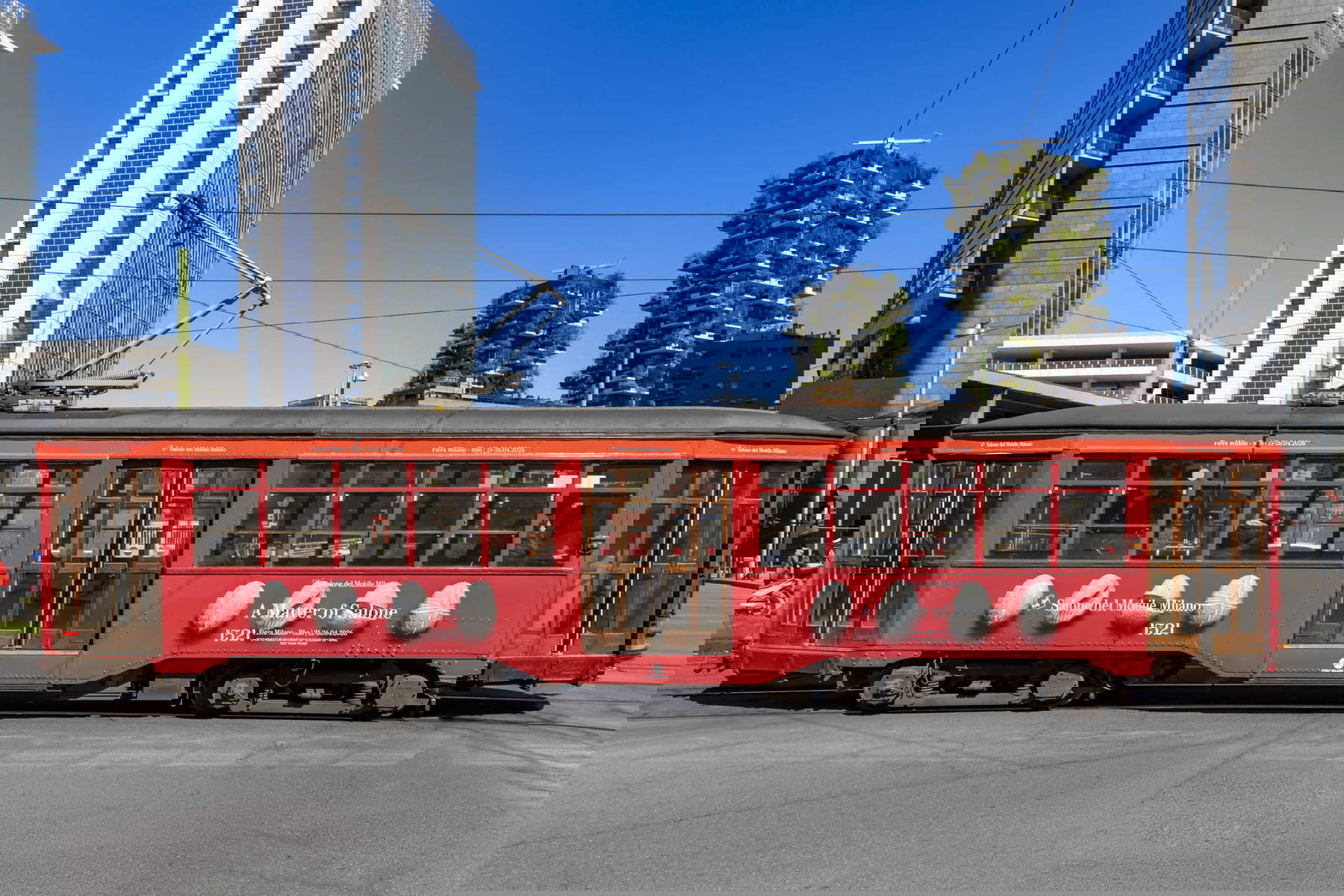
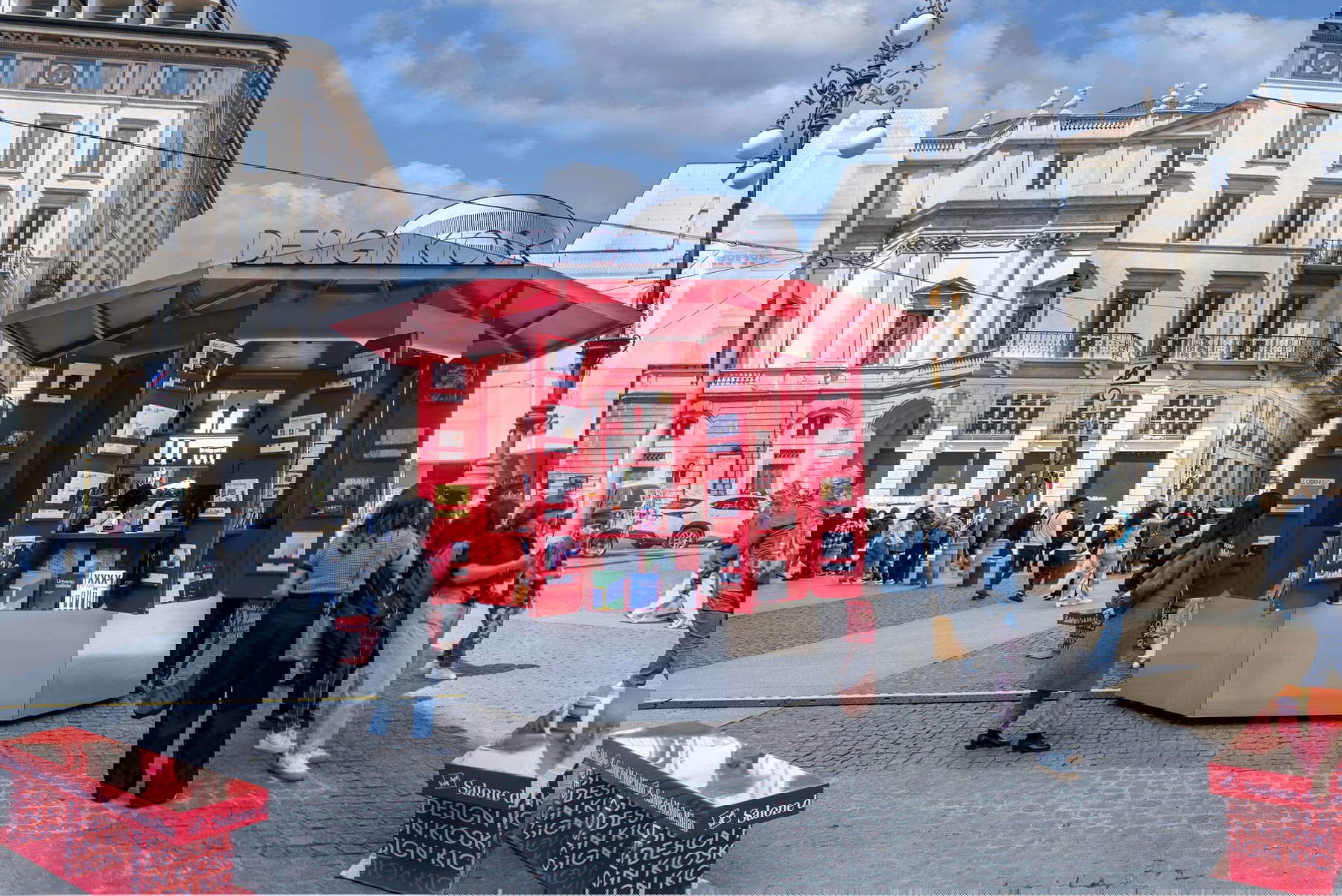
Around this core develops the Fuorisalone, which has not been an “outside” for a long time. It has become the city’s second operating system. More than a thousand events, installations, activations, global brands occupying private and public spaces transforming them into temporary narrative environments. A building becomes a concept, a street a campaign, a neighborhood a portfolio.
A two-room apartment in a semi-central area, in this week, you can find it offered even for 8,000 euros. In the previous week no, it is the same all year round. A tour on AirBnB would be enough to explain the difference between the two weeks. But let’s go in order.
The brands of the Salone week are not only those of the furniture, there are also those outside the sector: we mention Skoda or McDonald’s among the most convincing of this edition, but the list is endless. Everyone wants to be there, even at great expense (renting a location can cost up to several million euros). Everything is aestheticized: the product, the relationship, the city itself. From automotive to fashion, from food to tech, every sector seeks a form of visual legitimacy in this week. It is not enough to be there: one must appear within the code of design.
The result is a Milan working at full capacity as a platform. Every surface is potentially monetizable. Every space is a temporary asset. To tell another one, yesterday on my scooter I pulled alongside a Belgian truck with transparent walls. It was carrying an armchair, basically a mobile store. This is done to save money in order to be there. It is not a celebration. It is an economic and symbolic compression.
Let us now instead try to analyze the much-vaunted Art Week: the silent counterfield.
Here we are talking about another Milan. Lateral, more fragile, less noisy. Here the pace changes completely. Miart, the galleries, the museums, the independent spaces build a system that does not have the industrial power of design, but neither does its pressure. It is an educated, refined ecosystem, often consistent in its proposal, but structurally smaller in scale.
During Design Week, Milan becomes a global infrastructure where every square meter is monetizable. During Art Week, no. Miart, even in its recent evolution, which we praise for its skyline-view location (although the stands are in a usual pavilion, albeit more inconvenient because it is spread over three different floors), remains a fair that speaks an international language in form, but deeply rooted in a dynamic that is still very domestic in substance. The Italian market is its real center of gravity, even when the ambition is global. Sales fluctuate, average values remain cautious compared to the standards of major international fairs, and the exceptions, those few works that exceed the threshold of the average, remain such: episodes, not system.
From the post-fair phone calls we made with galleries, a picture emerges that is far from euphoric: net of a few significant sales in the range of 100,000 euros, the average transactions are rather between 10 and 20,000 euros, a level hardly compatible with the fair’s international ambitions. The market appears to be extremely cautious, and geopolitical tensions are not enough to explain the phenomenon: if the very high end continues to hold up, the others show signs of severe distress. And the comparison with Design Week is inevitable: there, too, inflation, energy costs and war could have weighed in, yet the results tell of a more solid system, supported by structured industrial supply chains.
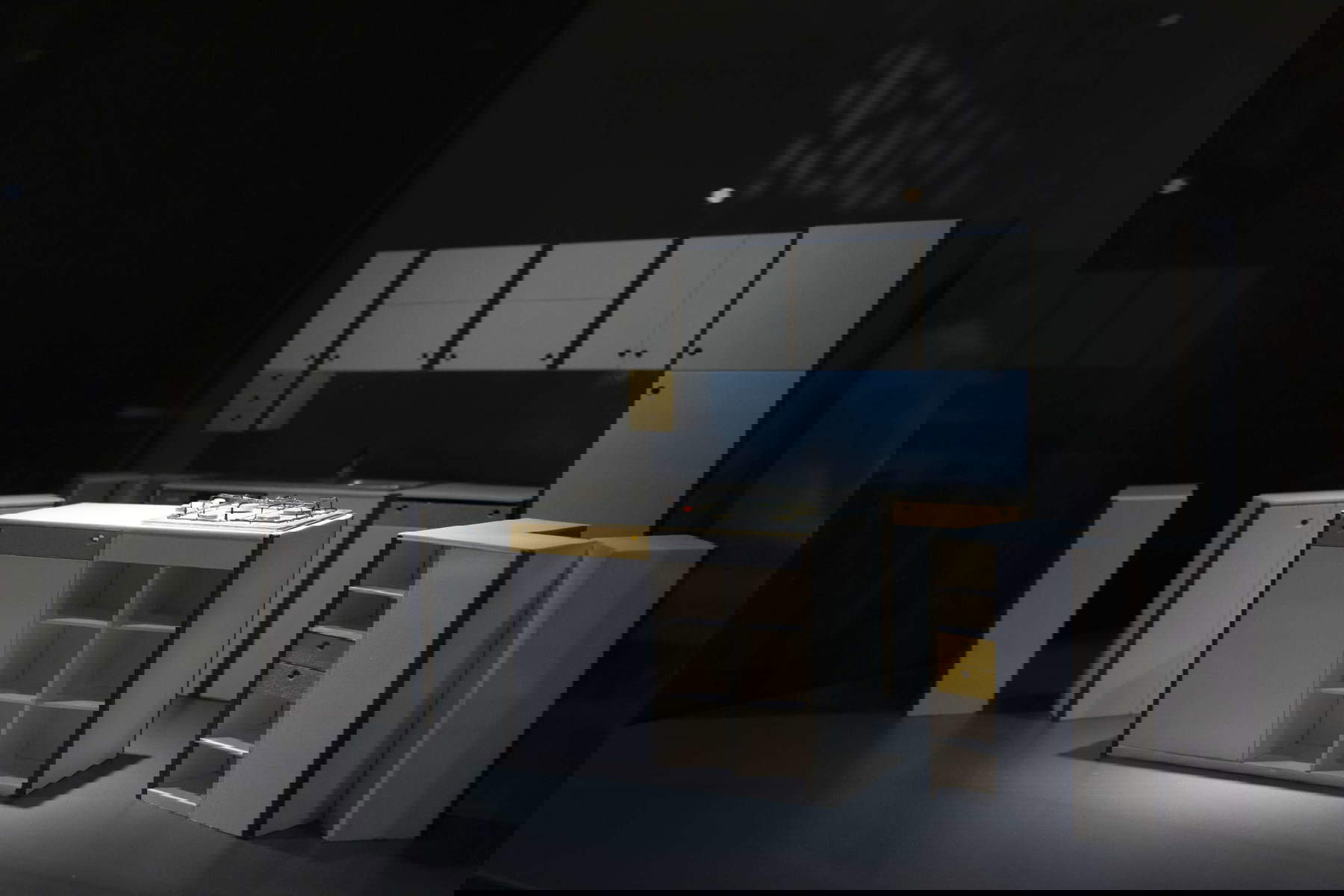
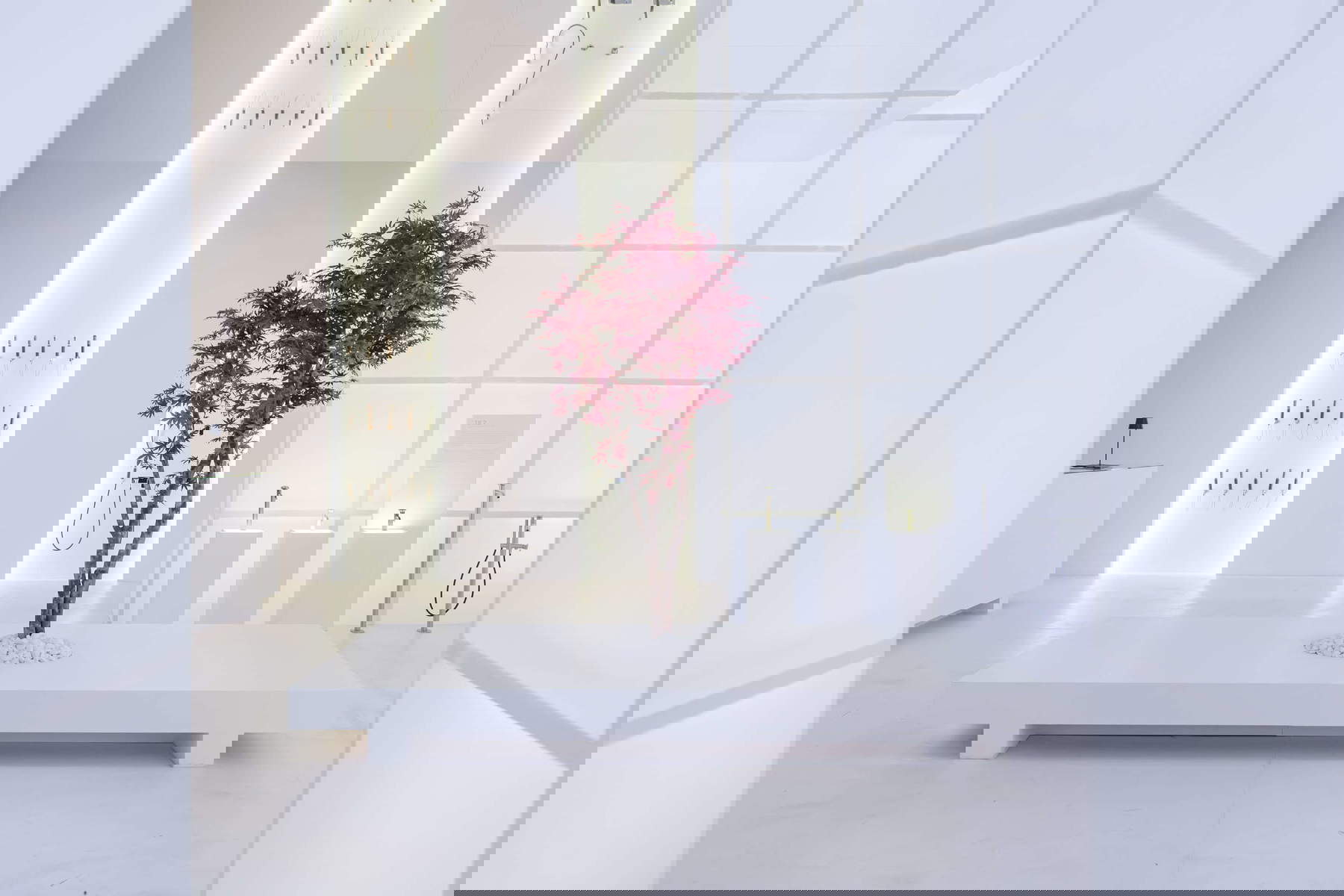
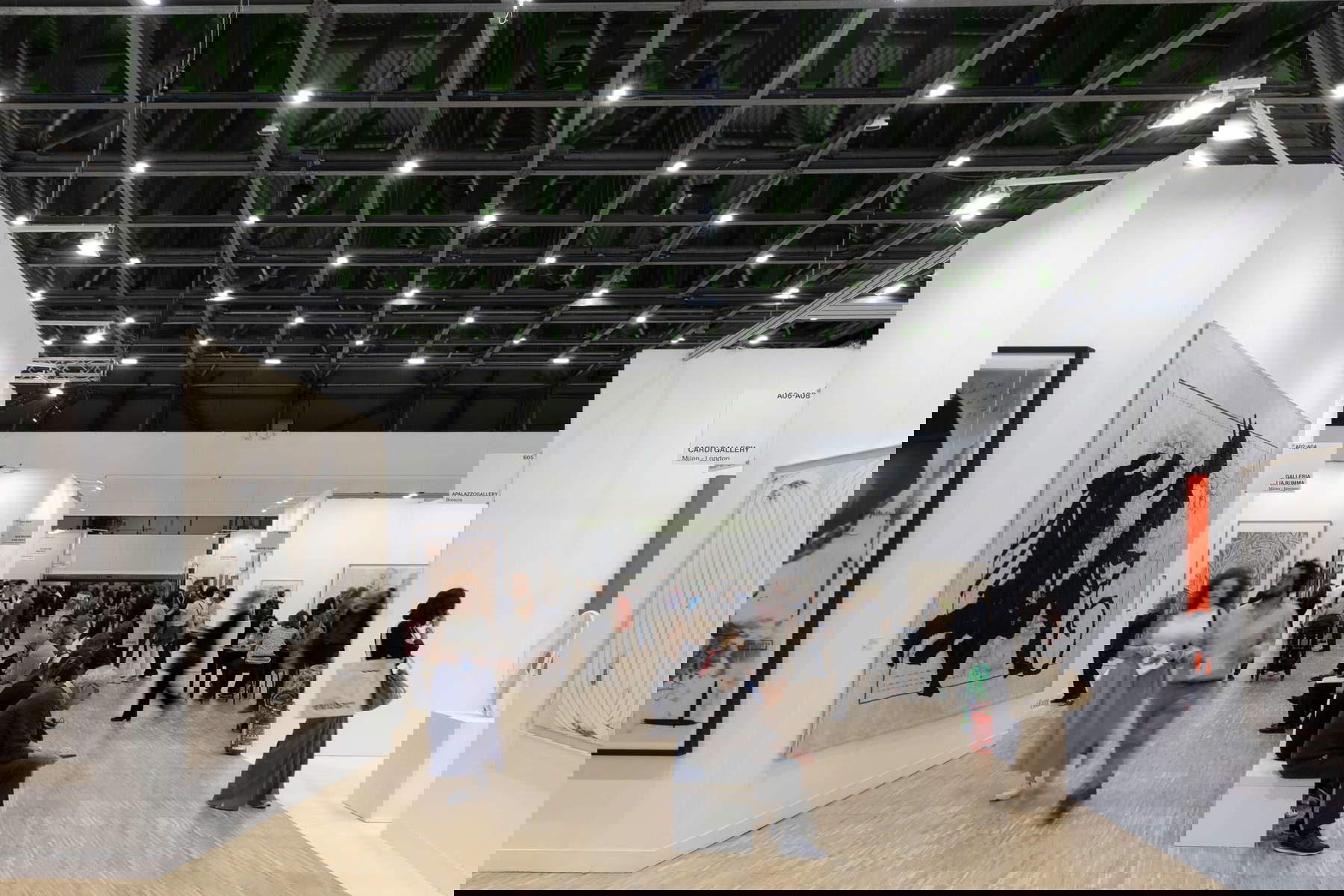
Around, even during Art Week the city is filled with widespread events, exhibitions, openings, talks. But their economic and media density is incomparable to Design Week. Art Week does not invade Milan: it runs through it. It does not transform it: it accompanies it.
The queues outside the events, in short, are not there. And if there are faults, they should be blamed on the contemporary art system and its exclusivity. The difference is not aesthetic. It is not a question of quality, nor of cultural importance. It is a question of structure.
Here the real friction. Not between art and design as categories, but between two models of cultural economy that coexist without ever really overlapping. For one week it becomes the global capital of design as a creative industry. For the other it retreats into a more reflective, more institutional, less spectacular dimension. This is not a contradiction: it is an identity strategy. But it is also a permanent tension. Because the two systems are not alike. They do not have the same kind of audience, they do not generate the same kind of flows, they do not produce the same economic density. One is expansive, the other is selective. One occupies the city, the other runs through it. And Milan lives exactly within this gap.
Not all stages have the same energy. Some are full arenas, where the city expands to become a global system. Others remain more collected spaces, almost dress rehearsals of a language that does not necessarily seek a large audience.
And perhaps the question is not who moves Milan. The question is how much Milan can still distinguish between what fills it and what flows through it.


The author of this article: Giacomo Nicolella Maschietti
Giacomo Nicolella Maschietti è giornalista professionista, critico e curatore. Da oltre vent'anni collabora con Class CNBC come esperto di mercato dell'arte. Direttore di Collezione da Tiffany, scrive regolarmente per Cottura Creativa, Private e Patrimoni e ha collaborato con Milano Finanza, GQ, Marie Claire Maison e con le principali testate italiane del settore (Flash Art, Artribune, Artslife). Conduce settimanalmente la rubrica culturale Grand Hotel su UP TV, la moving TV delle metropolitane e degli aeroporti italiani. Si occupa di mercato, collezionismo e sistema dell'arte, con particolare attenzione ai rapporti tra patrimonio culturale, istituzioni e contemporaneità.Warning: the translation into English of the original Italian article was created using automatic tools. We undertake to review all articles, but we do not guarantee the total absence of inaccuracies in the translation due to the program. You can find the original by clicking on the ITA button. If you find any mistake,please contact us.


























 IT
IT FR
FR DE
DE ES
ES CN
CN


