





The link between Ferrara and cinema has its roots in an urban planning that seems to have been conceived for cinematic staging. Often referred to as Europe’s first modern city because of the Addizione Erculea, an extraordinary work of urban planning conducted at the end of the 15th century by Duke Ercole I d’Este, Ferrara still looks like an unfinished organism that juts out into the countryside, offering perspectives that escape along quiet streets and gardens concealed behind high city walls. This particular conformation has attracted filmmakers since the early years of the last century, transforming the area into a visual laboratory where light and the threads of history are inextricably intertwined. The Este city made its appearance on the silver screen as early as 1902, documenting the visit of sovereign Victor Emmanuel in a short shot by Rodolfo Remondini, testifying to a vocation that would lead the province to host more than two hundred and eighty titles including films, documentaries and television productions.
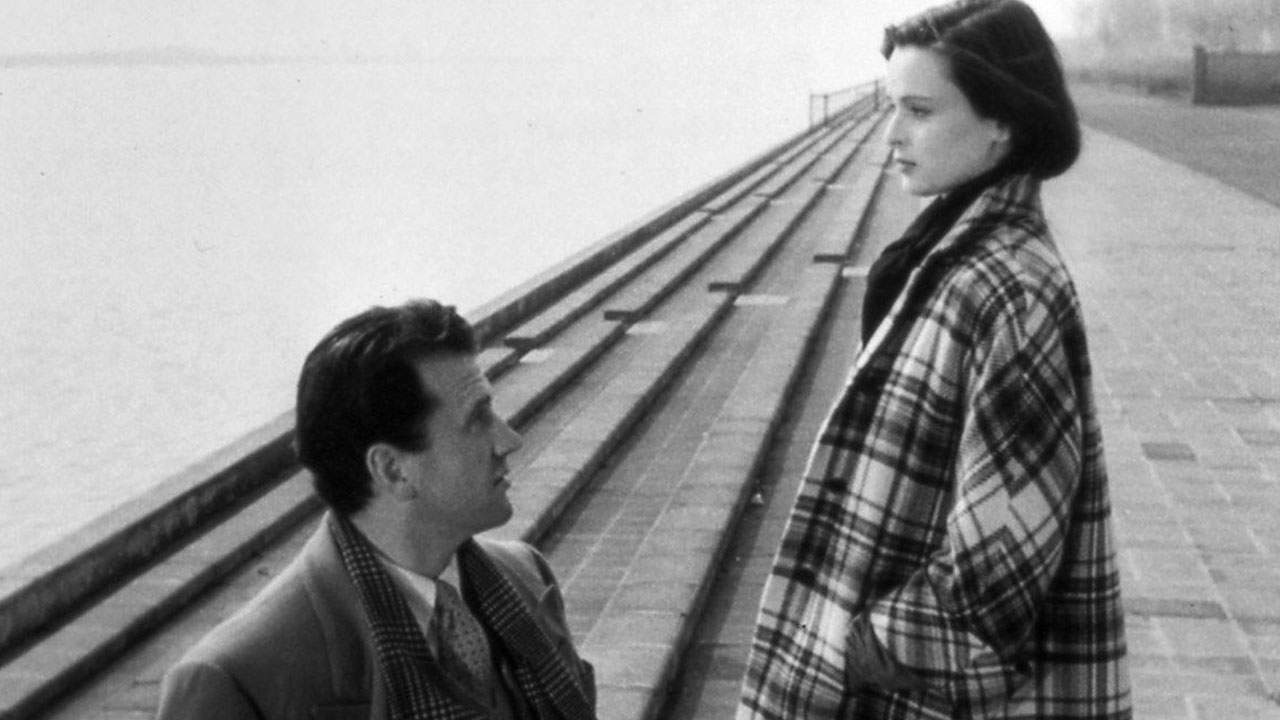
Two figures dominated this cultural panorama, linking their art to the city’s atmosphere: Michelangelo Antonioni and Giorgio Bassani. The former, born in Ferrara, took his first steps as a local critic before making his debut behind the camera with the documentary Gente del Po and later with the feature film Chronicle of a love. The latter, though born in Bologna, elected Ferrara as the pivot of his literary production, creating imagery that cinema would later translate into iconic images. The two shared not only academic training but also personal passions, such as the one for tennis practiced at the Marfisa club in Corso della Giovecca, a place that appears precisely in the investigative investigations of Antonioni’s first film and is echoed in the events of the protagonists of Bassani’s novel.
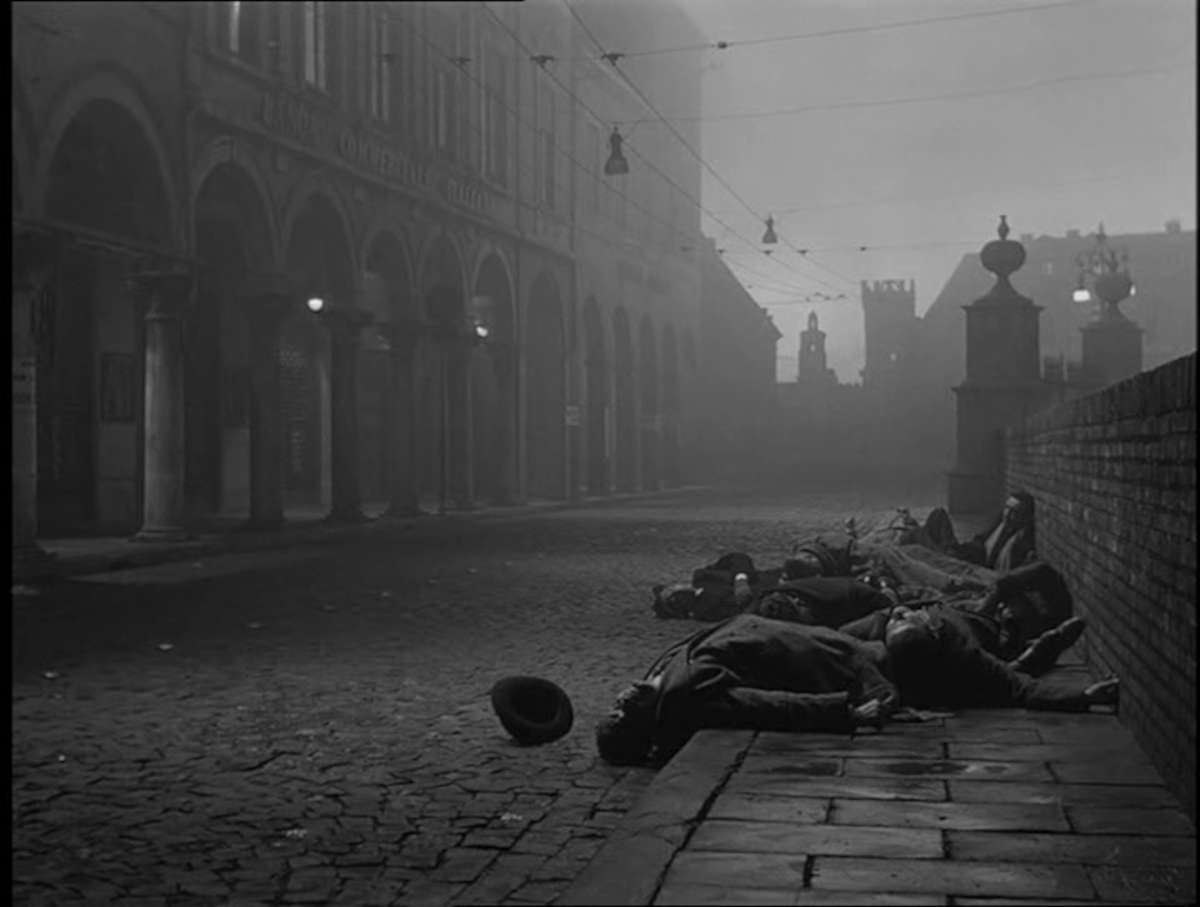
The itinerary in the historic center can only start from the Castello Estense, an architectural bulwark that has lent its forms to key moments in Italian cinematography. It was here that Luchino Visconti, in 1943, chose to set some key sequences of Ossessione, a film that would mark the birth of Neorealism. The director chose Ferrara because of his ability to depict the society of the Paduan underclass, then little investigated by the official cinematic narrative. Also taking place along the castle walls and in Corso Martiri della Libertà was the tragic re-enactment of the Fascist massacre in The long night of ’43, directed by Florestano Vancini and based on Bassani’s stories. Although many scenes were reconstructed in the Roman studios for production needs, the visual impact of the real city remains the beating heart of the work.
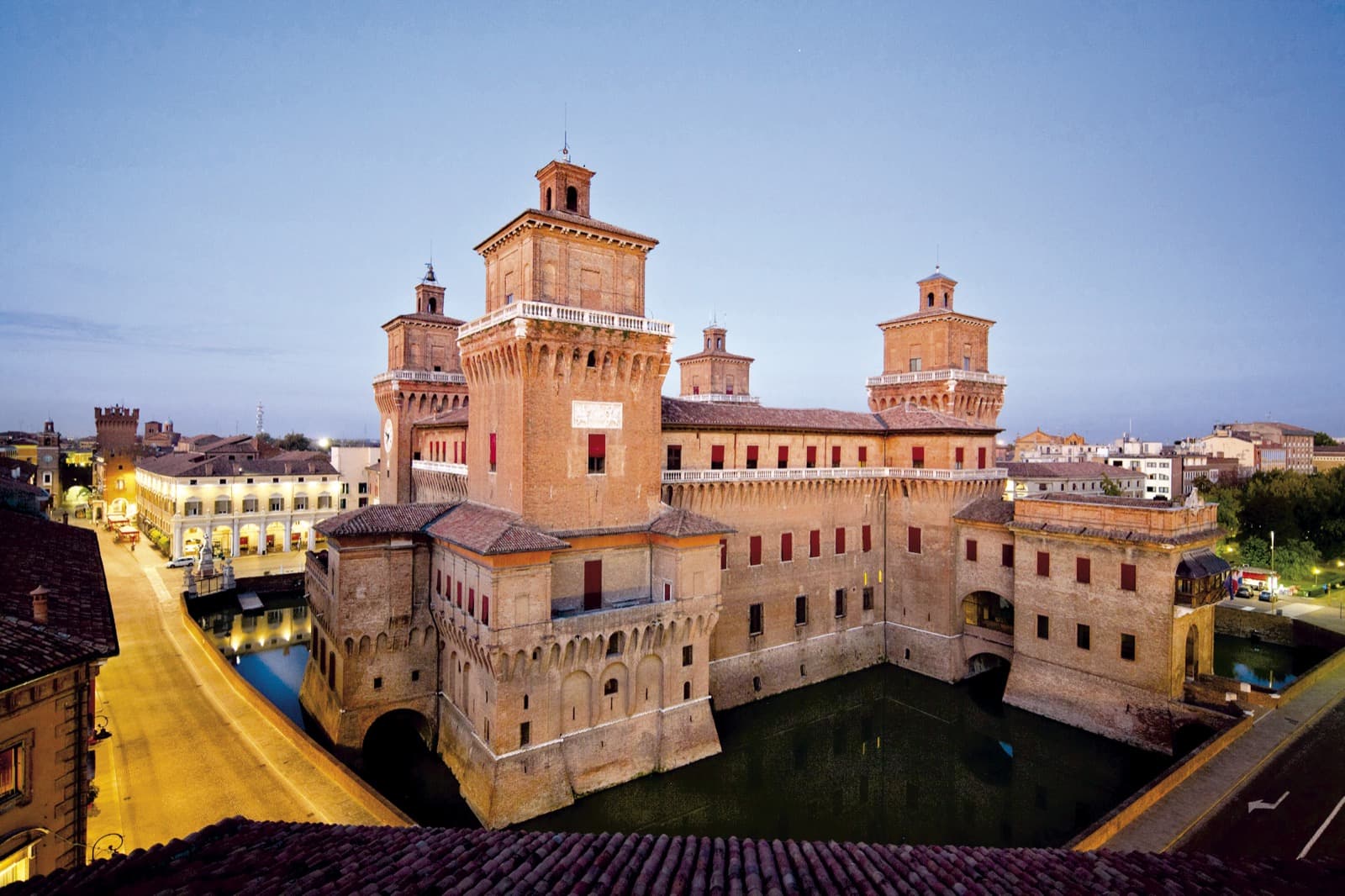
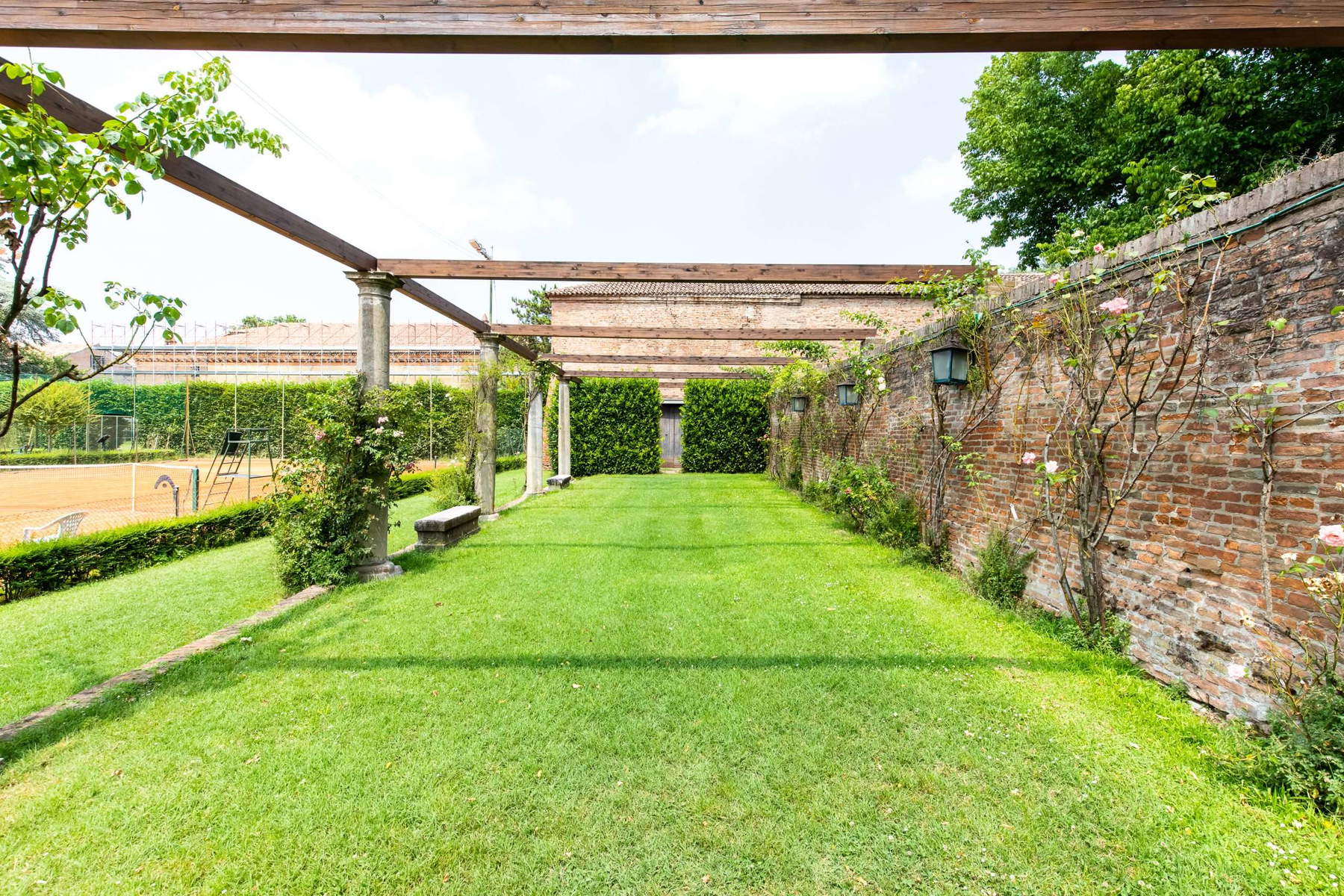
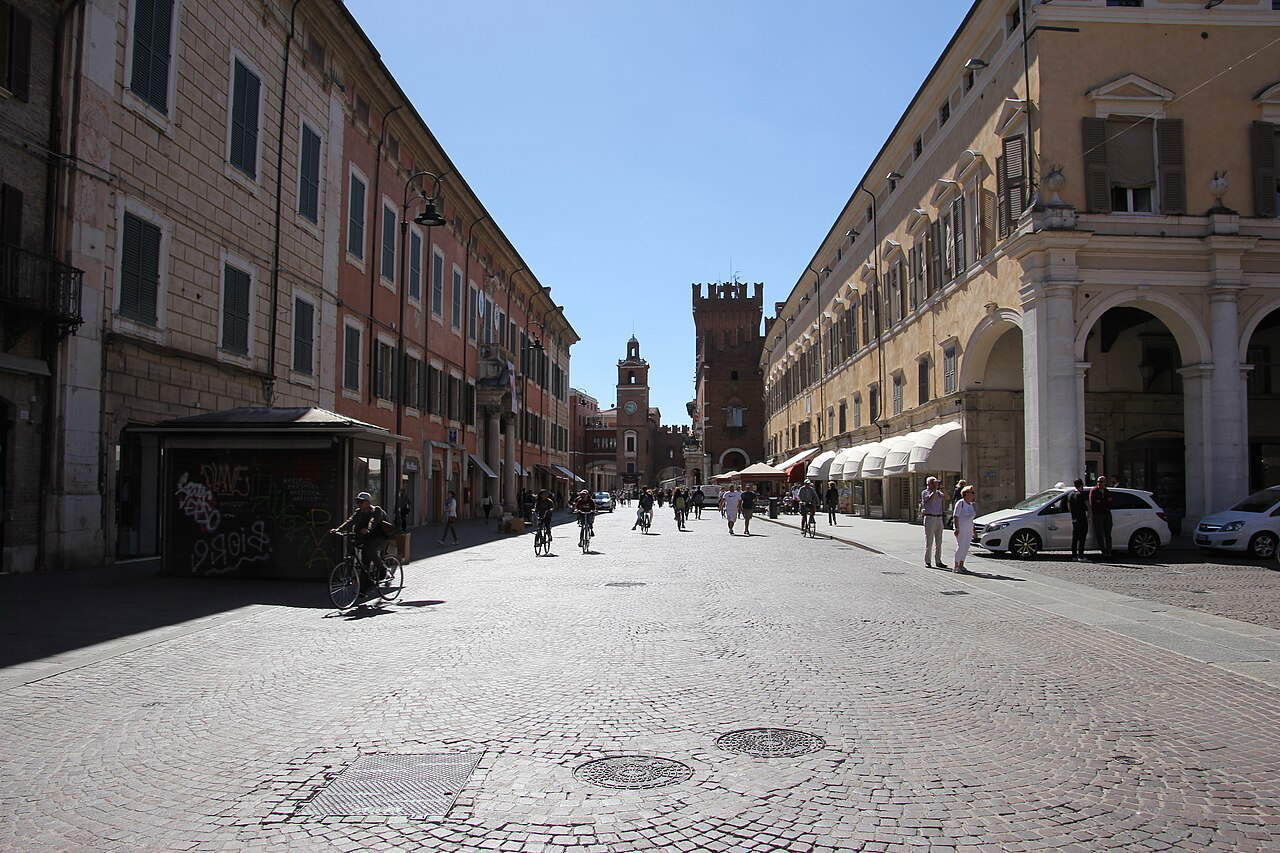
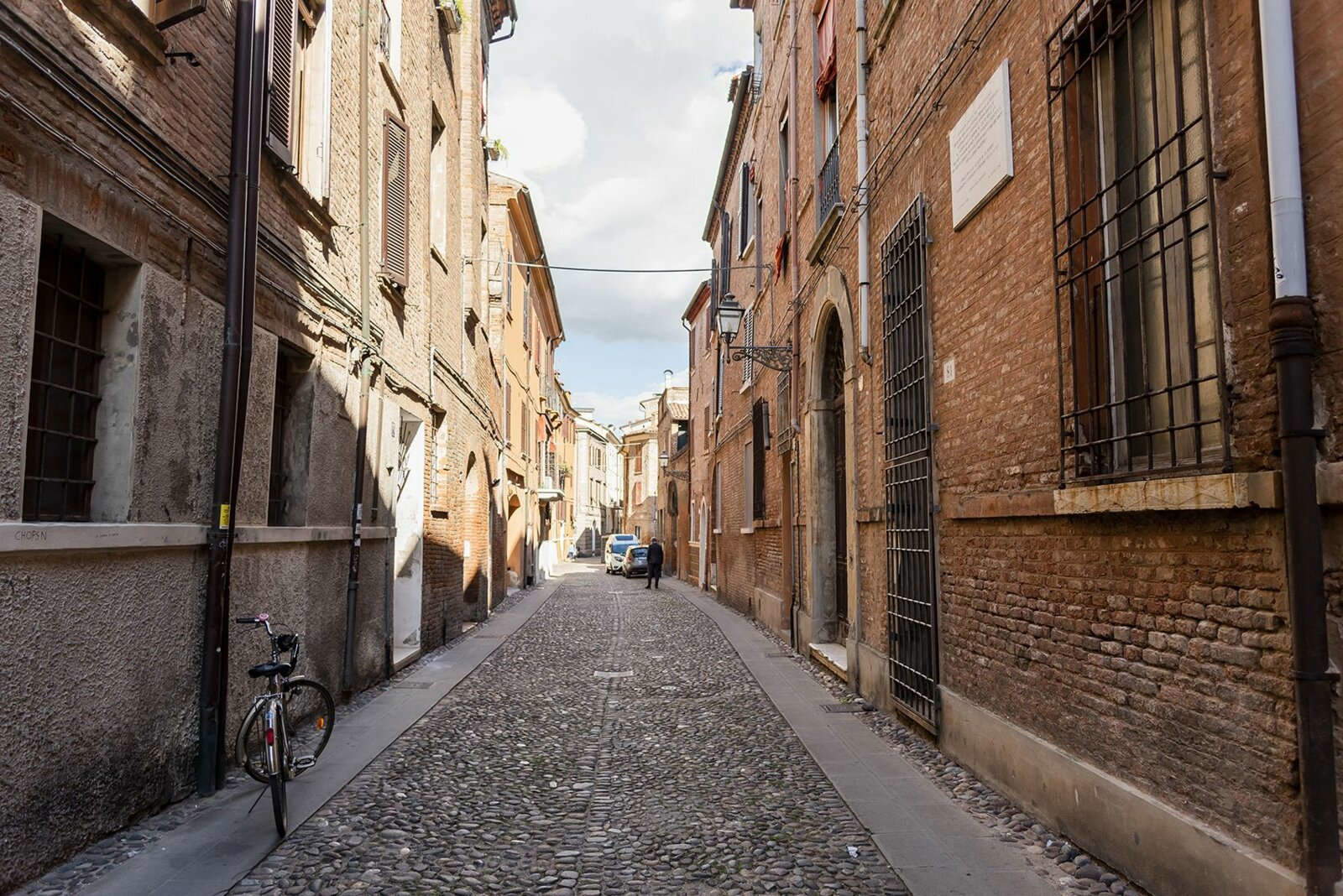
Walking around Ferrara today means retracing the footsteps of actors of the caliber of Massimo Girotti, who right in front of the Castle confronted Clara Calamai, or imagining the condottiero Giovanni dalle Bande Nere, played by Hristo Jivkov in Ermanno Olmi’s Il mestiere delle armi , coming out of the drawbridge under a heavy snowfall. The city has the ability to change its face depending on the director’s vision: if for Terry Gilliam the facade of the Cathedral becomes part of a dreamlike collage in his lunar journey of Baron Münchausen, for Vittorio De Sica the medieval streets and the Synagogue on Via Mazzini are the sorrowful backdrop for the fate of the Finzi Contini family. The little wall of Parco Massari, although not the original of the villa described by Bassani, has become in the collective imagination the symbol of the social exclusion and racial laws that affect the protagonists of the Oscar-winning film.
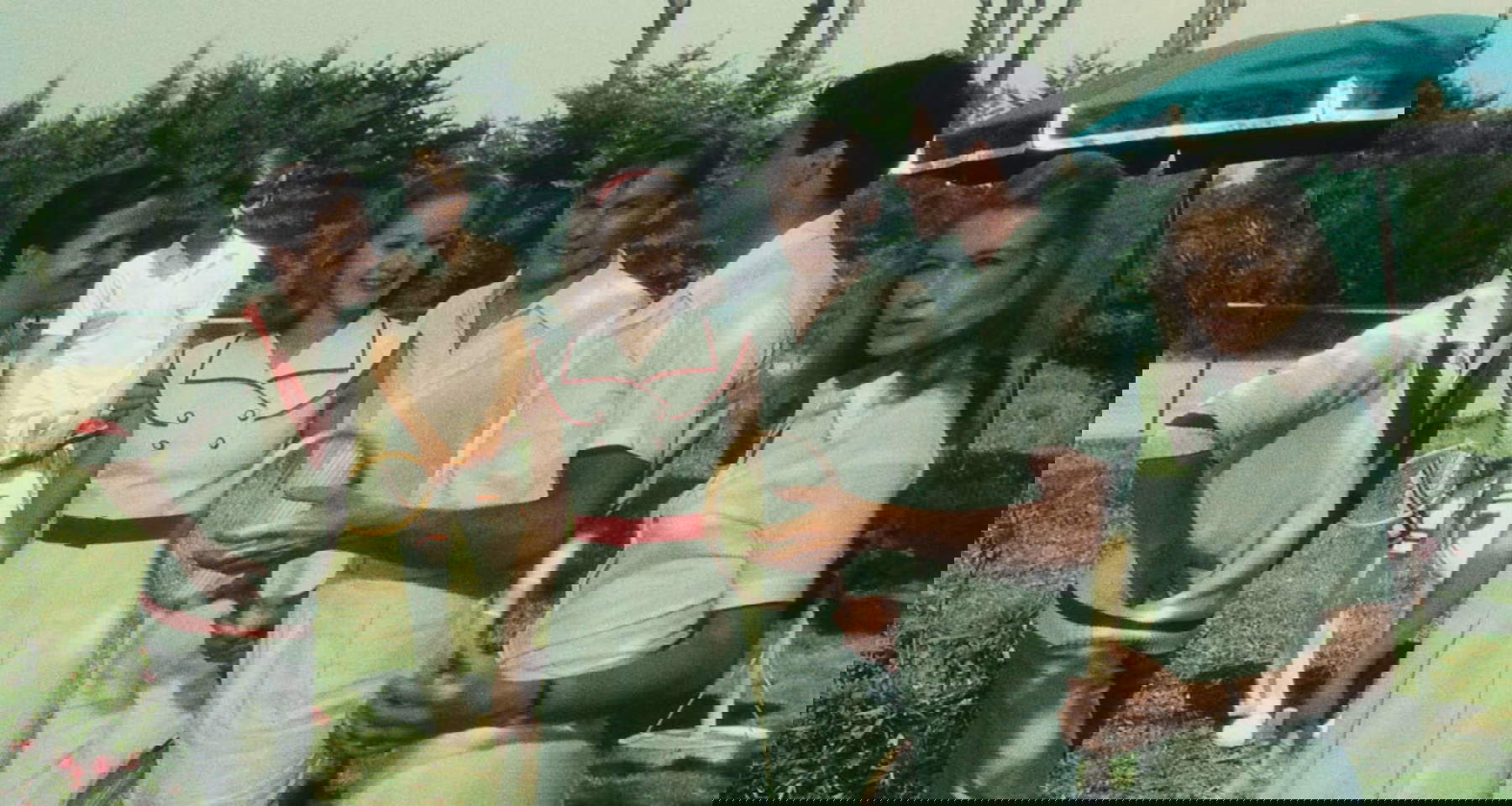
The province also offers equally evocative scenery, where the Po becomes the silent protagonist of different narratives. In Bondeno and Stellata, Mario Soldati directed some scenes of the kolossal War and Peace, bringing internationally renowned actors such as Anita Ekberg and Mel Ferrer along the Ferrara embankments. Comedy has also found a place in these lands: Cento has hosted the filming of popular movies such as Carlo Vanzina’s Le barzellette, but it was also the scene of Pupi Avati’s irreverent Mazurka del barone, della santa e del fico fiorone, with an unforgettable Ugo Tognazzi getting off at Bondeno station to head to the town of Guercino. These villages were chosen by the filmmakers for their authenticity, capable of restoring that feeling of suspended time marked by the slow flow of the river.
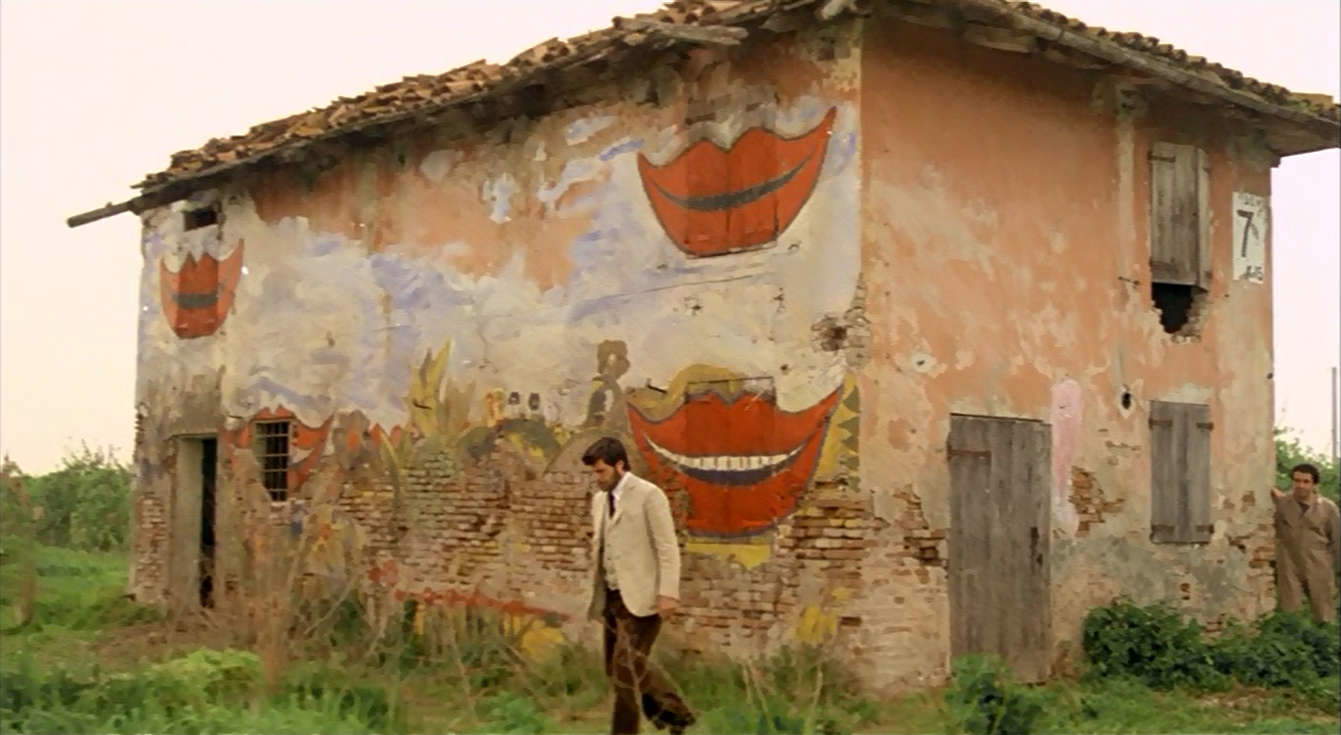
Continuing toward the Po Delta, the landscape transforms into a world of water and land where nature assumes a fundamental dramaturgical role. Comacchio, with its bridges and canals, has been called one of the most cinematic locations in the region. Sophia Loren, in the role of Nives in The Woman of the River, linked her image to the marinating of eels in the former Azienda Valli, marking a turning point in her international career. The Comacchio Valleys were also Anna Magnani’s refuge in Red Shirts and the eerie setting for Pupi Avati’s thrillers, such as La casa dalle finestre che ridono, where mystery lurks behind the facades of lagoon dwellings. Science fiction has also found a home in this almost lunar environment, with productions such as Lewis Coates’ Starcrash using the Delta to depict distant worlds.
The Po Delta was not only a scenic backdrop, but the focus of a cinema of social commitment that found in Florestano Vancini one of its greatest interpreters. Through his documentaries, the Ferrara-based director investigated the human and social conditions of the people linked to the river, doing justice to a harsh and fascinating landscape. In the Argenta area, Vancini set La neve nel bicchiere (The Snow in the Glass), an epic fresco of peasant struggles between the late 19th century and the advent of fascism. The choice of Ferrara and its province as a set often responded to the directors’ need to rediscover authentic atmospheres that the capital could no longer offer: Vancini himself admitted that he could not shoot Amore amaro in Rome, the city where the story was originally set, because only in Ferrara could he express that sense of a sleepy city influenced by the breath of the countryside.
This cinematic tradition continues to feed on new visions, thanks also to contemporary directors such as Elisabetta Sgarbi, who found inspiration in Ro Ferrarese for her works, or Silvio Soldini, who chose the Lido di Volano for the surreal atmospheres of Agata e la tempesta. The city of Ferrara has also been the set for modern analyses of urban loneliness, as in the film La vita come viene by Stefano Incerti, where the beauty of historical monuments dialogues with the inner conflicts of the contemporary bourgeoisie.
Cinetourism in the Ferrara area is thus configured as a journey through the folds of light and history, where each palace, embankment or canal tells a different storyline, fixed forever on celluloid by masters who knew how to interpret the deep soul of this territory. The experience of visiting these places allows one to fully understand the motivations that drove so many authors to tread these paths. It is not just about architectural beauty, but an emotional quality guaranteed by a landscape that lends itself to multiple interpretations. From excellent palaces such as Palazzo Roverella and Palazzo Prosperi-Sacrati, which have hosted stellar casts, to the mists of the valleys where Commissioner Soneri solves his TV cases, the province of Ferrara remains a privileged set. It is a territory that continues to stimulate discovery, offering those who pass through it the chance to feel like protagonists of an endless story, written with the magic of light and the solidity of Este stone.
|
| Ferrara and cinema: itineraries between directors, films and historical memory |

Warning: the translation into English of the original Italian article was created using automatic tools. We undertake to review all articles, but we do not guarantee the total absence of inaccuracies in the translation due to the program. You can find the original by clicking on the ITA button. If you find any mistake,please contact us.



























 IT
IT FR
FR DE
DE ES
ES CN
CN


