








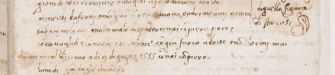
A cloudburst of superlatives bathes the paper on which Nicolò Dorigati, a Trentino painter from a noble family, and therefore always well-connected, had tried to state the reasons for the altarpiece, his altarpiece, destined for the church of Santa Maria Assunta in Villa Lagarina. The letter has lost the name of that “illustrissimo e reverendissimo signore” and “padron graciosissimo” to whom Dorigati was writing on August 12, 1696, but it is not a great effort to identify the addressee in the commissioner of the painting, Carlo Ferdinando Lodron, presbyter, archpriest of Villa Lagarina, canon and provost of Trento Cathedral, scion of a comital family of ancient and high lineage. Dorigati told him, with a deference credible enough to blandish His Illustrious Lordship with due expediency, as was fitting, but with a nonchalance that masked his profound obstinacy, that in his opinion it was “most necessary” make the angels of a size sufficiently large to carry the “Most Holy Virgin” to express strength, but of a sinew that was also sufficiently devout to induce them not to venture to touch the immaculate epidermis of Our Lady. These divine couriers condemned to paradox would therefore see to the Assumption’s transfer by other means: they would endeavor to pile up the clouds to support her, and if it were really necessary for them to touch the sinless little feet of that eternal adolescent, then they would put cloths over their hands, Dorigati suggested. And he closed by begging Lodron to have the goodness to pity him if any divergence emerged between the result guaranteed by the artist and the commissioner’s intentions: for his part, the painter would use all his little power “to scan every similarity of how many Assonte I have seen.” A human desire for total originality must have shaken Count Lodron’s sleeps, and it is understandable: probably in the history of art there has never existed and never will exist a patron who does not want something that others do not have. Besides, here they were painting not so much to honor heaven as to be not inferior to an ancestor, to continue the occupation of a space that had already been consecrated for decades to the Lodron family more than to the Assumption and all its angelic apparatus.
What had happened was that a cloud of soft stucco and a geometric glow of golden lights had invested the old Gothic church of Villa Lagarina, and by the end of the seventeenth century they had taken possession of it, at least in part. The valley, one would say, had been overwhelmed by the city, the Lodron fiefdoms clinging to the right bank of the Adige contaminated by the musical and insidious solemnity of the Salzburg Baroque. The seventeenth century in the Lagarina valley was the time of Paris Lodron, a priest gifted with a keen intelligence and political sense, a theological scholar who had trained between Bologna and Ingolstadt, a cousin of one Antonio Lodron who was canon of the cathedral of Salzburg, and at thirty-two years of age already become prince-archbishop of Salzburg, the first from a non-Germanic family. One does not become a prince of Salzburg at the age of thirty-two unless one is inhabited by a profound shrewdness and wisdom bordering on prescience, or at least a natural inclination to collect prebends, an astute generosity, and a tenacity to do good for one’s city (and oneself) that has almost a fabulous quality. Everything in Paris Lodron’s time smelled of nobility, of calculation, of palace. That baroque cloud had risen from further down, perhaps even from Rome, and had begun to move across the Alps.
Any biography of Paris Lodron is able to offer the sampler of his artistic and urbanistic exploits, he who was a very fine patron of the arts, he who was an industrious prince, he who had been able to dispel, with the arguments of his politics alone, the natural Austrian suspicions regarding an Italian. It is, indeed, a rich catalog: the nationalization of those salt mines that had always been the mainstay of Salzburg’s economy (to the point of naming the city and its territory after him), the alliances in foreign policy that allowed the principality to avoid becoming entangled in the Thirty Years’ Waryears, the new town planning, the reconstruction of the cathedral, the renovation of Mirabell Castle, the founding of the University of Salzburg, the fortification of the city and the massive upgrade of its walls, the expansion of the Hohensalzburg fortress, and the founding of three collegiate churches. Lodron invented Salzburg, he was the supreme manipulator who persuaded Salzburg to become a Baroque capital, and the grateful Salzburgers dedicated not only a street to him, for that would have been the least trouble (nowadays an odonomastic cadeau is denied to no one), but the whole university, and even now they honor him with the title of pater patriae.
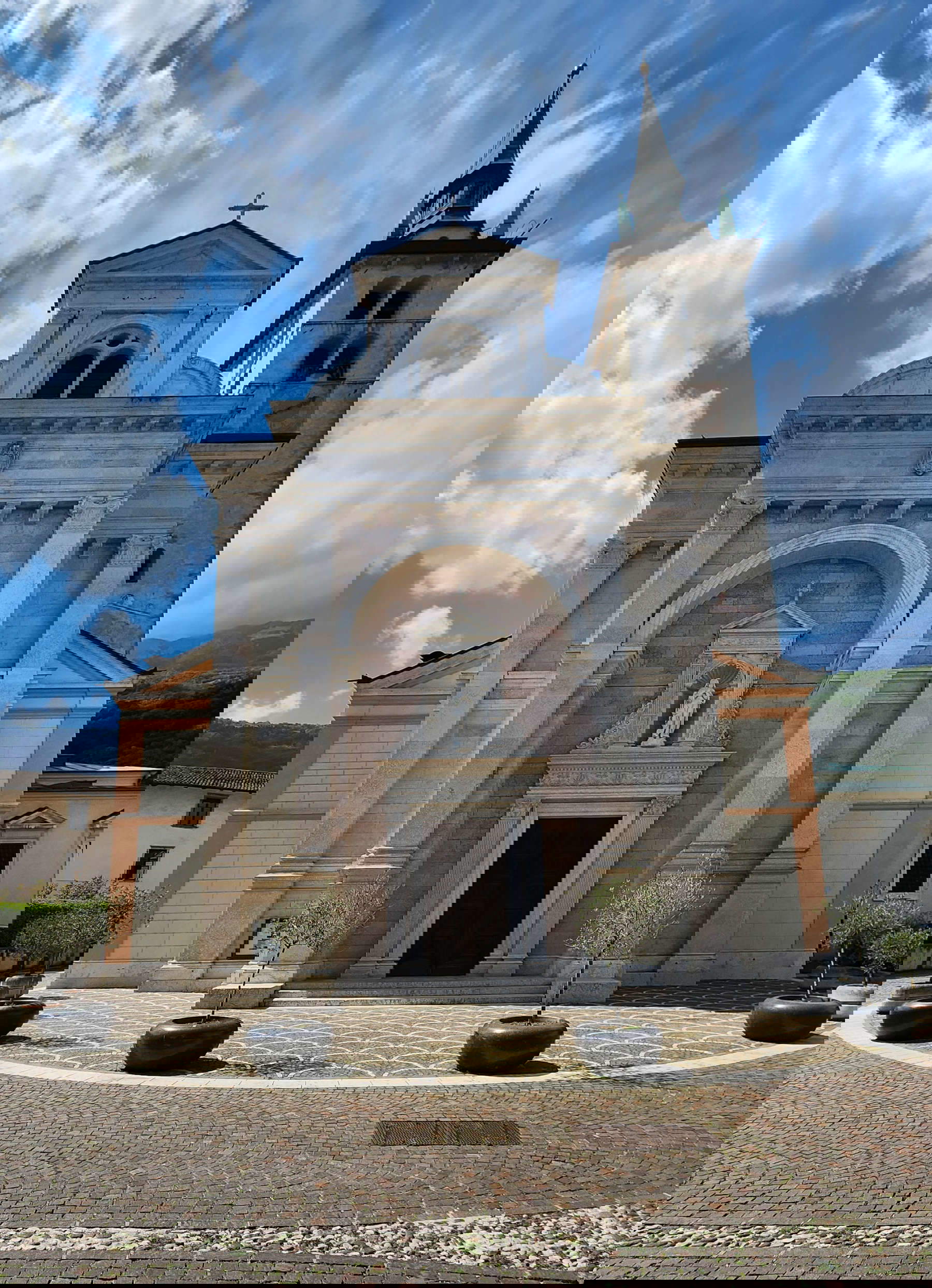
Then it happened that the spirit of the capital crossed the Brenner Pass, came down along the Adige River and all settled inside the church of Villa Lagarina, but it also tried to take over its streets, the facades of its buildings, its squares. And yet one can also sense here a form of capricious, stubborn resistance. Some collector of tourist comparisons might entertain the not-so-bright idea of observing that Villa Lagarina is a kind of little Salzburg. But that would be a topography completely unrelated to reality. The inhabitants, with their cast full of somber sounds that smack of Lombardy valleys but are scattered over a party that is already almost Veronese, would object loudly and perhaps even resentfully, end up claiming their sacrosanct, legitimate and understandable right to originality, and would say that if anything, it is Salzburg that is a slightly larger Villa Lagarina. In any case, once he had put Salzburg in place, Paris Lodron had begun to take care of his Trentino fiefdom, and to start sprucing up the Church of the Assumption he had called in that architect from Como, Santino Solari, to whom he had entrusted the design of the new Salzburg cathedral years earlier. He had not yet finished working on it (the Salzburg Cathedral would be consecrated and inaugurated in 1628) that Paris Lodron had asked him to build, next to the old medieval parish church, a shrine that would function as a family cenotaph, and already in 1629 everyone could enter the chapel of San Ruperto, an airy machination of a still shy and clean Baroque, a Baroque that may not even be Baroque, but which nevertheless also allowed Vallagarina to conquer the gold of heaven.
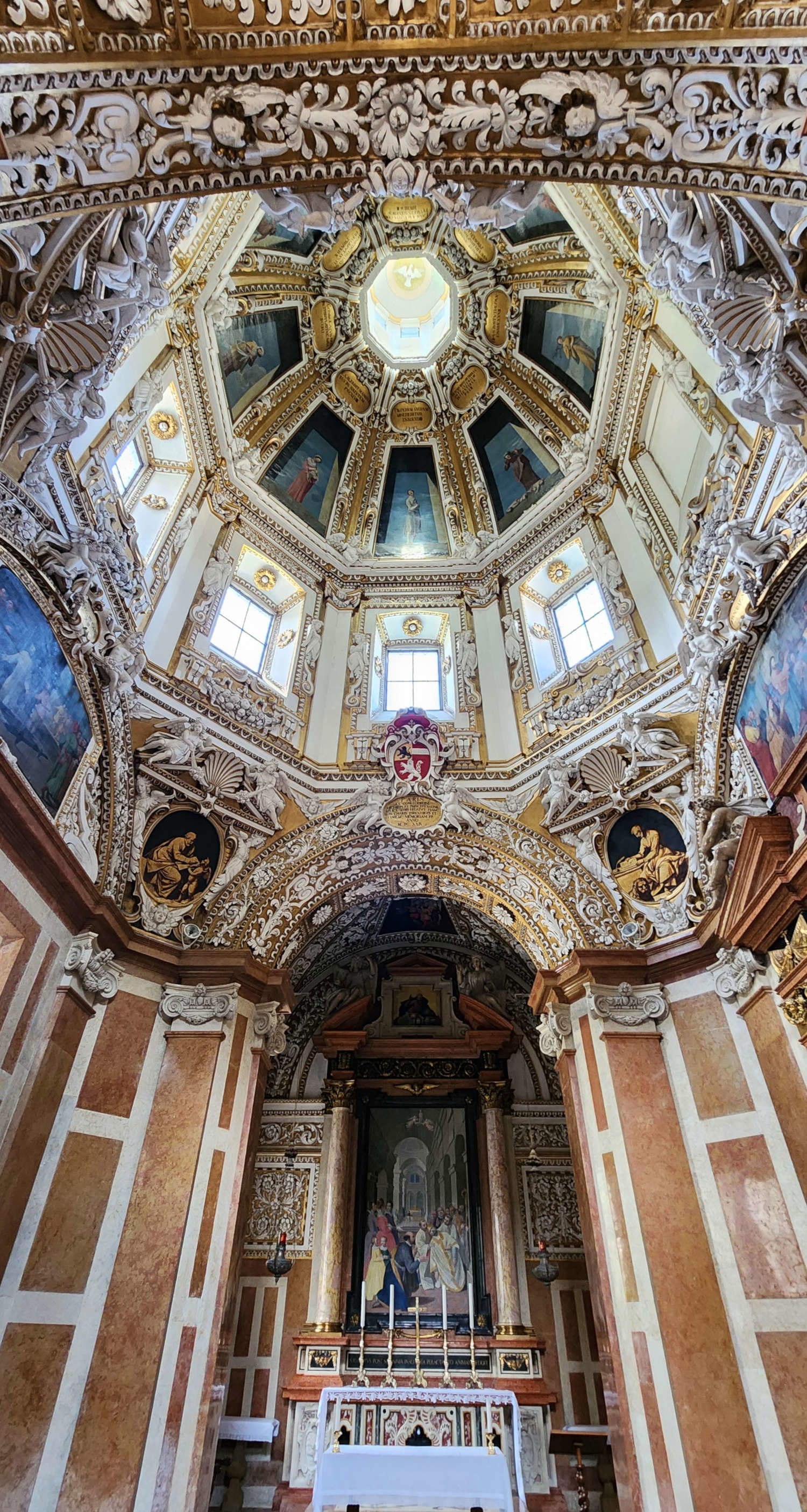
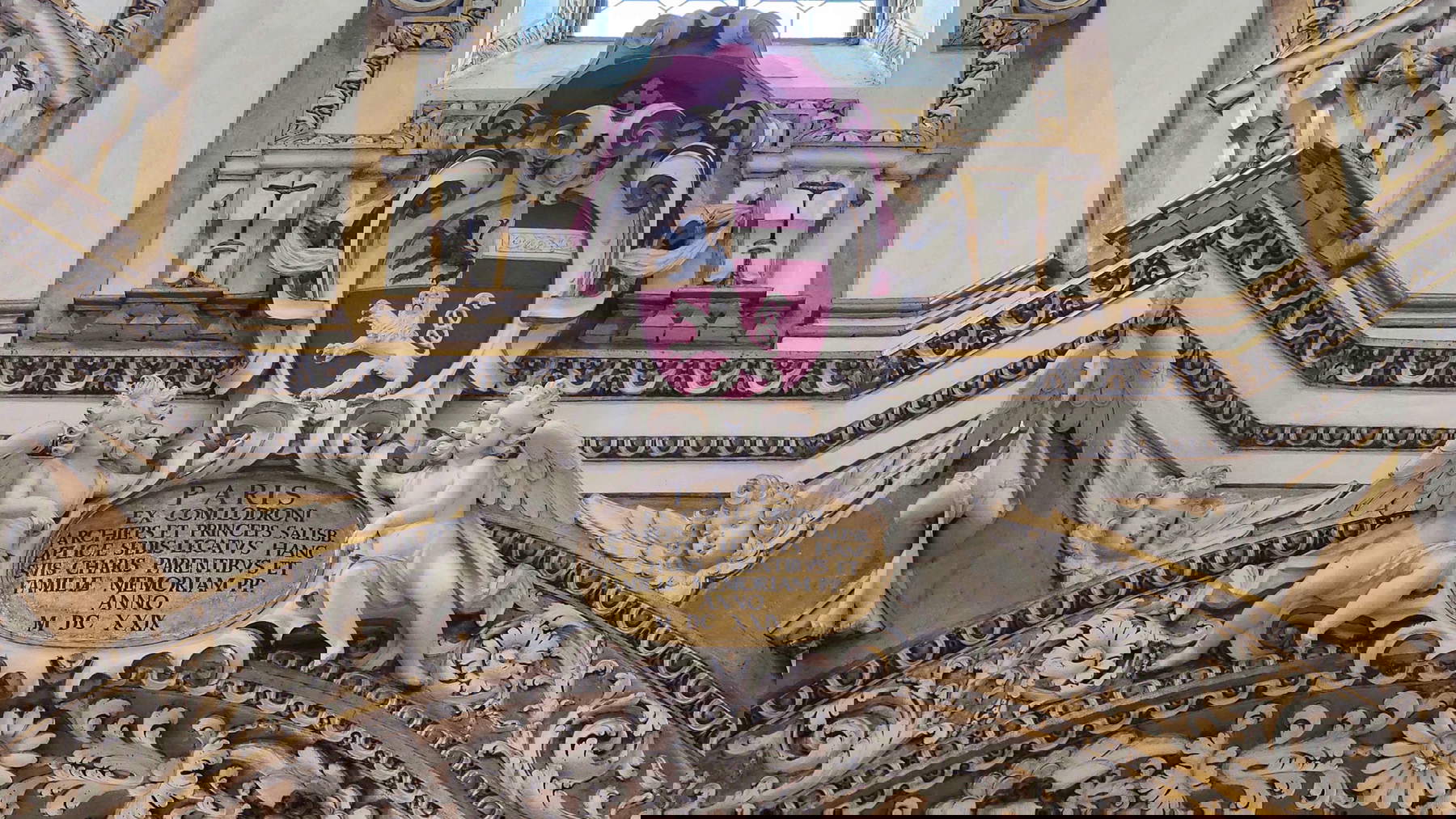
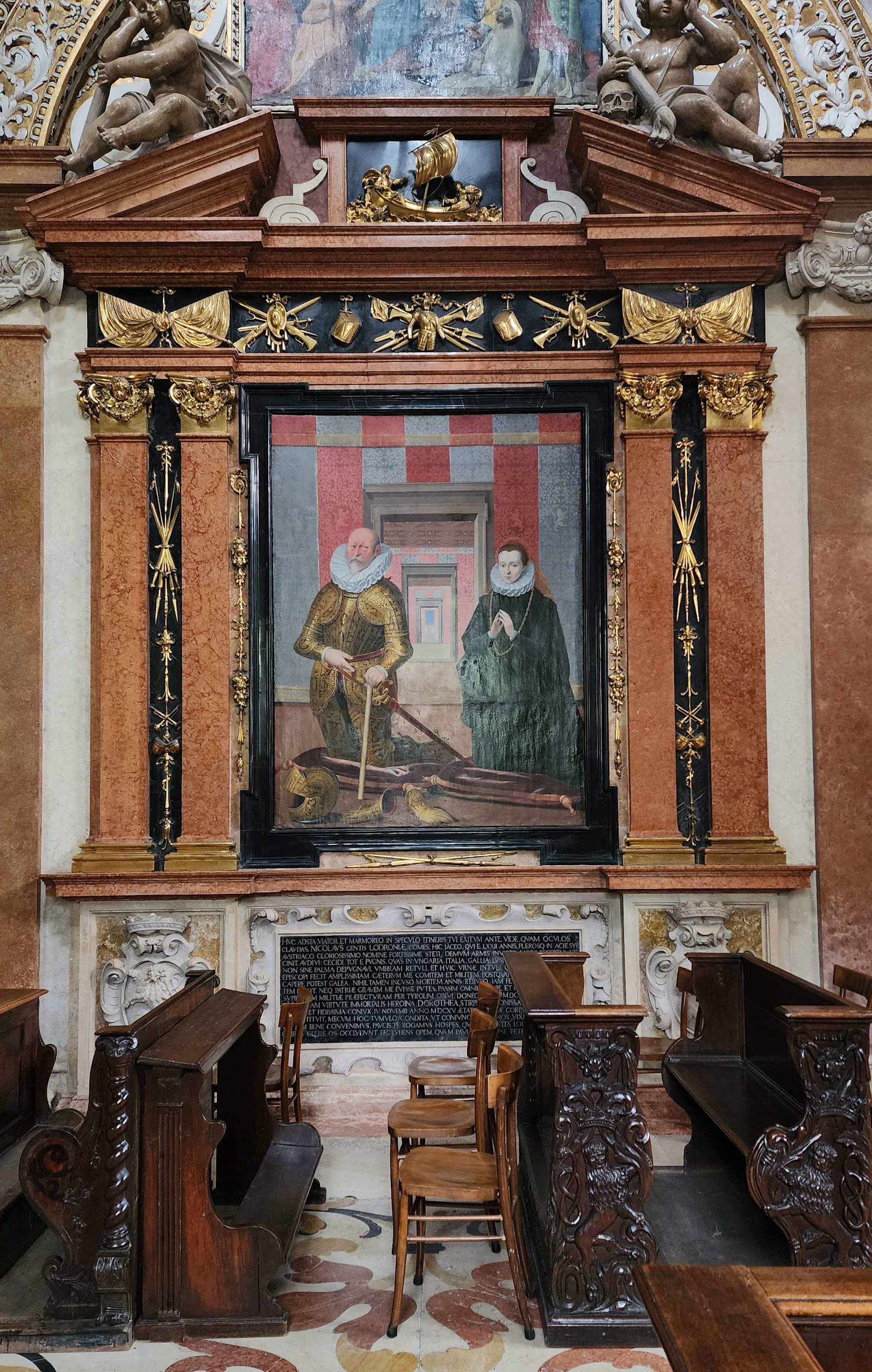
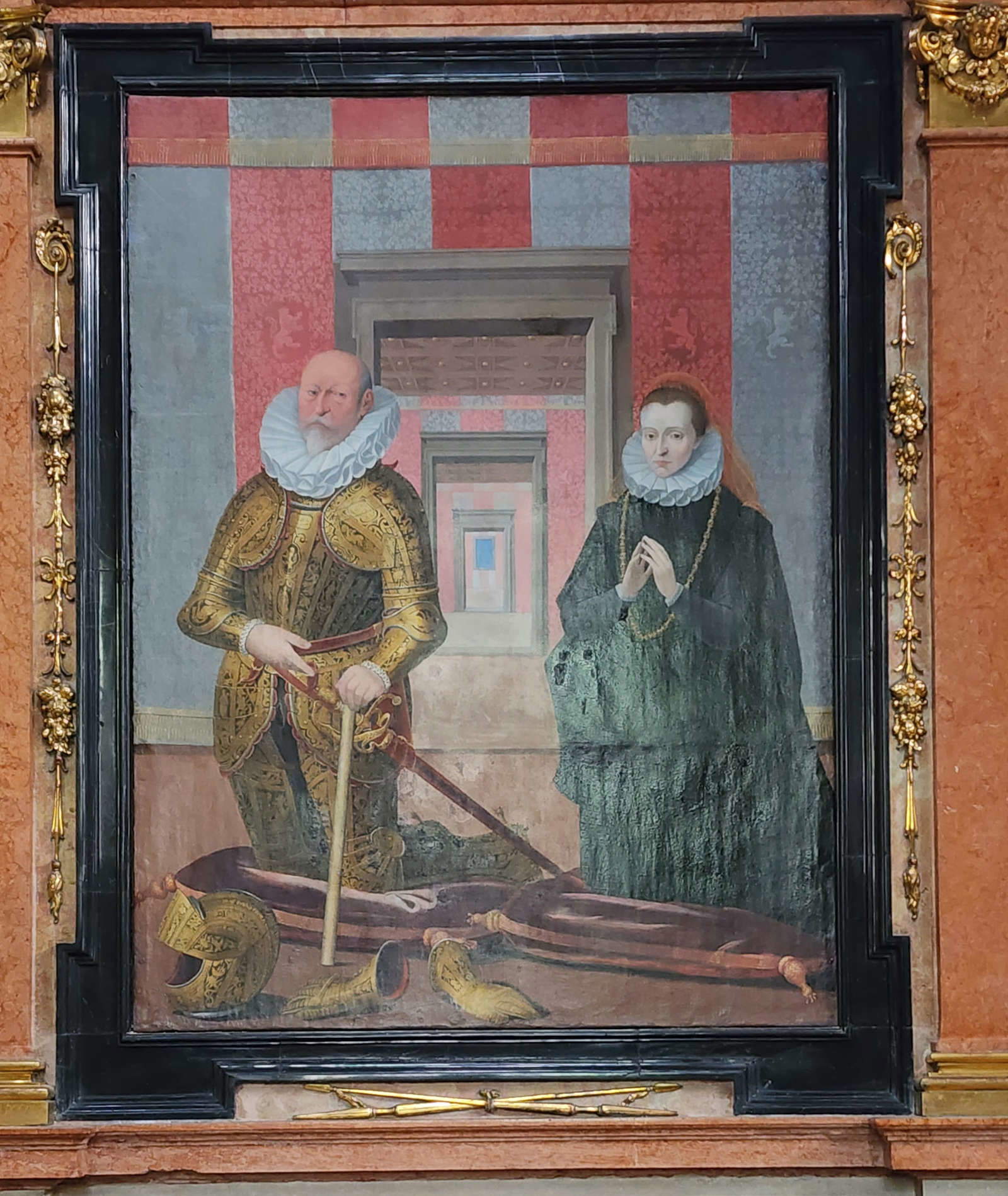
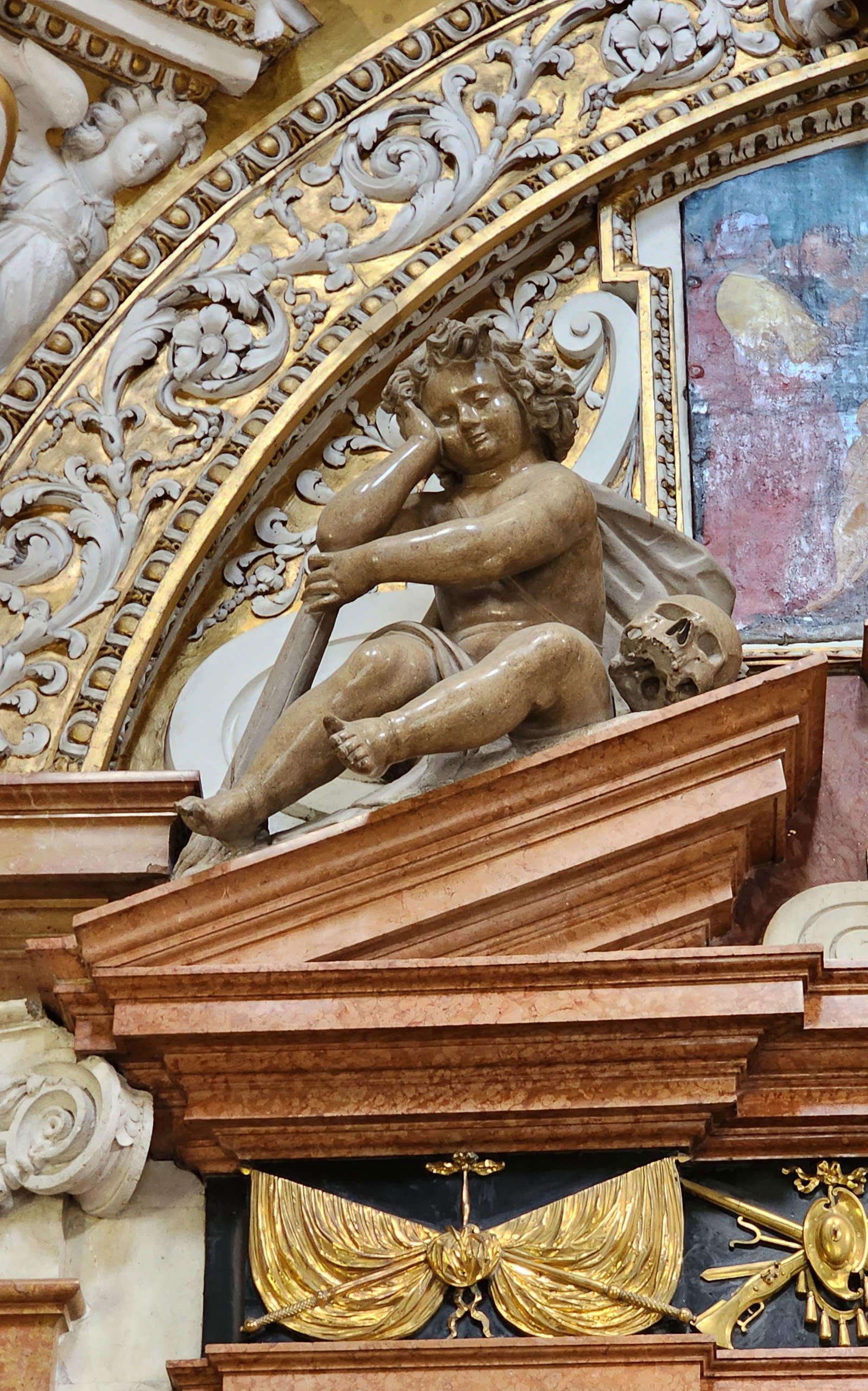
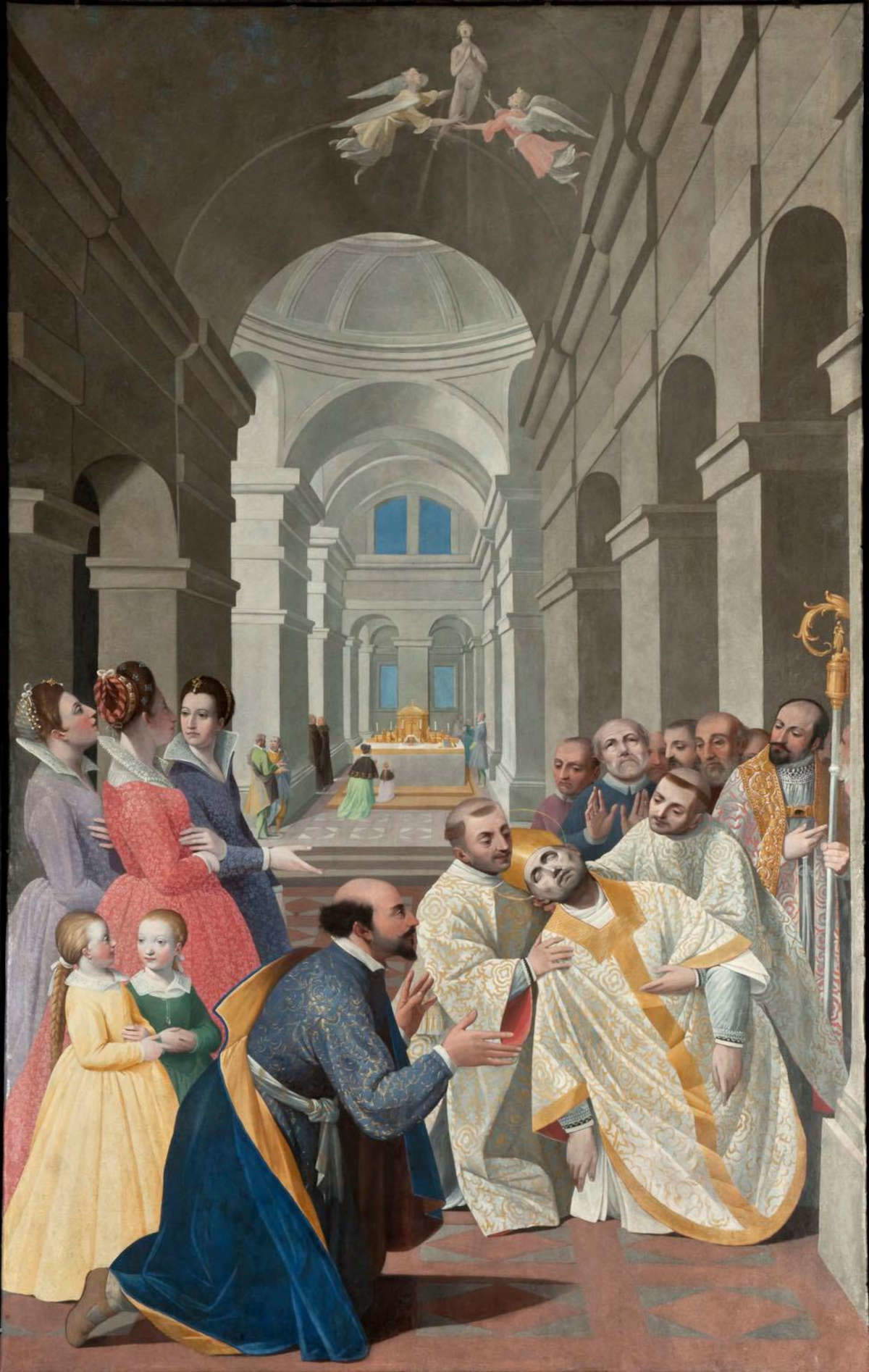
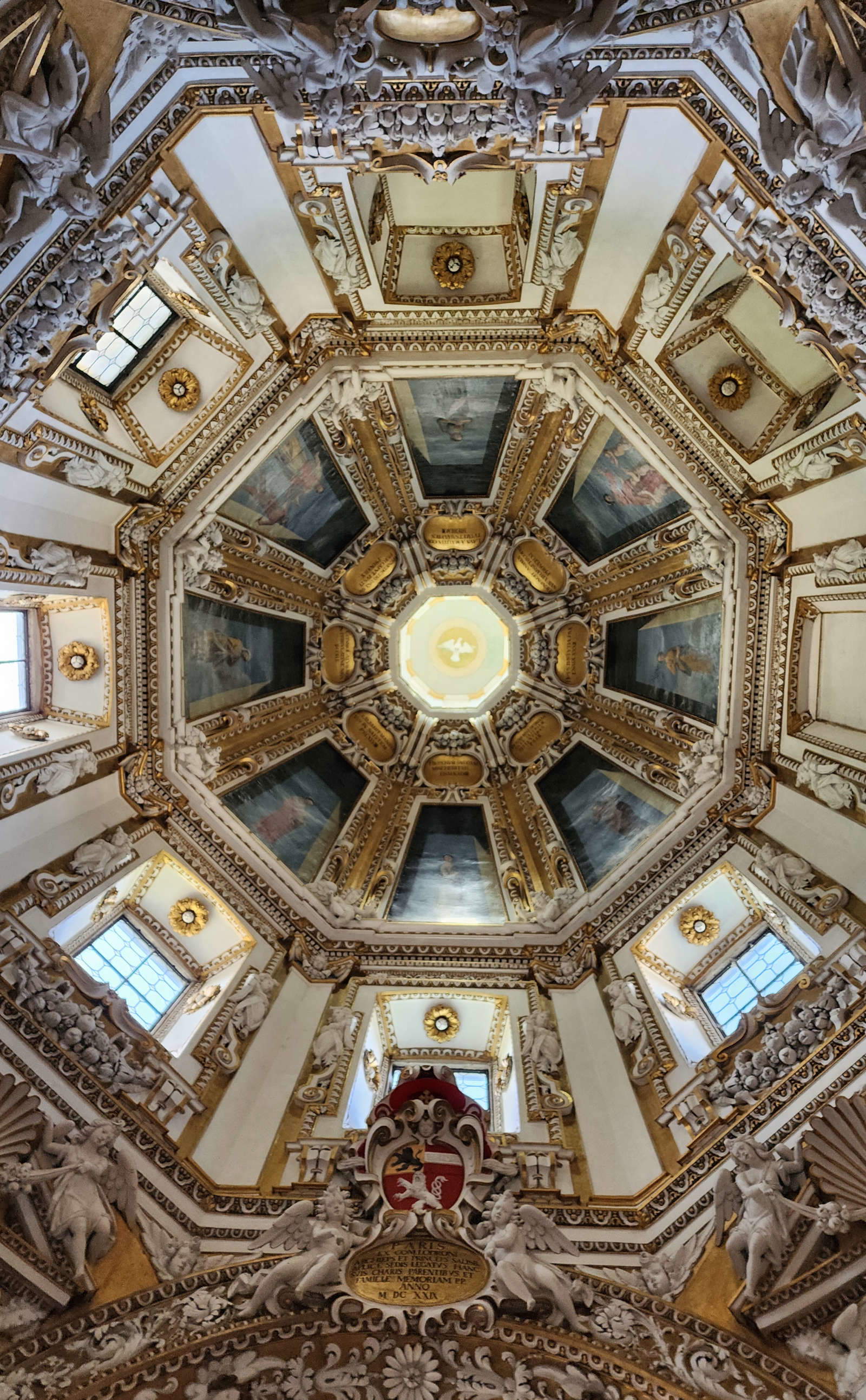
Solari had designed a square-plan room, with the altar enclosed by a gilded vault carpeted with stuccoes imitating 16th-century grotesques, and at the top, besides the family coat of arms, the tall octagonal dome, with the eight beatitudes occupying all its segments. One senses as it were a brazen and peaceful hostility between the images of death that dot the whole chapel and the radiance of a light that, especially in its purest manifestations, becomes unbearable: the gaze cannot hold the glitter of the Holy Spirit descending from the center of the dome, nor the divine radiance that dazzles the retinas as one attempts to look at the cherubim above the vault. Paris Lodron had had placed on the side wall of the chapel, an unusual and daring thing to do, life-size double portraits of his parents, Nicholas Lodron and Dorothea von Welsperg, two dead people clad in brocades and gilded armor, two dead people disguised as living people and placed inside the family palace caught in a sketch of mise en abyme, emptiness reflecting in emptiness, two ghosts haunting a sequence of bare rooms. Above the tympanum, two little angels, one on each side, are called upon to play the role of the geniuses of death: they think, they meditate, they simulate the exercise of concentration, because they need to support the weight of their heads, while they lean on a skull and hold the torch pointing downward, one of the most classic allusions to death, a clear indication of the address of all destiny. The altarpiece by Florentine Donato Mascagni, who was asked to paint the scene of the death of Saint Rupert of Salzburg, the evangelizer of the mountains of Austria, is revealed on the altar: the rare oil-on-copper paintings that occupy the vault serve to recount the prodigies he had performed while alive, the most classic of miracle inventories, complete with Latin captions (Saint Rupert curing the sick, Saint Rupert bringing down idols by the power of prayer alone, Saint Rupert teaching the faith of Christ to the nations, and so on). Illustrations of the saint’s life, a kind of great hagiographic comic strip, certainly, but also warning, examples to be considered in a setting designed for meditation on the passing, and thus all in all easy readings, asked of an artist, Mascagni, classical and didactic. On the wall opposite the one with the portrait of Paris Lodron’s parents, here is another illustrious deceased, a clandestine deceased one might say, namely Count Lattanzio Francesco Firmian, who had died in 1786 in the Lodron palace in Nogaredo and had expressed the wish to be buried in the chapel of the relatives of his wife Massimilana, also a Lodron. As in every Baroque church, here, too, in the chapel of St. Rupert, we witness the eternal struggle between dust and the absolute. Death plays as in a grand staging, light is the promise raining down from above.
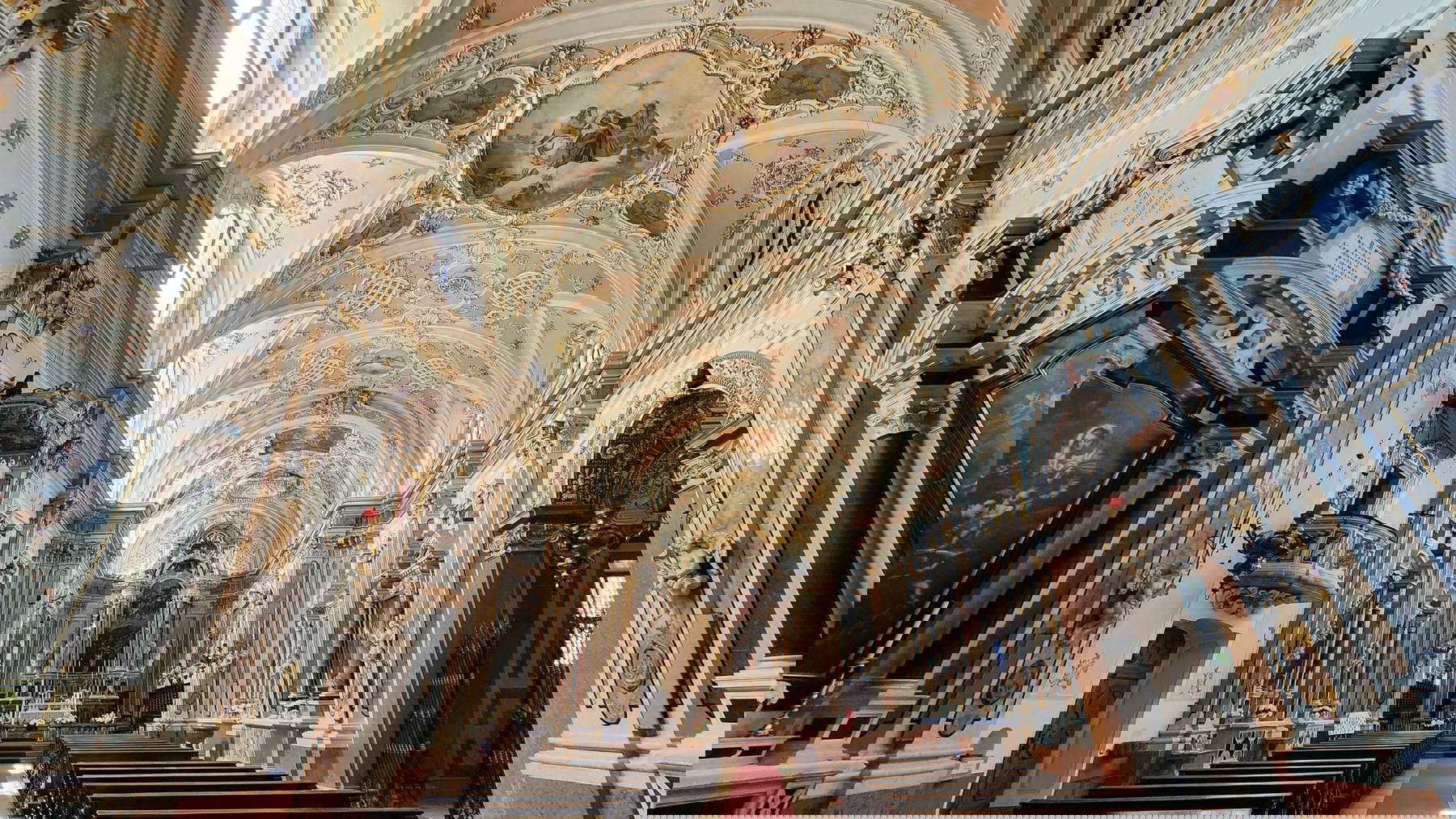
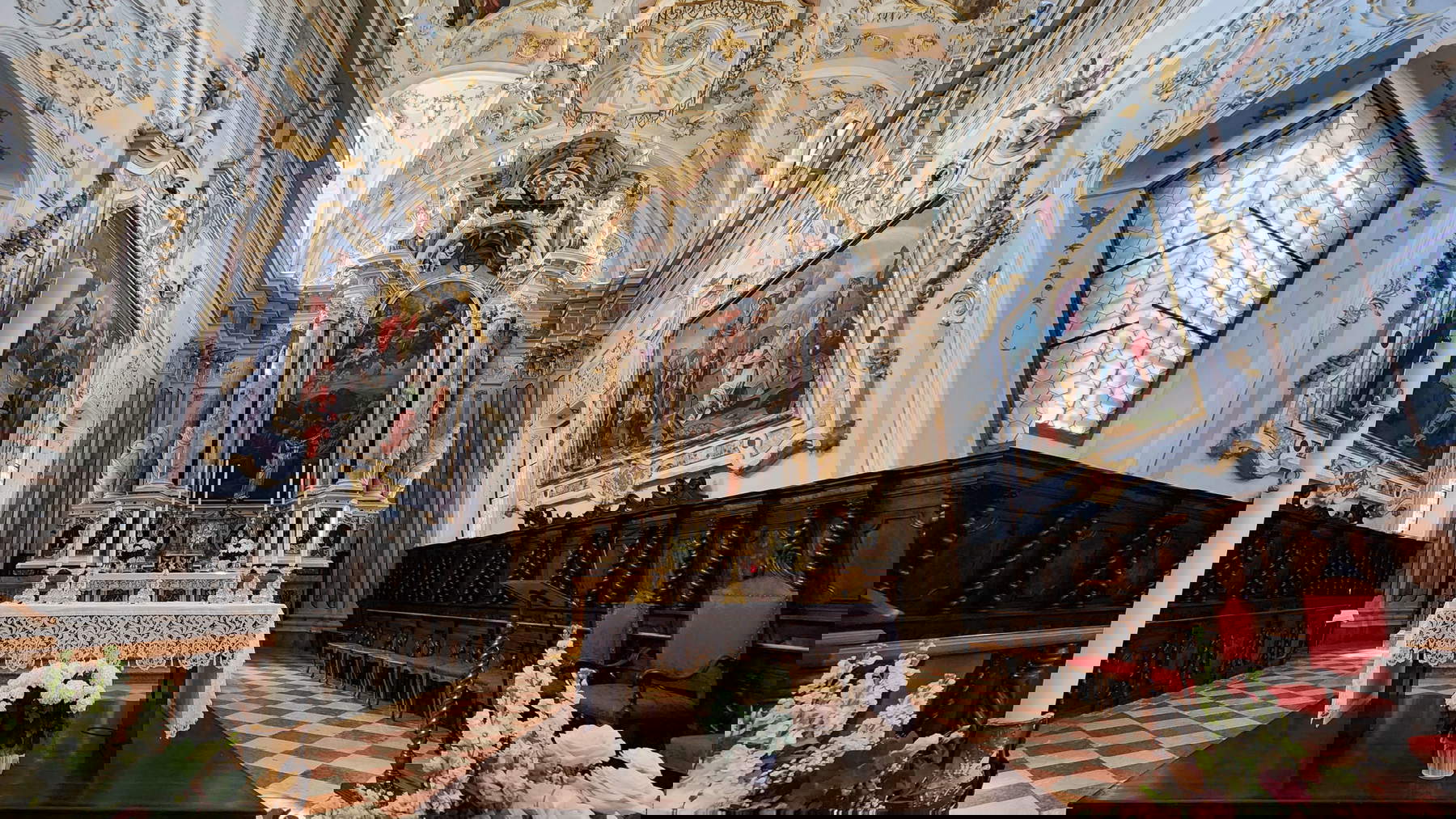
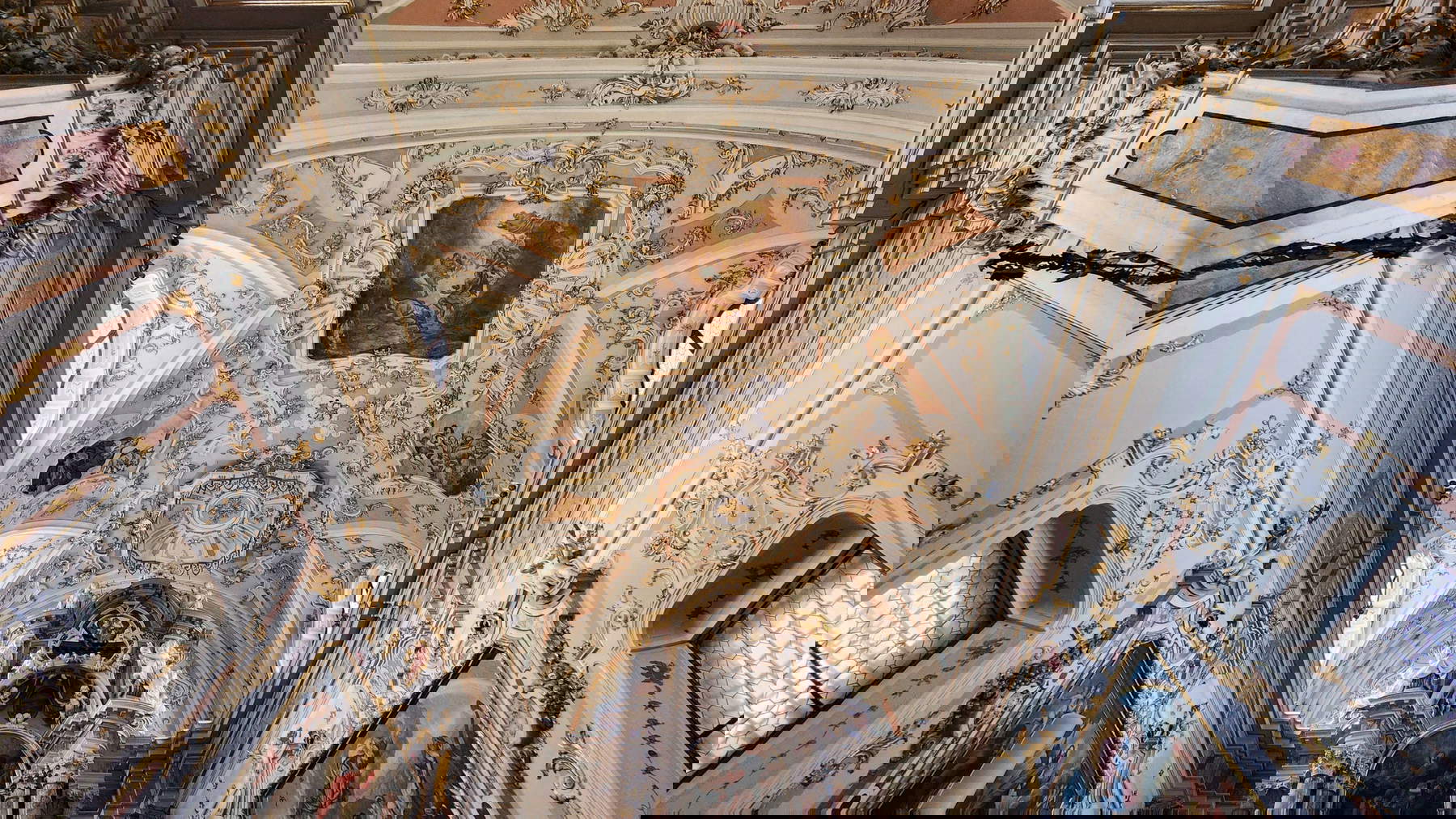
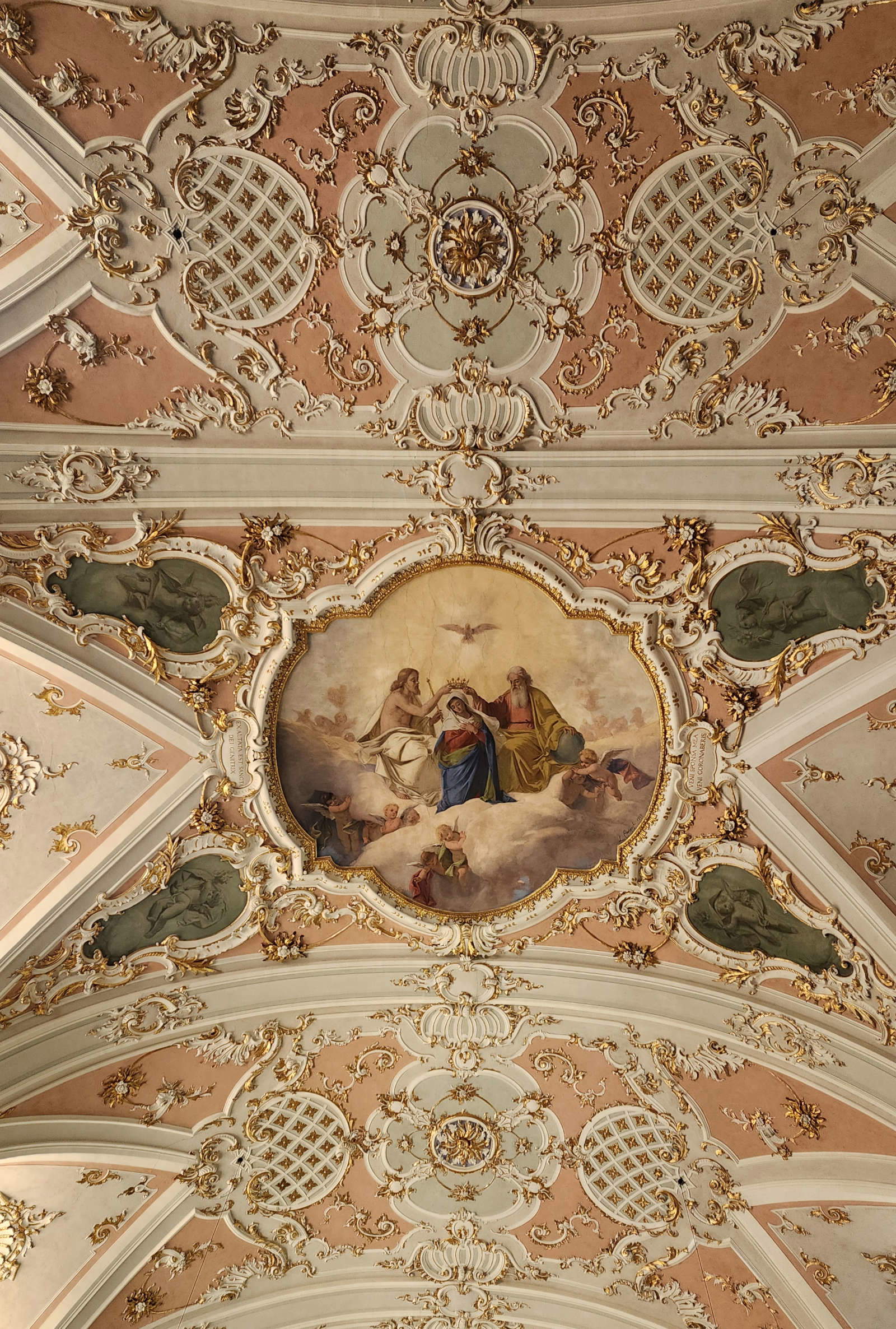
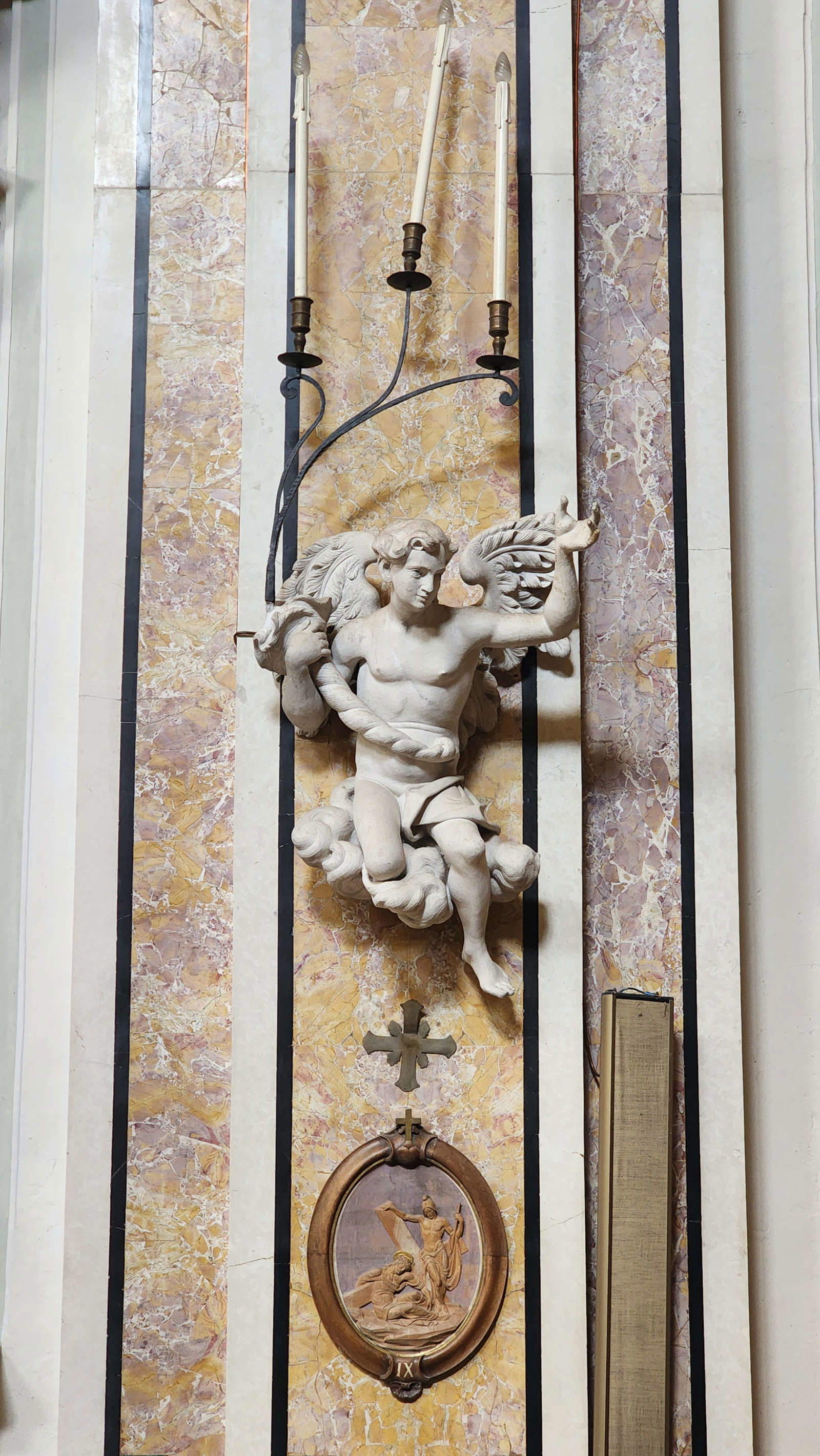
The celestial brawl, however, stops at the chapel door, because in the nave all tension eventually dissolves under the rosy vault of a baroque that already smacks of the 18th century. Having finished work on the chapel, Paris Lodron would follow up his renovation of the medieval parish church, which had already undergone a reversal of orientation in the 1750s, with the ancient presbytery becoming the atrium of the new building, and had been transformed into a large single-nave church (the master builder was another Intelvese, Domenico Orsolini). The airy, very light vault in the colors of dawn is from the mid-18th century, when Maximilian Septimus Lodron had determined that it was time to update all the decoration: the pillars, which were still those with exposed medieval ashlars, were covered with precious marble, local painters Gaspare Antonio Baroni Cavalcabò and Girolamo Costantini were given the task of’take care of the frescoes, while plasterers Giuseppe Canonica and Giovanni Vittorio Baldoe were given the task of transforming vaults, ceilings and walls into the radiant, graceful masterpiece of Alpine baroque that is still the Church of the Assumption in Villa Lagarina today. The altars, which had already been prepared in the mid-seventeenth century, would later be filled throughout the eighteenth century (and beyond) with altarpieces by local artists. The result was a church that smacks of a palace, of a noble residence. The vaulting is all an arzigogolo of mixtilinear cornices, of moldings in the shape of mandola, beehive, and violin, gilded flowers, white stucco whorls flying over the antique pink of the scores, leaves that look as if they should break off and rain down on the worshippers. The walls are punctuated by a sequence of pilasters covered in yellow marble with splashes of purple, the unbroken entablature gives the rhythm, nervous and relaxed at the same time, of a unified space that guides the faithful to the altar. The death geniuses of St. Rupert’s chapel have become gallant candle-holding angels: always porters, in short, they must do.
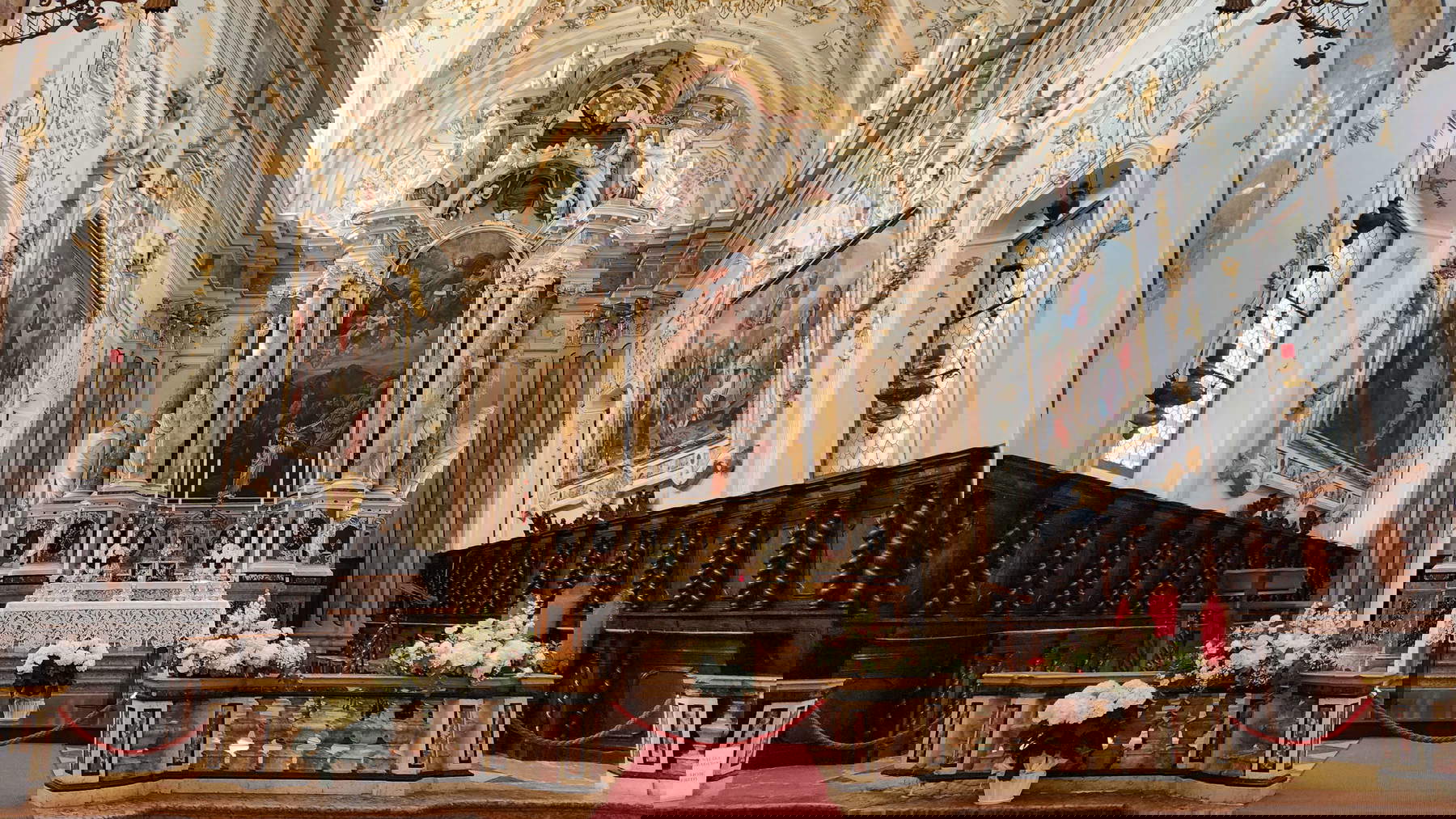
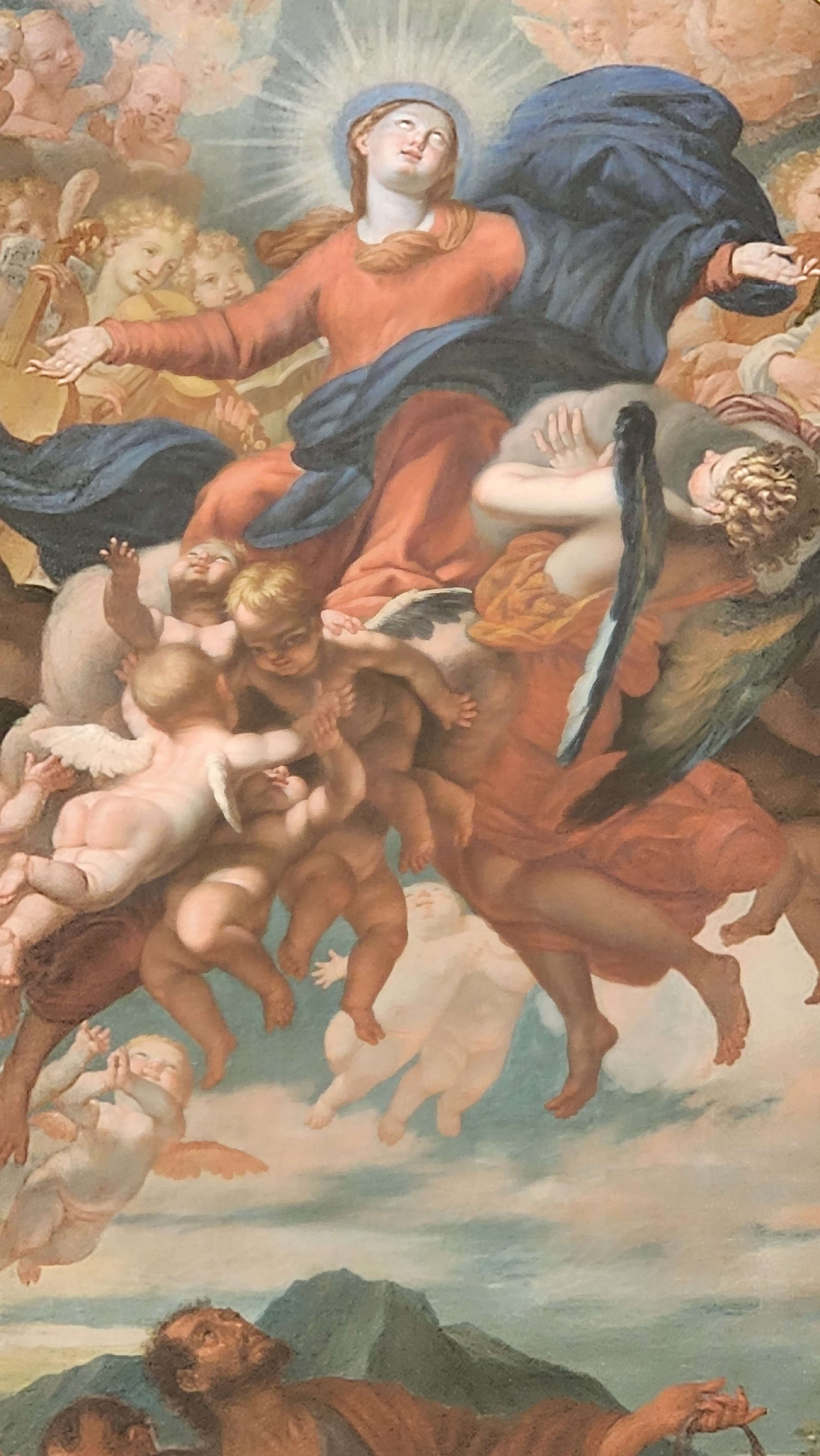
Dorigati had delivered his altarpiece to Carlo Ferdinando Lodron in the year 1700. He had done his best, but he had not succeeded in being entirely original. We do not know if the illustrious patron had noticed that the painter had not been that champion of inventiveness that he would have liked: in case, to spoil the festivities, and to explicate Dorigati’s debts, recent criticism has taken care of it. The scholar Ezio Chini, for example, noted how the entire upper part of the altarpiece had not been able to help but look to the models of Ludovico and Annibale Carracci and, in general, to some precedents from the Emilian area that Dorigati, nurtured by his studies in Emilia, certainly knew. But that’s not all: the upper part also quite clearly cites, albeit with all the liberties of the case, theAssumption that Pietro Ricchi had painted in 1644 for Santa Maria Maggiore in Trent. We do not know whether the noble archpriest, who was also a good connoisseur of art (he had, after all, studied in the Rome of Bernini, Fontana, Ferrata, Pozzo, and Gaulli), should have been displeased with the result. It is probable that he had concealed any disappointment behind a motion of stately, aristocratic, nonchalant demeanor. In the end, what really mattered was to add a new gem to the crown of his patronage activity, an activity that, scholar Alessandro Cont tells us, was of substantial importance for the development of his pastoral activity, as much on the didactic level as on what might be called the exhortatory one. And then, there was the monumental family heirloom that was the Church of the Assumption, and we know that Carlo Ferdinando Lodron cared about it, so much so that for the construction of the altar that would have housed Dorigati’s altarpiece he had entrusted to a young architect but already with a solid curriculum, that Cristoforo Benedetti who had already worked with profit in the Cathedral of Trent, who had already been hired by Lodron for other works, and who was called upon to build a high altar that would be both an exalting theophany of the Virgin and a luminous glorification of the family. A masterpiece of heraldic devotion that would fulfill its task better than the previous altar, therefore, and Benedetti, too, availing himself of the help of his brother Sebastiano, sought to offer the patron the most astounding and unpredictable liturgical machine that his ingenuity could imagine. From the correspondence we know that the Lodron family would have appreciated the work, which was consecrated on May 2, 1700 in a lavish and, from what we know, also rather participatory ceremony. To the eyes of the onlookers a kind of illusion made of marble unfolded, a setting that looked to the models of Andrea Pozzo, an earthly outpost of divine grace that, with its curves, gives anyone the impression of being at the center of an enveloping movement, of a mystical viluole that welcomes and repels. Something that had never been seen in Trentino.
Dorigati’s altarpiece, too, was supposed to be something that had never been seen, but it ended up being something more than a savory, graceful, fleshy Carracci exercise. Certainly, it remains one of the painter’s most challenging works, evidently so admired by the carnal materiality of Ludovico Carracci’s reds, blues, and skins, by that so earthy grace of his, that he determined that perhaps it was not the case to engage further in the avoidance of any possible reference to Assunte already seen. It is probable that the greatest fatigue remains that of the angels, who since the year 1700 have not ceased to break their backs under those clouds to support the weight of an excited, rubescent valley Virgin.

The author of this article: Federico Giannini
Nato a Massa nel 1986, si è laureato nel 2010 in Informatica Umanistica all’Università di Pisa. Nel 2009 ha iniziato a lavorare nel settore della comunicazione su web, con particolare riferimento alla comunicazione per i beni culturali. Nel 2017 ha fondato con Ilaria Baratta la rivista Finestre sull’Arte. Dalla fondazione è direttore responsabile della rivista. Nel 2025 ha scritto il libro Vero, Falso, Fake. Credenze, errori e falsità nel mondo dell'arte (Giunti editore). Collabora e ha collaborato con diverse riviste, tra cui Art e Dossier e Left, e per la televisione è stato autore del documentario Le mani dell’arte (Rai 5) ed è stato tra i presentatori del programma Dorian – L’arte non invecchia (Rai 5). Al suo attivo anche docenze in materia di giornalismo culturale all'Università di Genova e all'Ordine dei Giornalisti, inoltre partecipa regolarmente come relatore e moderatore su temi di arte e cultura a numerosi convegni (tra gli altri: Lu.Bec. Lucca Beni Culturali, Ro.Me Exhibition, Con-Vivere Festival, TTG Travel Experience).
Warning: the translation into English of the original Italian article was created using automatic tools. We undertake to review all articles, but we do not guarantee the total absence of inaccuracies in the translation due to the program. You can find the original by clicking on the ITA button. If you find any mistake,please contact us.













 IT
IT FR
FR DE
DE ES
ES CN
CN