




by Redazione 25/03/2026


Categories: Ancient art / Disclaimer
An unpublished Renaissance portrait by Hans Baldung Grien, which has remained in the same family for more than five centuries, is declared a National Treasure and stopped on the eve of its sale in Paris. The case reignites the debate over the protection of artistic heritage.
One of the most eagerly anticipated sales of the year for the antique drawing market was to be held on the afternoon of March 23 in the historic setting of theHôtel Drouot in Paris. Instead, just hours before bids were to be opened, the auction of an extremely rare sheet by Hans Baldung Grien (Schwäbisch Gmünd, c. 1485 - Strasbourg, 1545), a major discovery(we reported on it here), was suspended after the French Ministry of Culture intervened and declared the work a National Treasure, imposing a 30-month export ban.
The decision, which came last Friday, forced the Beaussant Lefèvre & Associés auction house and the Bayser cabinet to postpone the sale, officially due to the impossibility of guaranteeing that the auction would be held under normal conditions. It was a decision that matured at the last moment, turning a market appointment into an emblematic case of cultural heritage protection. Now, under French law, the state will have time to raise the necessary sum to secure the work for public collections. Should it fail to do so, the work will return to the market.
At the center of the affair is a drawing until recently unknown to scholars, attributed to Hans Baldung Grien, among the leading figures of the German Renaissance. Made in 1517 in Strasbourg, the sheet depicts a woman identified as Susanna Pfeffinger, who was born in 1465 and died in 1538. The most surprising fact, however, concerns its provenance: the work remained in the model’s family for more than five centuries, handed down from generation to generation without ever entering the circles of collectors or specialized studies.


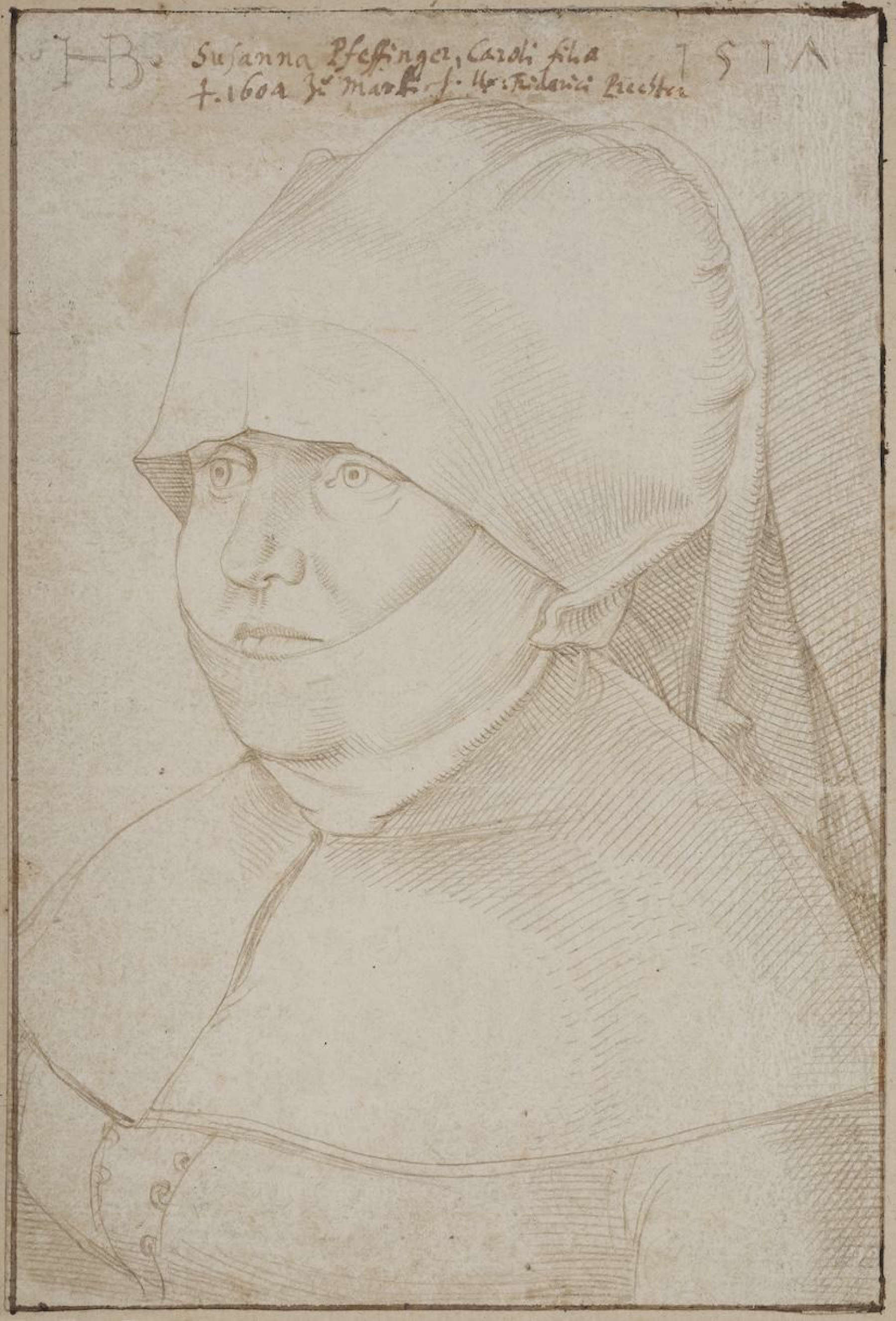
An exceptional circumstance, which explains the scope of the discovery. On the international scene, such cases are extremely rare, especially for artists of such significance. Baldung Grien’s graphic corpus numbers about 250 known drawings, most of them preserved in museums and public institutions. Only very few sheets are still in private hands, and the one destined for the Paris auction represents, according to experts, the only silver-pointed example by the artist still available on the market.
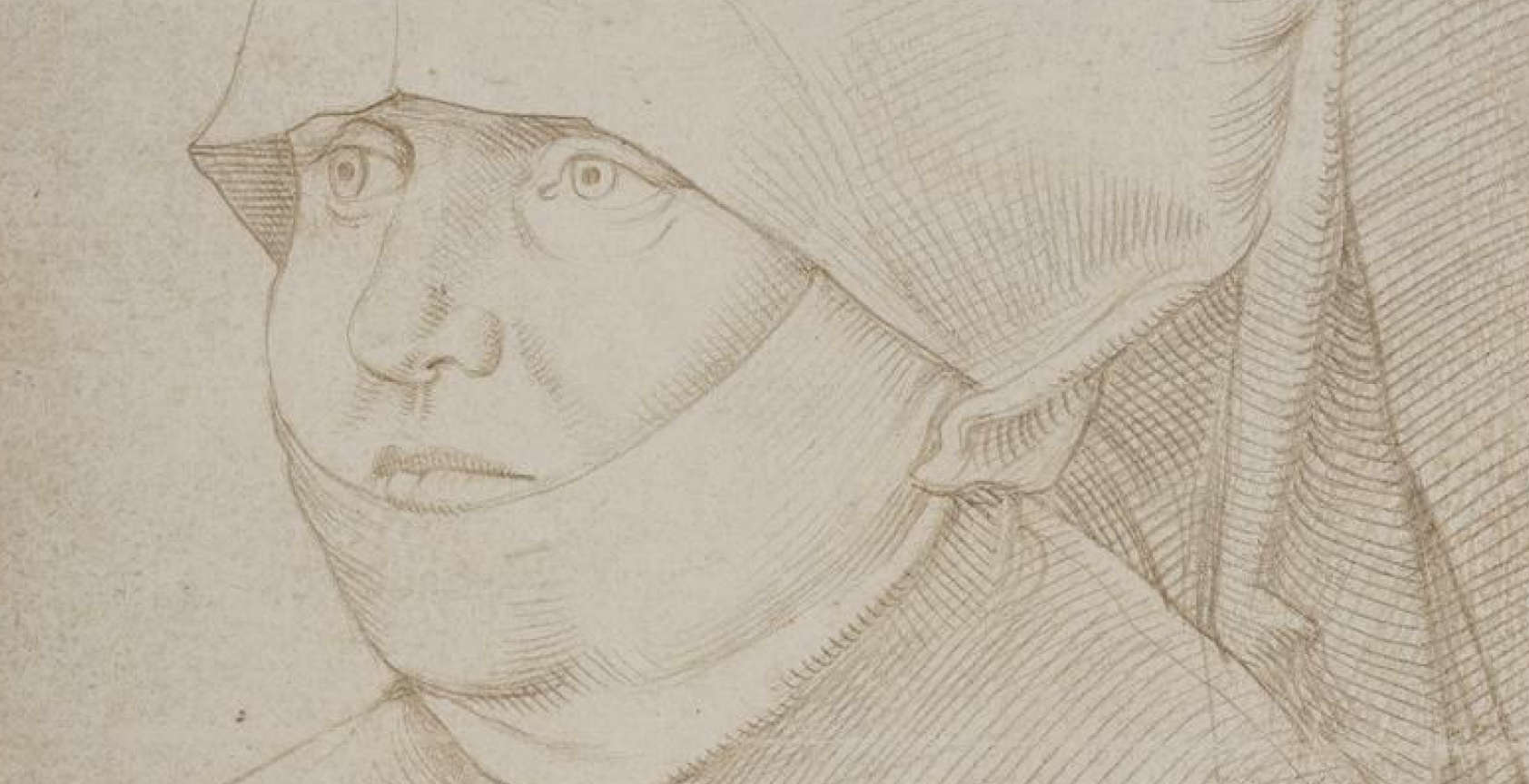
The technique used contributes to the work’s importance. The drawing is made with silver point on paper prepared with bone dust, a process that requires absolute precision, as it does not allow for corrections. The mark left by the metal is permanent, and each stroke must be executed with confidence and control. This is a refined practice, also described by Leonardo da Vinci in The Book of Painting, and transmitted to Baldung through training with Albrecht Dürer. In the sheet that emerged five centuries later, this technique results in an extremely calibrated handling of space and light. Tonal modulations, achieved by varying the pressure of the point, build a solid yet delicate image, in which the woman’s face emerges with almost sculptural precision. The absence of obvious afterthoughts testifies to the artist’s mastery, working confidently on a medium that does not admit of error.
The initial estimate, between 1.5 and 3 million euros, already reflected the exceptional nature of the piece. However, comparison with previous sales suggests an even higher potential interest. Baldung’s last drawing to appear on the market, in 2007, had fetched over $3.7 million, confirming the rarity and appeal of these works among collectors and institutions.
Crucial in the rediscovery of the sheet was the role of antiquarian Patrick de Bayser, who recounted his encounter with the drawing as a moment of strong personal and professional impact. Linked to Alsace also through family events, de Bayser stressed how this discovery represents, in his opinion, one of the most important of his career.
The choice of French institutions to intervene on the very eve of the auction is not without implications. Classification as a National Treasure entails, as mentioned above, a temporary ban on exportation and offers the state the possibility of acquiring the work, or facilitating its entry into a public collection. This is a procedure provided for goods deemed to be of special cultural heritage interest, but in this case it takes on symbolic value, considering the international nature of the artist and the work’s provenance. Its fate will depend on the decisions of the institutions and possible negotiations with the owners. In the meantime, the sheet remains the focus of scholars, collectors and practitioners.
 |
| France blocks last-minute auction of rare Hans Baldung Grien drawing |
Warning: the translation into English of the original Italian article was created using automatic tools. We undertake to review all articles, but we do not guarantee the total absence of inaccuracies in the translation due to the program. You can find the original by clicking on the ITA button. If you find any mistake,please contact us.