



by Redazione 04/06/2026



Categories: Ancient art / Disclaimer
With the recovery of the epitaph of Prince-Bishop Johannes Hinderbach, the preservation program of the wooden works initiated in 2022 by the Diocesan Museum of Trent, accompanied by major interventions to improve the microclimate of the exhibition rooms of the Praetorian Palace, comes to an end.


In Trento , a conservation and enhancement program of wooden works promoted by the Diocesan Museum of Trent and launched in 2022 concludes with the restoration of the epitaph table of Prince-Bishop Johannes Hinderbach. A project that involved some of the most significant panel paintings held in the museum institution’s collections and was developed in parallel with an extensive microclimatic upgrading of the exhibition spaces of Palazzo Pretorio, the museum’s headquarters. The initiative was aimed at safeguarding particularly delicate works that are fundamental for the knowledge of late medieval and Mannerist figurative culture in the Alpine area. Indeed, these are testimonies of extraordinary historical and artistic value that document the circulation of figurative models between the Trentino territory and the transalpine world, confirming the role of the city of Trent as a cultural crossroads over the centuries.


Of particular importance are the 15th-century works covered by the program, rare examples of gold background painting preserved in the region. These paintings constitute significant examples of an artistic production linked to high-level commissions, the expression of a refined visual culture deeply connected to the main artistic centers of central Europe.


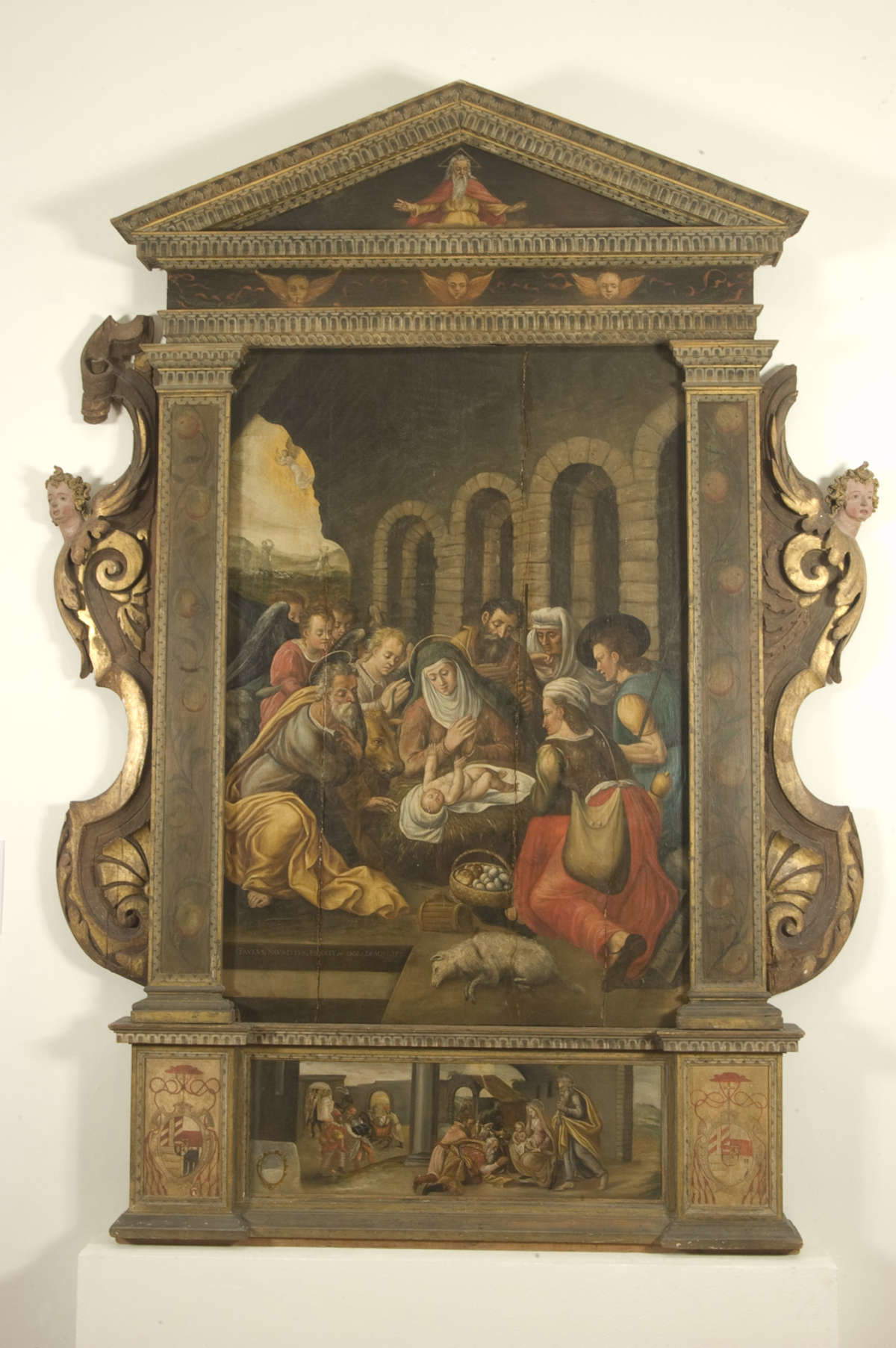
The restoration process has developed through several phases. Between June and December 2022, interventions were completed on the Madonna and Child with Saints George and Vigilius, a work created at the end of the 15th century and commissioned by cathedral canon Georg Nothaft, and on the Mass of Saint Gregory the Great by painter Paolo Naurizio. Subsequently, between October 2023 and November 2024, the Vision of St. Jerome, also attributed to Paolo Naurizio, underwent careful conservation work. The last phase of the program involved two particularly important works: the altarpiece of theAdoration of the Shepherds by Paul Naurizio and the epitaph panel of Prince-Bishop Johannes Hinderbach. Work began in October 2024 and was completed in May 2026, marking the completion of the entire project.


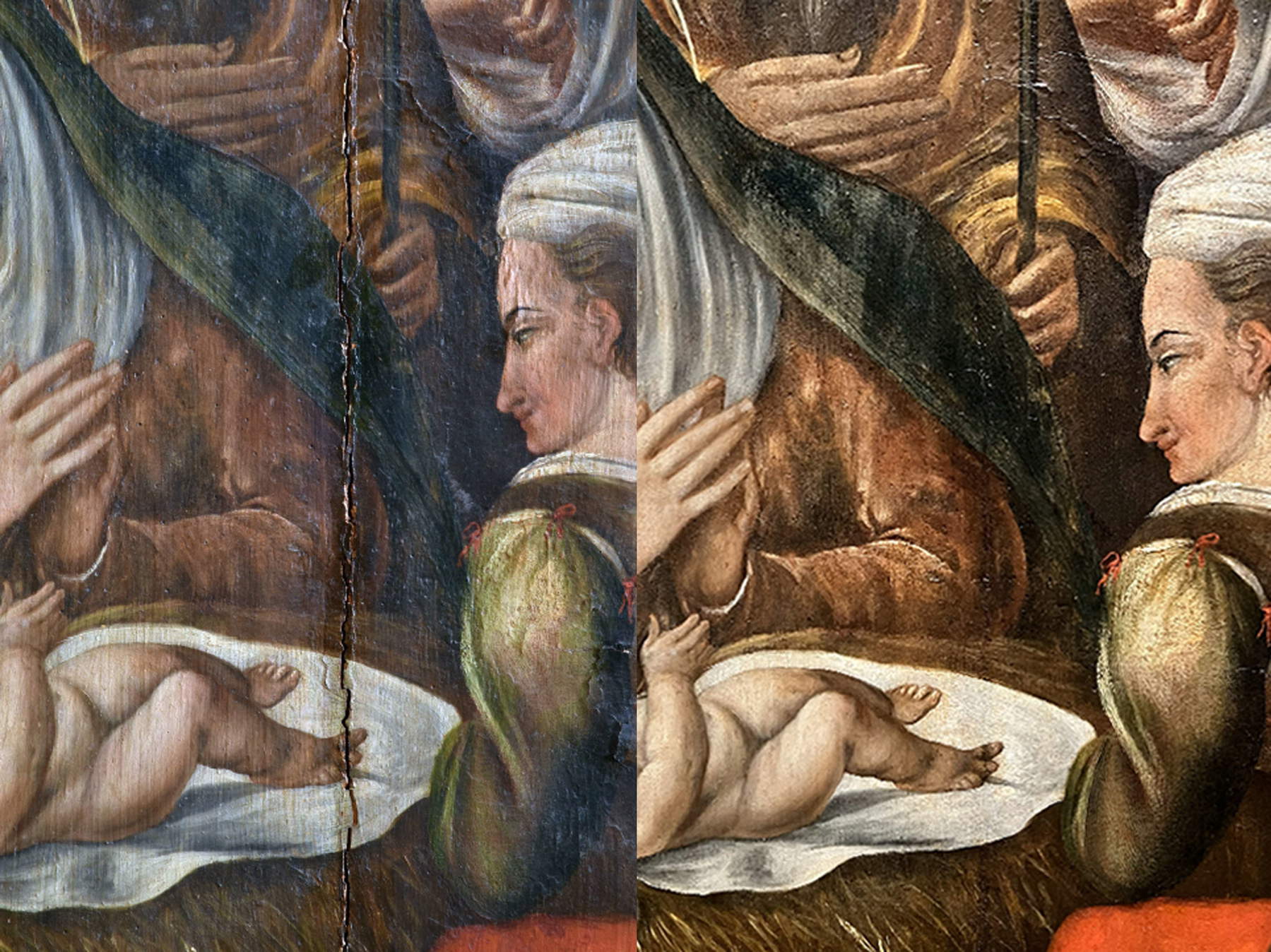

Among the interventions carried out, the one dedicated to the Hinderbach panel required the greatest commitment in terms of conservation and science. Indeed, the work represents one of the very rare 15th-century testimonies of episcopal commission still preserved and constitutes a document of extraordinary importance for the artistic and cultural history of the area. The panel is distinguished by its high quality of execution and sophisticated references to the painting of the Salzburg area, elements that testify to the cultural relations entertained by the Trentino bishop’s court with some of the main artistic centers of central Europe in the 15th century. Indeed, the painting reflects the prestige of the figure of Johannes Hinderbach, a leading figure in the political, religious and cultural life of Renaissance Trent.
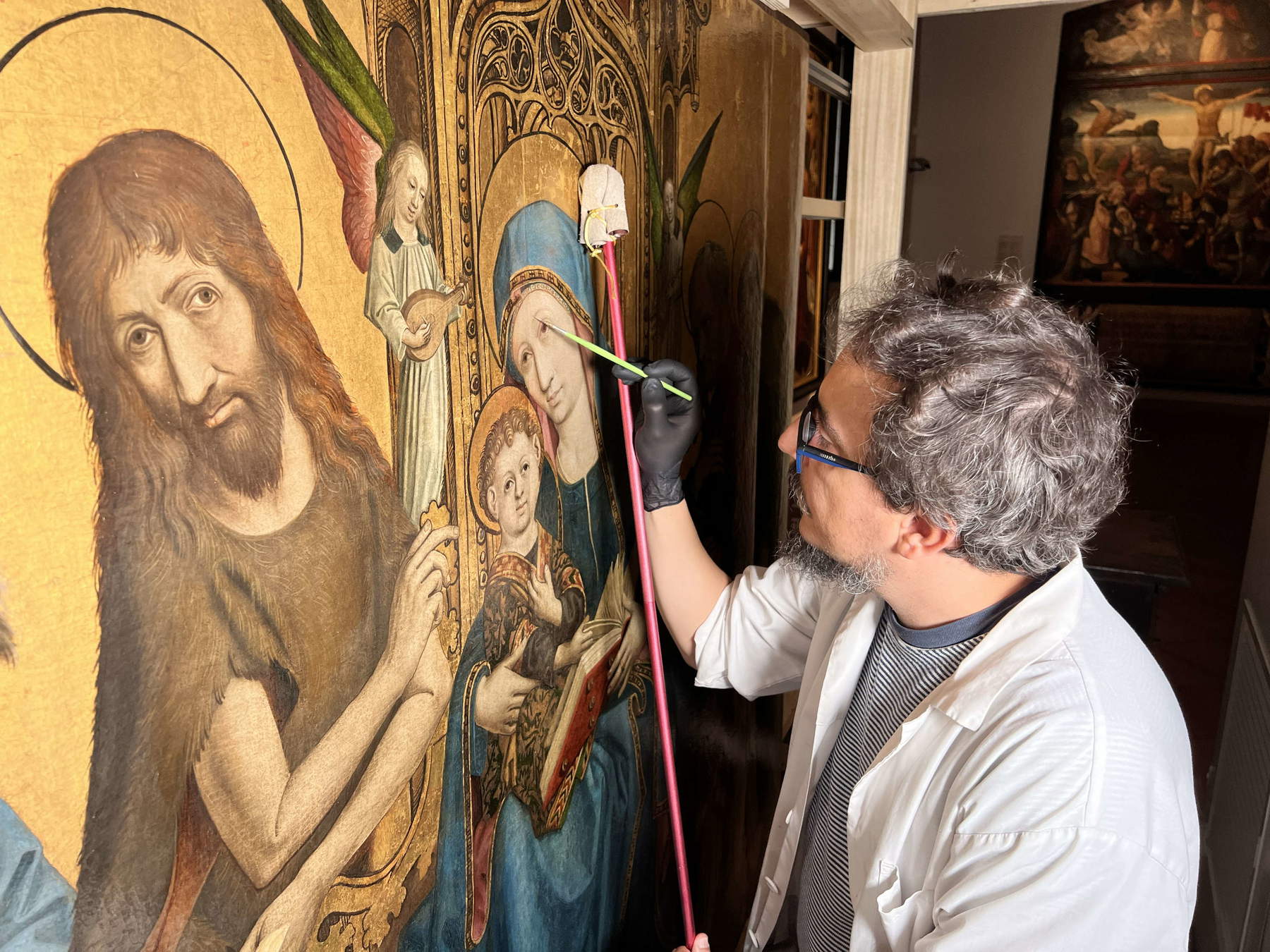
The restoration required more than a year of work and addressed particularly complex conservation issues. The main critical issues concerned the wooden support, which was affected by significant cracks due to the natural movements of wood over the centuries, and the state of conservation of the pictorial layer, which needed consolidation work to ensure its stability.
Particularly delicate was also the cleaning of the gold background, one of the most precious elements of the work. Over time, the surface had been altered by the presence of oxidized varnishes that had progressively compromised its legibility, attenuating its original luminosity and altering the overall perception of the image. The intervention made it possible to recover the brilliance of the gilded background and restore a more correct aesthetic and historical reading to the work.
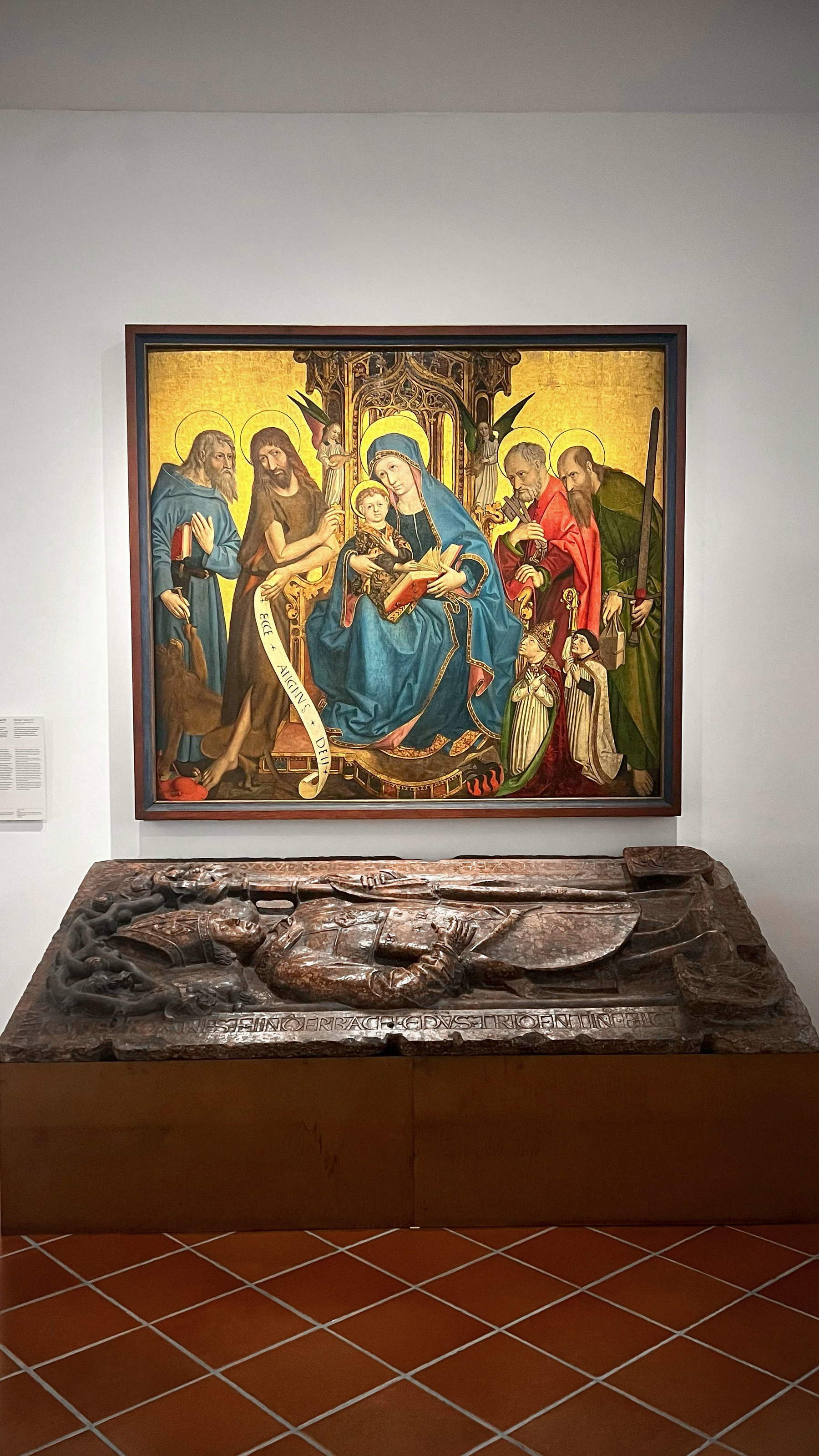
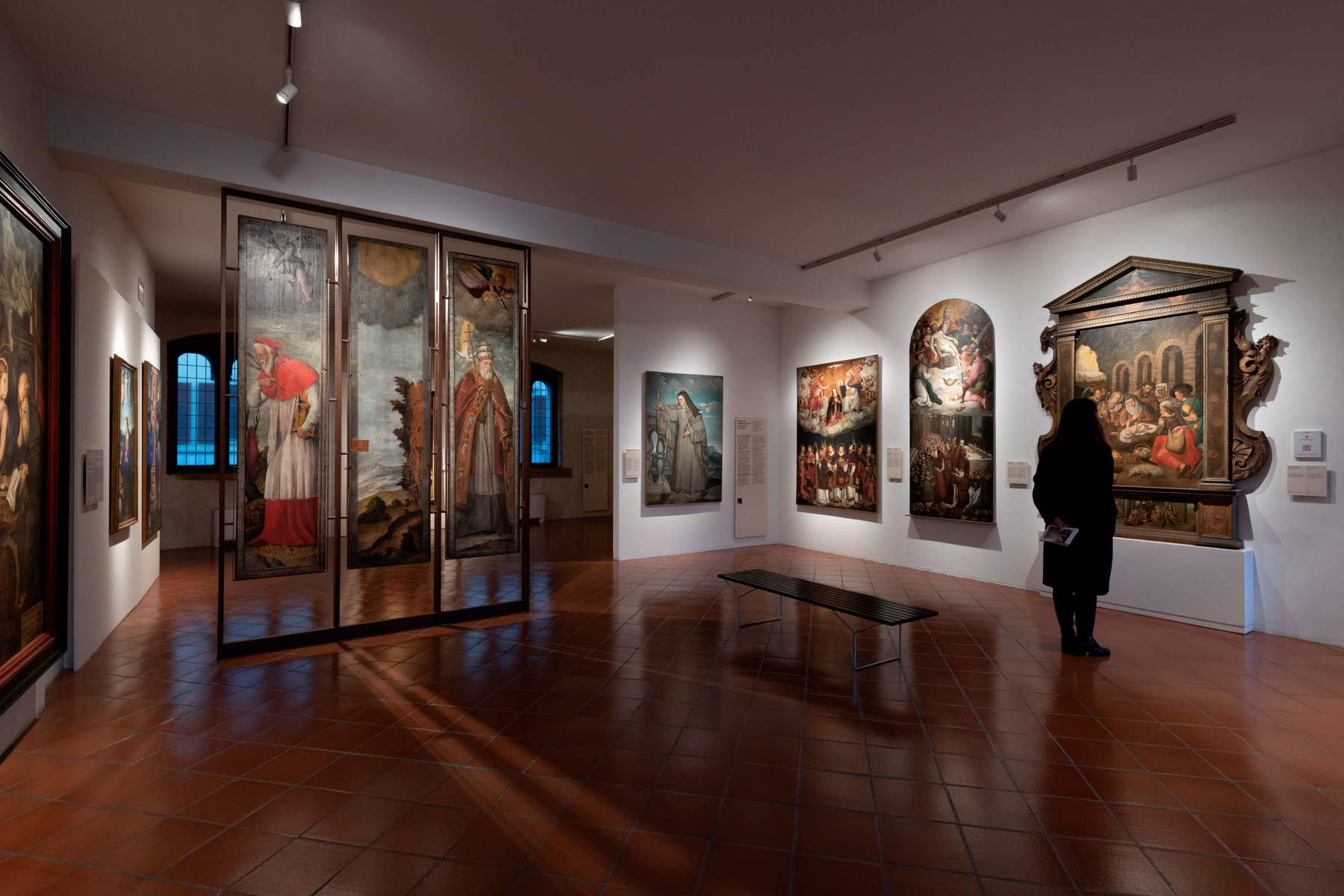
The conclusion of this lengthy restoration program is part of a broader strategy to protect the heritage preserved by the Tridentine Diocesan Museum. Wooden works, in fact, represent a particularly sensitive category from the conservation point of view. In fact, wood reacts to changes in temperature and humidity, undergoing expansion and contraction that can cause deformation, lifting of the pictorial film and structural degradation phenomena. Precisely in response to these conservation needs, the museum has undertaken a project in recent years to improve the environmental conditions of its exhibition rooms. Between September 2023 and March 2024, with the support of the Superintendence for Cultural Heritage of the Autonomous Province of Trento and the Cultural Activities Service of the Autonomous Province of Trento, and in agreement with the Archdiocese of Trento, an extraordinary maintenance work was carried out on the museum premises.
The main objective of the work was to ensure a more stable internal microclimate, an indispensable condition for the long-term preservation of the wooden works. The interventions involved both the air conditioning systems and the systems for monitoring and controlling environmental conditions. At the same time, a revision of the layout of the museum’s second floor, now entirely dedicated to the display of wooden works, was initiated. The solutions adopted include new glass partitions and draught insulation systems that make it possible to limit thermohygrometric fluctuations and reduce risks to the works on display.
The entire program required the involvement of numerous specialized professionals. The restoration work was carried out by Stefano Gentili with the collaboration of Elisa Turani, while Alberto Finozzi provided specific advice for the restoration of the wooden support. The direction and scientific control of the operations were entrusted to architect Giovanni Dellantonio of the Soprintendenza per i beni culturali della Provincia autonoma di Trento, Ufficio beni storico-artistici, the restorer Francesca Raffaelli of the restoration laboratory of the same Soprintendenza, and the director of the Museo Diocesano Tridentino, Domizio Cattoi.
A decisive contribution also came from the diagnostic and scientific investigations that accompanied all phases of the project. The analyses were carried out by Mauro Bernabei, Ottaviano Allegretti, Giovanna Bortolaso, Lucia Giovannini, Stefano Volpin and Davide Bussolari, enabling a deeper understanding of the constituent materials of the works and the identification of the most appropriate methods of intervention.
At the conclusion of the project, the museum expressed its thanks to the Superintendence for Cultural Heritage of the Autonomous Province of Trento and the Archdiocese of Trento, whose support proved fundamental to the implementation of the entire conservation and enhancement program.
|
| Tridentine Diocesan Museum concludes restoration of Johannes Hinderbach's panel painting |
Warning: the translation into English of the original Italian article was created using automatic tools. We undertake to review all articles, but we do not guarantee the total absence of inaccuracies in the translation due to the program. You can find the original by clicking on the ITA button. If you find any mistake,please contact us.