





In Alexandria, Egypt, a preventive archaeology mission of the Supreme Council of Antiquities, active in the Moharam Bek area in the city’s central district, has unearthed a set of architectural structures and artifacts that contribute to the reconstruction of the urban development of ancient Alexandria through different historical periods. The announcement was released May 2 by Egypt’s Ministry of Tourism and Antiquities.
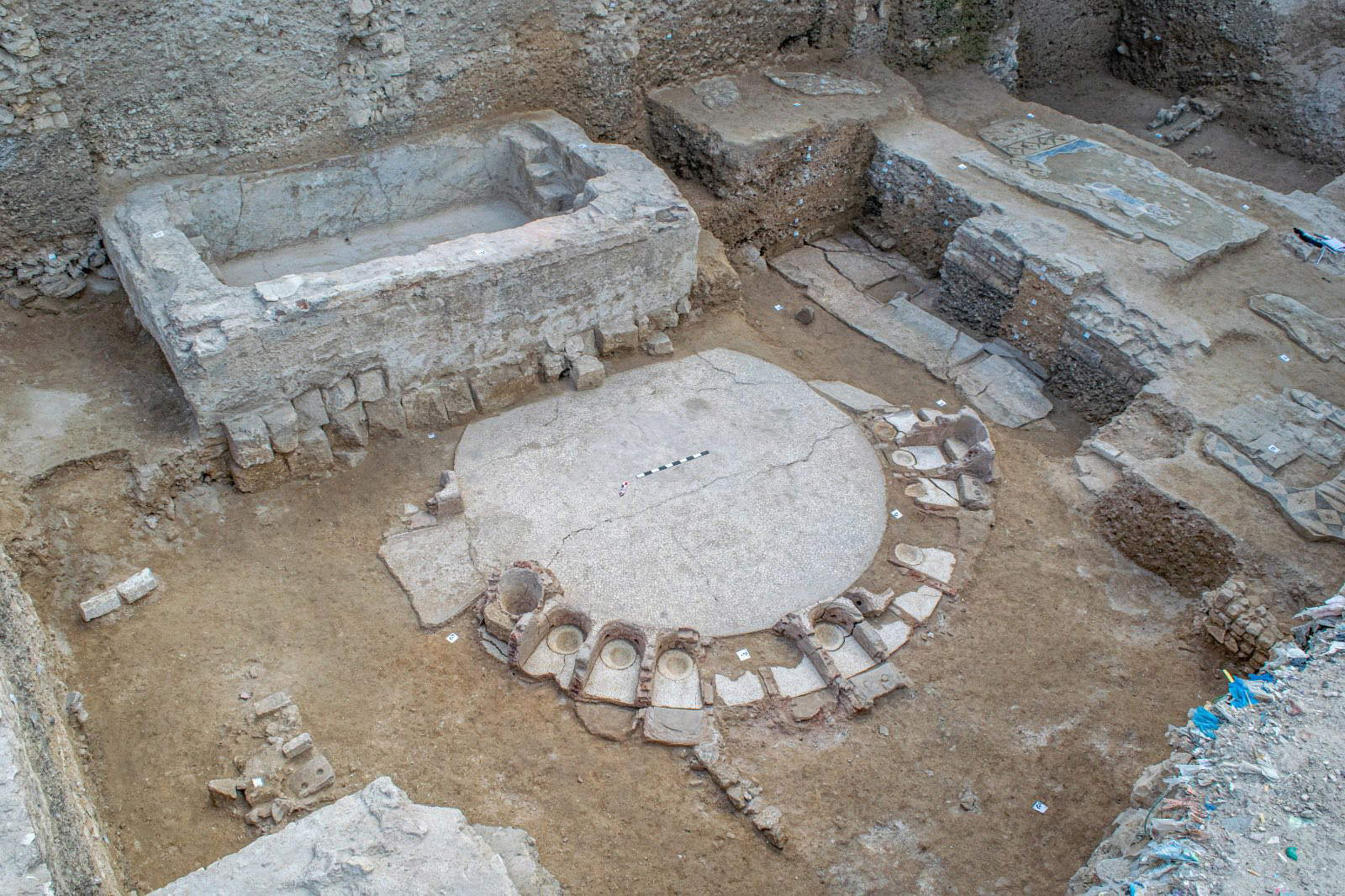
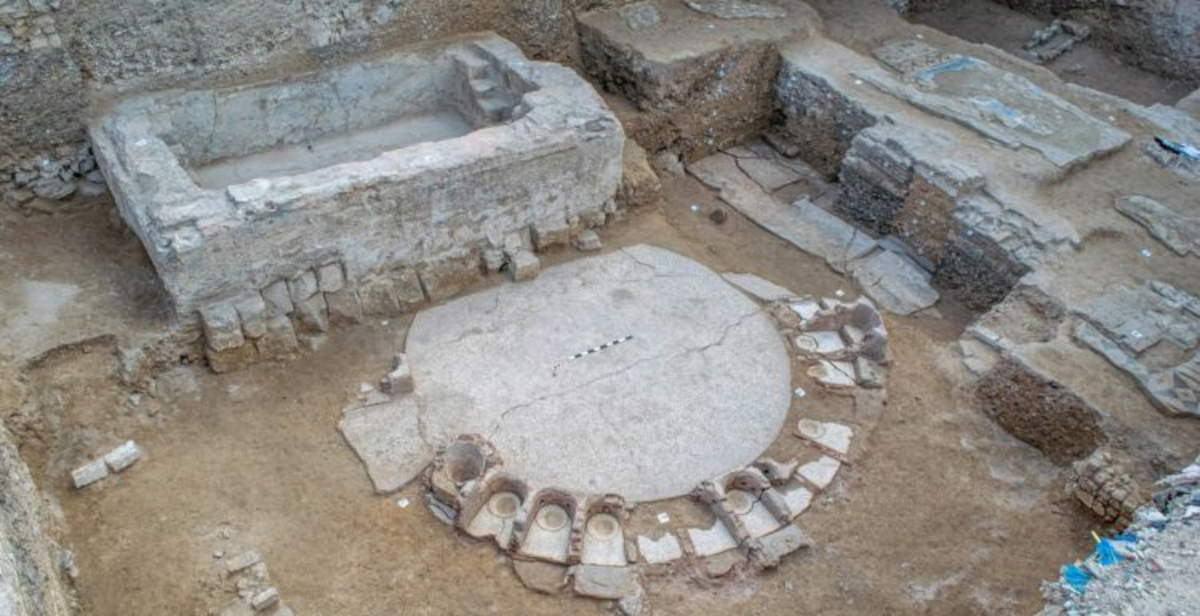
The excavations have returned evidence documenting a continuity of occupation of the site from thePtolemaic age to the Byzantine period. Among the most notable features appears a circular public bath of the Tholoi type dating to the late Ptolemaic period, along with the remains of a Roman villa characterized by mosaic pavements of different decorative types. Investigations also identified water structures and numerous movable artifacts, including marble statues of deities, coins, oil lamps, ceramics and fragments of amphorae with commercial stamps.
According to Minister of Tourism and Antiquities Sherif Fathy, the discovery is a significant addition to the framework of archaeological research conducted in Alexandria and confirms the city’s historical role as an important cultural center of the ancient world. The minister stressed that the findings that have emerged make it possible to redefine part of the urban map of ancient Alexandria and testify to the continuation of activities to protect Egypt’s archaeological heritage, particularly through emergency excavations linked to urban development projects.
The secretary general of the Supreme Council of Antiquities, Hisham El-Leithy, explained that the investigations have returned an articulated archaeological stratification, capable of documenting the succession of the city’s historical phases from the Ptolemaic period to the Roman and finally Byzantine periods. Such continuity, according to El-Leithy, confirms the persistence of the settlement in the area over a long chronological span.
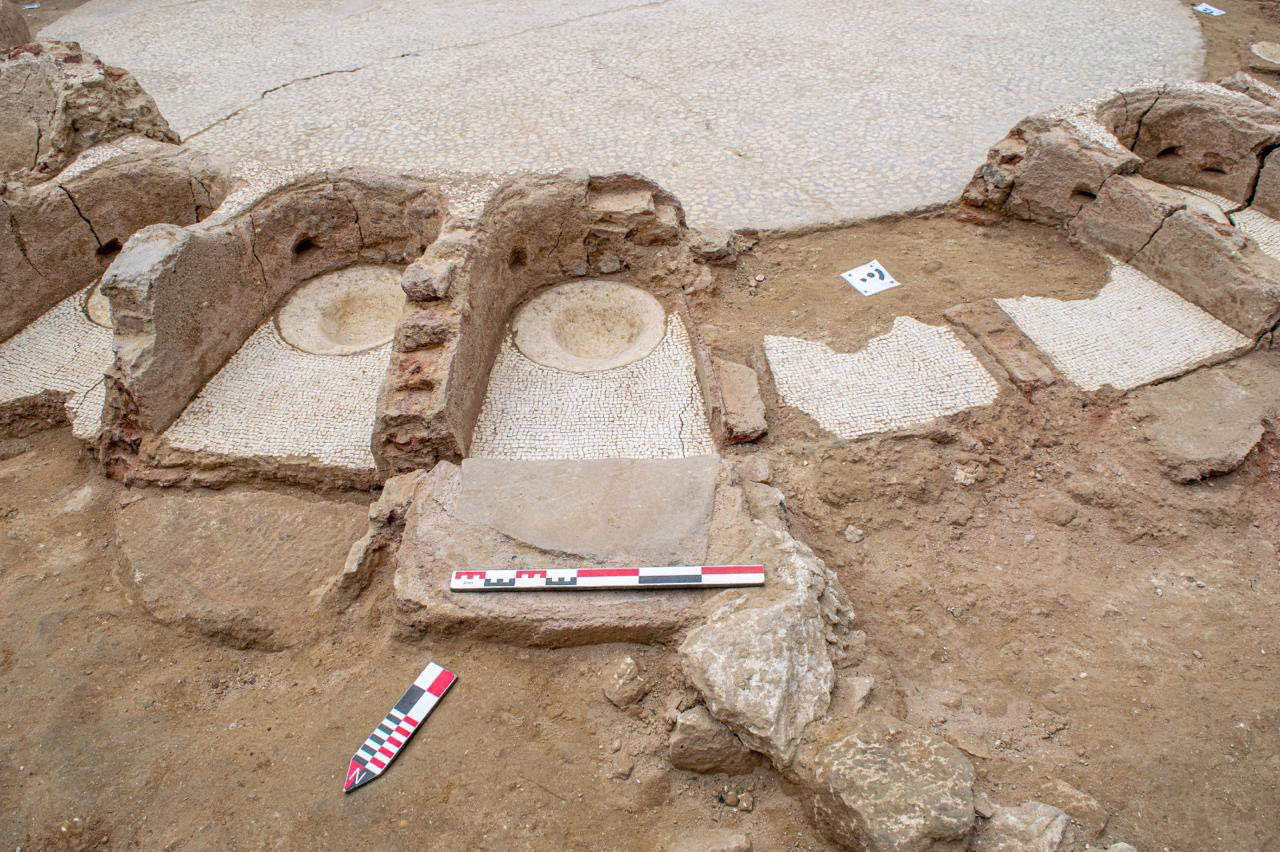
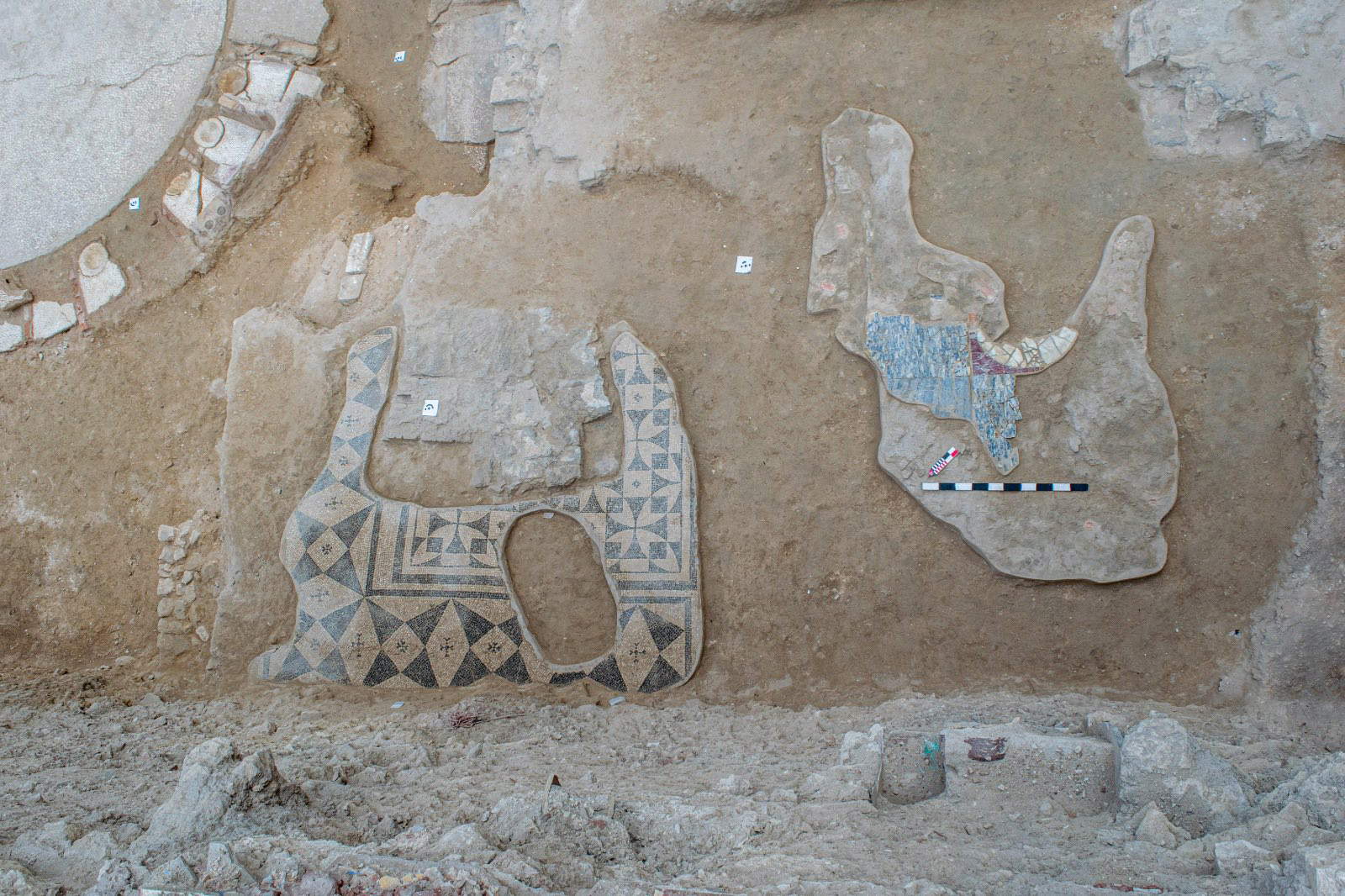
Among the structures identified, the circular public bath of the Tholoi type, which can be traced to the late Ptolemaic period, is of particular significance. It is an architectural type known in the Hellenistic world, characterized by a circular plan and related to the public practices of bathing and urban hygiene. Next to the bath complex, archaeologists identified the remains of a Roman villa equipped with mosaic floors executed with different techniques, an element that suggests a high level of architectural planning and a high-ranking patronage.
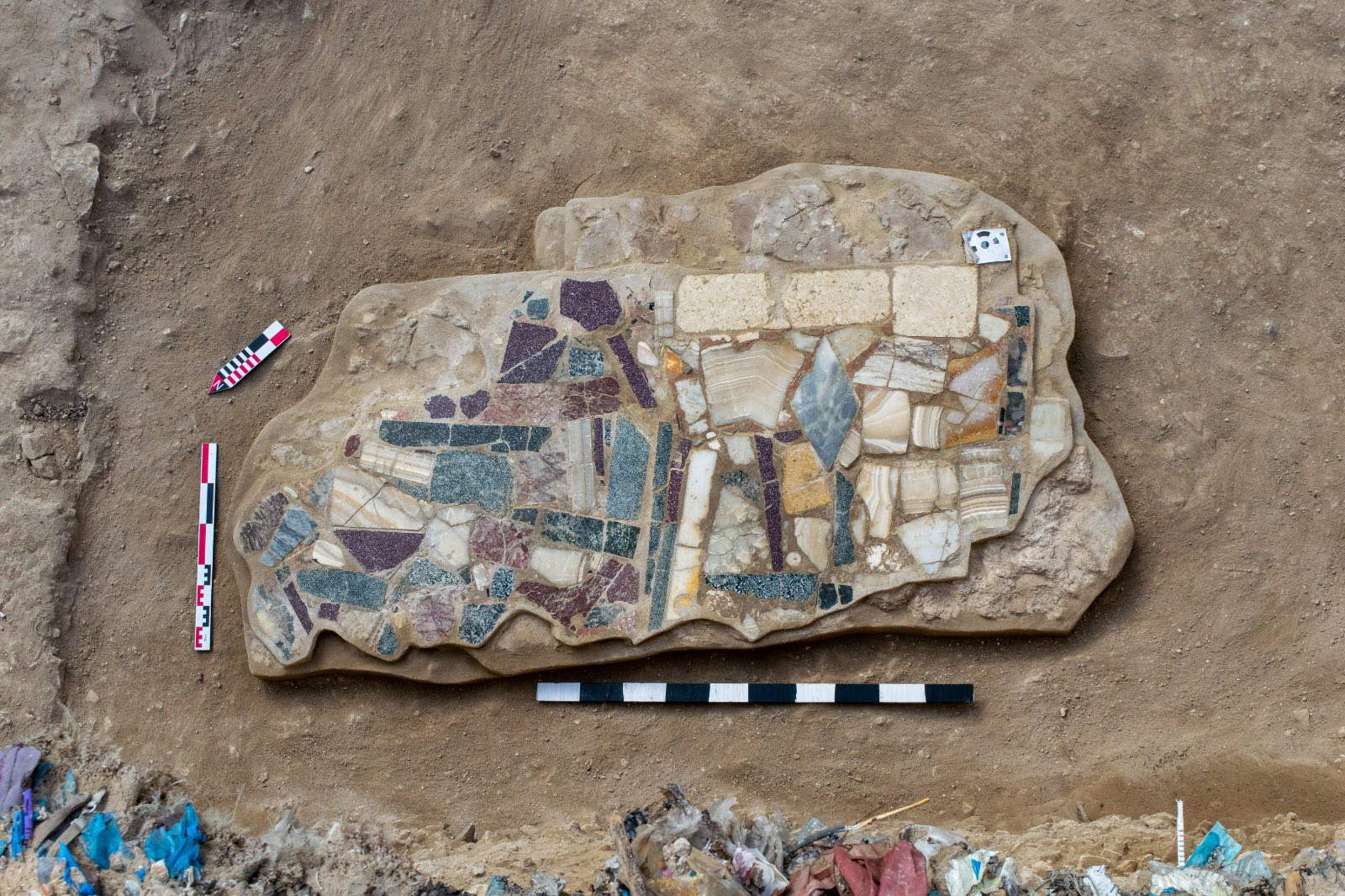
Mohamed Abdel Badie, head of Egyptian Antiquities, said the site provides an example of the evolution of residential architecture and urban services in ancient Alexandria. Indeed, the excavations have also returned advanced plumbing infrastructure, including a small bathing pool connected to the Roman villa and equipped with an integrated water management system. The mosaic pavements found also show the use of different techniques, includingOpus Tessellatum andOpus Sectile, decorative modes that were widespread in the Roman and late Hellenistic world. The presence of both techniques, according to archaeologists, reflects the variety of artistic influences active in Alexandria during the Ptolemaic and Roman periods.
Head of the Central Administration for Lower Egypt’s Antiquities, Hisham Hussein, pointed out that the discovery helps fill a gap in the archaeological record of the southeastern sector of ancient Alexandria, an area that had so far received limited attention in historical and topographical studies. Hussein added that the new data make it possible to reconsider historical maps of the city, particularly those drawn up by Mahmoud Bey El-Falaki, author of one of the first scientific attempts to reconstruct the urban layout of Alexandria through astronomical surveys, topographical studies and historical analysis.
The new archaeological evidence also indicates that the Moharam Bek area was still within the urban perimeter of the city at least until the Byzantine era. Only at a later stage would the neighborhood lose centrality, probably due to transformations in urban planning and settlement distribution.
Mobile finds recovered include marble statues depicting deities from the Greco-Roman world, including Bacchus and Asclepius. Archaeologists also unearthed a headless statue that may represent Minerva. In addition to these materials are coins, oil lamps, ceramic vessels and fragments of amphorae marked with stamps, elements that document the city’s intense commercial and cultural activity and its relations with the Mediterranean. Findings related to trade are particularly important for the reconstruction of Alexandria’s economic networks in various historical periods.
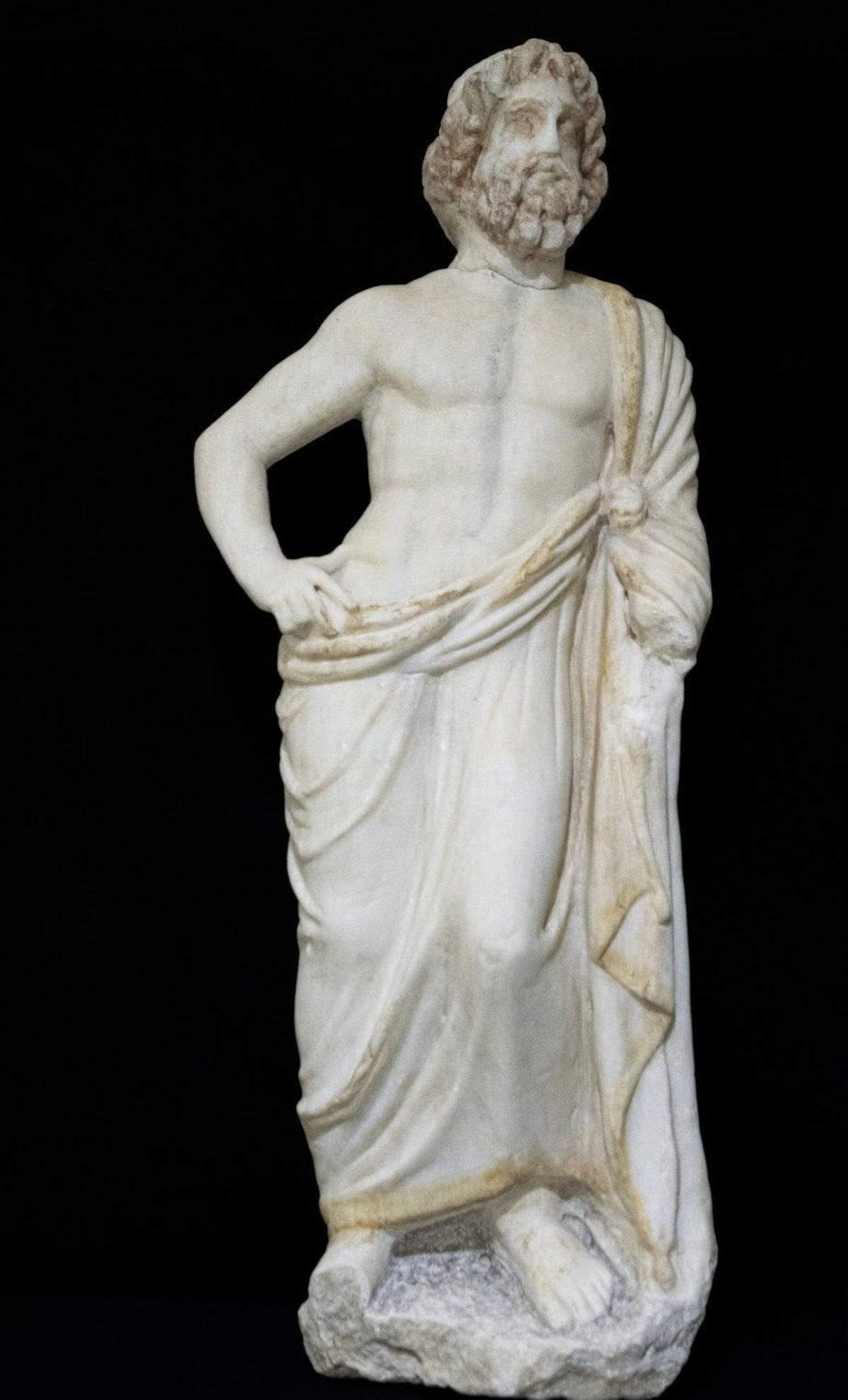
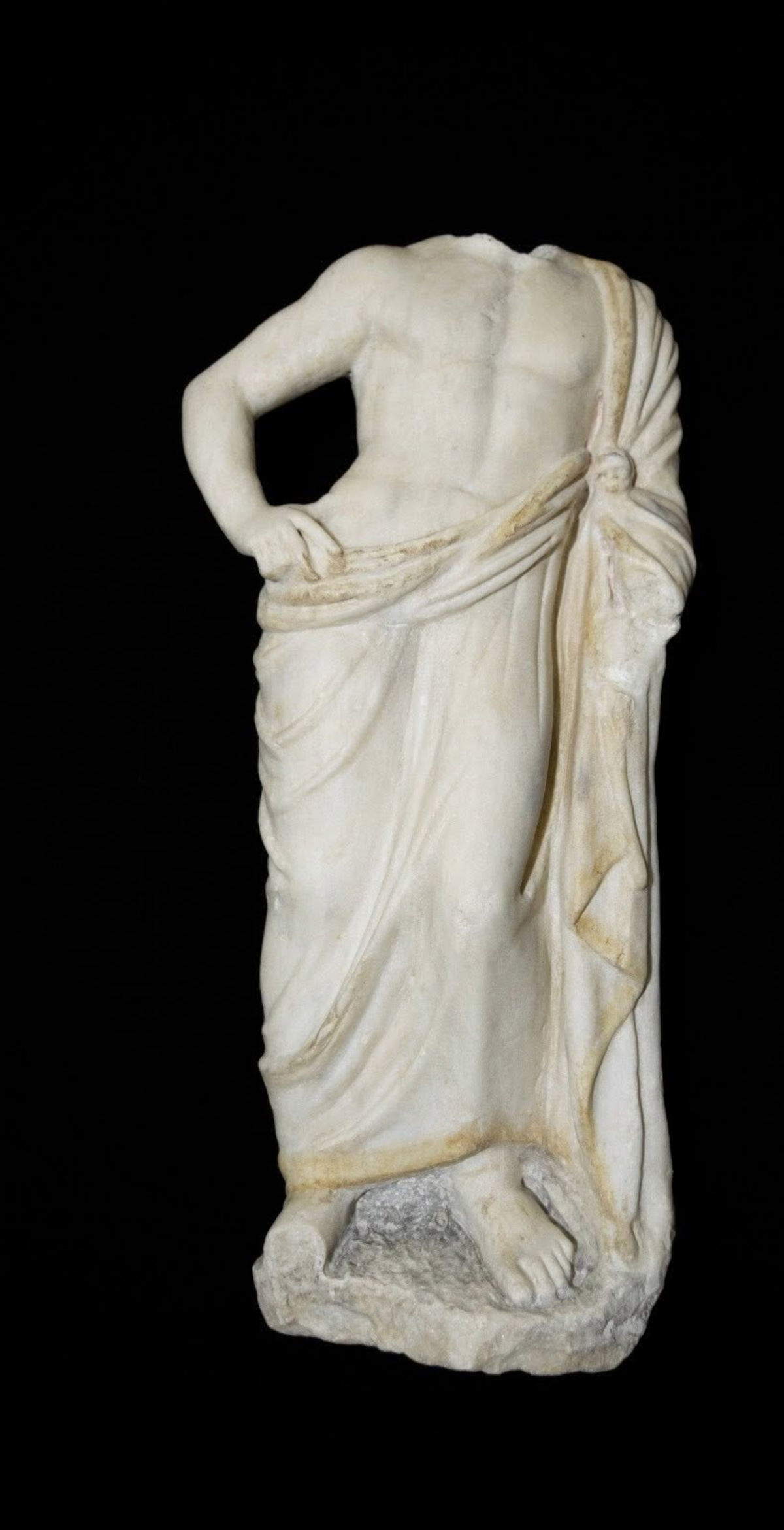
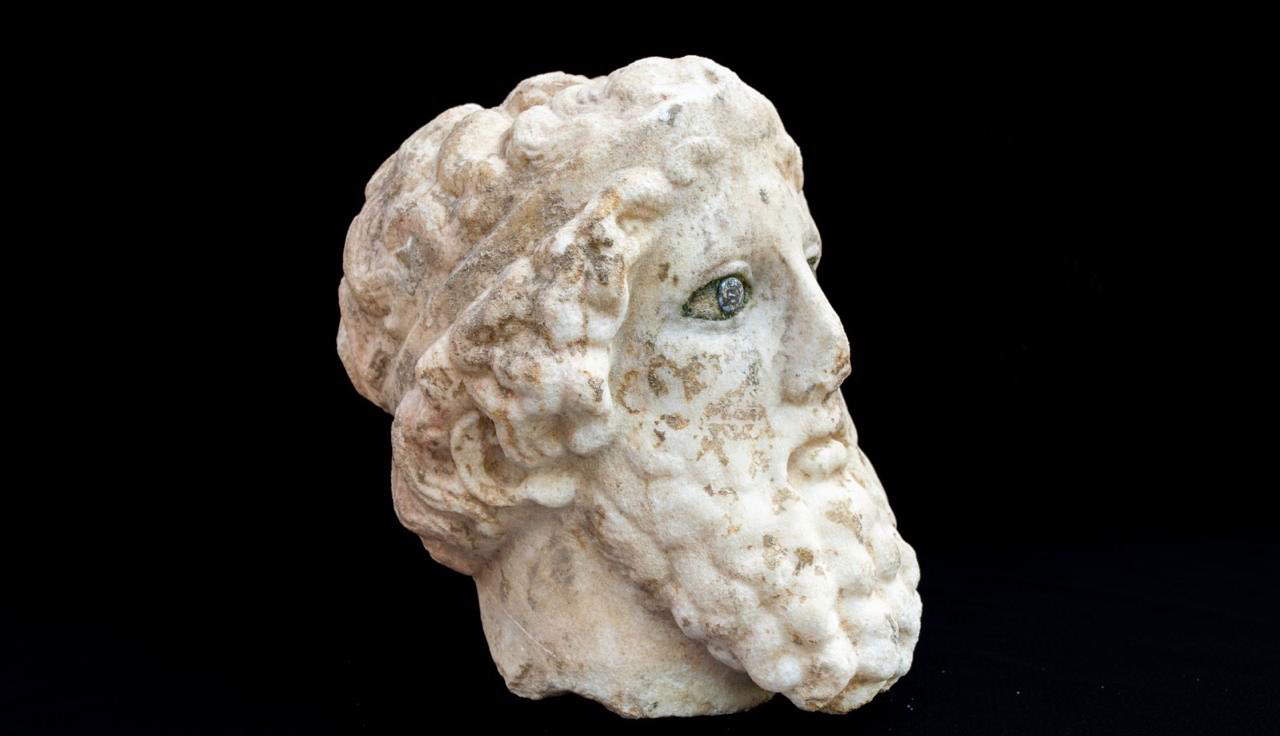
Ibrahim Mostafa, director of the mission and in charge of the central district, explained that the excavation operations lasted for several months and produced results described as outstanding by the research team. Mostafa also reported that preliminary restoration operations of the finds have already begun, with a view to their transfer to specialized laboratories for further conservation and study. In parallel, the Ministry of Tourism and Antiquities is considering the possibility of exhibiting some of the major discoveries at the Greco-Roman Museum in Alexandria, with the aim of integrating the new materials into the museum itinerary dedicated to the city’s history. Field activities will continue in the coming months, as archaeologists believe that further investigations may return new data and other structures still buried in the Moharam Bek area.
 |
| Alexandria, Roman villa with mosaics, a public bath and marble statues emerged |


The author of this article: Noemi Capoccia
Originaria di Lecce, classe 1995, ha conseguito la laurea presso l'Accademia di Belle Arti di Carrara nel 2021. Le sue passioni sono l'arte antica e l'archeologia. Dal 2024 lavora in Finestre sull'Arte.Warning: the translation into English of the original Italian article was created using automatic tools. We undertake to review all articles, but we do not guarantee the total absence of inaccuracies in the translation due to the program. You can find the original by clicking on the ITA button. If you find any mistake,please contact us.





















 IT
IT FR
FR DE
DE ES
ES CN
CN


