





A new element has been added to the historical reconstruction of the ancient Appian Way thanks to a discovery that emerged in the Campania region as part of protection and research activities coordinated by the Ministry of Culture. In fact, in the municipality of Apollosa, in the province of Benevento, a Roman funerary monument decorated with scenes of gladiators, identified during archaeological investigations conducted by the Soprintendenza Archeologia, Belle Arti e Paesaggio for the provinces of Caserta and Benevento, was presented to the community.
The discovery was illustrated during the conference Un cantiere per conoscere l’Appia: un monumento funerario romano nel Comune di Apollosa, an occasion in which the results of the studies and recovery operations were announced. Superintendent Mariano Nuzzo highlighted the importance of public sharing of research activities, emphasizing the architectural and iconographic significance of the monument, which is characterized by gladiatorial depictions and can be dated to the early first century AD.
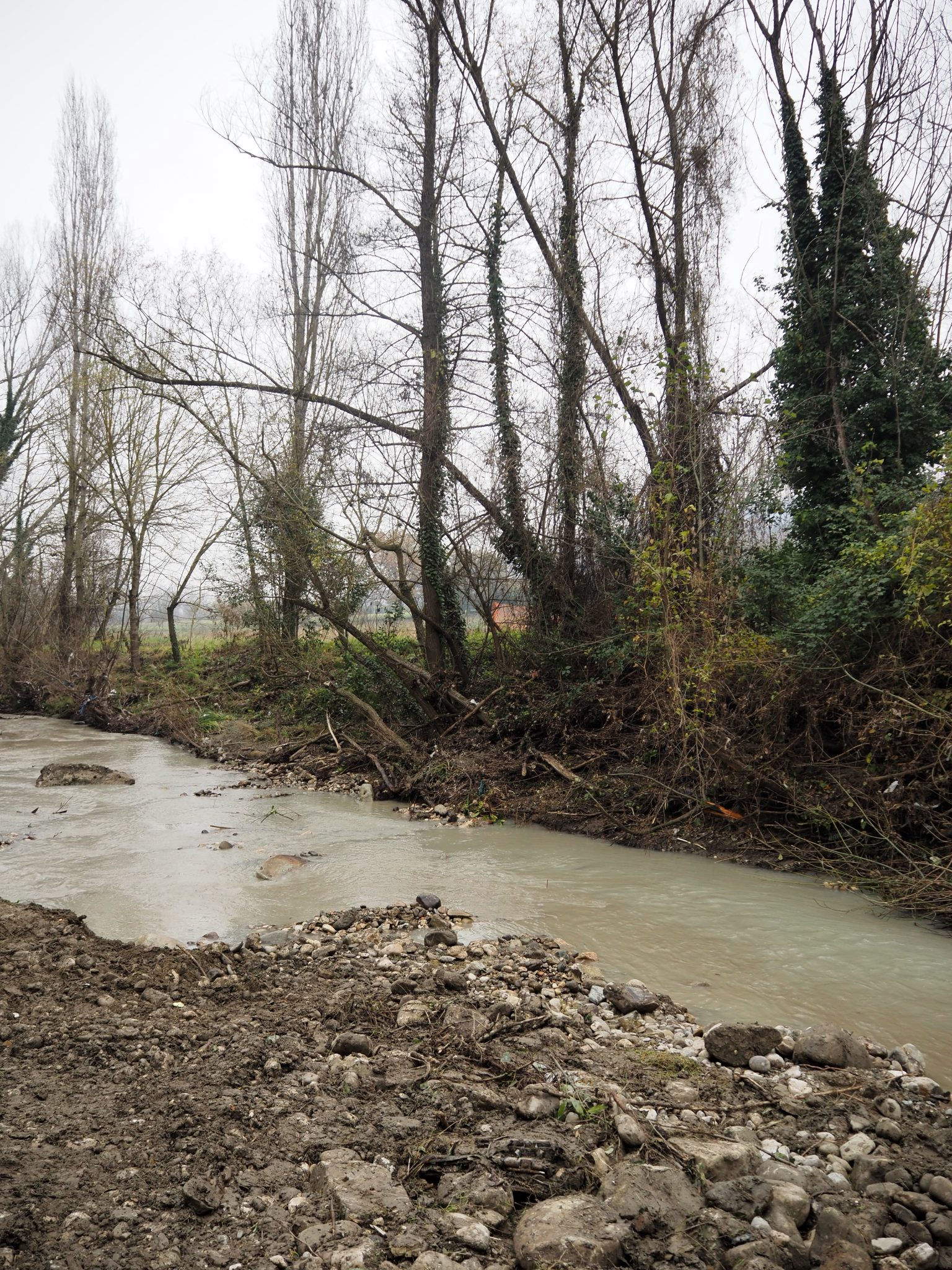
The identification of the site also came about thanks to the report of volunteer Marco Zamparelli, who promptly informed the Superintendence after noticing some stone blocks that had surfaced following the overflow of the Serrentella stream. From this report, archaeological investigations were initiated, coordinated by archaeological officer Simone Foresta and conducted with the support of a team of specialists. The operations resulted in the recovery of about twenty limestone blocks and theidentification of the entrance to a frescoed burial chamber.
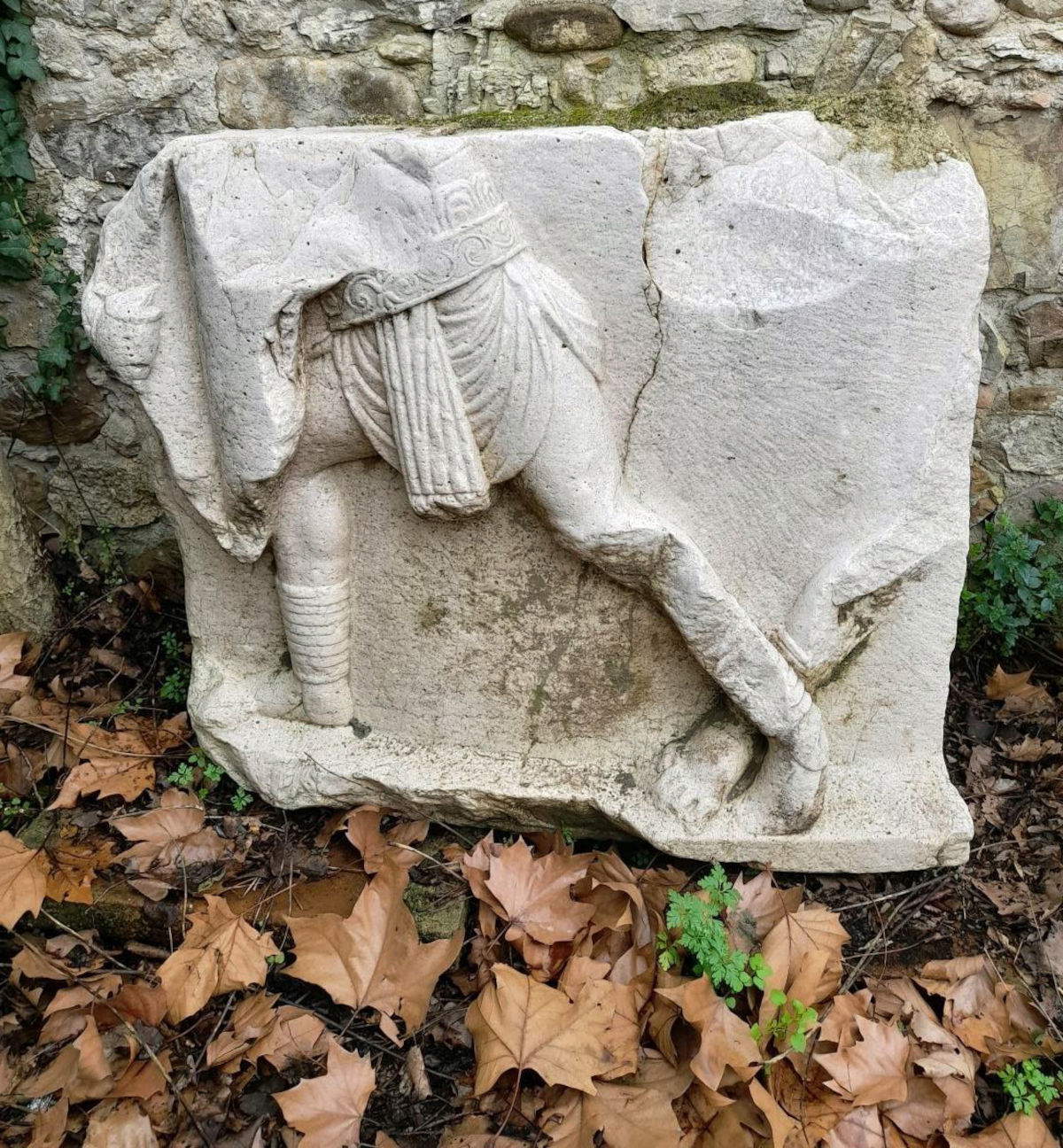
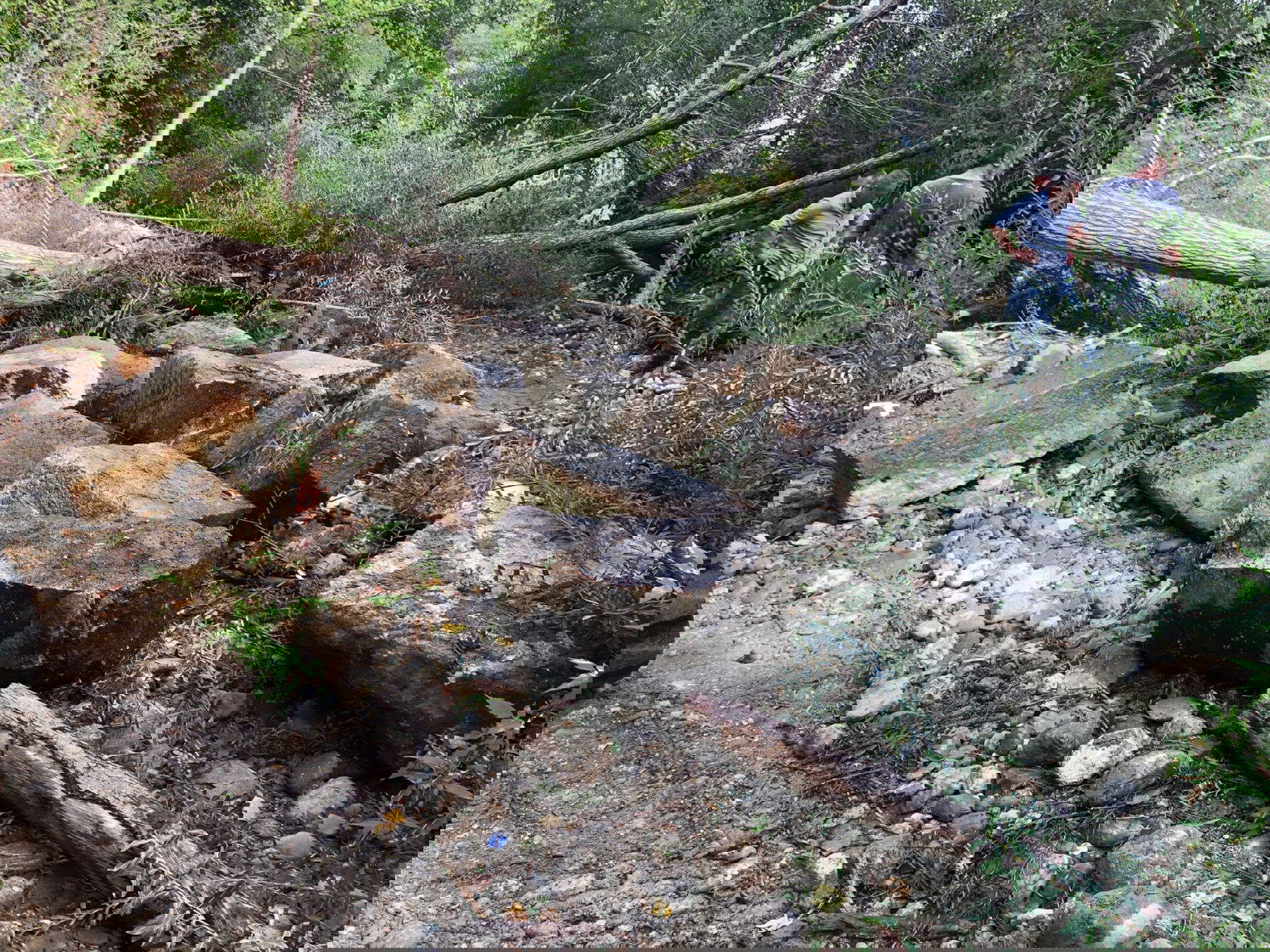
According to preliminary analyses, the monument has a structure made of limestone blocks with an estimated diameter of about twelve meters. Scholars hypothesize that it belonged to a Roman citizen of high rank who lived in the Augustan age, likely linked to the organization of gladiatorial games, as suggested by the decorative apparatus. The location along the Via Appia, one of the main arteries of the Roman world, confirms the prestigious character of the area and the strategic role of the stretch between Caudium and Montesarchio.
On the valorization front, the Municipality of Apollosa has expressed its intention to integrate the site into territorial promotion programs connected to the ancient route of the so-called Regina Viarum, in collaboration with the Campania Region and the institutions involved. The finds recovered so far are stored at the Superintendence’s Operations Center in Benevento and are accessible by reservation. At the same time, projects for virtual reconstruction of the monument are being developed, aimed at fostering knowledge of the site and improving its public enjoyment.
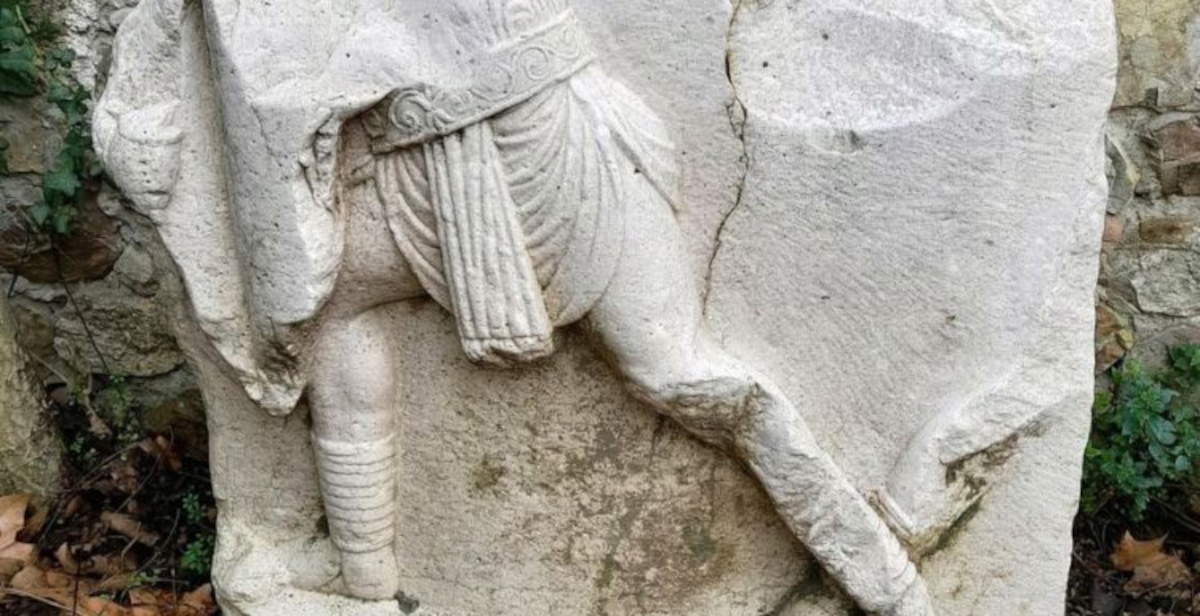 |
| Apollosa (Benevento), Roman burial monument discovered with scenes of gladiators |

Warning: the translation into English of the original Italian article was created using automatic tools. We undertake to review all articles, but we do not guarantee the total absence of inaccuracies in the translation due to the program. You can find the original by clicking on the ITA button. If you find any mistake,please contact us.




























 IT
IT FR
FR DE
DE ES
ES CN
CN


