





A monumental statue, most likely attributed to Pharaoh Ramses II, has been found at the Tellel-Faroun archaeological site in the eastern Nile Delta area. The discovery occurred as part of the activities of an Egyptian mission operating under the auspices of the Supreme Council of Antiquities, which was engaged in excavations at the site located in the governorate of Sharqia, in Egypt’s Husseiniya district.
The sculpture, which was found without the lower portion that included legs and base, has significant dimensions: the weight is estimated at between five and six tons, while thepreserved height reaches about 2.20 meters. The state of preservation is compromised, but the surviving elements still allow a stylistic and iconographic reading. According to initial assessments, the formal and regal features of the figure suggest identification with Ramses II, one of the most represented rulers of ancient Egypt.
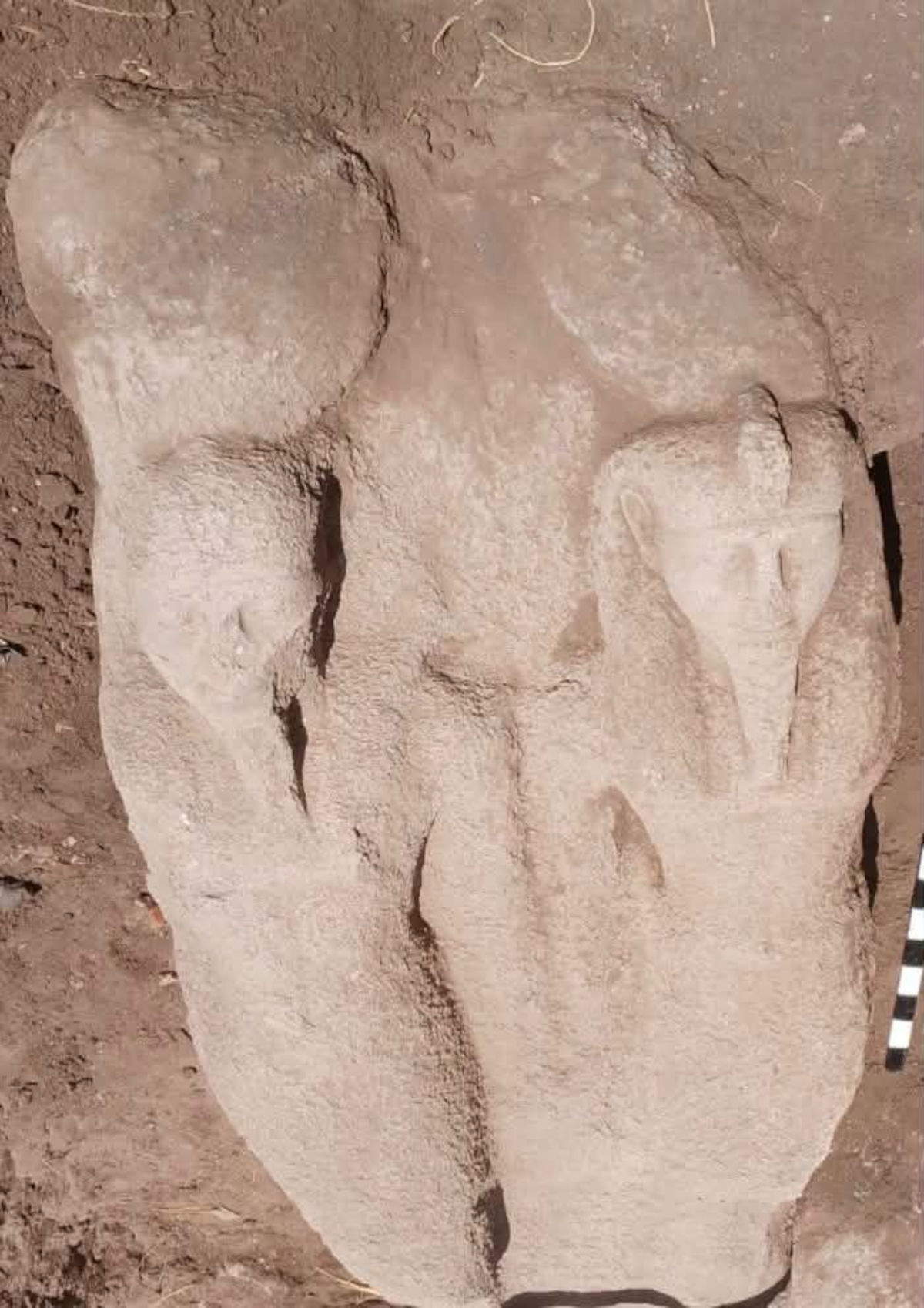
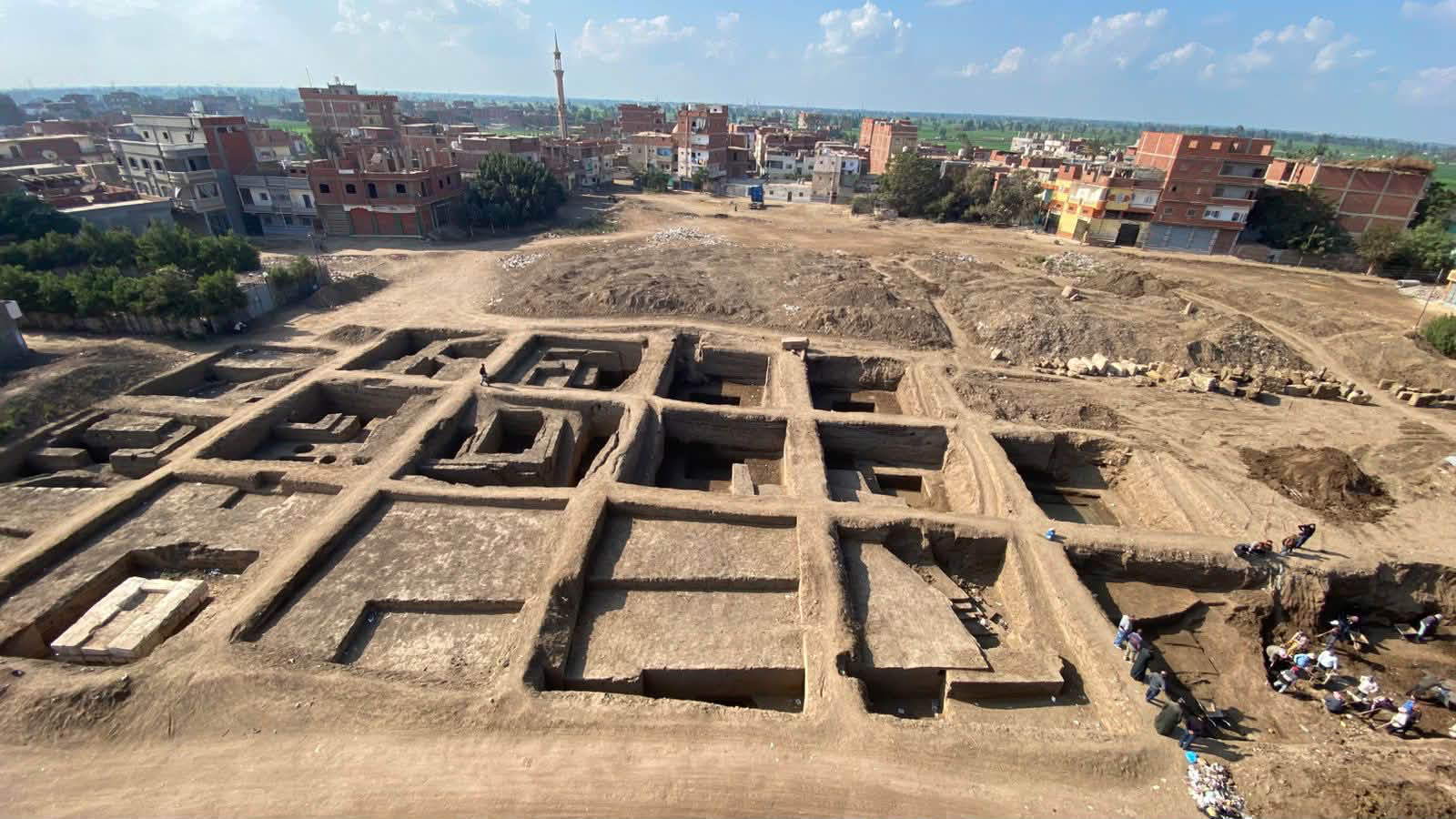
Hisham el-Leithy, secretary-general of the Supreme Council of Antiquities, emphasized that the find represents important evidence for the study of religious and power dynamics in the Eastern Delta. The find also helps clarify the phenomenon of the transfer and reuse of royal statues during the New Kingdom period, offering new insights into the relationship between regional centers and major political poles. Further preliminary analysis, explained by Mohamed Abdel Badie, head of the Egyptian antiquities sector at the Supreme Council of Antiquities, indicates that the statue may have originally been placed in the city of Pi-Ramses and later transferred to Tell el-Faroun, identified in antiquity as Imet or Imt. The operation would have taken place as early as Pharaonic times, with the aim of reusing the artifact within a local religious complex. This practice reflects a custom attested in multiple Egyptian archaeological contexts, linked both to symbolic needs and to dynamics of cultic continuity.
The characteristics of the statue also suggest that it may have been part of a sculptural triad, a widespread typology in Egyptian artistic production, already documented at other sites in the governorate of Sharqia. After the find, the artifact was transferred from the temple complex to the museum depot in the San al-Hagar area, where it will undergo restoration. The planned operations will follow standardized scientific protocols, with the aim of stabilizing the condition of the artifact and allowing it to be studied in depth. The find is part of a sequence of recent discoveries in the region. Last September, a stone slab with a new version of the so-called Decree of Canopus, issued in 238 B.C. by Pharaoh Ptolemy III during an assembly of high priests gathered in the city of Canopus (east of Alexandria), had been identified in the same area. The decree, aimed at celebrating the ruler, Queen Berenice and their daughter, was later circulated in the main Egyptian temples.
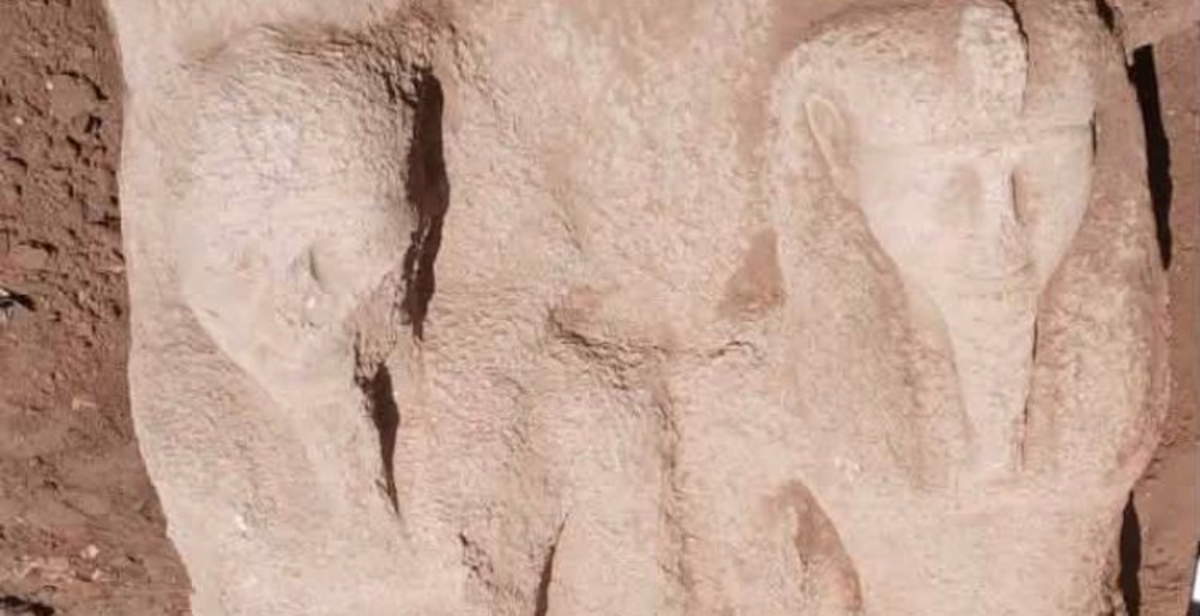 |
| Egypt, colossal statue attributed to Ramses II discovered in eastern Nile Delta |


The author of this article: Noemi Capoccia
Originaria di Lecce, classe 1995, ha conseguito la laurea presso l'Accademia di Belle Arti di Carrara nel 2021. Le sue passioni sono l'arte antica e l'archeologia. Dal 2024 lavora in Finestre sull'Arte.Warning: the translation into English of the original Italian article was created using automatic tools. We undertake to review all articles, but we do not guarantee the total absence of inaccuracies in the translation due to the program. You can find the original by clicking on the ITA button. If you find any mistake,please contact us.





















 IT
IT FR
FR DE
DE ES
ES CN
CN


