




by Redazione 12/05/2026



Categories: Contemporary art / Disclaimer
At the 61st Venice Art Biennale, Danish artist Maja Malou Lyse, class of 1993 (the youngest ever to represent her country), presents Things To Come, an exhibition curated by Chus Martínez that interweaves pornography, science and fiction to interrogate the fertility crisis, the role of images and the transformations of the contemporary body.


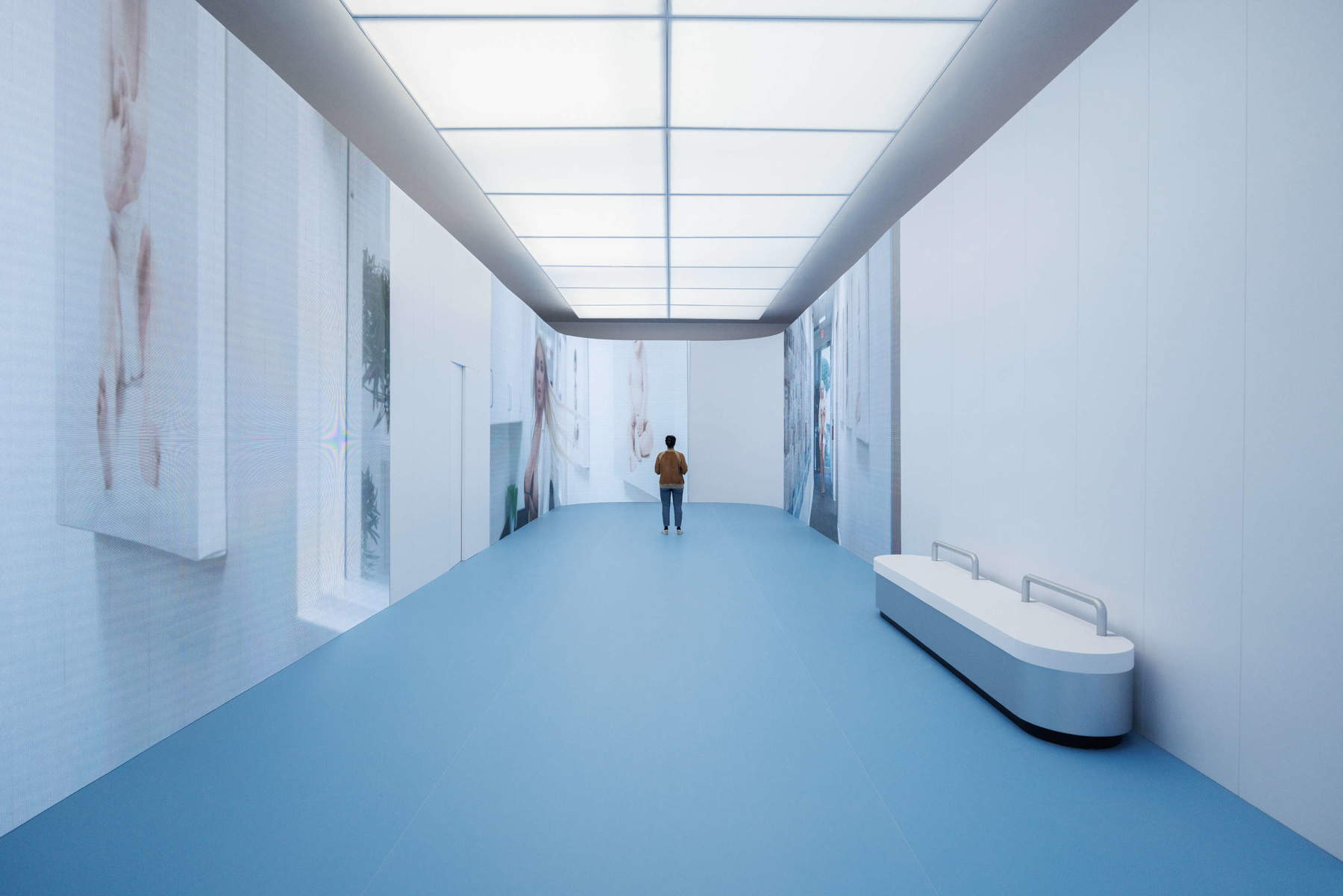
At the 61st Venice Biennale, the Danish Pavilion entrusts Maja Malou Lyse with one of the most controversial reflections of the 2026 edition. The Danish Arts Foundation thus presents Things To Come, an exhibition project curated by Chus Martínez that relates pornography, science and speculative imagination to interrogate the biological and symbolic future of contemporary humanity. The exhibition brings together two main works: the film Things To Come, developed together with the DIS collective composed of Marco Roso, Lauren Boyle, Solomon Chase, and David Toro, set up in the Brummer Gallery, and the installation Stars in My Pocket, hosted in the Koch Gallery. The project takes its name from the famous 1936 science fiction film based on The Shape of Things to Come by British writer H. G. Wells, a work that imagined the fate of civilization through technological progress and the redefinition of social structures. Picking up on that visionary tension, Lyse transports the discourse into the present and addresses one of the most debated contemporary issues: the global decline of male fertility and the increasingly ambiguous relationship between digital images, desire and biology.


At the center of the investigation is recent scientific research indicating that exposure to virtual sexual stimuli (in a word: pornography) could significantly increase sperm motility. A perspective that, in the artist and curator’s reading, changes the very role of the contemporary image. No longer a mere representation or ideological construction, but an element capable of materially intervening in biological life. In this scenario pornography, technology and science no longer appear as separate systems, but as intertwined infrastructures that participate in the redefinition of human experience.


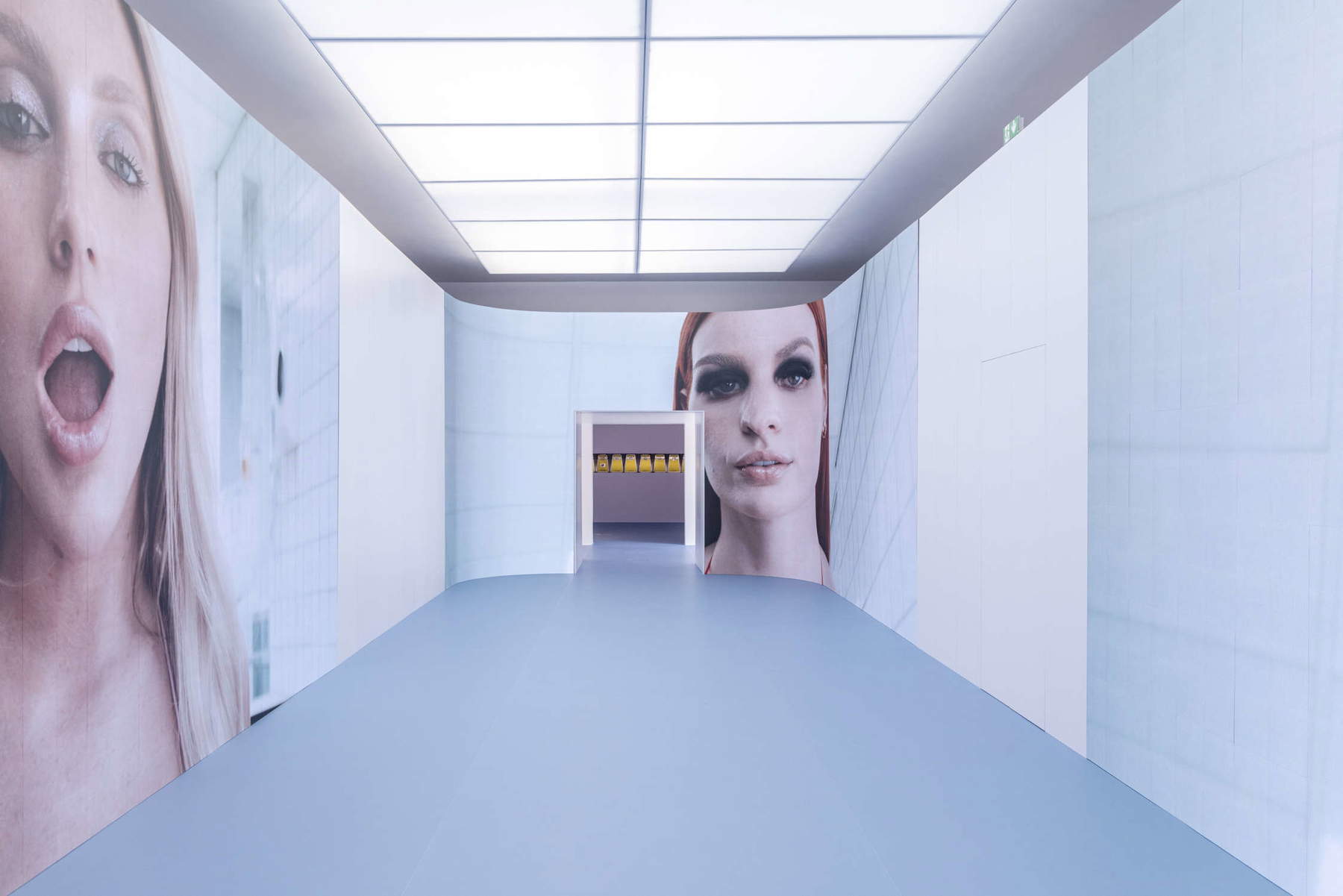
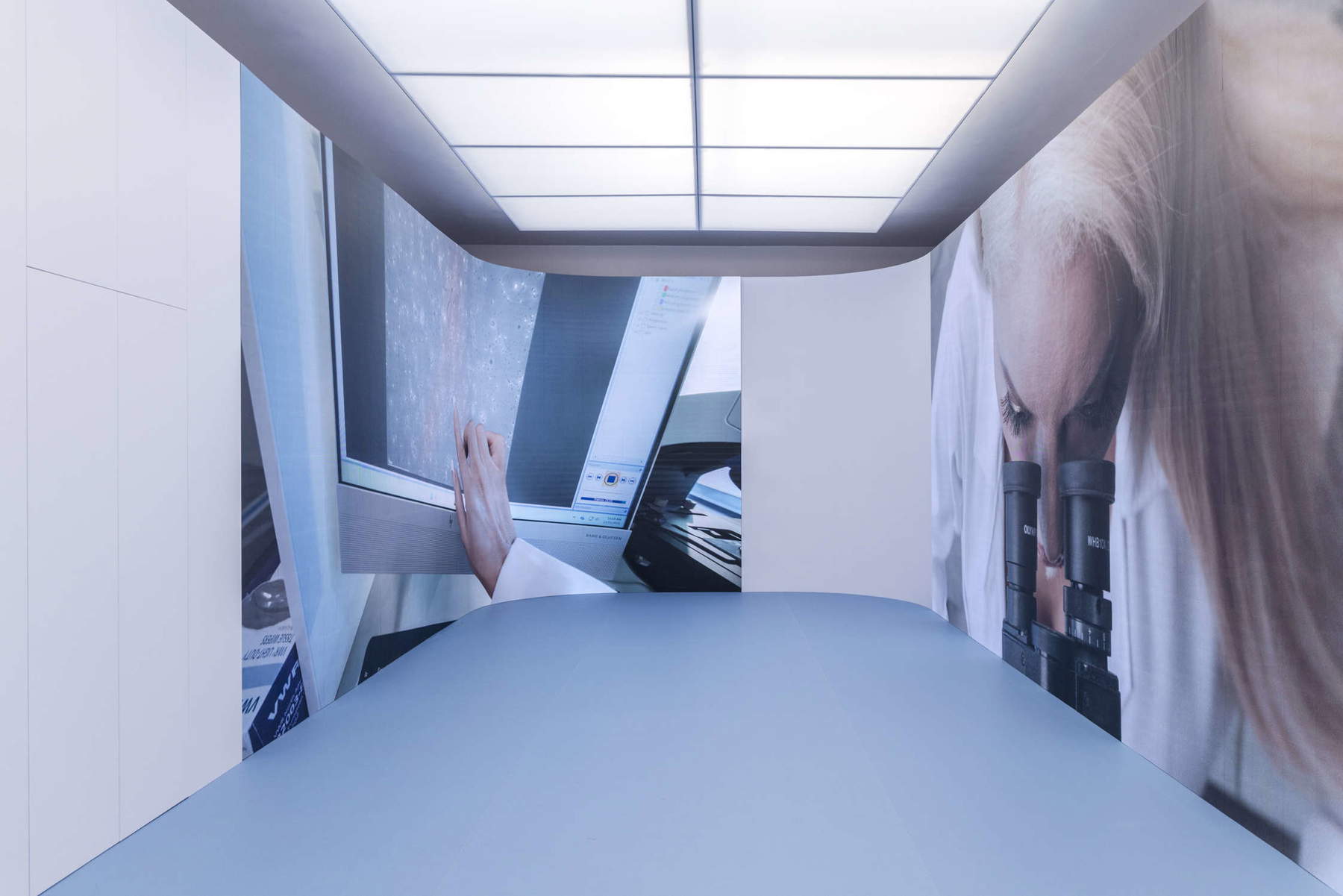
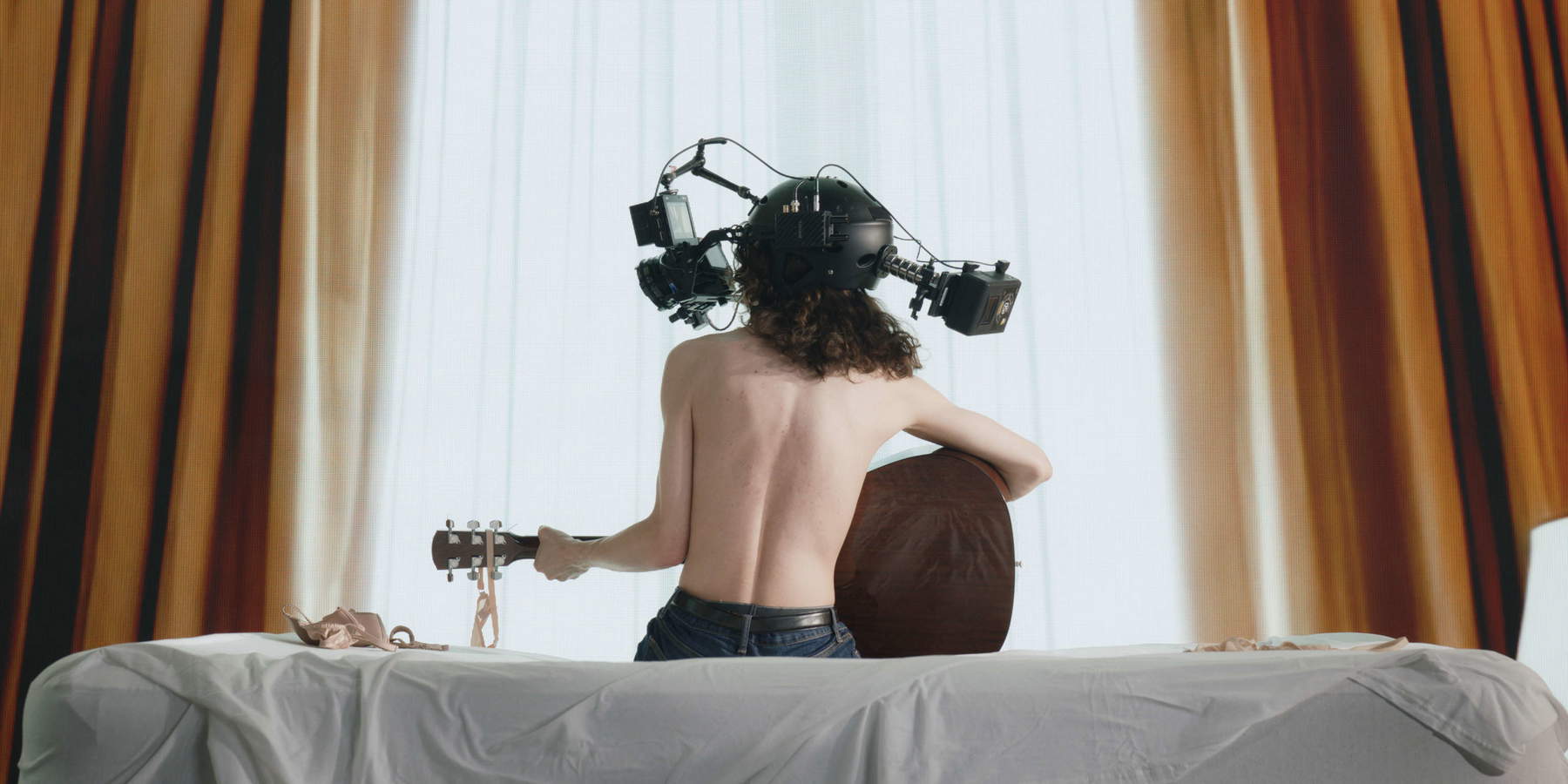
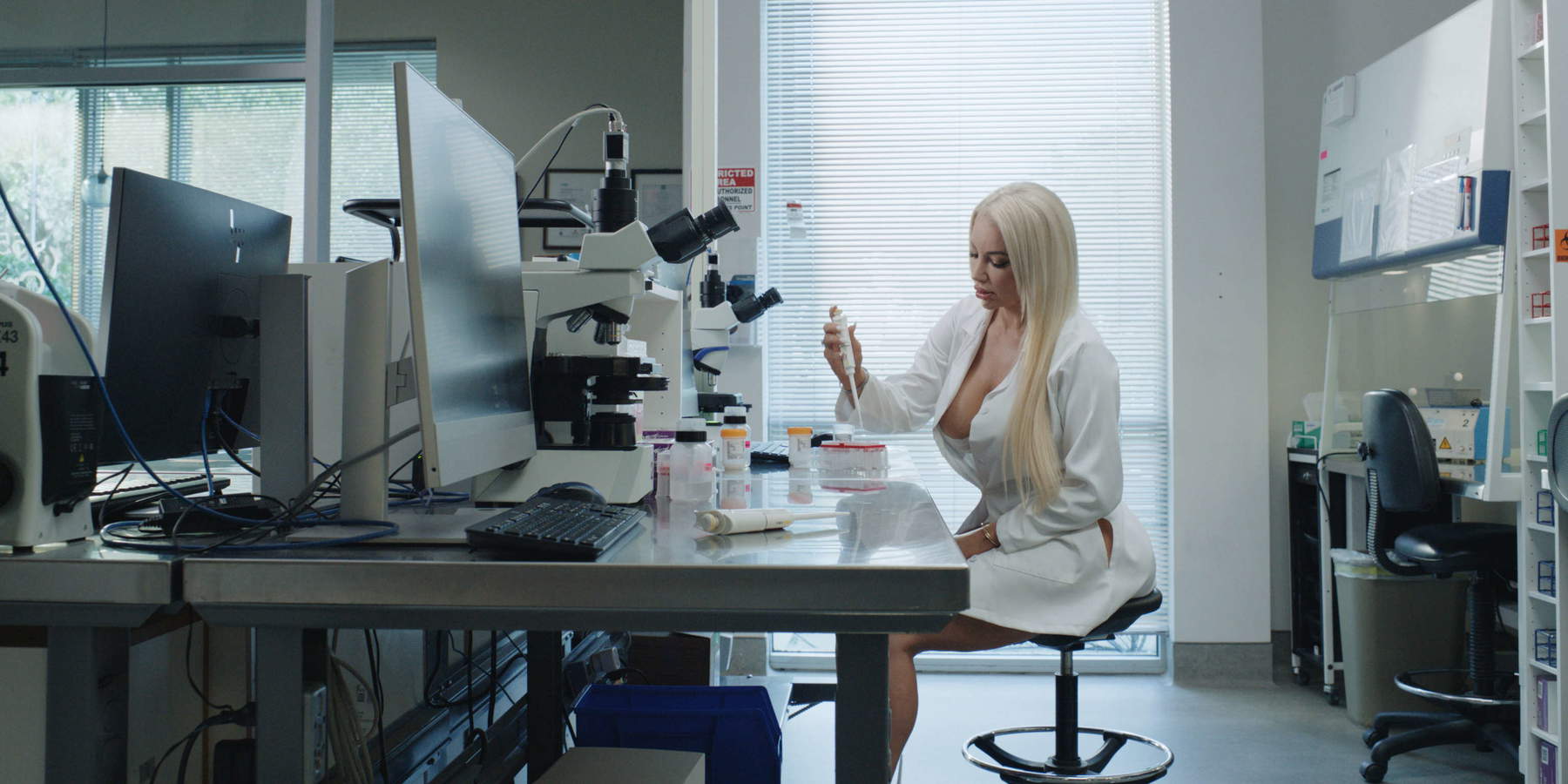
The film Things To Come was shot inside a real sperm bank and in a special effects studio. The narrative structure takes the form of a musical in which a group of pornographic actors come together to make a work that reflects on desire, the power of images and the global reproductive crisis. The decrease in sperm count is addressed not only as a biological emergency, but as a metaphor for a broader existential collapse. Environmental toxicity, screen addiction, cognitive exhaustion and erosion of intimacy become symptoms of a society in which relationships, work and reproduction are progressively emptied of meaning.


According to the exhibition, contemporary media technologies assume a paradoxical role: they are both toxin and antidote. On the one hand, they participate in the alienation and hyperstimulation that characterize contemporary life; on the other hand, they seem to open up new possibilities for biological and symbolic survival. In this context pornography and semen are treated not simply as elements related to sexuality, but as material and cultural residues of a changing civilization. The work is thus intended to take on the contours of a conceptual pornographic fairy tale that comes in an age dominated by artificial intelligence-generated images and infinitely reproducible content, an age in which pornography itself but also the materiality of semen seem to acquire an archaeological quality. Reproductive technologies and genetic engineering progressively separate sex and reproduction, radically altering the meaning of intimacy and desire. The film thus does not attempt to imagine the future of sex, but focuses on its extreme threshold.


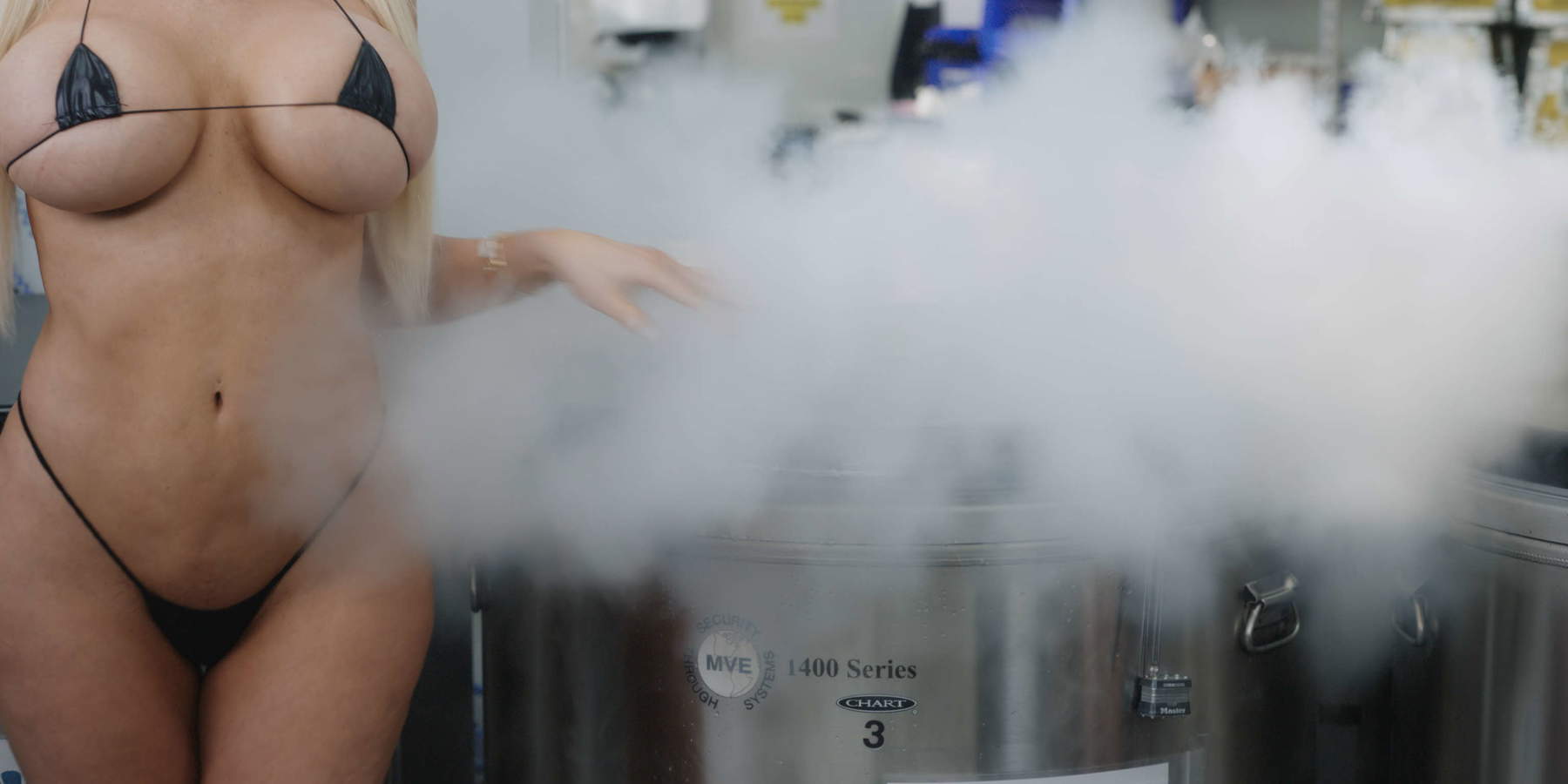
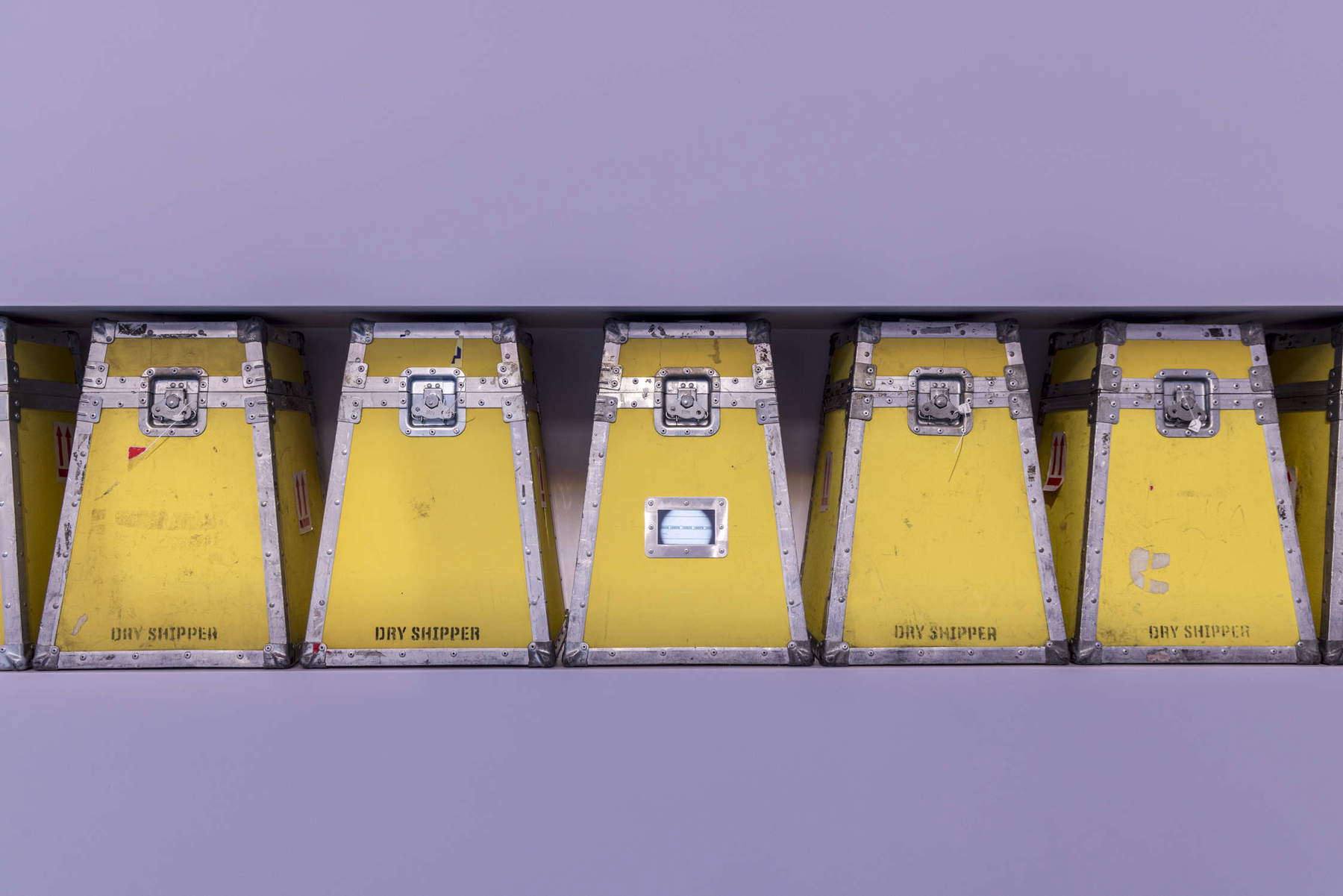
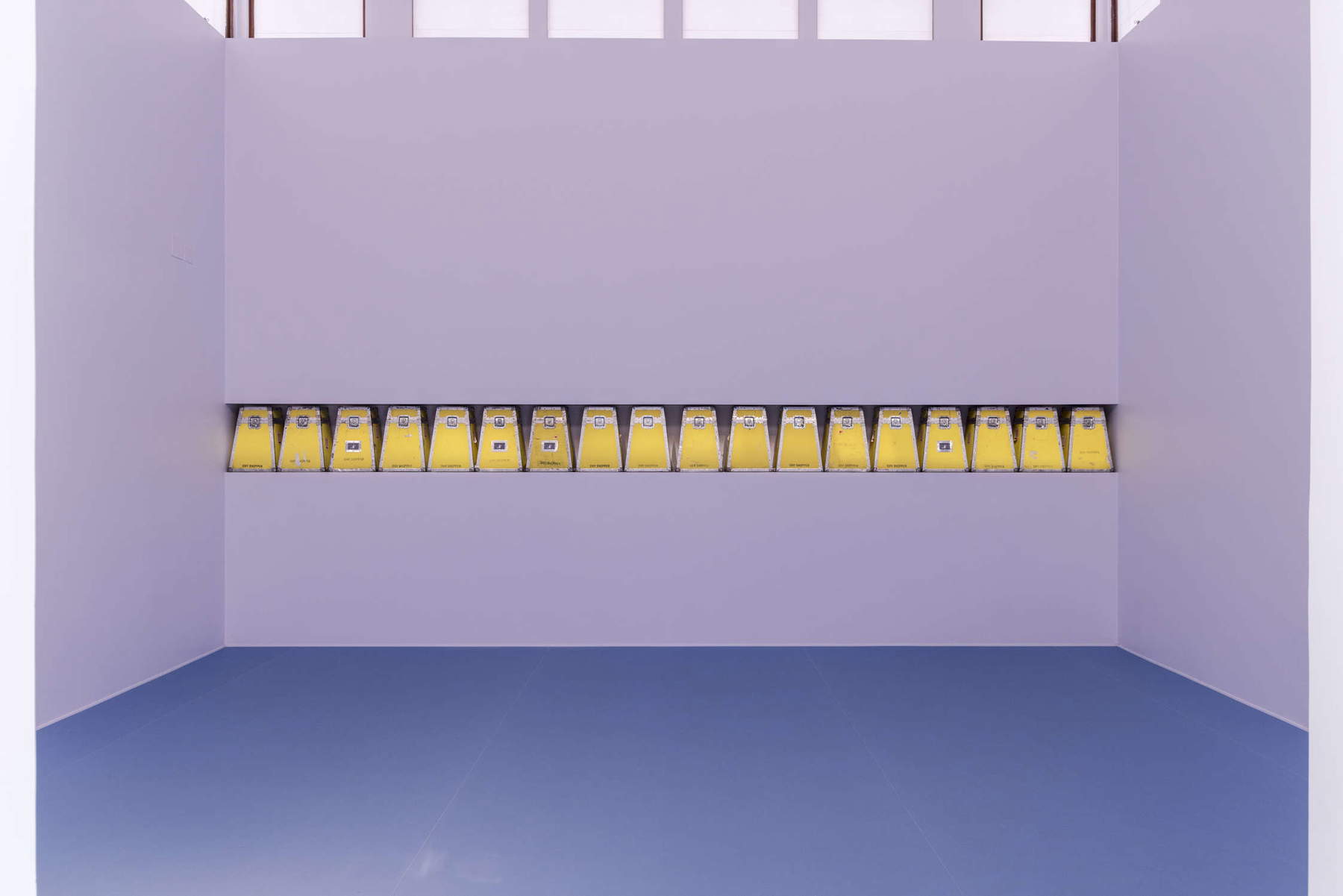
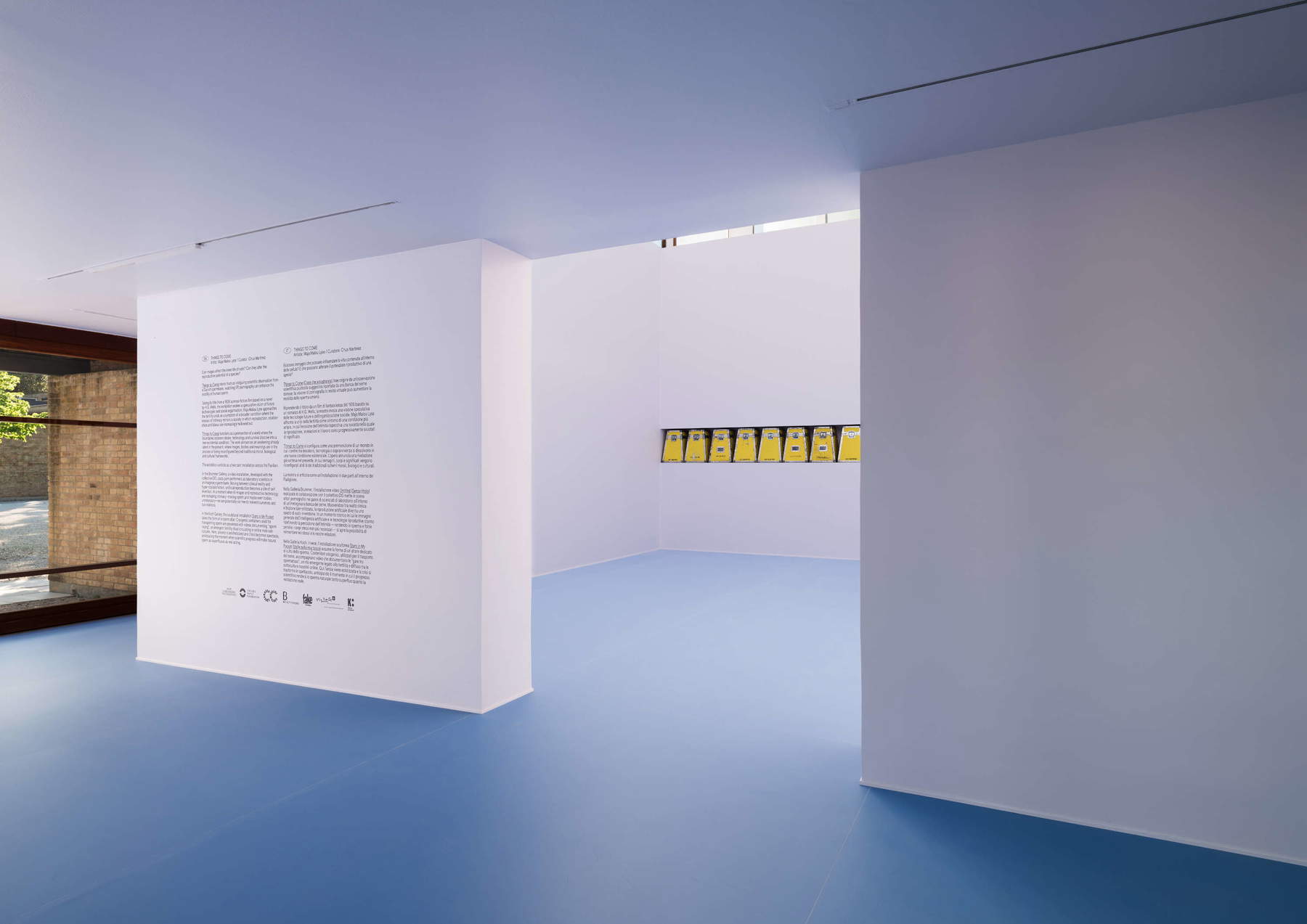
Alongside the film, the installation Stars in My Pocket expands the discourse through an environment that connects visible and invisible infrastructures of contemporary reproduction. The work combines different systems of knowledge: science, represented by the cryogenic boxes used in fertility banks to transport and store reproductive material; online male subcultures, evoked through images and videos dedicated to the emerging phenomenon of “sperm races”; and narrative fiction constructed by the architecture of the environment itself.
The installation takes the form of a kind of altar dedicated to sperm worship. Cryogenic containers and embedded screens construct a space in which the fertility crisis is aestheticized and transformed into spectacle. The project suggests that the future of the species cannot be separated from the narratives through which the human experience is told and interpreted. The biological and symbolic dimensions become inseparable.
“AI-generated images,” says curator Chus Martínez, “no longer serve as proof of anything, having been separated from their material origin. So imagine Maja Malou Lyse’s surprise to discover that the enjoyment of pornography through VR technology increases male fertility by up to 50 percent, as indicated by recent studies. Fertility, future size and pornography thus become deeply intertwined. Maja Malou Lyse has conceived a paradoxical environment that suggests how we are not simply at the end of the image, but at the beginning of a new world in which images persist while seeing their meaning, function, and credibility radically transformed. In his work, images no longer describe reality; they act within it by acting as an affective technology: they produce sensation, they produce time, they produce species. They function as simulations of possible futures, rather than as records of the present.”
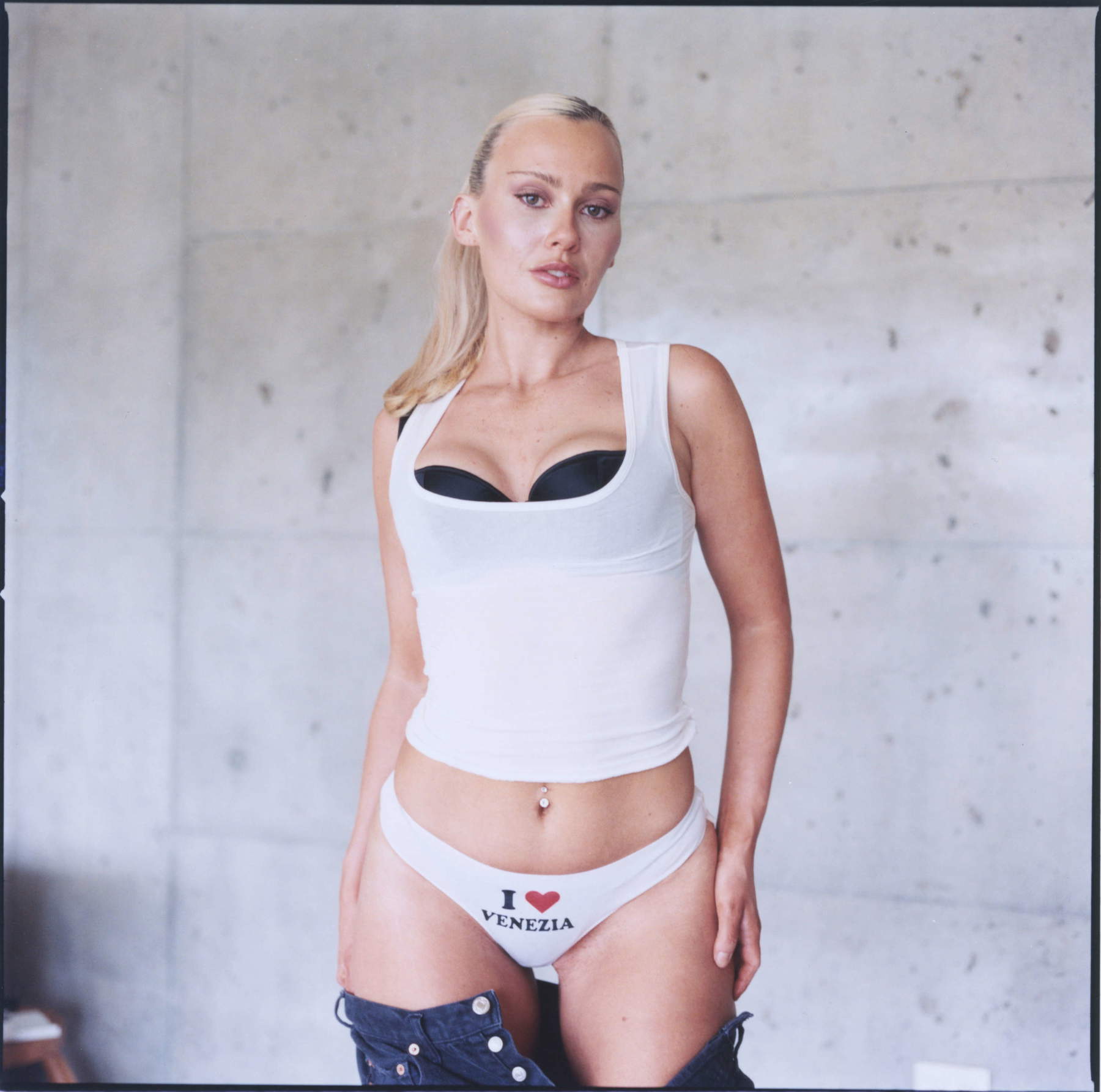

The entire architecture of the Denmark Pavilion was developed in collaboration with Common Accounts, an architecture and design studio founded by Igor Bragado and Miles Gertler. Production was entrusted to M+B Studio, while graphic identity and editorial design are by Studio Claus Due. A volume dedicated to the exhibition, published by Mousse Publishing, will be released in the summer of 2026.
The artist to whom Denmark has entrusted its pavilion, Maja Malou Lyse, was born in 1993 and is the youngest artist to represent Denmark at the Venice Biennale’s International Art Exhibition in history. Trained at the Royal Danish Academy of Fine Arts, where she graduated in 2022, Lyse has in recent years built a practice centered on critical analysis of sexuality, the body and power structures in the digital age. Her works have been presented in institutions such as ARoS, Kunsthal Charlottenborg, Index Stockholm and O - Overgaden, while her performances have reached spaces such as the National Museum of Denmark, Tate Modern and Moderna Museet. He currently lives and works in New York.
The program accompanying the Denmark Pavilion also extends beyond the Biennale’s official spaces. On May 6, during the preview week reserved for international guests, Cicciolina’s Dream was presented, an event held at White Rabbit Cannery, a former canning factory located along the Fondamenta de la Sensa in the Cannaregio district. The evening, conceived in direct dialogue with Things To Come, marked the live return of Ilona Staller, aka Cicciolina, in her first performance in more than a decade: videos are already circulating on social media in which the former porn star can be seen performing her now-famous song Muscolo rosso, part of a performance in which Cicciolina performed a few Italo-disco songs, followed by DJ sets by Courtesy and Mina Galán. The figure of Cicciolina was reinterpreted as a symbolic element perfectly consistent with the issues addressed by Lyse. During her parliamentary experience in Italy, Ilona Staller never separated political identity and public image, making their fusion the very center of her own media and institutional presence.
With Things To Come, therefore, the Denmark Pavilion proposes one of the projects that will probably cause the most discussion during this Art Biennale 2026. Through pornography, biology, synthetic images and the fertility crisis, Maja Malou Lyse constructs an investigation that questions the relationship between the body, technology and the human future, suggesting that the transformation of images now coincides with the very transformation of the species.
|
| Porn, technology and the future of humanity: the Denmark Pavilion at Biennale 2026 |
Warning: the translation into English of the original Italian article was created using automatic tools. We undertake to review all articles, but we do not guarantee the total absence of inaccuracies in the translation due to the program. You can find the original by clicking on the ITA button. If you find any mistake,please contact us.