




Looking at the stars always makes me dream, as do
the black dots representing towns and villages on a map.
(Vincent Van Gogh, Letters to Theo)
“We can only see what we know.” Ernst Gombrich already argued this in Art and Illusion. And we see little, because we know little. Above all, we ignore what is above our heads: we do not look up, not even when the night lights up and the sky opens, full of planets, constellations, red and blue stars. For a long time, perhaps forever, we have lost our curiosity for what is not immediate, tangible, easily understood. Yet that is precisely where our oldest awe lies. Rediscovering this heavenly dimension then becomes a rare opportunity. Offering it to us is Notti, an exhibition that spans five centuries of fascination with darkness and light, restoring to us the profound meaning of what we have stopped looking at.
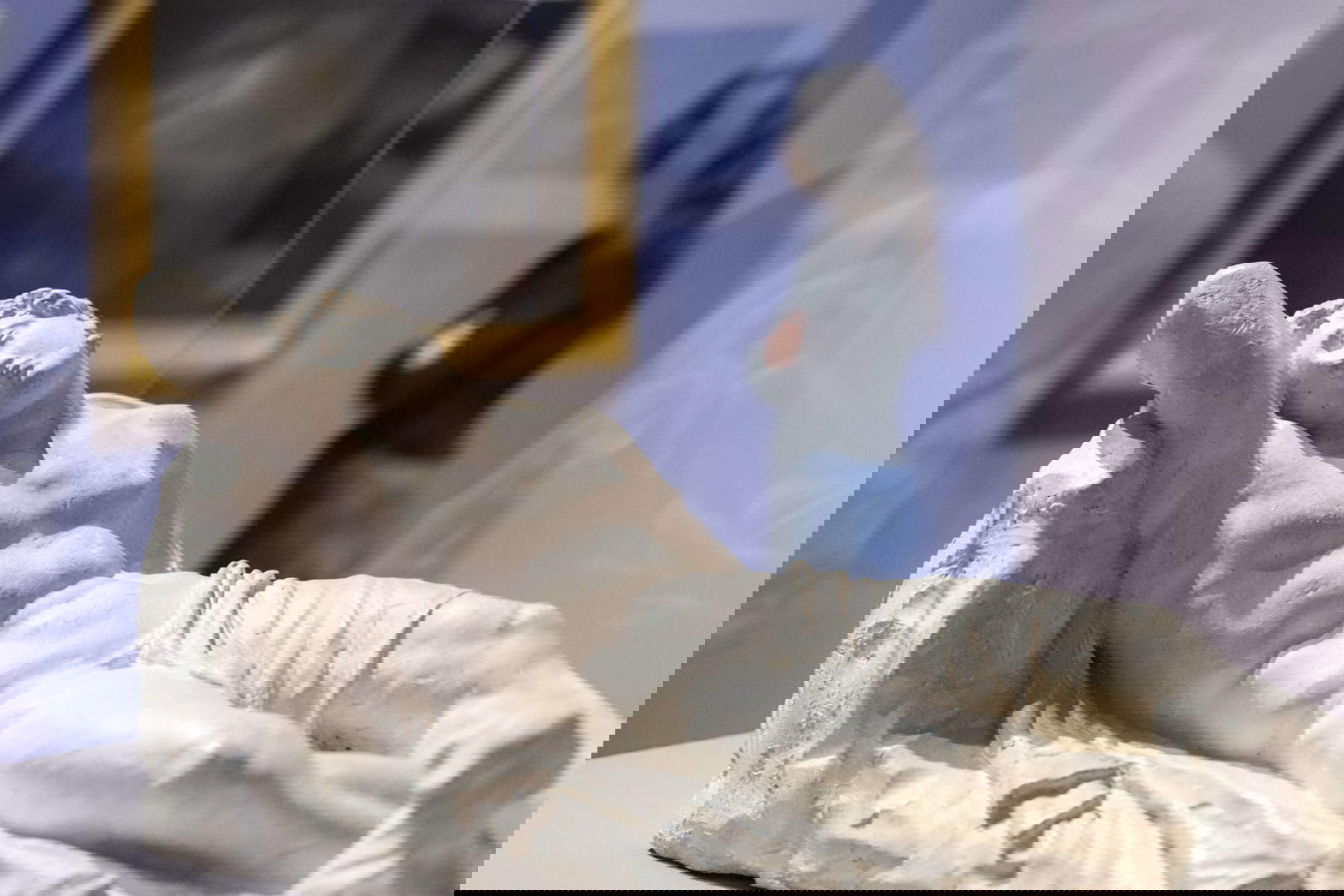
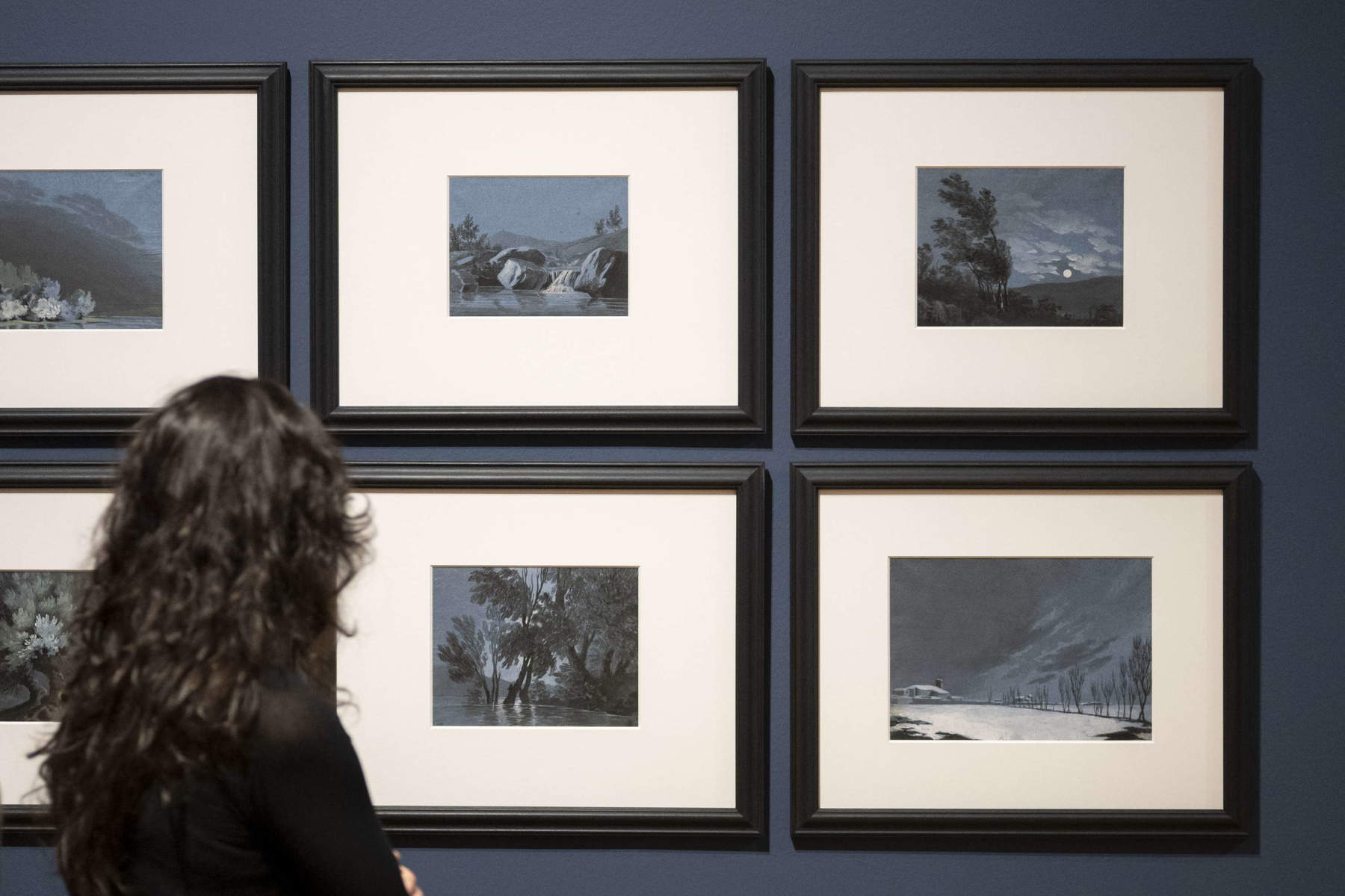
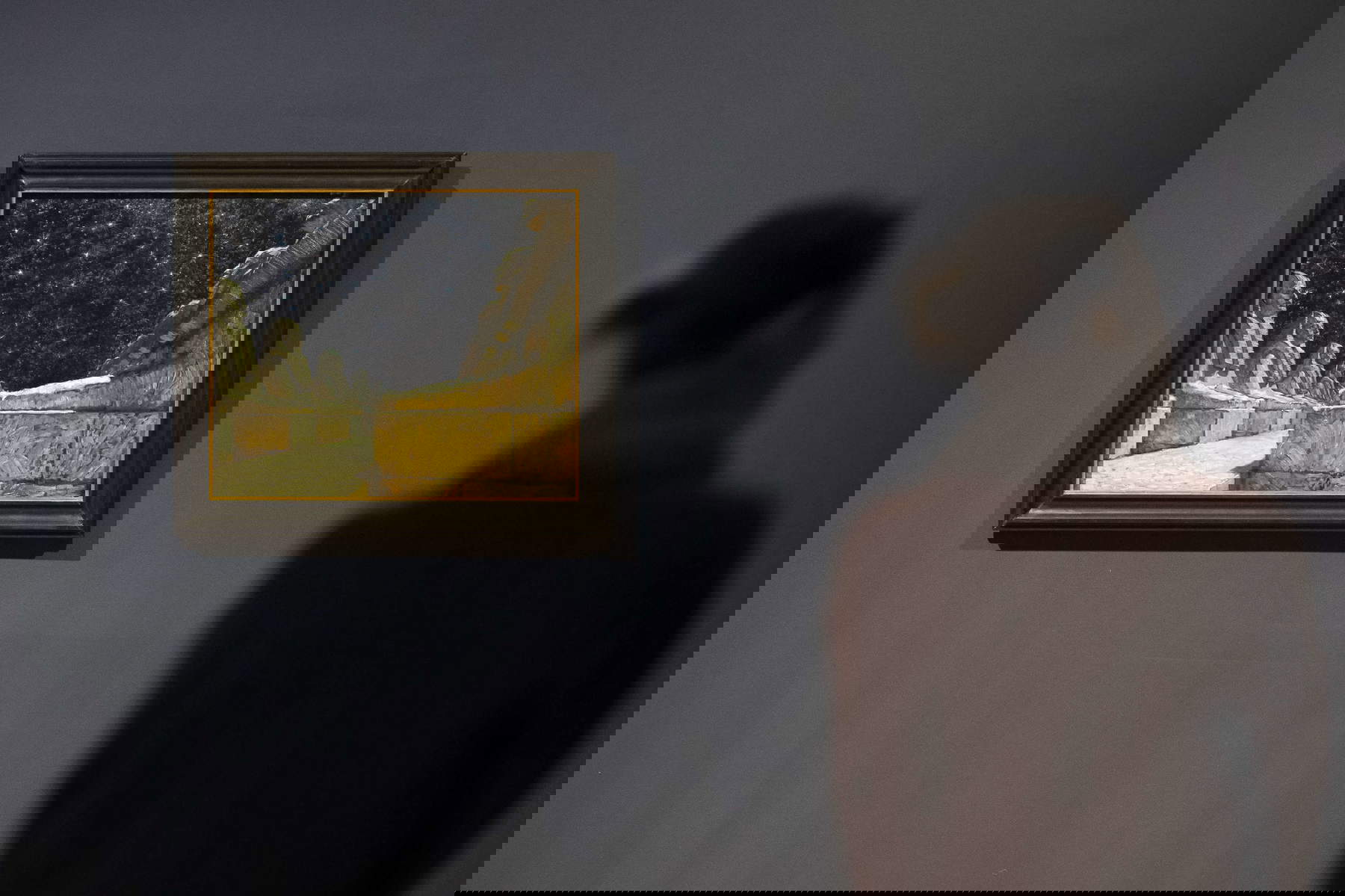
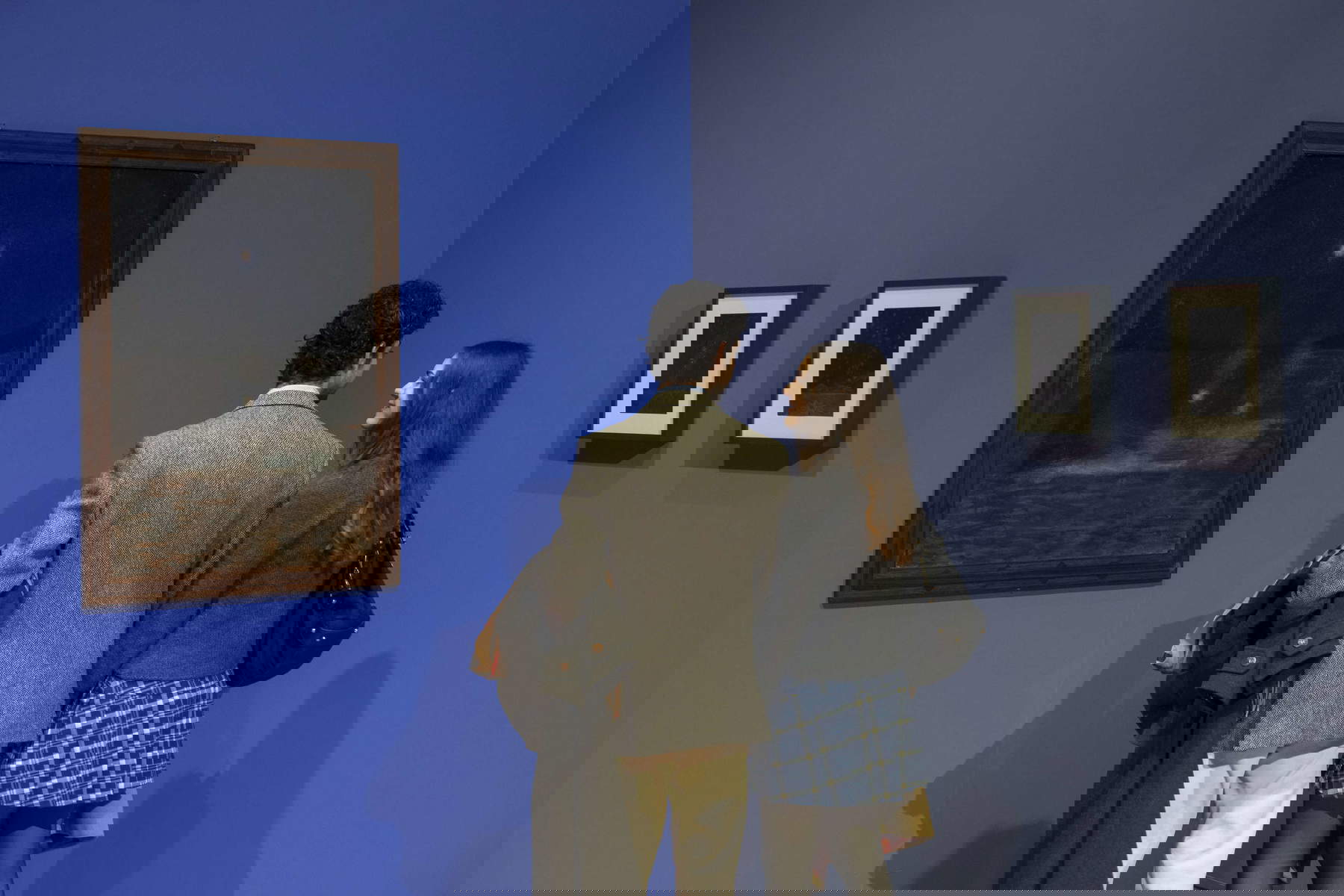
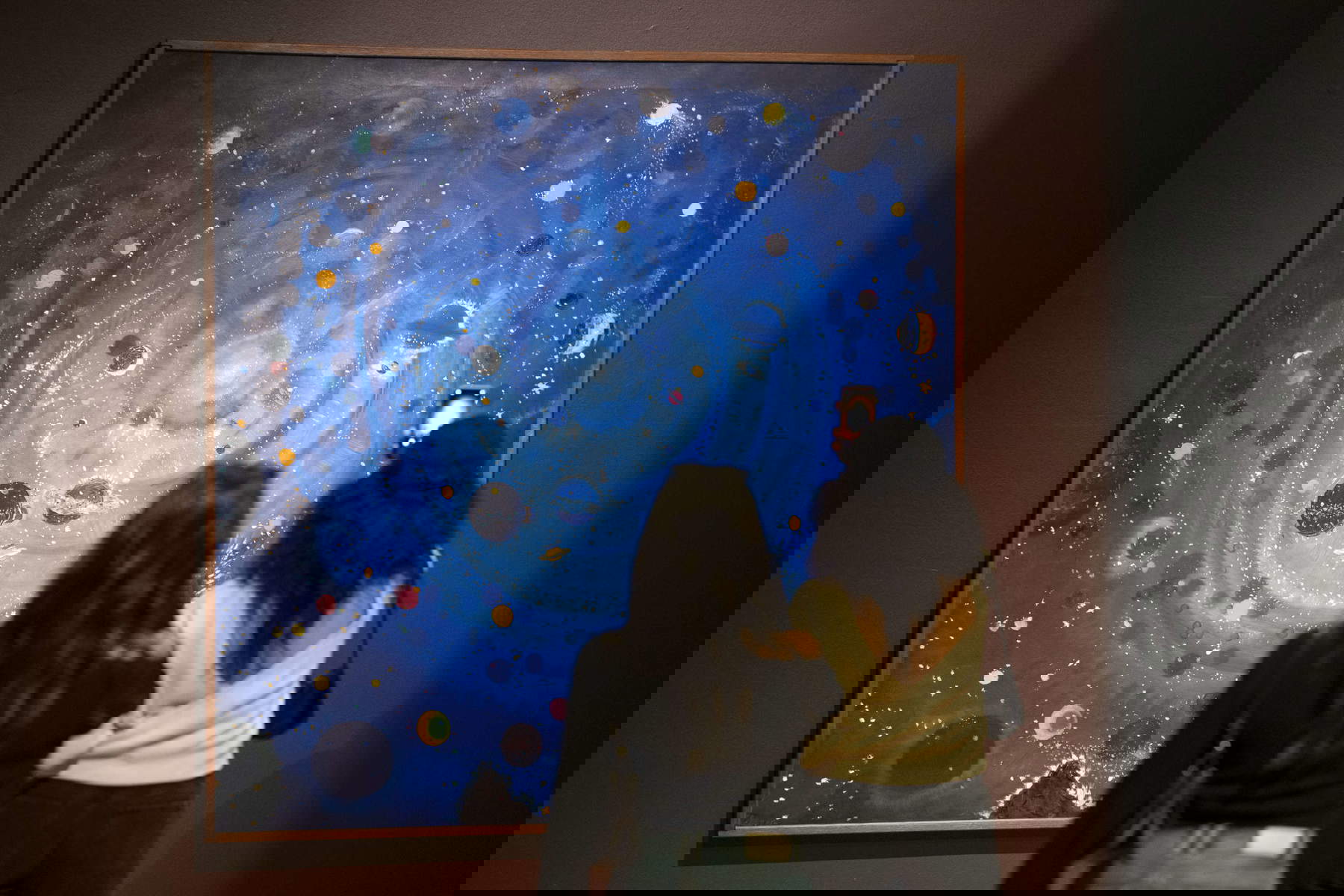
Curated by Fabio Cafagna and Elena Volpato, about 100 works exploring the night as a site of technical experimentation, scientific observation and pictorial introspection, from the early 17th century to contemporary times, are on display at the Gallery of Modern Art in Turin until April 12. The exhibition opens with the seventeenth-century investigations of Galileo Galilei and Maria Clara Eimmart, set in dialogue with works by Johann Carl Loth, Giuseppe Antonio Petrini and Antonio Canova. From here the gaze expands to the contemporary cosmic visions of Vija Celmins and Thomas Ruff. Ample space is reserved for the Romantic and Symbolist nineteenth century, when night becomes a privileged ’material’ for exploring interiority, and the dreamlike twentieth century, in which darkness comes alive with mental images and visionary dreams.
In this interweaving of different eras and sensibilities, nocturnes by Victor Hugo, Odilon Redon, Franz von Stuck, František Kupka, Marc Chagall, Jackson Pollock and Joseph Cornell emerge. Of particular note are Giacomo Balla’s The Orion Constellation from 1910, which is among the earliest pictorial expressions of the artist’s fascination with astronomical phenomena. It is likely a preparatory cartoon, inspired by the various astronomical sources and popular iconographies of the time (Flammarion and Schiaparelli, for example). Then there is the work of vedutista Ippolito Caffi, whose nocturne on display represents one of the most significant peaks of the painter’s production, which bears witness to his deep connection with the city of Rome. The view of a full moon over the Colosseum, in which the moonlight, clear and opaline, envelops the amphitheater inhabited by tiny figures. Felice Casorati’s works date from the artist’s graphic beginnings and can be traced back to the secessionist phase of his production, tying in particular to the experience of the magazine La Via Lattea. To accompany its issues, Casorati engraved a series of nocturnal landscapes dominated by skies quilted with stars: the Milky Way’s luminous trail is created through a dense pattern of holes mechanically drilled into the plate.
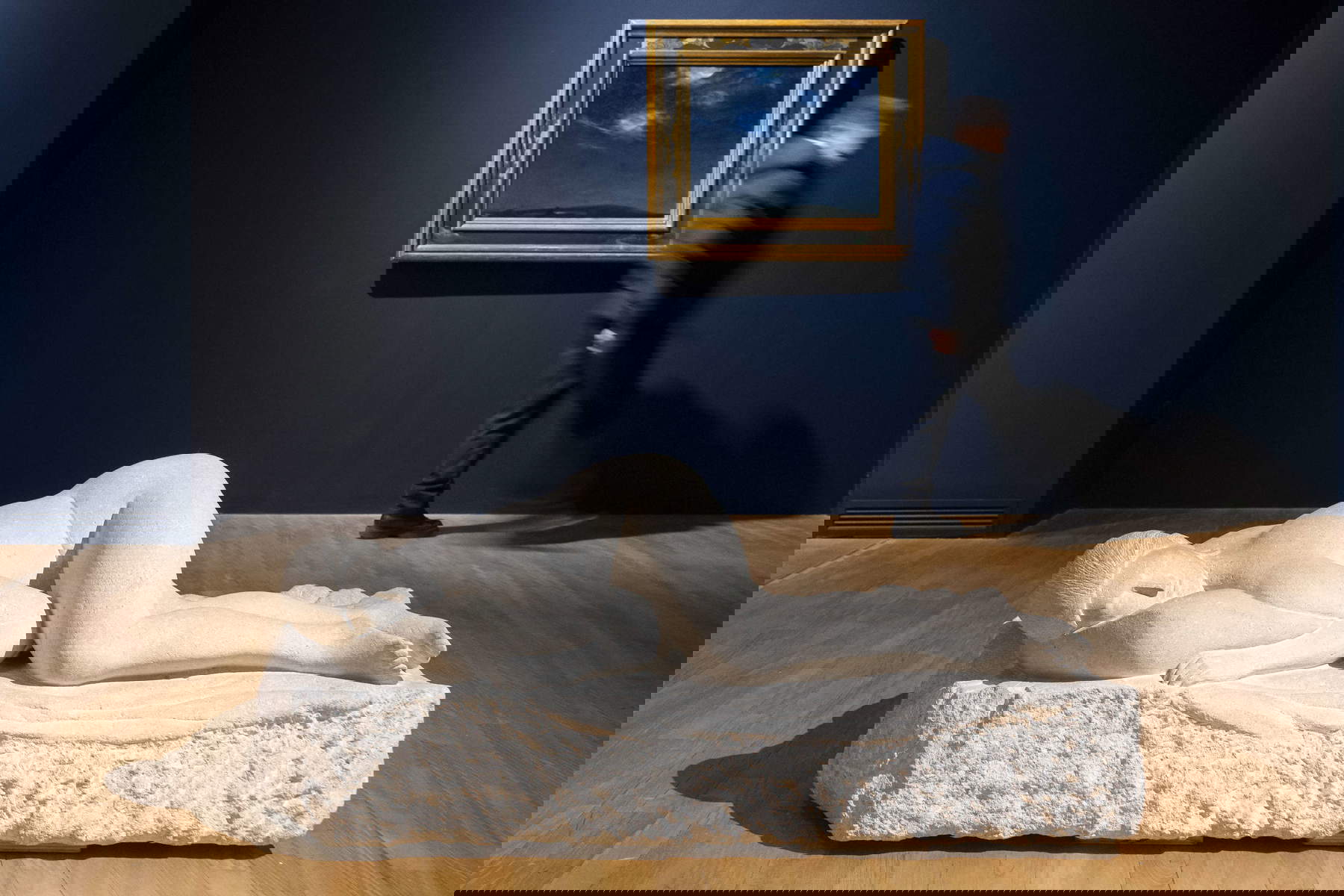
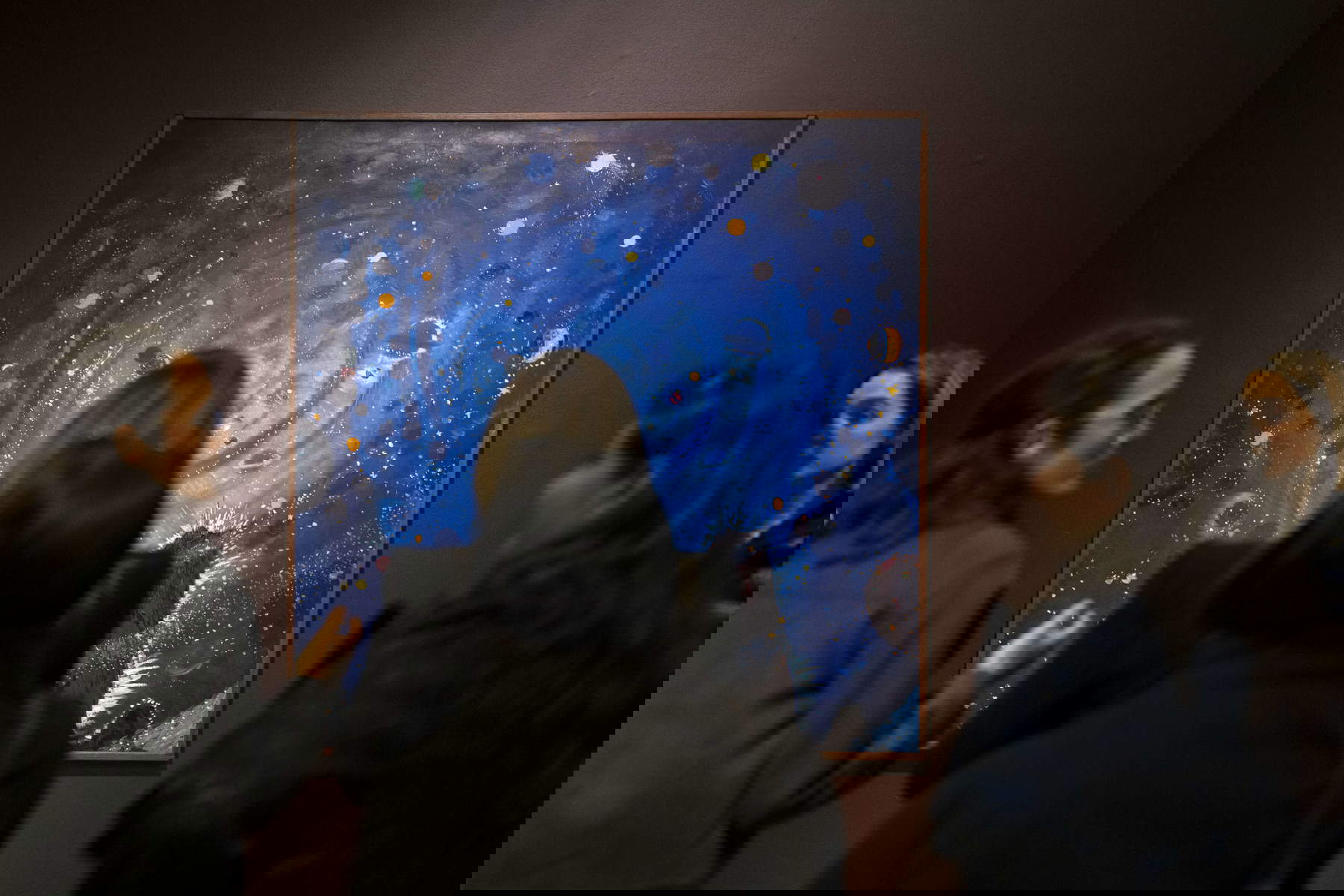
But let us go back a little further, to the 17th century, to the century of the invention of the landscape in painting, which changed from a mere secondary background to an autonomous subject, and look at Adam Elsheimer’s small painting. In the inventory of the poor things kept in the room of the house where the painter Elsheimer slept, there was the small (31x41 cm) painting on copper, Escape to Egypt (Alte Pinakothek in Munich) made in Rome in 1609. In that painting, the full moon and the Milky Way are depicted for the first time in a reinterpretation that powerfully influenced the painting of Rembrandt and Rubens. According to some scholars, that nocturnal landscape was born from an imagination that was more poetic than scientific. The painter, likely up-to-date on astronomical discoveries and Galileo’s studies, which had already undermined Aristotelian certainties, nevertheless chose to depict a full, dazzling moon illuminating the Holy Family-a powerful image, but an unrealistic one, because such intense light, as we know today, would erase the stars from the sky.
Yet 1609, the year in which Galileo observed the craters of the Moon and the satellites of Jupiter, marked a decisive turning point in the way we look at the cosmos. Despite this, the painting had no real circulation at the time, as if that new vision still struggled to establish itself. Hence a broader question arises: how much has it changed, really, the way we perceive the sky? And what have we replaced this innate capacity for observation with? Why have we lost that “night stretched out over the earth, the age-old form of pacified mystery,” of which Malraux wrote? What we have in fact altered are our gaze and attention, but if that is not enough, we have also forgotten that ancient awe of observing the sky that is innate to human beings and beyond. In the economy of this discourse, we appeal not only to the works of the artists in the exhibition, but also to the reflections of writers and speculations of scholars and experts on the sky because they have something to say about it. We need “natural reserves of darkness.” Total darkness no longer exists on earth, and it is sad to see how only those who have known it can be nostalgic for it, can have a memory of it exactly like the painters in the Turin exhibition who fascinated by the celestial vault, each in his or her own time, have sketched colors and atmospheres of it, infusing the night with an arcane and mysterious but also more scientific and precise meaning.
Let’s take a step forward. In 2021, Alpine anthropologist, Irene Borgna, in her, Black Skies. How Light Pollution Is Stealing Our Night (Ponte alle Grazie) surveys the reasons for the “theft of the night,” highlighting the few places where it is still possible to be in the presence of a truly star-filled sky, places that have remained in darkness, by an inexplicable twist of fate. The book highlights how the illumination of the planet, which has in fact made our cities only seemingly safer while also reiterating an erroneous sense of backwardness, has even made it difficult for migratory birds to find their way around. In short, anything goes, as long as human life can go on undisturbed. Never mind if a misconception of progress compromises other living beings. But we have miscalculated, because, if what some scholars claim is true, there are many more lights than people inhabiting the planet.
To take just one more example, formally distant from the assumptions of the exposition, Sarah Perry’s book, Enlightenment, offers a fictionalized explanation of celestial phenomenon, arguing in some places in the text how even comets (including Halley’s, the brightest and most luminous observed comet of the 20th century, which was thought to release deadly clouds of cyanogen gas with its passage) were considered to bring calamity and disaster: so much so that, in 1456, a pope like Callistus III excommunicated Halley’s comet as an instrument of the devil! Illumination is a small miracle compared to today’s heedlessness, an immense novel that never stops looking at the stars to tell of human destinies, small when compared to the universe but never irrelevant.
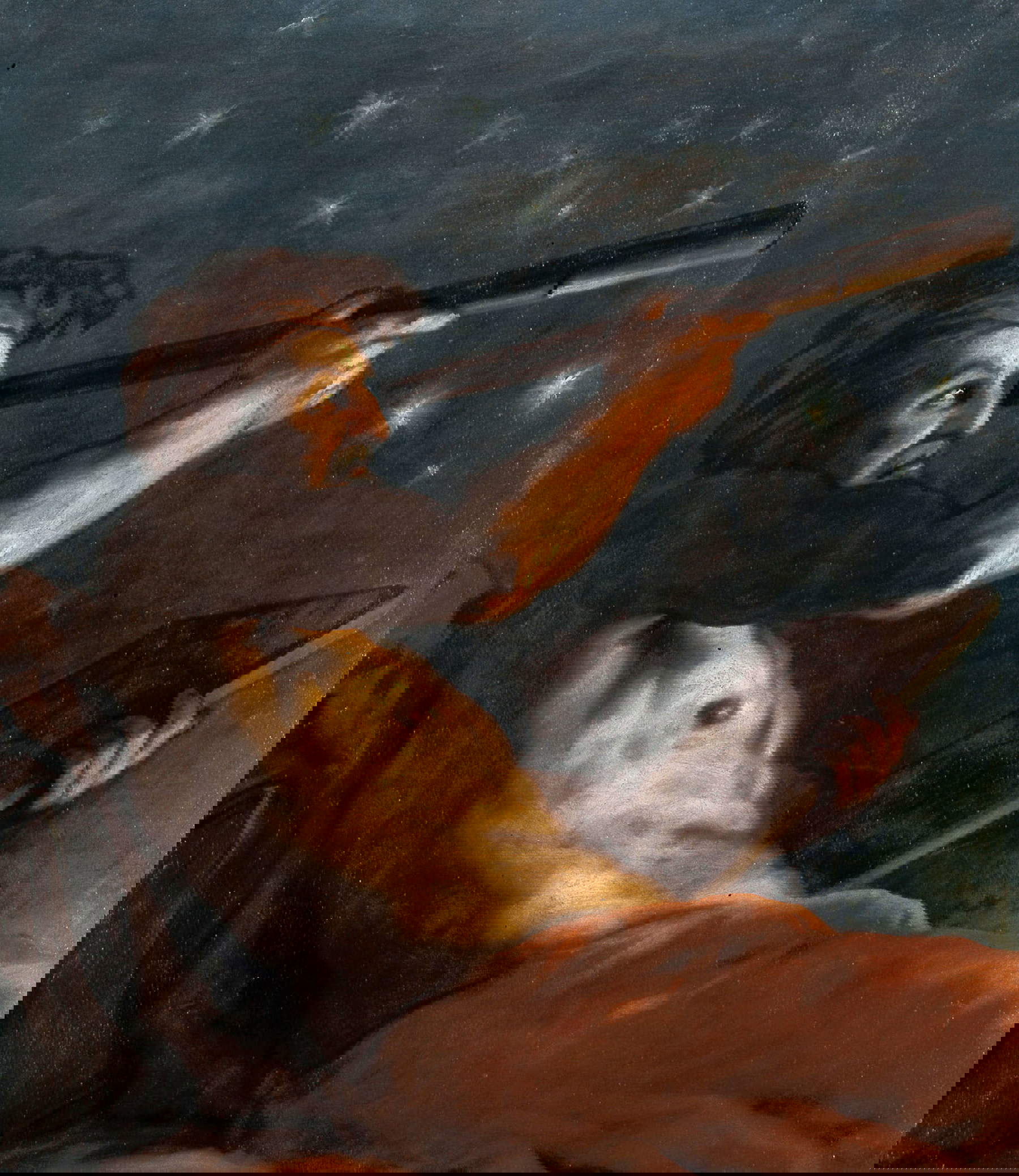
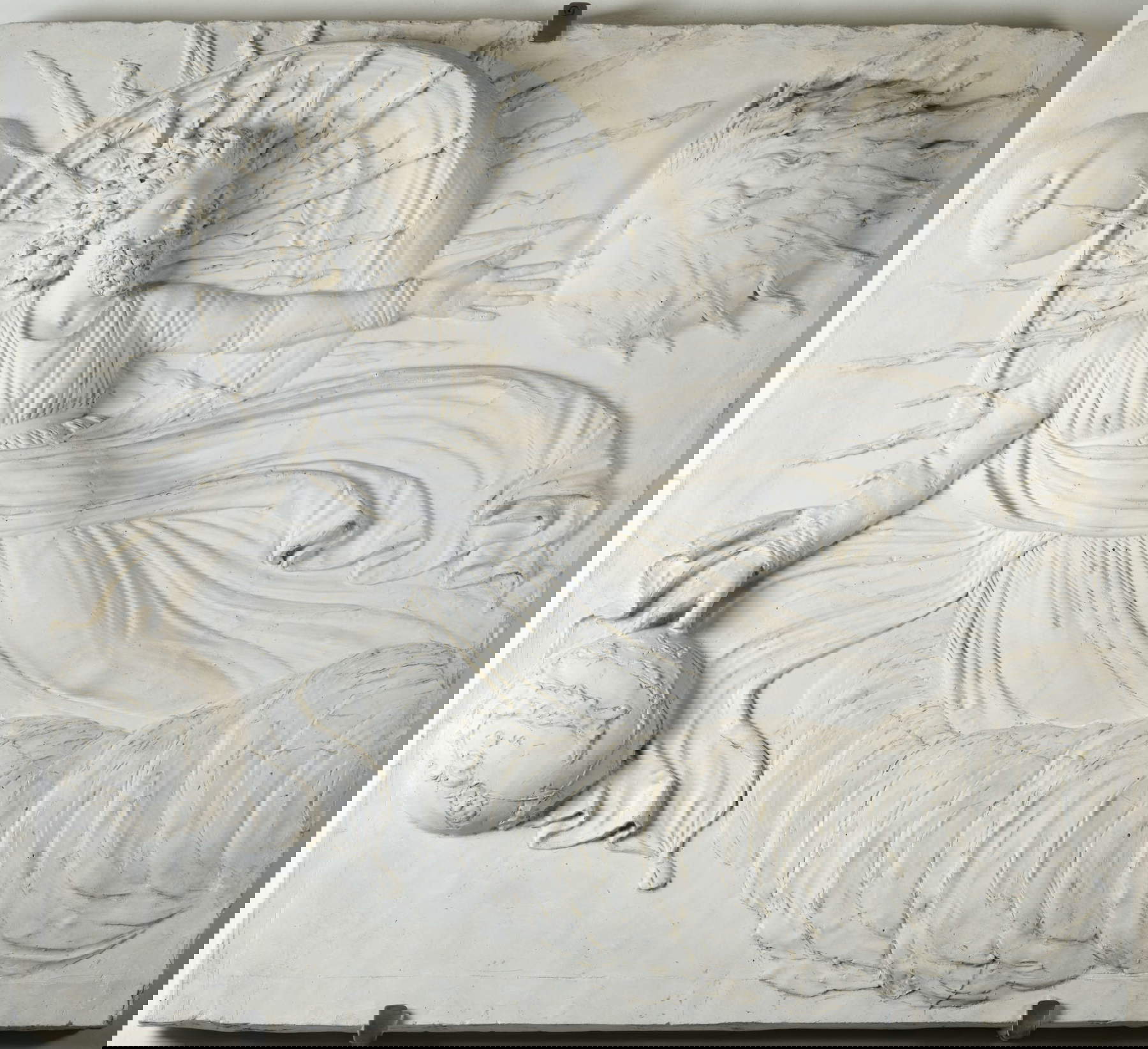
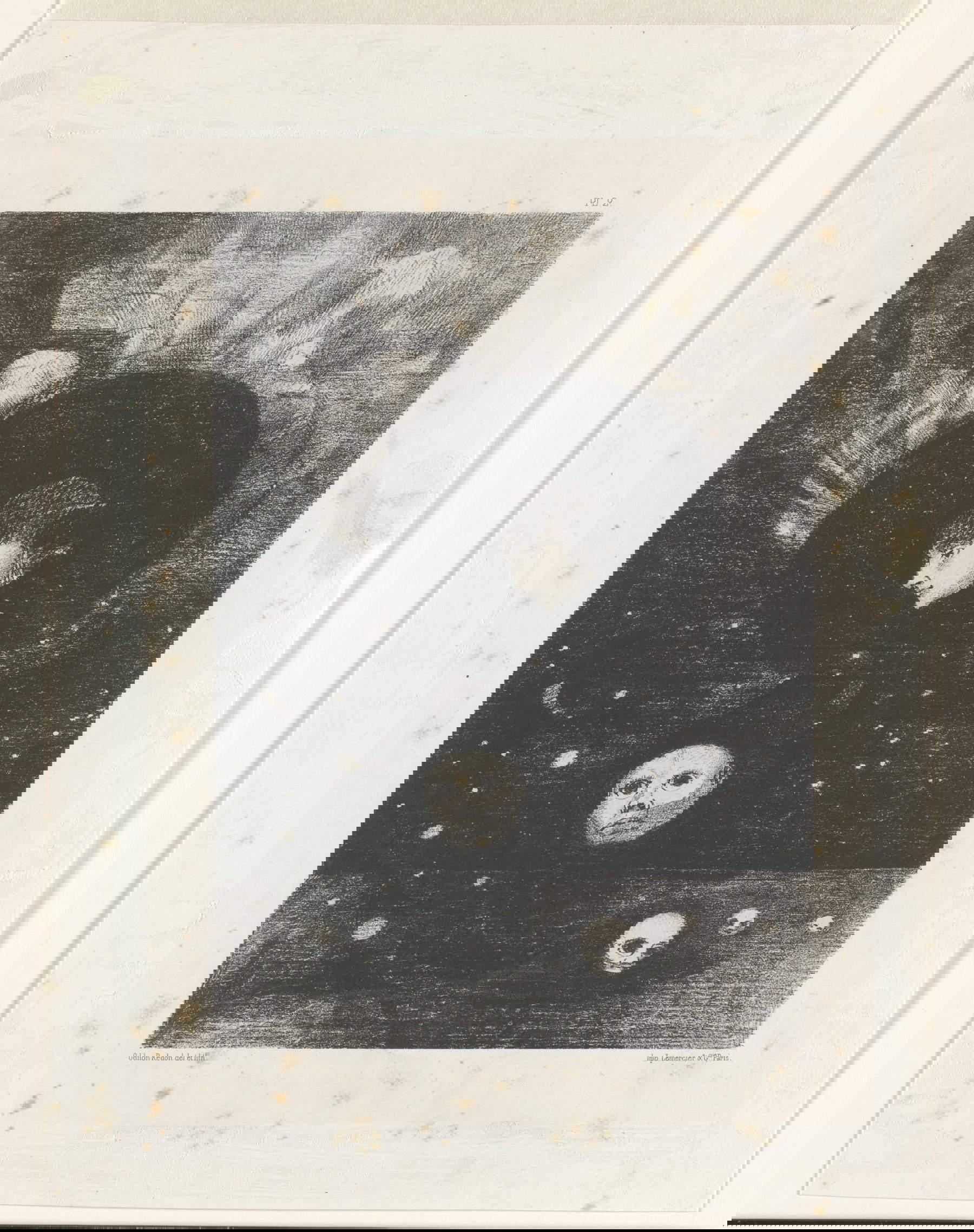
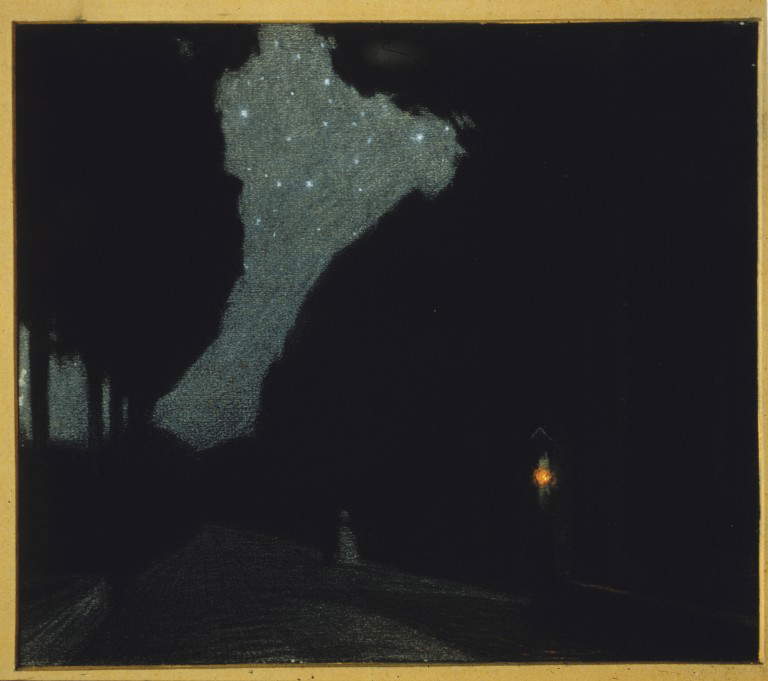
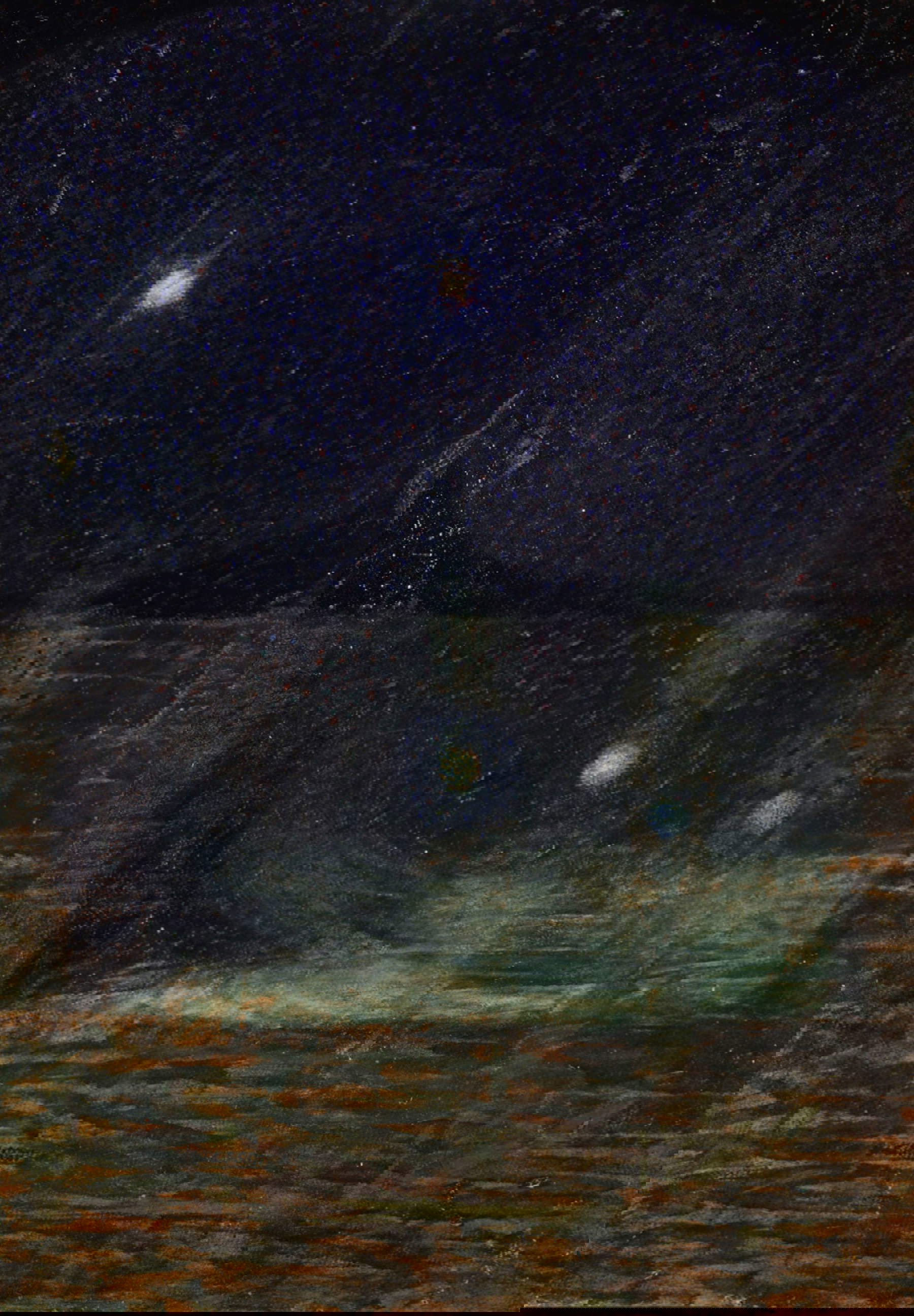
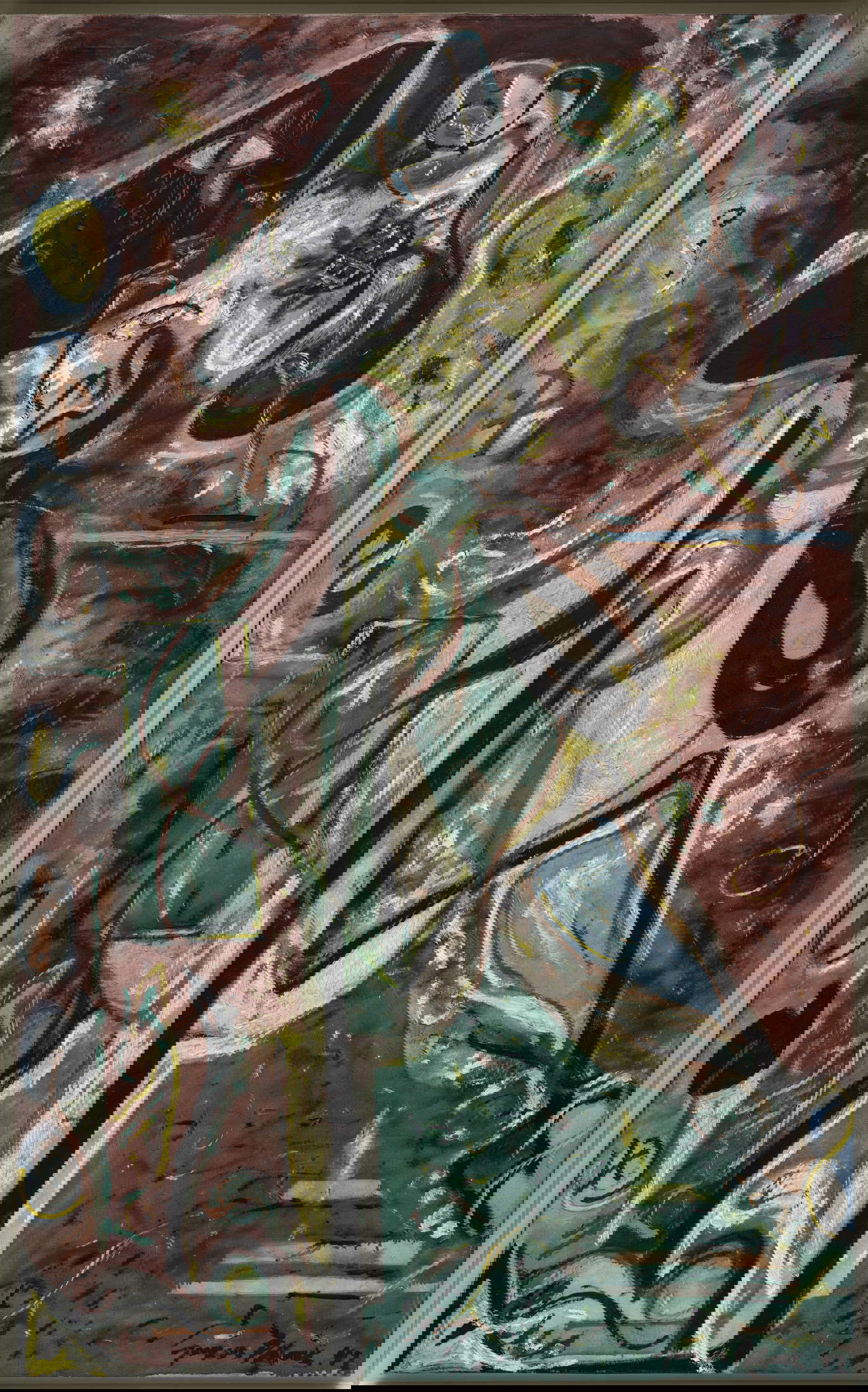
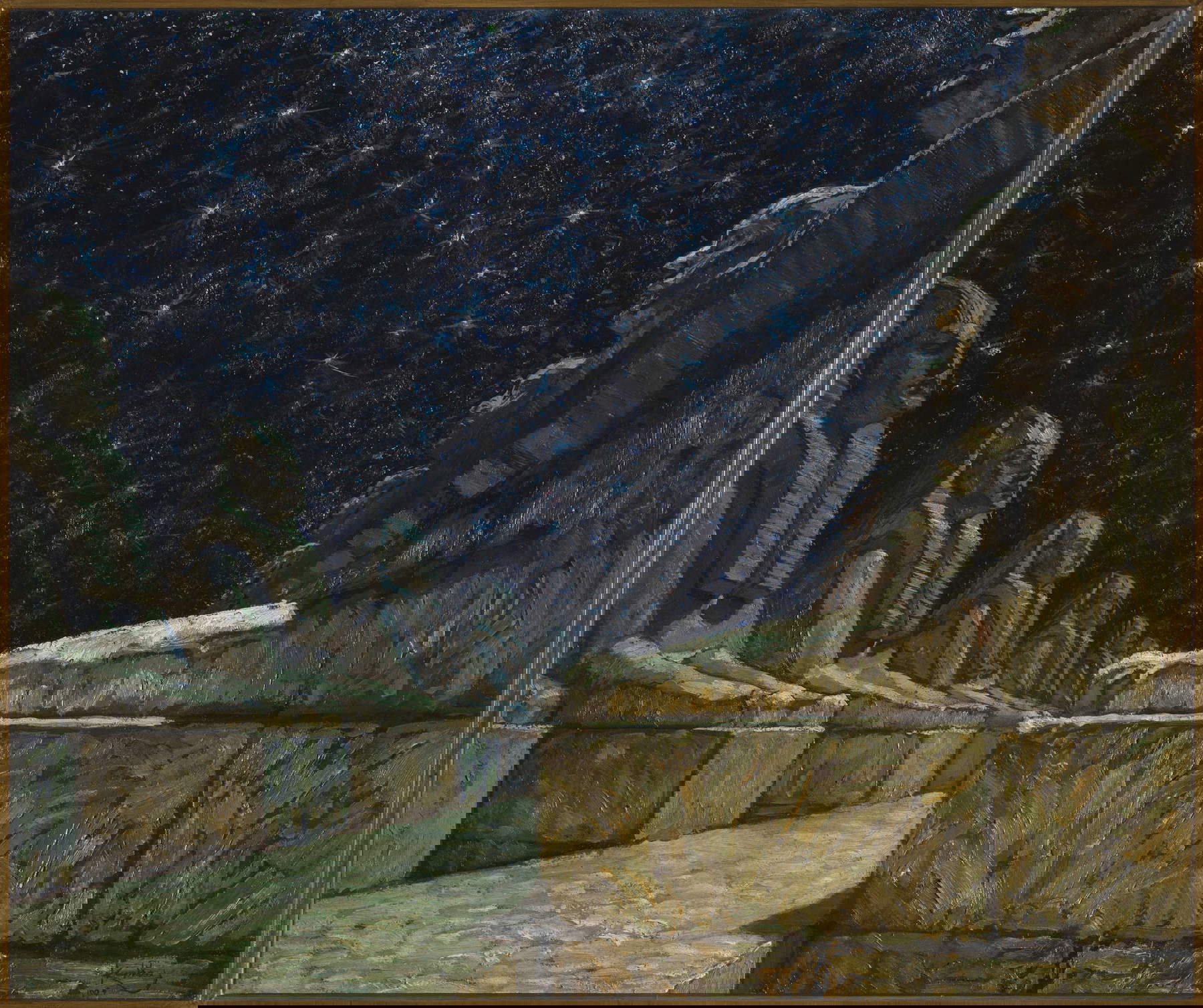
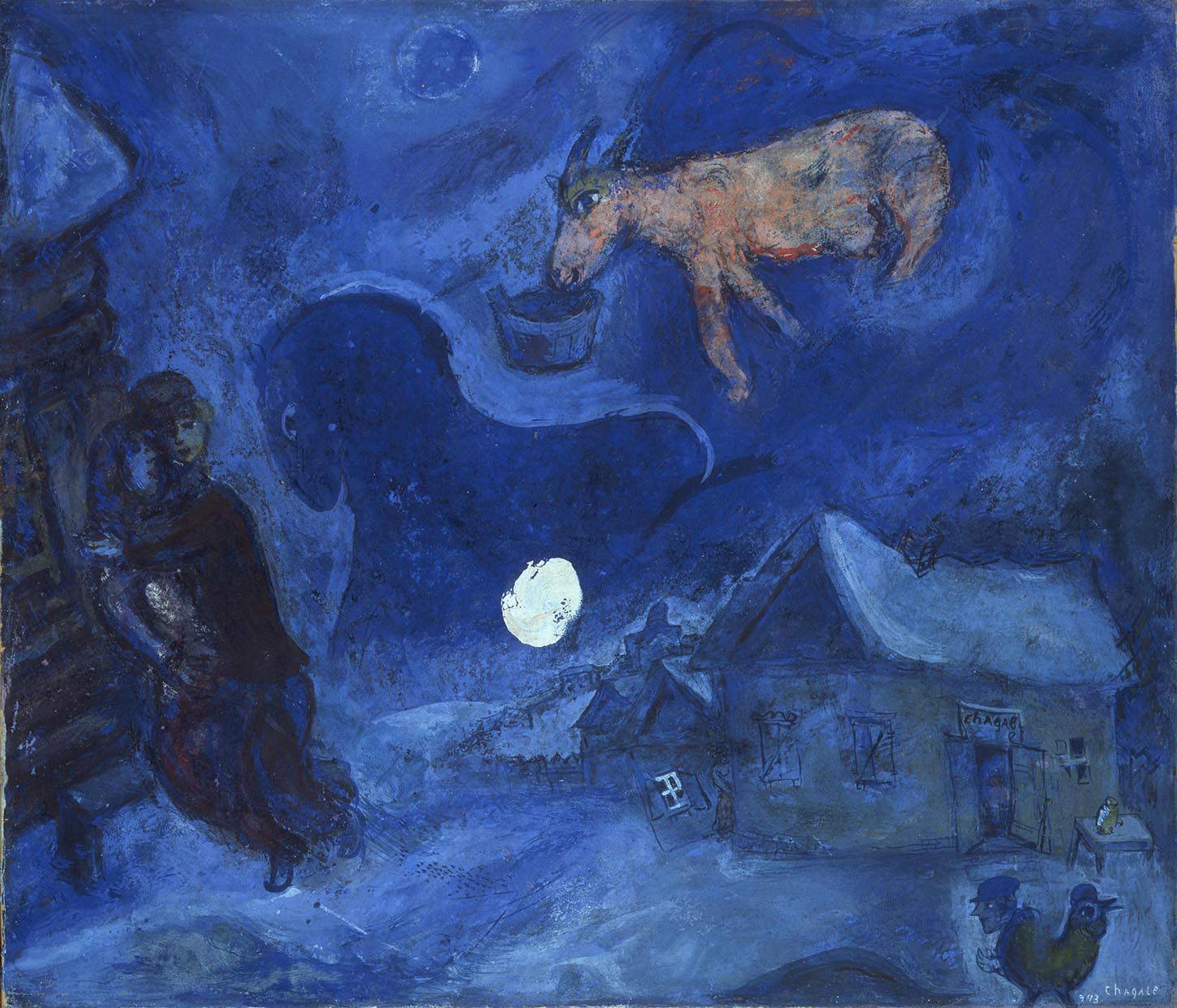
But let us return again to the exhibition and to that ’surviving’ enchantment that the paintings still give us by allowing us to see reality beyond our noses. How do the works on display relate to this reasoning?
How many visitors did the exhibition get? Probably not as many as it deserves. A figure this, which reflects a broader question: how much interest does the exploration of the night really arouse today? And, especially in Italy, how sensitive are we to the issue of light pollution? Yet the topic is far from marginal: under a certain number of stars, the sky stops giving us back the very idea of infinity. We should continue to question this and take action to preserve a fragile beauty that has inspired some of the most significant works in the history of art, just think of Van Gogh, who in his Starry Nights, painted à la belle étoile, that is, outdoors, with lit candles on the brim of his hat, was able to transform the starry sky into something unforgettable, a visual paradigm of our collective imagination. Instead, the paradox is obvious: we are absolutely distracted and as for Italy, we are the country with the highest percentage of land contaminated by artificial light in the world. A record that says a lot not only about how we illuminate our cities, but how little, now, we are willing to look at darkness. And to preserve it.
It is the “nocturnal,” on the contrary, that keeps us human and takes us back to eras before history and the arrival of Sapiens on Earth. The sky, the stars, the planets, everything that was present before us, is what we have most precious. Here then, an exhibition such as this returns us not only to a vision on the subject among the most admirable in the pictorial tradition, but also to the essence of the human being, taking us back in time, to the birth of art, to an age that goes back to the mists of time, to when paintings were produced by the flickering light of flashlights or fat lamps. It takes us back to the hands and animals imprinted in the caves of Lascaux, Val Camonica, Altamira and Peche-Merle that were most likely made by women.
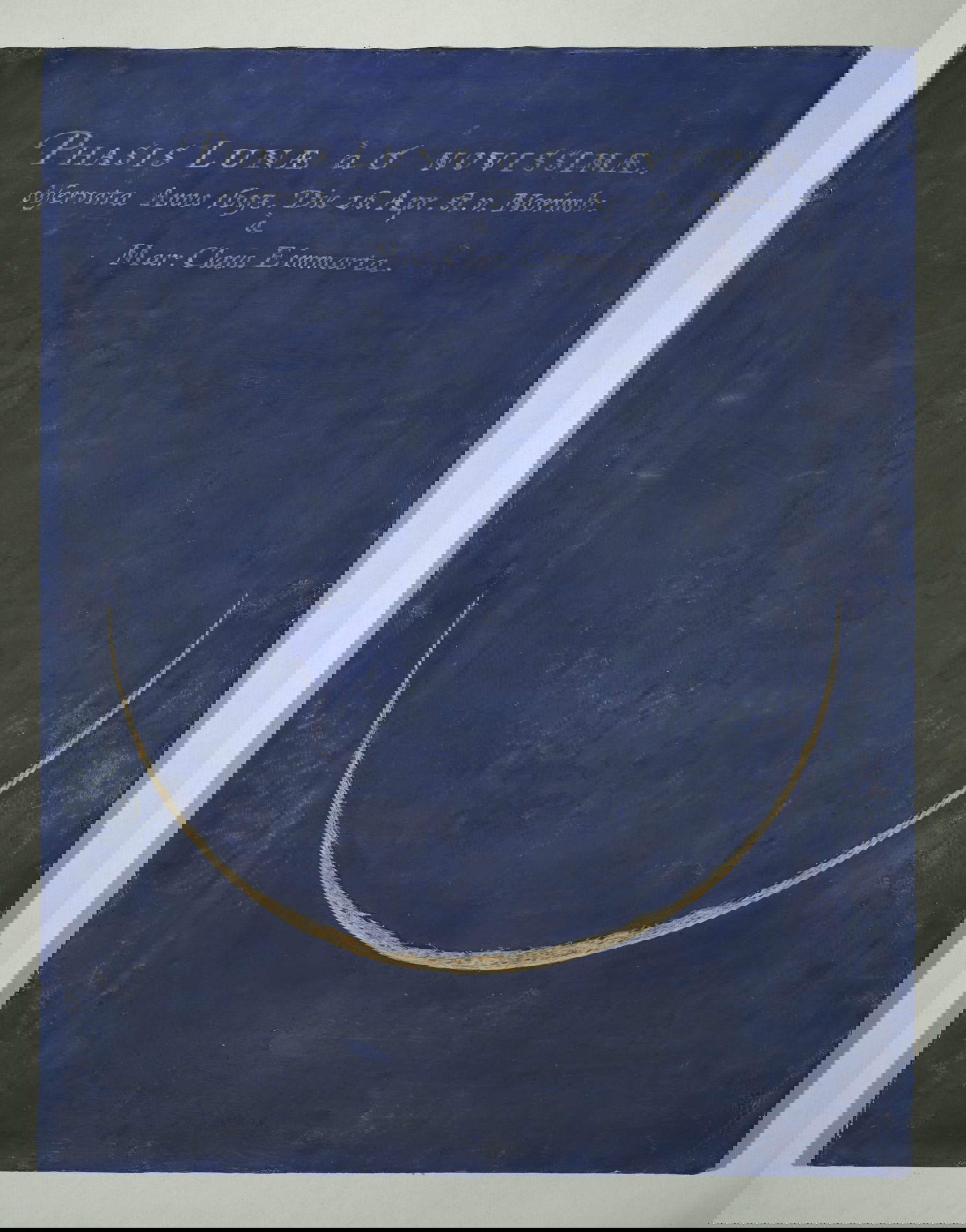
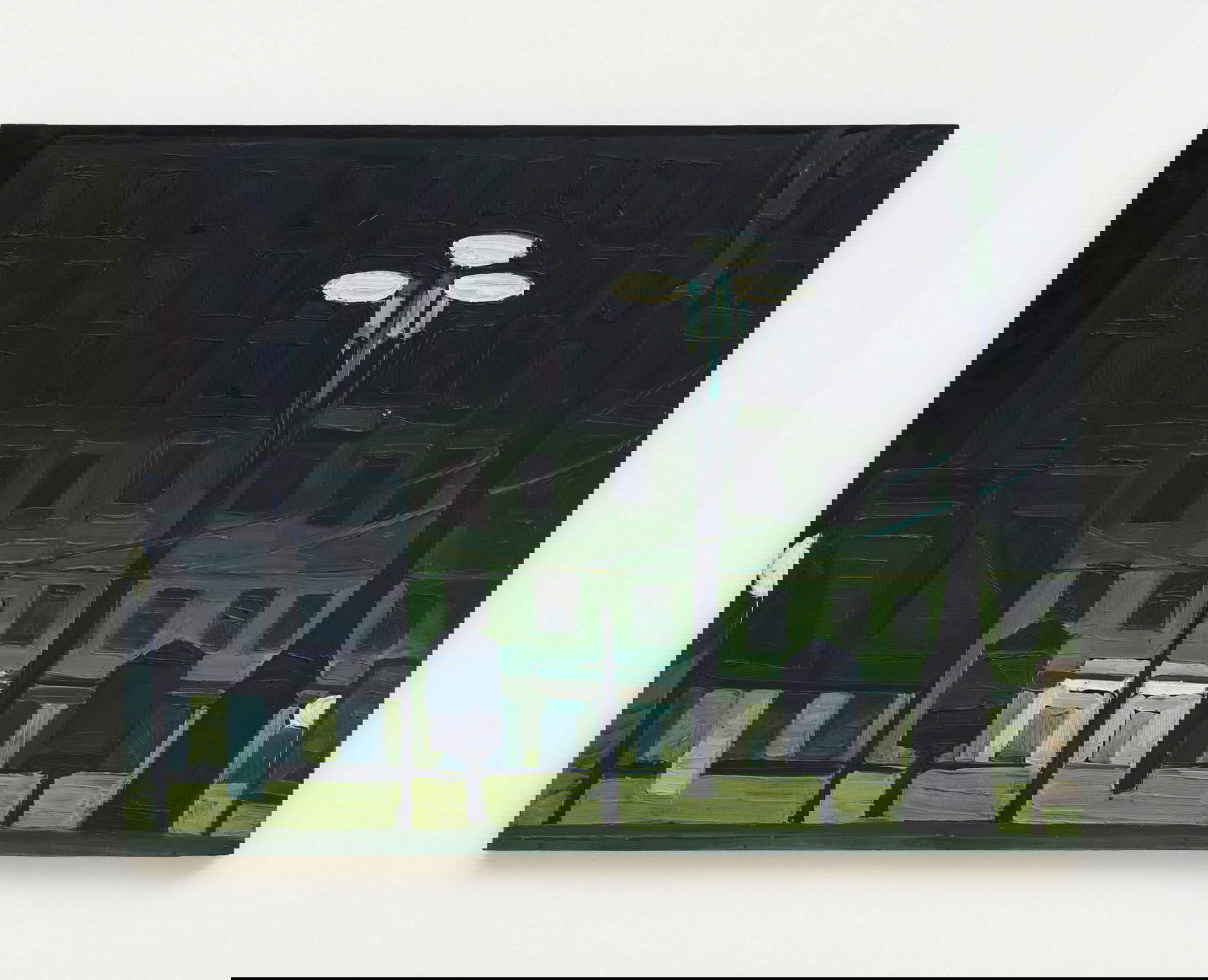
Instead, and this is no coincidence, the works on display in the exhibition were mainly by men. With a few very indicative exceptions. Art and science have long been disciplines considered male prerogative. Outside this exclusive circle, in the past, a few distinguished themselves. After Hypatia, it was the turn of a number of German astronomers, but only Maria Clara Eimmart was also the only drawer of celestial bodies of whom we have any record. We have to wait until 1948 before, in this galaxy of artists, another woman can appear, like a wandering star, to paint the sky. She is Titina Maselli, represented in Turin by five oils on panel, Cielo nero e cartelli, Alberi nella notte, New York, Notturno and Piazzale Flaminio. And Vija Celmins, the Latvian contemporary artist exhibiting Diptych in Black and White, from a private collection.
Not forgetting artists not in the exhibition such as Giorgia O’ Keeffe, Leonora Carrington, Alma Thomas. The few women artists present or those absent and mentioned emerge as isolated, often late figures who manage to offer a different, rarer and more valuable view precisely because they are minorities. This highlights how biased our view of the sky - and of reality more generally - has been constructed.
In short, rediscovering the night, making it shine in our lives, means not only recovering the awe of the cosmos, but also acknowledging and filling in the absences, giving space to female artists, thus broadening the collective gaze with a view to returning a more complete vision of one of the most precious human experiences.


The author of this article: Anna de Fazio Siciliano
Anna De Fazio Siciliano è una scrittrice, storica e critica d’arte, docente e redattrice specializzata nella comunicazione e nella divulgazione dell’arte. Nel corso della sua attività didattica ha insegnato Storia dell’arte antica e contemporanea, Estetica e Mercato dell’arte presso istituzioni accademiche. I suoi interessi comprendono la ricerca storico-artistica, la critica d’arte, la progettazione curatoriale e lo studio dei linguaggi dell’arte moderna e contemporanea. Durante il periodo di formazione presso la Galleria Borghese di Roma ha approfondito la diffusione del gusto egizio nell’arte italiana, a partire dalla decorazione della Sala Egizia del museo. A questo ambito di ricerca ha dedicato il volume Il gusto egizio, pubblicato da Pellegrini Editore. È autrice di saggi dedicati all’arte contemporanea e ai suoi protagonisti. La sua produzione comprende inoltre articoli, recensioni, interviste e testi critici per cataloghi e progetti espositivi. Recentemente il Direttore di Palazzo Madama di Torino, il Professore Giovanni Carlo Federico Villa ha presentato al Salone Internazionale del Libro di Torino il suo volume dedicato alla tutela del patrimonio, Diario di bordo Scoppa, Frammenti di un patrimonio perduto, edito da Gangemi International e impreziosito in quarta di copertina da un commento di Salvatore Settis. Ha collaborato sia con contributi online che su cartaceo con riviste specializzate quali «Exibart», «Art e Dossier», «Finestre sull’Arte», affrontando temi legati all’arte antica, moderna e contemporanea, alla tutela del patrimonio culturale e alla presenza femminile nella storia dell’arte. Nel 2015 ha fondato Artpressagency, realtà attiva nei settori dell’ufficio stampa, della comunicazione culturale, della critica d’arte e dell’editing. Attraverso questa attività ha collaborato con musei, fondazioni, archivi, istituzioni culturali, curatori e organizzazioni impegnate nella produzione e nella promozione di mostre ed eventi artistici. È stata inoltre membro del Comitato tecnico-scientifico degli Archives Legales Amedeo Modigliani, del FATA Museum e del GAL delle Terre Locridee dedicando la propria attività alla ricerca, alla comunicazione e alla valorizzazione della figura di Amedeo Modigliani e del patrimonio storico-artistico italiano.Warning: the translation into English of the original Italian article was created using automatic tools. We undertake to review all articles, but we do not guarantee the total absence of inaccuracies in the translation due to the program. You can find the original by clicking on the ITA button. If you find any mistake,please contact us.





























 IT
IT FR
FR DE
DE ES
ES CN
CN


