




On the occasion of the 61st International Art Exhibition of the Venice Biennale, Belarus Free Theatre presents the project Official. Unofficial. Belarus. a collateral event that runs until November 22, 2026 at the Church of St. John the Evangelist in the San Polo district. The initiative is part of the official program of collateral events of the Biennale and offers an immersive, multisensory experience that addresses the theme of artistic production under conditions of censorship, surveillance, and political repression. The project is curated by Daniella Kaliada and Natalia Kaliada, co-founder and artistic director of Belarus Free Theatre, a theater company and cultural collective that has been active internationally for more than two decades. The exhibition was created with the intention of interrogating the ways in which art is produced, controlled or silenced in an authoritarian context, offering the public the chance to confront what happens when culture is forced to exist outside official institutions.
The conceptual starting point of the intervention is the condition of the art scene in Belarus since 1994, the year since which numerous artists critical of power have been forced into exile, hiding, or living under the threat of imprisonment. The exhibition gives voice to this cultural diaspora and is ideally embedded in a broader tradition of Belarusian art marked by forced displacement and restrictions on expressive freedom. Fundamental figures of international modernism such as Marc Chagall, Chaïm Soutine, and Nadia Khodasevich-Léger are also recalled in this historical journey, as well as Soviet-era practices related to samizdat, unofficial exhibitions, and clandestine meetings in private apartments.
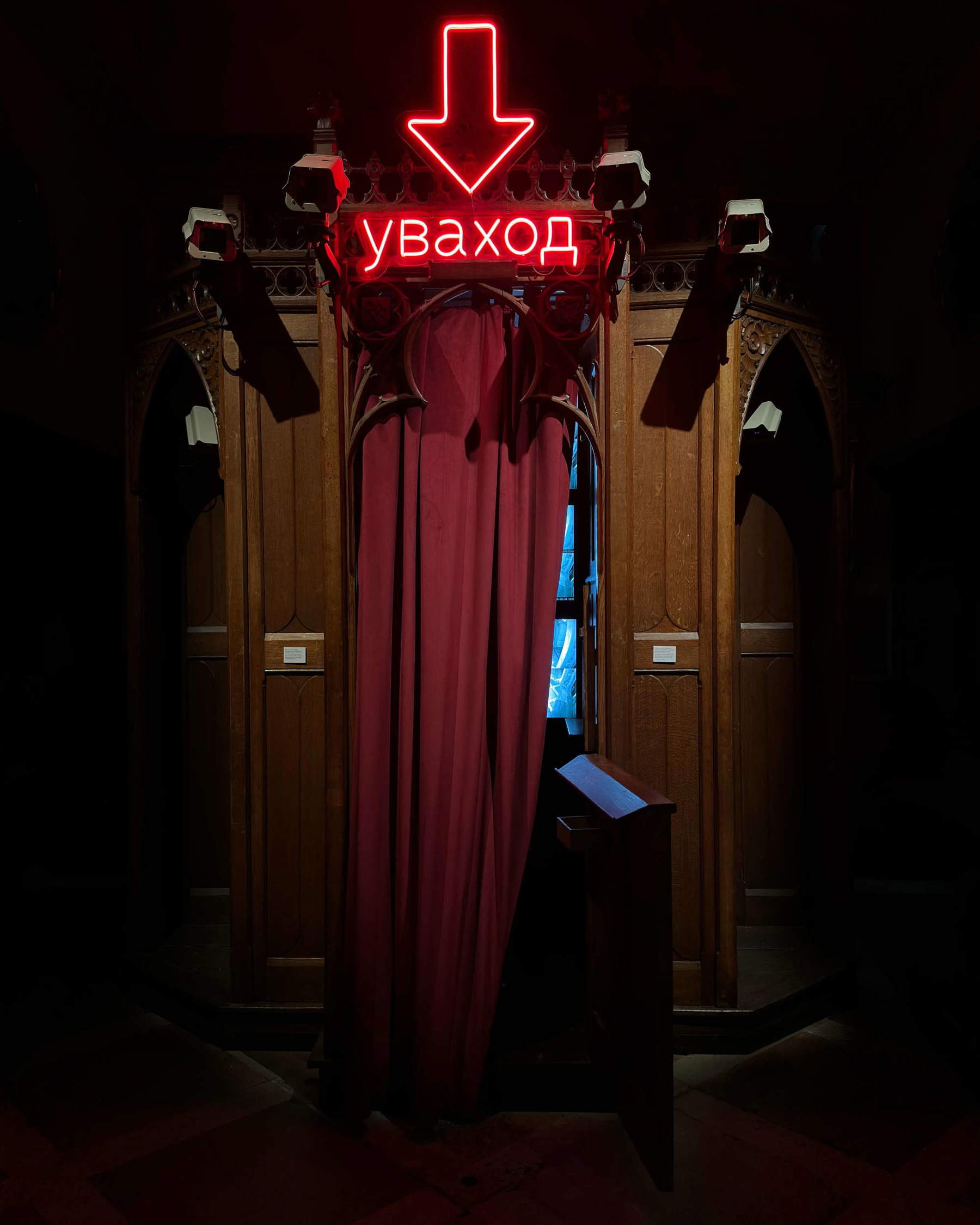
Inside the church of San Giovanni Evangelista, a historic building in the center of Venice, the project constructs an environment suspended between religious tradition and authoritarian present. The sacred space is transformed into a kind of liminal zone in which the visitor is called to a complete sensory experience involving sight, hearing and physical perception. The stated goal is to evoke the condition of contemporary Belarus through an artistic language that crosses disciplinary boundaries.
Among the works presented are new site-specific paintings by Sergey Grinevich, born in Grodno in 1960, which reinterpret the form of altar panels by inserting a reflection on the disappearance of privacy and the control of individual life within a religiously based iconographic language. In this context, painting becomes an instrument of meditation on the relationship between spirituality and surveillance. The sound component is entrusted to Olga Podgayskaya, a composer born in Minsk in 1981, who creates “Sounds of Silence,” a composition for organ that alternates moments of crescendo with phases of absolute silence. Sound, or its absence, becomes an integral part of the exhibition experience, helping to build an immersive environment in which the perception of time and space is continually altered.
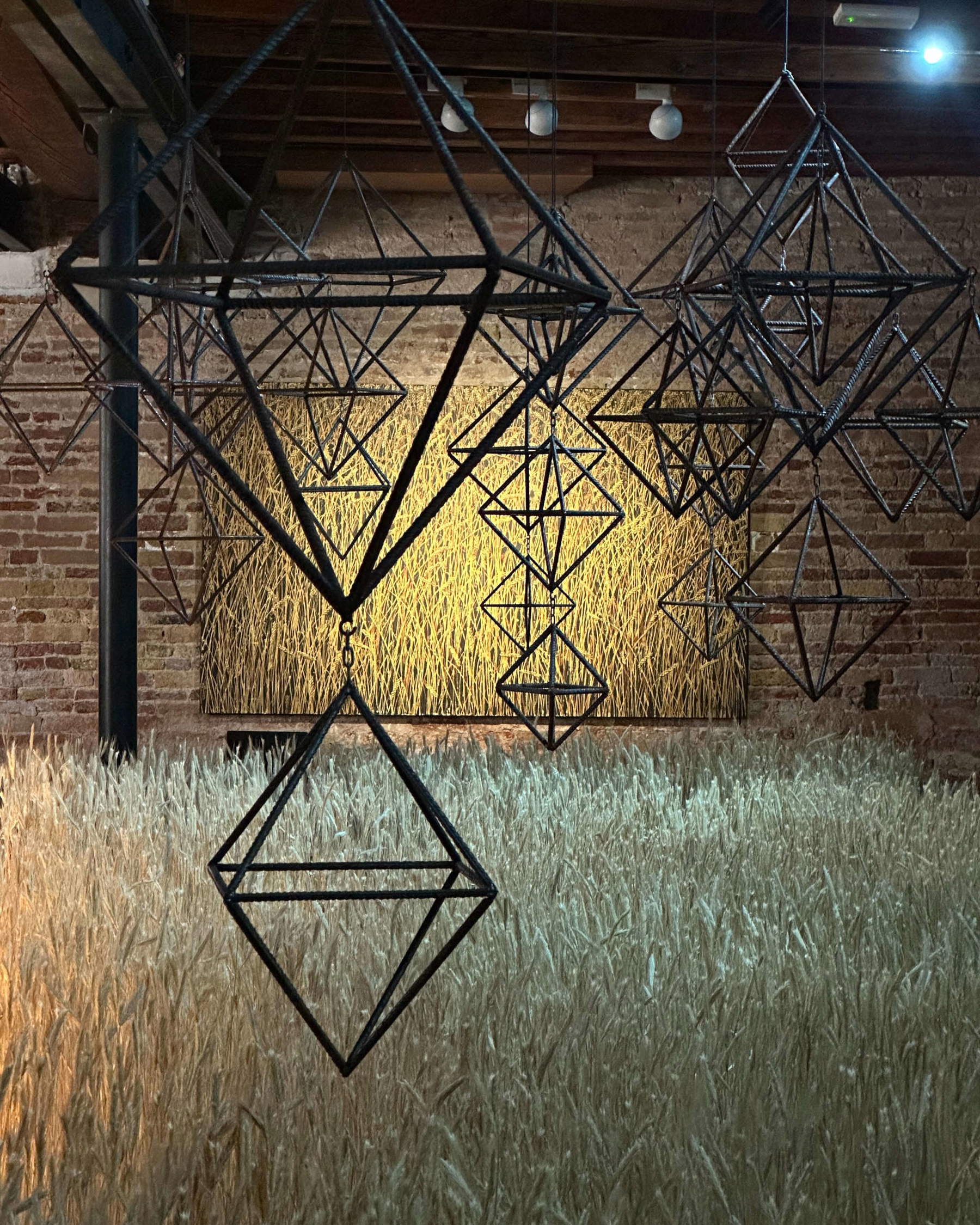
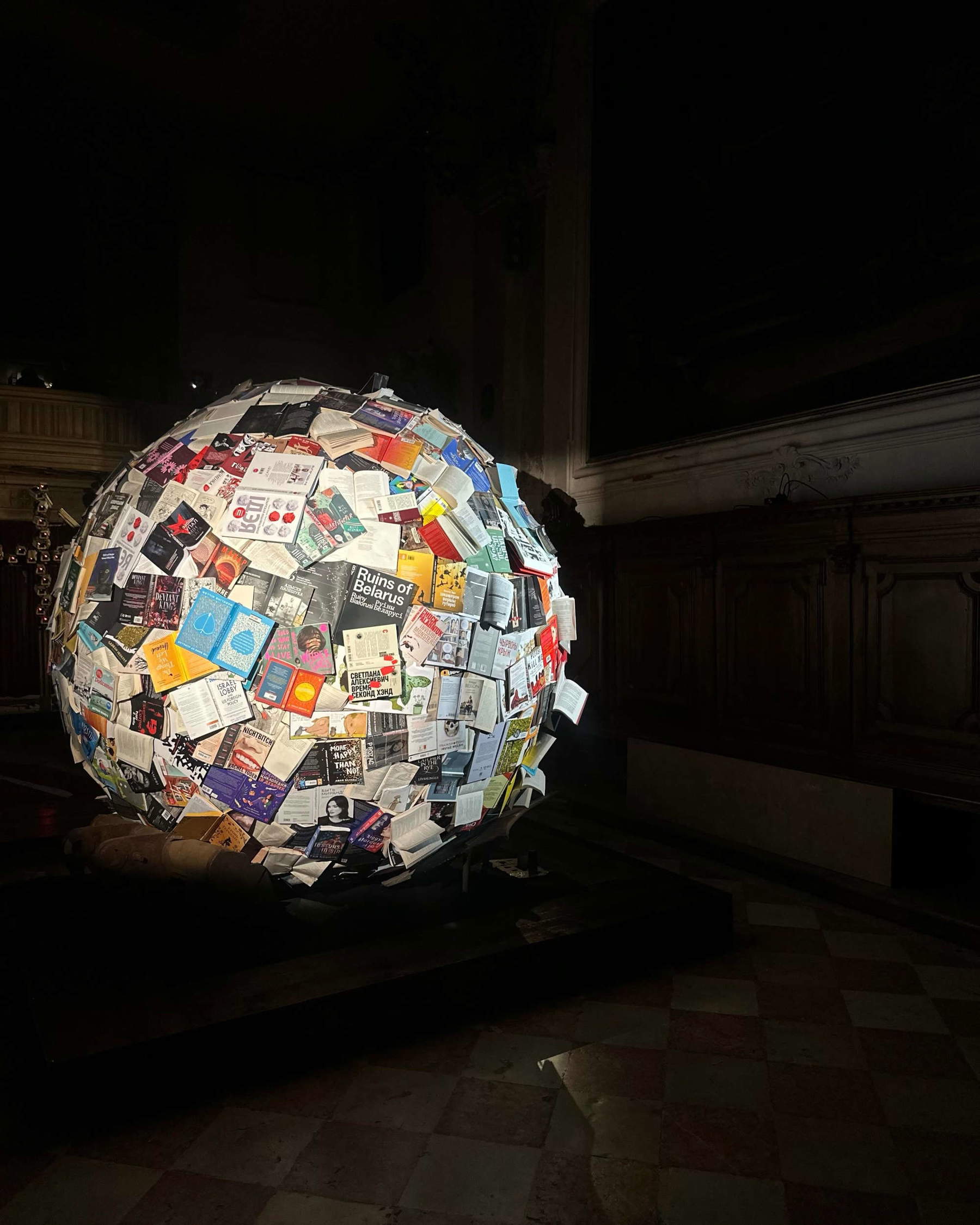
One of the central elements of the project is a large-scale sculpture composed of books banned in Belarus, compressed inside a crushed bulldozer clamp. The work, conceived by Nicolai Khalezin, co-founder of Belarus Free Theatre, reaches eight feet in height and is a reflection on the silent erasure of literature and ideas in authoritarian contexts, where censorship often occurs without public outcry. In an adjacent space, a private cemetery houses an immersive sound installation composed of testimonies from recently freed Belarusian political prisoners. The recordings permeate the environment and are interwoven with new sculptures made by Vladimir Tsesler, an artist born in Slutsk in 1951, who uses prison bars to construct large-scale works. The structures recall the tradition of the Belarusian straw spider, a domestic symbol of protection and harmony, here reinterpreted as an object of confinement and control.
The project also includes a participatory moment entrusted to chef Rasmus Munk, born in Randers in 1991, who offers a sensory interpretation of the theme of deprivation. The gastronomic experience is designed as a reflection on the condition of political prisoners and the deprivation imposed by authoritarian regimes, transforming food into narrative and political language.
In an additional participatory element, visitors are invited to light candles and place them on a specially prepared altar, contributing to an atmosphere dominated by a fragrance designed to evoke control and repression. The sense of smell thus also becomes an integral part of the exhibition itinerary, expanding the multisensory dimension of the project. The Surveillance Crucifixion sculpture, conceived by Daniella and Natalia Kaliada, is installed outside the church. The work is made entirely of analog video surveillance cameras arranged in the shape of a cross and is a reflection on the gaze of power and its constant presence in contemporary life. The structure questions the boundary between observer and observed, suggesting a form of silent violence that is exercised through visual control and the internalization of fear.
In the presentation text, Natalia Kaliada emphasizes how the project intends to affirm the centrality of Belarusian independent culture to the official state narrative. According to the co-founder of Belarus Free Theatre, the collective brings together artists in exile who come from a rich and diverse cultural background, and who intend to return to international audiences a representation of Belarus unmediated by political power. The body of work, he says, constitutes a kind of artistic constellation that is impossible to ignore, intended to project beyond the time of the Biennale and imagine a future of recognition for Belarusian culture.
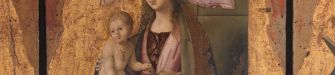
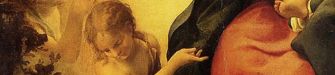
Throughout the exhibition period, Belarus Free Theatre will also take charge of the restoration of four ancient paintings preserved in the Church of St. John the Evangelist, including Pietro Ricchi’s Martyrdom of St. Barbara and St. James the Apostle by Antonio Vassilacchi known as Aliense, thus contributing to the preservation of the artistic heritage of the place hosting the installation.
Belarus Free Theatre, founded as an independent theater company and now also active in the fields of film, visual arts and educational projects, presents this intervention as part of its international mission. With over fifty productions produced and performed in more than forty countries, the collective is recognized for its physical and political approach to performance, often focusing on issues of freedom, repression, and human rights.
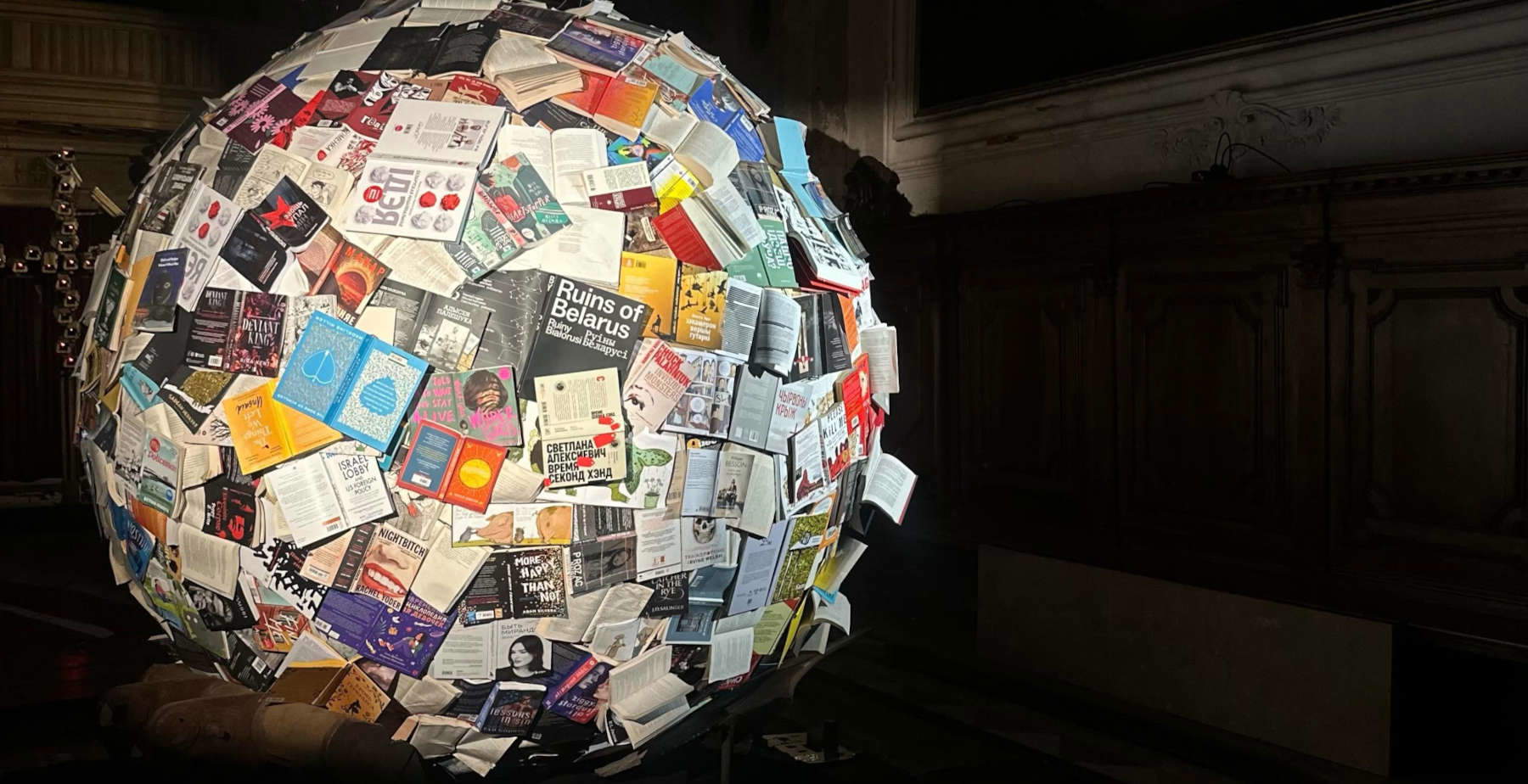 |
| Art under censorship: invisible Belarus arrives at the Venice Biennale |

Warning: the translation into English of the original Italian article was created using automatic tools. We undertake to review all articles, but we do not guarantee the total absence of inaccuracies in the translation due to the program. You can find the original by clicking on the ITA button. If you find any mistake,please contact us.

















 IT
IT FR
FR DE
DE ES
ES CN
CN


