





From March 7 to June 28, 2026, MUDEC - Museum of Cultures in Milan is hosting the exhibition 100 photographs to inherit the world, an exhibition project that spans two centuries of photography history through one hundred images selected to narrate social, cultural and political transformations of the last bicentennial. The exhibition is curated by Denis Curti in collaboration with Alessio Fusi and Alessandro Curti and is produced by 24 ORE Cultura with the support of Zurich Insurance Group as main sponsor and with the support of Turisanda1924, a travel brand of the Alpitour World group.
The project takes shape from a reflection on the role of photography as a language capable of preserving memory and documenting the transformations of the world. Over the course of two centuries, the photographic image has recorded events, social shifts, crises and cultural changes, becoming one of the main tools for interpreting contemporaneity. Through an itinerary combining historical photographs and contemporary works, the exhibition proposes an interpretation of photography as a visual archive of humanity and as a device capable of restoring the complexity of the present. The idea of “inheriting the world” thus becomes the starting point for a reflection on the present: a context marked by accelerated technological transformations, environmental crises, hybrid conflicts and a growing saturation of images. In a landscape characterized by continuous visual production, photography is interpreted as a tool to orient oneself in reality and to contribute to the construction of collective memory.
The exhibition opens with an introductory section entitled Society without images - society with images, dedicated to the initial phase of the dissemination of photographic images. Through objects and techniques such as silhouettes, daguerreotypes, ambrotypes, ferrotypes, and carte de visite, the audience can observe the transition from a society in which images were rare and precious to a context in which photography became an integral part of everyday life. The photographic portrait gradually enters the family and social dimensions, contributing to the formation of a shared memory.
Starting from this historical threshold, the exhibition reconstructs the main stages of global photography with the Birth of Photography section, devoted to the first technical and visual experiments with the medium. Among the protagonists appear the pioneering experiments of Nicéphore Niépce and Daguerre, the highly expressive portraits made by Julia Margaret Cameron, the allegorical and political images of Hippolyte Bayard, and the war photographs of Roger Fenton, among the first to visually document the Crimean conflict in 1855. Also appearing within the same section is Femme à la balle (1887) by Eadweard Muybridge, a work made in England that introduces photography as a tool for analyzing movement and anticipates a new conception of time and the representation of the body.
The second section, entitled Photography: between reality and fiction, marks the transition toward modernity in the language of photography. In this phase, photography goes beyond the function of simply recording reality and develops an experimental dimension involving image construction, formal research and new compositional approaches. Man Ray ’s surrealist experiments stand alongside the avant-garde framing of Aleksandr Rodčenko and the ironic compositions of André Kertész, author of the famous Satiric dancer of 1926. This section also includes photographs such as Henri Cartier-Bresson’s Behind the Gare Saint-Lazare (1932), an image that introduces a conception of photography based on attention to composition and the idea of the so-called decisive instant. Next to it is DaliAtomicus (1948) by Philippe Halsman, a photograph that subverts physical rules and transforms the shot into a true visual performance. Completing the section are Mario Giacomelli ’s compositions and Joan Fontcuberta’s conceptual experiments, examples of photography’s ability to move between document and imaginary construction.
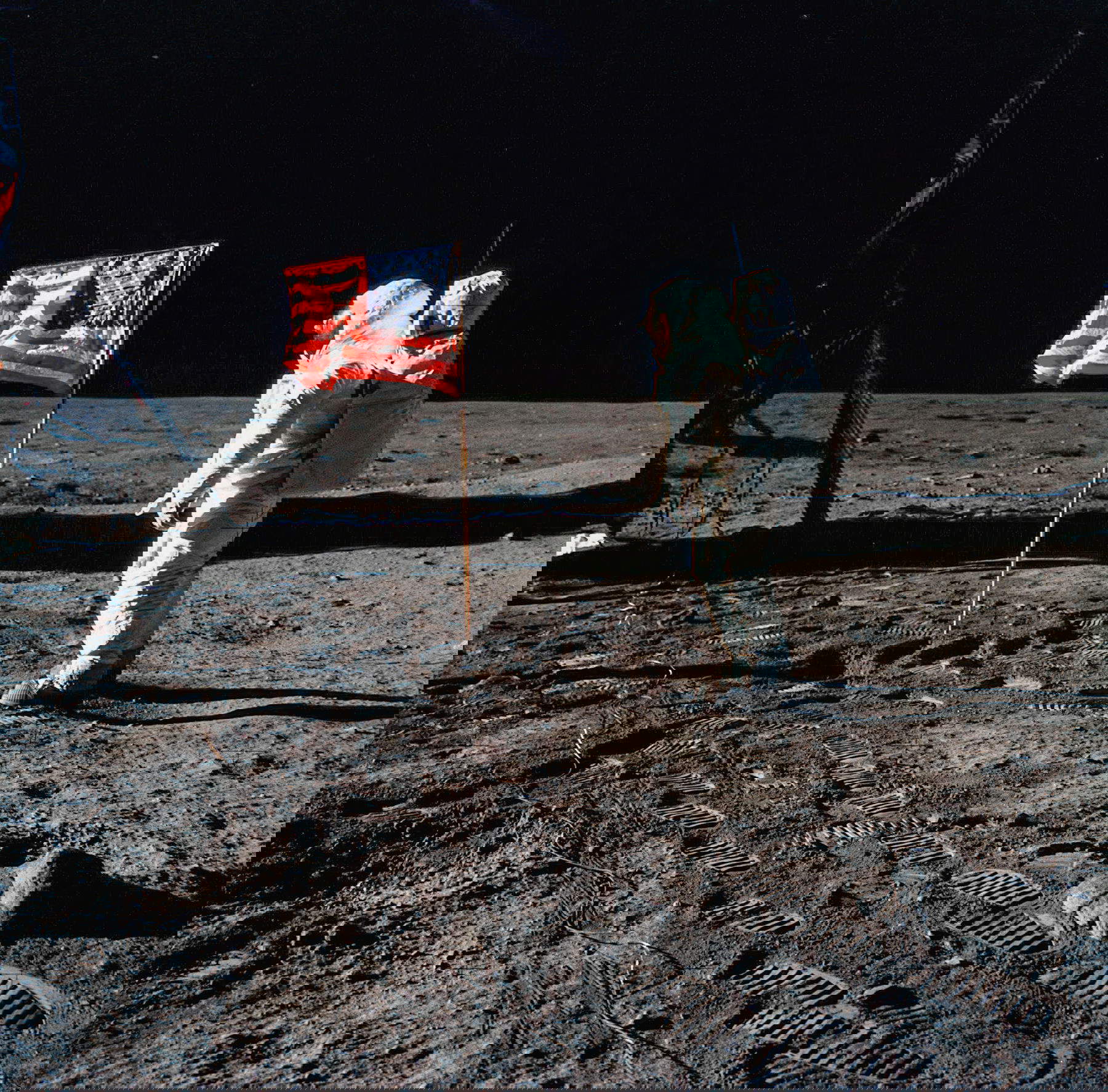
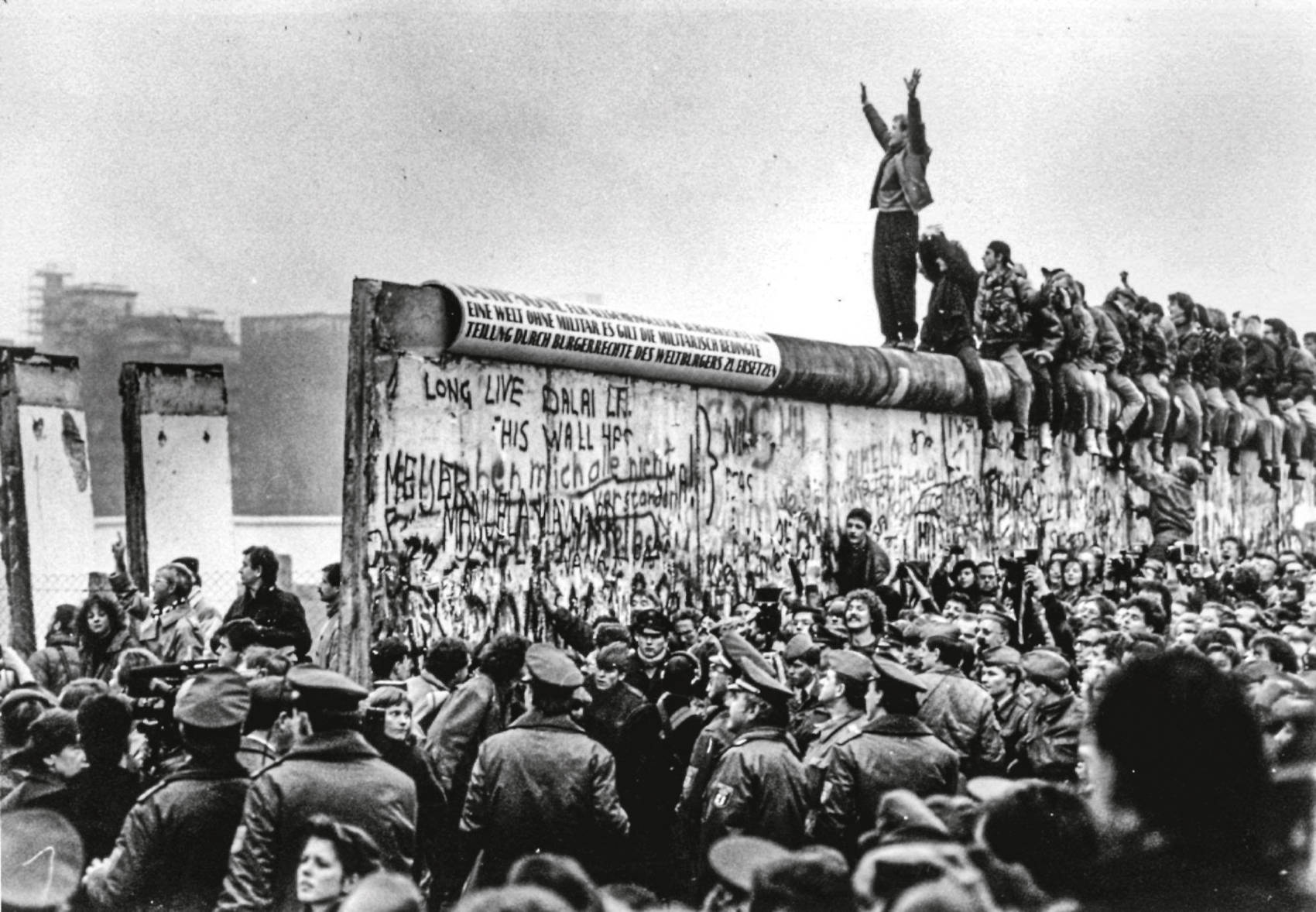
The tour continues with four thematic sections that interpret photography as one of the main tools through which the image participates in the narrative of human experience. The third section, Photography as Document, is inspired by the distinction formulated in the 1960s at the Museum of Modern Art in New York by curator John Szarkowskie collects images that document historical events and social transformations. Some photographs considered emblematic of the twentieth century appear in this context, including Dorothea Lange’s Migrant Mother (1936), a symbolic image of the Great Depression in the United States. The itinerary also includes photographs related to man’s landing on the moon in 1969, an event that represents one of the most famous moments in contemporary history, and images documenting the fall of the Berlin Wall in 1989, photographed by Carol Guzy. The section also addresses the aftermath of the September 11, 2001 attacks through photographs taken at Ground Zero by JoelMeyerowitz, the only photographer allowed access to the area immediately after the attack. Also presented in this context are some of Martín Chambi ’s photographs from the MUDEC collections, evidence of his work documenting Andean communities between 1927 and 1944.
The documentary dimension is complemented by the section Photography as a Diary, dedicated to the introspective dimension and the representation of identity. Photography in this case becomes a tool for personal investigation and self-representation. Among the featured authors is Claude Cahun, who as early as 1927 uses self-portraiture to question gender conventions. Alongside her appear the images of Pierre Molinier, an author who in the 1960s explored desire and the metamorphosis of the body, and the photographs of Robert Mapplethorpe, represented in the exhibition with Bob Love (1979), a work that transforms the human body into a sculptural and symbolic form.
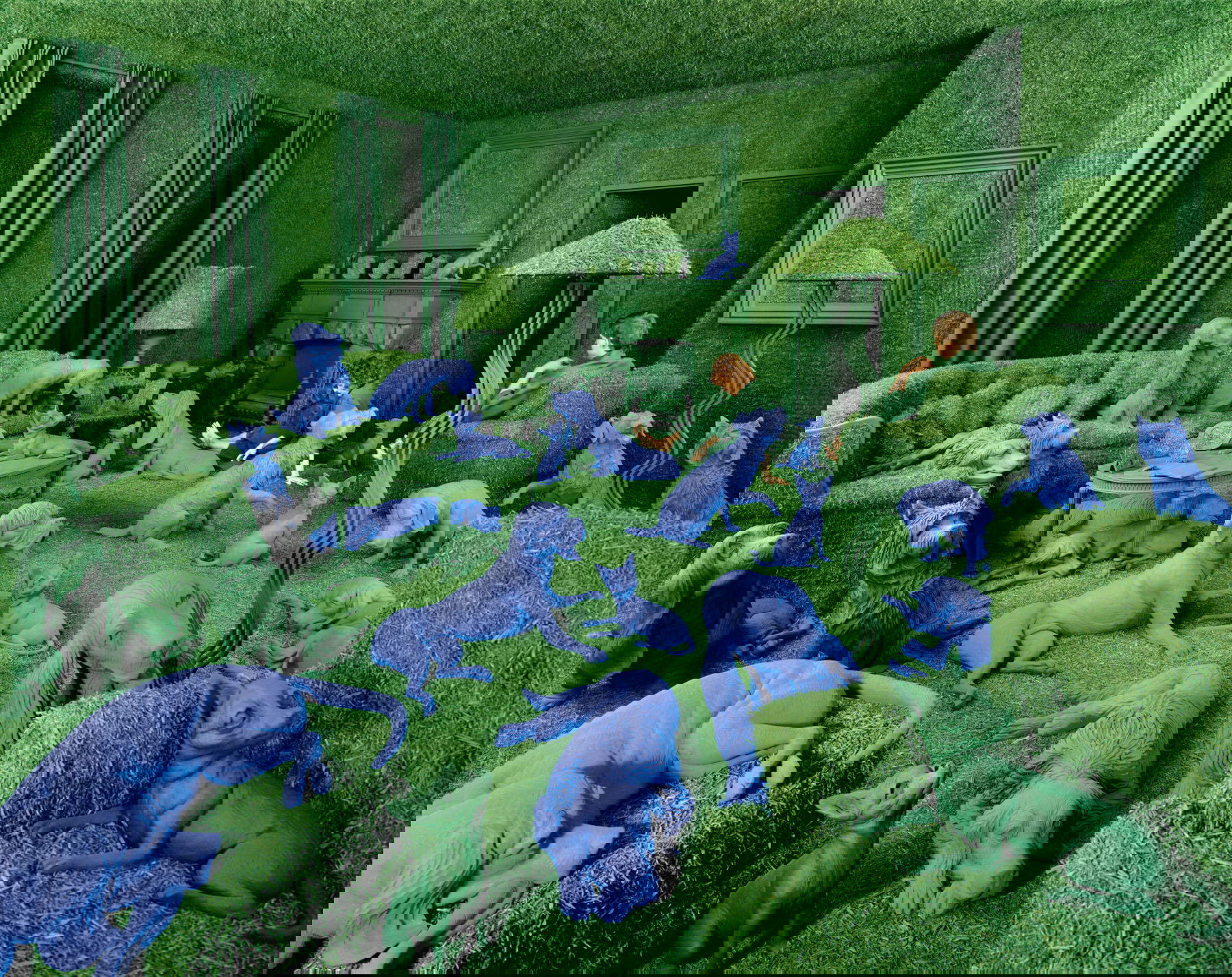
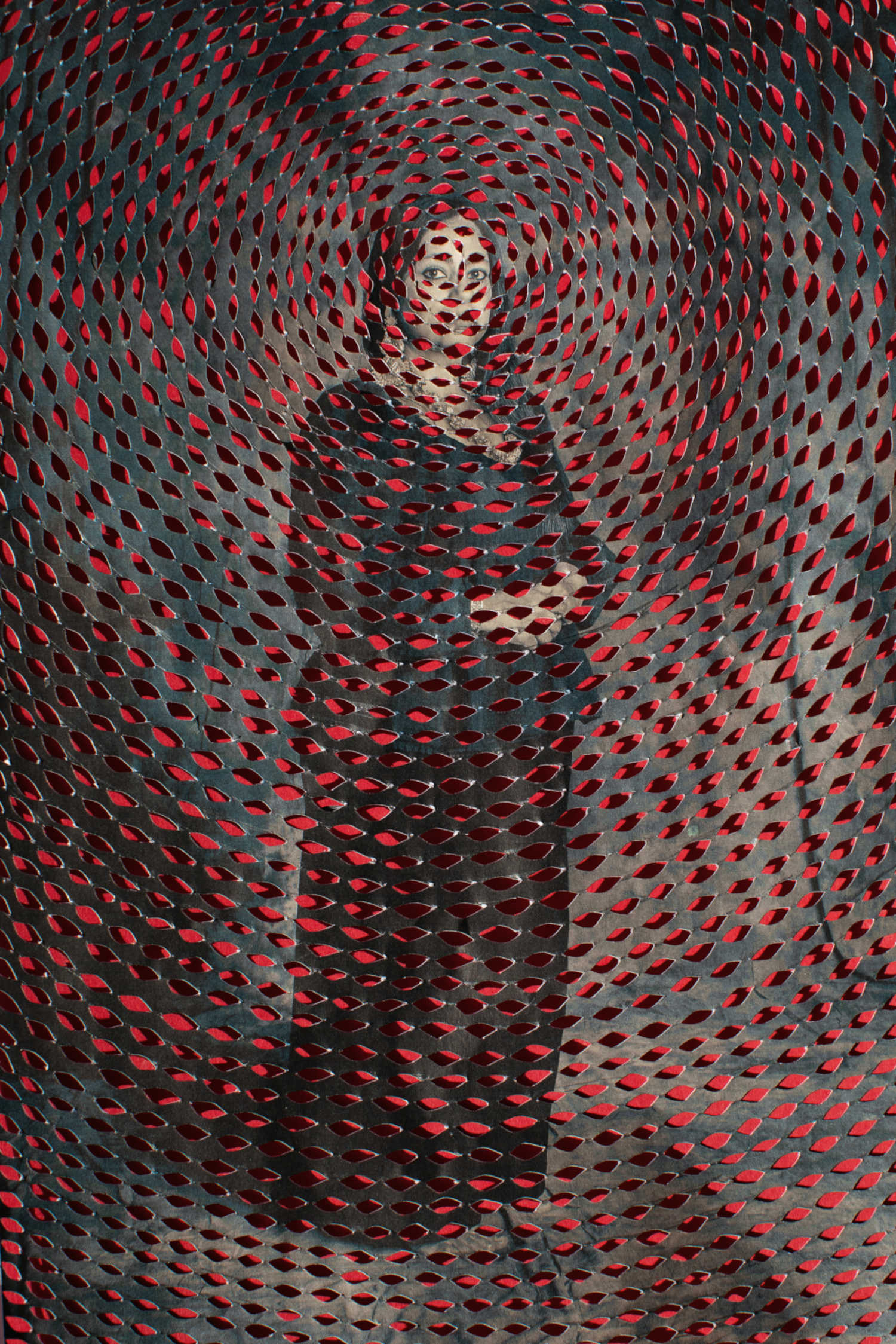
The fifth section, Photography as Evocation, focuses on the metaphorical and symbolic possibilities of photographic language. In this part of the exhibition, photography appears as a space in which reality and fiction are intertwined through constructed sets, arrangements and visual layering. Among the featured authors are Newsha Tavakolianwith the work Listen (2010), Sandy Skoglund with her surreal environments, Nancy Burson with experiments onidentity as Androgyny (1982), David LaChapelle with his visual set designs, and Mat Collishaw with Last Meal on Death Row (2012), a work that combines aesthetics and ethical reflection.
The tour concludes with the section Photography as a Compass for Tomorrow, dedicated to the photographic production of the 21st century and the issues that characterize the present. Issues such as multiculturalism, gender identity, migration, civil conflict and environmental crisis emerge in this part of the exhibition. Authors included include Ebrahim Noroozi with Lake Undecided (2016), Carlos Ayesta and Guillaume Bression with the projectFukushima No-Go Zone (2011-2016), dedicated to the contaminated territories after the nuclear disaster, and Gohar Dashti with Home #8 (2017), representing home as a space of resistance in war-affected areas. Also featured alongside them are Alba Zari with the project About the Y (2021), dedicated to reflecting on identity in the post-digital context, and Carlos Idun-Tawiah with Hold Me Close (2024), a work that investigates the links between community, affects and individual history.
Within the exhibition, MUDEC reaffirms its vocation as an institution dedicated to understanding cultures through images. The 100 selected photographs constitute a visual archive that spans different eras and languages, offering a tool for interpreting history and the present through the medium of photography. The exhibition project also includes a parallel initiative hosted at Zurich’s Milan headquarters at 11 Via Santa Margherita. From March 7 to June 28, a spin-off exhibition will be presented with a selection of seven photographs from the main itinerary. Admission to the exhibition is free, and the initiative is designed as an extension of the exhibition project aimed at the city community.
The program also includes a public meeting scheduled for Saturday, March 14 at 5 p.m. in the MUDEC Auditorium. On this occasion curator Denis Curti will dialogue with collector Ettore Molinario, founder of the Casa Museo Molinario Colombari. The meeting will take the cue from the two-hundred-year anniversary of the first photograph taken by Nicéphore Niépce to retrace some milestones in the history of photography and reflect on the role of images in the construction of society’s narrative. Participation is free with registration through the museum’s website. Also available on the occasion of the exhibition is the volume 100 photos that shocked the world, published by 24 ORE Culturae and edited by Denis Curti. The book is available for purchase at MUDEC’s Design Store, in bookstores and online.
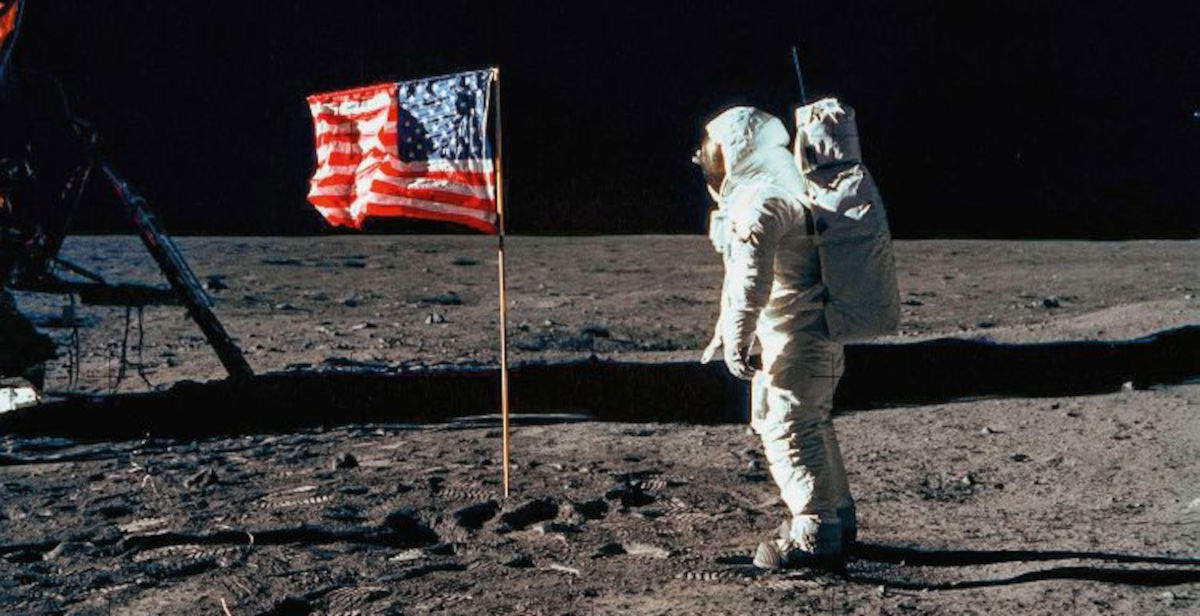 |
| At MUDEC in Milan, 200 years of photography told through 100 images |

Warning: the translation into English of the original Italian article was created using automatic tools. We undertake to review all articles, but we do not guarantee the total absence of inaccuracies in the translation due to the program. You can find the original by clicking on the ITA button. If you find any mistake,please contact us.























 IT
IT FR
FR DE
DE ES
ES CN
CN


